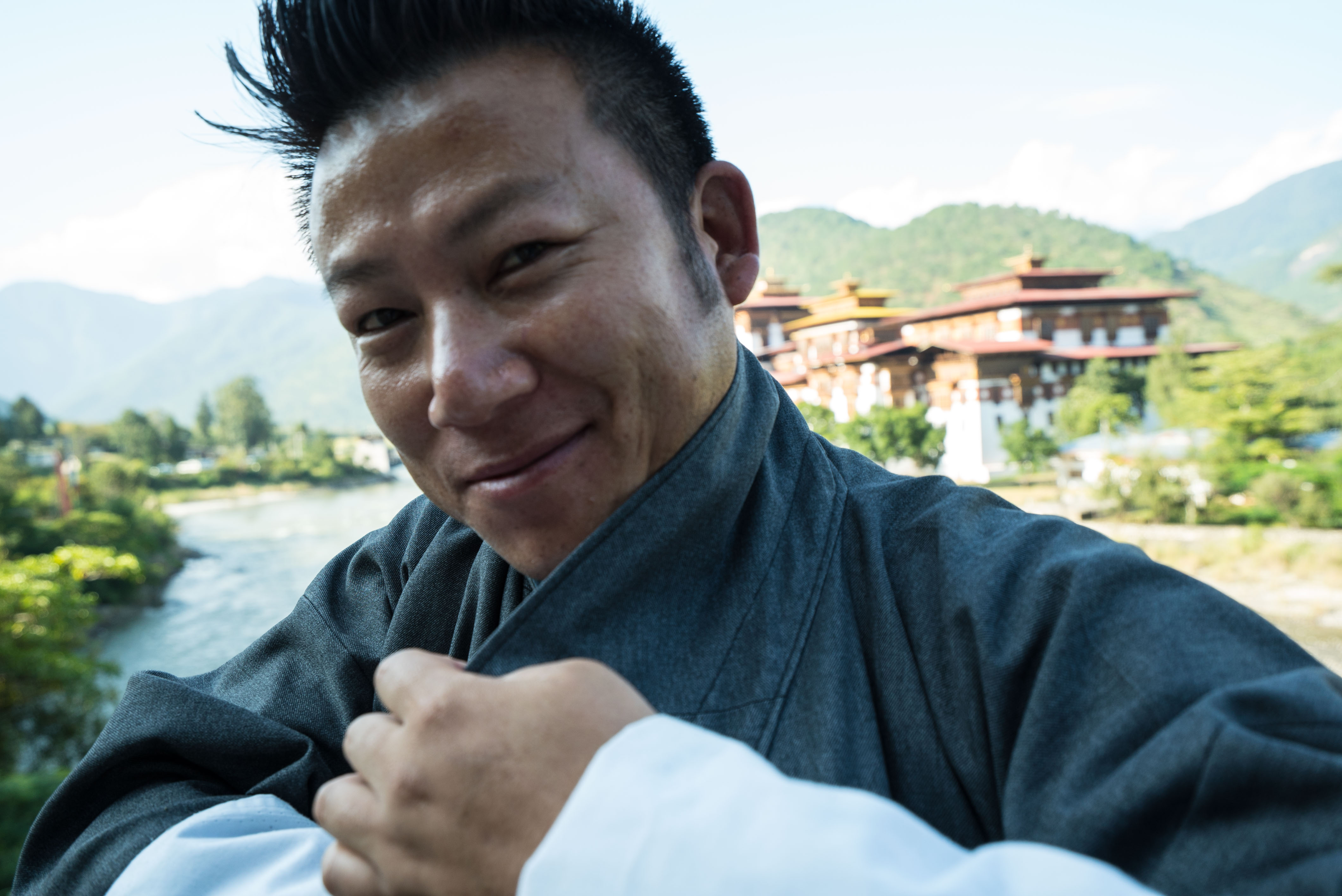
Bombay / last day filming ~

Today we completed filming on this phase of production.

We went back up to the Yoga Institute in Santa Cruz, Bombay, and I re-did an interview with Hansaji – the Director of the Institute.

I say “re-did” because I interviewed her last year, and in fact she was the very first interview  I did for this production.

Why do it again?

Not for content, because she was very strong last year, and equally strong in the interview I did today. No, it was because now we’re aiming for a theatrical release for the film, and the interview last year was shot on 2K.

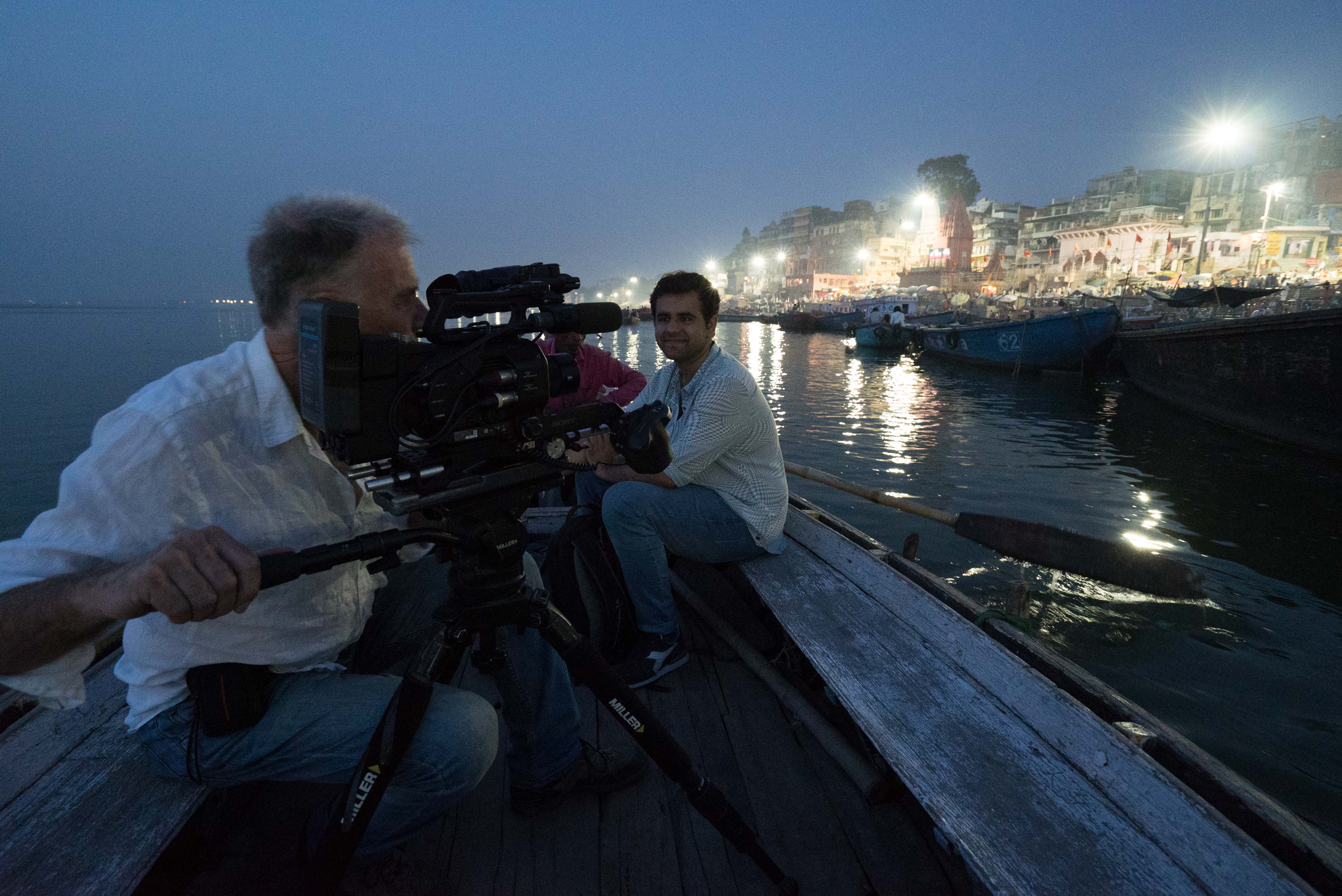
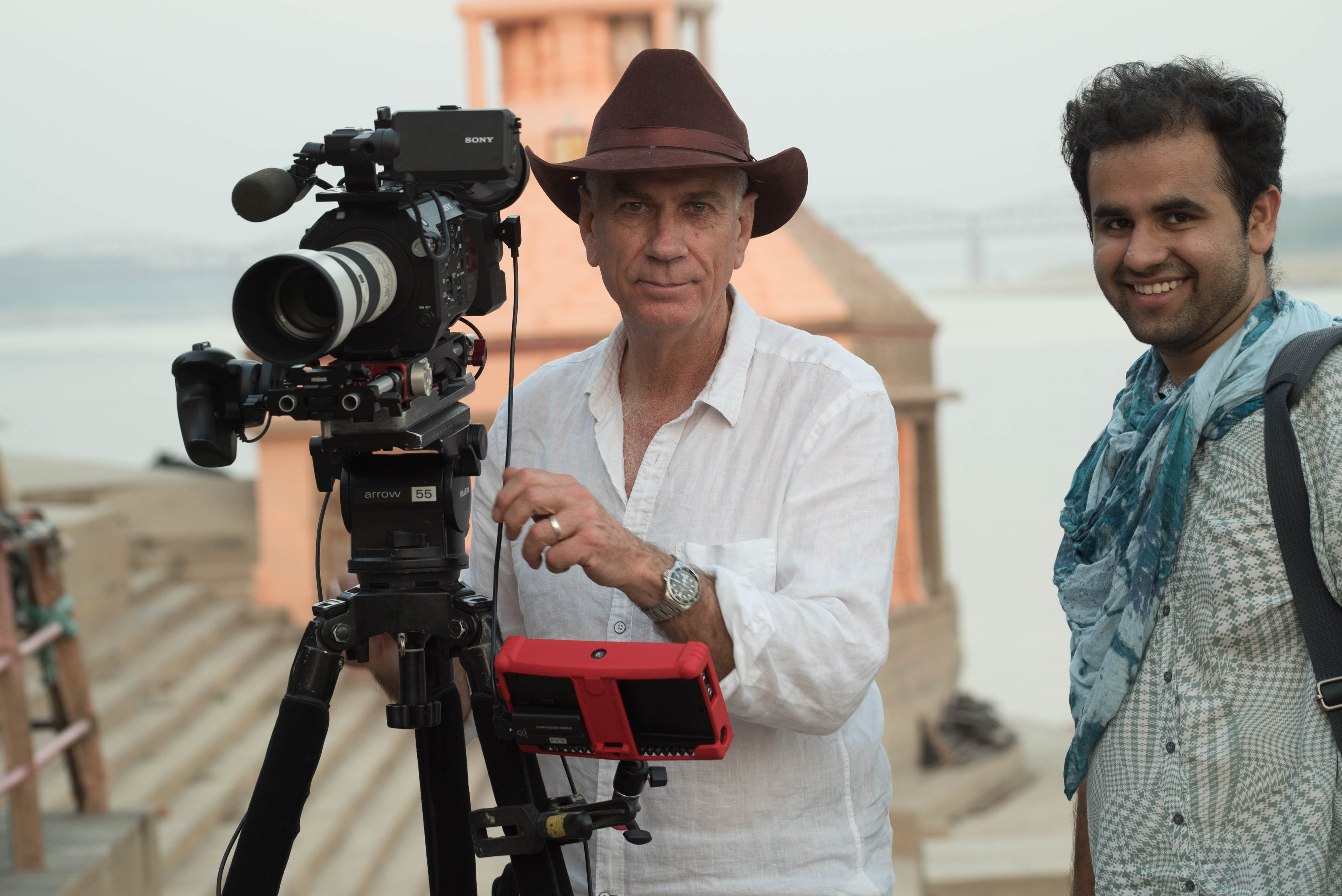
Pieter, Cameraman Extraordinaire, has a camera extraordinaire – the Sony FS7 – which shoots 4K at a withering bit rate, and so I wanted to get the interview again at the higher resolution, remembering just how good she was on camera last time.

And again she didn’t disappoint.

There will be several very good grabs to take from her interview, but one story she told is worth recounting here…

She told of a young man who climbed a very high and dangerous mountain. He almost reached the top, and then he fell. He believed he would die. But then he was pulled up by his safety rope.

He dangled at the end of the rope, unable to pull himself up. He was helpless. It was night, it was freezing, and a snow storm raged around him. He could see no way his life could be saved. And so he called out to God: God please help me. Please save me. 

And God finally answered, and said to the young man: Are you sure you want me to save your life? 

And the young man said: Yes, please save my life. 

And God said: Well, take your knife and cut the rope. 

The young man’s intellect said to him: If you cut the rope, you will fall to your death. If you don’t cut the rope, then perhaps someone will come to your rescue.

And so the young man didn’t cut the rope.

In the morning. rescuers came, and found the young man dead, dangling at the end of the rope. He had frozen to death overnight.

The rescuers saw that only ten feet below him was a drift of soft snow, and a way down the mountain. Had he cut the rope, he would have lived.

The lesson from this?

Intellect, ego, the rational mind, are the biggest obstacles to the innate wisdom of your intuition, but it requires courage and trust – “faith” Hansaji preferred to call it – to listen to and act on your inner voice.

It was a terrific interview.

Tomorrow is a wrap day, and the following day we return to Australia.

You won’t hear much from me for a while – I have a huge amount of work to do now on the film. We still have more filming to do, in the US and Hawaii principally, and a massive post production job ahead of us.

So I need to hunker down and focus on what needs to be done.

What fun!

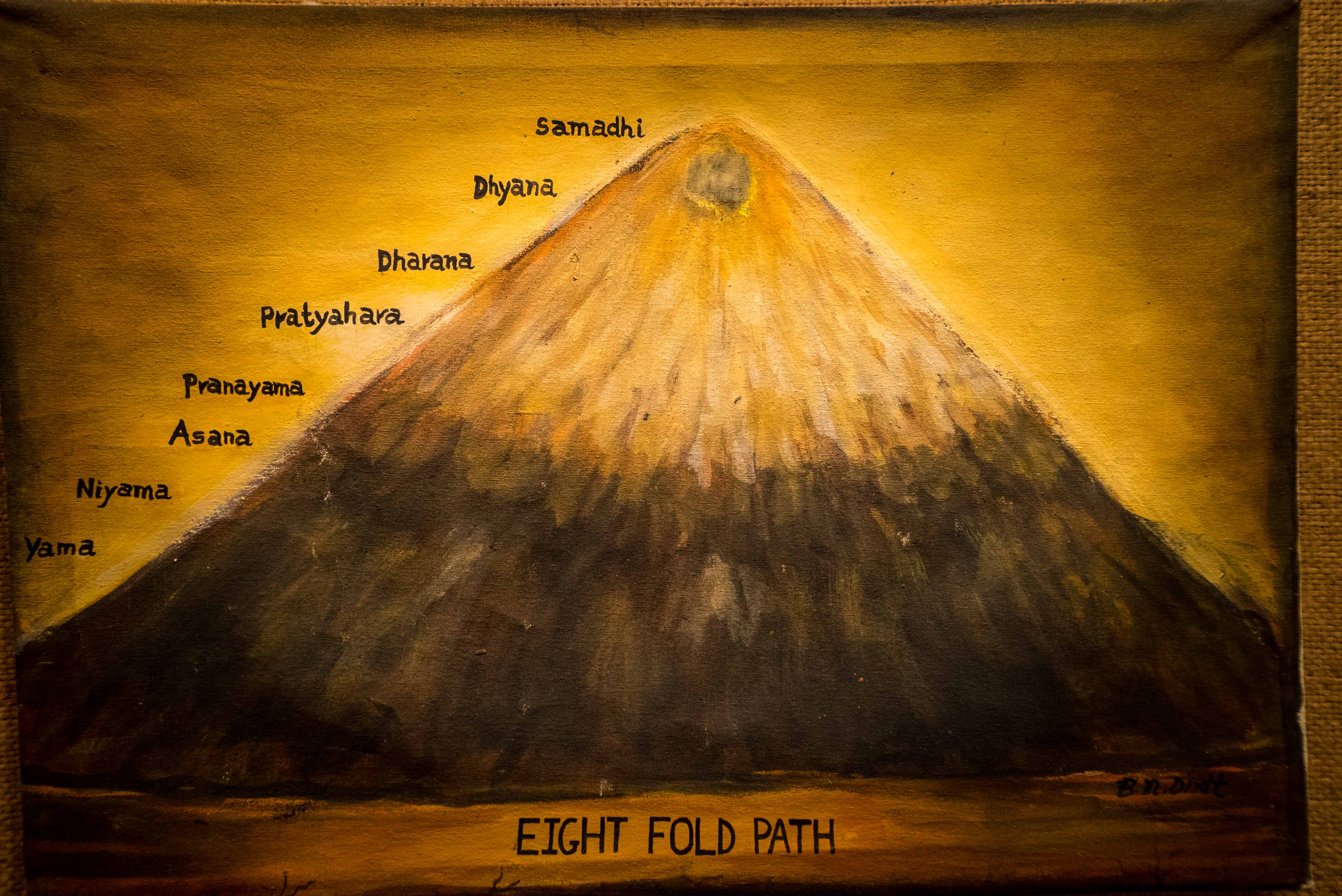
Eightfold yoga path


India – Pieter’s fav 12 pics ~

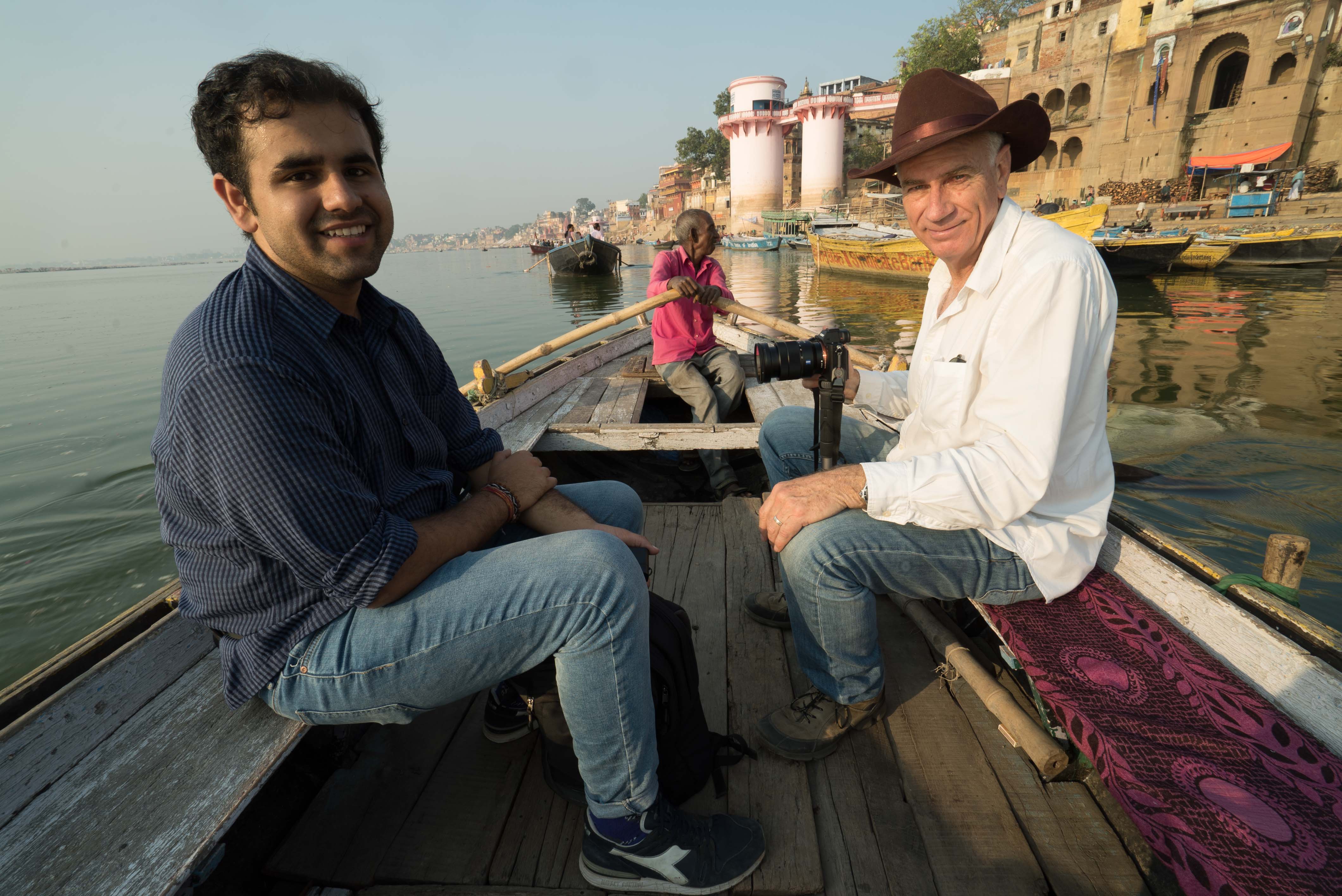
Pieter de Vries, Cameraman Extraordinaire, joined us in Delhi a few weeks ago to continue filming my PGS – Intuition movie.

Pieter and I first worked together in the early 80’s, when I was a producer/director on the ABC flagship documentary show, A BIG COUNTRY. Pieter even in those early days had a potent reputation as a superb visualist.

He’s always been a fabulous stills photographer as well as a cinematographer – and he’s been taking pics during this current filming assignment in India and Bhutan .

I posted my favourite 12 shots a couple of days ago, and now I’m posting Piet’s…


best of India Bhutan-1-2 best of India Bhutan-2-2 Raju Baba (1 of 1) best of India Bhutan-8 best of India Bhutan-7 best of India Bhutan-6 best of India Bhutan-5 best of India Bhutan-5-2 best of India Bhutan-4-2 best of India Bhutan-3 best of India Bhutan-2 best of India Bhutan-3-2

India & Bhutan / my fav 12 shots ~

I’ve been away nearly 7 weeks now, and I’ve shot a lot of images.

I’ve now selected my twelve favourites.

They’re not necessarily technically perfect, and they’re not necessarily very good photographs. They’re probably not shots you would have chosen…

But they’re just pictures that sing to me of people and place…

Chandni Chowk Market, Delhi © Bill Bennett

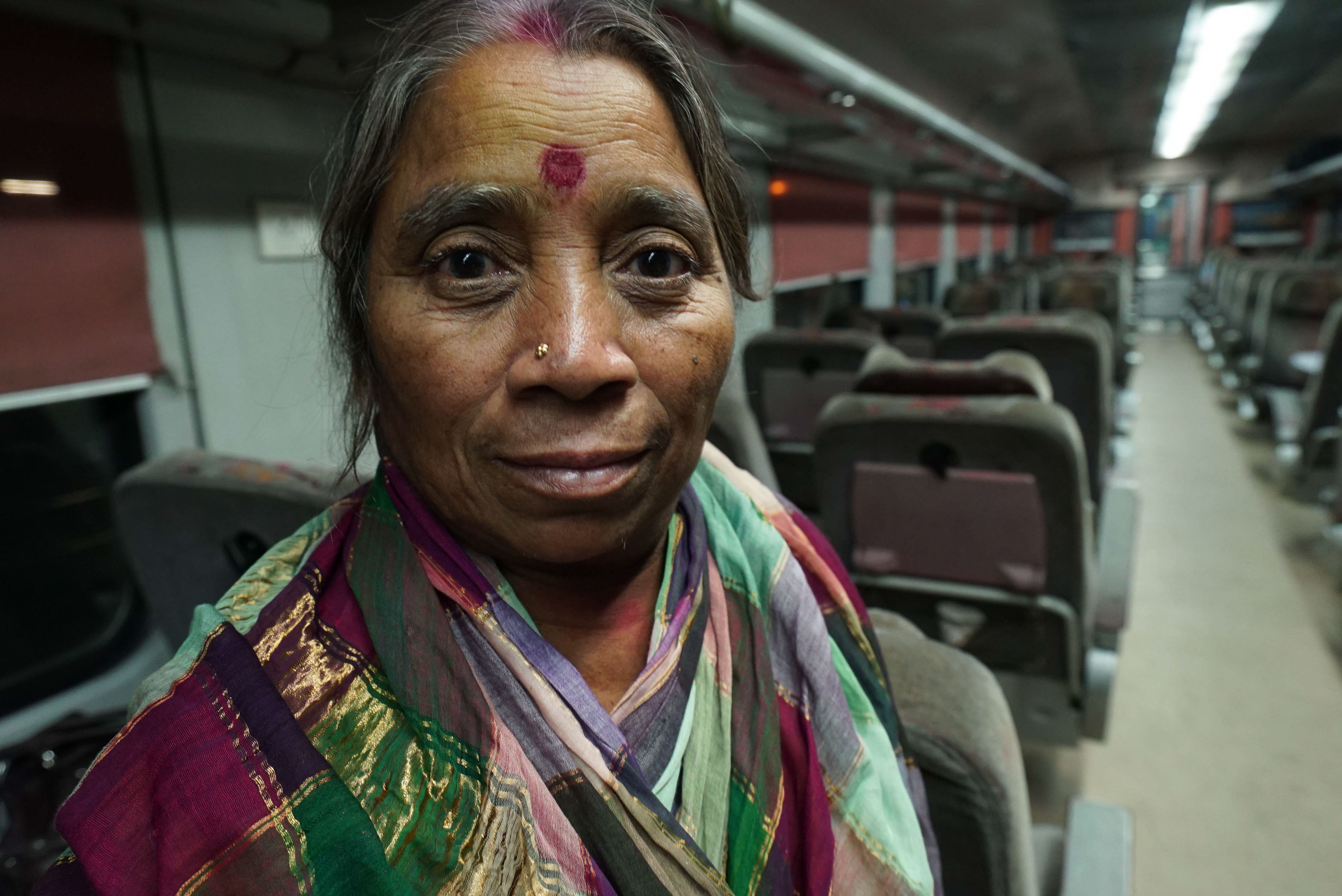
Woman on train to Amritsar © Bill Bennett

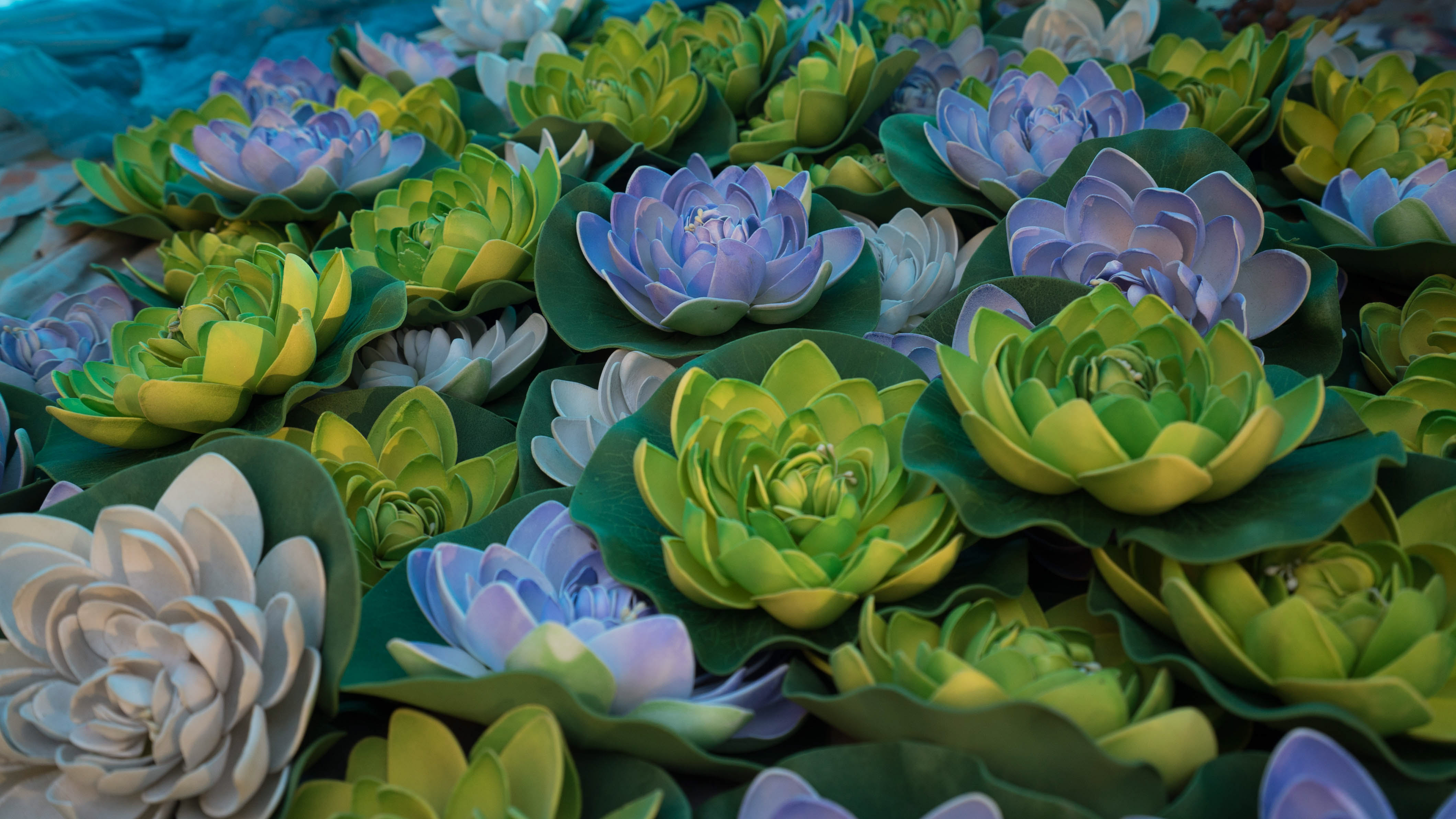
Lotus blossoms in market Dharamsala © Bill Bennett

Sikh at Golden Temple, Amritsar © Bill Bennett

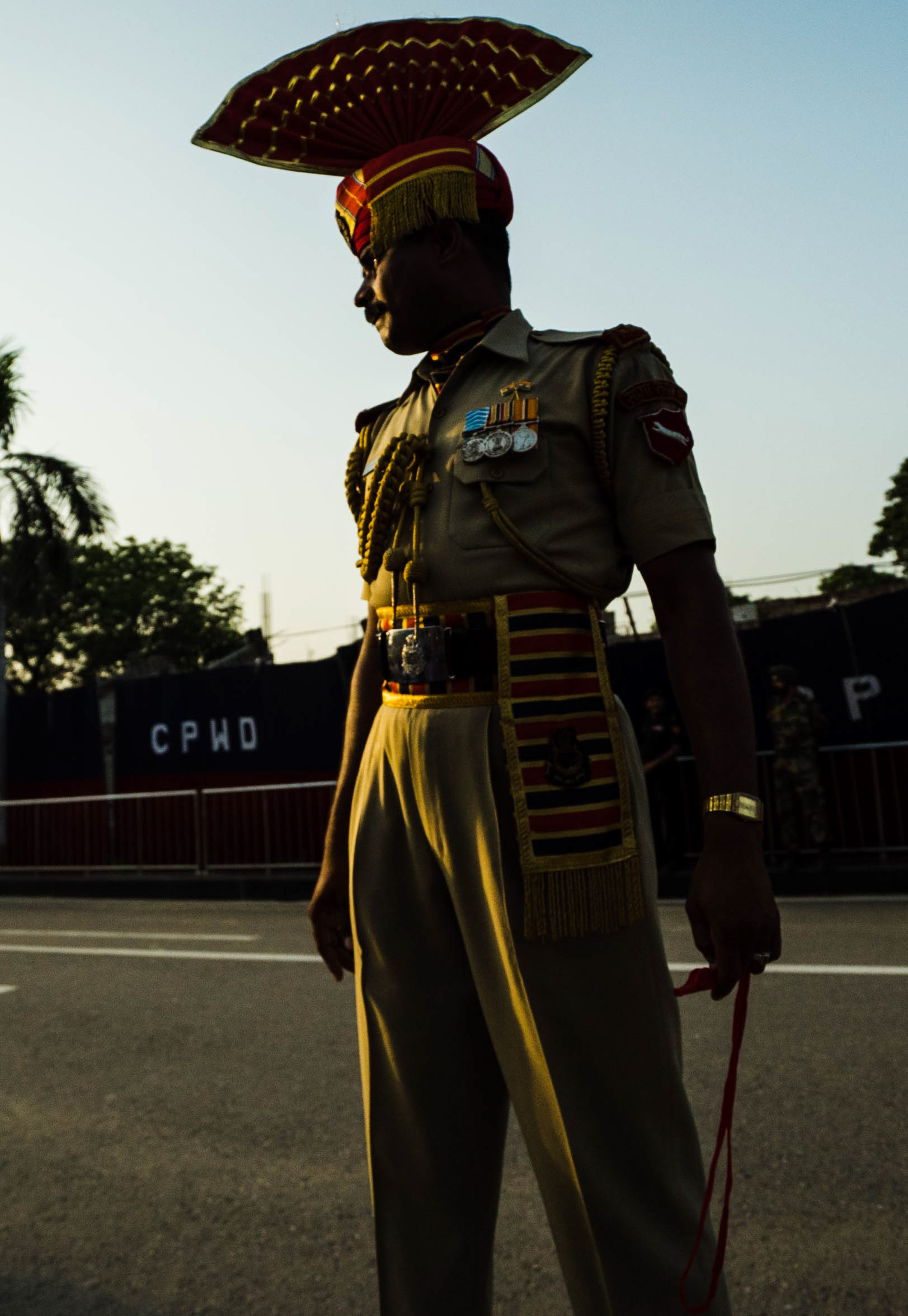
Wagah Border Ceremony Guard © Bill Bennett

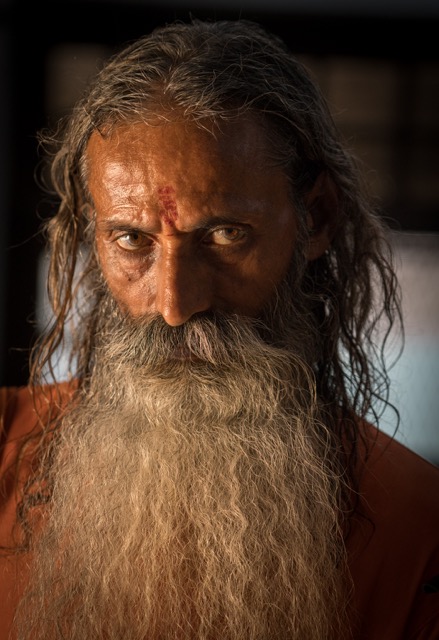
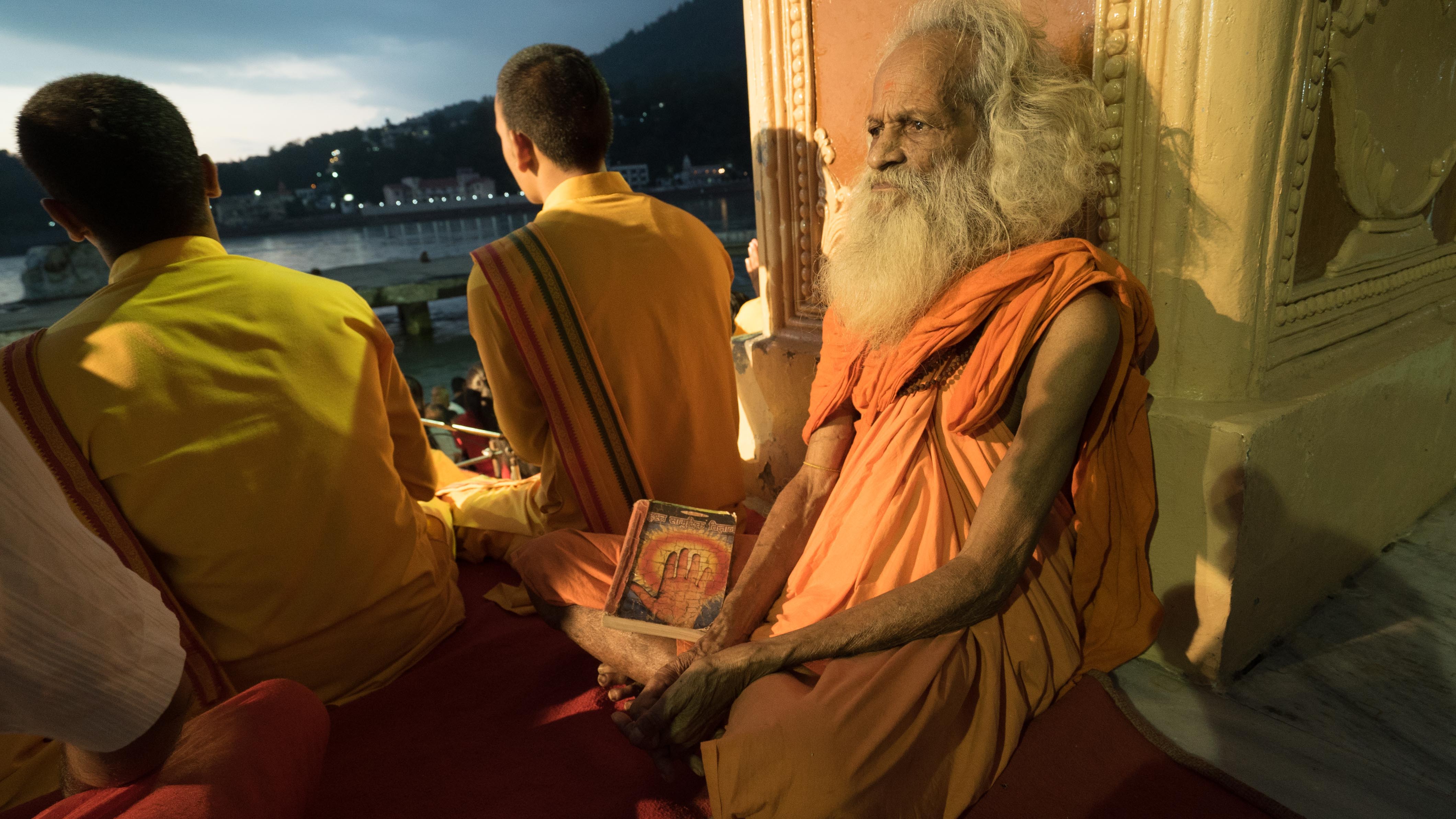
Sadhu by banks of Ganges, Rishikesh © Bill Bennett

Sadhu at Parmarth aarti, Rishikesh © Bill Bennett

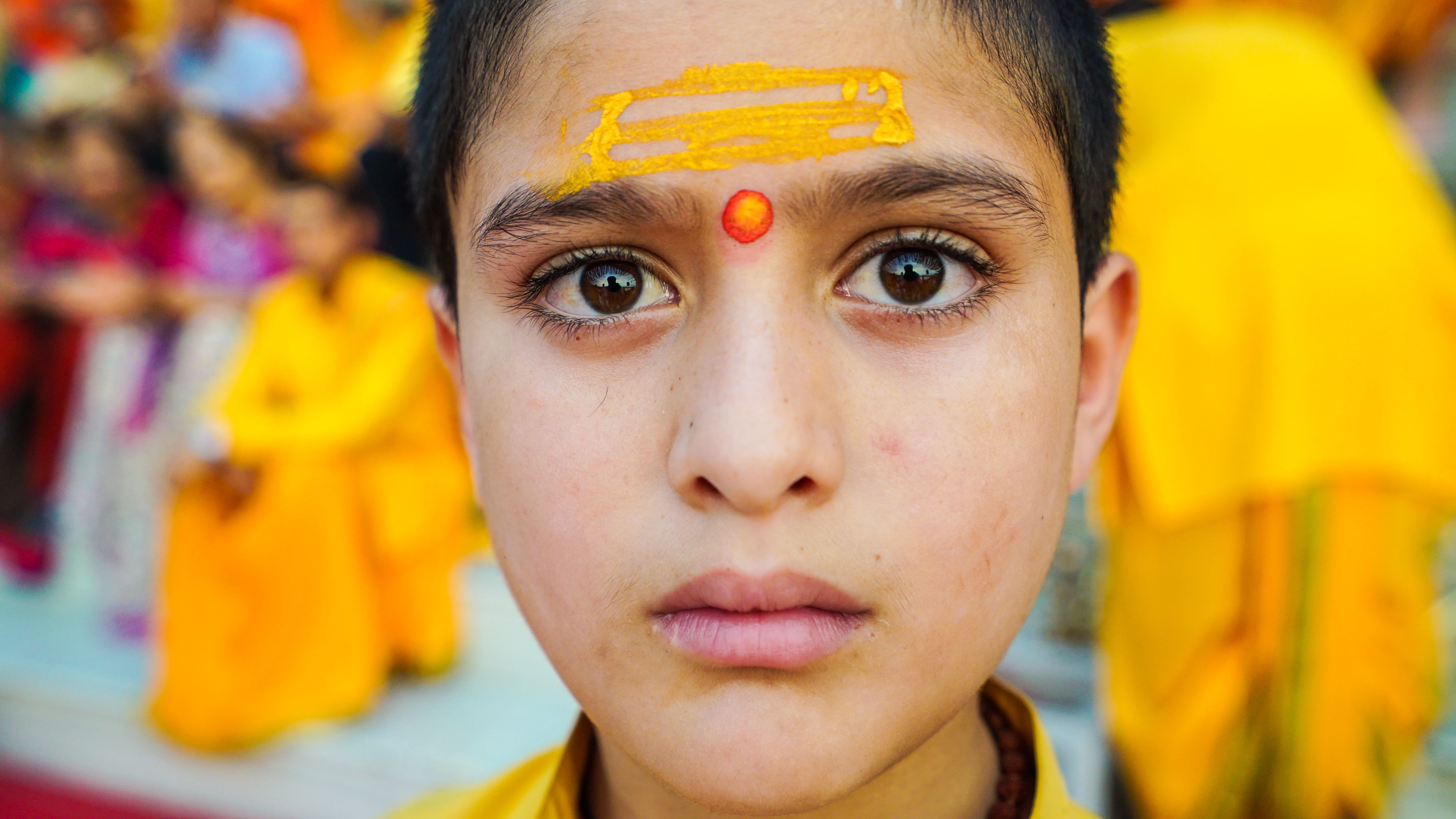
Boy at Parmarth aarti, Rishikesh © Bill Bennett

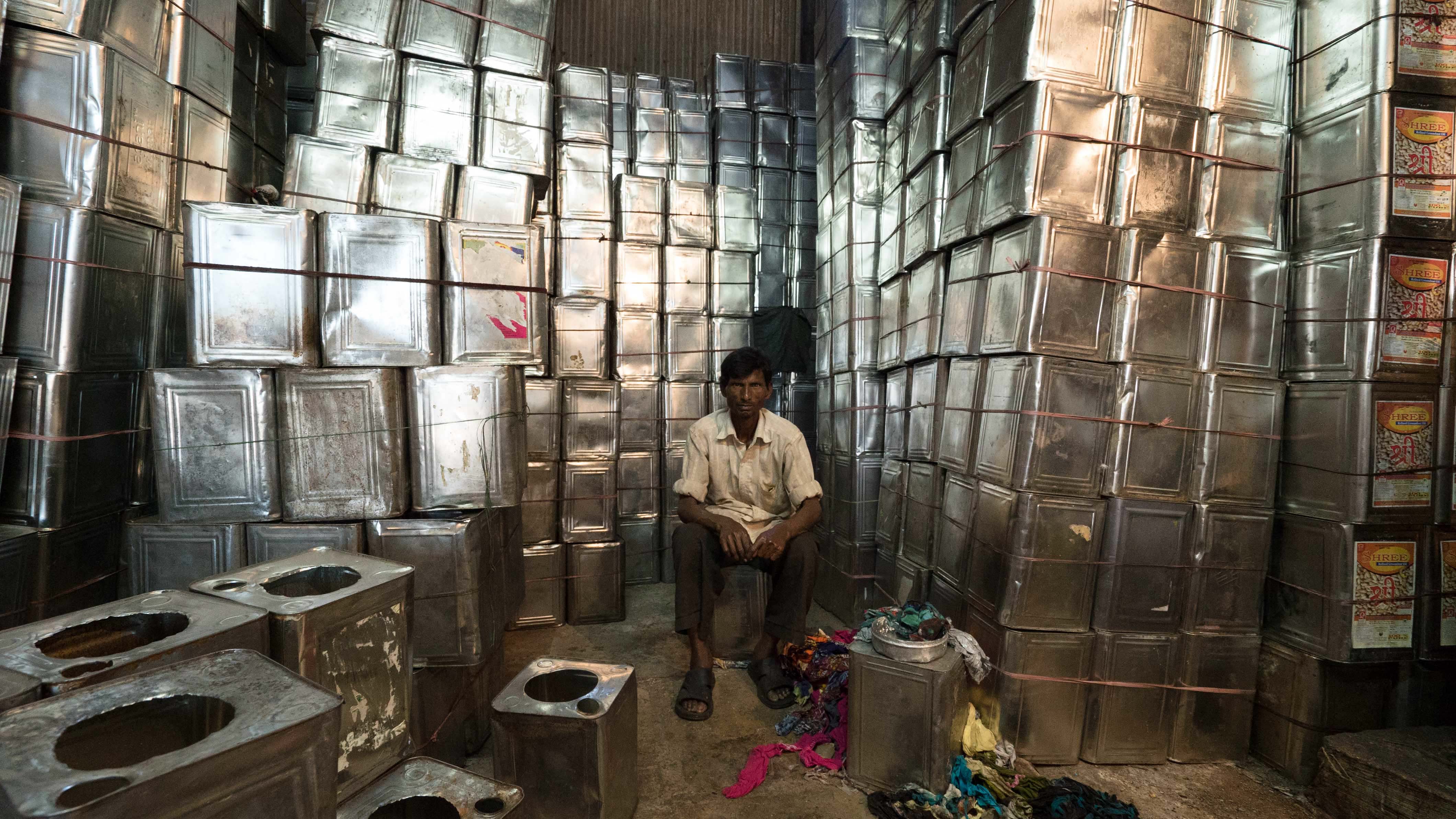
Tin worker, slums Bombay © Bill Bennett

Thimphu Markets, Bhutan © Bill Bennett

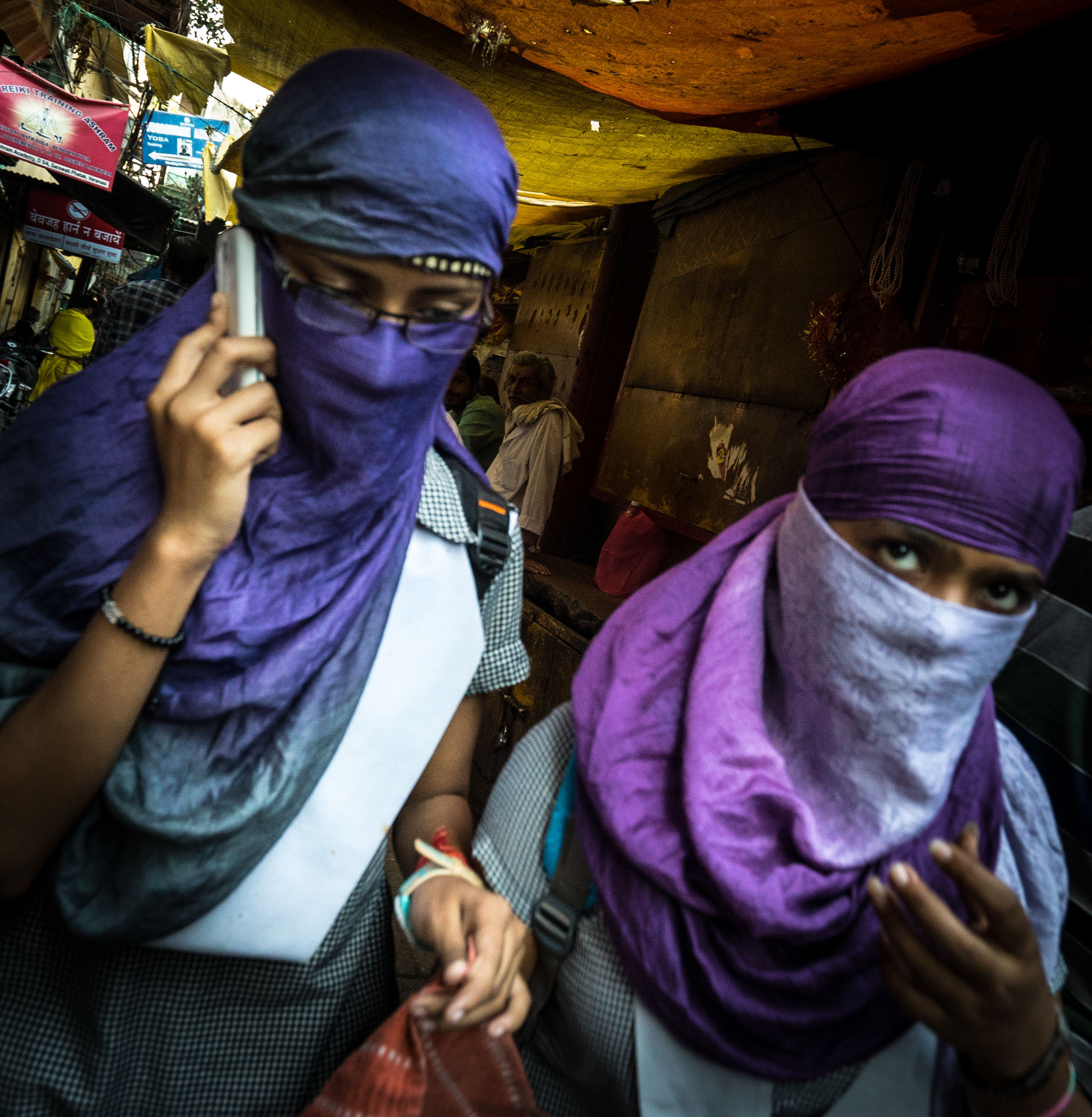
Ladies in alley, Varanasi © Bill Bennett

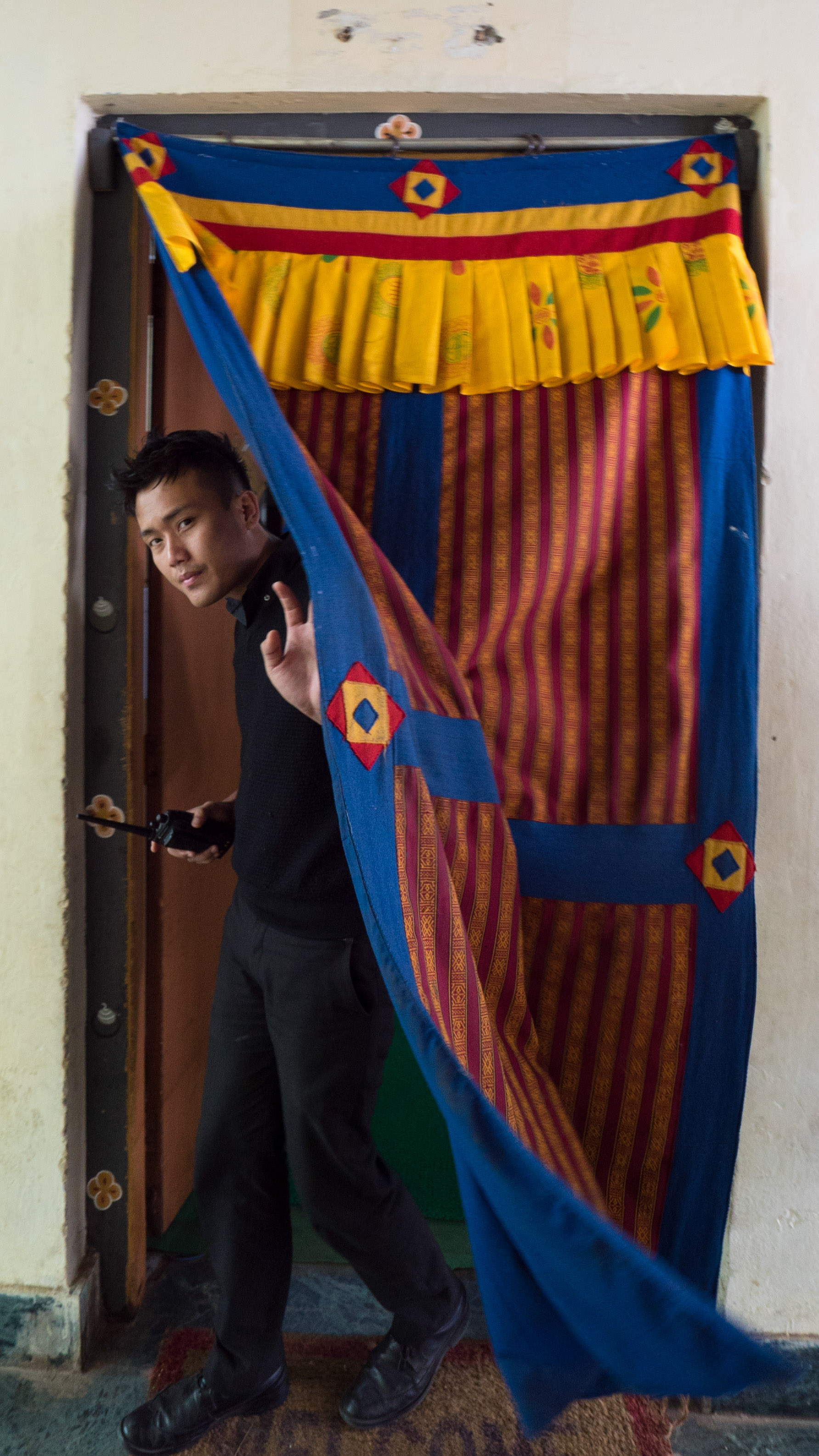
Buddhist Master, Bhutan © Bill Bennett

Varanasi to Bombay ~

Today was a travel day – leaving Varanasi to head to Bombay.

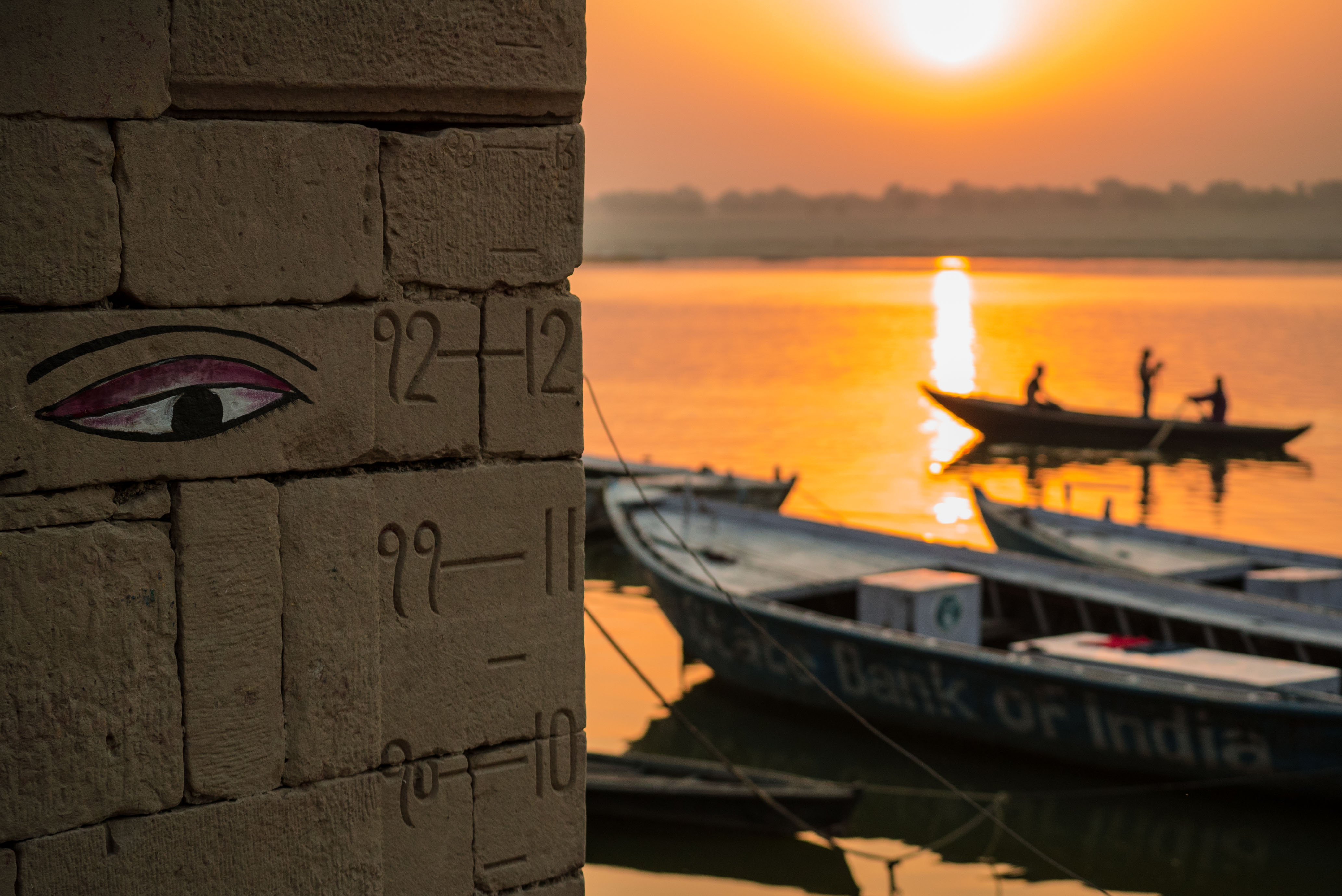
But before we left, we shot one more sequence. We got up at 5am, well before dawn, to shoot our artist painting a Third Eye onto a block down by the water, as the sun came up.

My photos don’t show the true splendour of this sequence – Pieter’s cinematography certainly does.

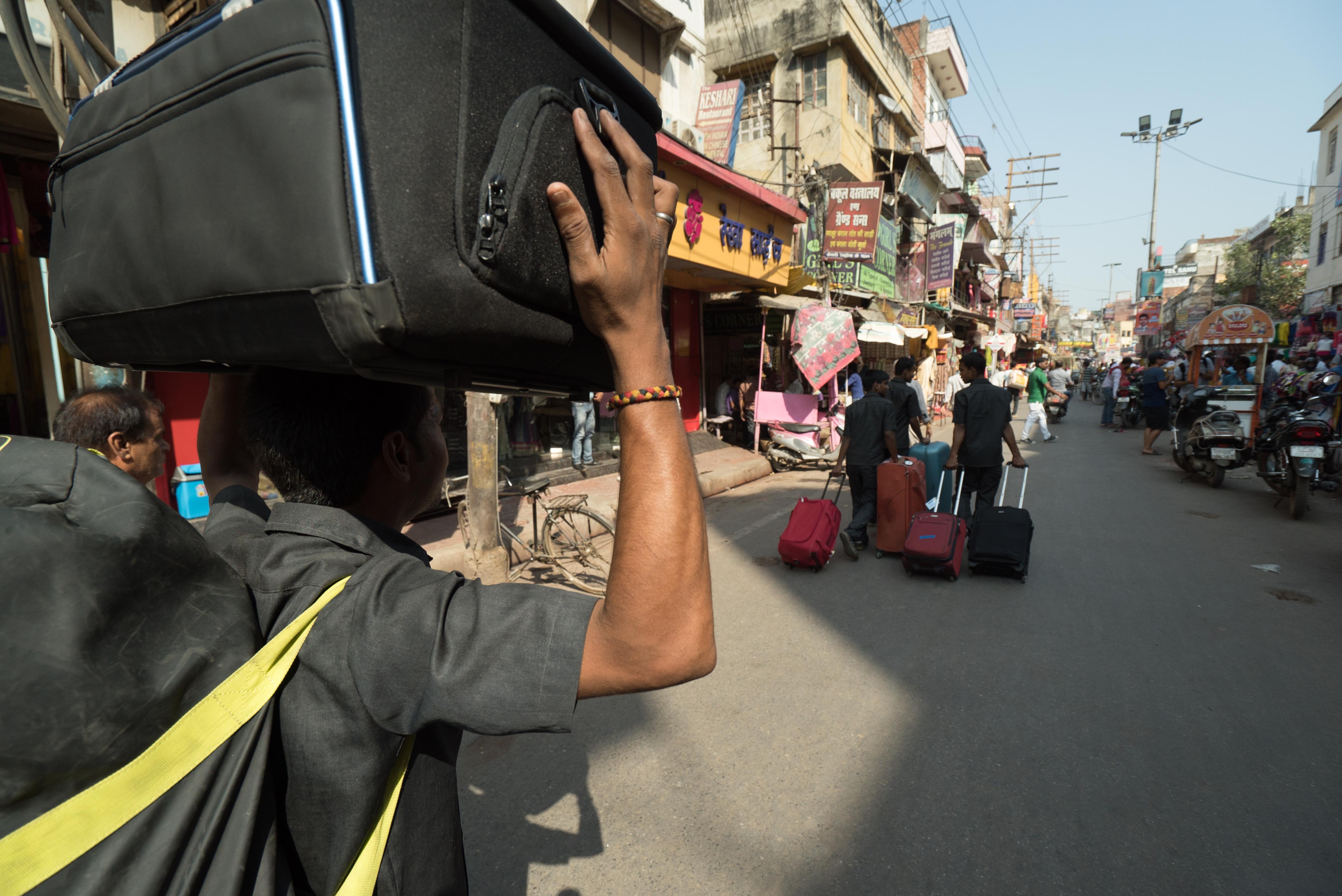
After completing the shooting we quickly packed up and headed off, with five porters carrying our luggage and film equipment cases through the narrow alleys and out onto the streets already chaotic with the ceaseless cacophonous flow of humanity that is Varanasi.

We said our goodbyes to Rachit. It was sad. He is a very smart young man with a huge heart and enormous compassion for all. He’s done a terrific job for us – and I know we’ll be seeing him again, and working with him again, very soon.

© Bill Bennett

We’re now in Bombay.
A day off tomorrow.
It’s been non-stop since Pieter arrived.
For Jen and me, it’s been non-stop since we landed in India nearly six weeks ago!

With the time spent in Varanasi though, each of us looks back on the period with enormous fondness. It is a complex yet subtle city, chaotic yet calm, aggressive yet deeply spiritual and at peace.

It’s not a simple place. Yet it’s been doing what it does for three thousand years. And what it does is bring those that seek it closer to God.

© Bill Bennett


Varanasi / d4

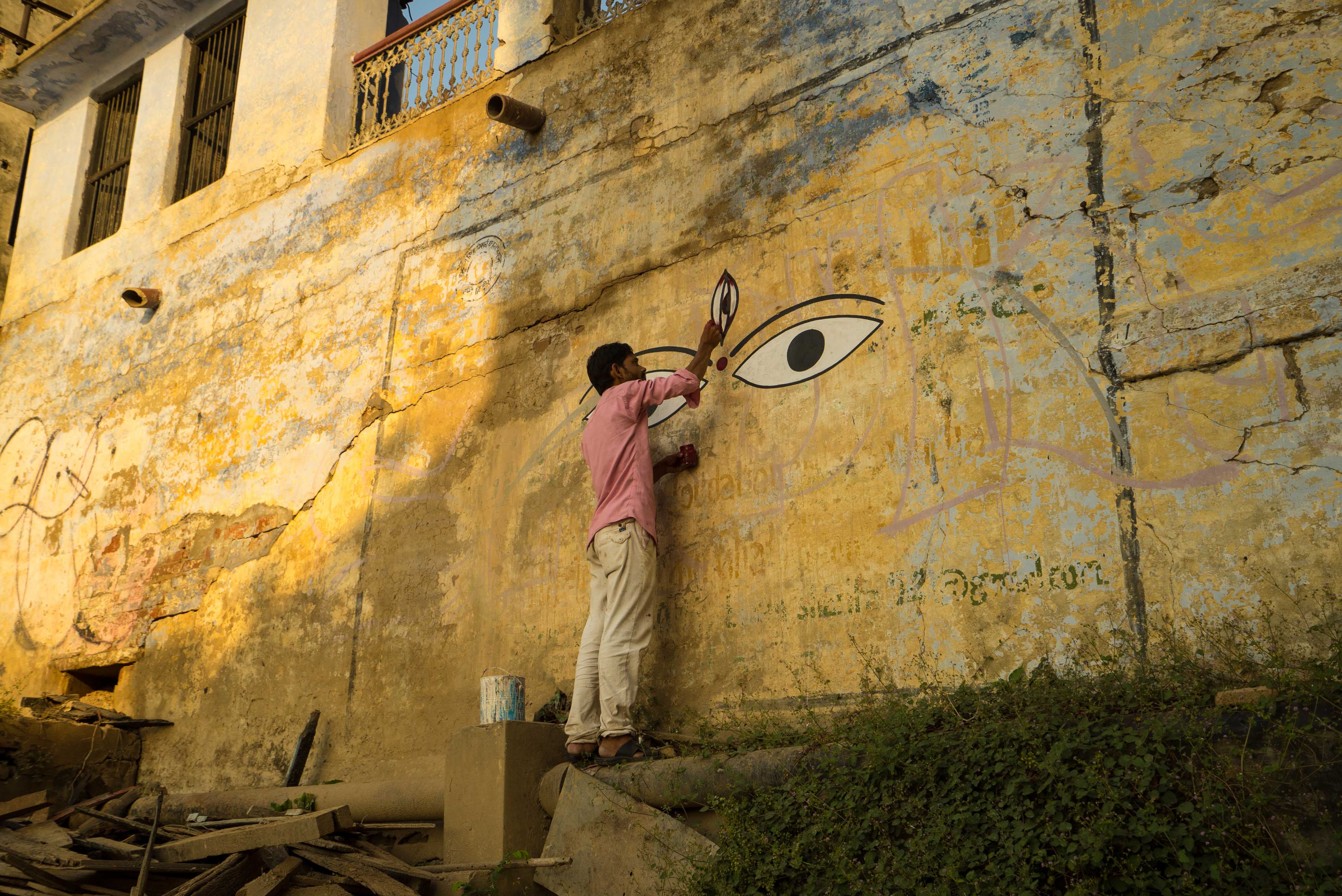
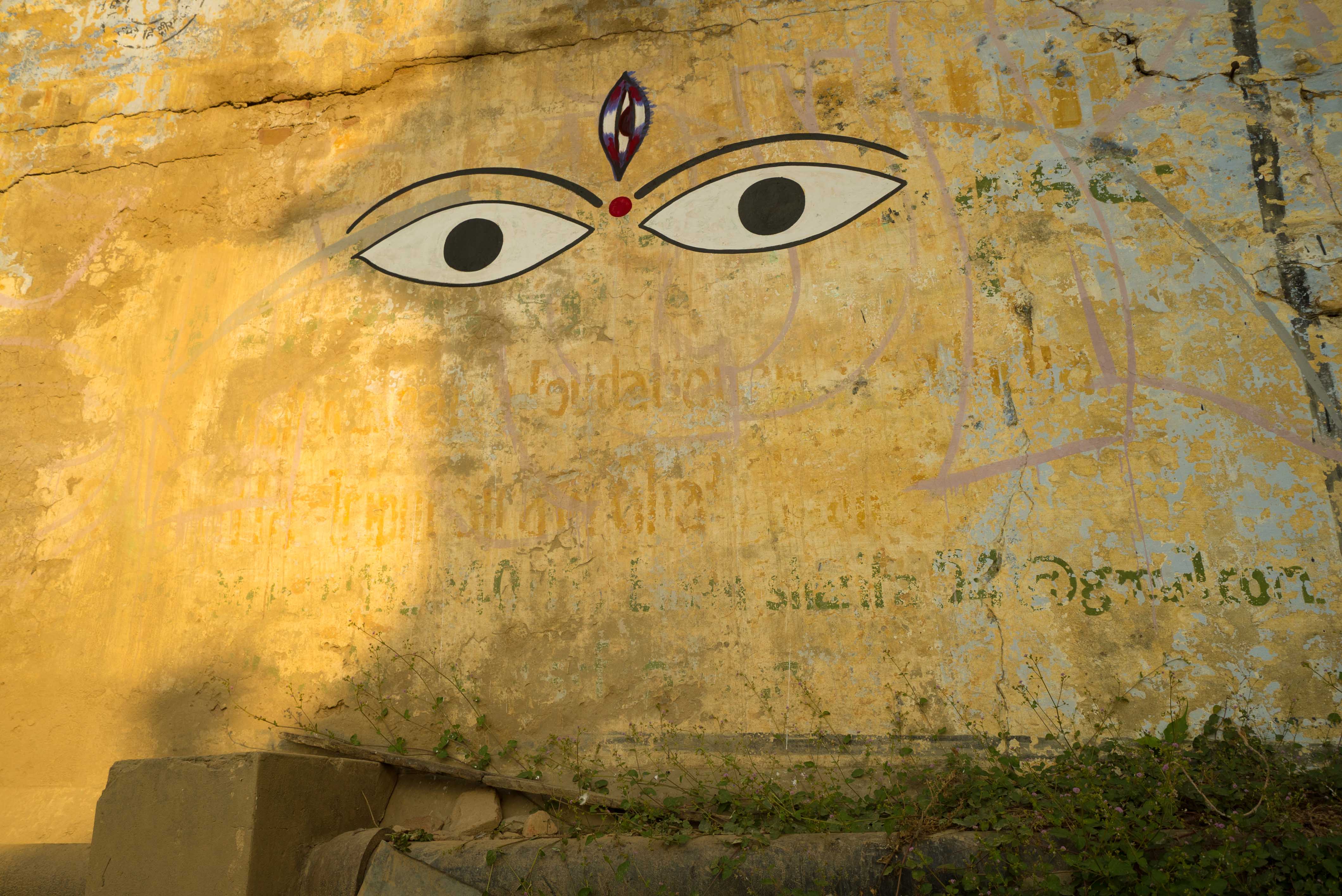
We spent the day getting some iconic imagery for the film –
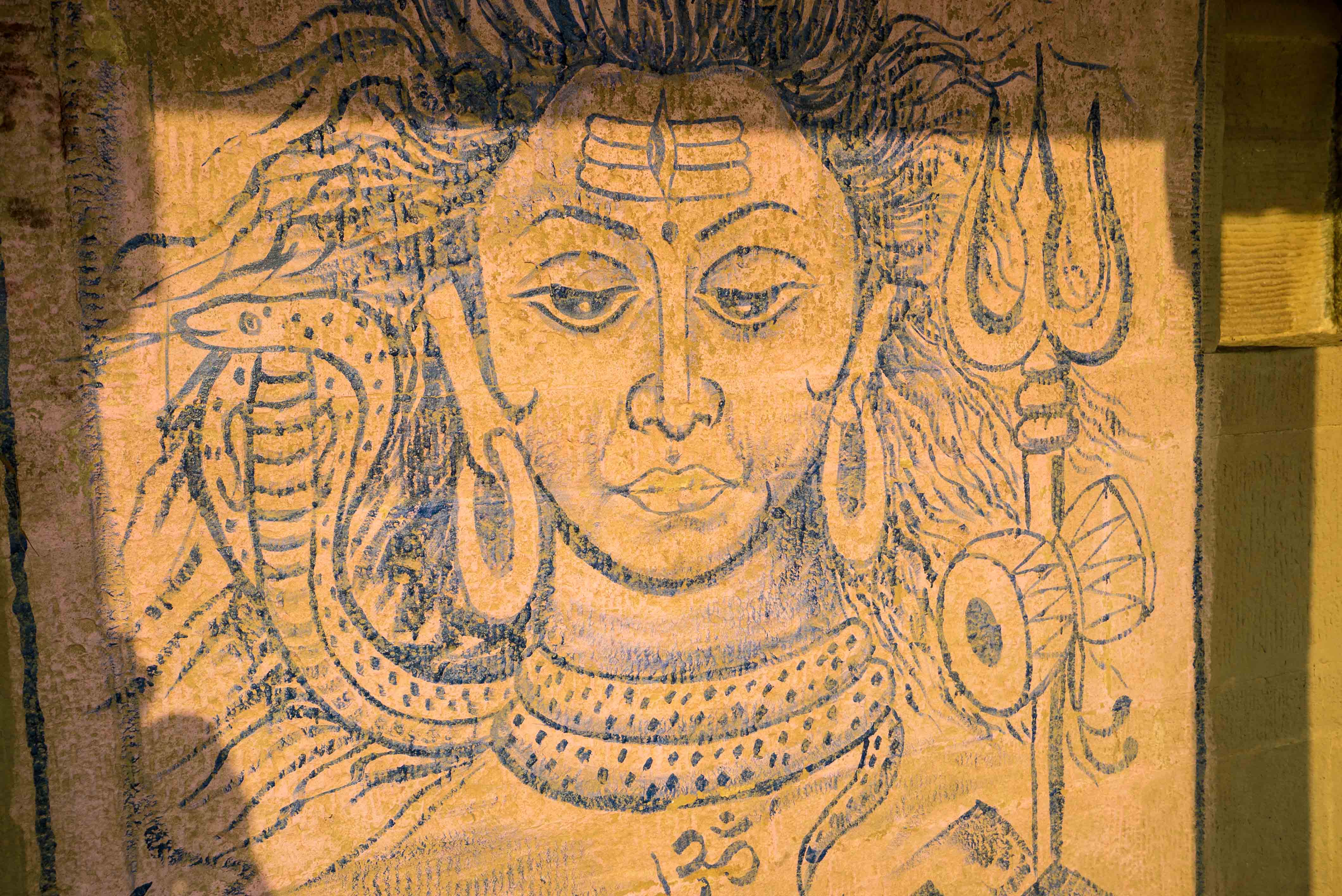
We hired a painter to put this picture of the Third Eye up on a wall…

© Bill Bennett © Bill Bennett

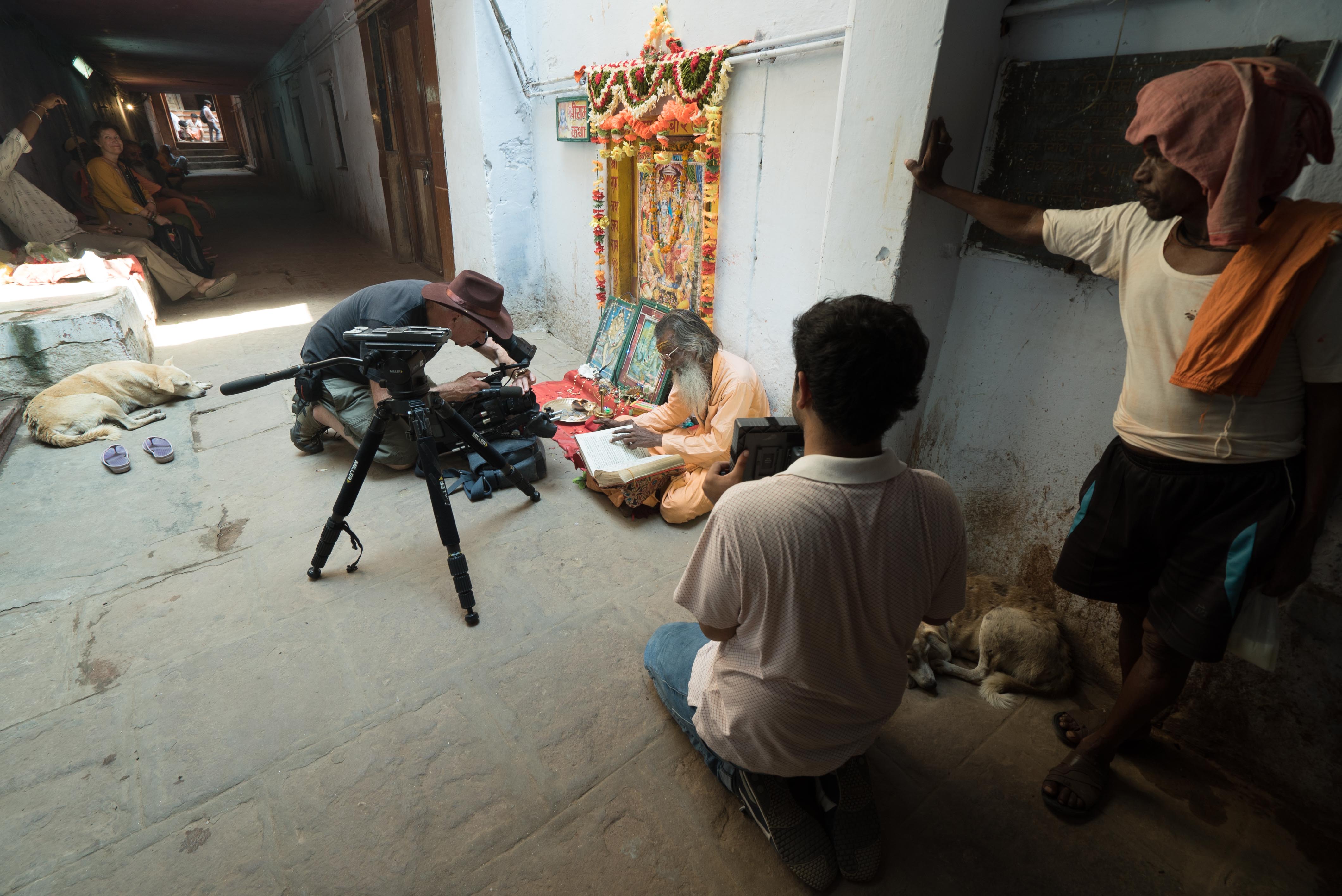
We also shot a sequence with a sage reciting ancient texts…

© Bill Bennett © Bill Bennett

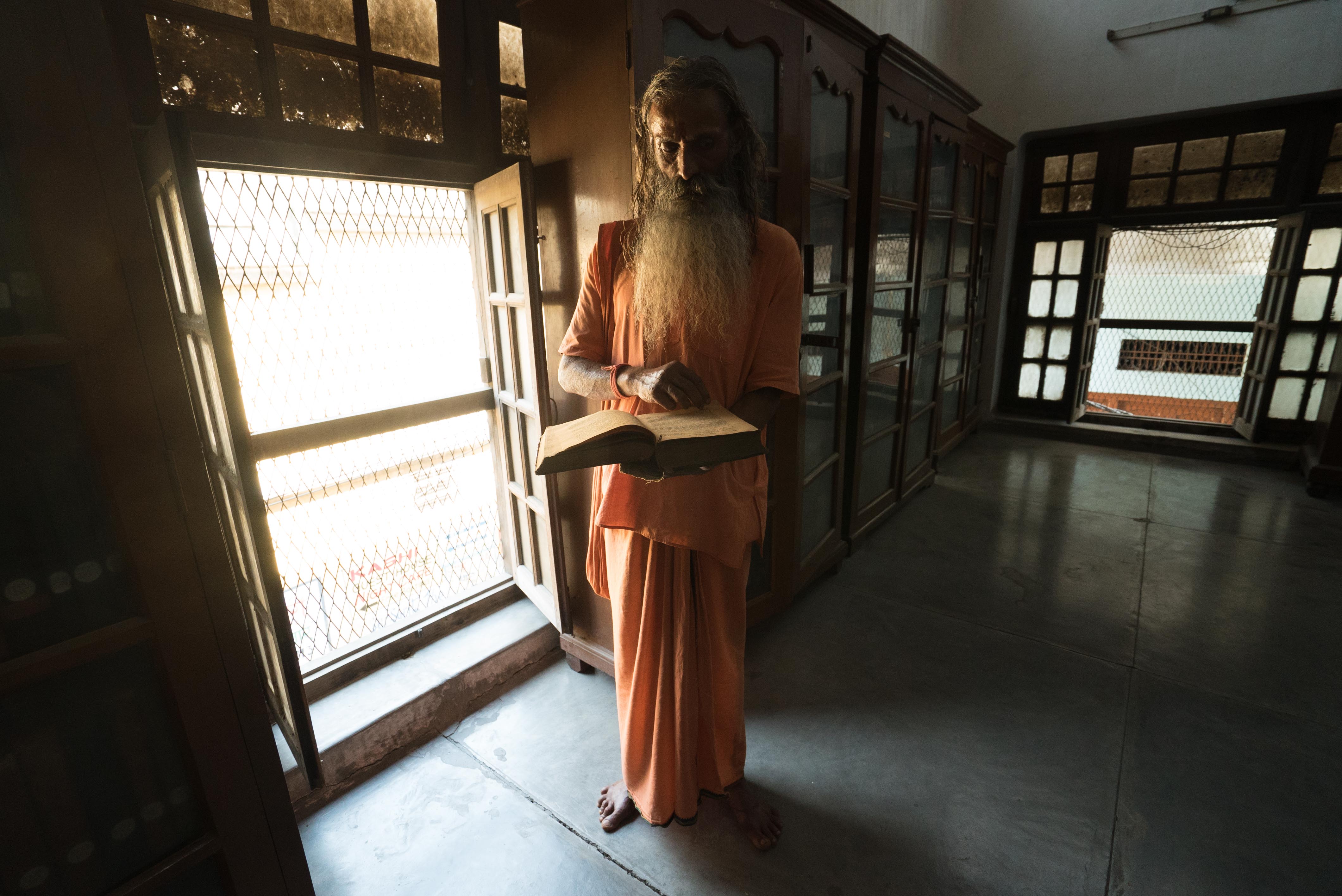
We also shot with Raju Baba in a very old private library containing Sanskrit books hundreds of years old…

© Bill Bennett

© Bill Bennett

When the light went lousy Jennifer and I went and had a reading from a famous astrologer and palmist.

© Bill Bennett

I had asked Rachit to call him up cold for an appointment. He knew absolutely nothing about Jennifer and me when we walked in. He didn’t even know our names.

He got our birth dates and time of birth, and place of birth, and fed them into his software programme – and then read our palms.

© Bill Bennett © Bill Bennett

He was unerringly accurate in what he told us had already happened in our lives, and what was coming up.

For me, he said “name and fame” was approaching – that the world would soon know my name, and I would be famous. And that prosperity would follow. He said that I would travel extensively, and meet important people.

This is consistent with what the Bombay astrologer told me this time last year, and what Joni Patry in Dallas told me late last year.

He said I had to be careful of a health issue – respiratory, he said.

How did he know about the cough I’ve had?

And said that Jennifer had “occult powers” and she could read the psychology of other people.

How did he know that Jennifer has occult powers and can read the psychology of other people?

He gave us some warnings about things coming up – things we should look out for – and it was only when I was leaving did he tell me he was writing a book about astrology and intuition.

How does that happen? That I’m drawn to someone who’s writing such a book?

After the reading Jennifer and I found a little hole in the wall chai place where we did a debrief. It was a cool place.

© Bill Bennett

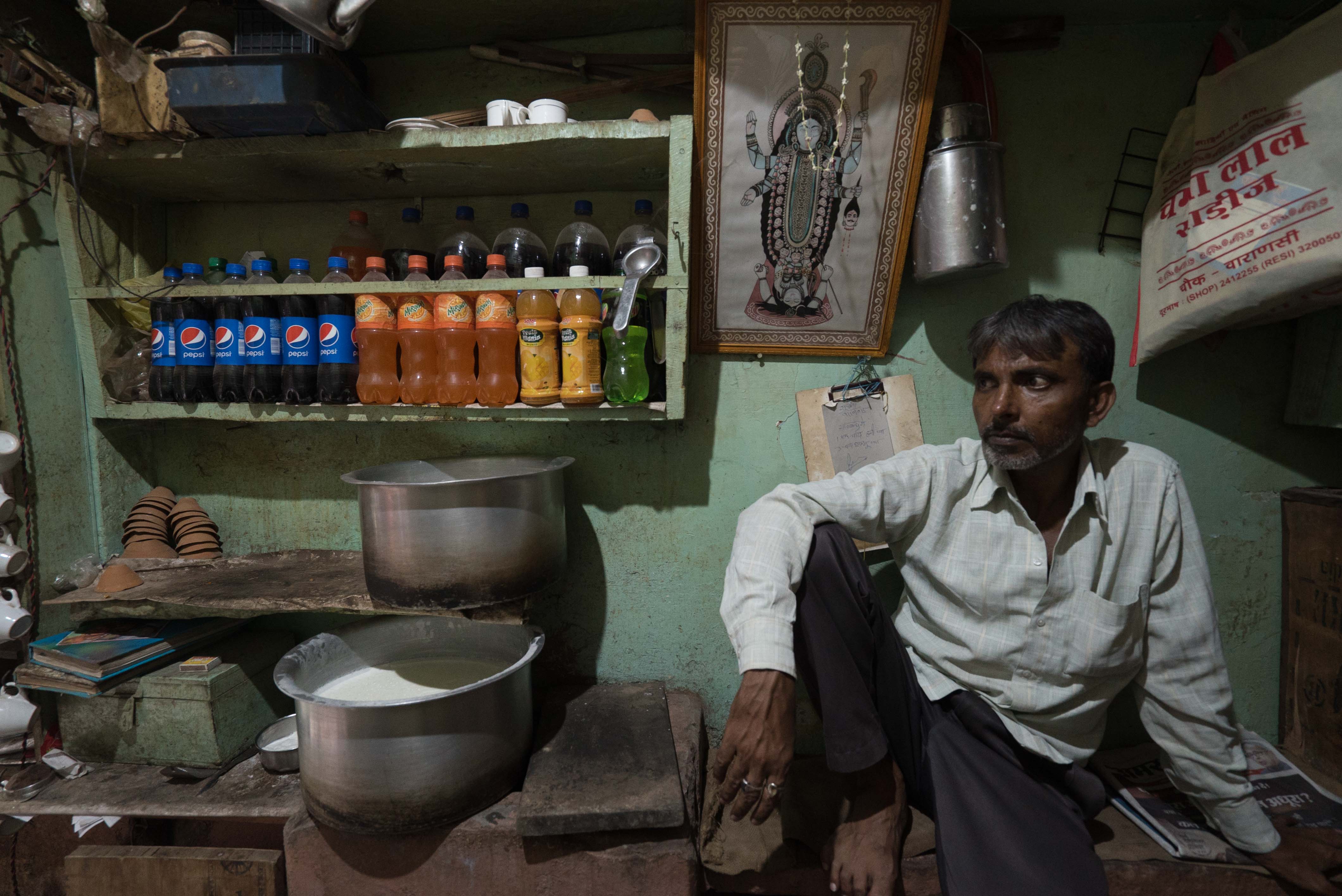
We sat on a little bench inside, and this person sat opposite us –

© Bill Bennett

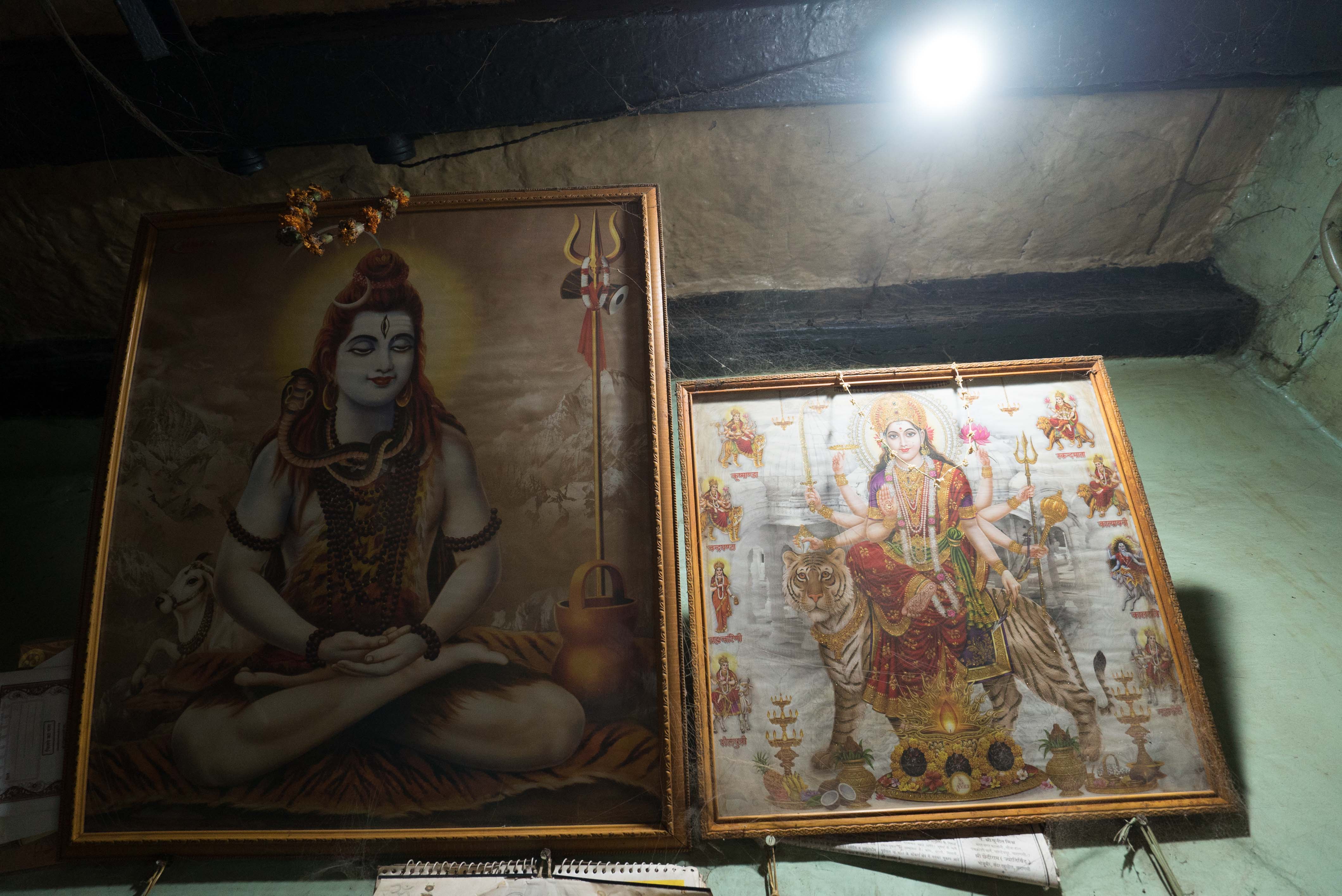
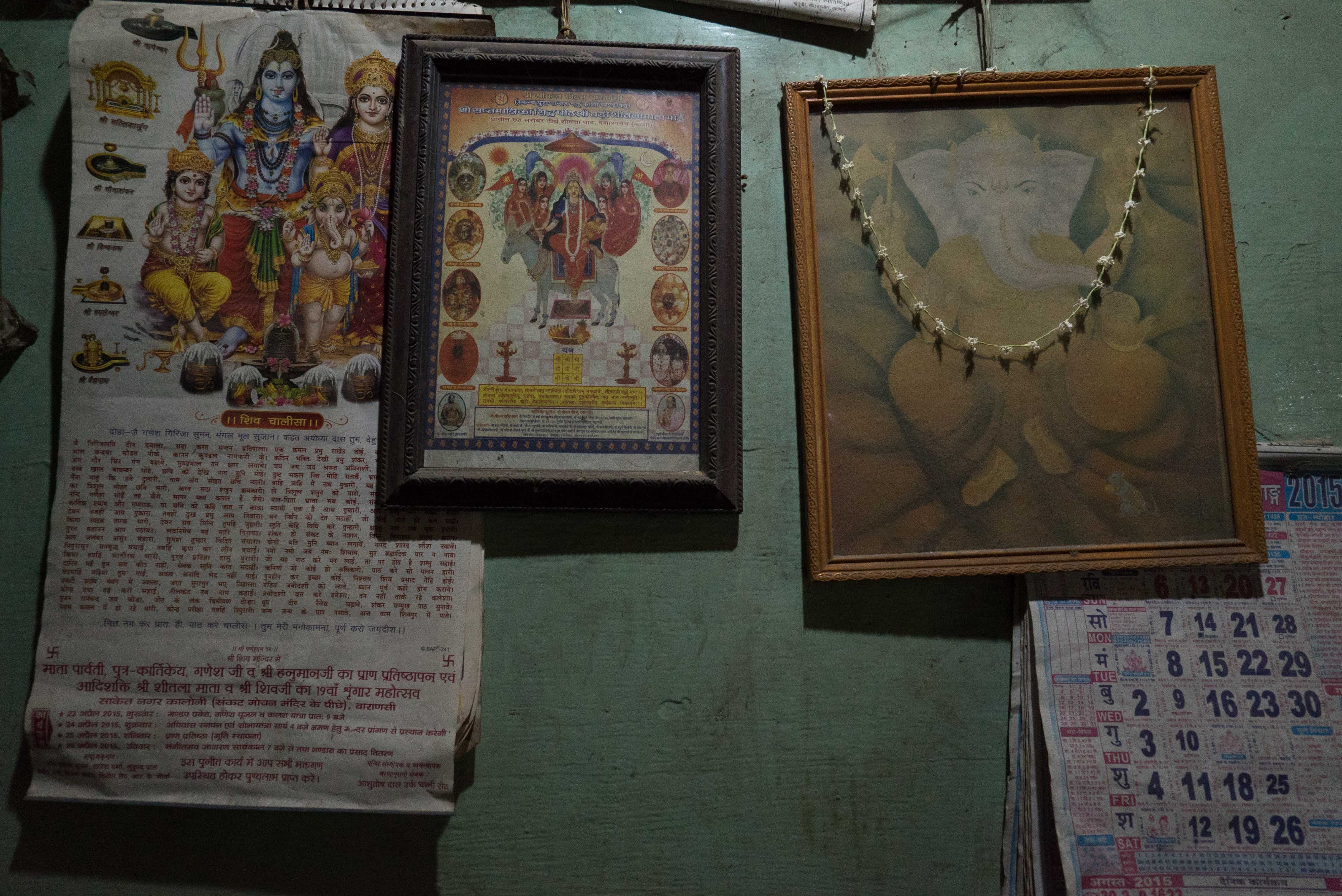
This was what was on the walls –

© Bill Bennett © Bill Bennett

This was the wiring –

© Bill Bennett

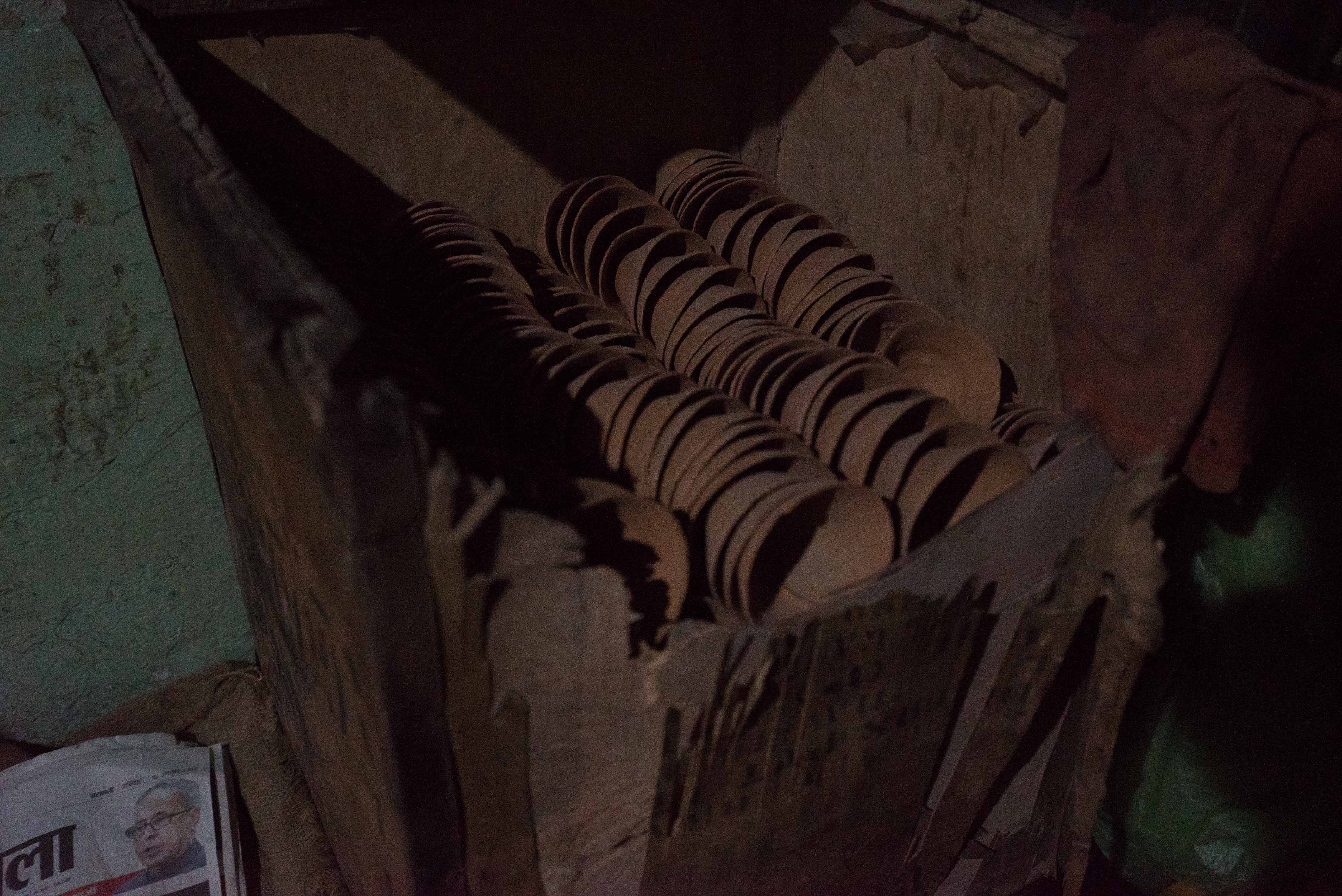
This was a tea-chest full of clay cups, which are thrown on the ground and smashed once you’ve had your chai.

© Bill Bennett

Tomorrow we fly to Bombay to continue filming – but first we have to shoot a dawn sequence which I’m hoping will be a knock out.

Here’s my personal favourite shot of the day…

© Bill Bennett

But I also like this shot –

© Bill Bennett

Varanasi / d3

I’ll start this post off with a quote from Mark Twain about Benares – or Varanasi, as it’s now called:

Benares is older than history, older than tradition, older even than legend, and it looks twice as old as all of them put together!” 

The Buddha is said to have preached in Kashi, as it was then called, in the 6th century BC. Kashi is the permanent home of Shiva, one of Hindu’s most important and revered gods.

© Bill Bennett

According to the book Benares – City of Light: 

Here Shiva dwells in order to bestow the enlightening wisdom of liberation. Although Shiva is omnipresent, there are a few places that are especially transparent to his luminous presence. And of these few, Kashi, the City of Light, is the most brilliant of all. 

People come from all over India to die here. for “death in Kashi is Liberation. From Kashi one makes the great “crossing” to the far shore. Death in Kashi is death known and faced, not feared. Death is faced, transformed, and transcended. 

Varanasi is the most sacred and holy city in India. Yet for a first time visitor, it can be overwhelming. It’s not an easy place for a westerner.

© Bill Bennett

It’s crowded, filthy, and there are plenty of touts and scammers, paradoxically.  And yet it also has a subtle energy that rises above all that. And that energy comes from the sacred Ganga.

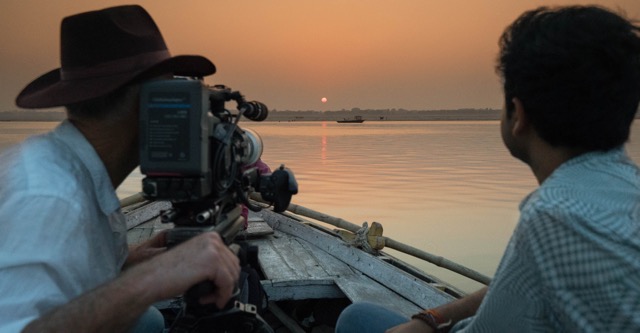
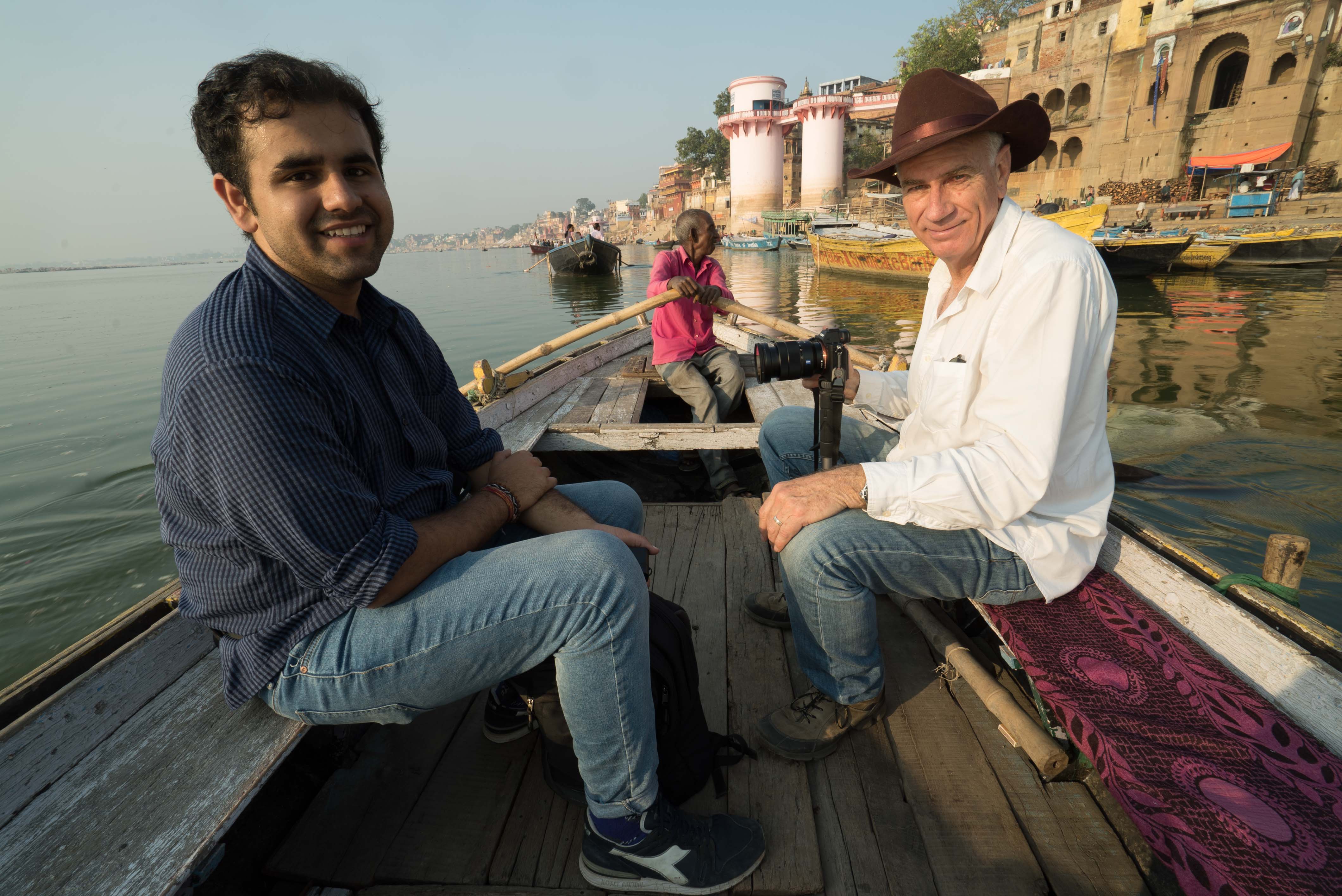
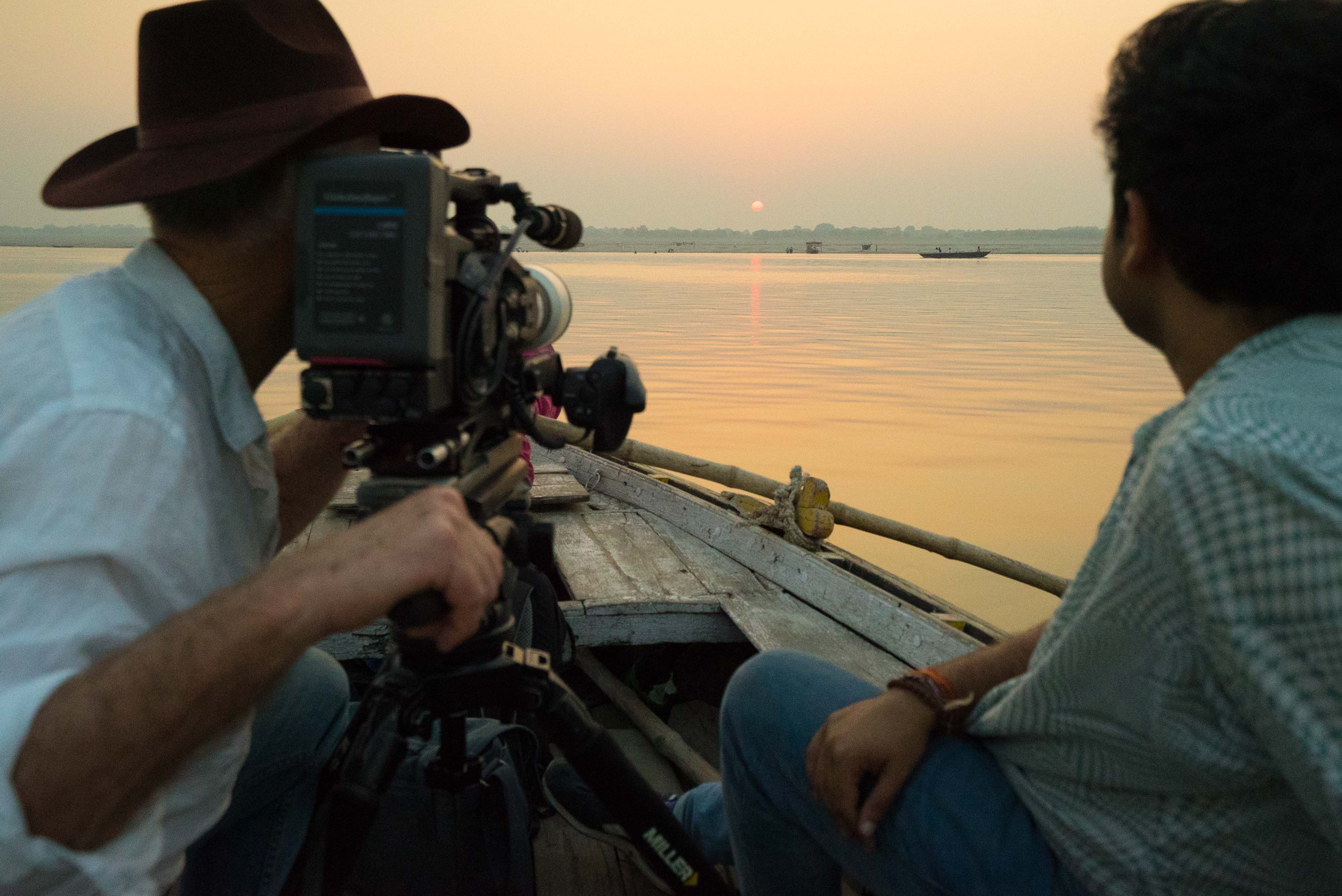
We got up well before dawn this morning to get some shots on the larger camera that Pieter shoots with – the Sony FS7. We wanted to get the sunrise, and also to get more shots of the worshippers at the ghats.

© Bill Bennett © Bill Bennett

© Bill Bennett

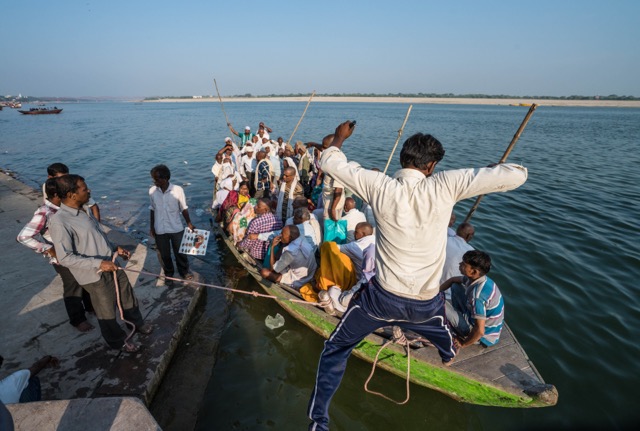
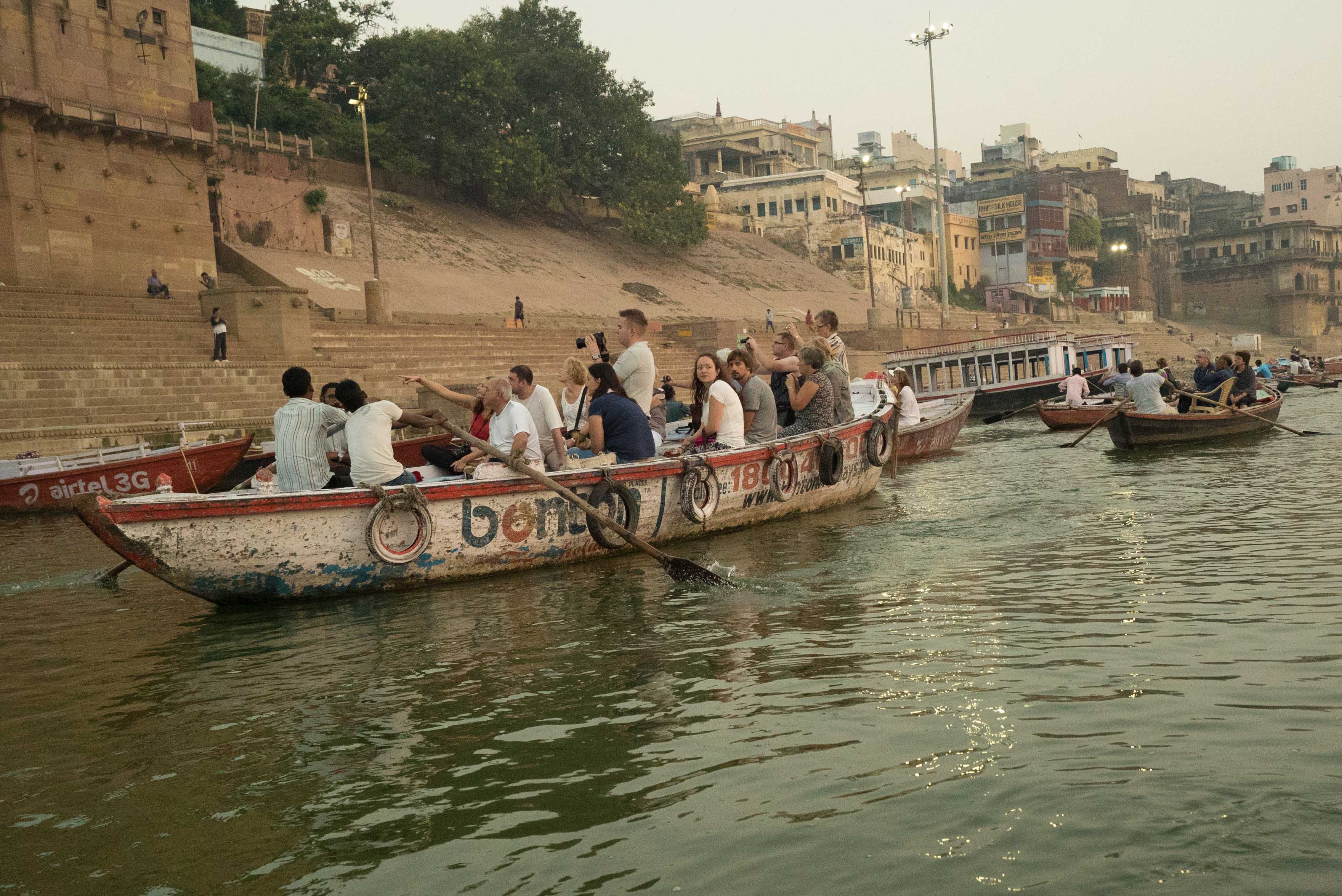
As we drifted along the shoreline, shooting, I noticed that other boats were passing us, full of tourists taking photos.

© Bill Bennett

It must be very disconcerting for these worshippers to come down to the sacred Ganges at daybreak to pray and do their rituals, only to be gawked at and photo-opped by hundreds of tourists sitting metres off shore in boats.

© Bill Bennett

Mind you, that’s what we were doing too – except our camera was bigger.

But it occurred to me that this had become something of a sideshow – like a zoo. And it’s a shame really. There’s an undercurrent of tension here in Varanasi. The locals don’t like the tourists invading their sacred space, their reverential privacy – and I completely understand that.

This is the only place I’ve been to in India where I’m constantly told I can’t take photos – not of sacred places, of which I’m respectful, but of regular activities, and even of people in the street. Today I took a shot of a person walking past, and he aggressively bailed me up and demanded money.

© Bill Bennett

Normally if I take a photo of someone I ask their permission first, and usually that permission is given, but here I’m constantly told no – or if it’s a yes, it’s conditional upon a payment.  Even some of the sadhus – the holy men – demand money if you take their shot.

© Bill Bennett

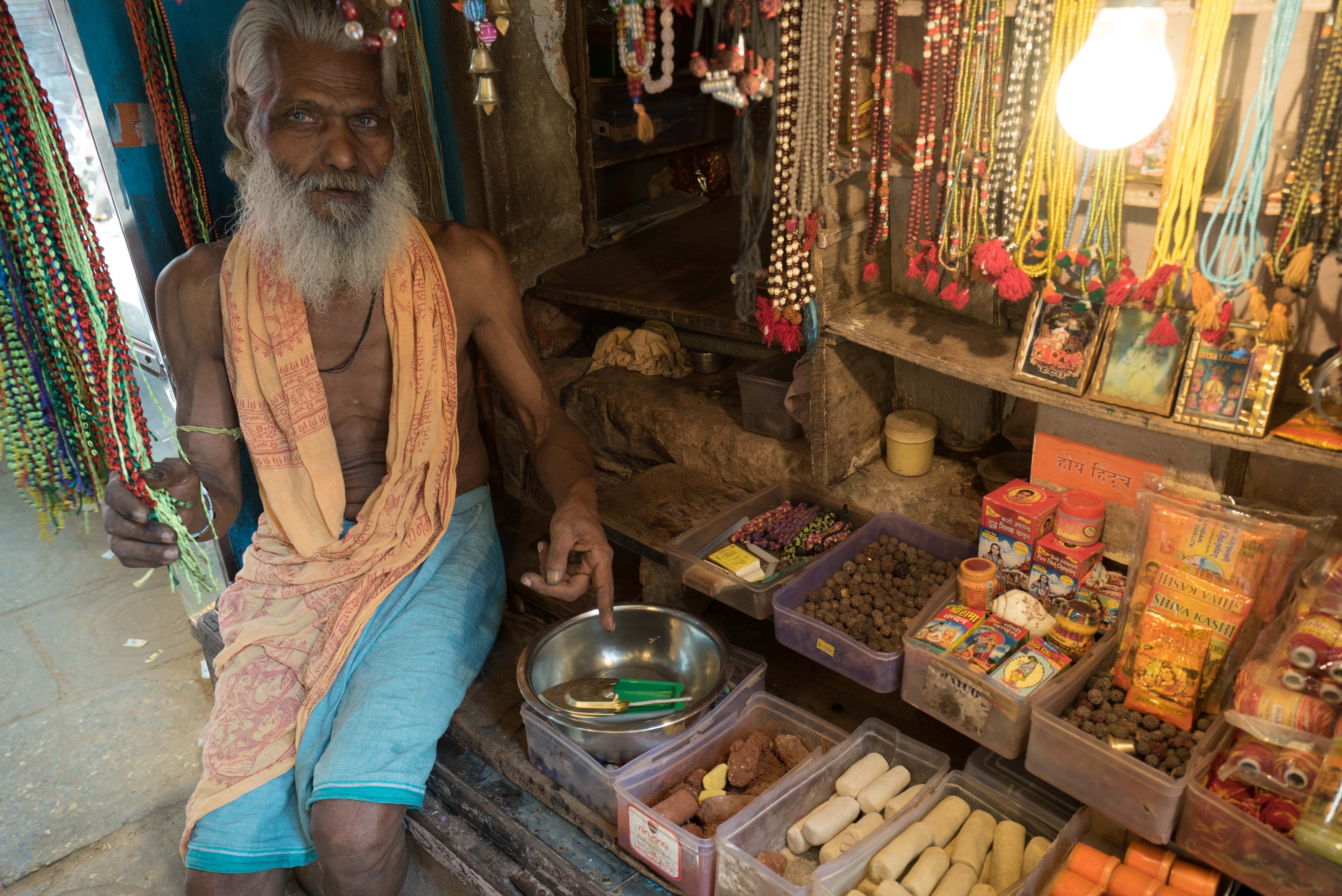
This man didn’t though –

© Bill Bennett

… he just wanted me to buy something from his stall. There was nothing there I wanted to buy, so I offered him some money because I had imposed on his time taking photos. He refused, but I insisted – and he was very grateful.

Getting back to our day – after the early morning shoot we went back to our hotel. Pieter had to do some admin work, Rachit had to line up tomorrow’s filming, so Jennifer and I went for a walk through the labyrinthine system of tiny alleys, jammed full of fascinating stalls.

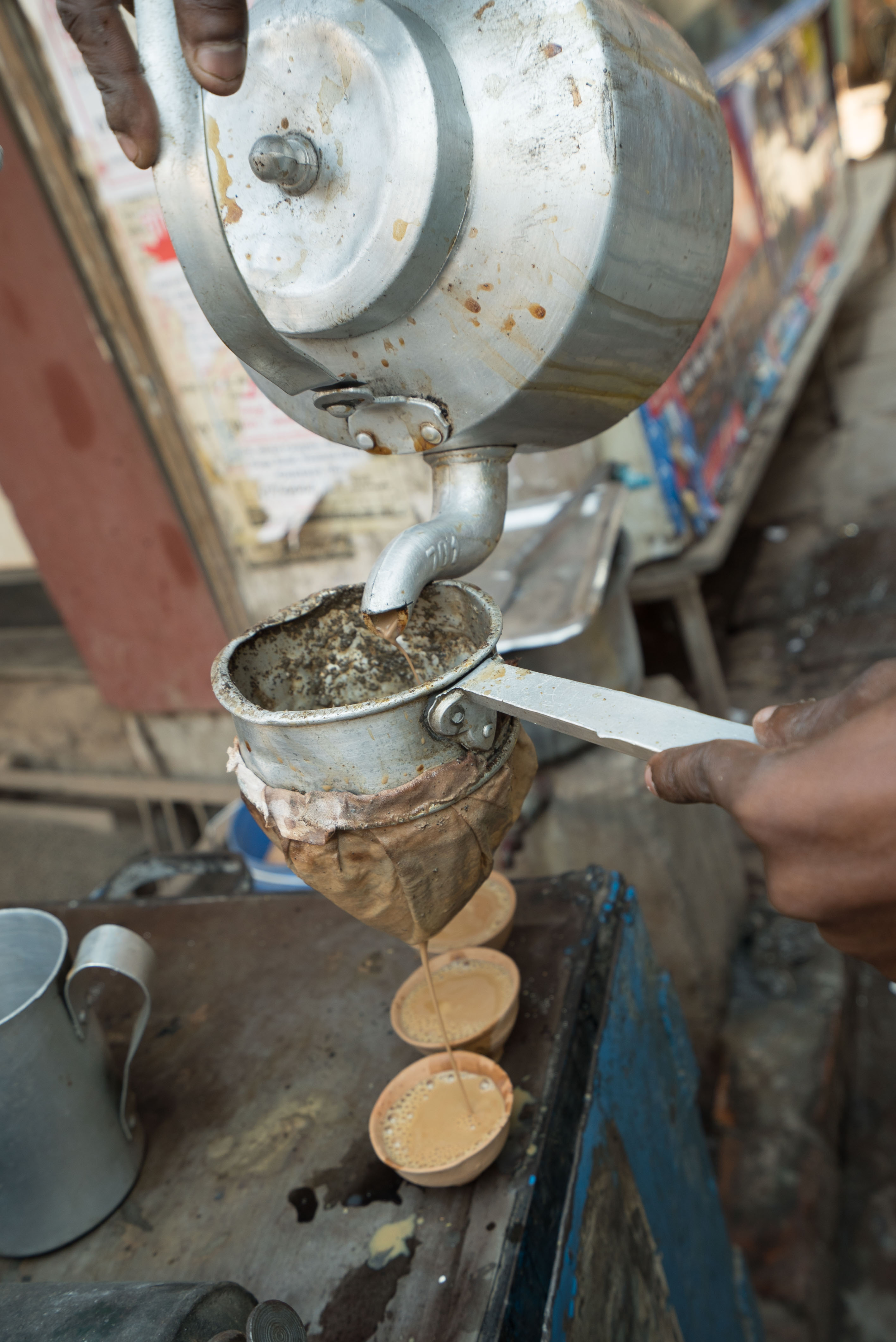
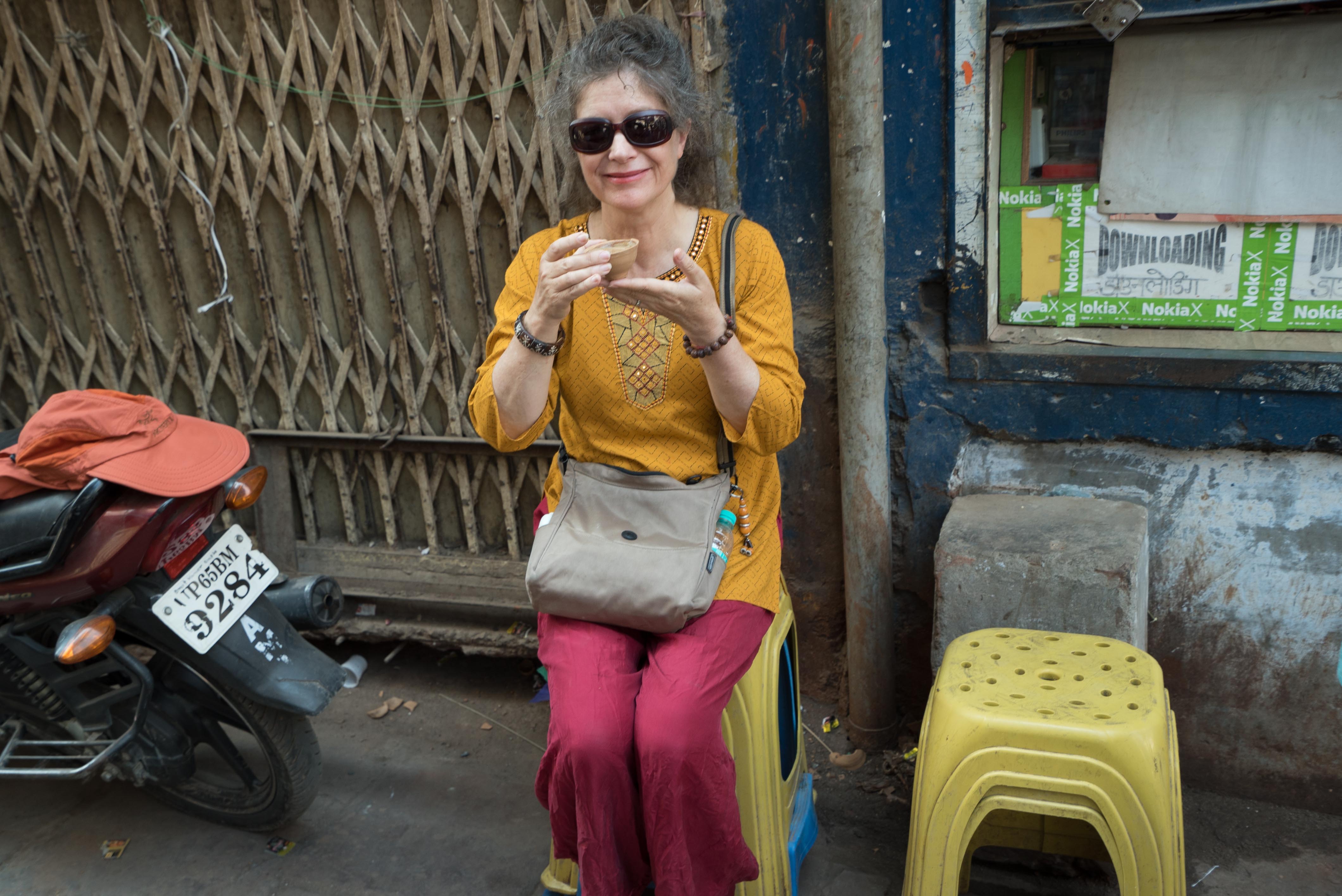
We stopped for a chai, made fresh and served in the traditional clay cups.

© Bill Bennett © Bill Bennett © Bill Bennett

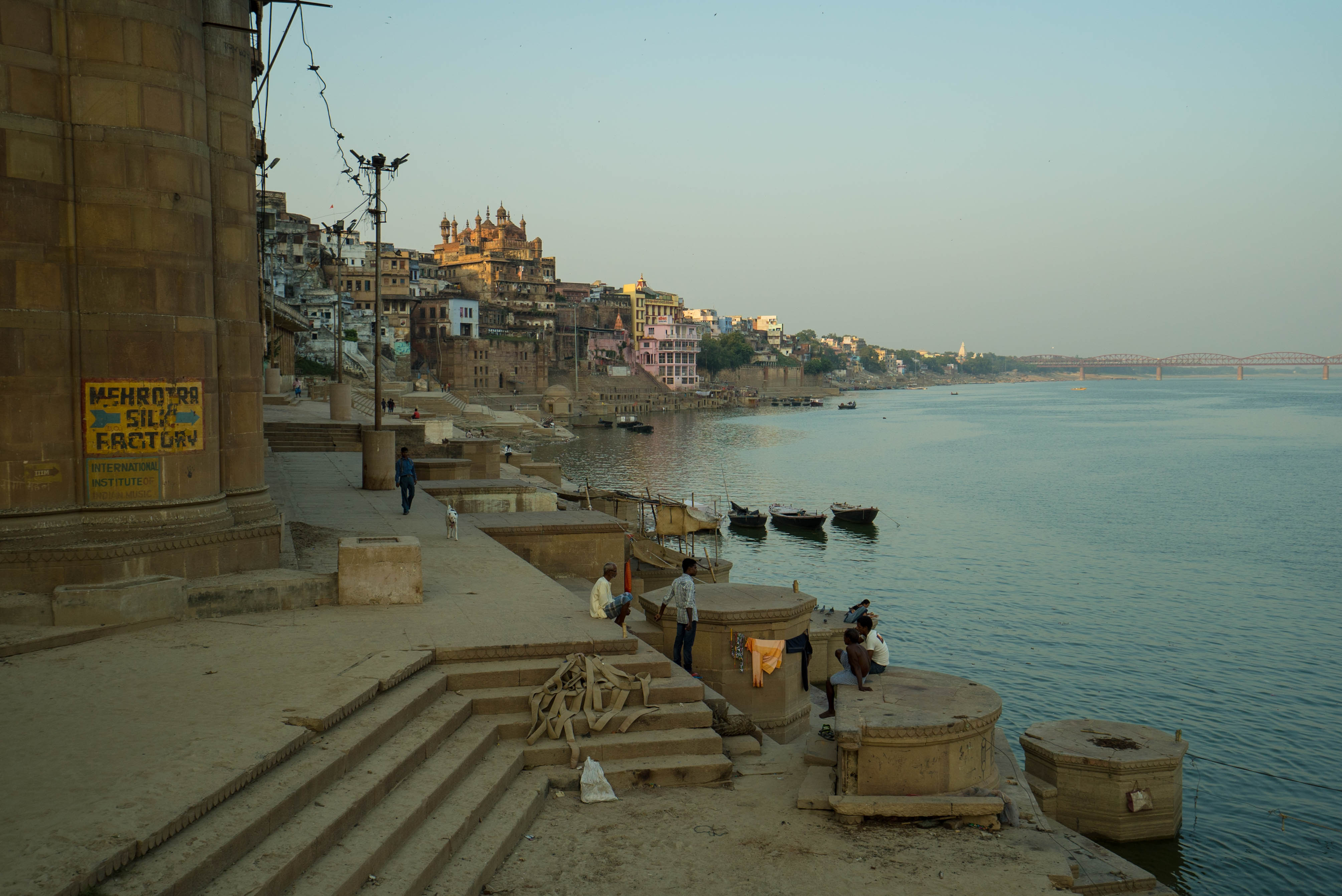
Late in the afternoon as the light became more interesting again we reconvened for more filming – this time it involved various shots of moi walking along the ghats.

© Bill Bennett © Bill Bennett

We also shot some more pretty pretty footage.

Tomorrow we shoot some staged sequences – and then the next day we’re flying out to Bombay for some shooting there.

It’s taken me a little while to slip into the energy of this ancient city, but now I understand what all the fuss is about…

© Bill Bennett

River of Life

Steve McCurry’s work always humbles me… he is a master of color, light, and capturing the essence of the human experience.

Varanasi / d2

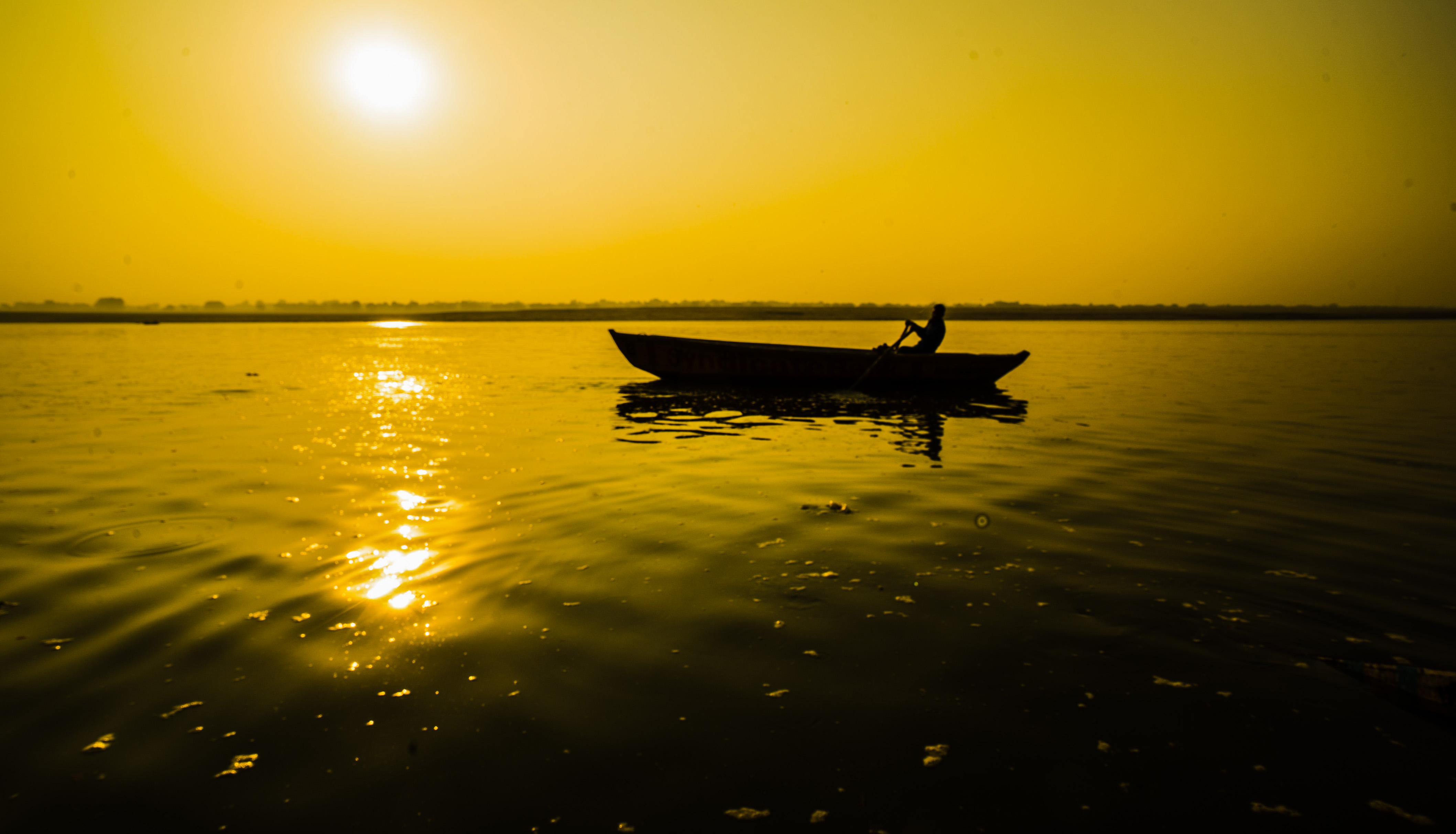
Up at dawn this morning, and out on the Ganges to film Varanasi as the sun came up.

© Bill Bennett

Varanasi is regarded as the world’s oldest sacred city – older than Jerusalem, older than Mecca, older than ancient Rome or Constantinople.

© Bill Bennett © Bill Bennett

Pilgrims have been coming here for three thousand years.

It’s known by three names – Kashi, Benares, and Varanasi. Kasha means City of Light. And that’s what it has, particularly at dawn, it has a particular other-worldly light.

We filmed from our boat, and were able to see the worshippers at the ghats from the river’s perspective. It was an incredible start to the day.

© Bill Bennett © Bill Bennett

© Bill Bennett

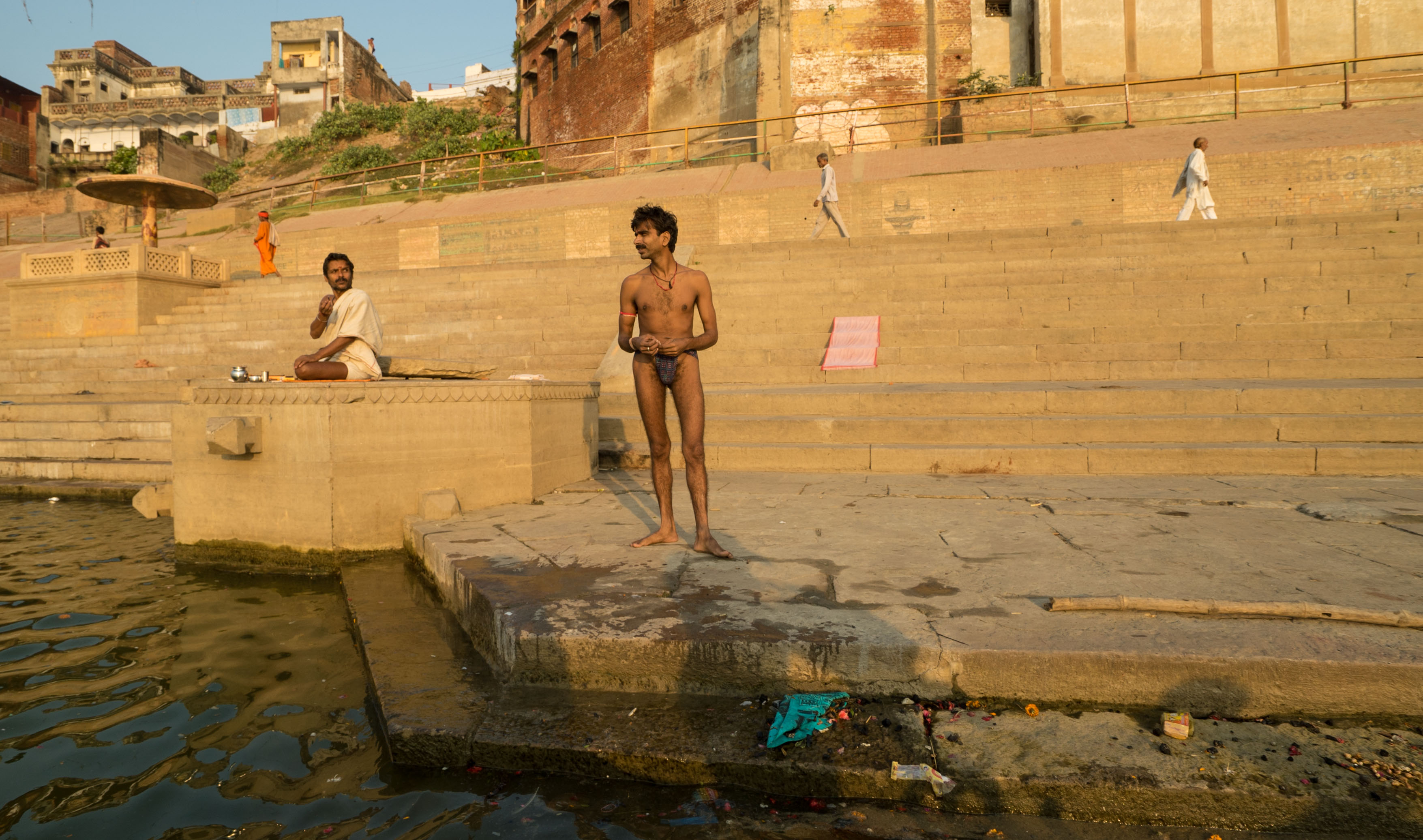
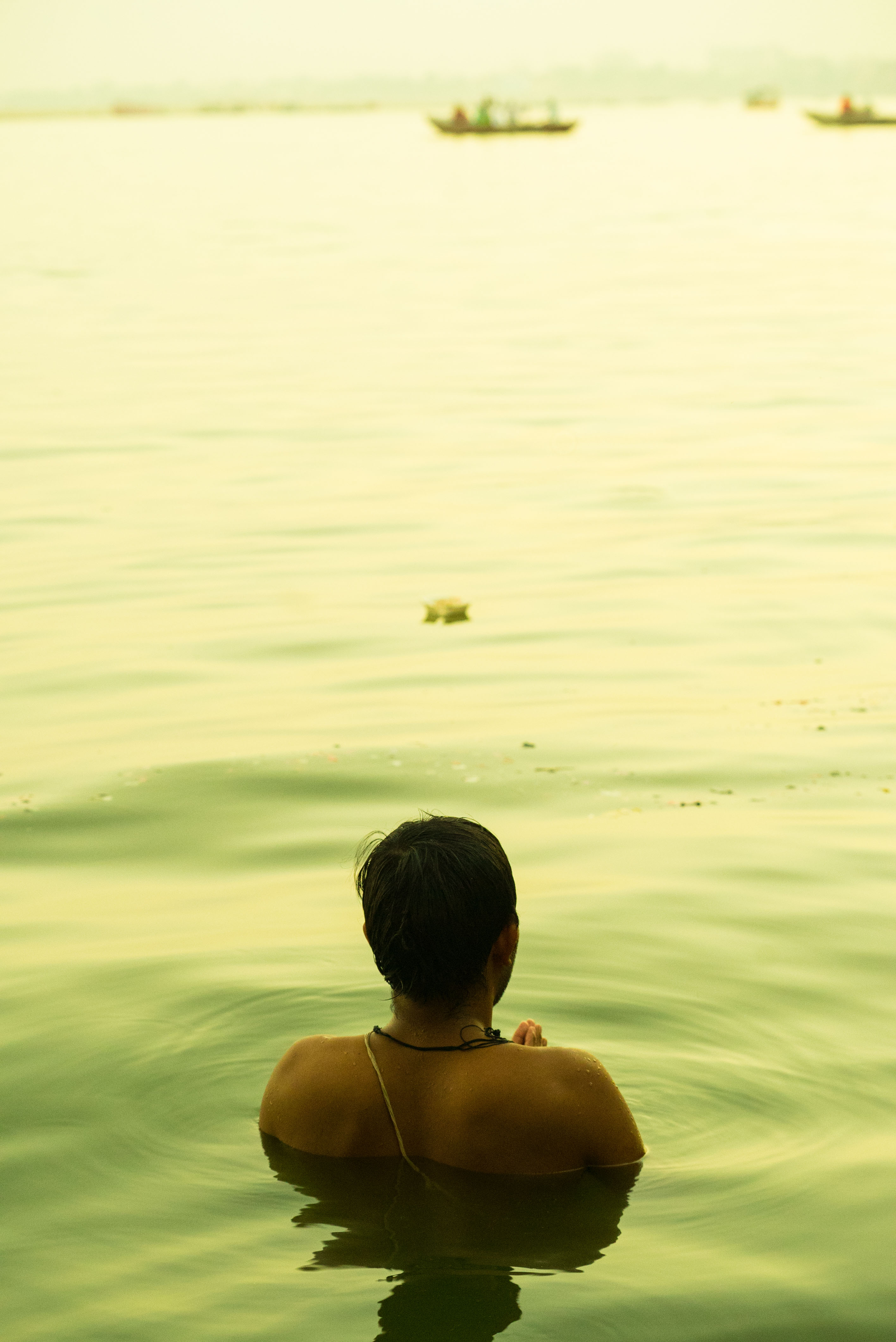
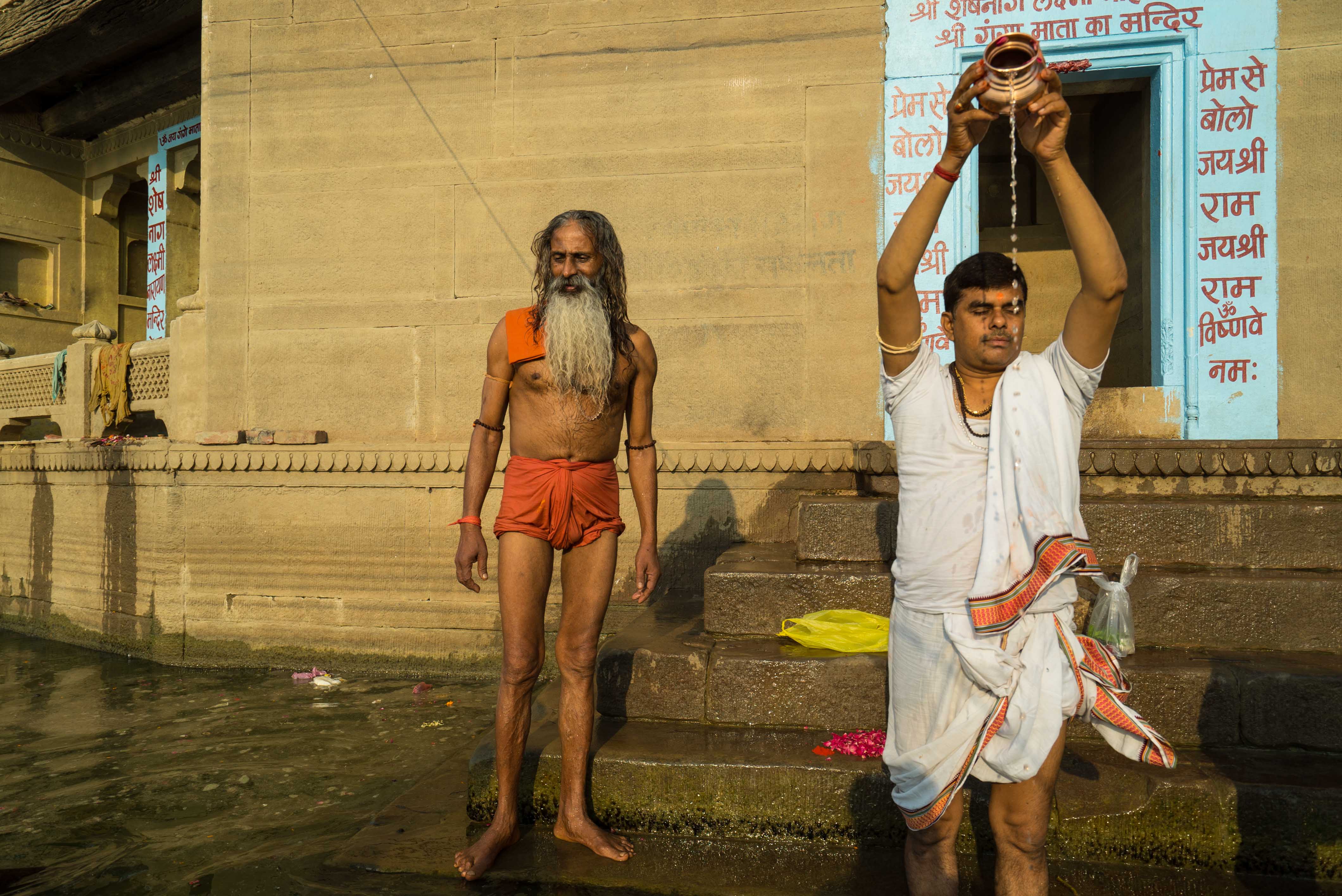
During our filming I spotted a sadhu about to bath in the water.

© Bill Bennett

We filmed him bathing, and then later we brought our boat up close to him and I asked him if he would be happy to film with us later that afternoon.

He agreed.

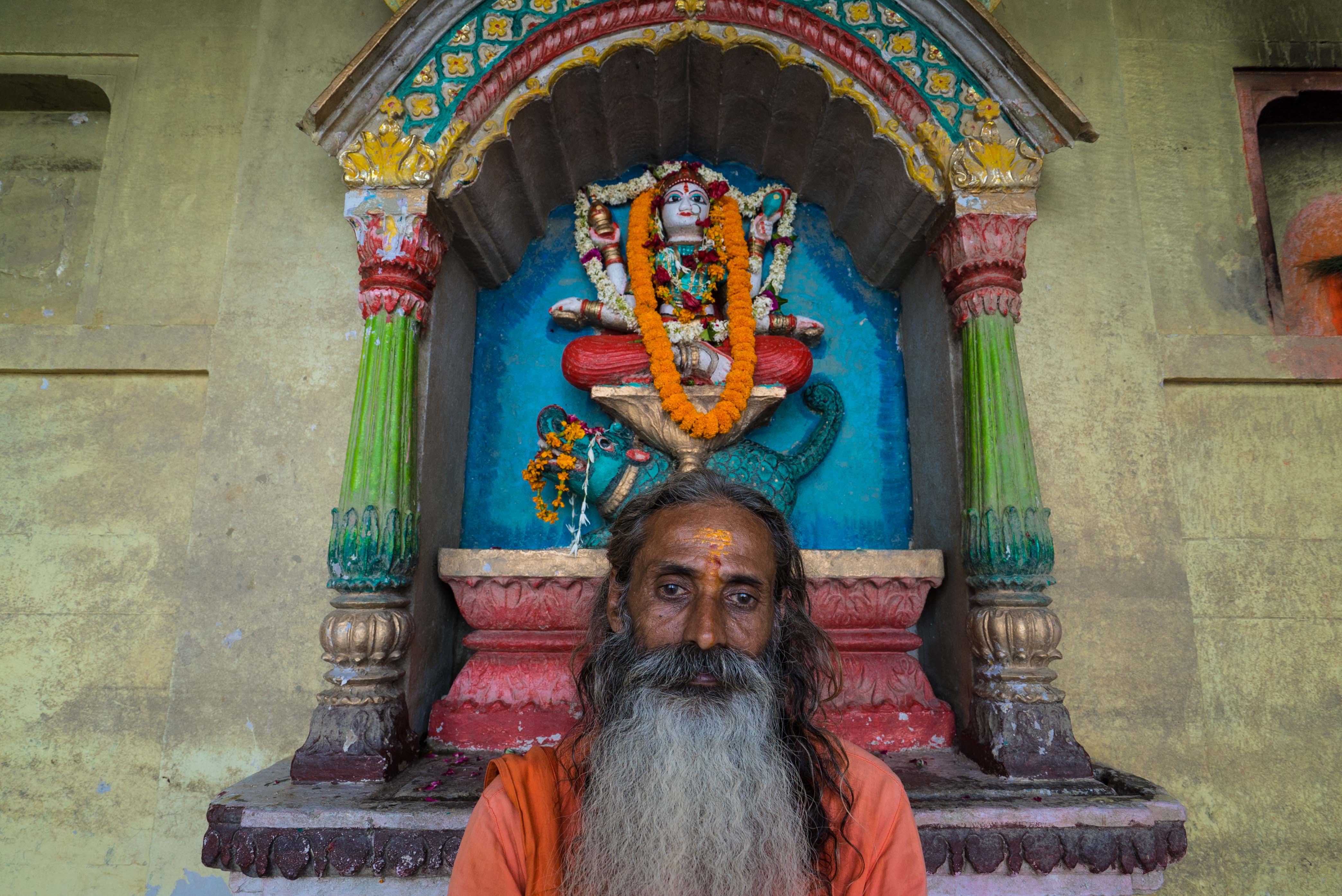
I was delighted, because I’d been looking for an archetypal sadhu to shoot some structured sequences with. This gentle-man was perfect, with his ascetic built, his long white beard, plus he spoke passable English.

© Bill Bennett

We then made our way back to the hotel, and spent several hours setting up some sequences which we’ll film on Saturday, and then at 3pm we headed off to meet the sadhu.

His name was Raju Baba, and he took us to his Ganga Temple right by the river. This is a place where he meditates at 4am each day.

© Bill Bennett

© Bill Bennett

We filmed him meditating…

© Bill Bennett

Later he took us to a house owned by a friend and I did an interview with him. I wanted to ask him about Varanasi being the planet’s Third Eye chakra…

He was a wonderful man, with a good command of English, and he will bring yet again another dimension to the film.

© Bill Bennett

Varanasi – d1 /

We flew into Varanasi this afternoon –

My PGS told me we should go there, that it would be important for the film – but I didn’t really know why.

© Bill Bennett

At Delhi airport I was directed by my PGS to buy a book called Benares – City of Light.  It’s a very readable an academic account of Varanasi, which used to be called Benares.

Benares City of Light

I was reading this book on the plane, and on touchdown in Varanasi I read the last sentence of the chapter I was on – and it said that Benares is regarded by the Hindus as being the embodiment of the sixth chakra, which is the Ajna Chakra – which links to the Third Eye.

Bam!
I suddenly knew why I’d come.

The Third Eye is integral to intuition. Essentially, I’d come to the most important place on the planet for intuition.

There’s a lot I will tell you about this fascinating place – that it’s the home of Shiva, that it exists above the earthly plane, that it’s the crossover place for the dead – but it’s late now and I’ll just quickly run through today’s essentials, and tell you more in the coming days…

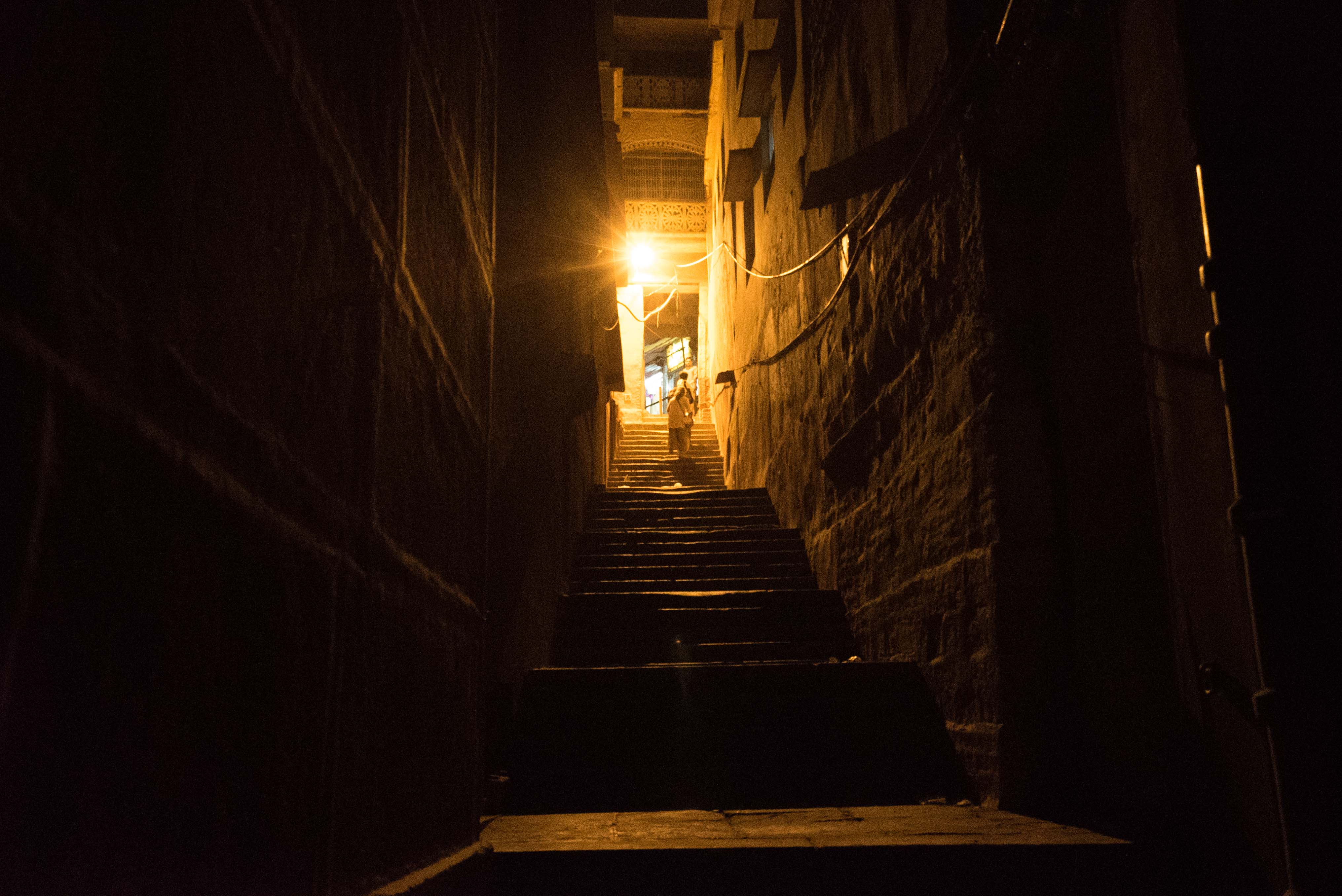
I’d booked a cheap guest house that faces the Ganges – but I didn’t realise it’s impossible to get a vehicle close to the places by the river. That meant we had to park about 10 minutes walk away, and some young fellas from the hotel came and carried our bags through the chaos of the old part of town.

© Bill Bennett

Jennifer glided along with her usual stately calm…

© Bill Bennett

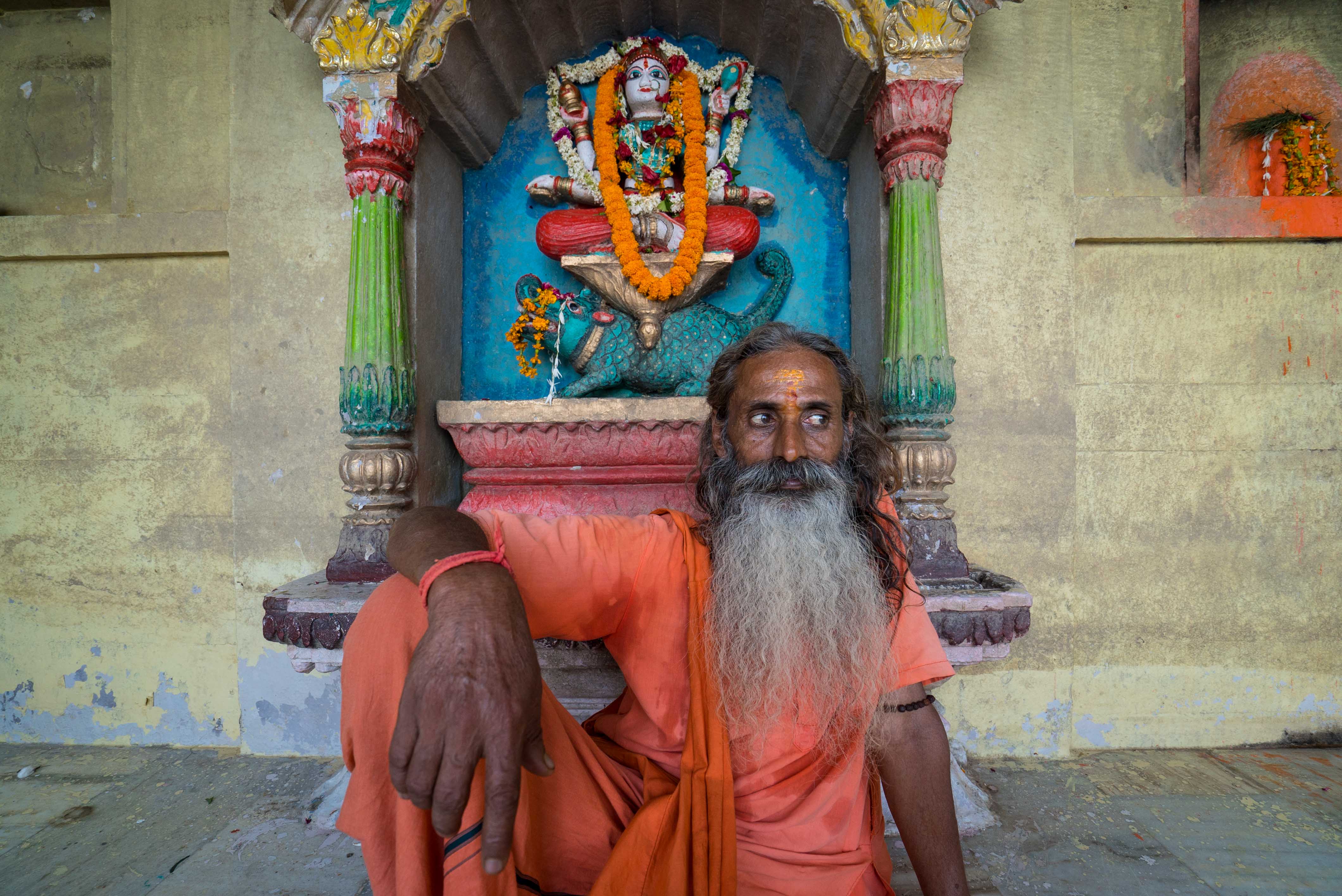
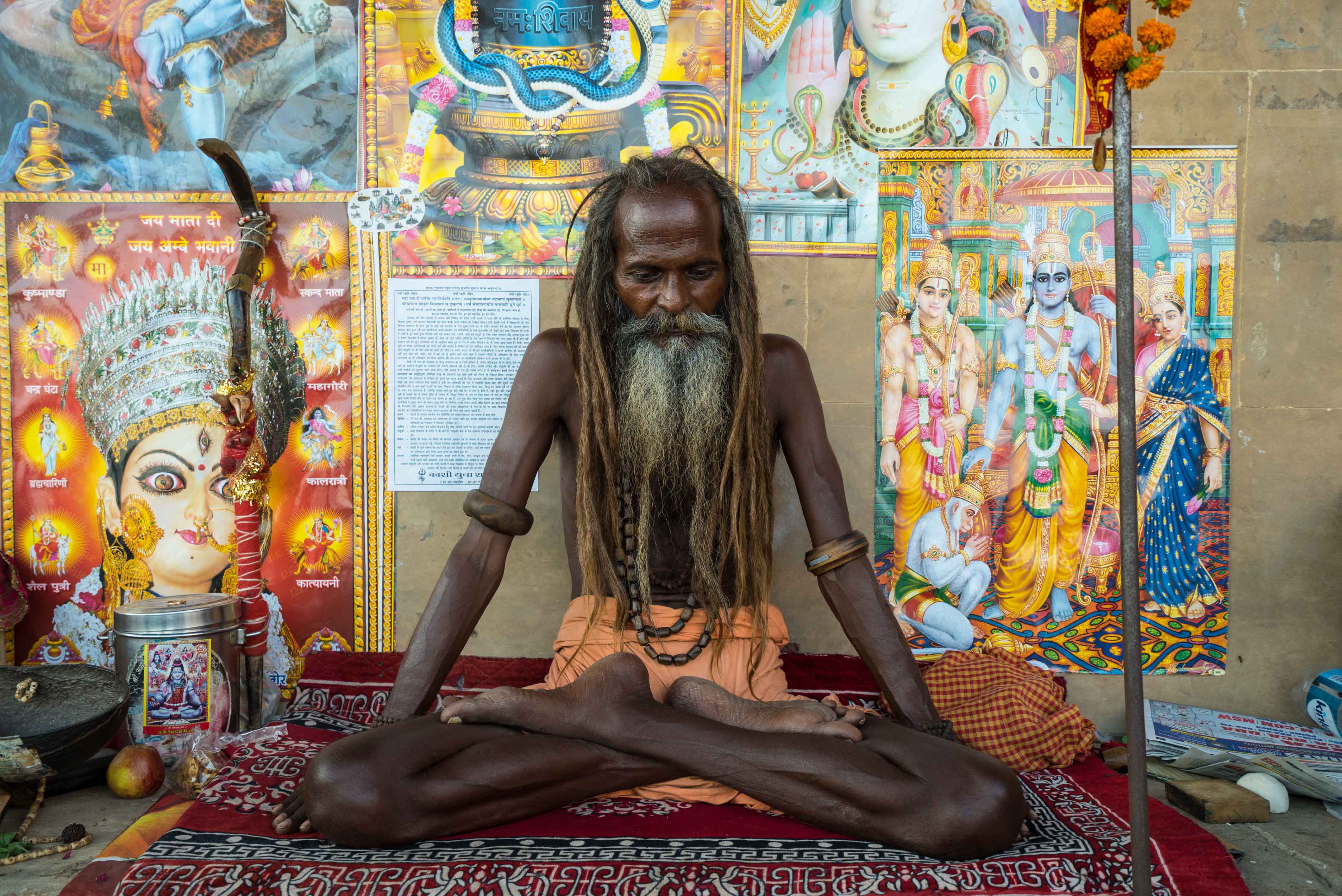
We finally got to the hotel, dropped our bags off, and went for a walk – and soon found a sadhu who looked like he’d been plucked from Central Casting.

© Bill Bennett

But he was the real deal.
So we filmed him.

He didn’t mind – and when I offered him money when we’d finished he refused to take it.

© Bill Bennett

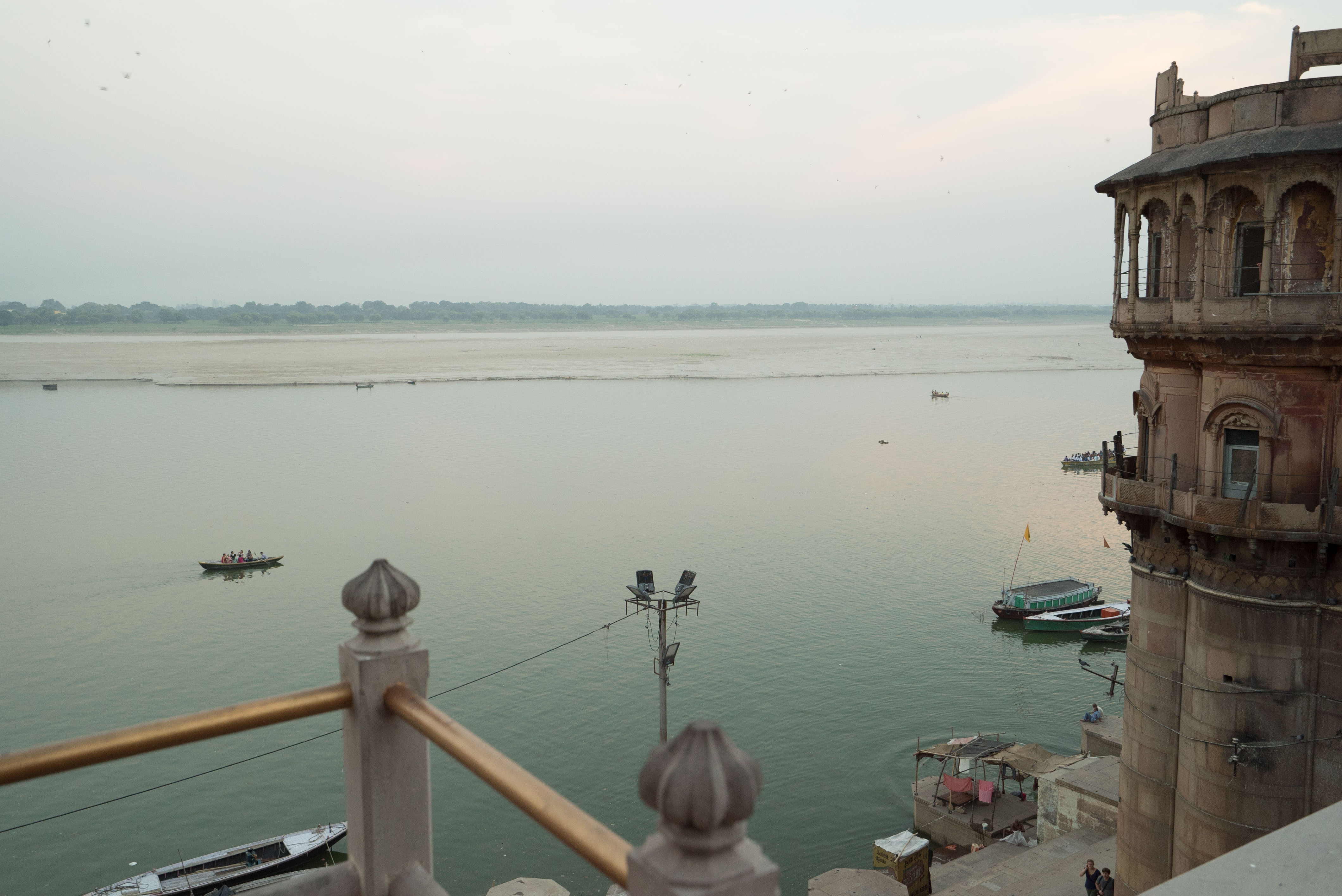
We then walked along by the Ghats – the stairs that run down to the river – and ended up in a cafe atop a hotel that had a breathtaking view of the sacred river.

© Bill Bennett © Bill Bennett

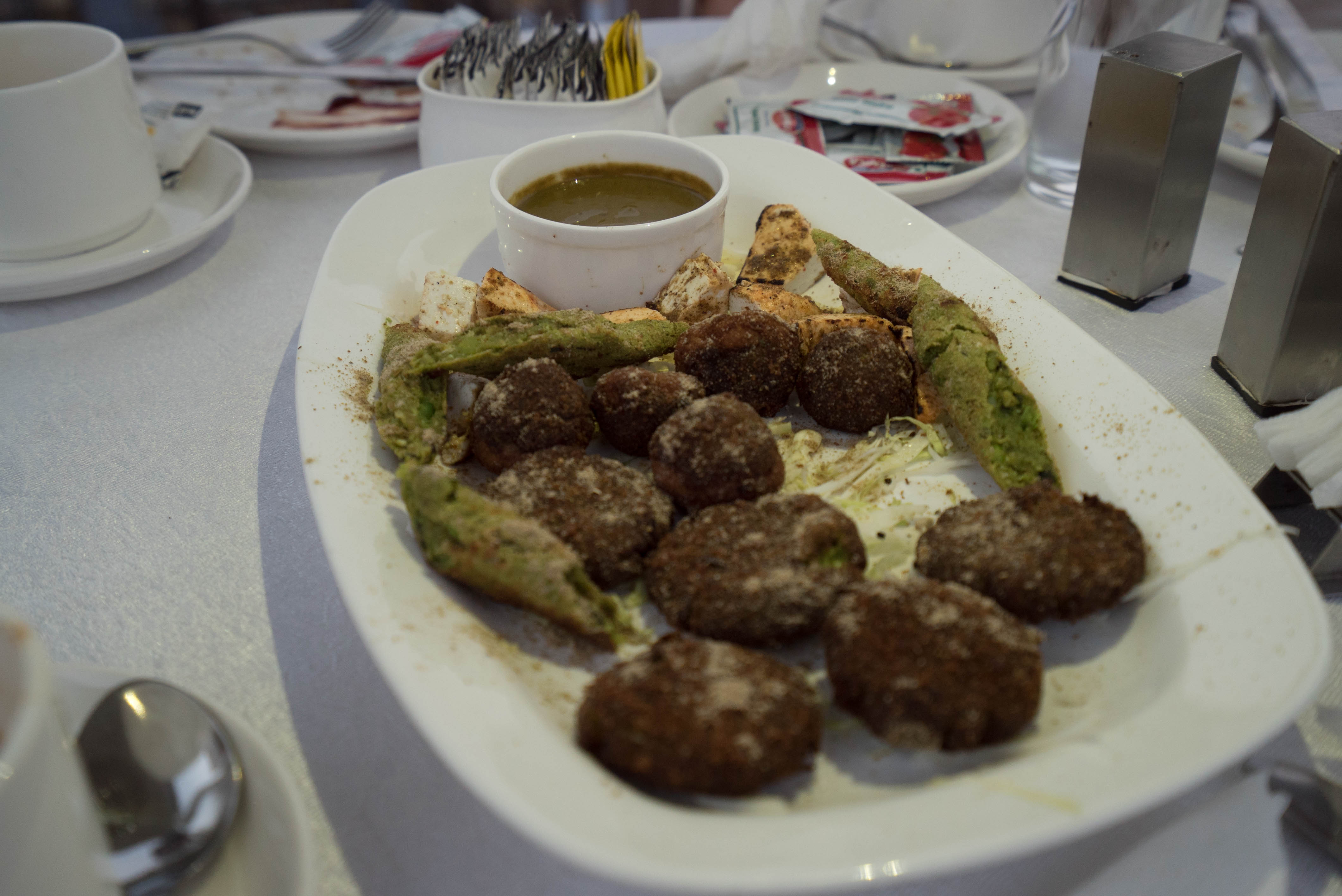
We snacked on a plate of Tandoori mixed vegetables.
Spicy!
Beautiful!

© Bill Bennett

Tomorrow we’re getting up before dawn to shoot.

This is a special place.
The embodiment of the Sixth Chakra…


© Bill Bennett

Back in India / reflections on Bhutan ~

It seemed our time in Bhutan was too short.

But we were there to work, not sightsee.
Our priority was to get the interview with the Prince, and to shoot some visuals that would be relevant to the film I’m making.

So given that, I don’t feel qualified to give a summation of the country. These then are merely my superficial observations of the brief time spent there….

Energy –
There is a gentle energy to the place that becomes apparent from the moment you step off the plane.

The airport terminal itself is truly beautiful – built in the traditional Bhutanese style of intricately carved wood. I have never landed at a more beautiful airport.

And I have never been through a more benign Customs and Immigration.

Everything was so quick and easy.
And they actually smiled at you!

It’s not that they were lax in any way, they were just respectful.

Shy versus humble –
It became apparent right from the start that the Bhutanese are very humble people. Our tour operator said they were shy, and perhaps they are shy, but I preferred to call them humble. And respectful.

The women, when they talk to you, will often put their hand over their mouth, so that you can’t actually see the words being uttered. And they will avert their gaze. The men will often bow their heads, and step back in a gesture of respect.

I never regarded these gestures as being a sign of weakness or servitude.

On the contrary, it spoke of their humility – a product of their deep commitment to their culture, and to their religion, which is Buddhism.

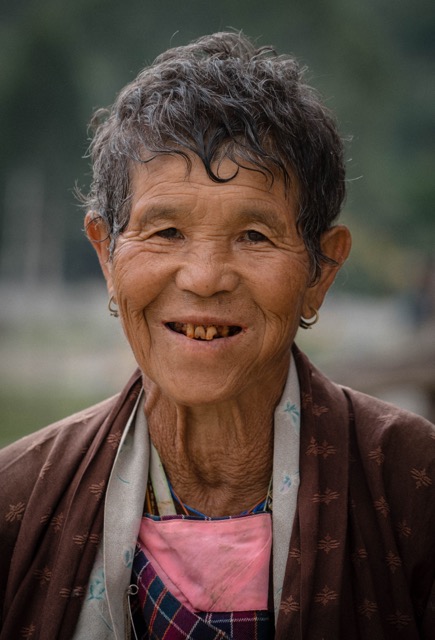
There is no doubt they are a proud strong people. And the women, when they need to, will look you in the eye – and you can see in their eyes that they do carry the strength of the country.

Royalty –
The Bhutanese have huge respect for the Royal Family. There are often photos of the Royal Family in shops and homes – and there are big portraits of the King and Queen on billboards around the larger towns.

Having met the Prince, and sensing the power and status he must have in his country, I was knocked out by his humility and grace… There was no strutting, no ego, no grandstanding. There was a simple self-effacement. As though he was honoured to be in my company.

This astonished me.

And of course in being so humble, it gave him extraordinary power and strength.

Preconceptions –
Just like some outsiders believe that we in Australia have kangaroos jumping down our main streets, I too arrived in Bhutan with certain preconceptions.

I though it was going to be far more primitive than it turned out to be. And far more under-developed.

I was surprised at the standard of housing – big houses, beautifully built. There was very little low-cost housing, and I saw no slums or homeless.

As well, there is internet everywhere.

I thought that one of the reasons Bhutan is said to be so happy is because they’re not connected. They’re not online. Here finally was an old fashioned country where the people actually TALKED to one another.

False!

The internet in Bhutan is one of the best systems I’ve ever encountered, anywhere. Our guide and driver were constantly on their mobiles, texting or posting to Facebook. And every hotel had terrific wifi with fast speeds.

I bought a SIM card for my iPad as soon as I landed, and 7GB of data (for a week, yes I know it was a bit of overkill…) cost me approximately $18. So it’s cheap, and ubiquitous.

Economy / shopping –
Bhutan looks like a fairly prosperous country. Apart from the fairly cheap internet, the cost of living is quite high. A cappuccino costs about US$3. That’s what you’d pay at Starbucks in the US.

I asked our guide, Kezang, who was very knowledgeable, how Bhutan made money. he said the principle export is power – hydro power – to India. The second biggest export is rice.

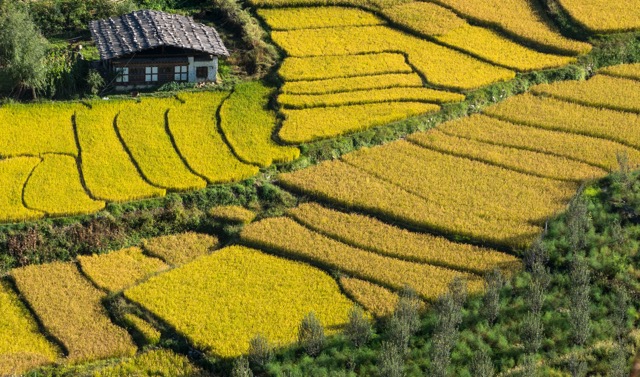
There are rice paddys everywhere – red rice most often – and as with most of the produce that is grown in Bhutan, it’s all organic. And all very delicious.

It tastes like real food, which is something quite rare nowadays in the west!

Food –
Food was always served in a buffet style – in hotels and restaurants for breakfast, lunch and dinner. And it was always pretty much the same thing – steamed rice, cooked mixed vegetables, local mushrooms and broccoli, chicken cut into small cubes, often with a big chunk of gristle inside. Sometimes there would be another meat dish, like lamb – but again, the “non-veg” portion of the meal was usually cut into small chunks, with bits of bone attached.

Drinks consisted of beer or water. There was a local beer – I’m by no means a beer aficionado, but Pieter likes his amber brews and he said it was pretty damn good.

You can’t though mention Bhutanese drinks without mentioning Butter Tea. Butter tea is made with milk and butter – oh yes, and a bit of tea. It’s truly one of the most disgusting things I’ve ever ingested, not counting that bucket of KFC I had one year when I had pimples and didn’t know any better.

Summer of 2012, if I recall…

Happiness –
The Bhutanese people I met were very friendly, respectful to the point of embarrassment sometimes, and they all seemed to be happy.

however I got to talking to an American lady in one of the coffee shops in the capital Thimphu. Turned out she was a psychiatrist working in Bhutan for several months, and she told me of a high suicide rate, particularly in the rural areas, and high incidences of drug and alcohol abuse, and domestic violence.

She said that alcoholism is a big problem – the booze is home made, from various grains, and is firewater. It makes the men do crazy things. Same everywhere, sadly – although I was hoping it wouldn’t be the case in Bhutan.

And the drugs come in from India. Largely opiates, which are an unrefined form of heroin.

Deadly stuff.

The psychiatrist said there were seven suicides a month – and this with a total population of not even 700,000.

Perhaps this is the other side of the country that few get to see. Certainly it wasn’t apparent to me, as a casual observer. But the psychiatrist had no need to lie, or exaggerate.

Yin and Yang – everything eventually comes back into balance.

Tourism –
Tourism is tightly controlled, which is a good thing – because only then will the very delicate energy of this mystical place be maintained.

The way tourism is controlled is through the imposition of fees for entering the country – stiff fees – and you’re required to have a guide. And you’ll need a car and driver too. It’s not the kind of place where you can get around on your own.

So if you want to visit Bhutan it’s going to cost you a big chunk of change, and that weeds out a lot of people.

Buddhism –
Buddhism is everywhere. And you see robed Buddhist monks most everywhere.

The Bhutanese take their religion seriously, although the serious ones point out that it’s not in fact a religion, it;s a way of walking through the world each day.

There’s no doubt that the gentle and very caring nature of the Bhutanese has been forged through a strong commitment to Buddhism.

Sites & Scenery –
Bhutan is a stunningly beautiful country, and it’s still relatively untouched.

There is a simple unadorned charm to the place, and I hope it stays that way.
© Bill Bennett