The call was at 3:30am. I was fast asleep. It was from Johnny Walker, the undisputed Patriarch and Elder Statesman of the Camino worldwide. He knew what time it was in Australia.
Someone’s died, I thought. I took the call.
John doesn’t get excited. But he was excited.
He apologised for calling me at that time in the morning but he figured I’d want to know: The Way, My Way had just won the Premio International Pentafinium Jacobeo Award in the Fine Arts Category.
John explained to me that this award is given out only once in three years, that it’s awarded by the Spanish Federation of Friends of the Camino de Santiago, and that it’s a big deal.
I figured it was a big deal, otherwise John wouldn’t be phoning me at 3:30am.
I subsequently received an email from the Federation’s President, Juan Guerrero Gil, formally notifying me of the win. In the email he quoted the jury’s reasons for awarding the Fine Arts award to The Way, My Way –
The jury members valued the following aspects of the winning work:
Australian filmmaker and writer Bill Bennett deserves recognition for his exceptional work promoting the Camino de Santiago internationally.
Through this film, Bill Bennett undoubtedly fulfils the criteria of the 2026 International Pentafinium Jacobeo Award: recognition by the Federation of the creative work of people and institutions who have made a notable contribution to the care, promotion and development of the Camino de Santiago pilgrimage.
With The Way, My Way, Bill Bennett has achieved global distribution and reach, connecting with audiences around the world through cinema screenings in the United States, Canada and Europe, as well as distribution on global streaming platforms such as Prime Video, Apple TV and YouTube. The 2026 International Pentafinium Jacobeo Award therefore recognises the film’s worldwide distribution and reach.
Unlike other films about the Camino de Santiago, Bill Bennett’s The Way, My Way has been described as “one of the most authentic films ever made about the Camino de Santiago.” It combines actors with real pilgrims, demonstrating artistic quality and originality while conveying the Camino values upheld by the Federation.
The story emerges naturally from the pilgrim’s everyday experience—with its moments of doubt, fear and overwhelming joy—without concealing anything. Its message has universal appeal and can be understood by pilgrims, women and men, across all five continents.
I’m deeply honoured by this award. I never thought in my wildest dreams that when I set off from St Jean Pied de Port in April 20113 that it would lead to this. In fact, I had no thoughts at all about writing a book, much less making a movie.
My main overwhelming thought was: Can I do this? Can I walk the Camino?
And now this award. Like the Malaspina Award I received last year from the Spanish Embassy in Australia for “strengthening cultural ties between Australia and Spain” with the book and film, similarly the wonderful award I received from the Australian Friends of the Camino earlier this year, recognising the film’s role in bringing awareness of the Camino to the world.
These awards are more important to me than any film awards, because they recognise not so much the artistic merit in the work, but the powerful transformative impact the film has on the world at large.
I’ve come to discover that this is why I now make films.
Very soon, my wife and producing partner, Jennifer Cluff, and I will embark on a new movie—the companion film to the highly successful The Way, My Way.
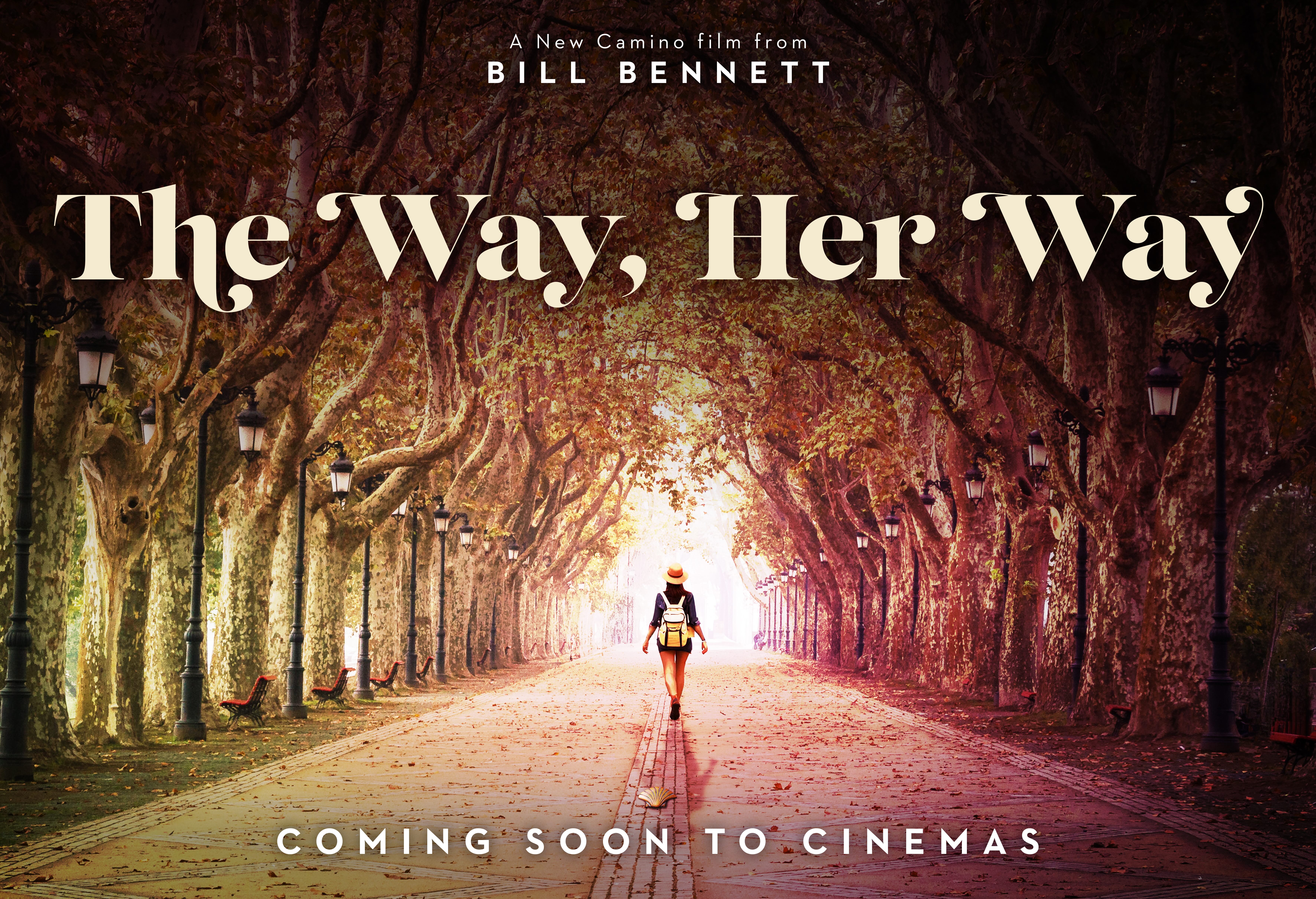
It’s called The Way, Her Way, and it follows a woman’s transformational journey along the Portuguese Camino.
It will be our nineteenth movie over a forty-year period.
You can learn more about the film, its story and the team behind it at thewayherwaymovie.com.
For the first time ever, we are offering four placements as Producer and Director Attachments, providing rare inside access to our filmmaking process.
These will not be passive, watch-from-the-sidelines experiences.
The four successful applicants will be embedded within the production in Portugal and Spain and given direct access to Jennifer and me as we navigate the creative, logistical and financial challenges of making an international feature film.
They will witness the decisions that shape a movie: casting, rehearsals, locations, scheduling, production design, directing actors, choosing camera coverage and solving the inevitable problems that arise during filming.
For the Full-Production Attachments, that access will continue through editing, music, sound, grading, marketing and distribution.
We will also be editing on location, allowing the Attachments to observe my decision-making as I work with the editor and begin shaping the movie while we are still shooting.
The Location Attachments
We are offering two four-week Location Attachments:
One Director’s Attachment
One Producer’s Attachment
The successful applicants will join us in Portugal for the crucial final week of pre-production, followed by three weeks embedded with the production during principal photography in Portugal and Spain.
The Director’s Attachment will have access to rehearsals, scene preparation, blocking, camera coverage, performance decisions, editing and the daily realities of directing a feature film.
The Producer’s Attachment will experience scheduling, location management, departmental coordination, budgeting and the constant practical and creative decisions required to keep an international production moving.
The Producer’s Attachment will also be given insight into the film’s finance plan, how Jennifer and I raised the money, and how producers work with investors, distributors and international sales agents. Access to commercially sensitive information will necessarily be subject to confidentiality and third-party permissions.
Each Location Attachment will receive an official individual screen credit on The Way, Her Way as either:
Director’s Attachment
or
Producer’s Attachment
The production will also submit the credits to IMDb following completion of the film.
The total program fee for each four-week Location Attachment is US$20,000.
The Full-Production Attachments
We are also offering two Full-Production Attachments:
One Full-Production Director’s Attachment
One Full-Production Producer’s Attachment
These will cover the complete filmmaking journey.
The Full-Production Director’s Attachment will be involved from early pre-production through principal photography, post-production, completion and the premiere of the finished film.
The successful applicant will participate in scheduled creative and production meetings, join us throughout the location shoot and follow the film through editing, music, sound design, ADR, the creation of the musical score, sound mixing and colour grading.
The Attachment will also experience market-test screenings, our response to those screenings, any subsequent changes to the film, and finally its premiere.
They will see not only how a film is shot, but how story and performance are refined in the editing room—and how hundreds of individual creative choices come together to produce the finished movie.
The Full-Production Producer’s Attachment will have access to areas of filmmaking that are rarely discussed openly: raising finance, constructing finance plans, recoupment waterfalls, working with investors, liaising with distributors and international sales agents, production accounting, audits, delivery requirements and completion obligations.
The Attachment will then follow the film into marketing and distribution: creating key art, trailers and the electronic press kit; developing publicity; and working with the distributor on release strategy.
It will be a thorough, real-world masterclass in how an independent feature film is produced, completed, marketed and brought to an audience.
Each Full-Production Attachment will receive an official individual screen credit on The Way, Her Way as either:
Full-Production Director’s Attachment
or
Full-Production Producer’s Attachment
The production will also submit the credits to IMDb following completion of the film.
The total program fee for each Full-Production Attachment is US$50,000.
Who Are We Looking For?
These Attachments are intended for emerging or established filmmakers, people seriously considering moving into directing or producing, or anyone with a passionate interest in understanding how a feature film is made from the inside.
No film-school qualification is required, and prior professional experience is not essential.
What matters is curiosity, commitment, creative intelligence, professionalism and the ability to work harmoniously within the intense environment of a film production.
Payment of the program fee does not guarantee acceptance.
Jennifer and I will personally select each applicant based on their aspirations, motivation, maturity, suitability for the production environment and what they hope to gain from the experience.
The program fees will help support both the delivery of the Attachment Program and the production of The Way, Her Way. They are not investments and provide no ownership, copyright, profit participation, recoupment entitlement or financial return from the film.
Important Information
Only four Attachments will be offered worldwide.
The Attachments are educational and observational positions. Participants will not replace employed crew members or be required to perform work for the production.
Access will be extensive but subject to production requirements, cast and crew privacy, confidentiality, safety and third-party permissions.
The production will meet accommodation, meal and production-related internal travel costs while participants are embedded on location.
Attachments must pay for their international travel, including airfares to and from Portugal and Spain.
Attachments must obtain appropriate travel and medical insurance and meet their personal expenses.
Unless otherwise agreed, any travel and accommodation associated with post-production activities and the premiere will be the responsibility of the participant.
Post-production, marketing and domestic distribution will take place in Australia.
Distribution throughout Australia and New Zealand is already in place through Maslow Entertainment.
Successful applicants will enter into a formal Attachment Agreement before any payment is accepted.
Anticipated Dates
5 October 2026: Final week of pre-production begins in Porto, Portugal
12 October 2026: Principal photography commences
Early May 2027: Intended premiere
Production dates may change. The Attachment Agreement will set out what will happen in the event of postponement or any material alteration to the production schedule.
I’d suggest if you’re interested, you get in fast because there’s not much time before we go into pre-production, and I suspect these attachments will go quickly.
Who Are We?
Jennifer Cluff and I have been making critically acclaimed—and sometimes commercially successful—films for more than forty years.
We are unusual in the world of independent filmmaking. Very few filmmaking partnerships have demonstrated the durability that ours has.
Our first feature, A Street to Die (1985), screened at the Sundance Film Festival and subsequently won the Crystal Globe for Best Picture at the prestigious Karlovy Vary International Film Festival.
I received three Australian Film Institute Award nominations—now known as the AACTA Awards—for Best Film as producer, Best Director and Best Original Screenplay.
Our second film, Backlash (1986), was invited into Official Selection at the Cannes Film Festival and subsequently acquired for North American distribution by the Samuel Goldwyn Company. Following its Cannes screening, it sold into almost every major international territory and played at many of the world’s leading film festivals. I wrote, directed and produced the film.
Other career highlights include a second film in Official Selection at Cannes, Malpractice (1989); four films screening at the Toronto International Film Festival; and my film-noir cult classic Kiss or Kill receiving twelve AFI Award nominations.
Kiss or Kill won five AFI Awards, including Best Film and Best Director, and was released theatrically throughout North America by Universal Pictures. It also received a gala screening at the New York Film Festival. Once again, I wrote, directed and produced the film.
There was also a brief stint in Hollywood, where I directed the Warner Bros. romantic comedy Two If by Sea, starring Sandra Bullock. That was not a happy experience for me. I discovered I was not a director for hire.
Instead, over the decades, I developed my producing and writing skills so that Jennifer and I could continue making films about subjects that genuinely matter to us.
The four successful applicants will be the rare recipients of that combined knowledge and experience.
I got four episodes into the Apple TV series Cape Fear before I decided I’d had enough.
I admired the production, I admired the performances, the show featured some wonderful actors, and I was a huge fan of the Scorcese version with Robert de Niro in 1991.
This new tv adaptation had a wonderful pedigree. Executive Producers were Martin Scorcese and Steven Spielberg – the director and producer of the earlier film. And according to a podcast I heard, Scorcese was hands-on with this new work.
With actors of the calibre of Javier Bardem (who could ever forget him in No Country for Old Men?) and Amy Adams, I was hoping for a quality television experience.
And that’s what I got. It was as creepy and scary as all get out. So why did I stop watching halfway through the series?
Because I didn’t want that darkness infecting my being.
I love dark material. No Country for Old Men I regard as a true masterpiece. The original 1962 Cape Fear with Robert Mitchum and Gregory Peck became, justifiably, a classic. As did the later Scorcese version. Fritz Lang’s M, The Night of the Hunter, The Shining, The Exorcist – I could go on. These are amongst my favourite films.
I believe you can learn a huge amount about the human condition by watching shows that put people under extreme duress. I’ve got no problem with that.
So why did I turn this show off halfway through?
The books weren’t balancing. I was getting too much suffering and not enough insight. The filmmakers were taking me into dark crevices and I didn’t want that level of vibration tainting my field. My field’s already grubby enough, thank you very much!
It’ll probably win a bunch of awards, the show. It deserves to. But for me it lacked that deeper layer that made the fear meaningful.
Maybe I just ask too much of what I culturally ingest….
From time to time I get asked: Will you read my screenplay?
I always say no, for two reasons:
Firstly, it takes me most of the day to read a screenplay – longer if it’s badly written. And 98 times out of a 100, they’re badly written. Why does it take so long? Because a screenplay is a schematic for something which is not there, and I have to dream into it.
Secondly, I was advised by my entertainment lawyer never to read a script that comes unsolicited – only read material that comes via a professional source, such as an agent. Why? because later on down the track you could be accused of plagiarism.
I have written for magazines earlier in my career. I was trained as a journalist and worked as such for twelve years. I have written fiction – the YA supernatural thriller trilogy Palace of Fires, published by Penguin Random House, and non-fiction – The Way, My Way – which 13 years after publication is still selling widely throughout the world. And I have written 18 feature film scripts that have been produced – and numerous scripts for documentaries.
And I’ll tell you this – writing a screenplay is the hardest form of writing there is.
It looks so simple, right? Believe me, it’s not. It’s like cutting a multi-faceted diamond from a chunk of rock. One wrong decision and everything falls apart.
It took me ten years of writing screenplays and getting them rejected before I got my first one produced – the feature film A Street To Die. It garnered me three Australian Film Industry nominations – Best Film, Best Director, Best Original Screenplay. It got invited to Sundance and won Best Picture, the Crystal Globe, at the Karloff Vary Film Festival.
But during that ten years prior I must have written more than 20 drafts of various scripts, all of them unceremoniously rejected. The screenplay is a hideously difficult form to master. It takes years of study, years if writing – dare I say even decades – to reach a point where you can make a career out of screenwriting.
Amateurs – would-be screenwriters – think it’s simple, and they get aggrieved when you tell them you won’t read their script. How hard can it be to read a script, right?
I re-post this article written by Oscar nominated screenwriter Josh Olson’s – his now infamous I will not read your fucking script.
He explains it better than I ever could –
We know you’ve been working very hard on your screenplay, but before you go looking for some professional feedback, you might keep in mind the following piece by A History of Violence screenwriter Josh Olson.
I will not read your fucking script.
That’s simple enough, isn’t it? “I will not read your fucking script.” What’s not clear about that? There’s nothing personal about it, nothing loaded, nothing complicated. I simply have no interest in reading your fucking screenplay. None whatsoever.
If that seems unfair, I’ll make you a deal. In return for you not asking me to read your fucking script, I will not ask you to wash my fucking car, or take my fucking picture, or represent me in fucking court, or take out my fucking gall bladder, or whatever the fuck it is that you do for a living.
You’re a lovely person. Whatever time we’ve spent together has, I’m sure, been pleasurable for both of us. I quite enjoyed that conversation we once had about structure and theme, and why Sergio Leone is the greatest director who ever lived. Yes, we bonded, and yes, I wish you luck in all your endeavors, and it would thrill me no end to hear that you had sold your screenplay, and that it had been made into the best movie since Godfather Part II.
But I will not read your fucking script.
At this point, you should walk away, firm in your conviction that I’m a dick. But if you’re interested in growing as a human being and recognizing that it is, in fact, you who are the dick in this situation, please read on.
Yes. That’s right. I called you a dick. Because you created this situation. You put me in this spot where my only option is to acquiesce to your demands or be the bad guy. That, my friend, is the very definition of a dick move.
I was recently cornered by a young man of my barest acquaintance.
I doubt we’ve exchanged a hundred words. But he’s dating someone I know, and he cornered me in the right place at the right time, and asked me to read a two-page synopsis for a script he’d been working on for the last year. He was submitting the synopsis to some contest or program, and wanted to get a professional opinion.
Now, I normally have a standard response to people who ask me to read their scripts, and it’s the simple truth: I have two piles next to my bed. One is scripts from good friends, and the other is manuscripts and books and scripts my agents have sent to me that I have to read for work. Every time I pick up a friend’s script, I feel guilty that I’m ignoring work. Every time I pick something up from the other pile, I feel guilty that I’m ignoring my friends. If I read yours before any of that, I’d be an awful person.
Most people get that. But sometimes you find yourself in a situation where the guilt factor is really high, or someone plays on a relationship or a perceived obligation, and it’s hard to escape without seeming rude. Then, I tell them I’ll read it, but if I can put it down after ten pages, I will. They always go for that, because nobody ever believes you can put their script down once you start.
But hell, this was a two page synopsis, and there was no time to go into either song or dance, and it was just easier to take it. How long can two pages take?
Weeks, is the answer.
And this is why I will not read your fucking script.
It rarely takes more than a page to recognize that you’re in the presence of someone who can write, but it only takes a sentence to know you’re dealing with someone who can’t.
(By the way, here’s a simple way to find out if you’re a writer. If you disagree with that statement, you’re not a writer. Because, you see, writers are also readers.)
You may want to allow for the fact that this fellow had never written a synopsis before, but that doesn’t excuse the inability to form a decent sentence, or an utter lack of facility with language and structure. The story described was clearly of great importance to him, but he had done nothing to convey its specifics to an impartial reader. What I was handed was, essentially, a barely coherent list of events, some connected, some not so much. Characters wander around aimlessly, do things for no reason, vanish, reappear, get arrested for unnamed crimes, and make wild, life-altering decisions for no reason. Half a paragraph is devoted to describing the smell and texture of a piece of food, but the climactic central event of the film is glossed over in a sentence. The death of the hero is not even mentioned. One sentence describes a scene he’s in, the next describes people showing up at his funeral. I could go on, but I won’t. This is the sort of thing that would earn you a D minus in any Freshman Comp class.
Which brings us to an ugly truth about many aspiring screenwriters: They think that screenwriting doesn’t actually require the ability to write, just the ability to come up with a cool story that would make a cool movie. Screenwriting is widely regarded as the easiest way to break into the movie business, because it doesn’t require any kind of training, skill or equipment. Everybody can write, right? And because they believe that, they don’t regard working screenwriters with any kind of real respect. They will hand you a piece of inept writing without a second thought, because you do not have to be a writer to be a screenwriter.
So. I read the thing. And it hurt, man. It really hurt. I was dying to find something positive to say, and there was nothing. And the truth is, saying something positive about this thing would be the nastiest, meanest and most dishonest thing I could do. Because here’s the thing: not only is it cruel to encourage the hopeless, but you cannot discourage a writer. If someone can talk you out of being a writer, you’re not a writer. If I can talk you out of being a writer, I’ve done you a favor, because now you’ll be free to pursue your real talent, whatever that may be. And, for the record, everybody has one. The lucky ones figure out what that is. The unlucky ones keep on writing shitty screenplays and asking me to read them.
To make matters worse, this guy (and his girlfriend) had begged me to be honest with him. He was frustrated by the responses he’d gotten from friends, because he felt they were going easy on him, and he wanted real criticism. They never do, of course. What they want is a few tough notes to give the illusion of honesty, and then some pats on the head. What they want — always — is encouragement, even when they shouldn’t get any.
Do you have any idea how hard it is to tell someone that they’ve spent a year wasting their time? Do you know how much blood and sweat goes into that criticism? Because you want to tell the truth, but you want to make absolutely certain that it comes across honestly and without cruelty. I did more rewrites on that fucking e-mail than I did on my last three studio projects.
My first draft was ridiculous. I started with specific notes, and after a while, found I’d written three pages on the first two paragraphs. That wasn’t the right approach. So I tossed it, and by the time I was done, I’d come up with something that was relatively brief, to the point, and considerate as hell. The main point I made was that he’d fallen prey to a fallacy that nails a lot of first-timers. He was way more interested in telling his one story than in being a writer. It was like buying all the parts to a car and starting to build it before learning the basics of auto mechanics. You’ll learn a lot along the way, I said, but you’ll never have a car that runs.
(I should mention that while I was composing my response, he pulled the ultimate amateur move, and sent me an e-mail saying, “If you haven’t read it yet, don’t! I have a new draft. Read this!” In other words, “The draft I told you was ready for professional input, wasn’t actually.”)
I advised him that if all he was interested in was this story, he should find a writer and work with him; or, if he really wanted to be a writer, start at the beginning and take some classes, and start studying seriously.
And you know what? I shouldn’t have bothered. Because for all the hair I pulled out, for all the weight and seriousness I gave his request for a real, professional critique, his response was a terse “Thanks for your opinion.” And, the inevitable fallout — a week later a mutual friend asked me, “What’s this dick move I hear you pulled on Whatsisname?”
So now this guy and his girlfriend think I’m an asshole, and the truth of the matter is, the story really ended the moment he handed me the goddamn synopsis. Because if I’d just said “No” then and there, they’d still think I’m an asshole. Only difference is, I wouldn’t have had to spend all that time trying to communicate thoughtfully and honestly with someone who just wanted a pat on the head, and, more importantly, I wouldn’t have had to read that godawful piece of shit.
You are not owed a read from a professional, even if you think you have an in, and even if you think it’s not a huge imposition. It’s not your choice to make. This needs to be clear — when you ask a professional for their take on your material, you’re not just asking them to take an hour or two out of their life, you’re asking them to give you — gratis — the acquired knowledge, insight, and skill of years of work. It is no different than asking your friend the house painter to paint your living room during his off-hours.
There’s a great story about Pablo Picasso. Some guy told Picasso he’d pay him to draw a picture on a napkin. Picasso whipped out a pen and banged out a sketch, handed it to the guy, and said, “One million dollars, please.”
“A million dollars?” the guy exclaimed. “That only took you thirty seconds!”
“Yes,” said Picasso. “But it took me fifty years to learn how to draw that in thirty seconds.”
Like the cad who asks the professional for a free read, the guy simply didn’t have enough respect for the artist to think about what he was asking for. If you think it’s only about the time, then ask one of your non-writer friends to read it. Hell, they might even enjoy your script. They might look upon you with a newfound respect. It could even come to pass that they call up a friend in the movie business and help you sell it, and soon, all your dreams will come true. But me?
The Oscars are done and dusted for this year, 2026.
The highlight for me was the opening – Conan O’Brien as the Amy Madigan character in Weapons being chased through all the Best Picture nominated film sets.
There were a few surprises for me – Best Documentary for one, and Best Cinematography for another. And I really wish the Casting Oscar had gone to The Secret Agent.
So how did I go? Here’s my list of predicted winners, with a YES or NO beside them.
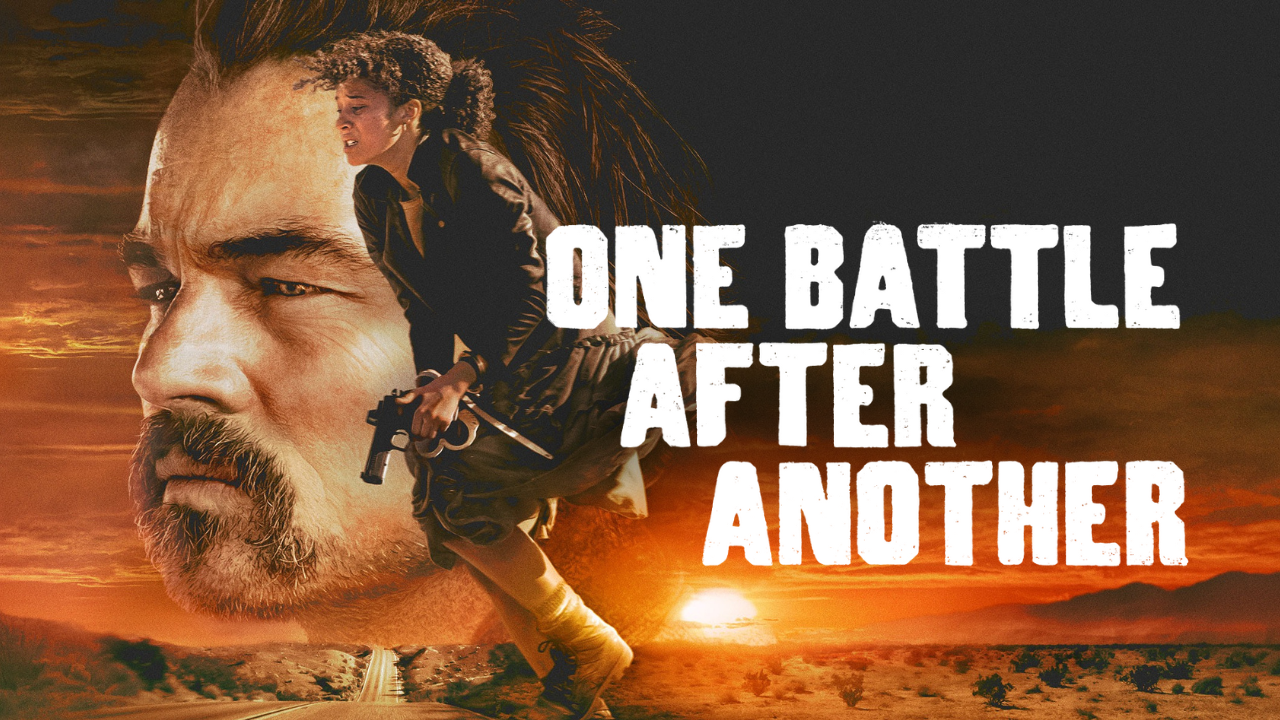
Best Picture One Battle after AnotherYES
Best Director Paul Thomas Anderson / One Battle after Another YES
Best Actor Michael B Jordan / SinnersYES
Best Actress Jessie Buckley / HamnetYES
Best Supporting Actor Sean Penn / One Battle After AnotherYES
Best Supporting Actress Amy Madigan / WeaponsYES
Best Original Screenplay Sinners YES
Best Adapted Screenplay One Battle After AnotherYES
Best Casting SinnersNO
Best International Film The Secret AgentNO
Best Cinematography One Battle After AnotherNO
Best Film Editing SinnersNO
Best Sound: FiYES
Best Production Design FrankensteinYES
Visual Effects Avatar Fire & AshYES
Original Score SinnersYES
Original Song Kpop Demon HuntersYES
Best Costume Design FrankensteinYES
Best Makeup & Hair FrankensteinYES
Best Documentary The Perfect NeighborNO
Best Animated Feature K-Pop Demon HuntersYES
So my scorecard was 16/21 or 76%. That’s pretty shabby for me. But I got all the big ones right, which is something, I guess.
I’m delighted that PTA finally got the career recognition he’s deserved for a long time now. Whilst I had some problems with One Battle, he is truly a remarkable filmmaker – and alongside the Coen Bros, is my favourite director working at the moment.
Each year, as many of you who follow this blog might know, I make my Oscar predictions. I’m normally pretty good, with a strike rate usually in the mid 90% range.
Last year I didn’t post my predictions because I was on that crazy four month long promotional tour of The Way, My Way, doing Q&A screenings throughout the US and Canada, Germany and Malta.
I’m late posting this year because I’ve been playing catchup on viewing the movies – and now that I’ve seen most of the nominated films I have to say I’m largely disappointed with this year’s crop.
All the heat is on One Battle After Another and Sinners, two films that underwhelmed me.
I walked out of the 70mm screening of One Battle after 40 minutes, then watched it all the way through sometime later and was more forgiving on my second viewing. Even so, the film doesn’t top There will be Blood, or even Magnolia.
Director Paul Thomas Anderson has been nominated for Oscars 14 times, with four Best Picture nominations. He’s a great filmmaker and One Battle will probably bag him 3 Oscars – Best Picture, Best Director and Best Adapted Screenplay. And most probably Sean Penn will win his third Oscar for Best Supporting Actor for his lock-jaw chomping performance.
Even so, the film didn’t move me emotionally. It challenged me intellectually, but it didn’t move me. And that’s how I judge the value of a movie – that, and what the film is saying. I couldn’t figure out what PTA was trying to say in One Battle. He seemed to be pulling his punches.
Sinners is an audacious film, there’s no doubt, and I can see what all the fuss is about, but for me it’s merely a racially based metaphorical version of From Dusk til Dawn, written by Quentin Tarantino. Again, it didn’t move me. It’s not a film I will remember in ten years time.
My Best Film of the Year?
Bugonia.
Written and directed by Yorgos Lanthimos, who made the outstanding films The Lobster and The Killing of a Sacred Deer, (I wasn’t a big fan of Poor Things), Bugonia is a searing exploration of echo chambers, delusional thinking and how conspiracy theories can spiral into violence. I watched that movie and it definitely gut-punched me emotionally.
Of the other nine films on the Best Films list, the only other one that impacted me was Hamnet – a superb piece of work from Nomadland Director Chloe Xhao. Jessie Buckley deserves the Best Actress Oscar, although I think Emma Stone in Bugonia is equally deserving.
I should also mention The Secret Agent, which was a compelling piece of work. Exquisitely executed, stunningly cast with a brilliantly subtle performance by Wagner Moura, the film worked for me emotionally and thematically.
Sentimental Value? Stellan Skarsgard was a knockout, but I found the film to be Bergman-esque and hence tedious. Who cares? Maybe I just have an inherent distaste for movies about aging film directors and their failed ambitions and personal issues. I thought the George Clooney movie Jay Kelly was a much better exploration of similar territory.
I stumbled across the documentary The Perfect Neighbor while scrolling through Netflix months ago, and was blown away by the audacity of the filmmaking (how can you make an entire movie out of police body-cam footage?) but more importantly, what the film was saying about the US “Stand Your Ground” laws and the biases inbuilt into the justice system. I had no idea at the time that it would be nominated for an Oscar – but I sure hope it wins!
In terms of clean line storytelling, I have to give a respectful nod to Weapons, which showcases the extraordinary talents of Amy Madigan, whom I hope wins the Oscar for Best Supporting Actress. The film also includes Julia Garner, who is always stunning in whatever she chooses to do. I’m not a fan of horror movies, but this one was enthralling.
Back to my Oscar predictions. I’ve put in bold those movies that I think will win, and put in brackets underneath those movies that I believe should win. Okay, so here is my list:
Best Picture One Battle after Another (Bugonia)
Best Director Paul Thomas Anderson / One Battle after Another (same)
Best Actor Michael B Jordan / Sinners (Wagner Moura / The Secret Agent)
Best Actress Jessie Buckley / Hamnet (same)
Best Supporting Actor Sean Penn / One Battle After Another (same)
Best Supporting Actress Amy Madigan / Weapons (same)
Best Original Screenplay Sinners (same)
Best Adapted Screenplay One Battle After Another (Bugonia)
Best Casting Sinners (The Secret Agent)
Best International Film The Secret Agent (Same)
Best Cinematography One Battle After Another (Same)
Best Film Editing Sinners (F1)
Best Sound: Fi (Same)
Best Production Design Frankenstein (Same)
Visual Effects Avatar Fire & Ash (Same)
Original Score Sinners (One Battle after Another) What does Jonny Greenwood have to do to win an Oscar??
Original Song Kpop Demon Hunters (Same)
Best Costume Design Frankenstein (Hamnet)
Best Makeup & Hair Frankenstein (Same)
Best Documentary The Perfect Neighbor (Same)
Best Animated Feature K-Pop Demon Hunters (Same)
So Sunday night US time, Monday late morning Australian time, we’ll know the results. We’ll find out whether the film that underwhelmed me the most gets the major gongs, or whether some of these very brave and outrageous films snag a few.
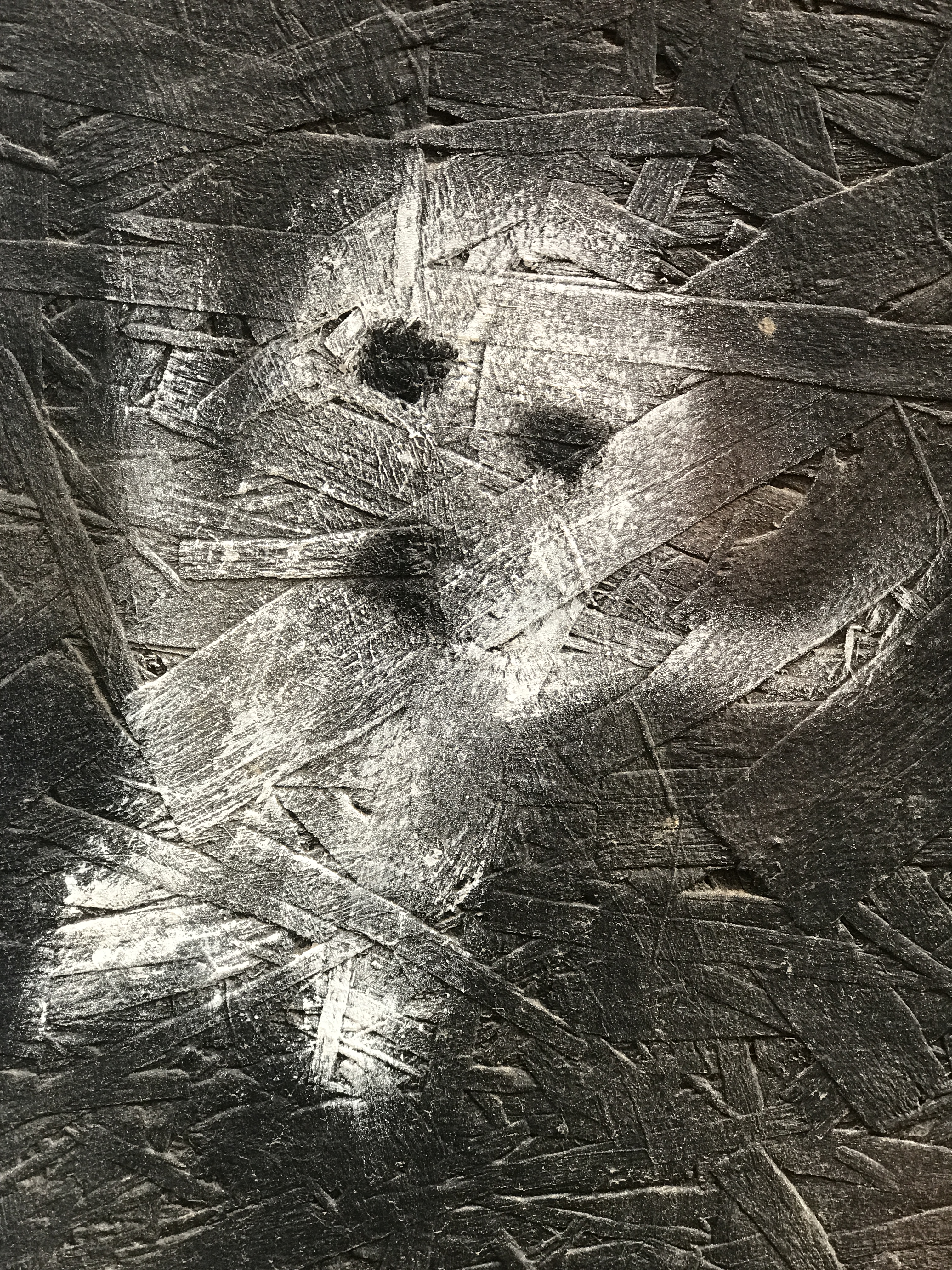
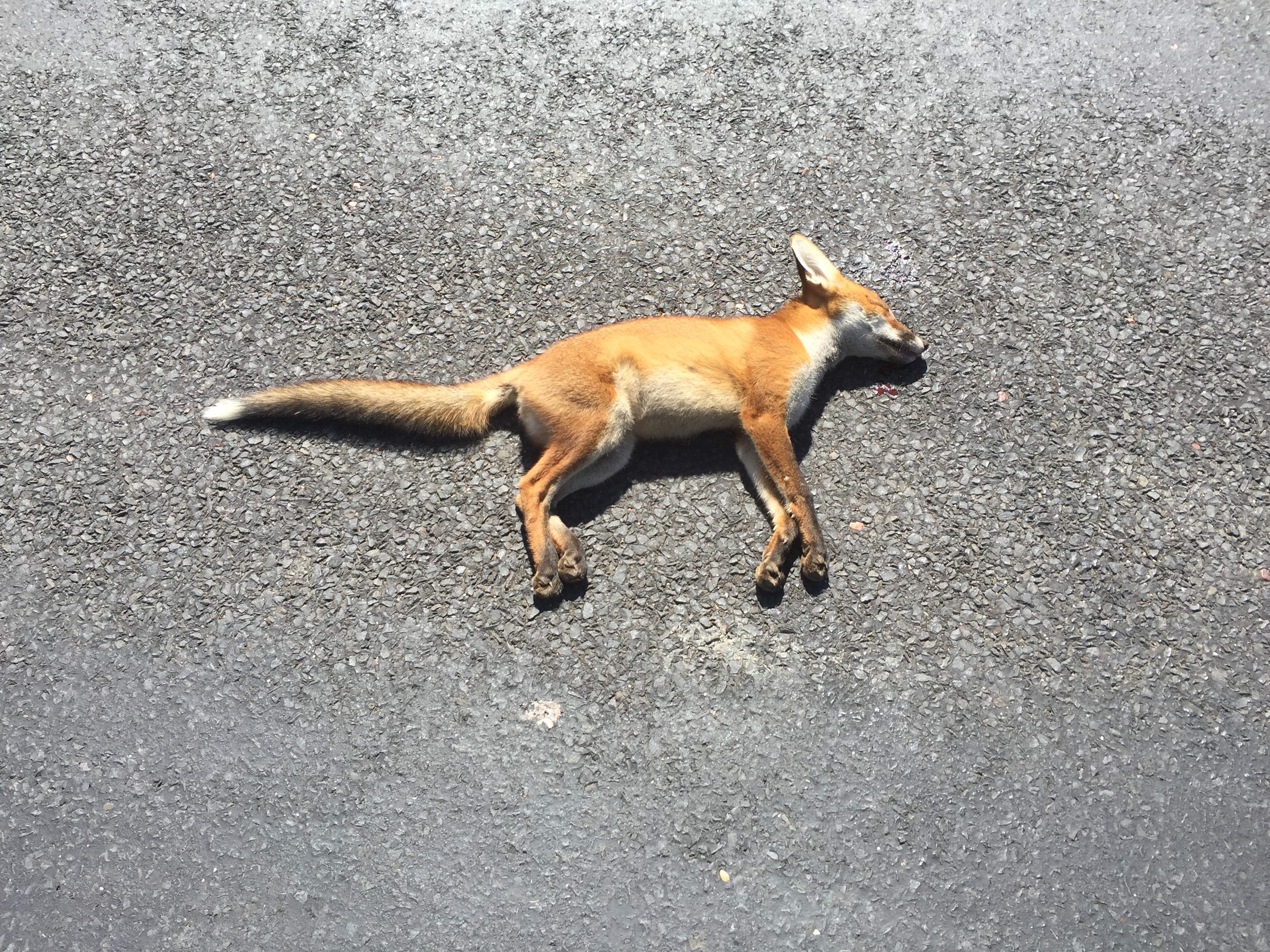
Lately I’ve been posting photos to my Facebook page, and only giving the photo the title of where the pic was taken. For instance: this photo was titled USA.
I make no comment about the photo itself – it’s up to those that view the photo to draw their own interpretation of it. And some of those interpretations are fascinating.
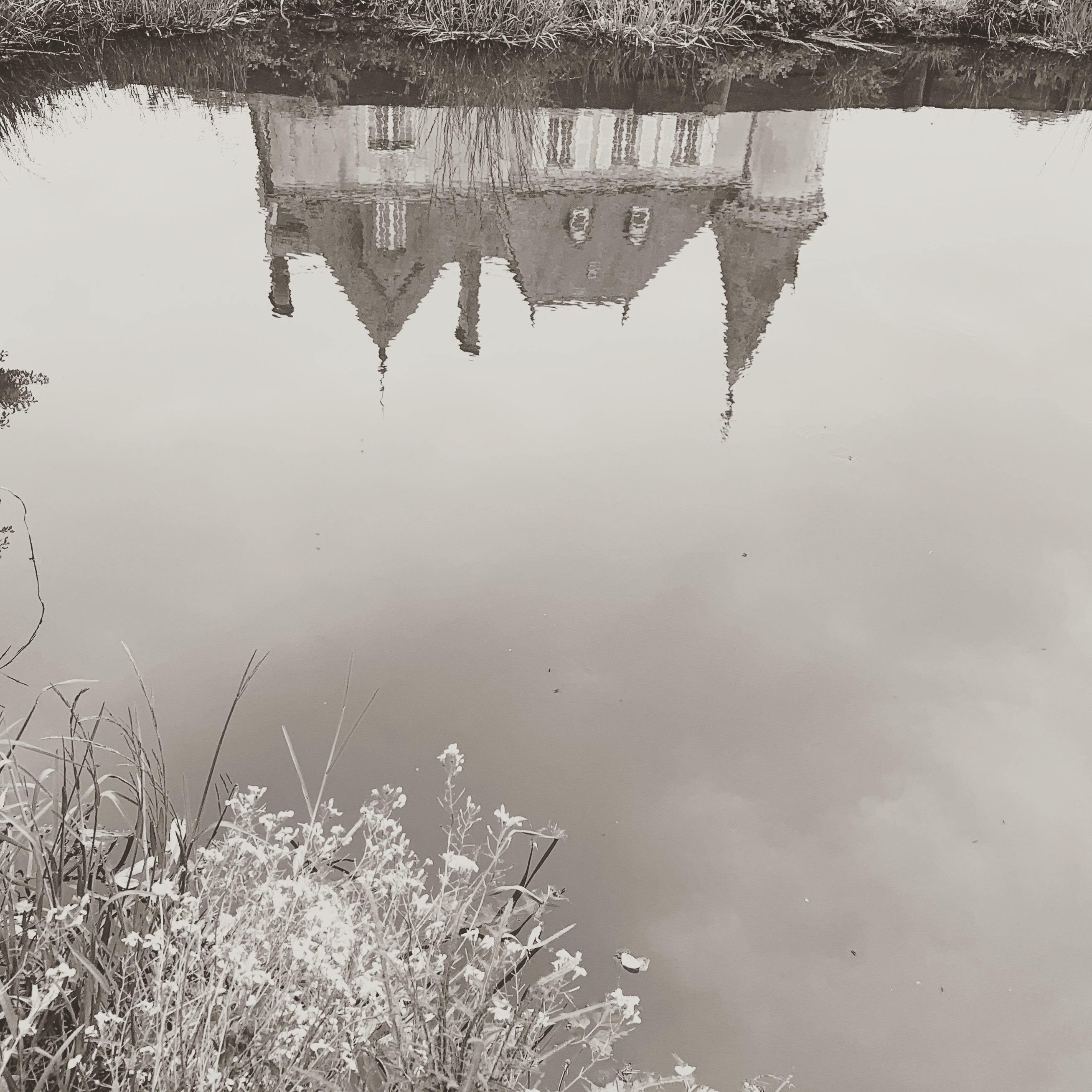
Some photos are very popular and quite benign, such as this one titled: France.
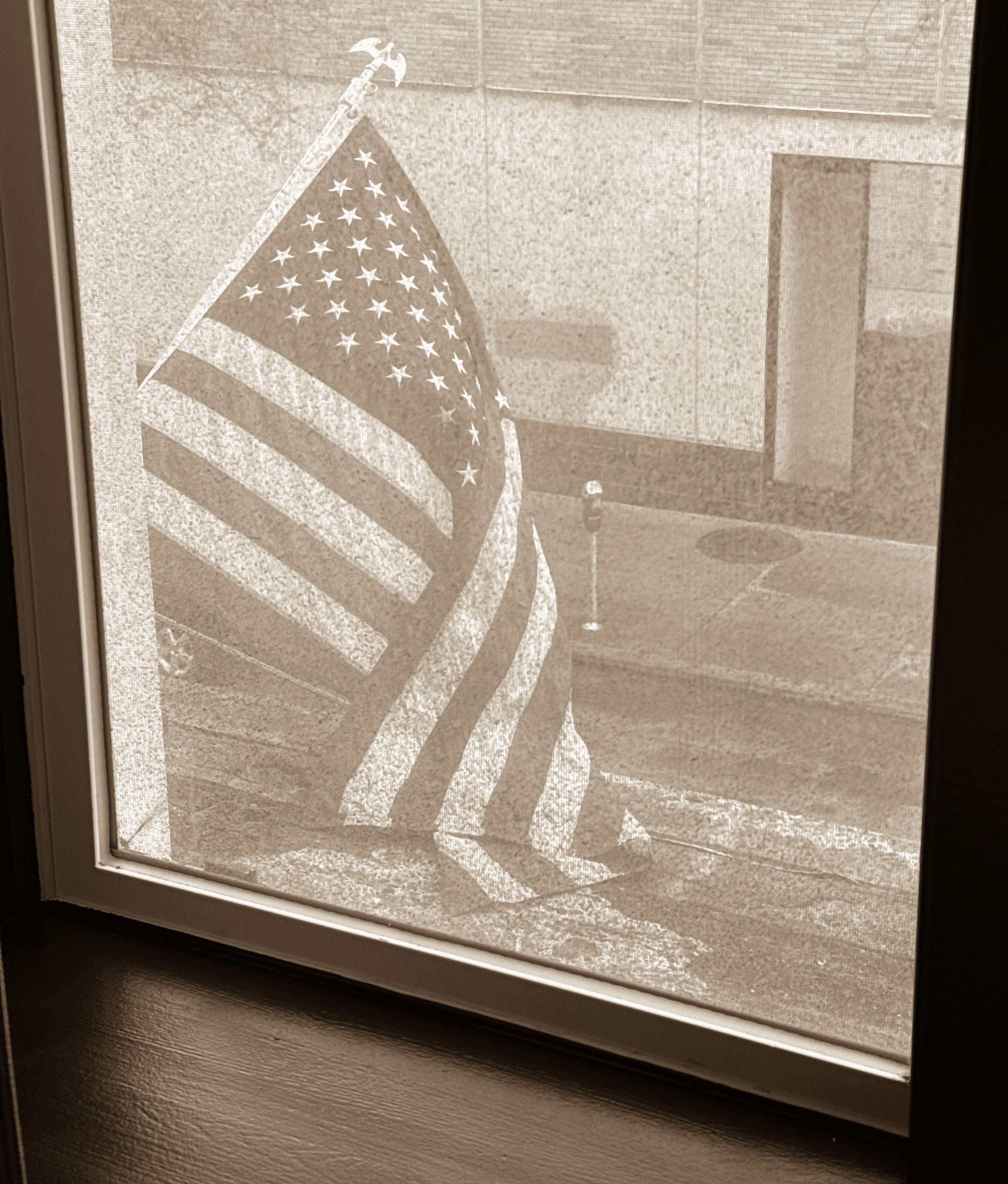
Some arouse quite passionate responses, such as this one – again titled: USA
USA
This photograph upset a few people so I took it down. It was titled: Australia.
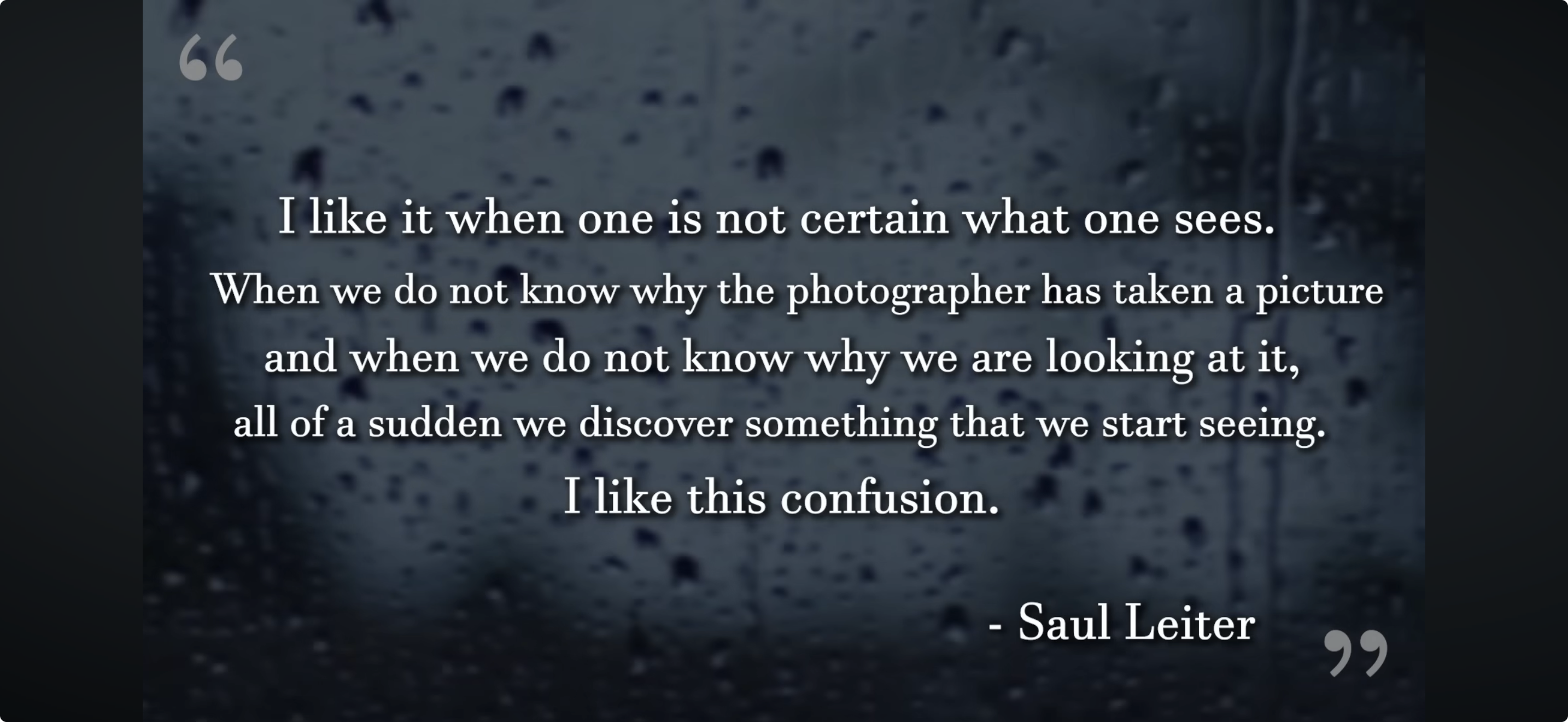
Lately, I’ve become interested in Saul Leiter’s work, which is purposefully ambiguous and provokes questions –
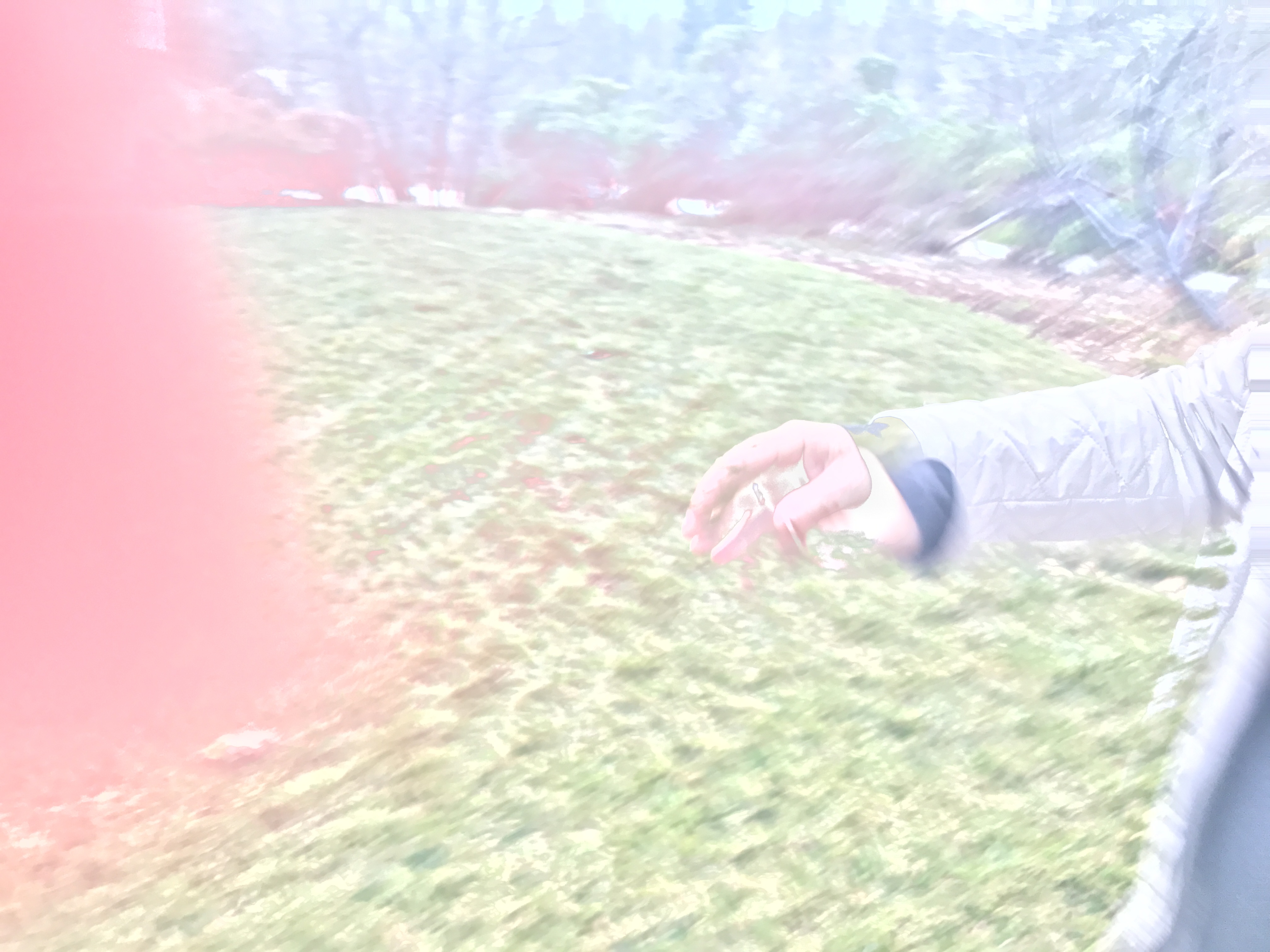
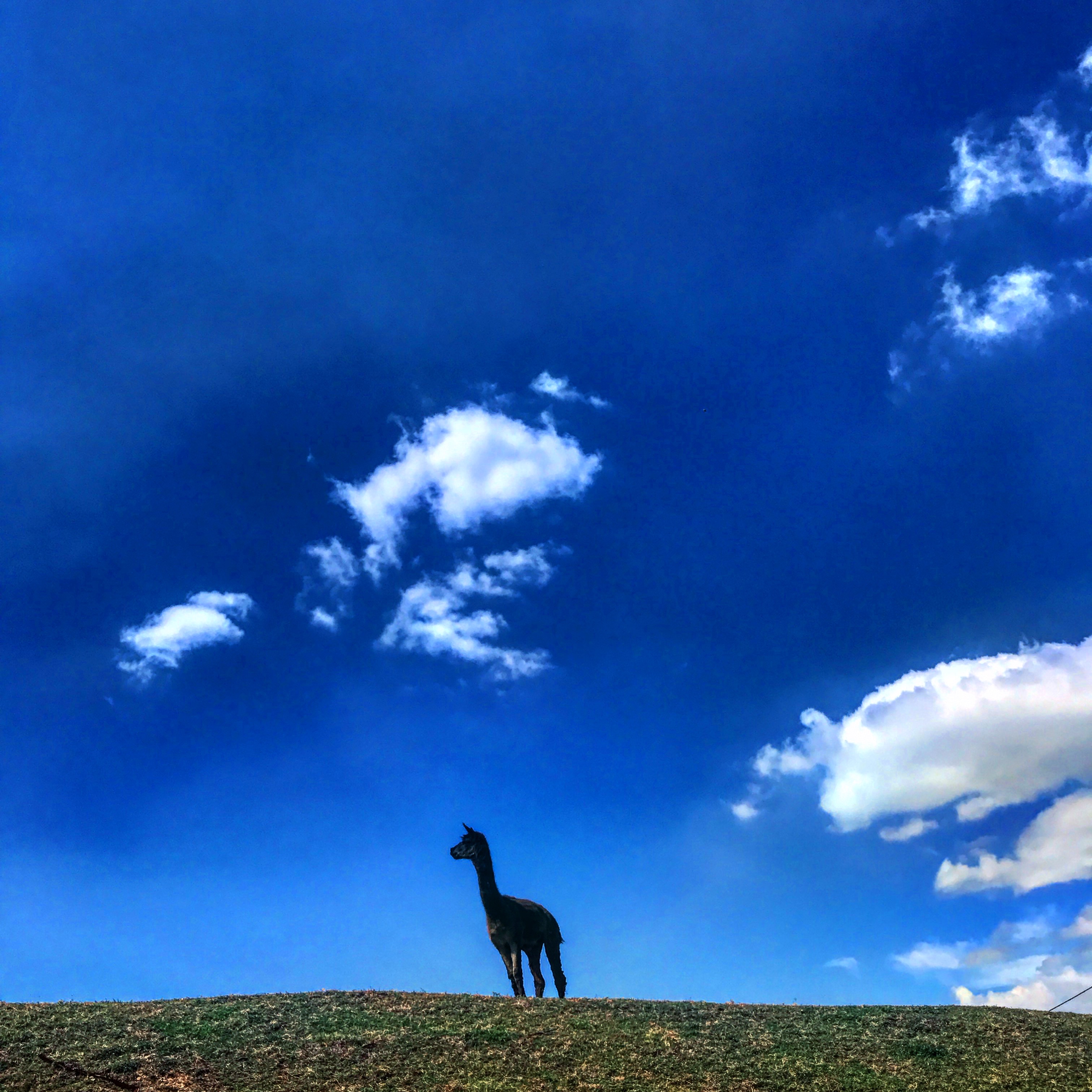
It’s germane to this photo, which again caused some chat, and is the subject of a podcast which will be aired publicly soon:
I’ve yet to find a photo I took that I really like – but I’ve got thousands. Tens of thousands. I’m slowly making my way through them…
I had a very interesting conversation yesterday over New Year’s Day lunch with a family friend who’s a quantum physicist. We talked about age and risk. He argued very strongly that as you get older, you should take more risks because you have less to lose.
This bloke has his doctorate in Quantum Physics, he lives and works in Canberra and he’s at the cutting edge of quantum research. In his spare time he goes rock climbing. Like, hanging upside down four hundred feet off the ground clinging to the sides of a vertical cliffs with his fingernails.
I asked him if he ever got scared. He said yeah, all the time. But that’s the joy of it. That led to the conversation about risk profiles and age. Here’s a tidied-up transcript of the conversation:
PAT: Well, the theory centres around the fact that most people in their lives front load the majority of the risk to their younger years – then as they age, they risk less and less, even retreating into boredom and monotony as they get older, where the only risk is just time itself. That time is running out.
The average age of death for males in Australia is, what, 81 years. And so the idea is that you should, in fact, be risking more as you age, doing riskier things that you might die from, that give you some kind of exhilaration or life experience that has some value to you. Because when you’re 70, you’re gambling 11 years of your life to do this thing. If you do that thing when you’re 20, you’re gambling 61 years.
How much is time worth compared to the payoff of doing the extremely dangerous thing versus the possible outcome of you ceasing to exist? Not necessarily dangerous, but risky. So it could be financial risk, could be any kind of risk. But a lot of people just front load that, and then the last years of their life, they don’t take any risks at all, when the consequences become quite small.
I see this happening with people doing bucket lists when they’ve got some relatively short term life-threatening diagnosis or something. But then again I guess there isn’t even a risk then, is there? Because they’ve left it so late there isn’t actually anything on the table. Whereas if you decided to do that 10 years earlier, just on the chance, hmm? You’ve got so much more potential payoff if it all goes well.
Take the Camino. Somebody who’s got a heart condition at age 65 decides to walk the Camino. They’re gambling 81 minus 65 years – 16 years. The risk is that they’re going to die on this long walk. But if they don’t die, then the payoff could be huge. It could transform their lives. The walk could, in some way, heal them. Or prove that the doctors might have been wrong and you’re not as ill as they thought you were.
It also comes to the fact that life is very nonlinear in time. Some of your time is very short, and some of it’s very long, but the clock ticks at the same rate, all the way through your life. But it doesn’t in your head. So when you’re on the Camino, right, that could be a valuable time in your life.
Let’s say you do the walk in a month. You could have spent that month sitting on your couch at home. That would be the safe option. That would be the less riskier option. But sitting at home on your couch, have you gotten a month’s worth of value out of it? Whereas spending that month walking the Camino, taking the risk that you could die from heart failure, during that month you’ve experienced joy, a sense of achievement, you’ve made new friends, perhaps you’ve taken on new ideas.
Perhaps at the end of that month you’ve become a different person.
That one month walking the Camino, as against sitting at home on the couch, might be worth six months, twelve months. More. It’s all very nonlinear.
People should gamble more as they get older. But they don’t. They tend to withdraw. They tend to… sort of cocoon themselves. They tend to increase their protection levels, don’t they? They get comfortable, and I think a lot of society says that you’ve earned the right to be comfortable. Like, that’s what retirement is. You’re safe. There will be no big changes because you’ve done everything right. Because you’ve fought your way through life up to that point. But then… why?
Now, you’ve retired and you’ve got 20-maybe 30 years of doing nothing. Why not make that a time for taking risks – doing exciting things? The clock’s ticking down. And you’ve got less to lose. Instead of withdrawing as you get older, why not take some huge risks?
For those of you who follow this blog and don’t know what The Ashes is – it’s a series of five games of cricket played between Australia and England. Each game can last five days. At its fullest, that’s 25 days of cricket with each day beginning at 10:30am or thereabouts, and finishing at 6pm or thereabouts. For cricket-tragics such as Jennifer and myself, we try not to miss one minute, one ball, one run.
The Ashes dates back to 182. That’s 143 years. Australia has won The Ashes 34 times, England 32 times – with 7 drawn matches. To say that the rivalry is fierce is like saying the South Pole is chilly.
We’re talking Colonialists versus Convicts. Need I say more?
I’ll keep this summary of The Ashes, and indeed cricket itself, at this superficial level because cricket is an inordinately complex game. It has its own language, its own arcane protocols, even the naming of field positions defies rationale or logic.
Cow Corner? Silly Mid Off?
The Ashes are played every two years, or thereabouts – alternating countries. This series is being played in Australia. Prior to this series starting on November 21st, the English press and the team itself declared that finally they had a group of players that could win The Ashes on Australian soil – a feat rarely done.
They derided the Australian team as being old and passed it, sub-par, they called our cricketers Dad’s Army.
The English were bringing to the series a form of cricket that’s become known as Bazball, a highly aggressive form of the game drawn from the shorter, showier form known as T20. In other words, they were attempting to modernise Test cricket, and in the process write their names into the history books.
It didn’t work. They lost the first three games 3-0 and Australia retained The Ashes.
The 4th game, played in Melbourne last week, they won using, at times, Bazball tactics. But it was too late. Australia had won The Ashes.
I watch a lot of sport because it tells me a lot about the human condition, about courage and timidity, about how to win and how to accept failure, about hubris and grace.
The final chapter is yet to be played in Sydney starting next week, and even though technically it’s a dead rubber, there’s still a lot to play for – reputations, future places in the respective teams, jobs on the line. And history. With each Ashes game history can be made, or rewritten.
I’ve learned a lot as a filmmaker from these first four games already.
Preparation. Pundits say England lost the first three games because of a lack of preparation. This, I believe, came down to hubris. They believed they had a winning formula in Bazball. They believed their team was stronger. They thought they didn’t need to prepare. Dare I say it, they were arrogant.
Lesson. Making a movie is all about preparation. As a director, by the time cameras roll on the first day of principal photography, 95% of your work should have already been done. You can’t skimp on preparation. And you certainly can’t be arrogant. Arrogance will cold-cock you every time.
Patience. Interestingly, listening to the commentaries as I have, and the analysts on various podcasts, the word patience has come up time and time again. Bazball eschews patience. It’s a form of the game that requires a batter to pretty much take a swipe at anything. Test cricket requires, at times, immense patience. And that patience more often than not is rewarded with a long innings and a big score. Conversely, a lack of patience often brings a batter, and bowler, undone very quickly.
Lesson. Making a feature film also requires immense patience. I have stood out in a field for more than an hour many times during my working life, with a full crew on alert, waiting for the right light to get a shot. I have waited a mind-numbing length of time on more occasions than I care to remember for ambient sounds to clear so that we can record a perfectly clean dialogue scene. You need to have the patience of a zen monk to be a film director. That’s why I’d be dreadful doing television. Television doesn’t allow for patience.
Quite. I’ve noticed that that English coach and captain have used the word quite quite a bit in interviews. We didn’t quite get it right, they would say, Or We didn’t quite get enough runs today. This word quite, used as they’ve used it, provides an insight into their mindset. It speaks to me of delusion and entitlement. Didn’t quite get it right? Mate, we blasted you off the field. Didn’t quite get enough runs? Buddy, we beat you in two days. Their use of the word quite tells me they aren’t facing up to reality. And they really do believe they’re entitled to win.
Lesson. As a film director, you need to be grounded at all times. It’s so important, especially early in your career if you’ve had success. It’s so easy to get a distorted view of your own capabilities. You start believing your own publicity. When you’re making a movie, it’s critical that you remain humble and aware that at any stage, you could make a career-ending decision. Of those directors who get to make a first film, only 36% get to make a second film, only 8% make five or more films, and only 0.1% make 20 or more films. I’ve directed 17 feature films which puts me at 1%. That makes me quite humble…
Expectation vs Process. The English arrived on our shores with big expectations. They were going to crush us. We had a weaker team – the worst since 2010, said Stuart Broad – and they said that they were going to climb the Mt Everest of cricket. They were going to go home with The Ashes. The Aussies (other than Glenn McGrath, who traditionally predicts an Australian whitewash of the Poms) remained quietly confident in their process. They didn’t think ahead. They trusted in process.
Lesson. I know from forty years of making movies that on those occasions when I’ve thought I’d made a winner, I’ve always been disappointed. And also, when I’ve deliberately set out to make a commercially successful film, invariably I’ve failed. Yet the times when I’ve made a movie simply from a) the desperate need to tell that particular story, b) a desperate desire to have fun with the mechanics of cinema, or c) a deep sense of knowing that this was a movie that I would enjoy watching – on the relatively few occasions when that aligned, then surprisingly the films did (quite) well. In other words, I’ve learned to distrust expectations, and to go into a movie merely for the pure joy of making that movie, trusting that the outcome will be what it will be..
These are just some of the lessons I’ve learned. And many more as well – too many to elucidate here. Elite sport for me provides useful lessons in human psychology. I just wish I had the wisdom to interpret those lessons at times.
As readers of this blog know, each year around this time I do an “audit” of what I achieved this year pegged against what I hoped to achieve this time last year. And I outline what I hope to achieve in the coming year.
This year was all about the international theatrical rollout of The Way, My Way.
After a successful cinema run throughout Australia and New Zealand in 2024, the film that some reviewers called “the surprise hit of the year” – with a cinema Box Office of close to $2.5m, and a run of 20 weeks in some cinemas – it was time to take the film overseas.
Jennifer and I left Australia on January 28th, and for the next 4 months we toured the film throughout the US, Canada, Germany, with sold out screenings as well in the UK and Italy.
In the US and Canada we did 48 Q&A screenings in 44 different cities and towns in 19 states over a 51 day period. During this time Jennifer and I:
took 12 internal flights
took 52 Ubers
I drove 7,000 kms in five rental cars
Johnnie Walker, Camino legend, joined us for a couple of weeks and he was treated by the Q&A crowds as the rock star that he is. Marc Wooldridge, head of Maslow Entertainment, helped coordinate our trip from Australia, with the aid of our US co-distributor, Outsider Pictures.
We arrived back home on May 28th – we were away exactly four months. Was it exhausting? Strangely, no. Jennifer and I were sensible. We slept well and we ate sparingly. And we traveled super light. That was key, with being on the move constantly.
During the last couple of weeks of the tour, in amongst all the travel and screenings, I began writing a new novel – an Outback thriller I’d been developing over the past ten years or so. It’s called Lady Fix – No Man’s Land. When I got home I continued writing for the next seven months, and this occupied my time for pretty much the rest of the year.
Publishers Penguin Random House had previously published my YA supernatural thriller trilogy, Palace of Fires –
PRH were tracking the progress of Lady Fix and I submitted it to them last month. They came back with notes, which was expected, and I’m currently working through those notes. I also signed with a top flight literary agent and she will guide me through this process.
I got a delightful surprise last month as well – I was awarded the Malaspinsa Award from the Spanish Ambassador in Canberra for strengthening cultural ties between Australia and Spain for my Camino memoir and film, The Way, My Way.,
So, how did I go with my laundry list of things I wanted to achieve this year? Here’s what I hoped to achieve this time last year, and in bold, what I actually did or did not achieve.
Release The Way, My Way in US and Canada – and support that release with a Q&A tour, from the beginning of February to the end of March.
Done.
Release The Way, My Way in Germany, Austria and Switzerland and support that release with a Q&A tour in April.
Done.
Screen The Way, My Way to an annual gathering of North American pilgrims in Vancouver in mid May.
Done.
Screen The Way, My Way to a convention of Camino leaders in Malta at the end of May.
Done.
Walk the Portuguese Camino (for the 3rd time!) in preparation for the shoot of The Way, Her Way.
Didn’t do this. No time.
Release The Way, My Way later in the year in Italy, and support that release.
Done.
Shoot The Way, Her Way on the Portuguese Camino in September / October.
Didn’t do this. Not sufficient time to properly prepare with the international touring of The Way, My Way.
Work on the post production of The Way, Her Way.
Didn’t do this. See above.
Write the first draft screenplay of the next movie in my Camino series – called The Way, His Way. (I aim to become the Taylor Sheridan of the Camino! haha)
Didn’t do this.
Complete the writing of my metaphysical thriller, Dead Image.
Didn’t do this. Instead wrote Lady Fix.
Complete the writing of my non fiction book, If I can Change, You can Too.
Didn’t do this. My time was spent writing Lady Fix.
Write a treatment of my dysfunctional pensioner crime-caper screenplay.
Didn’t do this.
Shoot more material for the Hope film.
Didn’t do this.
As you can see, I didn’t do a lot of what I’d hoped to do. I think in retrospect I was way too ambitious in my expectations. I didn’t realise how all-consuming the international Q&A tour would be, and how writing a new novel – Lady Fix – would suck up all my remaining time and headspace.
Writing a novel is hard. Damn hard.
So what do I hope to achieve in 2026? I only have two things I wish to achieve:
Get The Way, Her Way made.
Get Lady Fix published.
If I can achieve those two things then I’ll regard 2026 a successful year.
On the health front, I end the year in my eighth year since diagnosis of my Parkinson’s disease. This year, I’ve taken a bit of a hit, what with the four months of intensive travelling. But even so, I thank my lucky stars that I’m as good as I am.





You must be logged in to post a comment.