

I’ve spent a fair bit of time in Bavaria over the years.
For a while there, I was a consultant to a large film fund based out of Munich. German money has supported quite a few of my previous films. I’ve also had a career retrospective at the prestigious Hof Film Festival, near the Czech Republic border.
They flew me out and put me up as their guest for about ten days. I had a great time, spoiled only by my having to sit through all my films, which was excruciating!
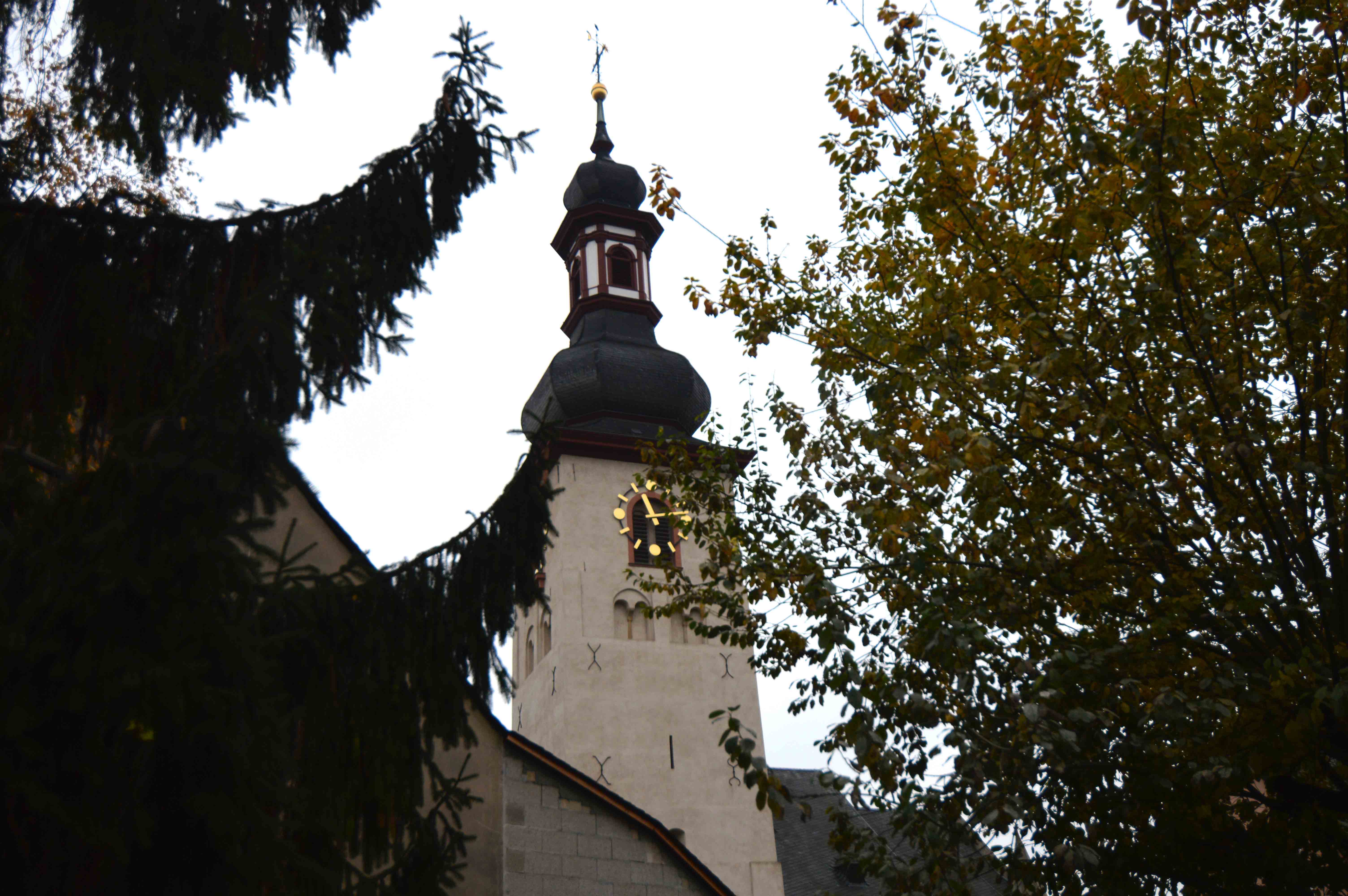
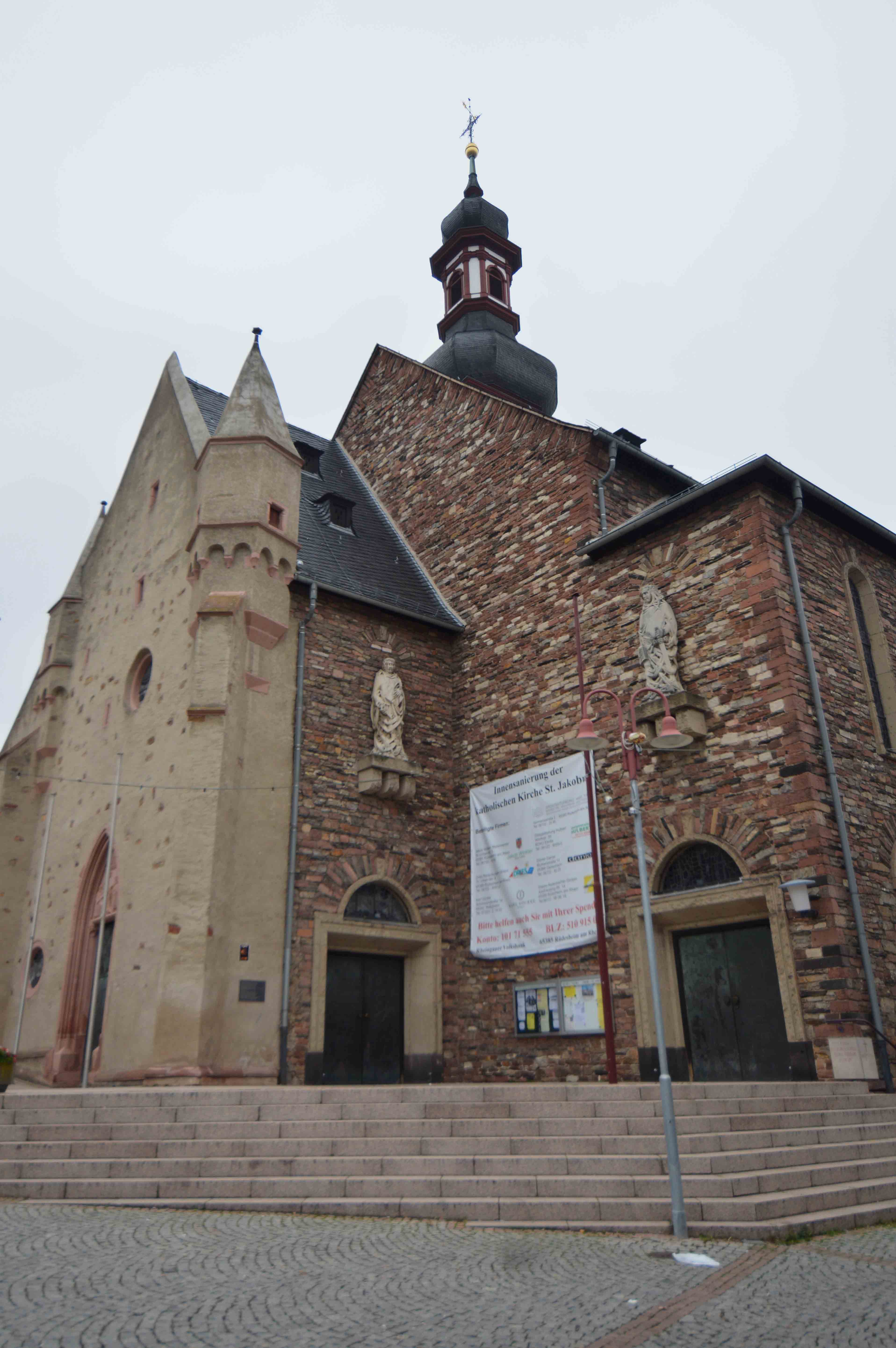
On this trip, Jennifer and I flew into Frankfurt and drove directly to a small town on the Rhine called Rudesheim – which I’ve noted was an important town on the German Camino. (I didn’t realise this until I saw a Camino symbol on the town’s church.)

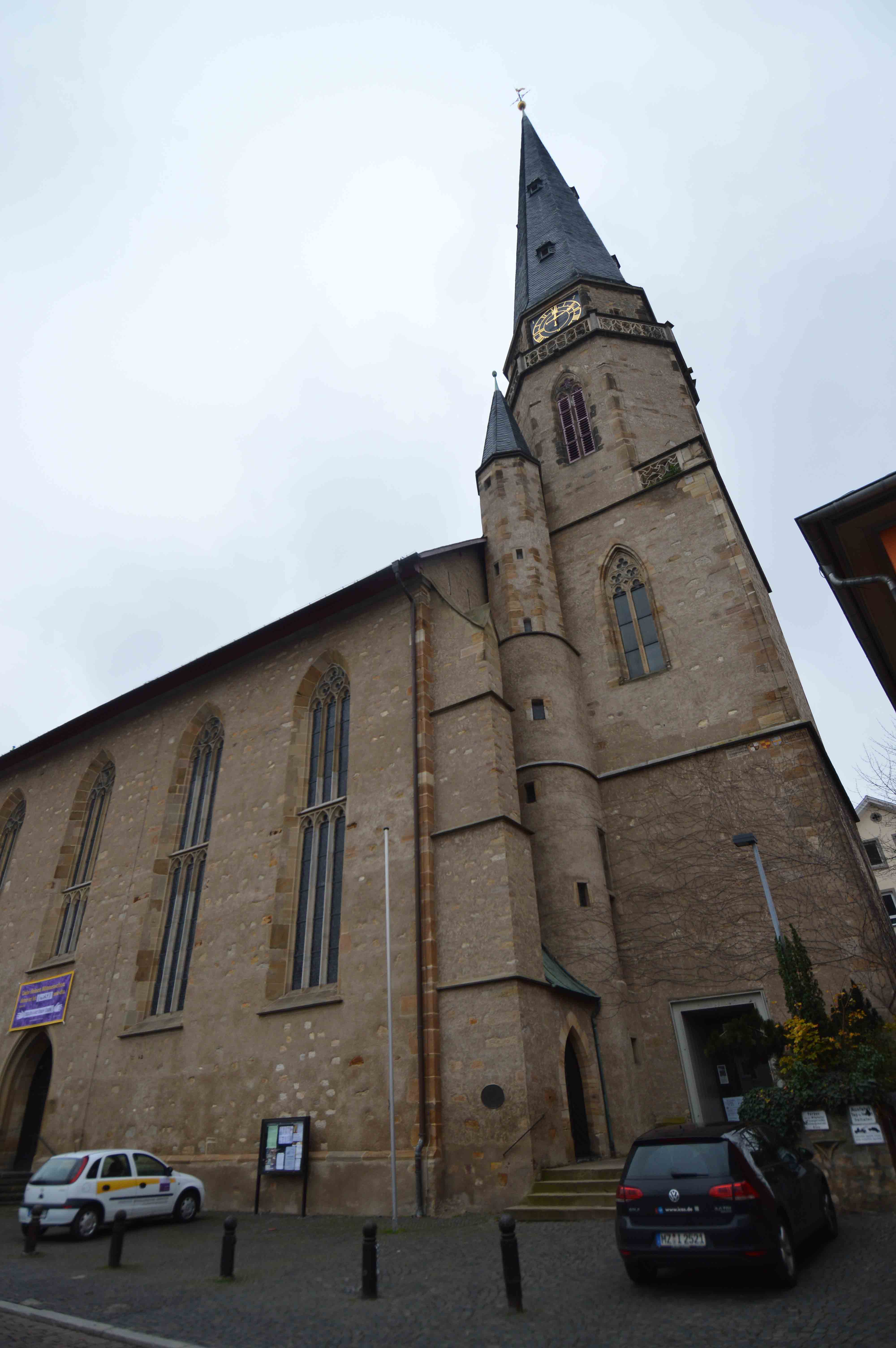
We then spent the weekend in Heidelberg before heading on to Munich where I was to meet with a financier.
Each town and city was preparing for its Christmas Markets, which officially commence on November 28th. These markets are wooden stalls which are erected usually in the town squares, or in the areas around the central church or Cathedral.

On previous occasions I’ve been in Bavaria just before Christmas and seen these markets in action. They sell all things Christmassy – including beautiful hand-made glass blown baubles, hand carved wooden Nativity sets, glassware containing candles, the glass hand-painted with beautiful Christmas imagery – and of course Gluhwein, which can be deceptively potent.
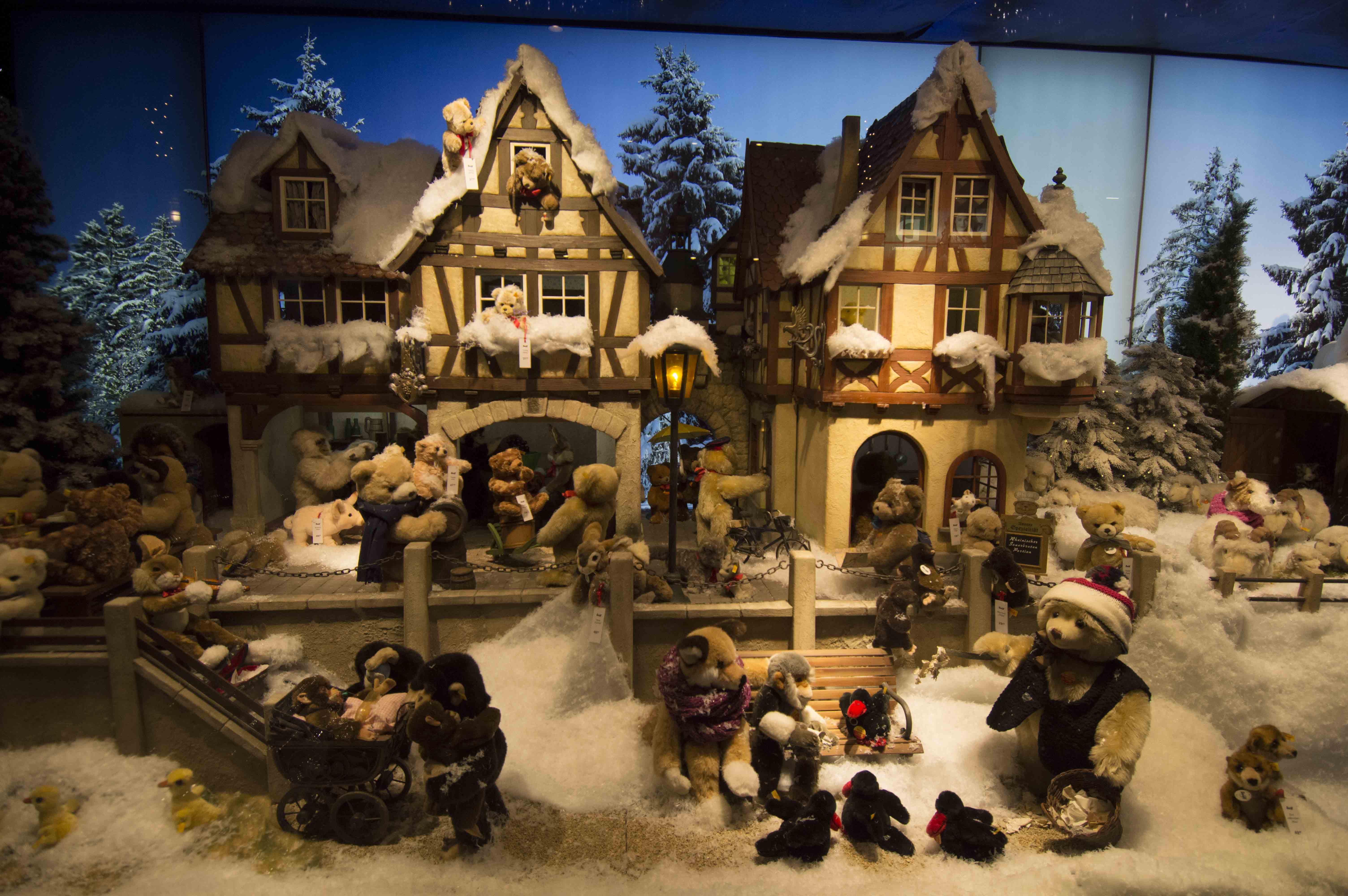
So it was unfortunate we missed the markets by less than a week. Even so, Bavaria was in Christmas mode, and all the shops were decked out with Yuletide displays.

Driving in Germany is always challenging.
On the autobahns there’s no speed limit. Usually they are three lanes – in the far right-hand lane you have the slow trucks, in the middle lane you have the cars that are passing the trucks, and in the far left-hand lane are the rocketships.
These are the cars that whizz past at speeds well in excess of 200kms/hr. I was regularly passed while traveling at 150kms/hr – and the cars that passed me left me standing still. Some I estimated were traveling at about 250kms/hr. These were high performance Mercs and BMWs and Audis – cars that in Australia sell for more than $300,000.
When you have vehicles traveling at that speed, you have to be very careful. It requires full concentration, particularly when it’s raining hard and you have slippery roads and poor visibility, as it was on several occasions.
You’d think the rocketships would slow down in conditions like this, but no. There were times when I had to shift over into the rocketship lane to pass a slow car, and I would look in my rearview and see a dot in the distance behind me – next moment that dot is a vehicle which is tailgating me at 170kms/hr! Literally sitting on my back bumper. It freaked me out.
The food is heavy high calorie grub with thick cream-based sauces, noodles, and plenty of pork. In cold weather it’s perfect, and makes sense. The food I like best though in Bavaria is simple fare – sausages, sauerkraut, weissbeir (white beer) and pretzels.

The German sausages are unlike any you’ll find elsewhere. And washed down with a low alcohol weissbeir, it’s one of my favourite food groups!
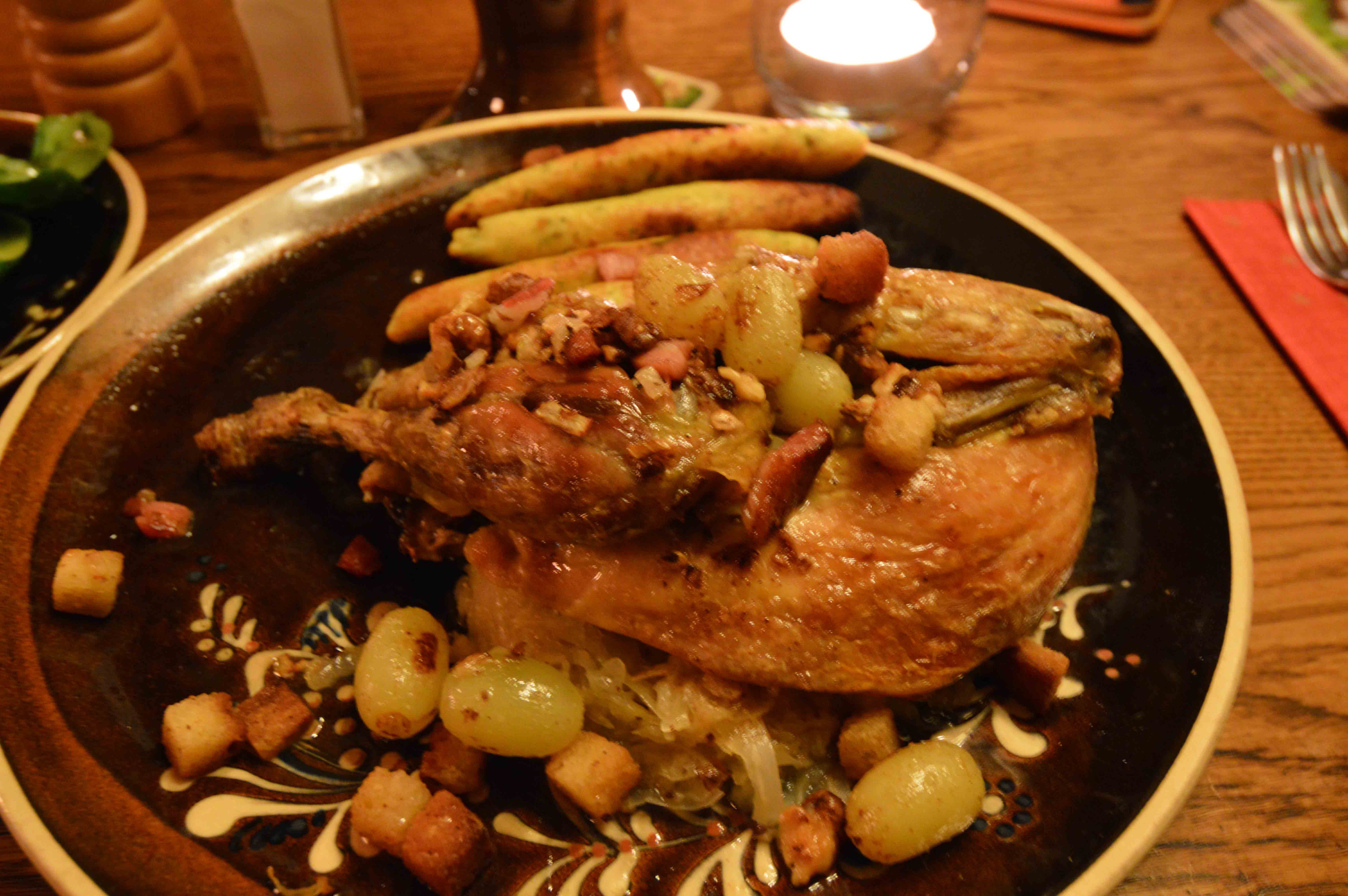
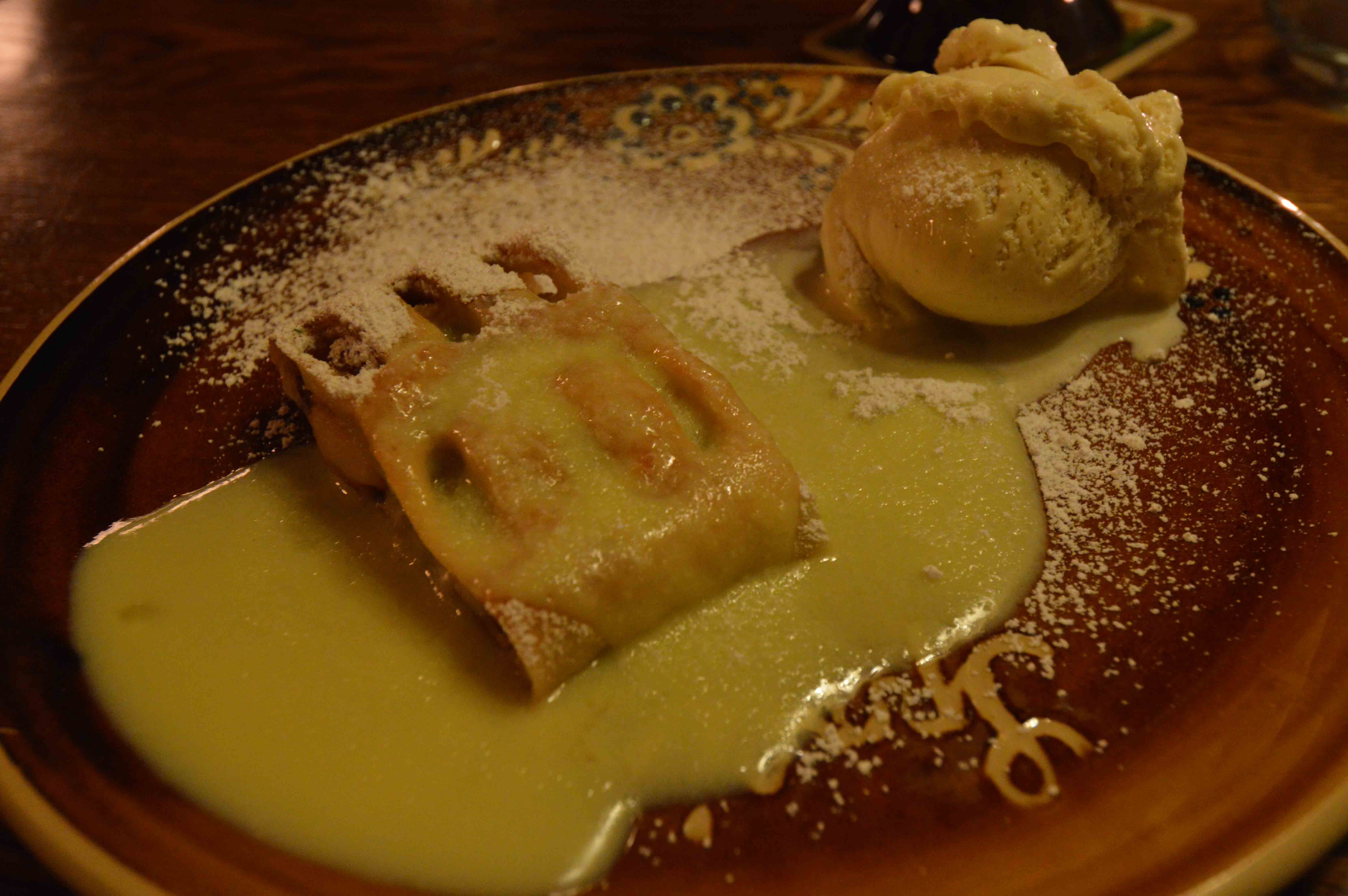
At this time of the year you get local game on the menus too – boar, goose, wild duck. One of my better meals in Heidelberg was roasted wild guinea fowl – with pine nuts and grapes and mashed potatoes. Followed by home made strudel. Yummy.
Germany is much more expensive than either Portugal or Spain. Then again, the German economy has been supporting those other two countries for a while now. There’s a 19% tax on most things, including meals. Unlike Portugal or Spain where you can get a fabulous three course meal with wine for €15, in Germany that won’t even buy you a main meal.

The German penchant for precision and their low tolerance for the arbitrary is also completely different to the Spanish and Portuguese love of the lackadaisical. I must admit I veer towards the genial looseness of Spain and Portugal.
For such a surging developed country, they have not embraced wifi like some other European countries. Other than in a university town in a popular coffee shop, I could not find a cafe or restaurant with wifi. The hotels also were largely deficient of decent internet access. It drove me nuts, particularly when I had to work.

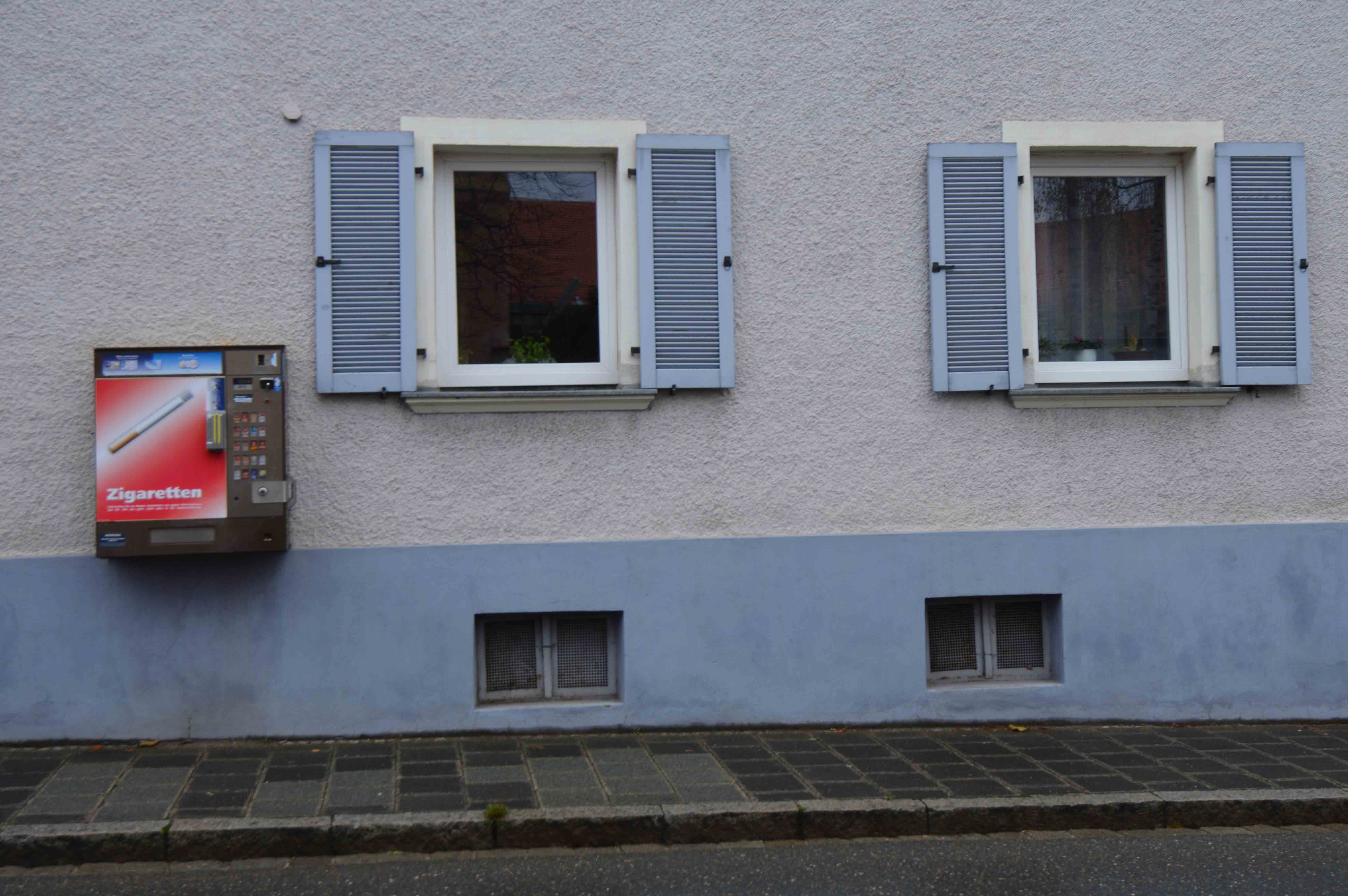
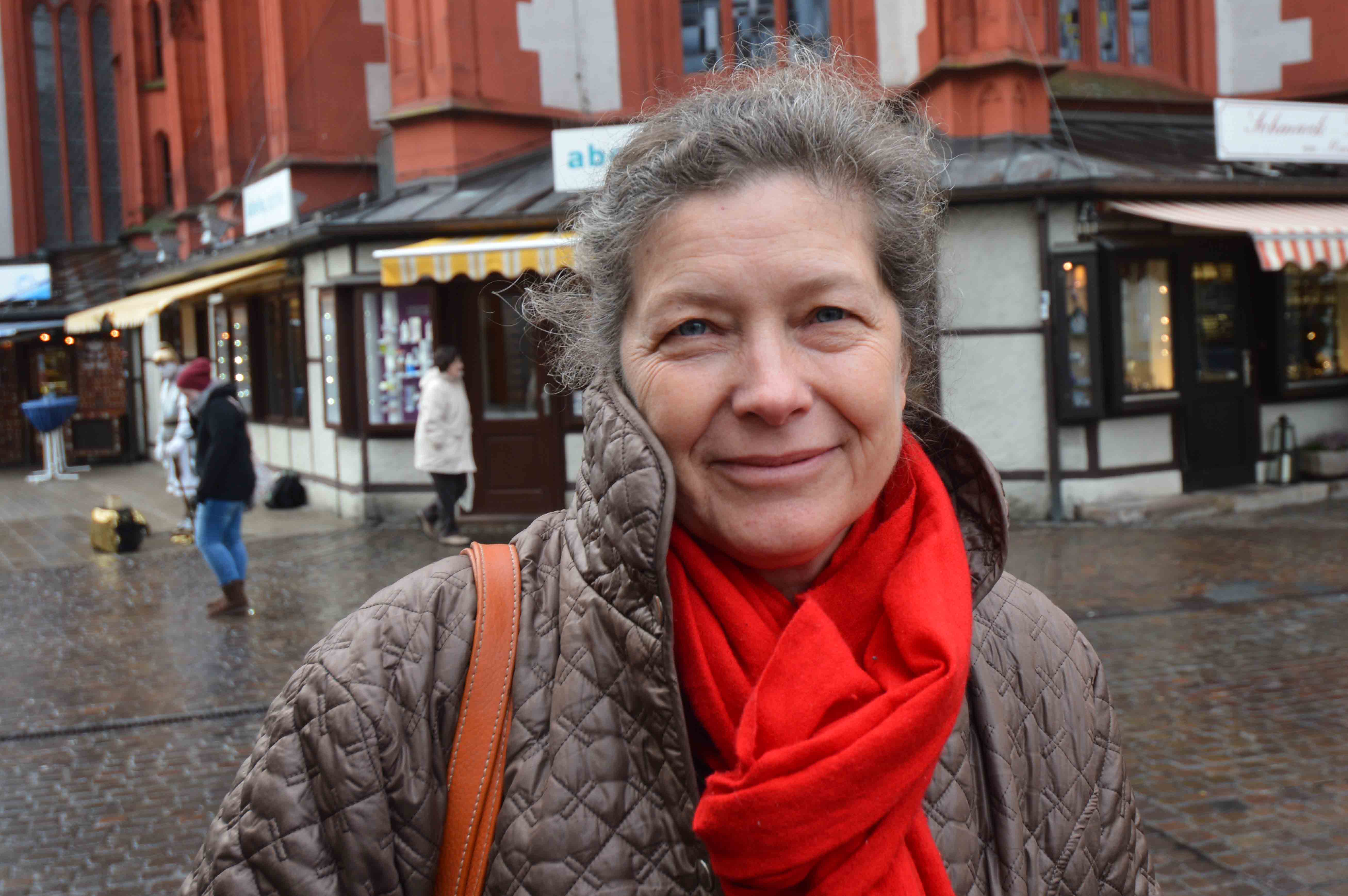
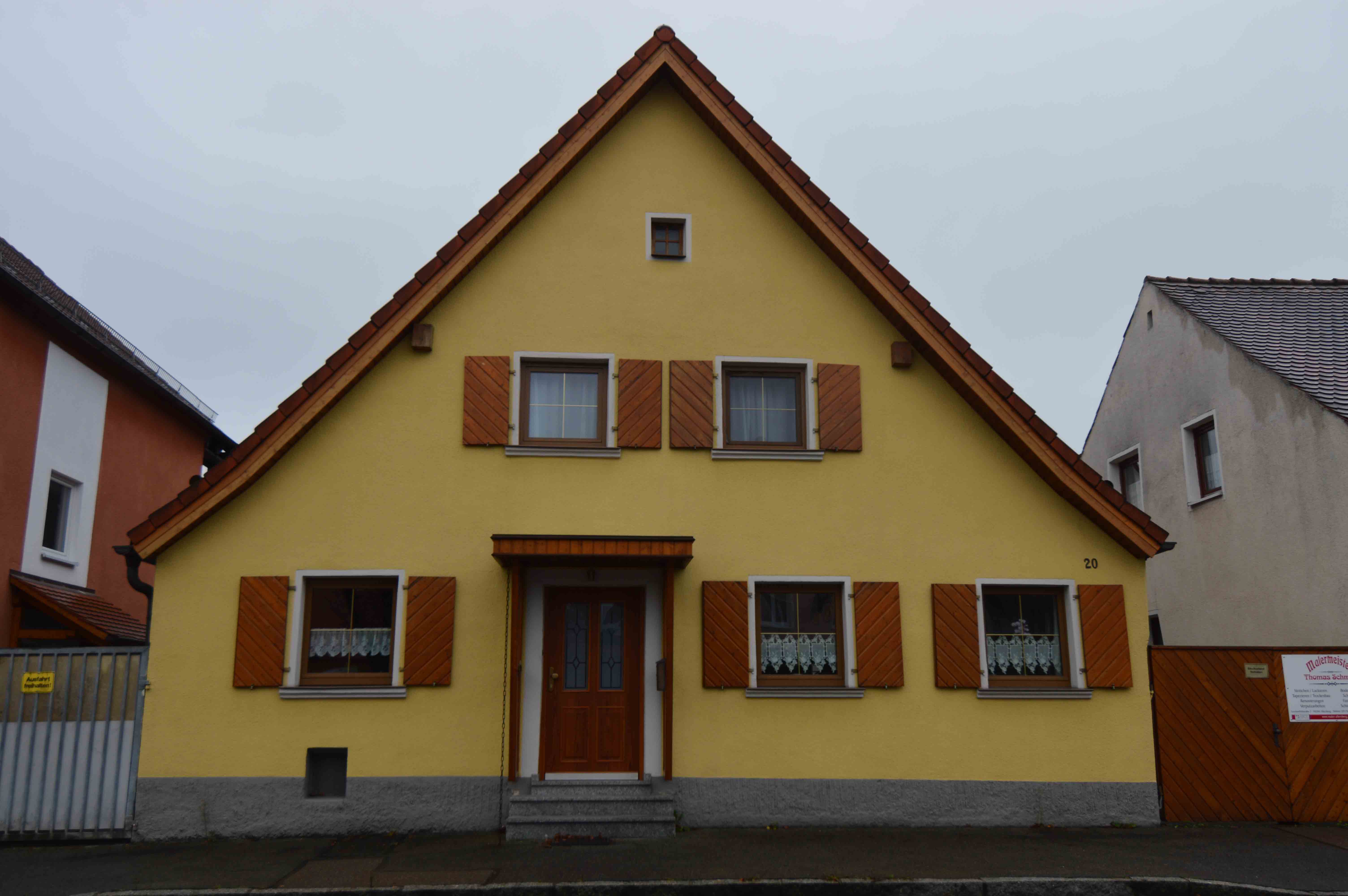
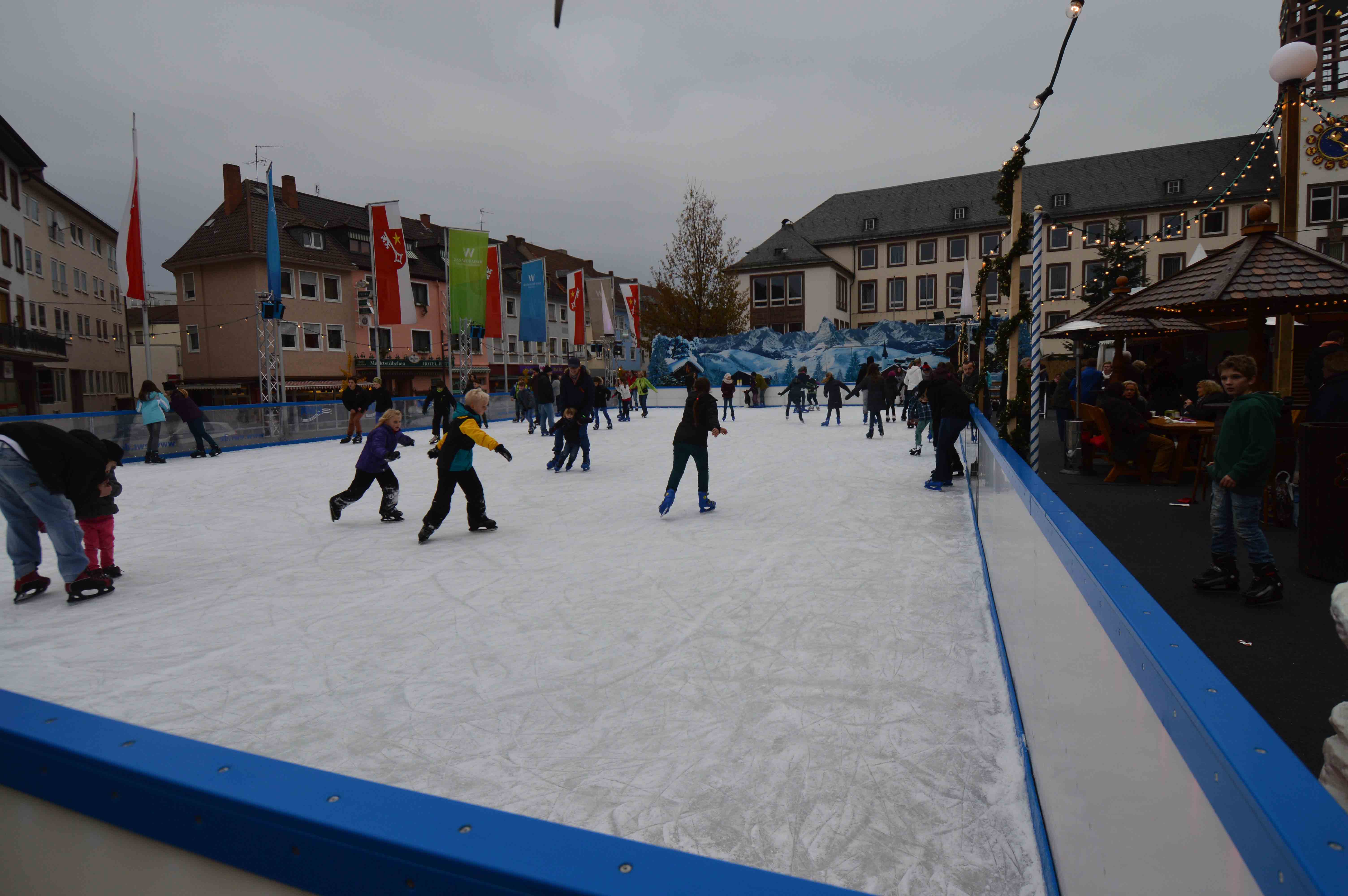
Our trip came to an end at Mainz, which is an ancient town about 30kms from Frankfurt airport. We overnighted there before dropping the car back at the airport the next morning, then boarding the Etihad flight back home.
My only personal expenditure was a pair of Meindl full leather boots. I’ve been lusting after these boots ever since I saw them worn by a bloke who walked over the Route Napoleon in early April, when it was closed by snow.
In Germany they are relatively inexpensive – especially when you claim back the 19% tax. I bought them for the Portuguese Camino next April.

Mainz again turned out to be a Camino town – and important link through from Frankfurt into France. So our German trip started at a Camino town, and ended at a Camino town.











 PGS - The Way
You must be logged in to post a comment.