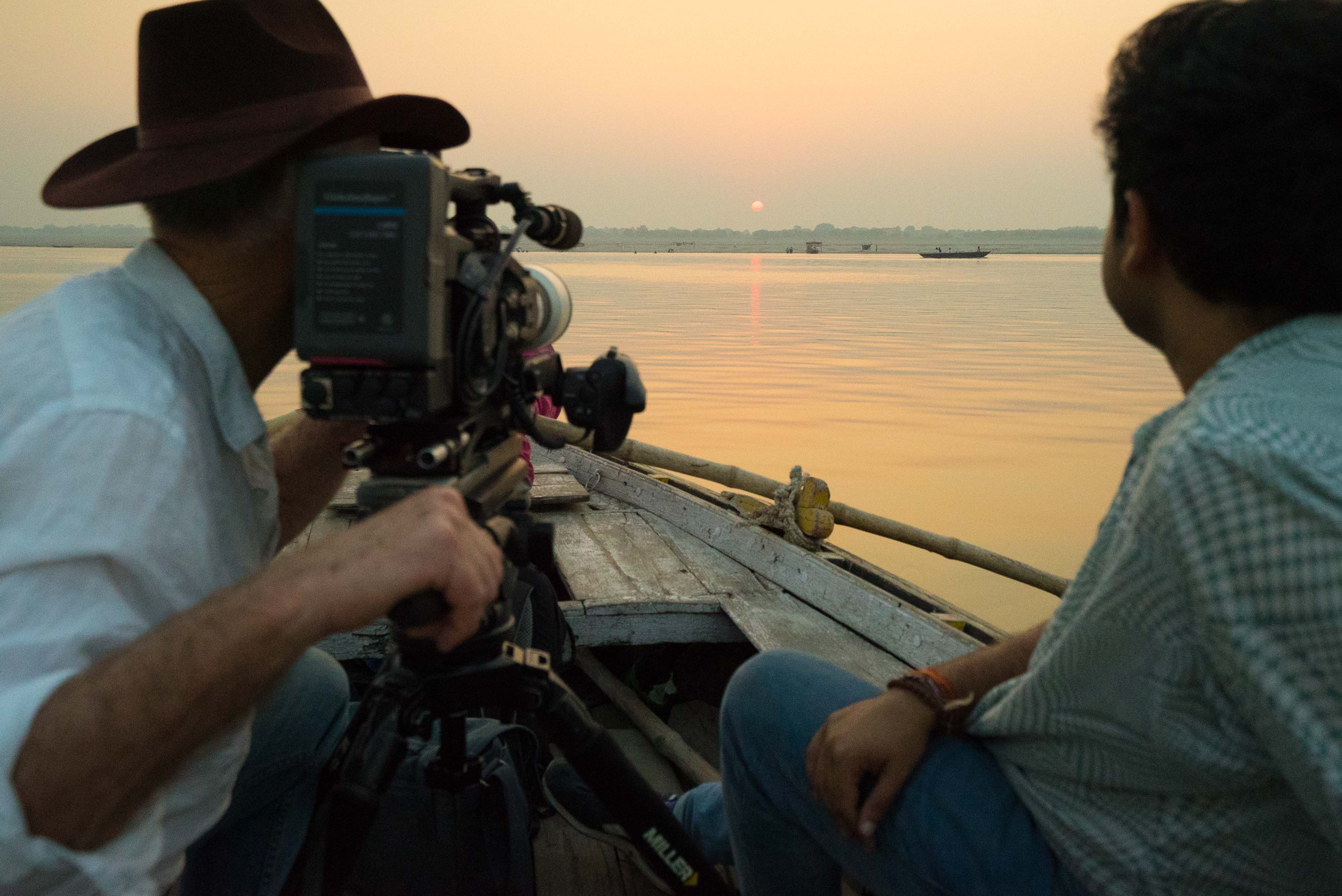
Varanasi / d2

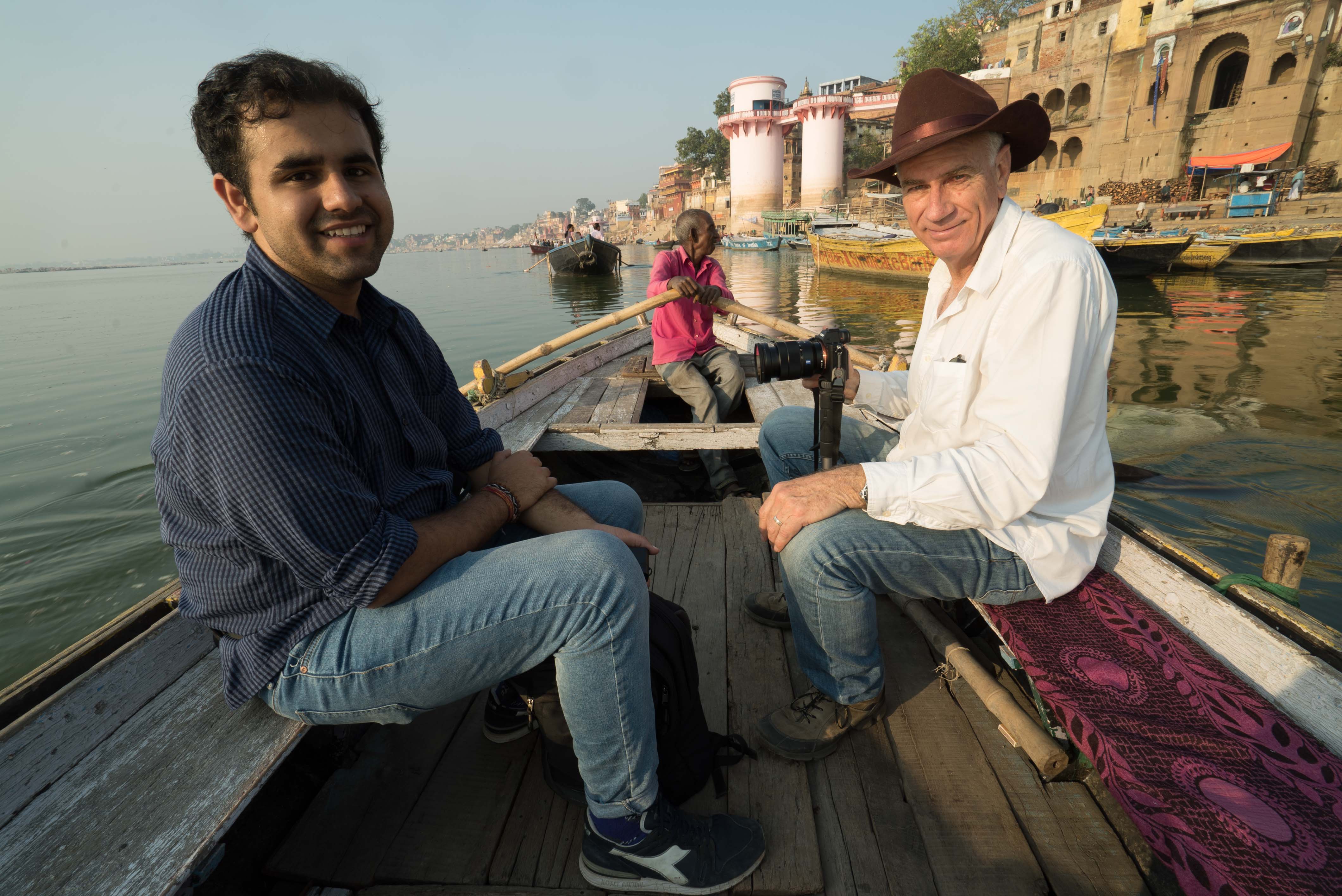
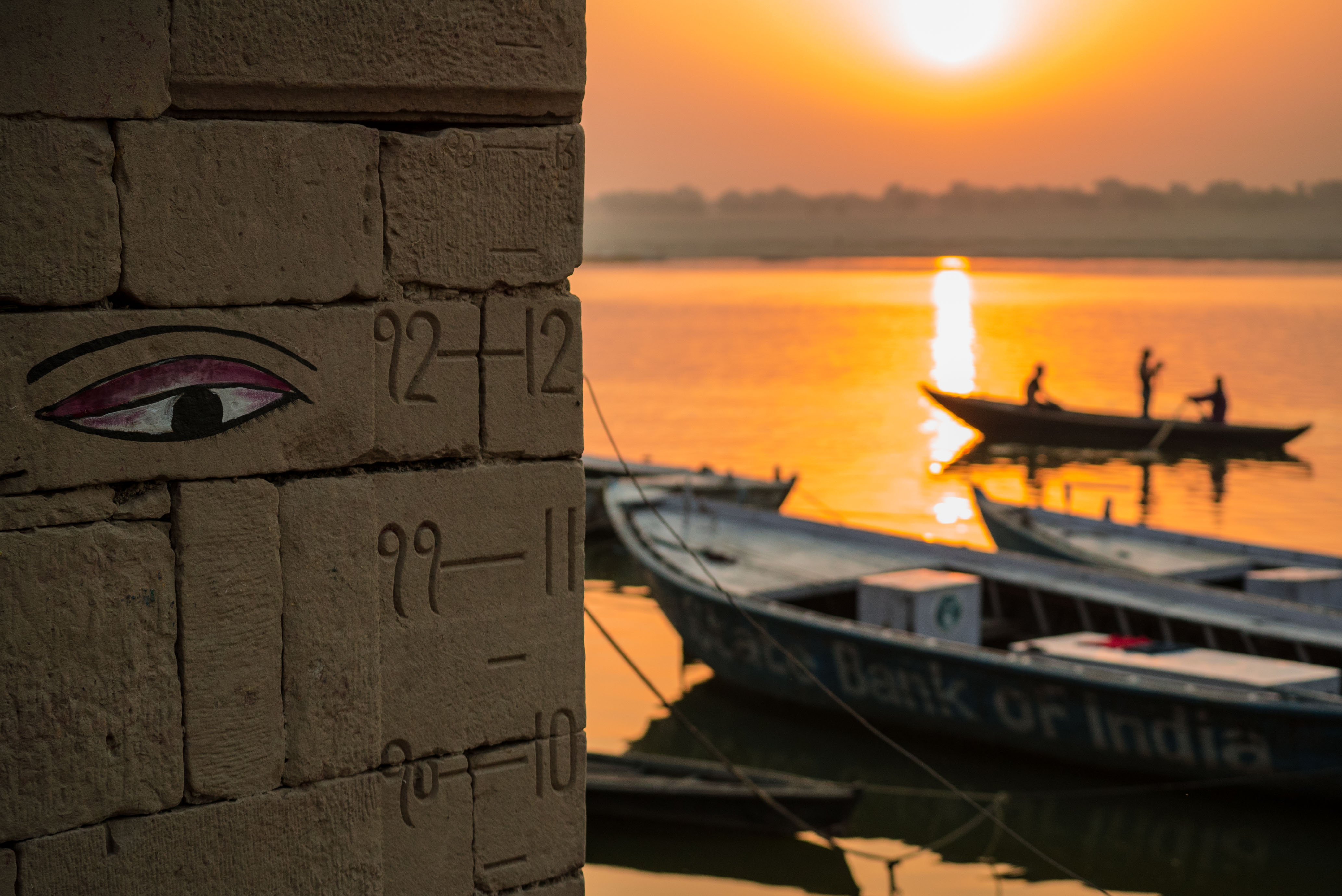
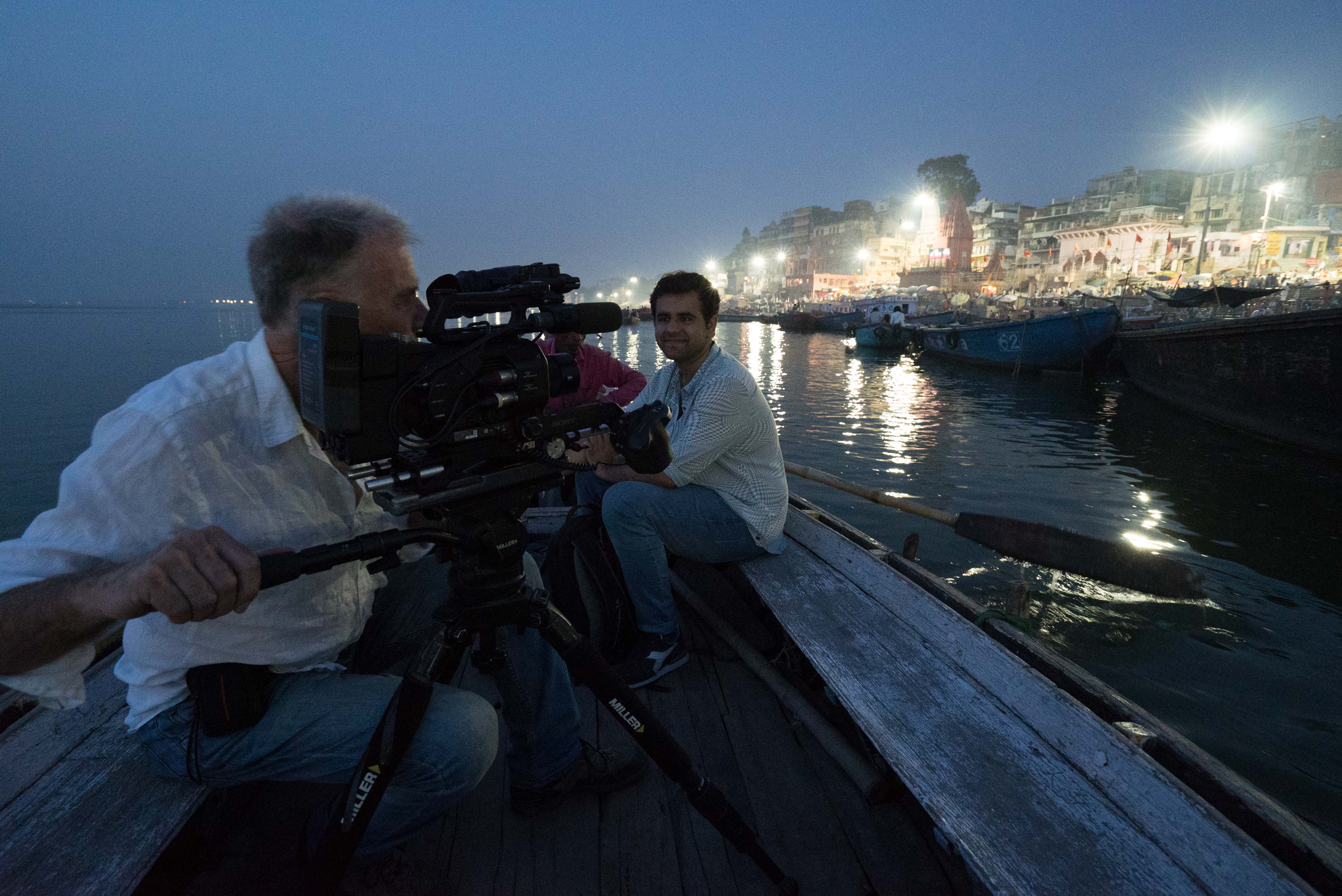
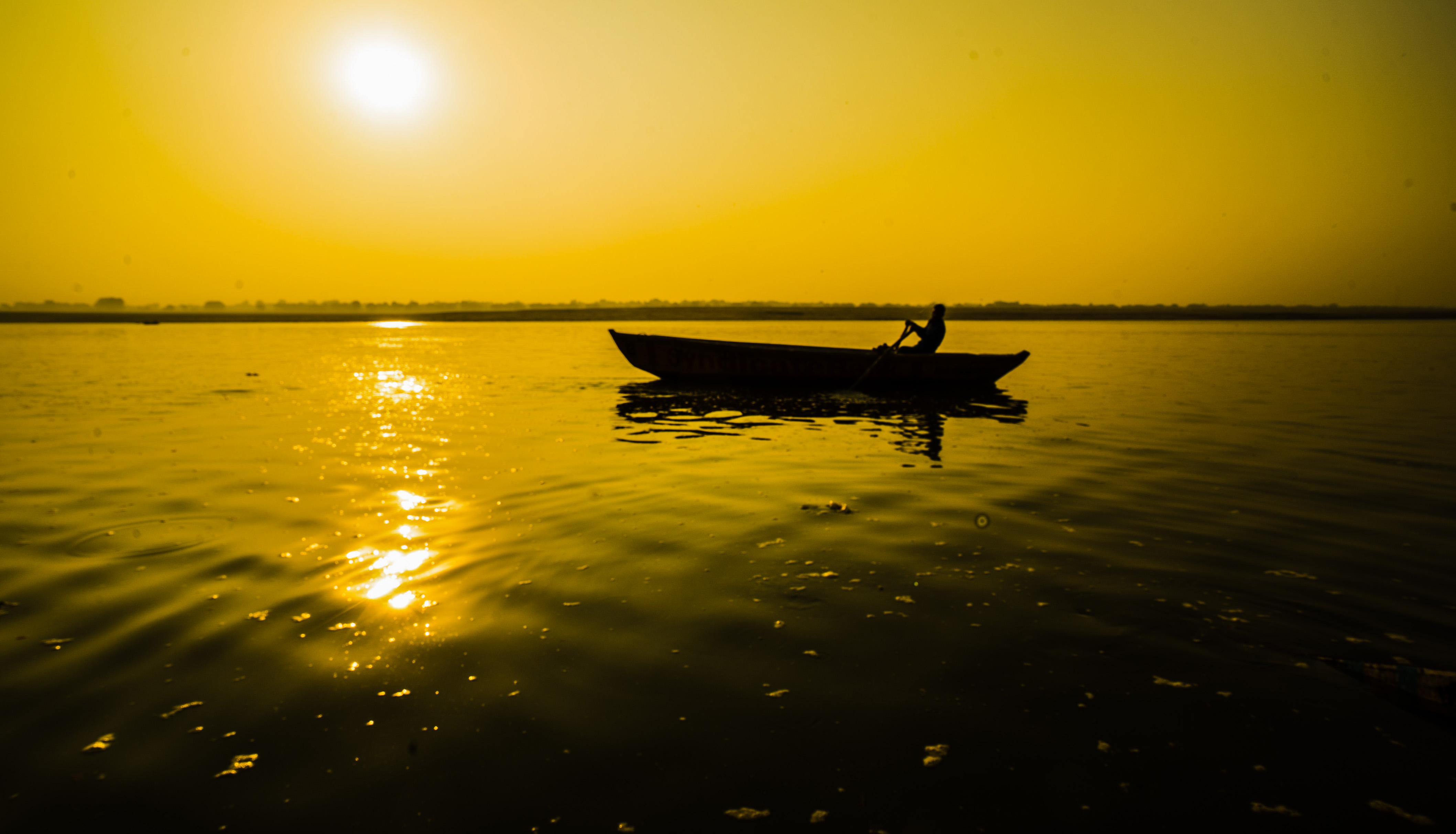
Up at dawn this morning, and out on the Ganges to film Varanasi as the sun came up.

© Bill Bennett

Varanasi is regarded as the world’s oldest sacred city – older than Jerusalem, older than Mecca, older than ancient Rome or Constantinople.

© Bill Bennett © Bill Bennett

Pilgrims have been coming here for three thousand years.

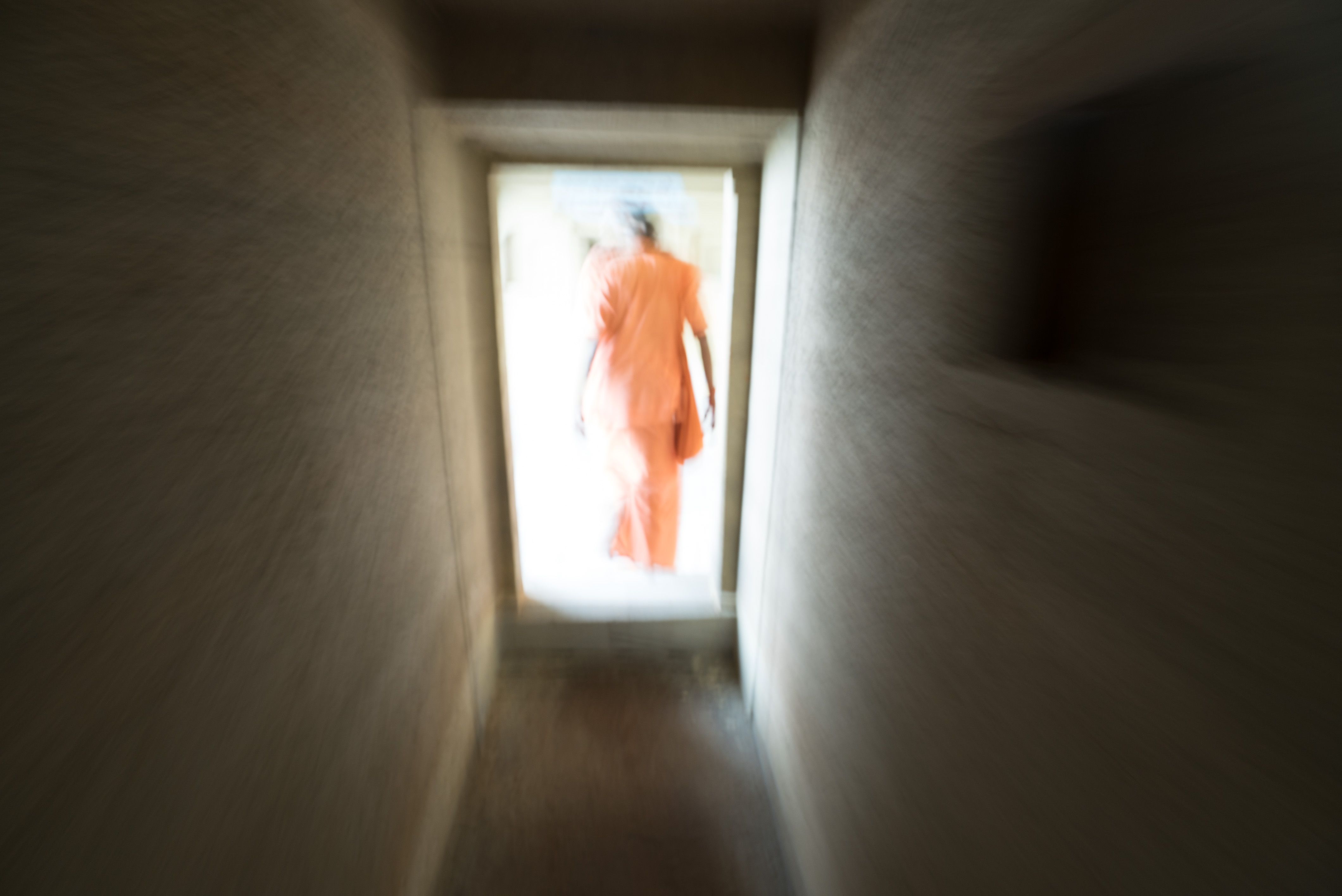
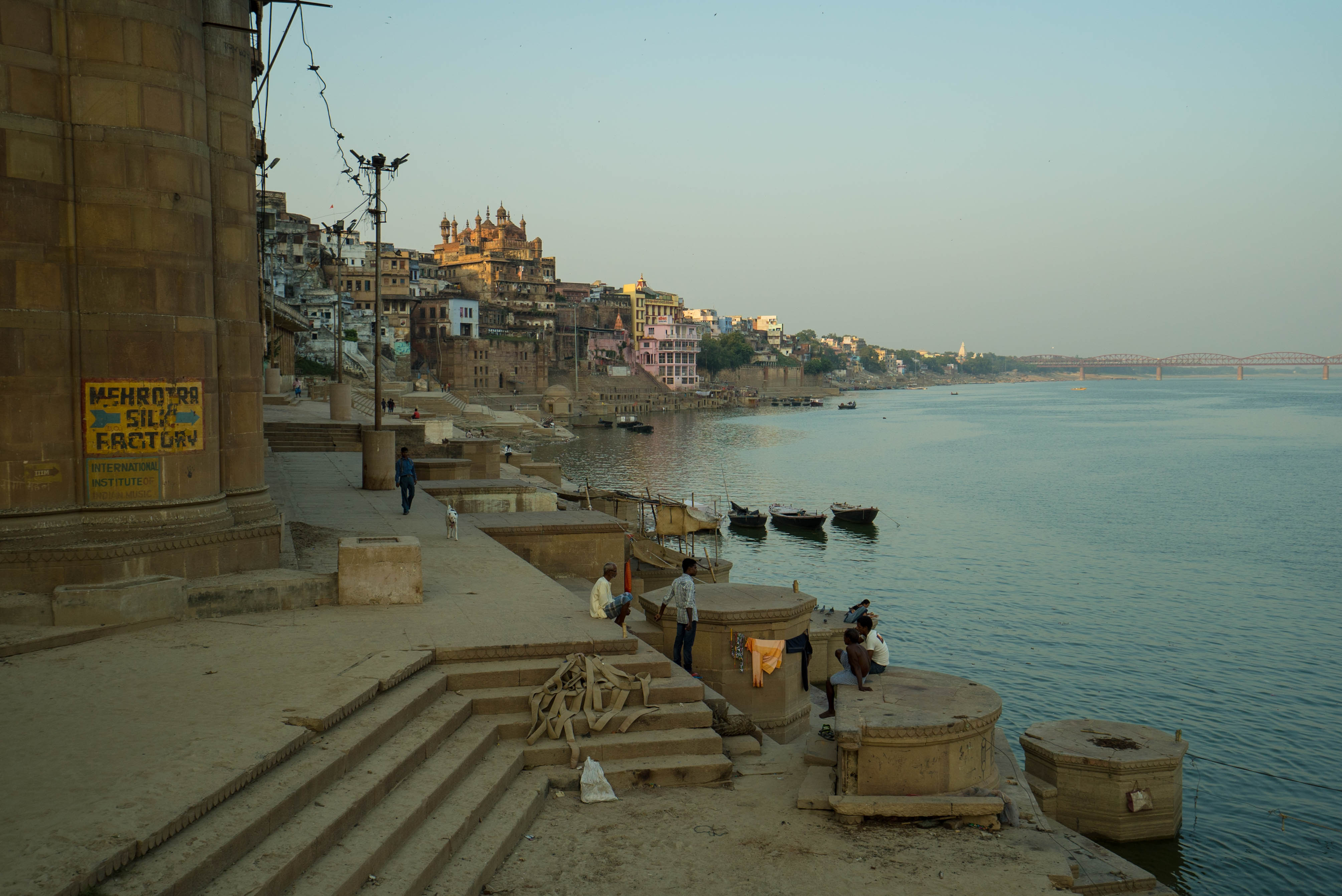
It’s known by three names – Kashi, Benares, and Varanasi. Kasha means City of Light. And that’s what it has, particularly at dawn, it has a particular other-worldly light.

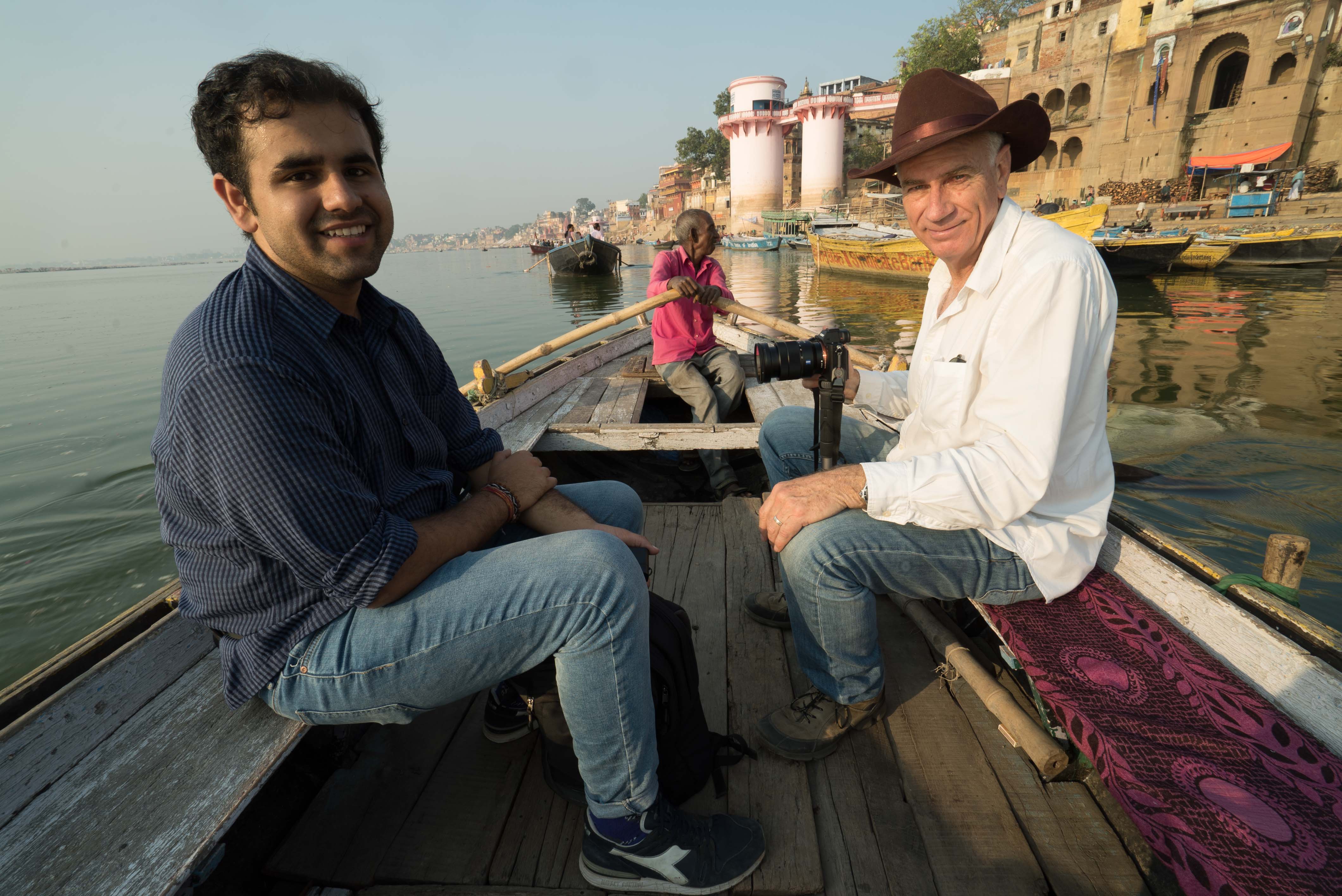
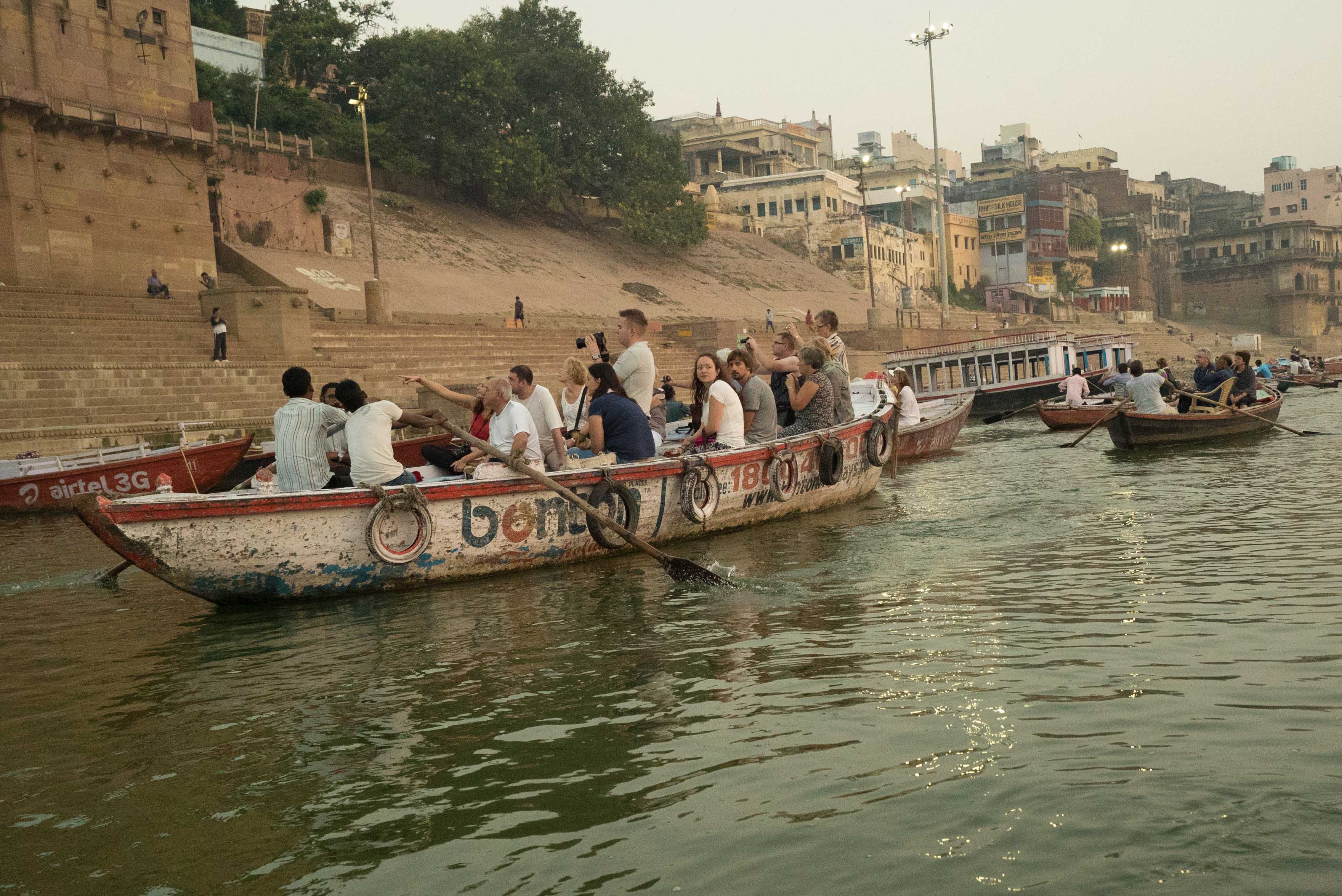
We filmed from our boat, and were able to see the worshippers at the ghats from the river’s perspective. It was an incredible start to the day.

© Bill Bennett © Bill Bennett

© Bill Bennett

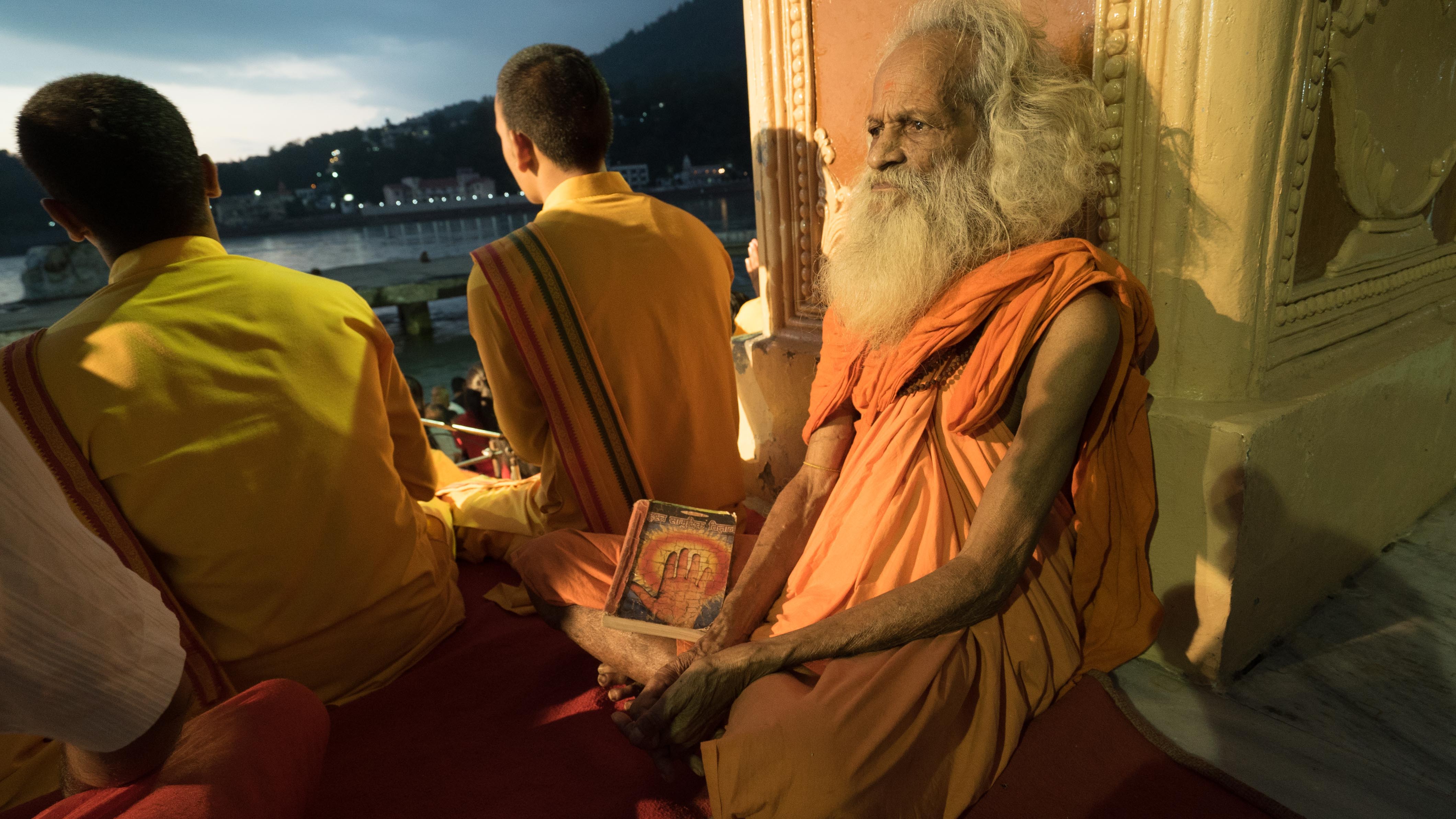
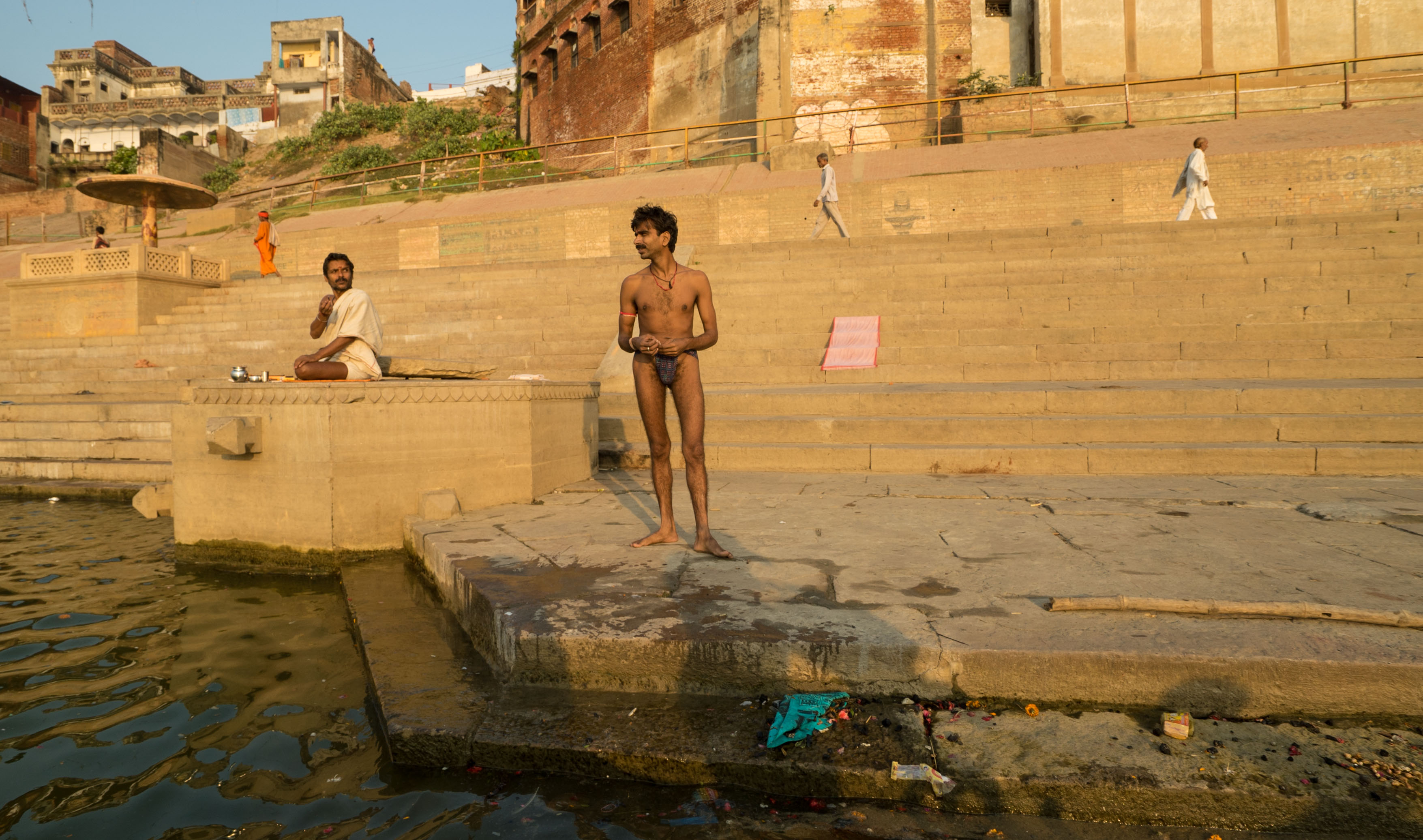
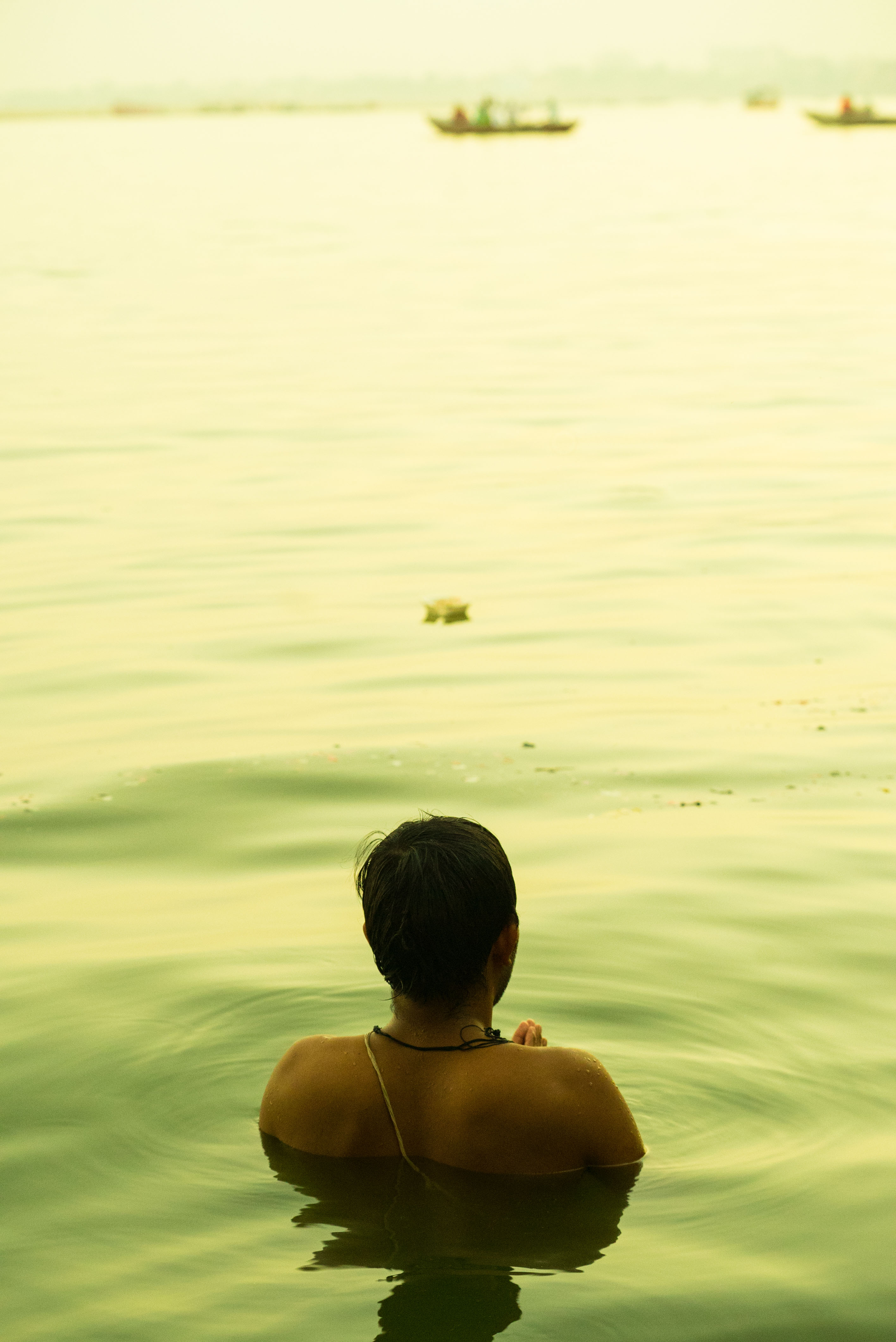
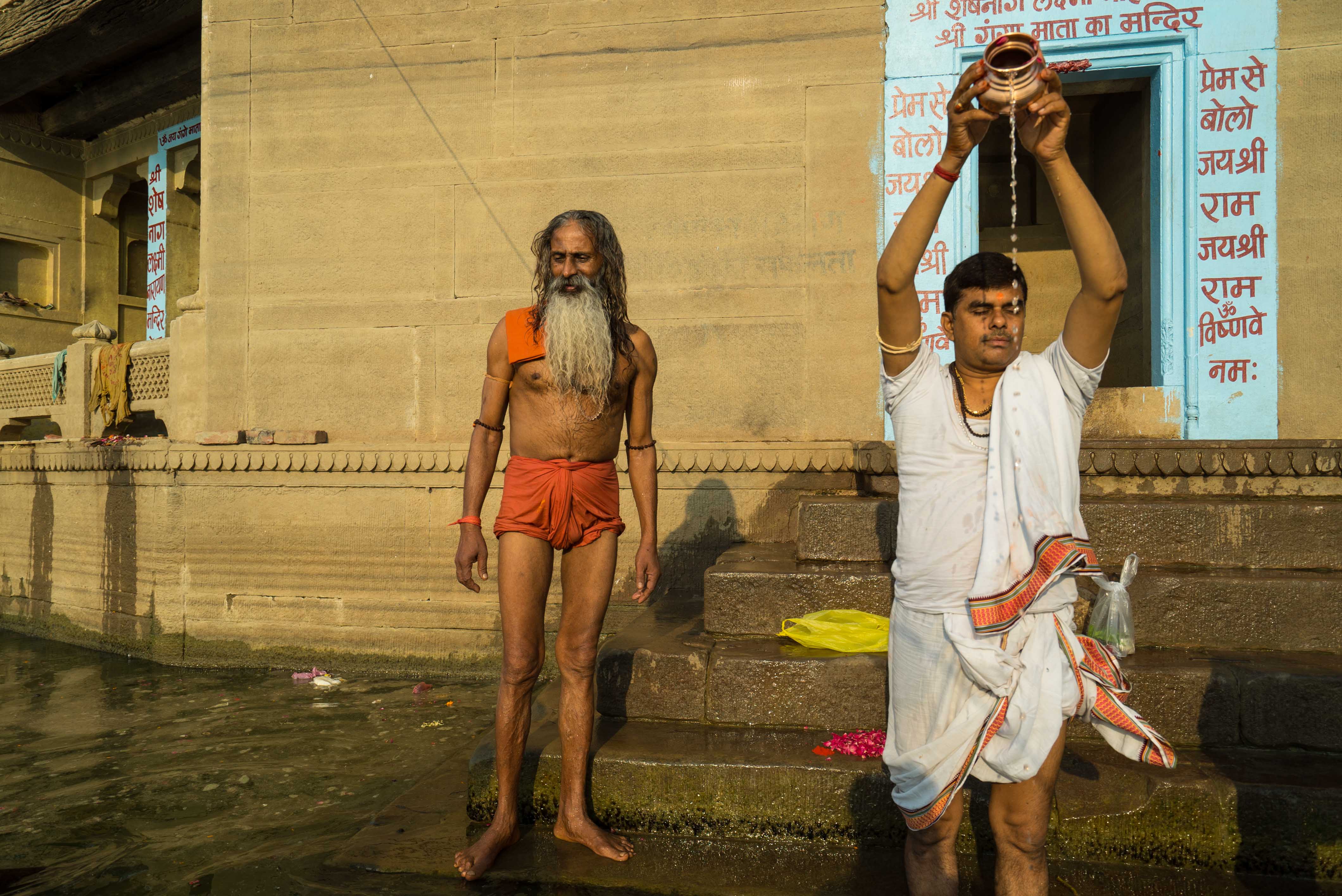
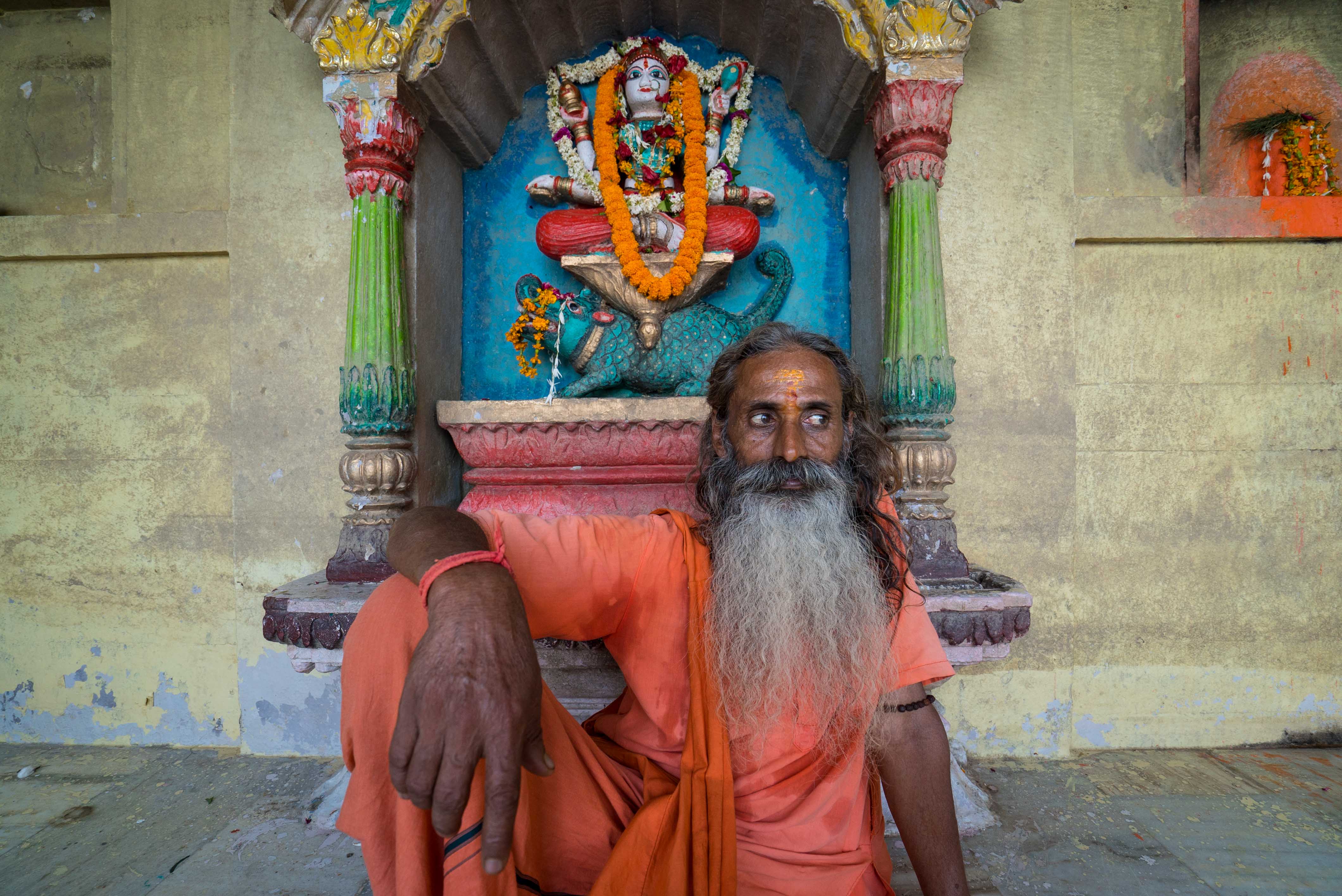
During our filming I spotted a sadhu about to bath in the water.

© Bill Bennett

We filmed him bathing, and then later we brought our boat up close to him and I asked him if he would be happy to film with us later that afternoon.

He agreed.

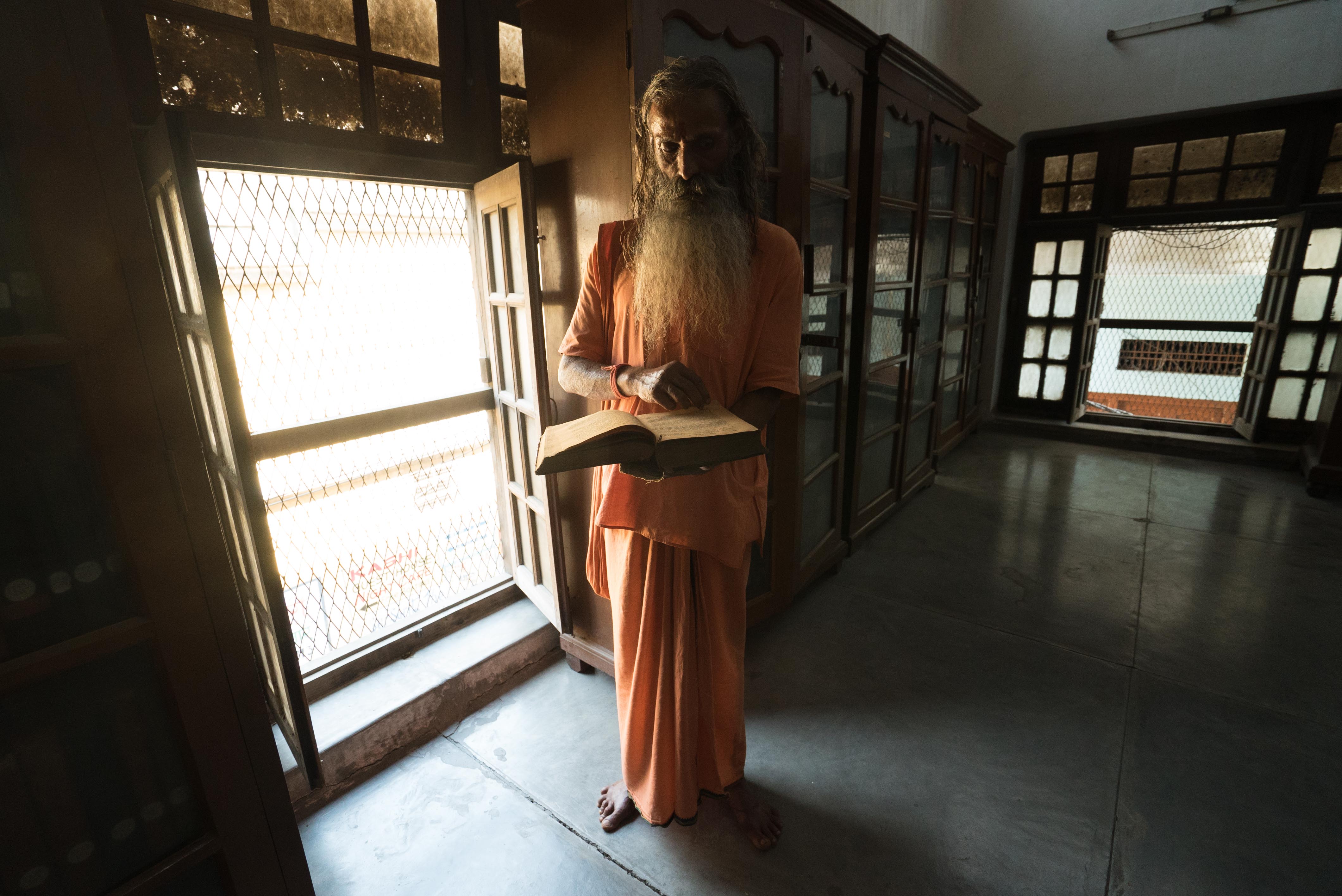
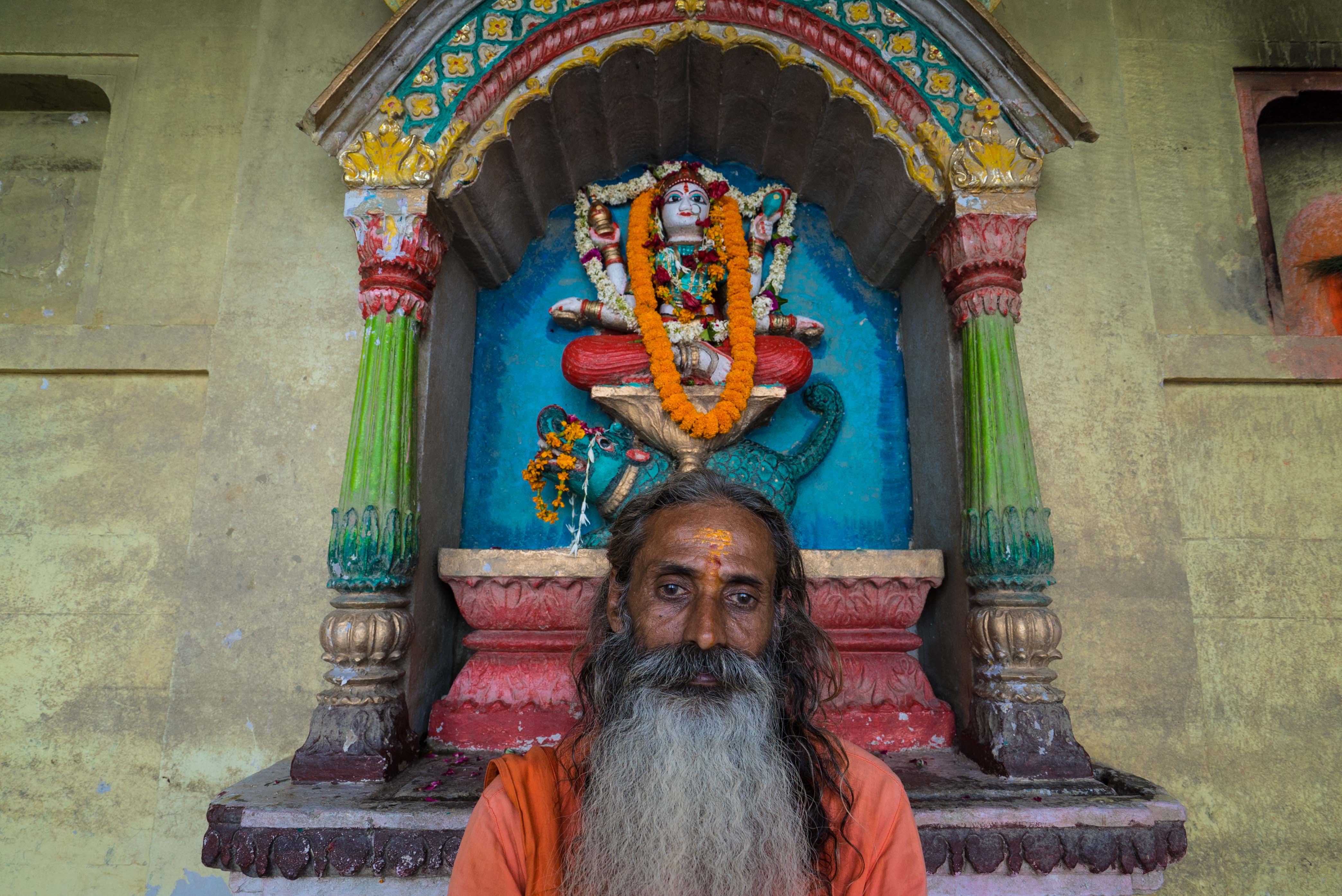
I was delighted, because I’d been looking for an archetypal sadhu to shoot some structured sequences with. This gentle-man was perfect, with his ascetic built, his long white beard, plus he spoke passable English.

© Bill Bennett

We then made our way back to the hotel, and spent several hours setting up some sequences which we’ll film on Saturday, and then at 3pm we headed off to meet the sadhu.

His name was Raju Baba, and he took us to his Ganga Temple right by the river. This is a place where he meditates at 4am each day.

© Bill Bennett

© Bill Bennett

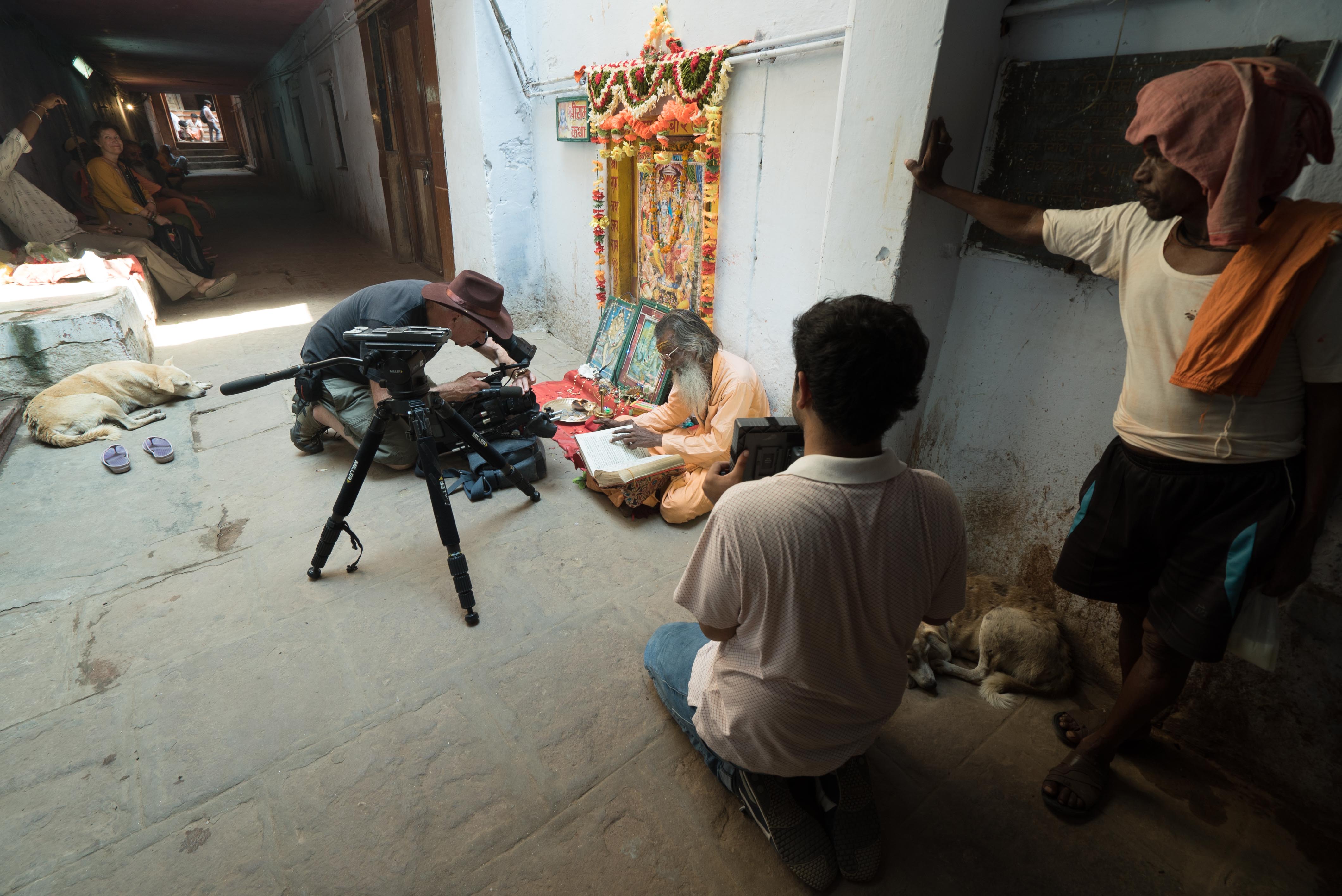
We filmed him meditating…

© Bill Bennett

Later he took us to a house owned by a friend and I did an interview with him. I wanted to ask him about Varanasi being the planet’s Third Eye chakra…

He was a wonderful man, with a good command of English, and he will bring yet again another dimension to the film.

© Bill Bennett

Varanasi – d1 /

We flew into Varanasi this afternoon –

My PGS told me we should go there, that it would be important for the film – but I didn’t really know why.

© Bill Bennett

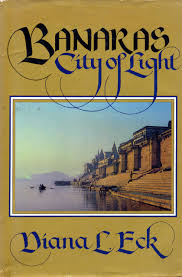
At Delhi airport I was directed by my PGS to buy a book called Benares – City of Light.  It’s a very readable an academic account of Varanasi, which used to be called Benares.

Benares City of Light

I was reading this book on the plane, and on touchdown in Varanasi I read the last sentence of the chapter I was on – and it said that Benares is regarded by the Hindus as being the embodiment of the sixth chakra, which is the Ajna Chakra – which links to the Third Eye.

Bam!
I suddenly knew why I’d come.

The Third Eye is integral to intuition. Essentially, I’d come to the most important place on the planet for intuition.

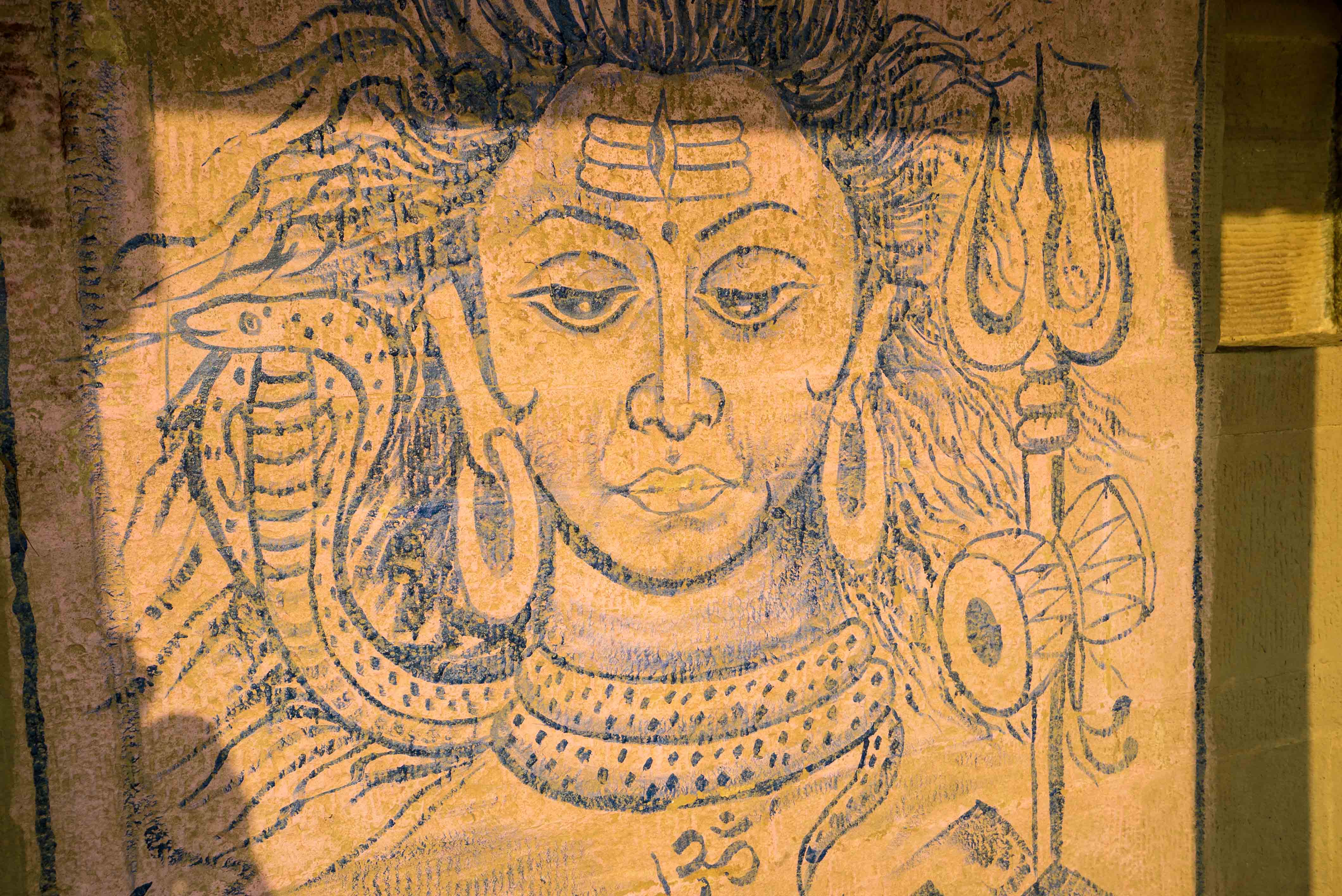
There’s a lot I will tell you about this fascinating place – that it’s the home of Shiva, that it exists above the earthly plane, that it’s the crossover place for the dead – but it’s late now and I’ll just quickly run through today’s essentials, and tell you more in the coming days…

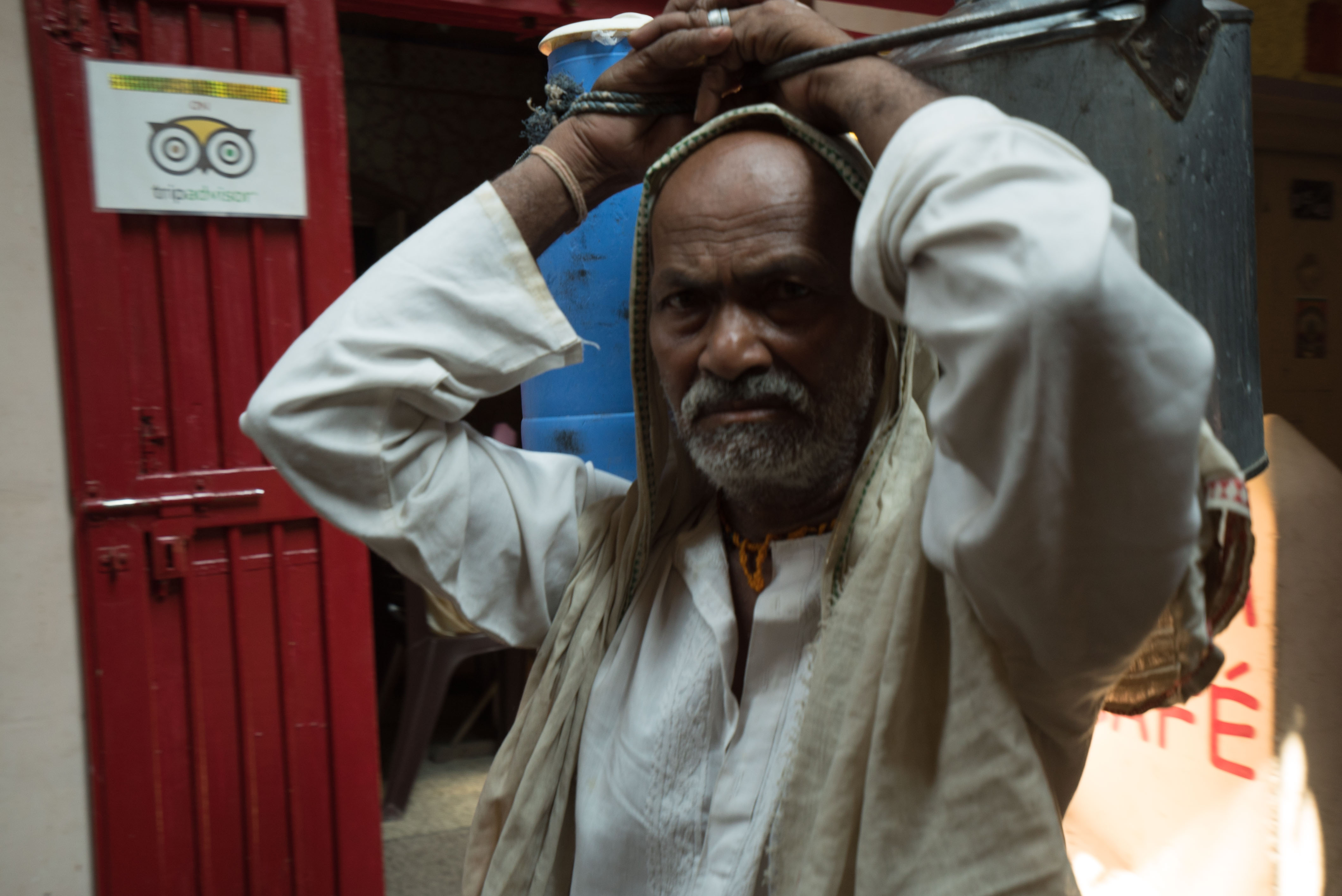
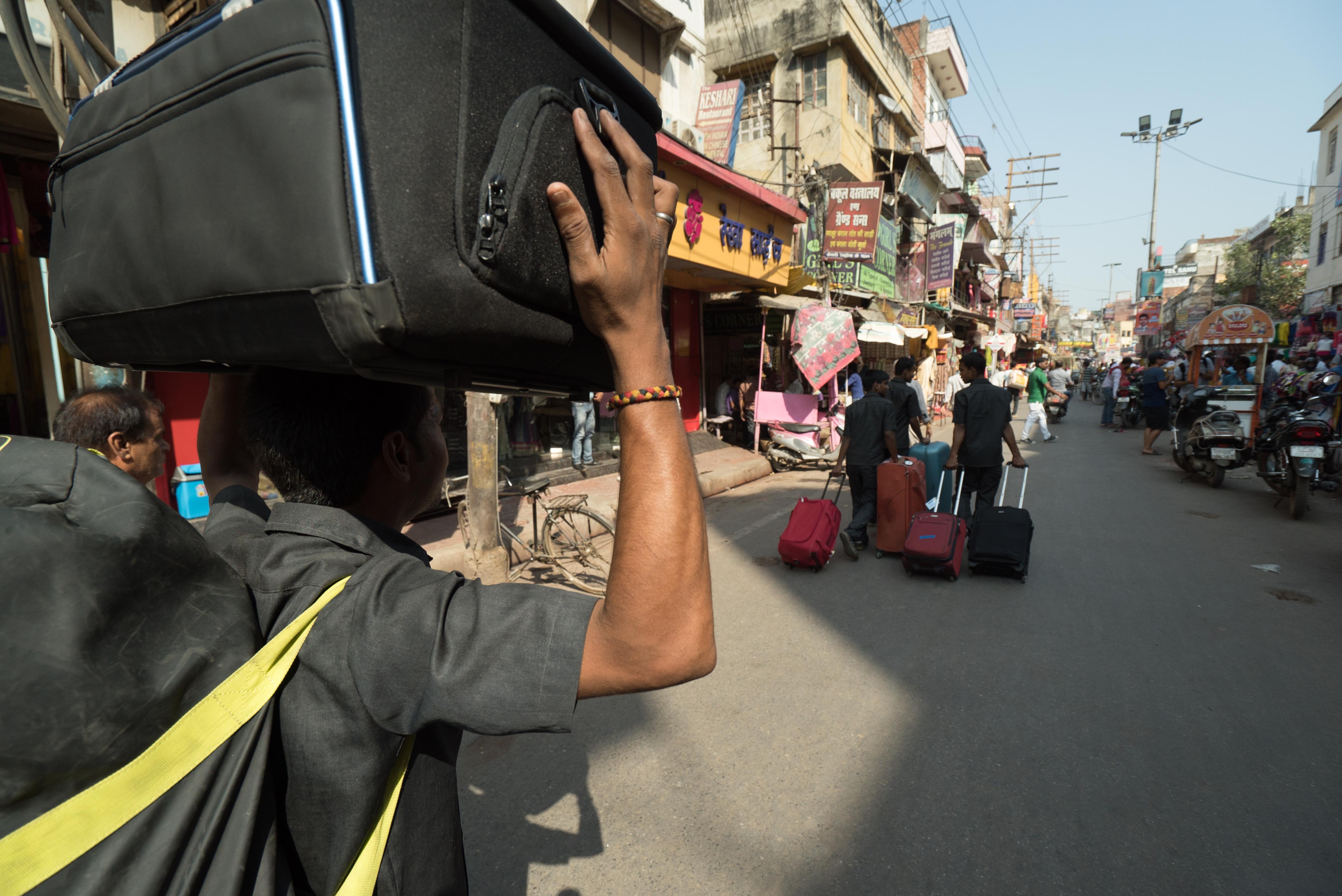
I’d booked a cheap guest house that faces the Ganges – but I didn’t realise it’s impossible to get a vehicle close to the places by the river. That meant we had to park about 10 minutes walk away, and some young fellas from the hotel came and carried our bags through the chaos of the old part of town.

© Bill Bennett

Jennifer glided along with her usual stately calm…

© Bill Bennett

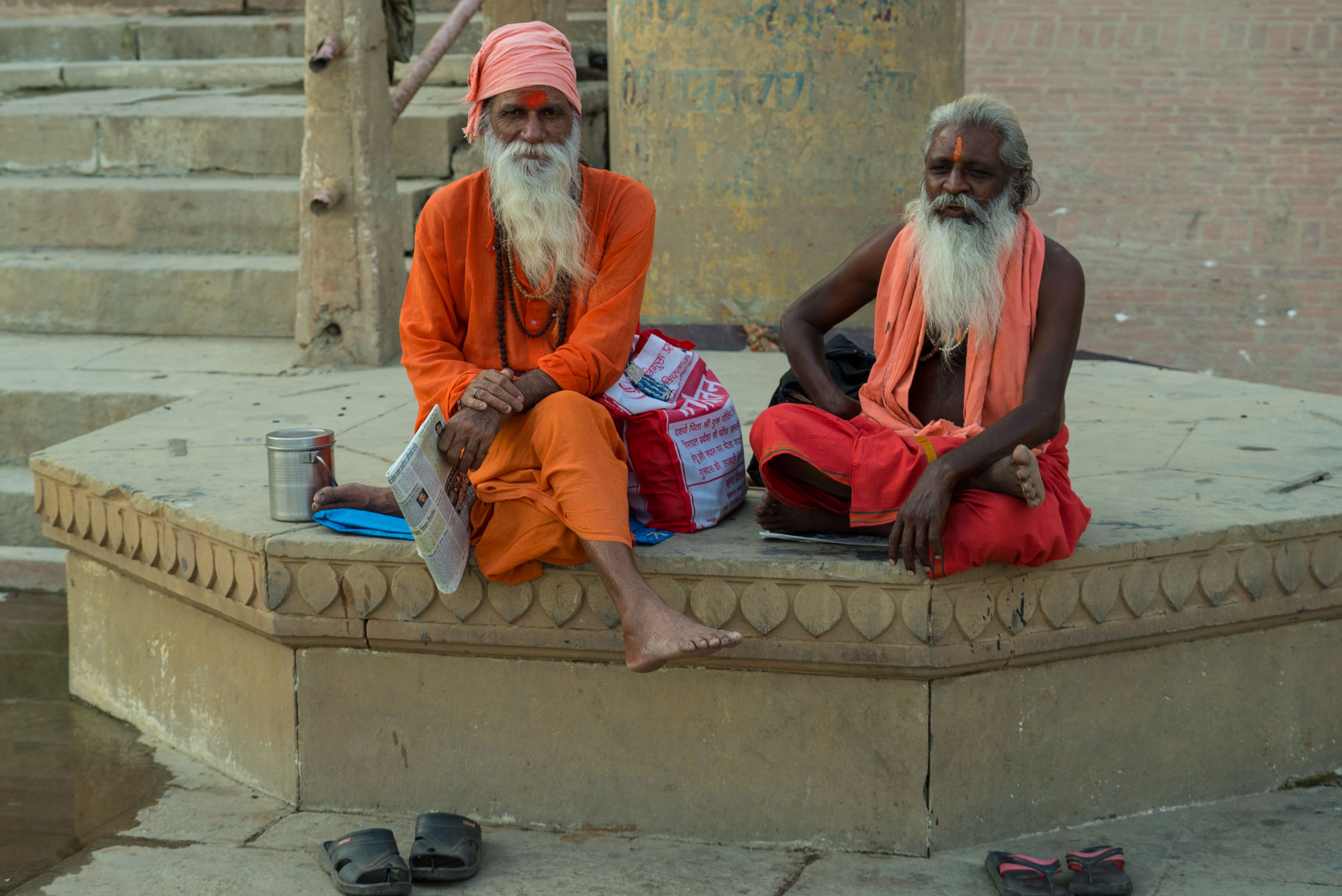
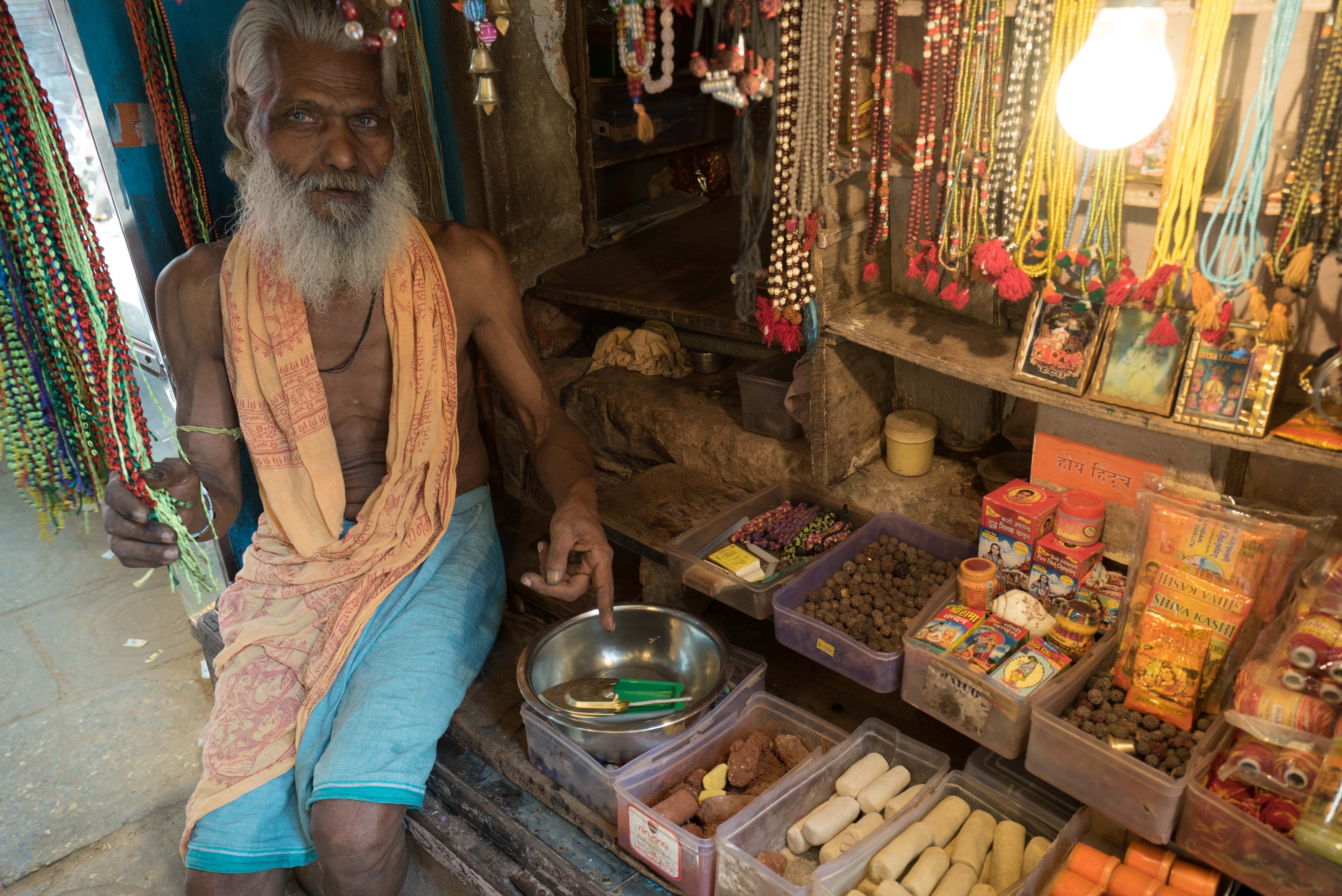
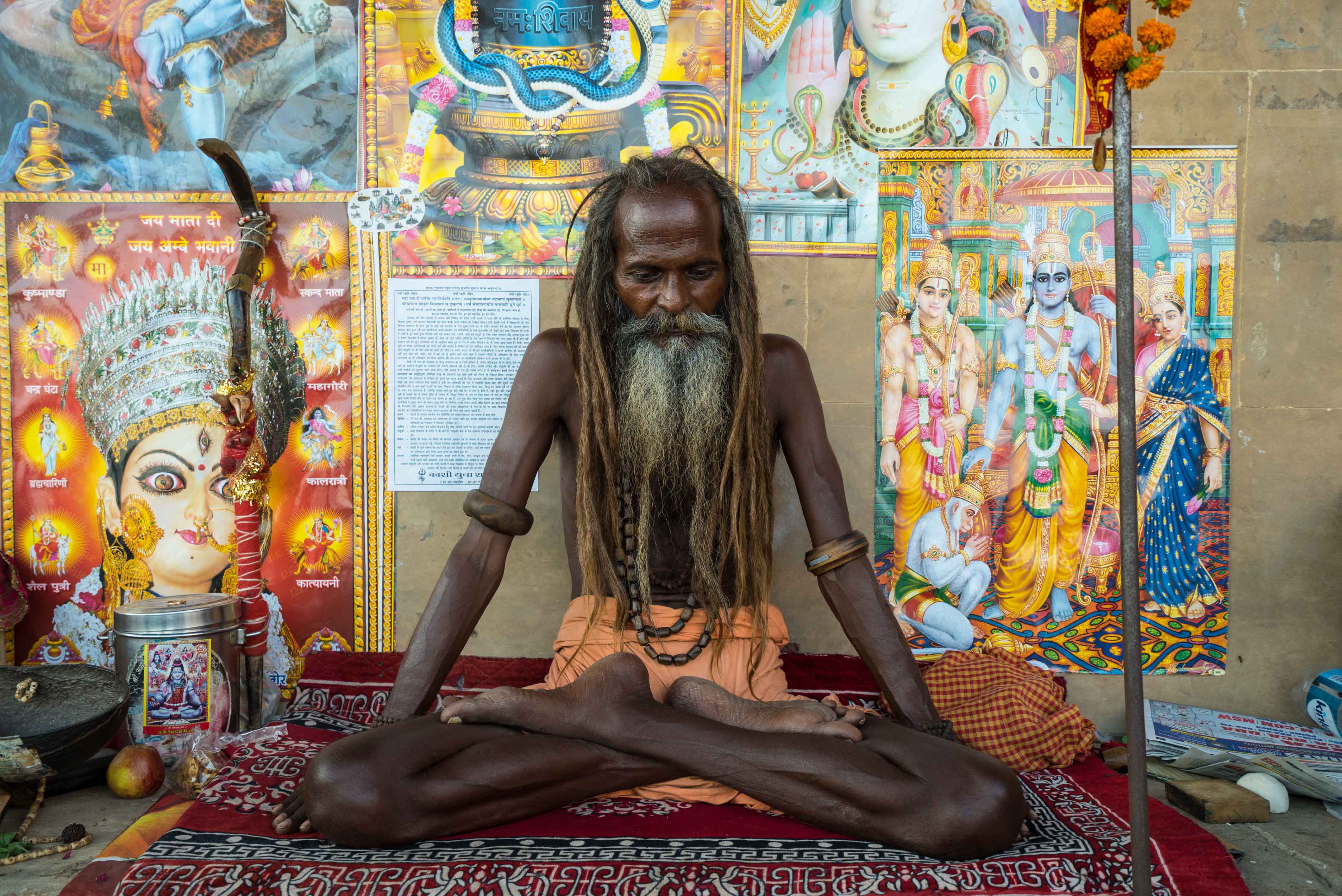
We finally got to the hotel, dropped our bags off, and went for a walk – and soon found a sadhu who looked like he’d been plucked from Central Casting.

© Bill Bennett

But he was the real deal.
So we filmed him.

He didn’t mind – and when I offered him money when we’d finished he refused to take it.

© Bill Bennett

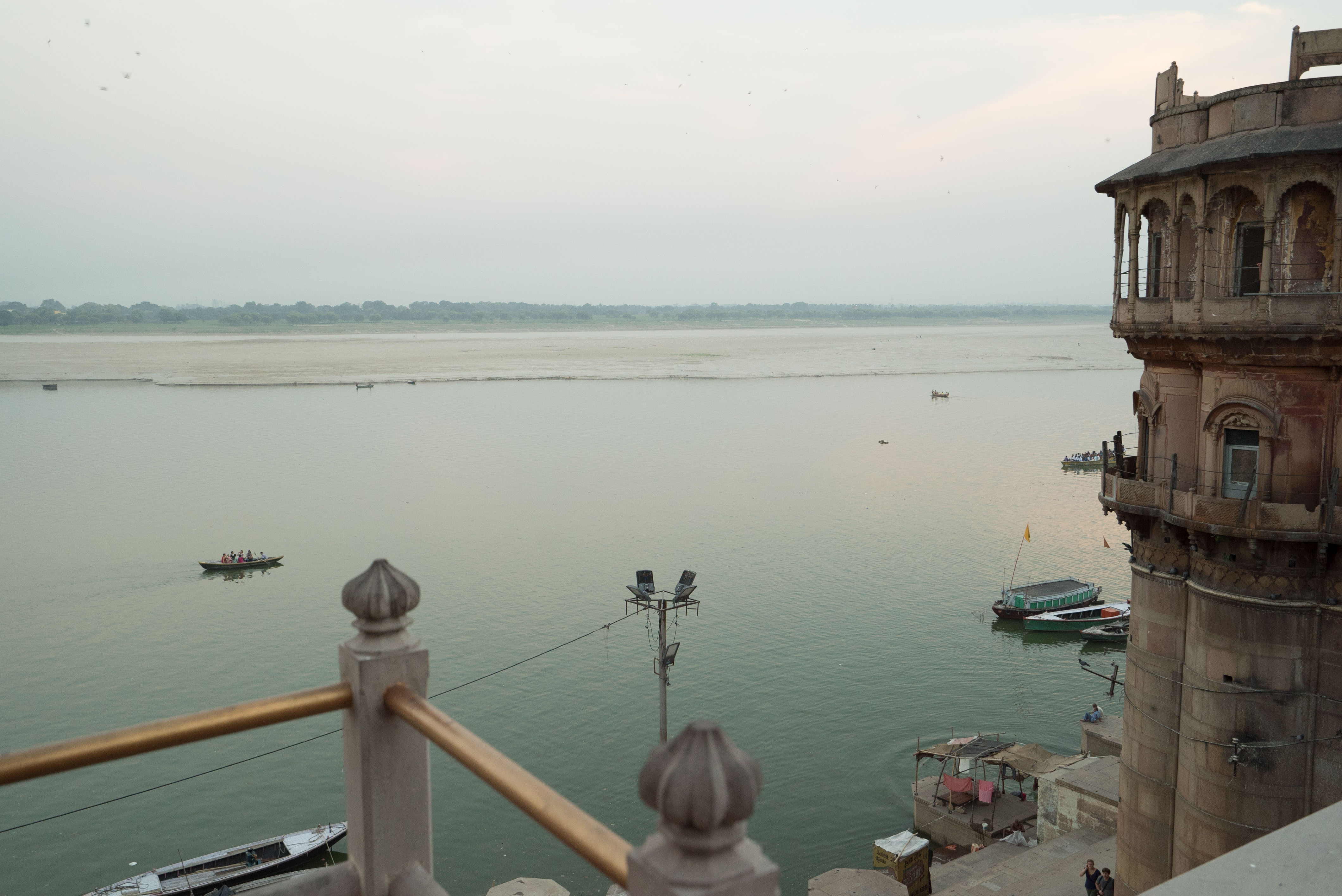
We then walked along by the Ghats – the stairs that run down to the river – and ended up in a cafe atop a hotel that had a breathtaking view of the sacred river.

© Bill Bennett © Bill Bennett

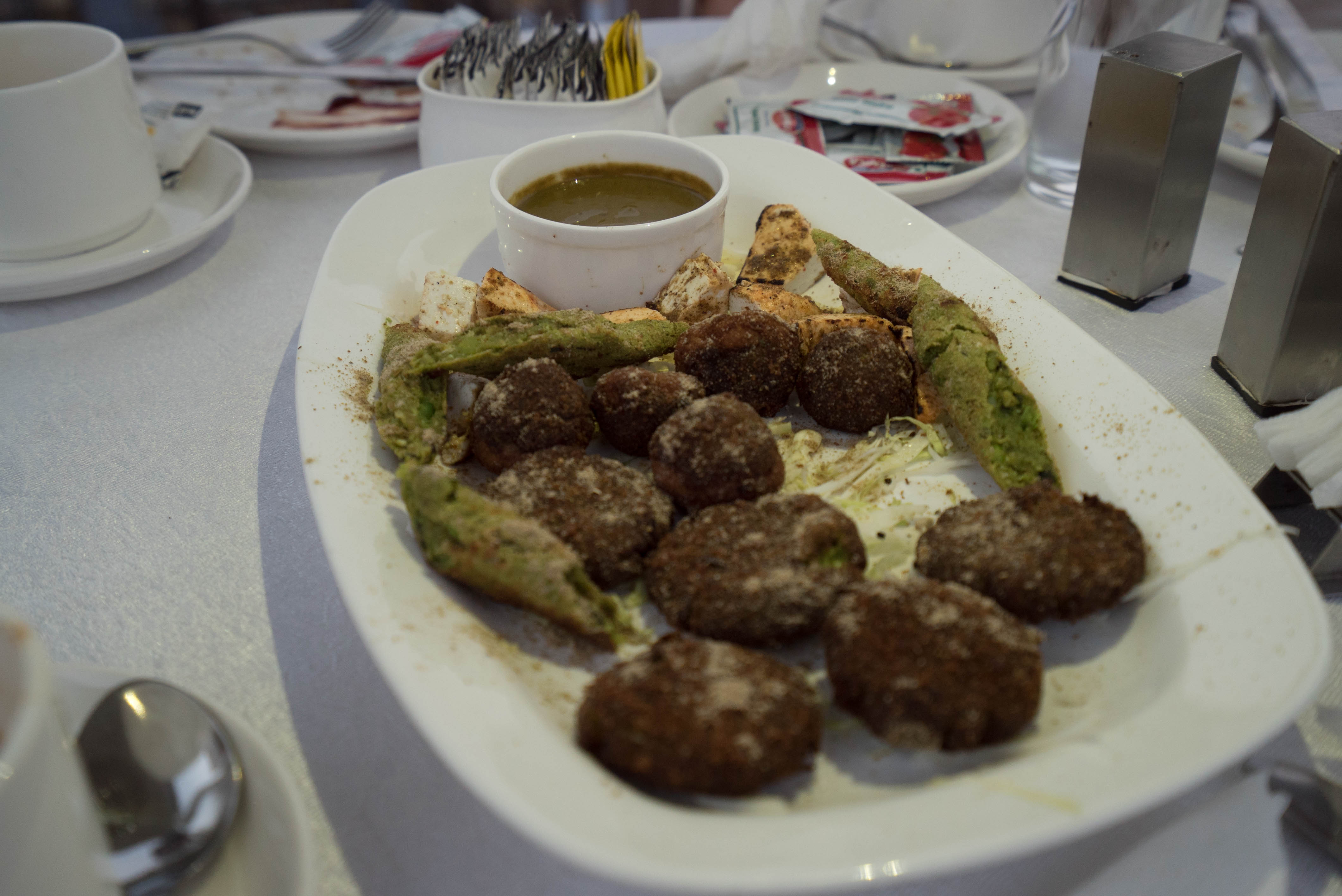
We snacked on a plate of Tandoori mixed vegetables.
Spicy!
Beautiful!

© Bill Bennett

Tomorrow we’re getting up before dawn to shoot.

This is a special place.
The embodiment of the Sixth Chakra…


© Bill Bennett

Back in India / reflections on Bhutan ~

It seemed our time in Bhutan was too short.

But we were there to work, not sightsee.
Our priority was to get the interview with the Prince, and to shoot some visuals that would be relevant to the film I’m making.

So given that, I don’t feel qualified to give a summation of the country. These then are merely my superficial observations of the brief time spent there….

Energy –
There is a gentle energy to the place that becomes apparent from the moment you step off the plane.

The airport terminal itself is truly beautiful – built in the traditional Bhutanese style of intricately carved wood. I have never landed at a more beautiful airport.

And I have never been through a more benign Customs and Immigration.

Everything was so quick and easy.
And they actually smiled at you!

It’s not that they were lax in any way, they were just respectful.

Shy versus humble –
It became apparent right from the start that the Bhutanese are very humble people. Our tour operator said they were shy, and perhaps they are shy, but I preferred to call them humble. And respectful.

The women, when they talk to you, will often put their hand over their mouth, so that you can’t actually see the words being uttered. And they will avert their gaze. The men will often bow their heads, and step back in a gesture of respect.

I never regarded these gestures as being a sign of weakness or servitude.

On the contrary, it spoke of their humility – a product of their deep commitment to their culture, and to their religion, which is Buddhism.

There is no doubt they are a proud strong people. And the women, when they need to, will look you in the eye – and you can see in their eyes that they do carry the strength of the country.

Royalty –
The Bhutanese have huge respect for the Royal Family. There are often photos of the Royal Family in shops and homes – and there are big portraits of the King and Queen on billboards around the larger towns.

Having met the Prince, and sensing the power and status he must have in his country, I was knocked out by his humility and grace… There was no strutting, no ego, no grandstanding. There was a simple self-effacement. As though he was honoured to be in my company.

This astonished me.

And of course in being so humble, it gave him extraordinary power and strength.

Preconceptions –
Just like some outsiders believe that we in Australia have kangaroos jumping down our main streets, I too arrived in Bhutan with certain preconceptions.

I though it was going to be far more primitive than it turned out to be. And far more under-developed.

I was surprised at the standard of housing – big houses, beautifully built. There was very little low-cost housing, and I saw no slums or homeless.

As well, there is internet everywhere.

I thought that one of the reasons Bhutan is said to be so happy is because they’re not connected. They’re not online. Here finally was an old fashioned country where the people actually TALKED to one another.

False!

The internet in Bhutan is one of the best systems I’ve ever encountered, anywhere. Our guide and driver were constantly on their mobiles, texting or posting to Facebook. And every hotel had terrific wifi with fast speeds.

I bought a SIM card for my iPad as soon as I landed, and 7GB of data (for a week, yes I know it was a bit of overkill…) cost me approximately $18. So it’s cheap, and ubiquitous.

Economy / shopping –
Bhutan looks like a fairly prosperous country. Apart from the fairly cheap internet, the cost of living is quite high. A cappuccino costs about US$3. That’s what you’d pay at Starbucks in the US.

I asked our guide, Kezang, who was very knowledgeable, how Bhutan made money. he said the principle export is power – hydro power – to India. The second biggest export is rice.

There are rice paddys everywhere – red rice most often – and as with most of the produce that is grown in Bhutan, it’s all organic. And all very delicious.

It tastes like real food, which is something quite rare nowadays in the west!

Food –
Food was always served in a buffet style – in hotels and restaurants for breakfast, lunch and dinner. And it was always pretty much the same thing – steamed rice, cooked mixed vegetables, local mushrooms and broccoli, chicken cut into small cubes, often with a big chunk of gristle inside. Sometimes there would be another meat dish, like lamb – but again, the “non-veg” portion of the meal was usually cut into small chunks, with bits of bone attached.

Drinks consisted of beer or water. There was a local beer – I’m by no means a beer aficionado, but Pieter likes his amber brews and he said it was pretty damn good.

You can’t though mention Bhutanese drinks without mentioning Butter Tea. Butter tea is made with milk and butter – oh yes, and a bit of tea. It’s truly one of the most disgusting things I’ve ever ingested, not counting that bucket of KFC I had one year when I had pimples and didn’t know any better.

Summer of 2012, if I recall…

Happiness –
The Bhutanese people I met were very friendly, respectful to the point of embarrassment sometimes, and they all seemed to be happy.

however I got to talking to an American lady in one of the coffee shops in the capital Thimphu. Turned out she was a psychiatrist working in Bhutan for several months, and she told me of a high suicide rate, particularly in the rural areas, and high incidences of drug and alcohol abuse, and domestic violence.

She said that alcoholism is a big problem – the booze is home made, from various grains, and is firewater. It makes the men do crazy things. Same everywhere, sadly – although I was hoping it wouldn’t be the case in Bhutan.

And the drugs come in from India. Largely opiates, which are an unrefined form of heroin.

Deadly stuff.

The psychiatrist said there were seven suicides a month – and this with a total population of not even 700,000.

Perhaps this is the other side of the country that few get to see. Certainly it wasn’t apparent to me, as a casual observer. But the psychiatrist had no need to lie, or exaggerate.

Yin and Yang – everything eventually comes back into balance.

Tourism –
Tourism is tightly controlled, which is a good thing – because only then will the very delicate energy of this mystical place be maintained.

The way tourism is controlled is through the imposition of fees for entering the country – stiff fees – and you’re required to have a guide. And you’ll need a car and driver too. It’s not the kind of place where you can get around on your own.

So if you want to visit Bhutan it’s going to cost you a big chunk of change, and that weeds out a lot of people.

Buddhism –
Buddhism is everywhere. And you see robed Buddhist monks most everywhere.

The Bhutanese take their religion seriously, although the serious ones point out that it’s not in fact a religion, it;s a way of walking through the world each day.

There’s no doubt that the gentle and very caring nature of the Bhutanese has been forged through a strong commitment to Buddhism.

Sites & Scenery –
Bhutan is a stunningly beautiful country, and it’s still relatively untouched.

There is a simple unadorned charm to the place, and I hope it stays that way.
© Bill Bennett


Bhutan – d5 / The Master

Our last full day in Bhutan.

We drove back to Thimphu, on that shocking road. Maybe because we’d already been blooded, it didn’t seem so bad this time. But it was still 3hrs+.

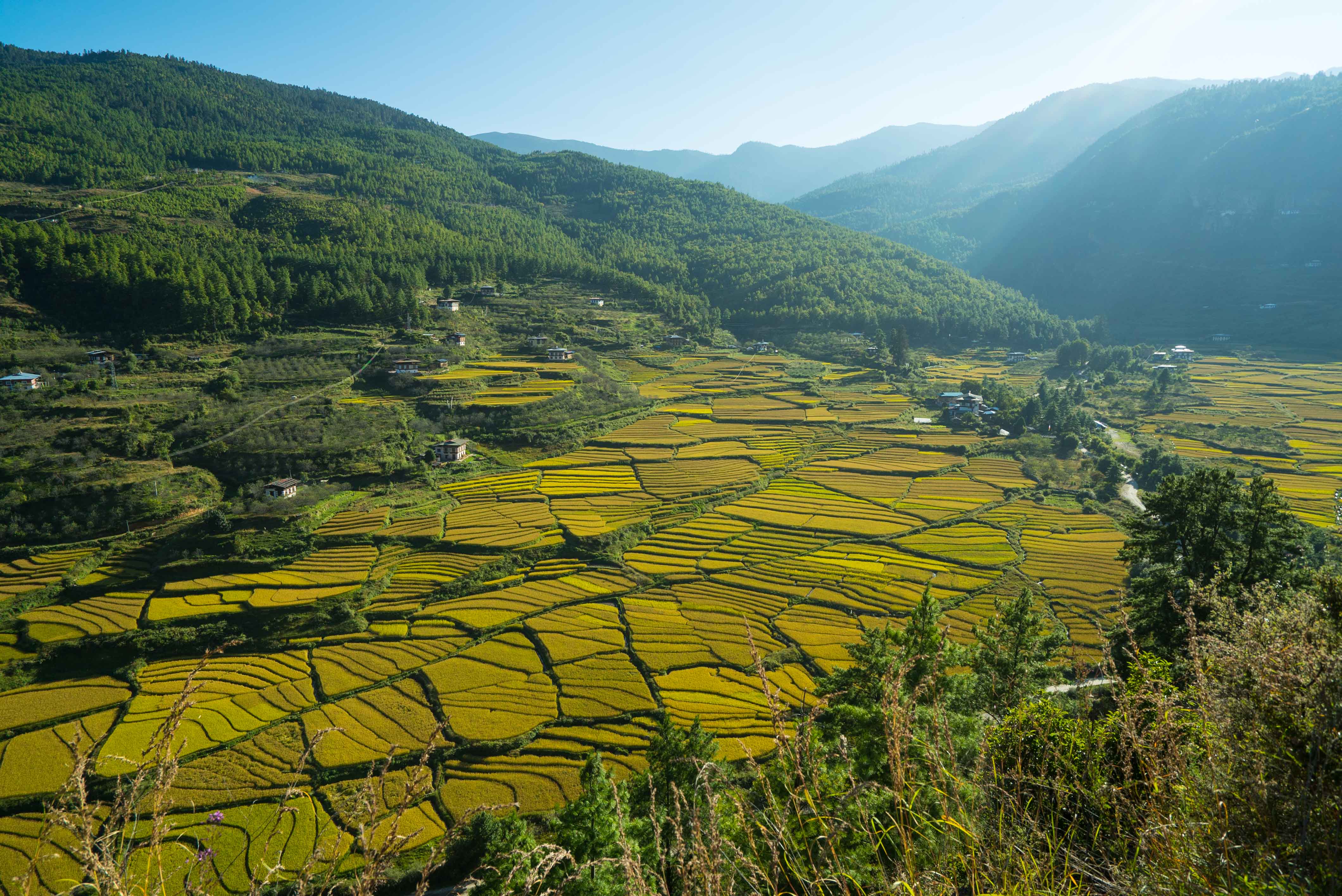
We did though drive through some very beautiful countryside. Rice is one of Bhutan’s staples, and it’s also a big export commodity. The fields are also stunning…
© Bill Bennett

Then we had to drive another one and a half hours to Paro to interview The Master.
© Bill Bennett

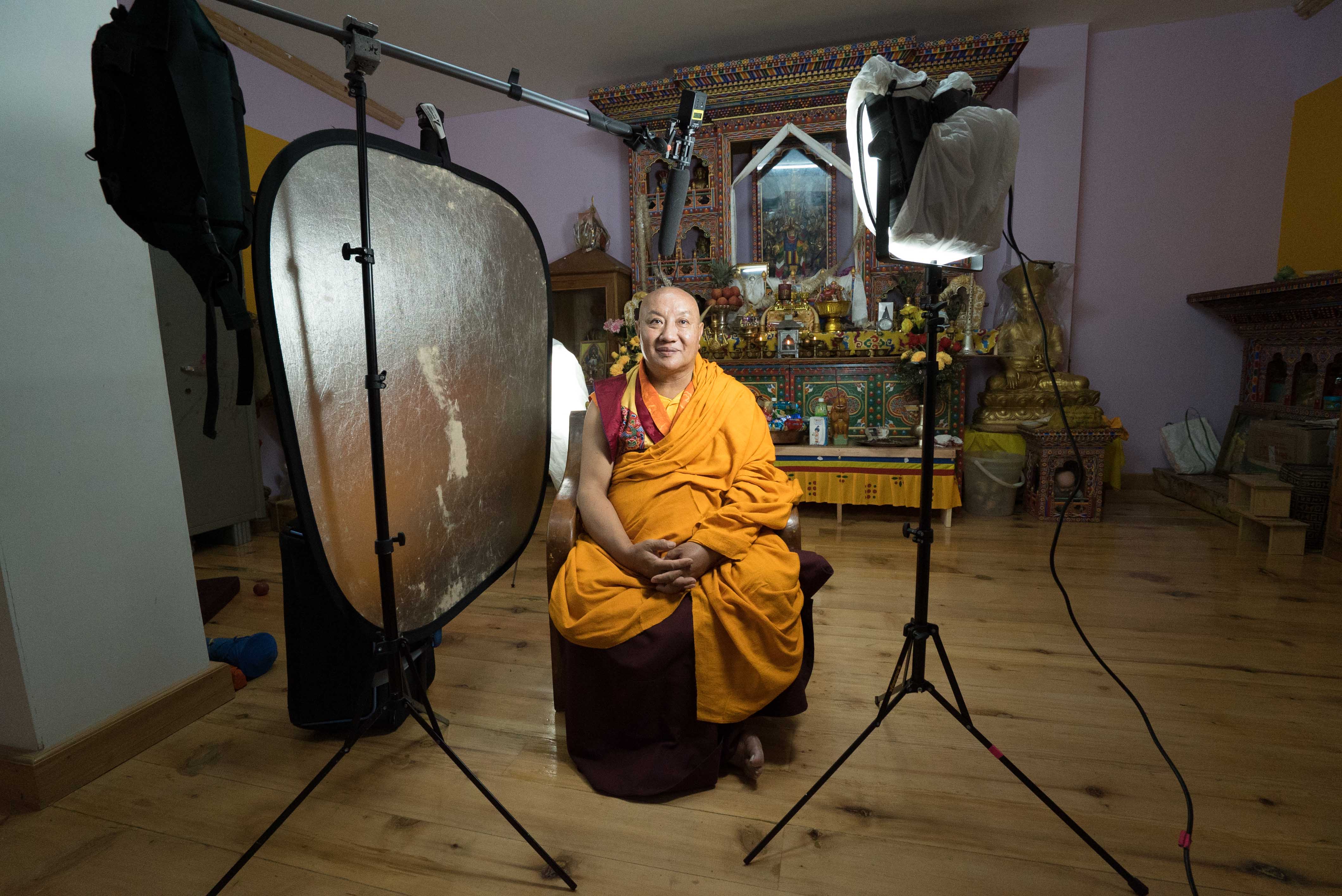
The Master is a Bhutanese spiritual leader, and a spiritual advisor to the Royal Family. He lives up high on a mountain top, near his monastery – and it was a hairy drive to get to his residence.

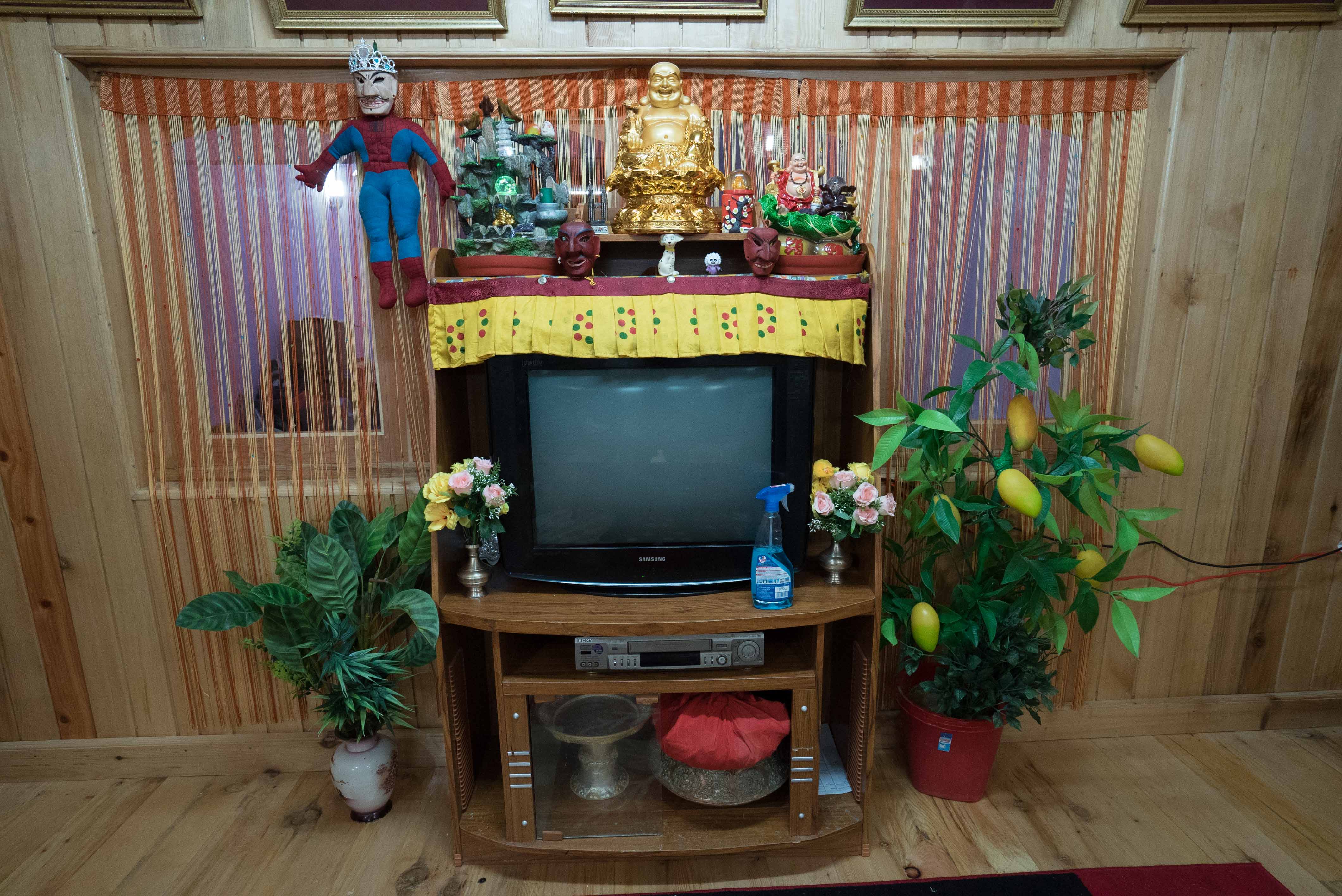
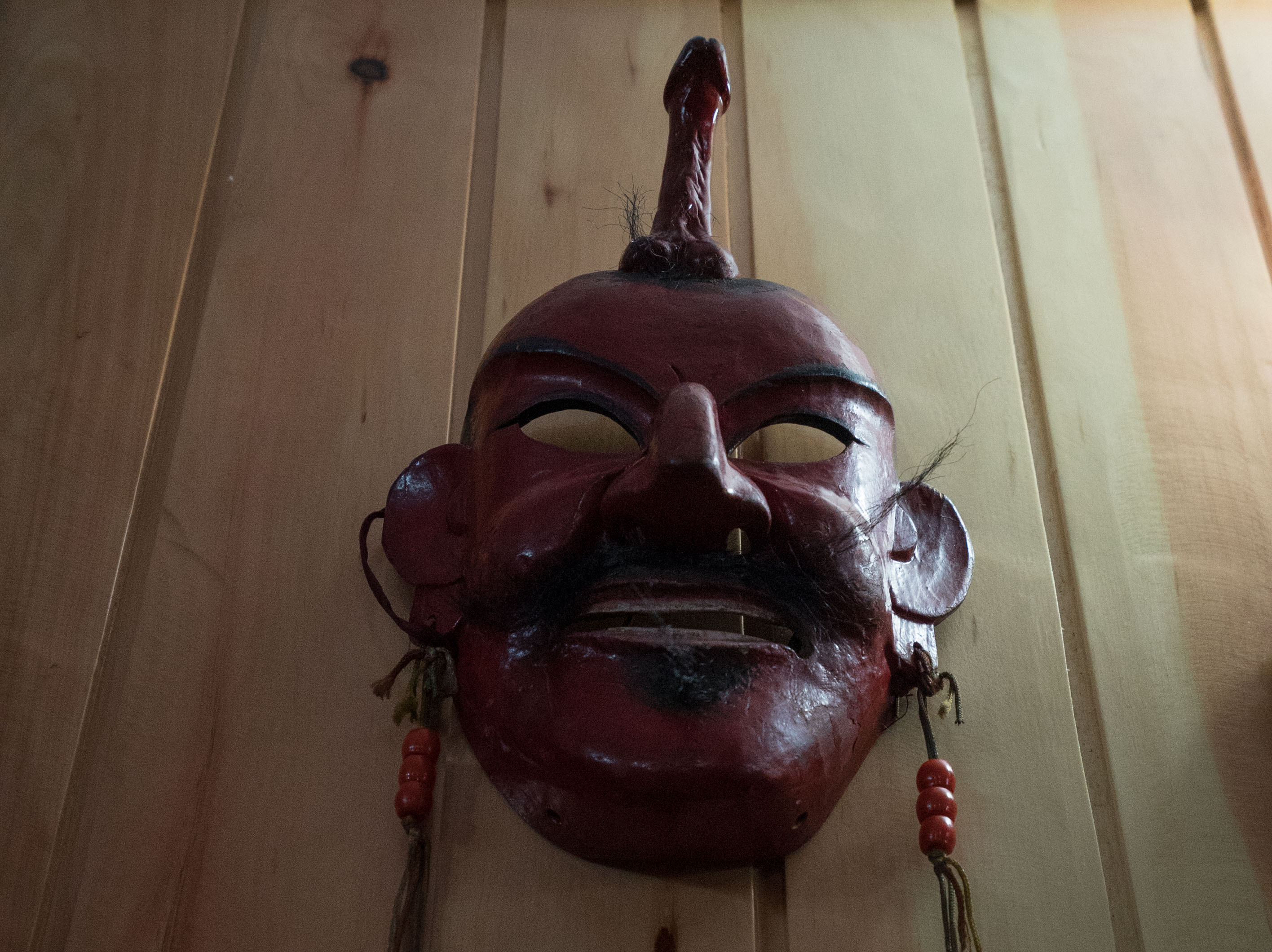
His living room was full of fascinating stuff –

© Bill Bennett

© Bill Bennett © Bill Bennett

But we did the interview upstairs, in what he called his mini-temple.

© Bill Bennett © Bill Bennett

The interview was all in Bhutanese, but Kezang our guide did a translation after each question, which worked fine. The Master will have to be subtitled in the film.

He spoke from a learned and scholarly Buddhist perspective, and told me that the voice I heard which warned me of an impending car crash was the voice of a God that I was born with.

Everyone is born with this God, he said, and it’s this God’s task to protect you and try to guide you through life.

I asked The Master why then do so many people die in car crashes, if everyone has a God that’s tasked with protecting that person?

The Master said it might be their destiny to die at that time, but it also might be a result of past life karma. He said the reason I wasn’t killed was probably because I still had work to do on this plane – good work. He also said that I must have accumulated some good past life karma.

Whew….

The Master also said that some people don’t listen to their God when it tries to communicate with them – and they do so at their peril. This God communicates via voices, through feelings or also “coincidences” or signs, but also most powerfully through dreams.

The Master said we should take our dreams seriously, because they come to us for a reason.

I asked him what advice could he give to those in the West who might want to access their intuitive guidance – and he said that they had to act with right body, right speech, and right mind. And they had to trust these voices. These feelings.

All up it was a fascinating interview.

At the end of the interview he donned his ceremonial hat for some photos. Then we went downstairs and had bowls of rice and sultanas, with sweet white tea. This is all part of the ritual of saying thanks to a guest.

We left his residence feeling as though we’d not only captured a very important interview, but we’d also met someone who was, truly, a Buddhist Master…

© Bill Bennett

PGS the film / it occurred to me…

I posted some shots of our filming in Bhutan yesterday, and it occurred to me that some of you might be thinking – how can you make a movie with such a minuscule crew?

Well, you can, if you know what you’re doing, and you work with good people.

In the mid 80s, I made a feature film with a crew of 7. The crew was so small that in the end credits, I had to make up crew positions and names because otherwise the end credit roller would have lasted twenty seconds!

The film was called BACKLASH. It was shot on Super 16, and was invited into Official Selection at the Cannes Film Festival in the Un Certain Regard section.

I didn’t realise at the time just how prestigious that was.

The screenings were a sellout, and in fact at the final screening I had Smauel Goldwyn Jnr come up to me pleading to get him a seat!

BACKLASH then was invited into every major festival around the world, and the Samuel Goldwyn Company then released the film theatrically in North America. The film subsequent got a theatrical release world wide.

I remember, before that first screening in Cannes, I was taken into the huge Festival du Palais cinema, where the film was to be shown later that evening. At Cannes, the organisers do a rehearsal with the filmmaker before the screening, to check sound levels and the luminance of the screen and so forth.

The only other festival where I’ve experienced that technical attention to detail was at the New York Film Festivsl, with a later film called KISS OR KILL.

Anyway I remember at that rehearsal, in the huge Palais cinema, totally empty – just me and the Festivsl organisers and the technical crew – getting up onto that massive stage, and as the first reel screened I lay on my back on that stage and looked up at my movie.

It was a sequence which I’d shot with two actors and two crew – cameraman and soundman, plus myself as director. And here it was, that sequence shot in the remote outback, about to be screened on this gigantic screen to the world’s greatest cinephiles.

What astonished me at that moment is that it took only two actors, and two crew, to capture that filmic sequence.

Same with PGS.

I don’t need a big crew to make this film. With technology now, with advances in cameras, post production workflow, computer graphic imaging etc, it’s even easier than when I made BACKLASH

But…

… to make a great film you have to have a great story, and you have to know how to tell that story.

That’s hard.

I don’t know what fate lies in store for PGS – but right from the start I’ve listened to my intuition in the making of the film, and will continue to do so.

It’s taken me this far, so far…

I’m just the tillerman guiding this vessel of light downstream, trying to avoid the hidden rocks and shoals along the way, trying to take it safely to its destination…

… which is you.

© Bill Bennett

Bhutan – d4 / Buddha & the Road…

Pieter de Vries and I got up very early this morning to shoot some footage at the giant Buddha at sunrise. When we got there there was no sunrise, only drizzle…

© Bill Bennett

© Bill Bennett

But luckily the Buddha was lit with some floodlights and so we got a bit of golden shine… And some beautiful footage.

© Bill BennettAfter brekkie we checked out of our hotel and hit the bus for a long and torturous three and a half hour bus trip up vast mountains, and down vast valleys.

The road was a shocker. We averaged 20kms per hour.

© Bill Bennett

It was horrible. I kept my sanity by chanting –
Om mani padme hum –

© Bill Bennett

A rough translation is:
Get me off this bloody bus, and fast. 

Punakha is famous for its dzong. And here’s why…

© Bill Bennett

© Bill Bennett © Bill Bennett © Bill Bennett © Bill Bennett

We were going to camp out tonight but after that shocker of a road trip I nixed that. Instead we checked into a hotel.

© Bill Bennett

This beats a sleeping bag and a tent any day, he says, being the consummate true pilgrim…

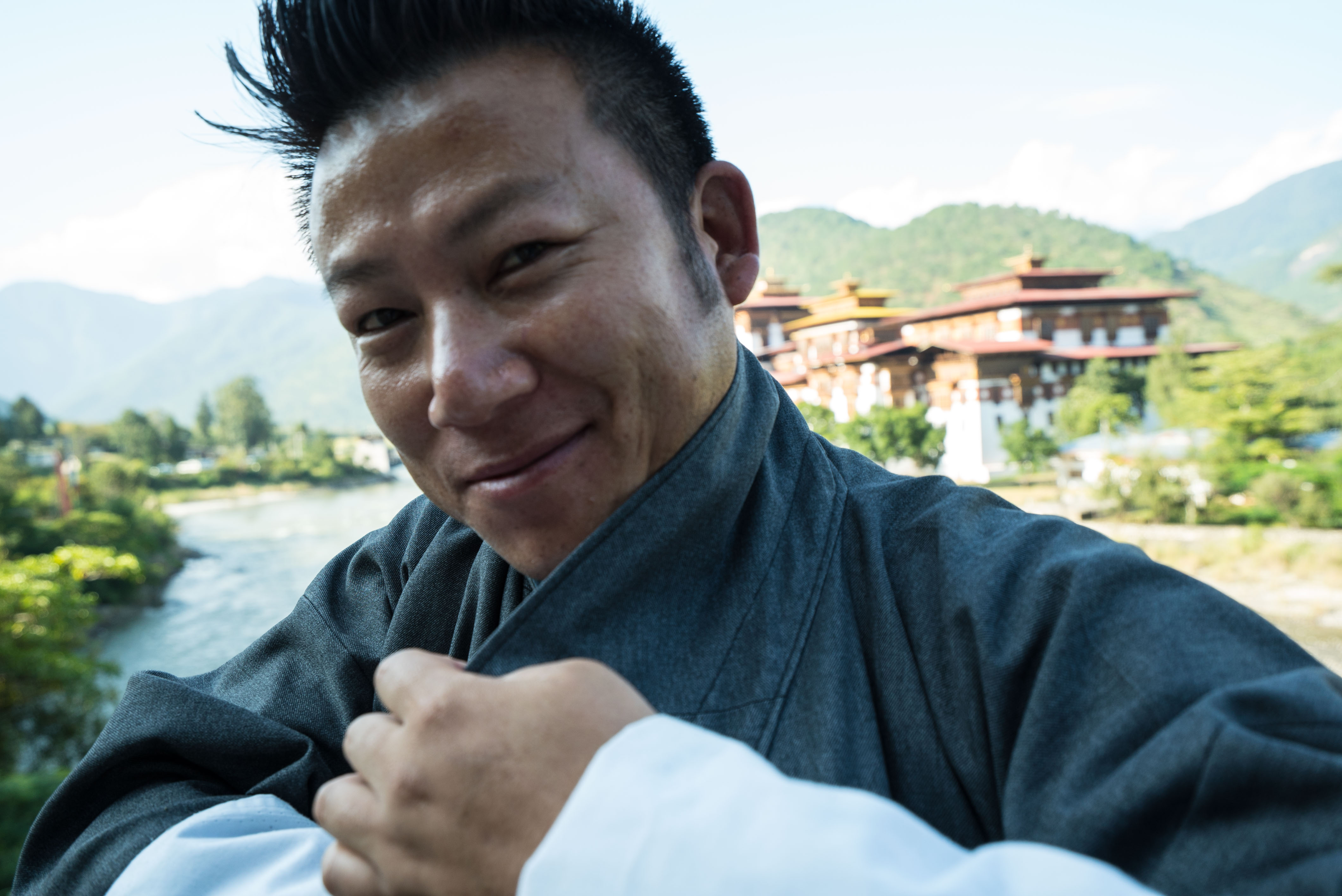
I’ll finish this blog with my shot of the day – taken at a nearby store, of the shop assistant…

© Bill Bennett

Bhutan – d3 / Thimphu /

Today we waited for confirmation of an interview with a Buddhist Master –

Waiting for Buddot…

(Obscure reference, I know…)

While waiting we did several things:

  • We saw an archery tournament.
  • We went to the Central Markets.
  • We had coffee, proper coffee, and I watched the AFL Grand Final.
  • We scouted a location for filming tomorrow – one of the world’s largest Buddhas
  • We shot at the country’s National Stupa.

Archery – 
Archery is Bhutan’s national sport. We were astonished that these archers could hit the target with such accuracy from 150m.

© Bill Bennett

© Bill Bennett

After an archer hits the target his team members do a little war dance. It’s very cute.

Central Markets –
Have you ever seen markets this clean? Not one piece of trash on the ground. Immaculate.

© Bill Bennett

And the thing about this market, all the produce is organic.
Yes, organic.
Real fruit and veggies, without chemicals. Like in the old days…

© Bill Bennett

Organic fruit and veggies is one of Bhutan’s chief exports.

© Bill Bennett © Bill Bennett

At the Thimphu Central Markets you can even buy wild orchids to eat!

© Bill Bennett

And they had a tin of ANZAC bikkies which was used as a cash tin.

© Bill Bennett

As I say, they are very fussy about cleanliness…

© Bill Bennett

Karma Cafe – 

We had coffee at Karma Cafe, and I watched the Aussie Rules Grand Final via streaming. Saw the Hawks trounce the Eagles.

I barracked for the Hawks, seeing as how my team – the Sydney Swans – bowed out early.

© Bill Bennett © Bill Bennett

Giant Buddha –
We drove out of town for about 16 minutes until we reached a hilltop where a giant statue of the Buddha is being built.

© Bill Bennett

I wanted to scout the location for when we return tomorrow to film at first light.

It’s one of the largest Buddhas in the world.

© Bill Bennett © Bill Bennett

The wind blew Jennifer’s dupatta –

© Bill Bennett

And Pieter’s hat –

© Bill Bennett

You can walk inside the giant Buddha – I took a shot of our guide, Kezung, and our driver, Dorji.

© Bill Bennett

National Stupa –
This evening we shot at the National Memorial Stupa – the Stupa Chorten – which is right opposite our hotel.

© Bill Bennett © Bill Bennett

This is a very low budget production and so our lighting kit for shots of me looking at the Stupa consisted of an iPhone torch…

© Bill Bennett

Tomorrow we head out of Thimphu on a three hour drive to a city that was once the ancient capital of Bhutan. We’re camping overnight, and so there may not be any internet, and hence no blog…

Here’s a shot to finish this blog…

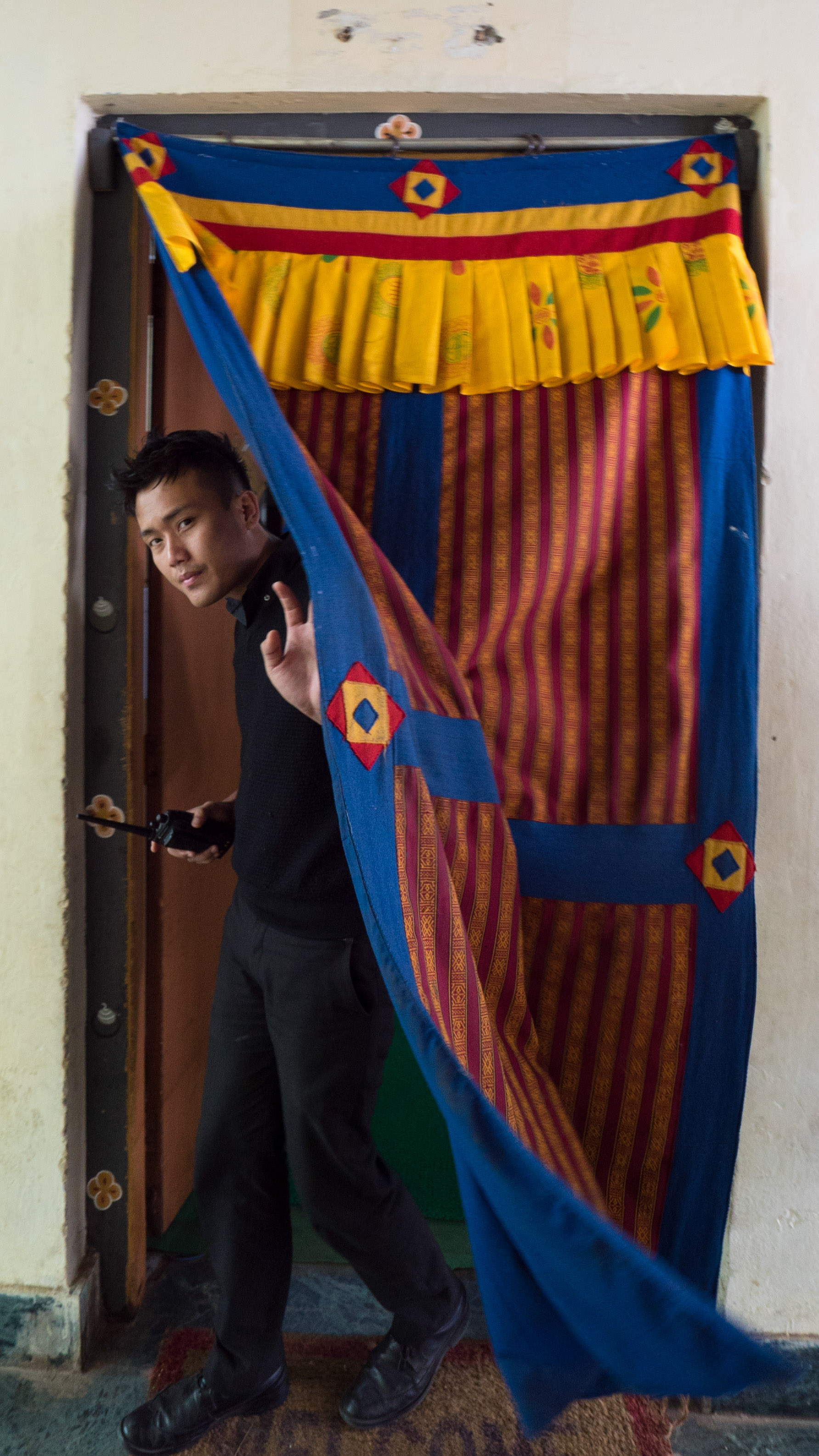
We were walking around the markets and I’d lined up to shoot the curtain over the doorway, and suddenly this bloke popped out and I took this picture…

It’s one of my favourites…

Bhutan – d2 / Thimphu / The Prince ~

Today was all about the interview with the Prince.

We had been advised that it was royal protocol to wear traditional dress in the presence of the Prince, and so we went down to a local clothing store and got kitted up.

Jennifer looked tres elegante…

Pieter and I decided to go classic black, Ninja-style –

We had all the gear, but no boots. So Piet wore his black RMs and I wore my old Scarpas.

© Bill Bennett

The Royal Palace was not one big building, like Buckingham Palace or The White House, which is probably the closest thing America has to a palace, if you exclude the New York Stock Exchange or Trump Towers. The Palace was a series of beautiful buildings surrounded by their own gardens.

© Bill Bennett

© Bill Bennett

We were given a small building just down from the Queen’s Palace, which had a stream of water flowing through. It was perfect for the interview, and Pieter and I quickly began to set up.

© Bill Bennett

We then got word that His Royal Highness was approaching, so we were ushered out to meet him. We waited on a path near the Palace, and as he walked towards us he struck me as looking like a Bhutanese Johnny Depp – small and delicate in features, cultured face, beautiful smile. A handsome young man aged thirty one.

When he introduced himself, surrounded by bodyguards and entourage, he came across as humble, caring, and just a really nice young man.

He thanked us for taking the trouble to wear the country’s national costume. All the frocking up had been worth it!

I’m sorry that I can’t show you pictures of HRH (His Royal Highness) at the moment – we have to get Royal Approval from the Palace Media Office before we can do that.

Here though is a rearview of our interview set-up…

© Bill Bennett

We then walked back into the garden outbuilding and began the interview.

It was a cracker.

His Royal Highness was wise beyond his years, and it wasn’t an interview so much as a very engaging conversation with an exceedingly smart young man. And again, his humility came across very powerfully.

Without even reviewing the footage I know that this interview will feature prominently in the film. It was worth coming to Bhutan just for this –

The Prince, Oxford educated, spoke about intuition both from a scientific / Jungian perspective, but also he spoke eloquently about the Buddhists’ beliefs in intuition.

As I say, it was a beauty…

As soon as we get Royal Approval, we’ll post some shots of this handsome young man. In the meantime, you’ll just have to put up with a shot of two ugly old men…

© Bill Bennett

Bhutan – d1 / Paro

We’ve barely shaken off the masala from the magnificent Mother Ganga tour, and now we’re in Bhutan filming for my PGS intuition film.

© Bill Bennett

My head’s spinning from the swiftness of it all – but our timing has been dictated by the availability of the Prince of Bhutan, whom I’m due to interview tomorrow.

Bhutan is preparing for a series of big royal ceremonies for the King’s 60th birthday, and the Prince only has limited time.

This introduction to the Prince was set up by LA based financier Devin Rose, who met His Royal Highness at a gala function in Beverly Hills a while back.

Devin – thank you mate!
Wish you could be here with us.

Bhutan is said to be the happiest country on the planet –

– and from the moment we stepped off the plane yesterday and walked into the most beautiful airport I’ve ever seen – and were waved through customs and immigration effortlessly even though I’d only half filled out my forms, I thought to myself –

I like this place!

We were greeted by our wonderful travel agent, Karma, and our guide and driver. The guide and driver will accompany us for the six days we’re in Bhutan. Both are gracious, humble, and almost embarrassingly attentive.

© Bill Bennett

Today – our first day – was huge.

Watchtower, under renovation, opposite Museum

Watchtower, under renovation, opposite Museum

We started at 9am and finished at 9pm. First off we had a quick tour of the National Museum, before heading to the nearby Rinpung Dzong, a massive Buddhist  monastery and fortress.

It presented some wonderful filming opportunities.
And piccies –

© Bill Bennett

© Bill Bennett © Bill Bennett © Bill Bennett © Bill Bennett © Bill Bennett © Bill Bennett © Bill Bennett © Bill Bennett

© Bill Bennett

After a quick lunch, we headed to the base of the cliffs that house the famed Tiger’s Nest Monastery – perched like a nest high up on the edge of a mountain of rock.

© Bill Bennett

We were told the climb up would take between 2-3 hrs, and it took all of that. The climb was as hard as the Pyrenees, although not quite as high – the elevation climb was about 1,000m.

At one stage we were passed by a convoy of ponies carrying supplies up to the monastery –

© Bill Bennett

Tough as it was, it was worth it.

I had structured the day so that we got to the Tigers Nest at best afternoon light – and we filmed there for quite some time.

Pieter de Vries at Tigers Nest Monastery © Bill Bennett

© Bill Bennett

The problem was, it was a good one and a half hour walk down.

We reluctantly pulled up tripods at 5pm – and it gets dark in Bhutan this time of year at 6pm. That meant we had about 30-40 minutes climb down this treacherous mountain in the dark, aided only by our wonderful guide’s torch on his iPhone!

© Bill Bennett

I looked at my Fitbit Surge at the end of the day –

28,459 steps
20.91kms
4119 calories expended
372 floors climbed.

Ha! It was all of that and more – but worth every step.

We then drove one and a half hours to Thimphu, the capital, which is where we are now. Because we have the interview with the Prince at the Royal Palace tomorrow.

That should be an experience!

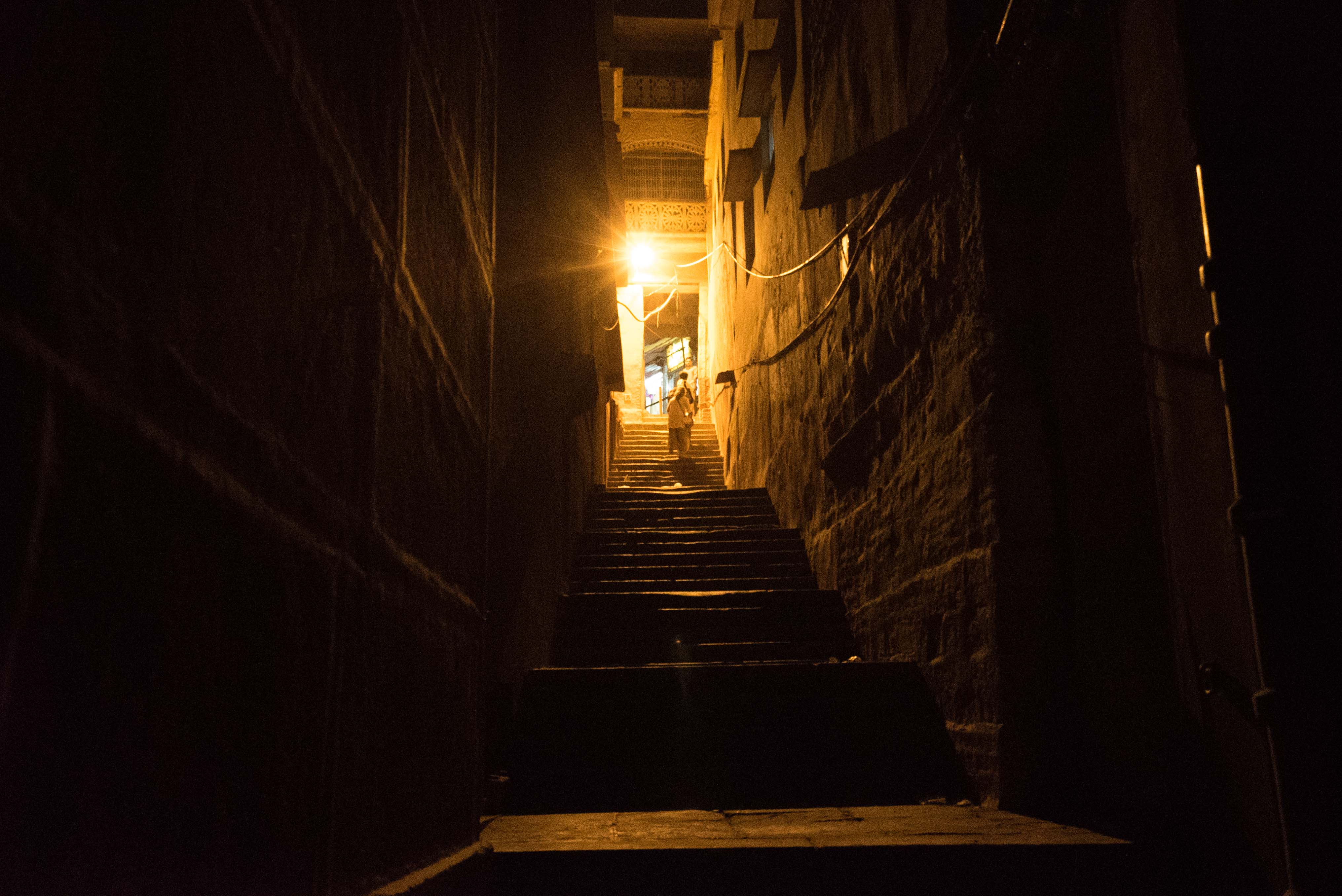
Before we drove back, we asked the guide to stop in Paro so we could get some cold beers for the long drive to Thimphu. This perplexed him a bit – but he got the driver to stop and we walked down a street then up a stairwell at the side of an alley.

This is where you get beers? I wondered…

The stairwell led to a small family styled restaurant, and the guide asked the lady who owned the restaurant if we could buy some beers. She had two coldies in the fridge, and so that’s what we bought.

It occurred to me later that perhaps that’s why this country has such a high Happiness Quotient – there’s very little drinking. There are no pubs or bottle shops to buy booze. You can only buy it at a restaurant, for drinking with a meal.

Tomorrow is the interview with His Royal Highness – that will be a trip! – and later we’re hoping to secure an interview with a Buddhist Master – one of the spiritual leaders of the country.

I’m finding this to be a fascinating country – and this is only the first day!

© Bill Bennett

Dale & Lynda’s blog, re-posted

Source: Day 14 cont & 15 in Dharmasala and Days 16 & 17 traveling to Rishikesh with overnight in Chandigargh