India – d5 / temple, of the golden persuasion ~

Today we finally got to the Golden Temple at Amritsar.

It has a power and a majesty that’s hard to put into words. For Sikhs, it’s their most sacred temple.

cpyright BIll BennettI went early in the morning by myself. Jennifer was needing some catch-up sleep.

Later we checked out some of the shops our tour people might like to visit – and we had a thali lunch in a down-and-dirty hideaway joint where the food was sensational –

cpyright BIll Bennett The naan-like bread is actually called kulcher – it’s an Amritsar local speciality, and this one was full of grilled cauliflower. It came with a spicy dhal, a yogurt based curry, and a glorious chick-pea curry.

In the evening we headed back to the temple, so that Jennifer could see it. Sunday night and it was packed, but stunningly beautiful.

cpyright BIll Bennett

tomorrow we head north to Dharmsala, on our pre-tour scout. We’re doing this to double check that everything will go without a catch. But this is India, and I have no doubt there will be a catch or two!

cpyright BIll Bennett

India – d4 / Amritsar / border

How can we spend an entire day in Amritsar and not go to the Golden Temple?

Well we did.

We’re saving our visit for very early morning light. Tomorrow morning. We want to see it in the most magical circumstances possible.

I did go out early with my camera though and got a few pics –

cpyright BIll Bennett cpyright BIll Bennett

Today we checked out things that our tour guests might want to do; for the women, that might include shopping for traditional Punjabi shoes!

cpyright BIll Bennett

Jennifer had done her research and this morning we went to the best place in Amritsar to buy Juttis – all hand made. Beautiful embroidery and leatherwork.

cpyright BIll Bennett

We had lunch in one of the city’s best Thali joints – it was packed with people coming back from the Golden Temple. We had the traditional Punjabi kulcher with two spicy and very tasty curries.

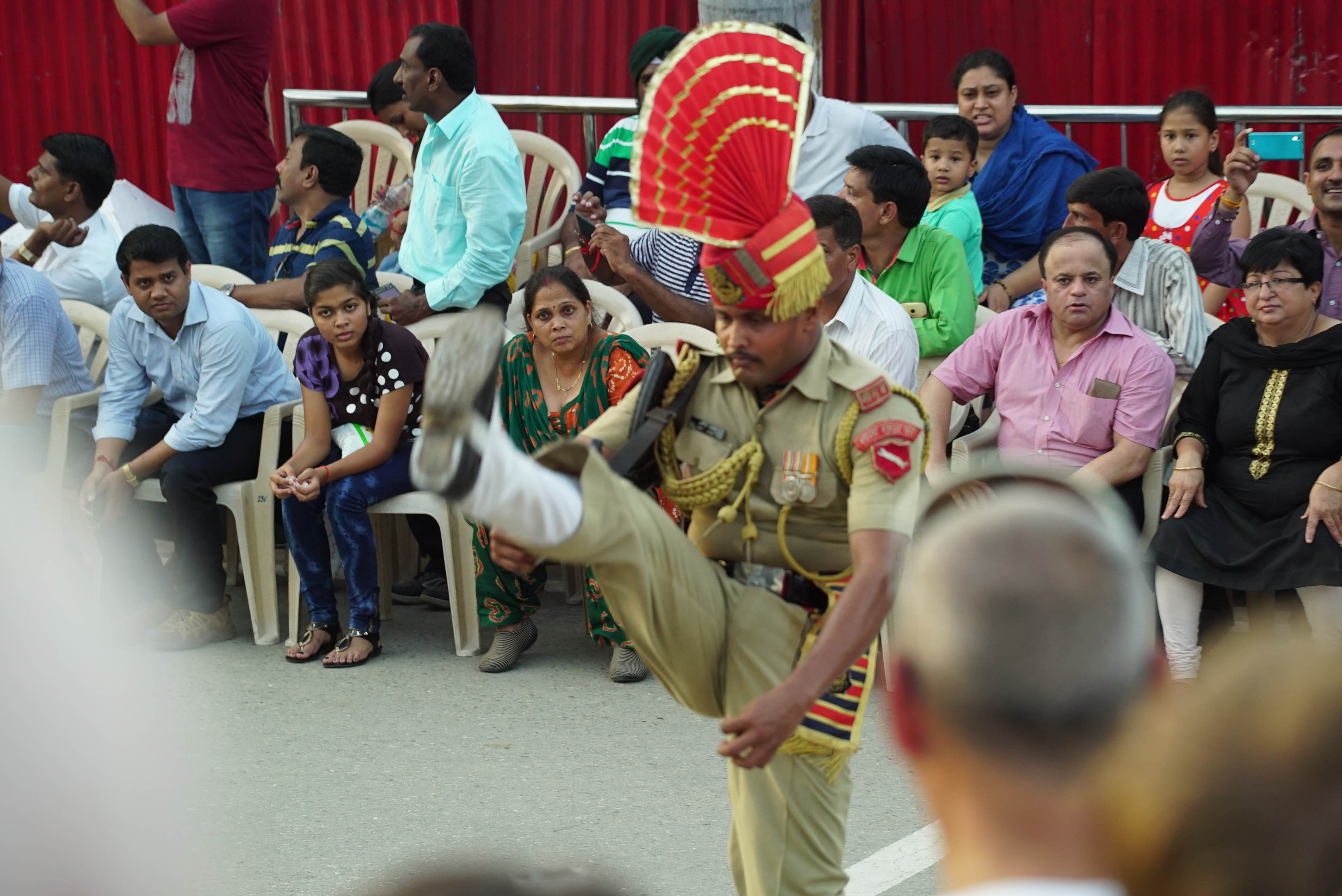
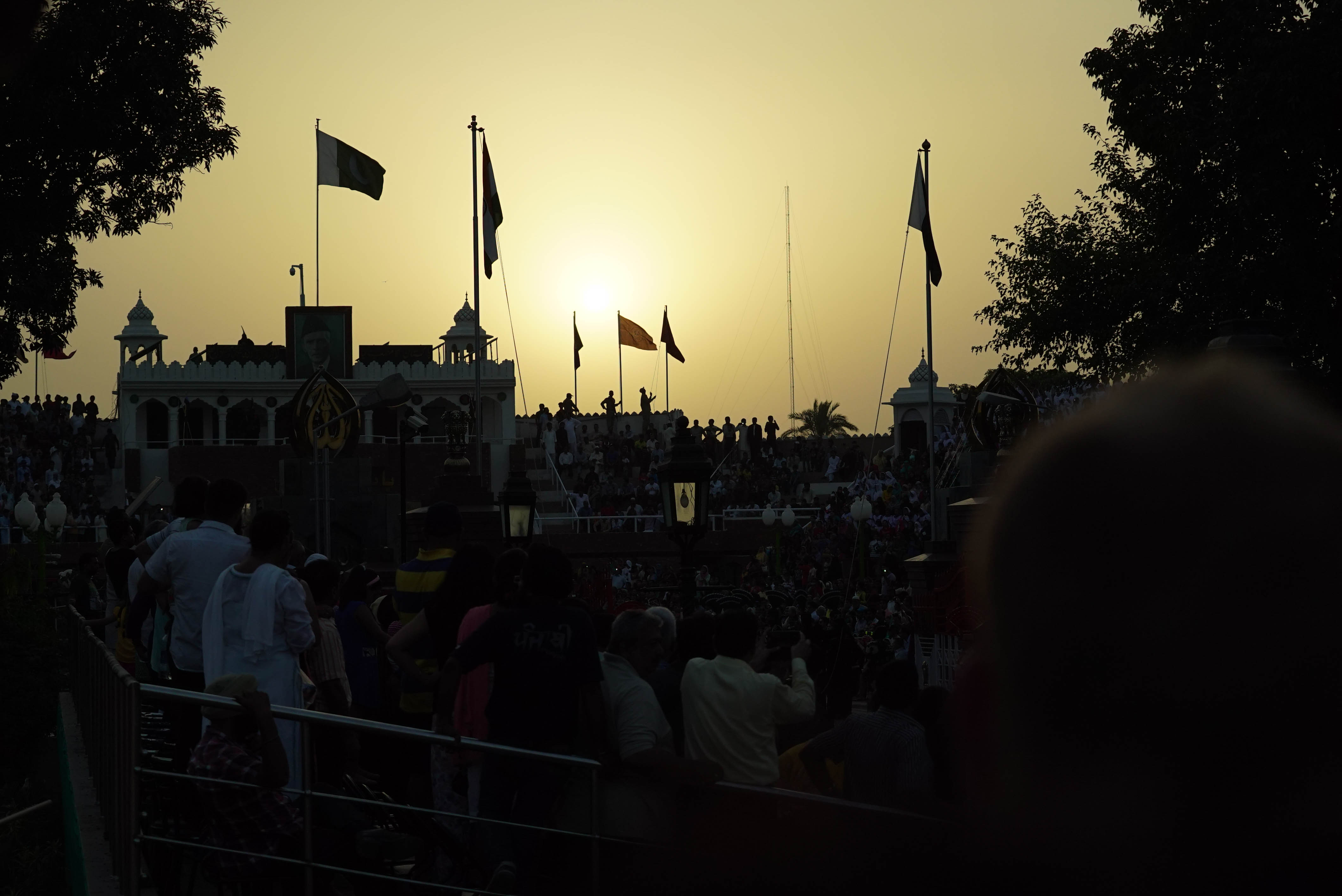
In the afternoon we took a car out to the Indian / Pakistan border to see the Wagah Border ceremony. There must have been more than fifty thousand people there, with the crowd buzzing like they were about to witness an exciting footy game.

cpyright BIll Bennett

I’ll elaborate on this ceremony during the tour, when we take our guests back, but just to say it’s one of the weirdest, and wildest, ceremonies I’ve ever witnessed. Very colourful, very bizarre.

cpyright BIll Bennett cpyright BIll Bennett

Tomorrow morning we’ll visit the Golden Temple. Very much looking forward to seeing one of the most important spiritual sites of India…

cpyright BIll Bennettcpyright BIll Bennett

India – d3 / to Amritsar

We’ve spent yesterday and today scouting Delhi in preparation for the tour, and this afternoon we hopped on a train to Amritsar,

Amritsar is in the state of Punjab, in the north of India, and the reason we’re here is to see the Golden Temple – one of the great spiritual sites of India – sacred to the Sikhs.

The train trip took 6 and a half hours. It was comfortable, the food was edible, the toilets were prison yard standard.

Not that I’ve used a toilet in a prison yard….

But I can imagine.

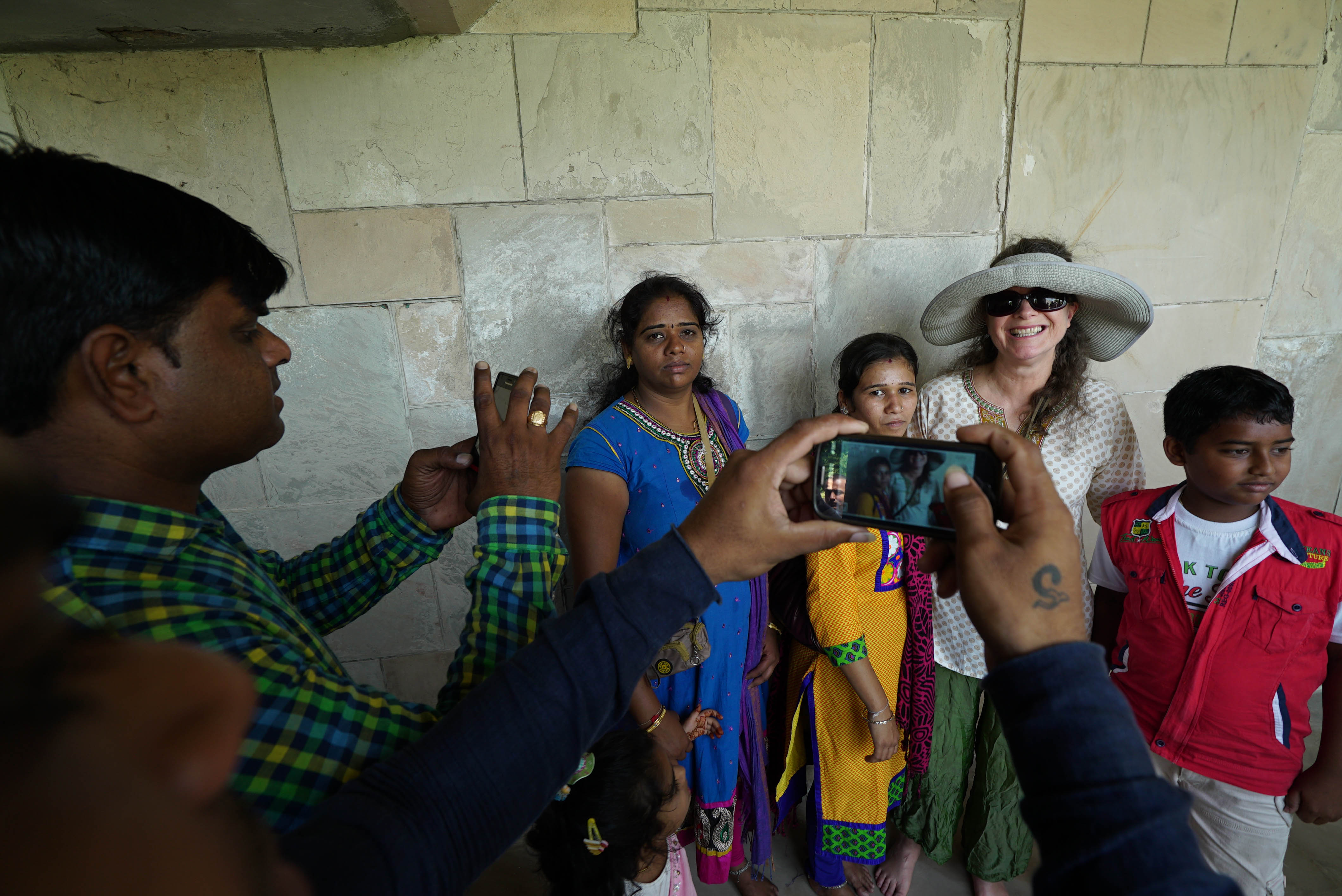
Before leaving for the railway station, we stopped in at Ghandi’s Tomb – where Jennifer became suddenly in demand to be in everyone’s photos…

Jen having photo taken

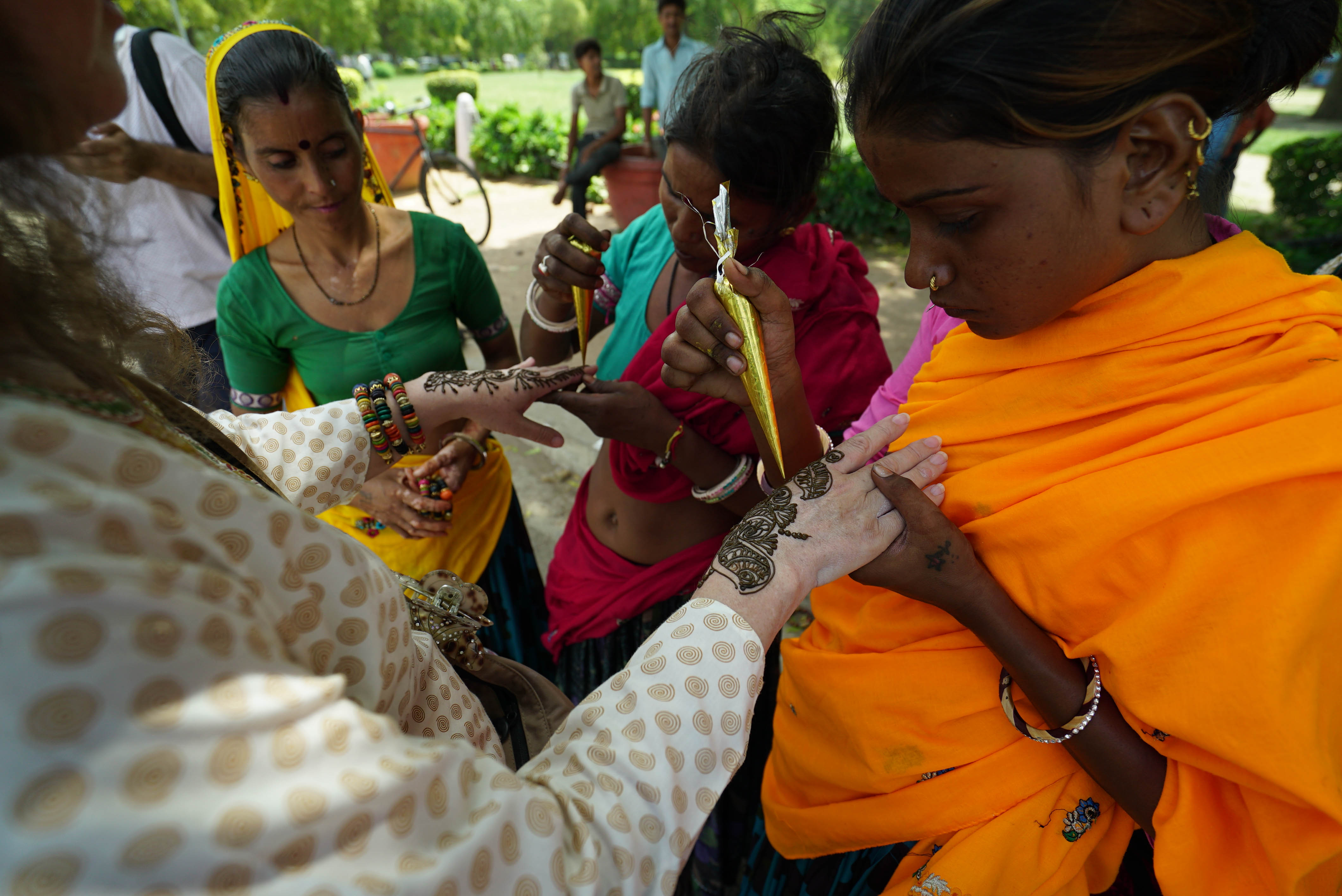
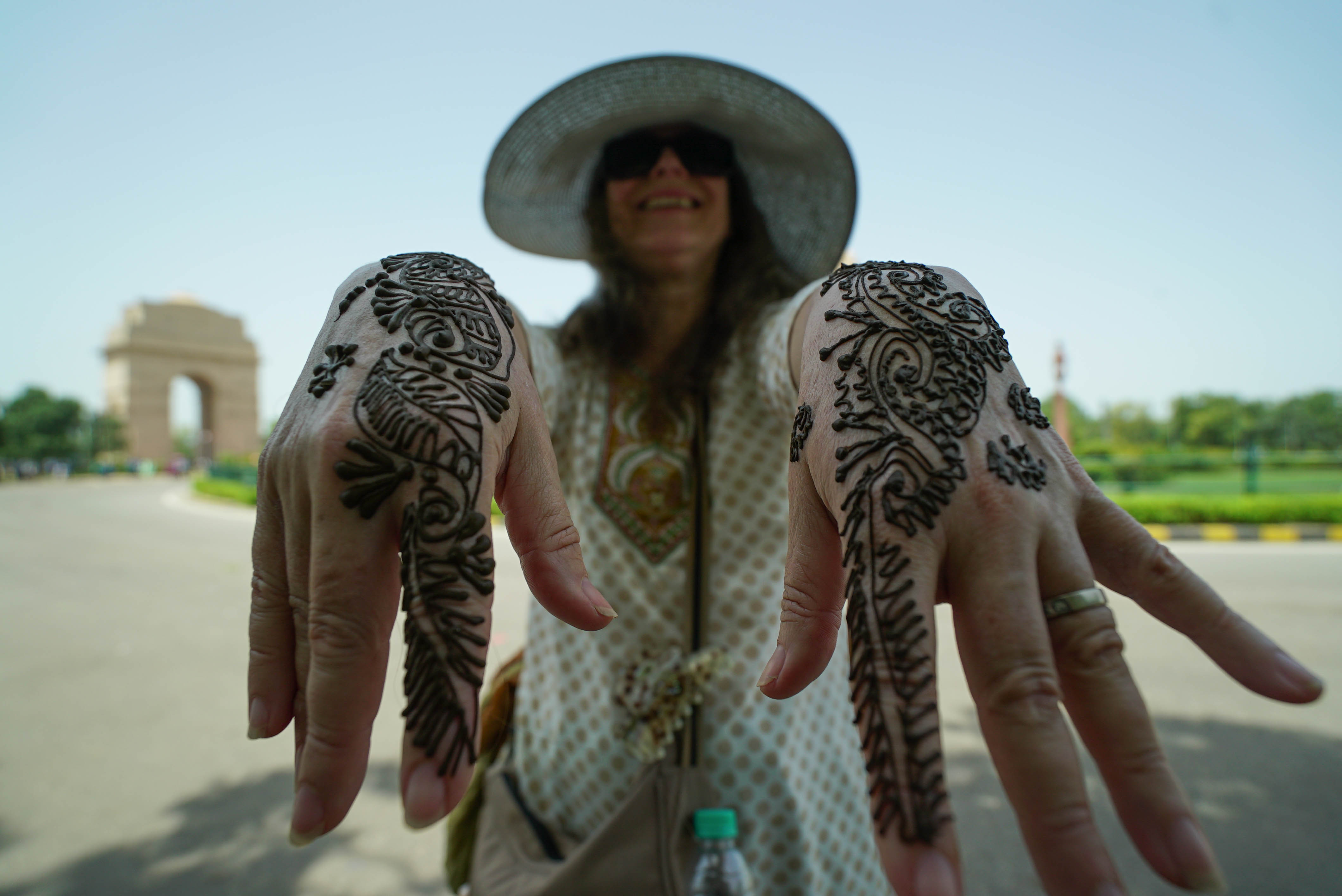
And at India Gate, she had her hands adorned with henna –

women hennas close on henna hand jen with hands

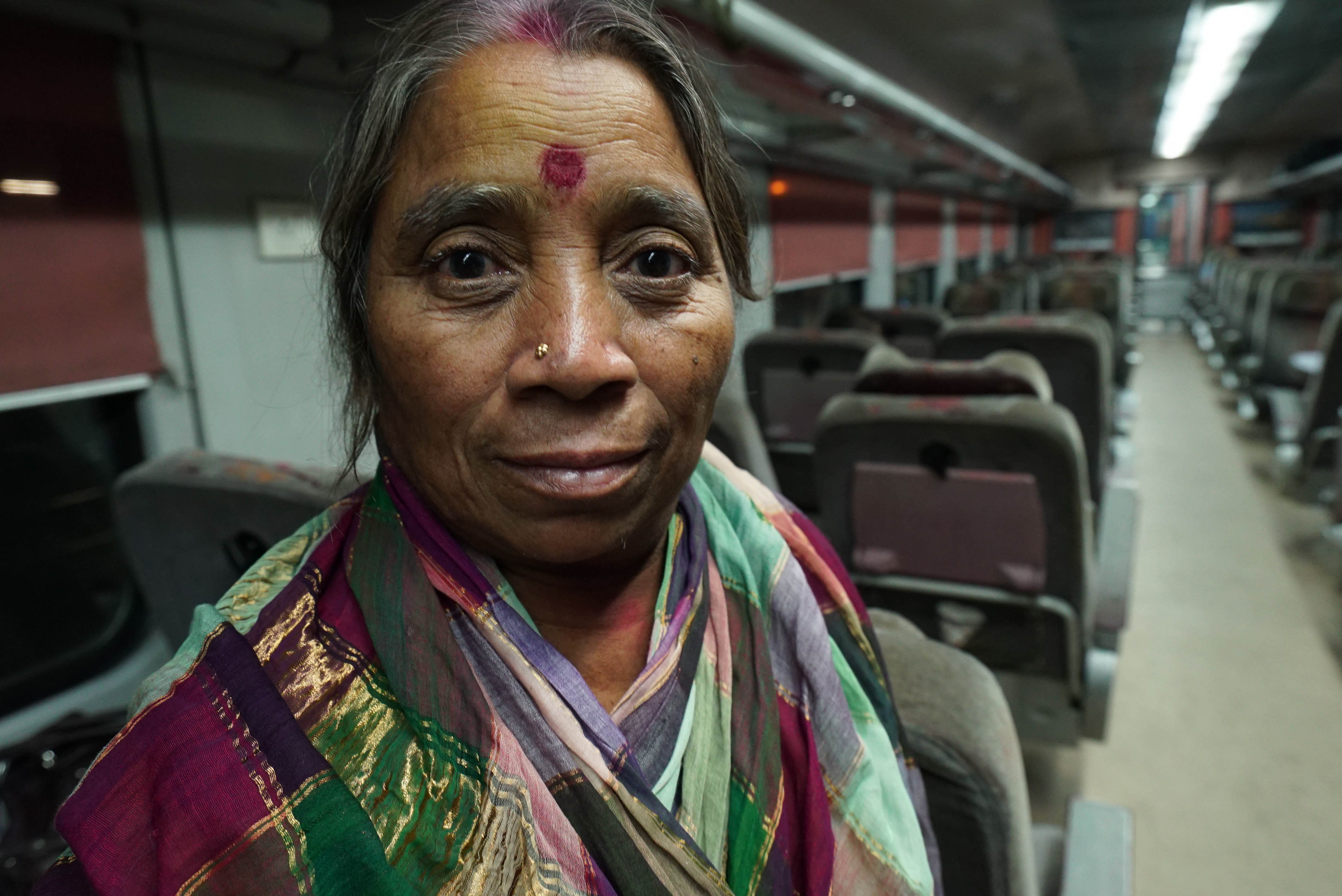
And then the train, and a fascinating journey.

AC chair car child sleeping on train lady on train

We’ve arrived late, and tomorrow we go to the Golden Temple, and to the Wagah Border ceremony…


India – Delhi d1

Jennifer and I spent the first day in Delhi doing a pre-tour scout.

We met up with Rachit, who will be working with us on the tour.

Rachit

We walked through Old Delhi.

Here are some shots…
(taken with Sony a7s with Zeiss 16-35mm)

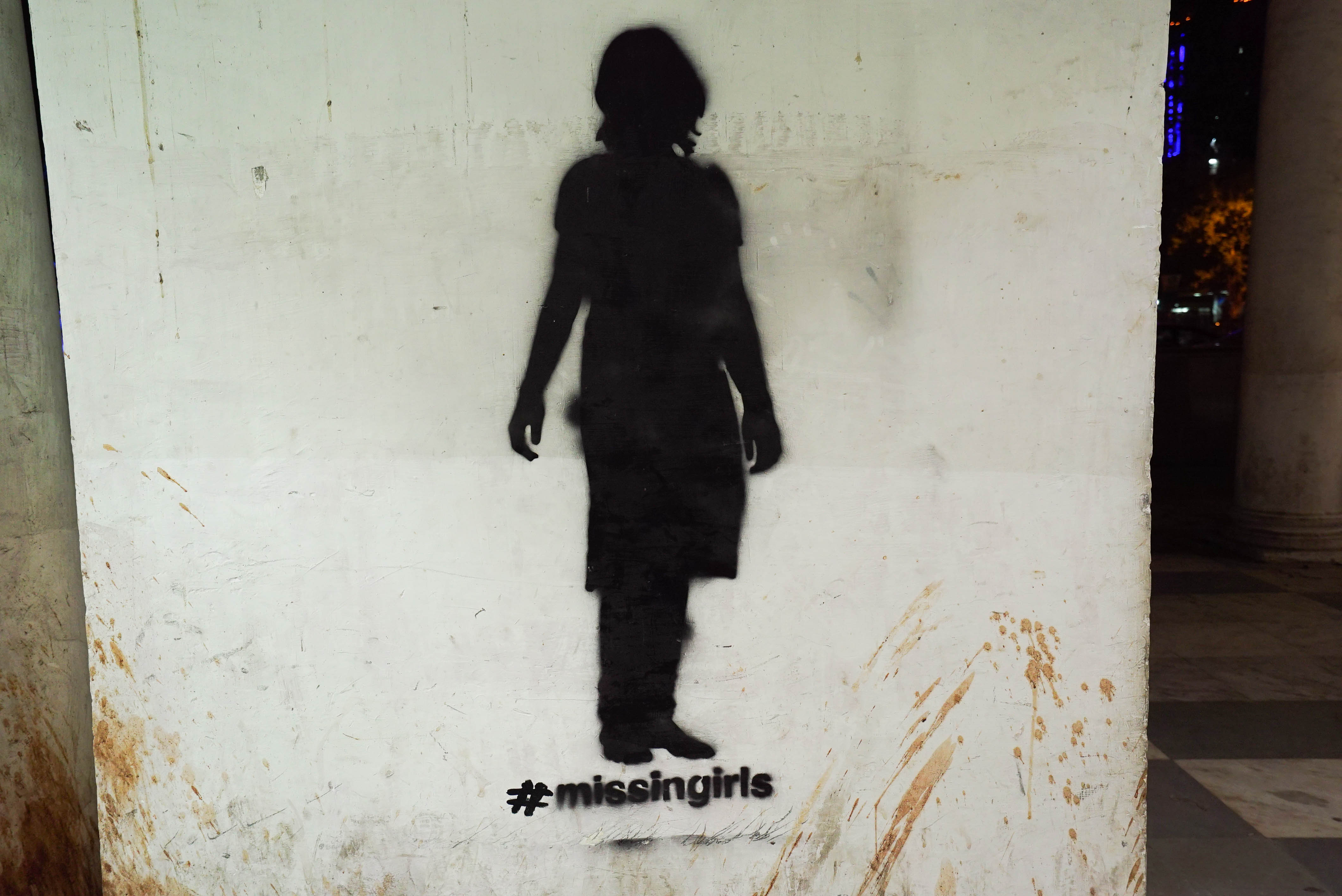
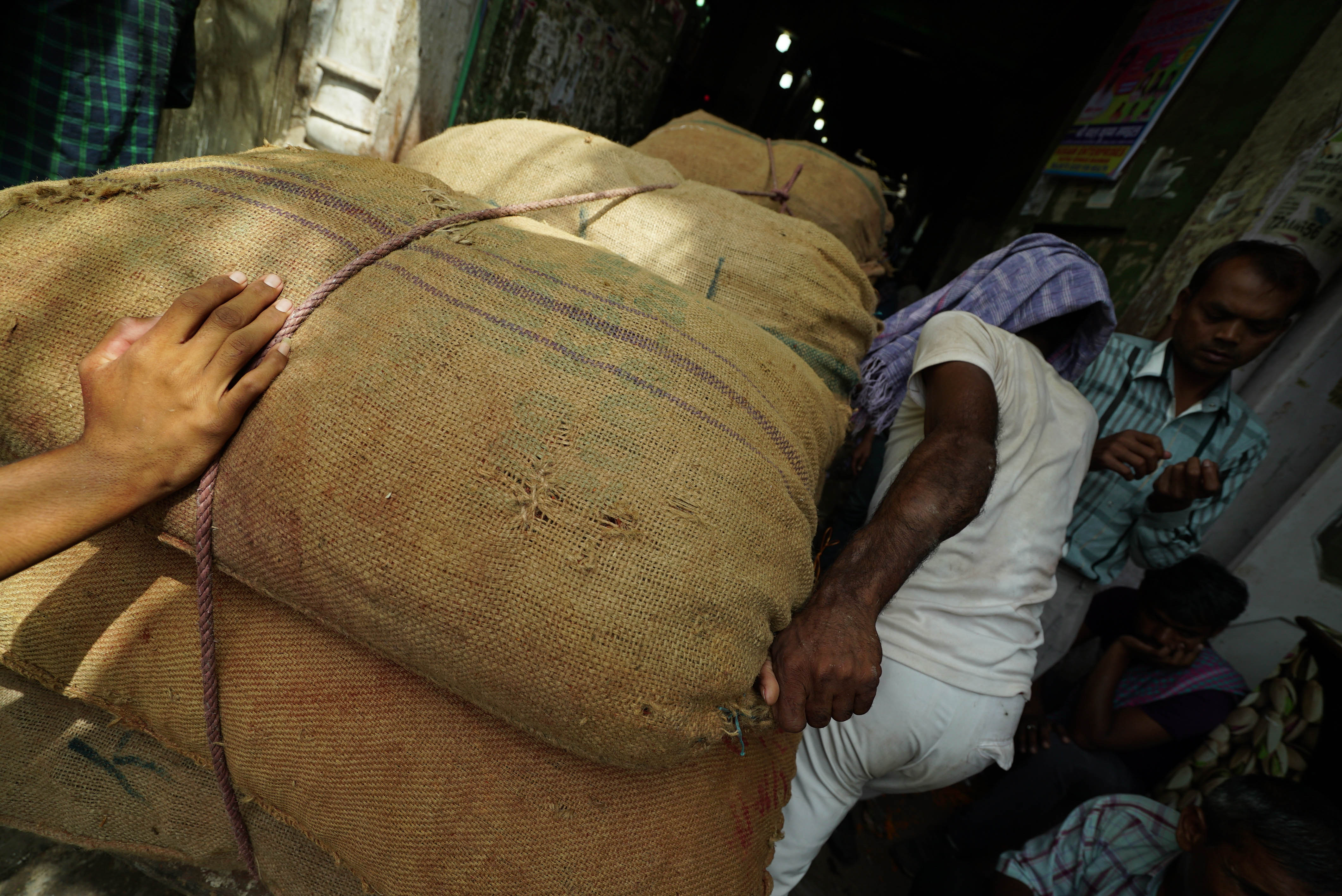
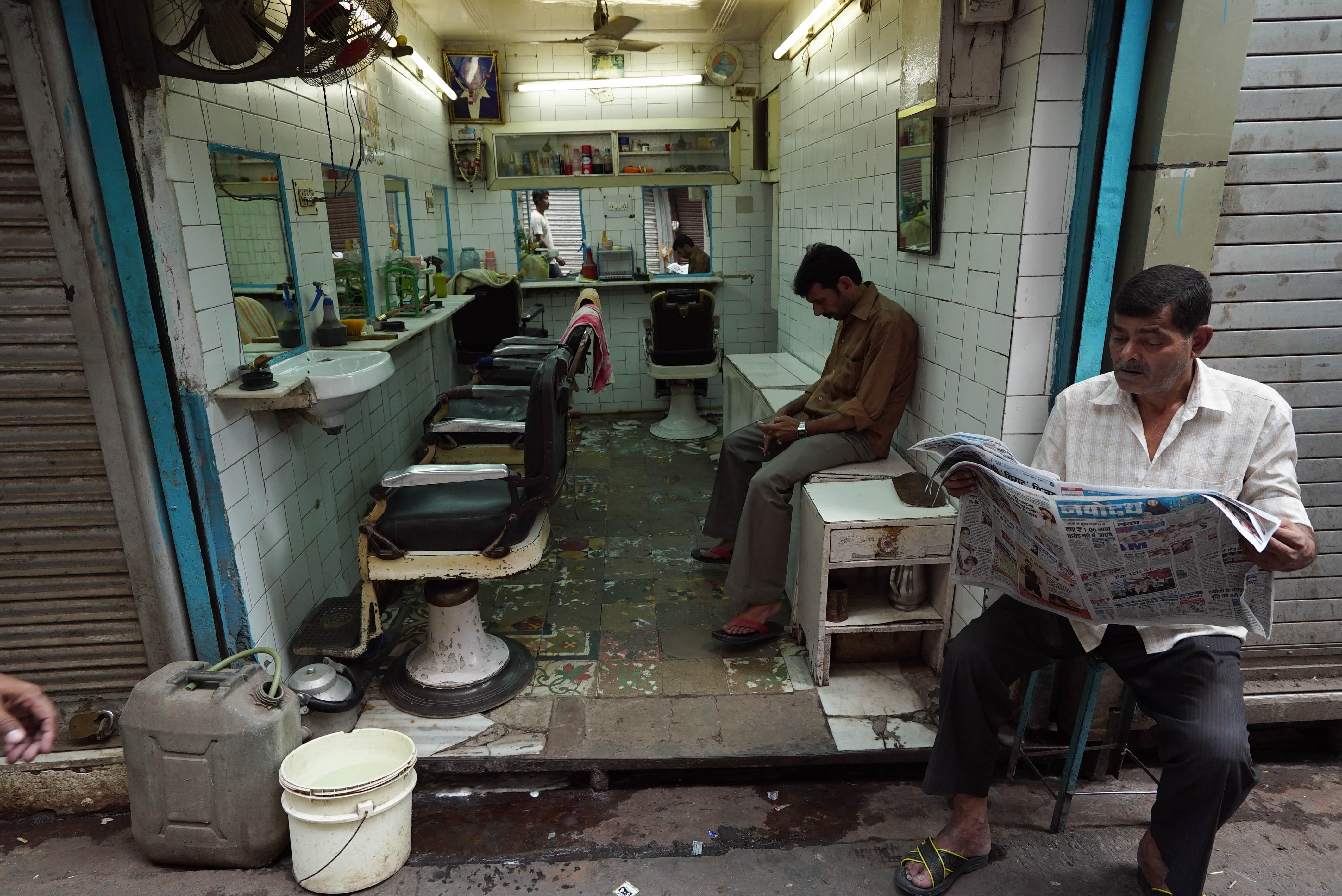
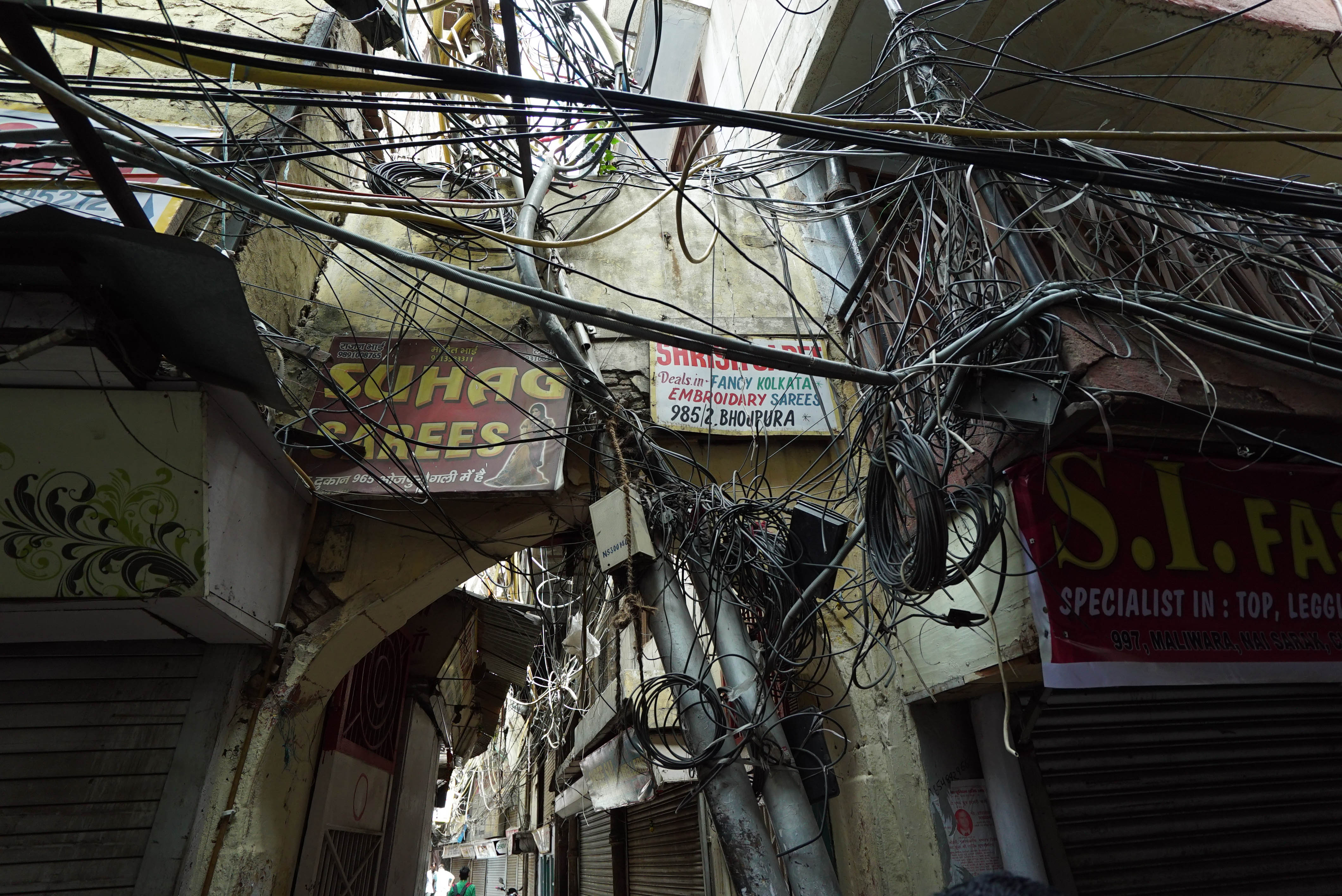
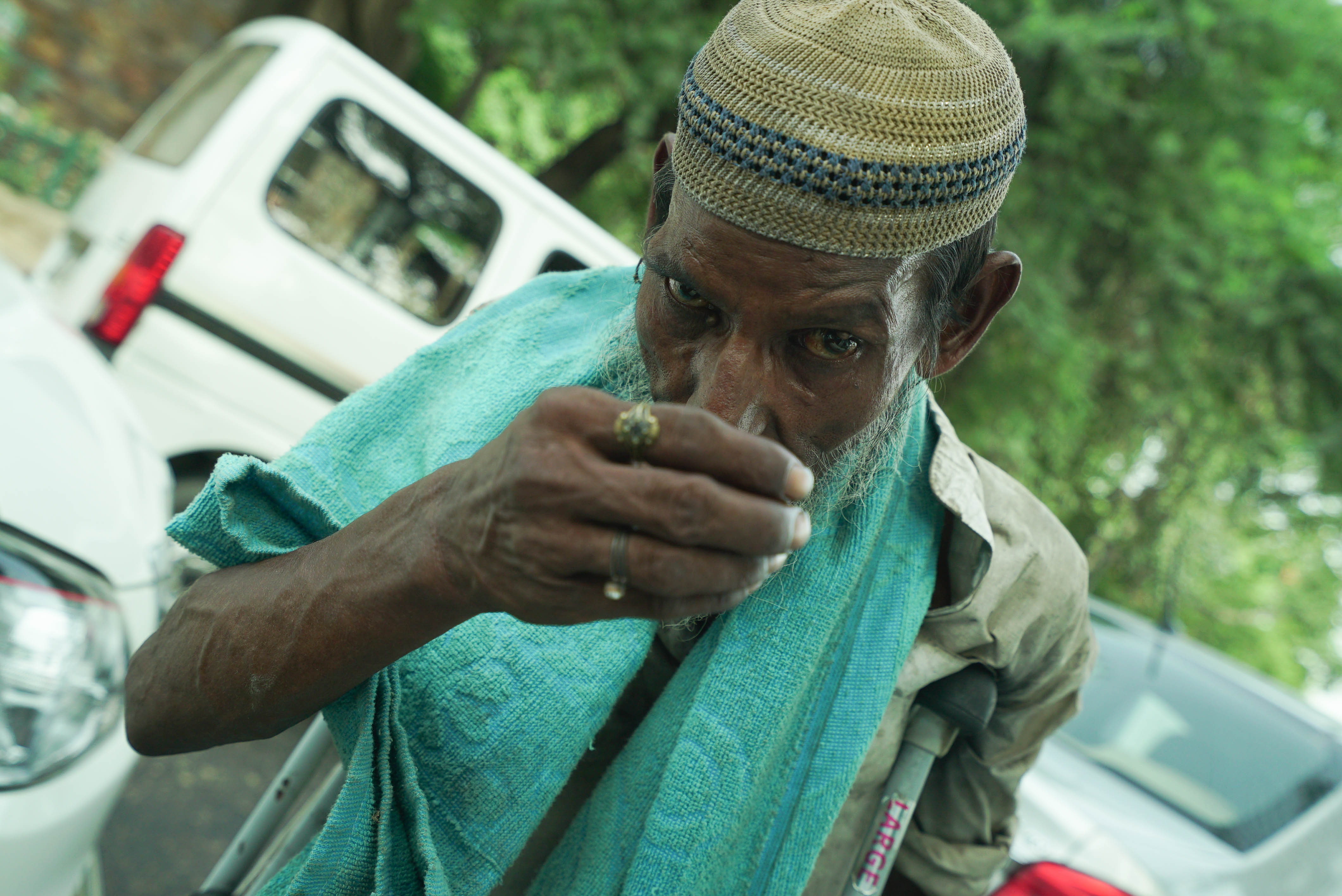
runners missing girls moving bags man resting in mosque Barber shop Delhi Indian wiring pink man man with hand over mouth

Australian pilgrim Bill Bennett describes his walk on the Via di Francesco as “Sublime and Profound”

Sandy Brown has posted a piece I did for his blog. He has a book out soon which is a guide to the Via di Francesco. Here is what I wrote –

Sandy Brown's avatarCaminoist

(Editors note: At our request, Bill Bennett, an Australian filmmaker and pilgrimage lover, has written his reflections on the Via di Francesco. We shared an advance copy of The Way of St Francis: From Florence to Assisi and Rome with Bill so he could check the itinerary and get back to us with comments and suggestions. Bill can be reached through his website at Bill Bennett Films.)

unnamed-1
Arrival in Assisi

Earlier this year my wife and I and a group of five others walked a section of the Via di Francesca, from Santuario della Verna to Assisi.

That we were able to do it so capably, without once getting lost, was testament to Sandy Brown and his wonderful book, which I believe will become as essential to this walk as John Brierley’s guide is to the Camino Frances.

Sandy also very kindly provided us with GPX coordinates which, once coupled…

View original post 552 more words

The Death of a Giant ~

Remember Kodak?

Kodak was synonymous with cameras. With all things photographic.

You bought a Kodak camera. You loaded it with Kodak film. You used Kodak flashbulbs. You got your pictures processed using Kodak laboratories using Kodak chemicals. You got your photos back from the chemist, or through the post, and they were in Kodak folders printed on Kodak paper – or if they were slides you used a Kodak projector to screen them onto your living room wall.

The term “a Kodak moment”  became vernacular for describing a moment so glorious it should be captured on film.

On Kodak film.

So in other words, Kodak WAS photography.

Now Kodak is dead.

Digital photography killed it.

But hold on – Kodak invented the digital camera.

Yes, that’s right.

Kodak invented digital photography.

So why isn’t Kodak the market leader? It’s not the market leader. In fact it’s not even in the photographic business anymore. It went bankrupt.

What happened to Kodak is fascinating – and we can draw personal lessons from analysing the death of a corporate giant.

Here’s what happened ~

In 1975, a 24 year old engineer named Steven Sasson, working for Kodak, invented the first digital camera. Compared to what we use now, it was huge. It took 23 seconds to produce a black and white image that was 100 pixels by 100 pixels.

First digital camera

First digital camera, invented by Steven Sasson

He took it to his bosses, who were singularly unimpressed. He said later –

“They were convinced that no one would ever want to look at their pictures on a television set,” he said. “Print had been with us for over 100 years, no one was complaining about prints, they were very inexpensive, and so why would anyone want to look at their picture on a television set?”

The thing was, Kodak had held a dominant position in the photographic market for more than 100 years. They were making money on every stage of the photographic process. They didn’t want to take on anything which could in any way threaten their stranglehold.

However, they had the good sense to keep Mr. Sasson working on the digital side of things, and It would take him a further 14 years to develop the first consumer Digital Single Lens Reflex camera –

FIRST dslr

First DSLR, made by Kodak

Kodak was ahead of Nikon, and Canon. They were the first to market. So what happened? Why didn’t Kodak capitalise on their invention?

They were complacent.
They were tops.

They were stolid.
They never made decisions fast. Why should they?

They were insulated.
They were based in Rochester, it was a company town, and they didn’t abide with outside criticism. They were Kodak, after all. The market leaders.

Kodak saw change coming – they knew that digital was the future – however they were old world, cumbersome, and they misjudged their place in the world. They became victims of their own corporate hubris.

Interesting, at the same time a Japanese company, Fujifilm, was also facing the same dilemmas. The Harvard Business School, and business colleges around the world, have since made case studies of why Kodak went bust and Fuji thrived.

Fuji now holds a significant market share of the digital camera market. What’s interesting is that many thought being a highly structured hierarchical Japanese company, they would not handle change, and that a US company would – the United States leading the way in technology advancements via Steve Jobs and Bill Gates.

But no, Kodak wasn’t nimble enough – and the Japanese were.

Here is a fascinating case study done by the London Economist several years ago, citing why Fuji prospered and Kodak failed.  The Economist article – Kodak vs Fuji case study ~ 

What personal lessons can we learn from this?

  • We have to be humble.
  • We have to be nimble.
  • We have to be aware of complacency.
  • We have to be aware that the world is always in flux.
  • We have to pay attention.
  • We have to accept that ego and pride are ultimately not strengths, but weaknesses.

You can have a lot of money. You can have a big house. An expensive car. You can have personal and professional status. All of this is transitory. It can be taken away from you.

What do you have left?

Kodak thought they were the big cheese. Now they’re gone. Personally, I have learned a lot from the death of a giant.

Kodak logo

Theme of Indian tour ~

Jennifer and I are getting ready to travel again – we leave for India next Tuesday.

We’ll spend nearly two weeks doing a pre-tour scout, up to Amritsar and Dharmsala sorting out final details, before returning to Delhi to meet our guests when they arrive.

Jennifer yesterday asked what the “narrative” of the tour should be.

It was an interesting question.

The narrative of the Assisi tour was the life of St. Francis.

I thought about this and figured the narrative of the Mother Ganga tour should be –

Many many Gods.

I had put this as a title on one of the photos on our Gone Tours website. And it seems appropriate because we will be experiencing the many faces of Hinduism, Jainism, Buddhism, Sikhism, and Islam over the two weeks of the tour.

By the way, we’ve had some last minute withdrawals from the tour because of personal illness – so there are a couple of vacancies if you want to jump in and join us.

Vishnu

The Camino taught me ~

Gratitude.

I was grateful for so many things.

I was grateful for a bed at night, I was grateful for a good meal, I was grateful when my feet didn’t hurt, when my knee wasn’t sore, when it didn’t rain.

I was grateful for friendship, for acts of kindness, for moments of beauty and moments of joy.

I came back from the Camino and I noticed something strange. I found myself saying “thank you” a lot.

I noticed this in emails.

Instead of signing off: Kind regards, or Best wishes, I was signing off: Many thanks, or simply Thank you.

This was more than just a superficial change of an email protocol, I was doing this unconsciously because I did genuinely feel appreciative.

I felt grateful.

Gratitude is a state of grace that is often deemed unacceptable in our current world. Like humility, it is often seen as a form of weakness, as a point of vulnerability, as being uncompetitive. It’s often seen as a state of supplication, and hence as a personal failing.

Gratitude and humility are anything but forms of weakness or supplication.

In their highest and most noble forms they speak of wisdom, of grace, of knowing.

During my recent trip to America, I had a conversation with my workmate Pieter de Vries. He told me he often got very annoyed when he sent photos to people via email and they didn’t respond with a simple thank you. He said it often took him quite a long time to prepare the shots, and yet he got back no acknowledgment of the effort and care he’d taken to send them to someone.

I too see this all the time.

I recently prepared a To Do list for a friend who is about to go overseas. It took me quite a while to prepare this list. Nothing back. No thank you. That’s okay. To do an act of kindness is reward enough. There actually doesn’t need to be a response to validate that kindness. In seeking one, you undercut your generosity of spirit.

But sometimes it’s nice when someone says thank you.

The Camino taught me gratitude.

It taught me not to expect things.

It stripped away any sense of entitlement.

For that, I’m grateful.

wpid-Photo-10052013-848-PM.jpg

Teaching of Ignorance

I don’t often post articles from newspapers, but this piece below, which I read in the NY Times just now, really hit home with me. 

I have been saying on this blog for yonks that science knows only a minuscule of what’s really going on. 

Take a read – it’s interesting…

The Case for Teaching Ignorance

Photo
 

Credit Post Typography 

IN the mid-1980s, a University of Arizona surgery professor, Marlys H. Witte, proposed teaching a class entitled “Introduction to Medical and Other Ignorance.” Her idea was not well received; at one foundation, an official told her he would rather resign than support a class on ignorance.

Dr. Witte was urged to alter the name of the course, but she wouldn’t budge. Far too often, she believed, teachers fail to emphasize how much about a given topic is unknown. “Textbooks spend 8 to 10 pages on pancreatic cancer,” she said some years later, “without ever telling the student that we just don’t know very much about it.” She wanted her students to recognize the limits of knowledge and to appreciate that questions often deserve as much attention as answers. Eventually, the American Medical Association funded the class, which students would fondly remember as “Ignorance 101.”

Classes like hers remain rare, but in recent years scholars have made a convincing case that focusing on uncertainty can foster latent curiosity, while emphasizing clarity can convey a warped understanding of knowledge.

In 2006, a Columbia University neuroscientist, Stuart J. Firestein, began teaching a course on scientific ignorance after realizing, to his horror, that many of his students might have believed that we understand nearly everything about the brain. (He suspected that a 1,414-page textbook may have been culpable.)

As he argued in his 2012 book “Ignorance: How It Drives Science,” many scientific facts simply aren’t solid and immutable, but are instead destined to be vigorously challenged and revised by successive generations. Discovery is not the neat and linear process many students imagine, but usually involves, in Dr. Firestein’s phrasing, “feeling around in dark rooms, bumping into unidentifiable things, looking for barely perceptible phantoms.” By inviting scientists of various specialties to teach his students about what truly excited them — not cold hard facts but intriguing ambiguities — Dr. Firestein sought to rebalance the scales.

Presenting ignorance as less extensive than it is, knowledge as more solid and more stable, and discovery as neater also leads students to misunderstand the interplay between answers and questions.

People tend to think of not knowing as something to be wiped out or overcome, as if ignorance were simply the absence of knowledge. But answers don’t merely resolve questions; they provoke new ones.

Michael Smithson, a social scientist at Australian National University who co-taught an online course on ignorance this summer, uses this analogy: The larger the island of knowledge grows, the longer the shoreline — where knowledge meets ignorance — extends. The more we know, the more we can ask. Questions don’t give way to answers so much as the two proliferate together. Answers breed questions. Curiosity isn’t merely a static disposition but rather a passion of the mind that is ceaselessly earned and nurtured.

Mapping the coast of the island of knowledge, to continue the metaphor, requires a grasp of the psychology of ambiguity. The ever-expanding shoreline, where questions are born of answers, is terrain characterized by vague and conflicting information. The resulting state of uncertainty, psychologists have shown, intensifies our emotions: not only exhilaration and surprise, but also confusion and frustration.

The borderland between known and unknown is also where we strive against our preconceptions to acknowledge and investigate anomalous data, a struggle Thomas S. Kuhn described in his 1962 classic, “The Structure of Scientific Revolutions.” The center of the island, by contrast, is safe and comforting, which may explain why businesses struggle to stay innovative. When things go well, companies “drop out of learning mode,” Gary P. Pisano, a professor at Harvard Business School, told me. They flee uncertainty and head for the island’s interior.

The study of ignorance — or agnotology, a term popularized by Robert N. Proctor, a historian of science at Stanford — is in its infancy. This emerging field of inquiry is fragmented because of its relative novelty and cross-disciplinary nature (as illustrated by a new book, “Routledge International Handbook of Ignorance Studies”). But giving due emphasis to unknowns, highlighting case studies that illustrate the fertile interplay between questions and answers, and exploring the psychology of ambiguity are essential. Educators should also devote time to the relationship between ignorance and creativity and the strategic manufacturing of uncertainty.

The time has come to “view ignorance as ‘regular’ rather than deviant,” the sociologists Matthias Gross and Linsey McGoey have boldly argued. Our students will be more curious — and more intelligently so — if, in addition to facts, they were equipped with theories of ignorance as well as theories of knowledge.