Unknown's avatar

About Bill Bennett

I am an Australian based producer and director of feature films and documentaries, and author of several novels and non-fiction books.

Day 3 – Bombay; a flooded mosque

Sunday morning here in Bombay, and so Jennifer and I went for a walk.

Our plan was to walk about 4kms to a mosque called Haji Ali, which is on a rock about half a kilometre from shore. You get to it by walking out along a raised concrete pathway, which is usually full of vendors selling souvenirs, or beggars showing off their deformities.

When we set off it was hot and sweltering – luckily though we’d taken rain jackets because soon it began raining globs of water the size of golfballs. In between rain spells I stopped and took photos – details which took my eye.
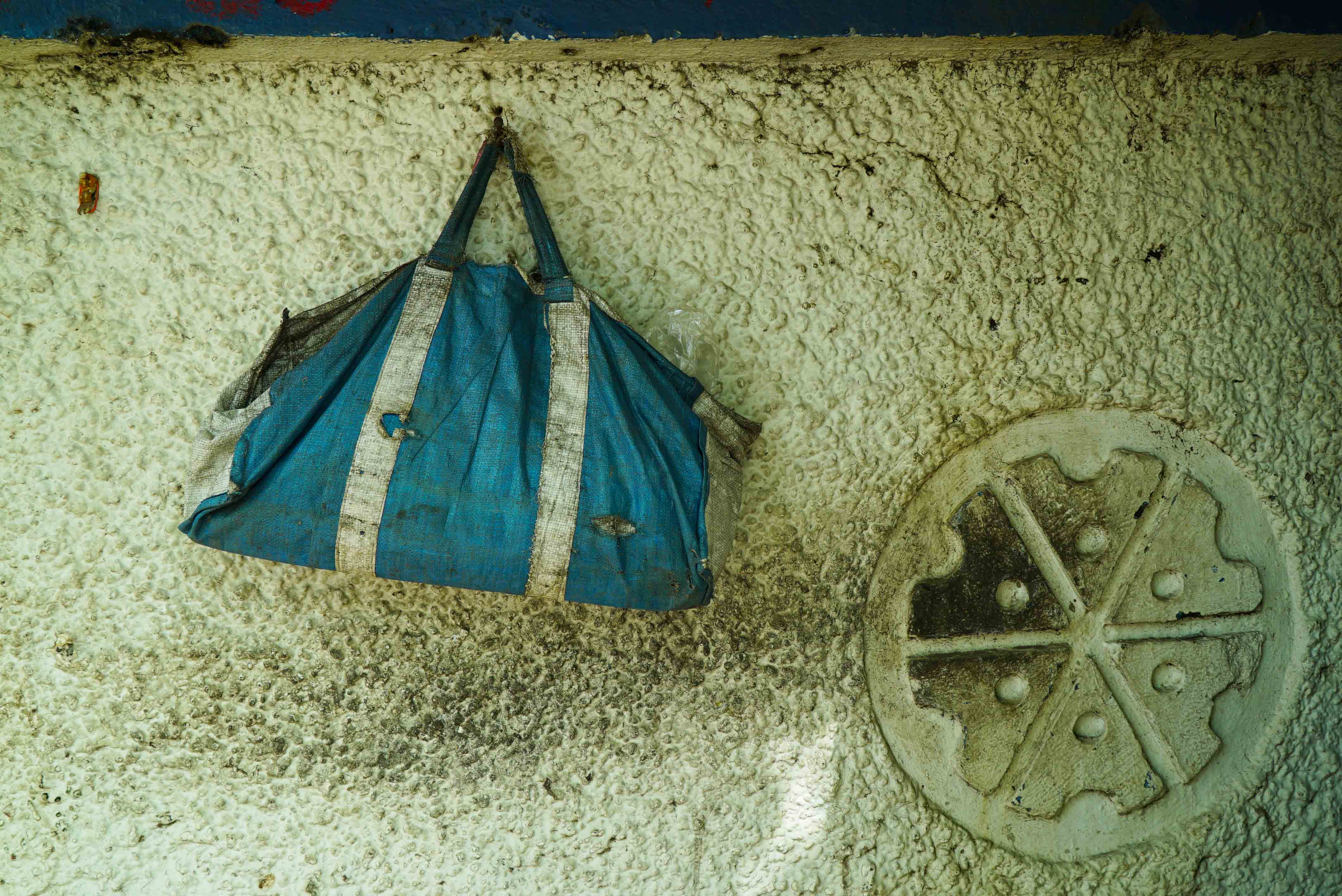
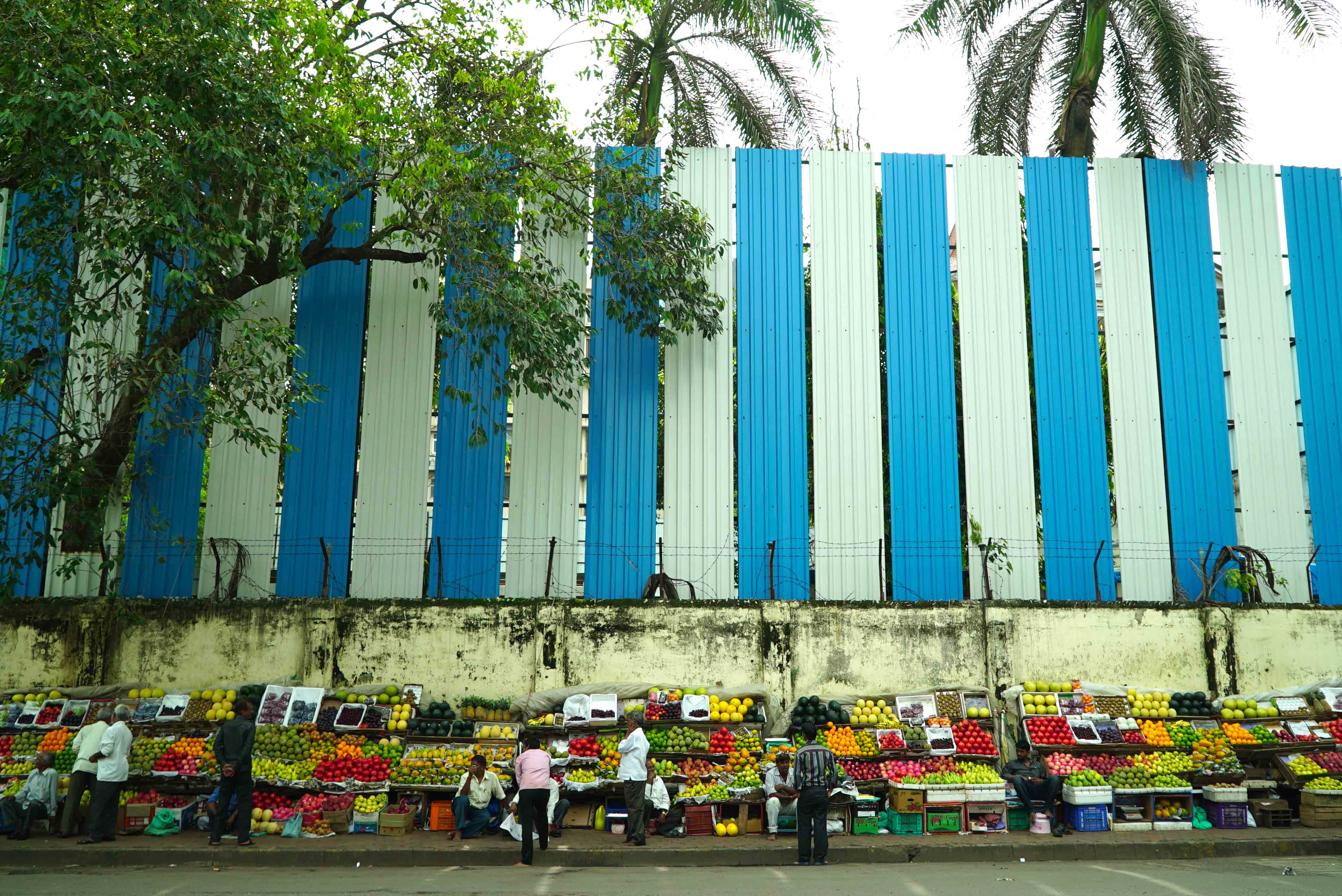
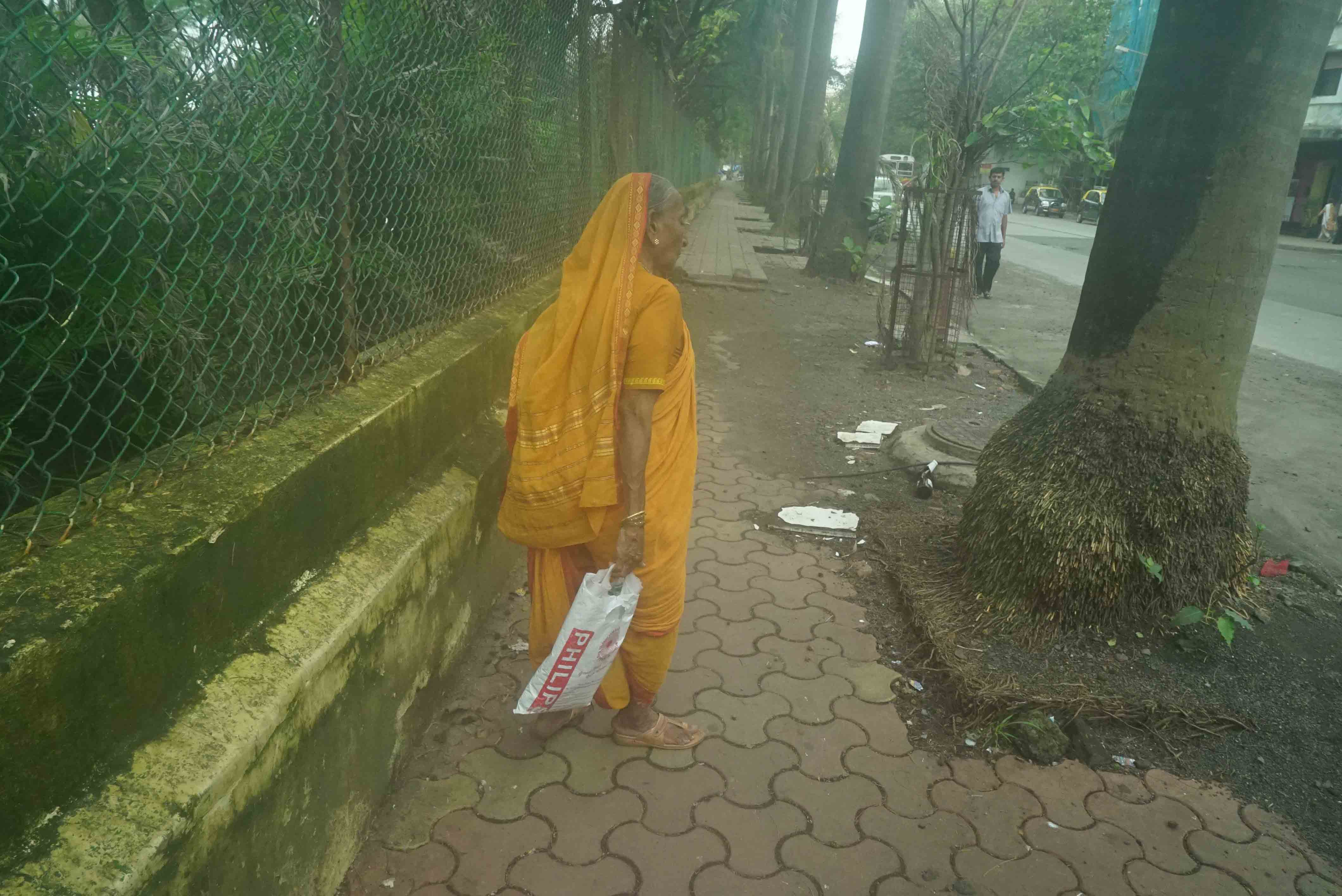
hanging bag fruit vendors stone chairs Woman on misted road

We walked beside a long high wall, which had a canopy over it, and really interesting lights, which looked quite strange against the stripes of the canopy. I took a photo, and immediately a security guard jumped out of nowhere and told me I wasn’t allowed to take photos.

I explained that I was just taking a shot of the lamp – and he told me in no uncertain terms that I had to move on, and photos were not allowed.

he didn’t look the type to argue with – and anyhow I got my shot. But as I walked further on I passed a sign which read: US EMBASSY

Huh… you think they could spring for better goddamn lighting.
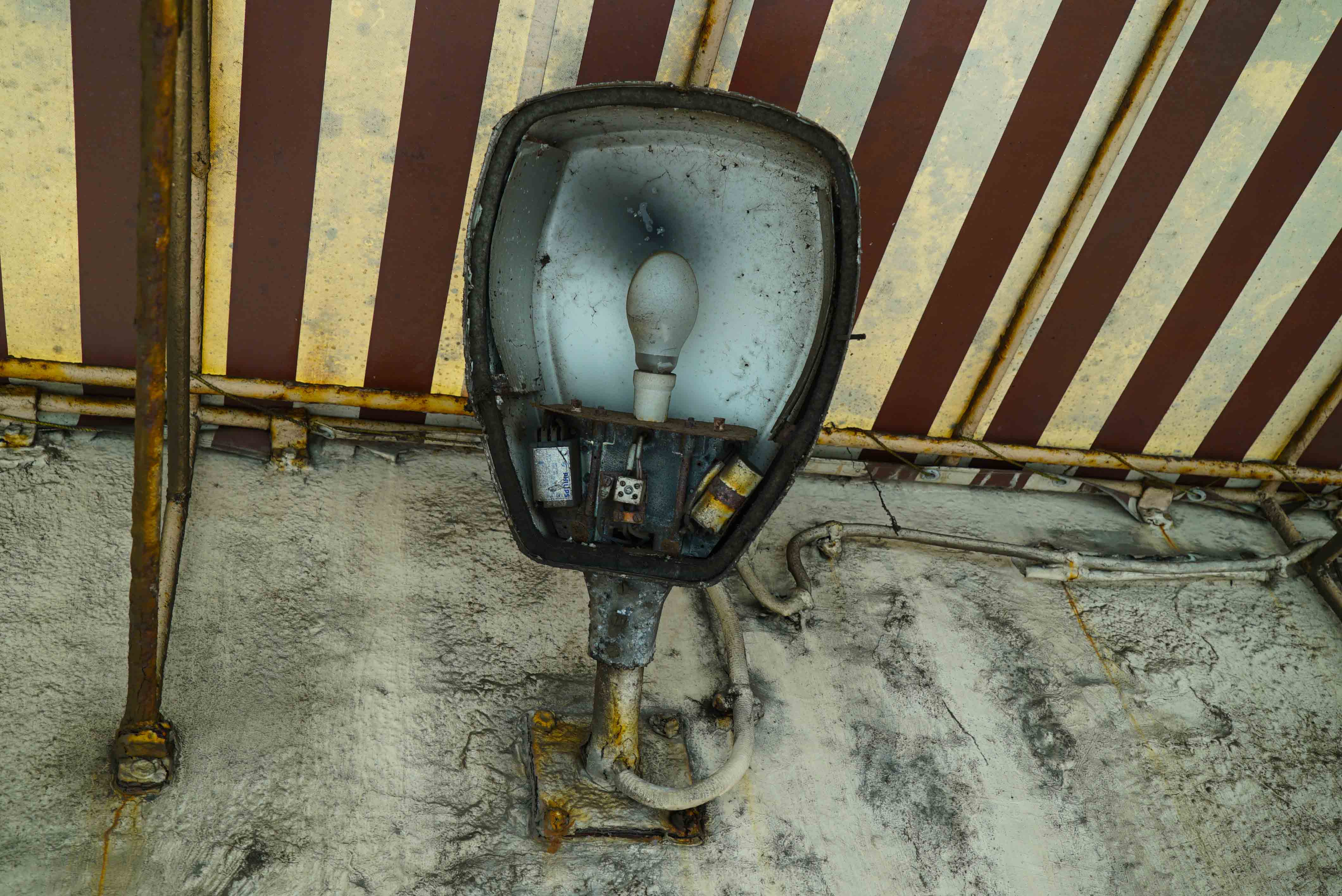
embassy light

When the rain started again we ducked into a small sheltered area off the road, and suddenly found ourselves in a wonderland. It was like we’d walked into a hidden theme park.
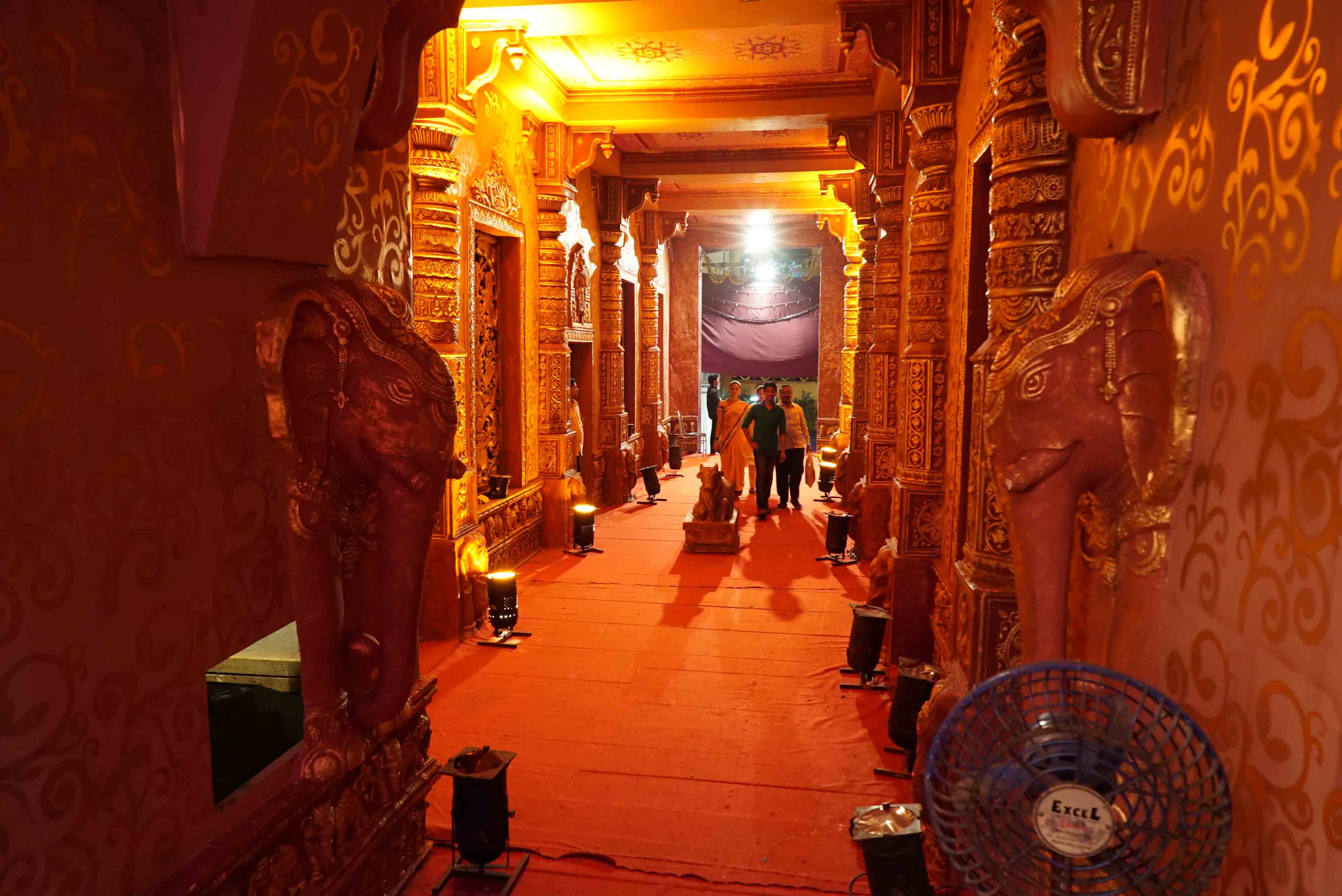
Ganesha tunnel

The scrappy street outside had transmogrified into a cavern with walls of what looked to be carved stone elephants, with lantern lights which shifted colours constantly. We walked down a long tunnel towards a distant ethereal glow.

As we rounded a corner we were suddenly confronted with the largest elephant we’d ever seen – in fact it was an elephant god on a raised pedestal, bathed in a surreal light. The elephant was adorned with garlands, and several one thousand rupee notes were jammed into folds in its limbs and clothing.
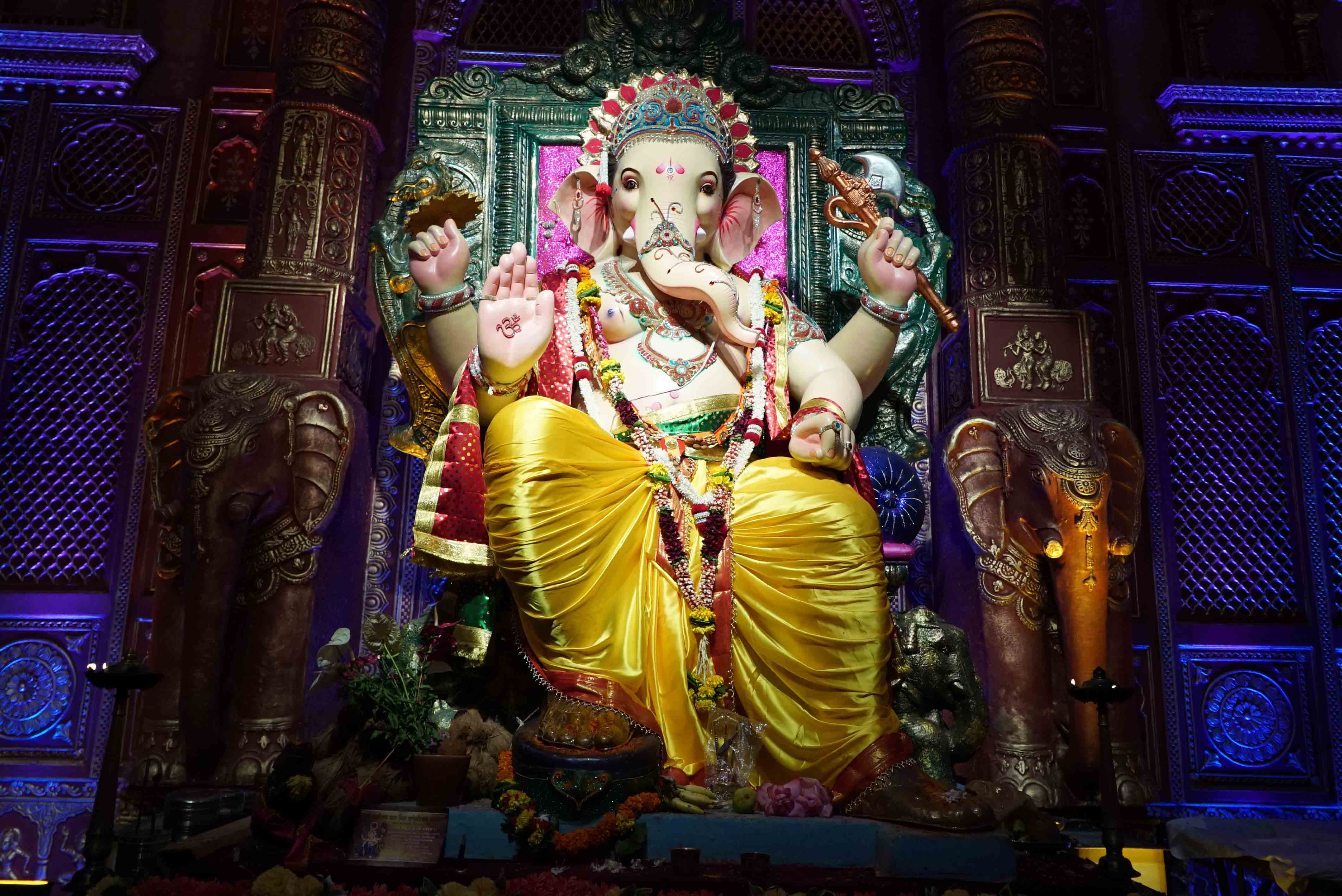
Ganesha staatue1

What we had actually stumbled upon was a huge statue of the Hindu god Ganesha, which was being prepared for a massive celebration tomorrow. It’s called Ganpati, or Ganesh Chaturthi. Some simply call it the Immersion Day.

I’ve witnessed it before – several years ago – and it’s extraordinary.

It occurs all over India, but most commonly in the state of Maharashtra, of which Mumbai is the capital. It involves the construction of plaster-of-Paris statues of the elephant god, which are housed in elaborately decorated pavilions. These pavilions can be down side alleys, out the front of shops, on in amongst tower blocks.

For ten days prior to the immersion day, people come to the Ganesha and perform ritualistic ceremonies, leave offerings, and pray. Then on the day of the immersion, they will take the statue down to the water and immerse it – allowing the god to sink into the sea, or lake, or river.

The statues are sometimes carried on the shoulders of men, accompanied by bands of youths banging drums and blowing horns. Sometimes the bigger Ganeshas are taken on the backs of trucks, again surrounded by a huge cacophony of banging drums and cymbals and horns.

Ganesha2Sitting watching Ganesha In Bombay the action all comes to a spectacular climax at a beach called Chowpaty. Tomorrow there will be literally millions of people crowded there, to both watch the spectacle and to take part. Some of the statues will measure twenty metres high. They’ll be taken down to the shore and then pushed out into sea, where they will slowly sink.

Jennifer and I will be there, and I’ll post pictures afterwards.

We spent about half an hour in the pavilion, watching worshippers and in complete awe of the statue itself, so beautifully made. We then ventured outside, where it was still raining on and off – but decided to keep walking anyway.

We finally came to a large and very famous juice stall called the Haji Ali Juice Centre. There I ordered a freshly squeezed pineapple and pomegranate juice. It cost 150Rp, which is about US$2.50.
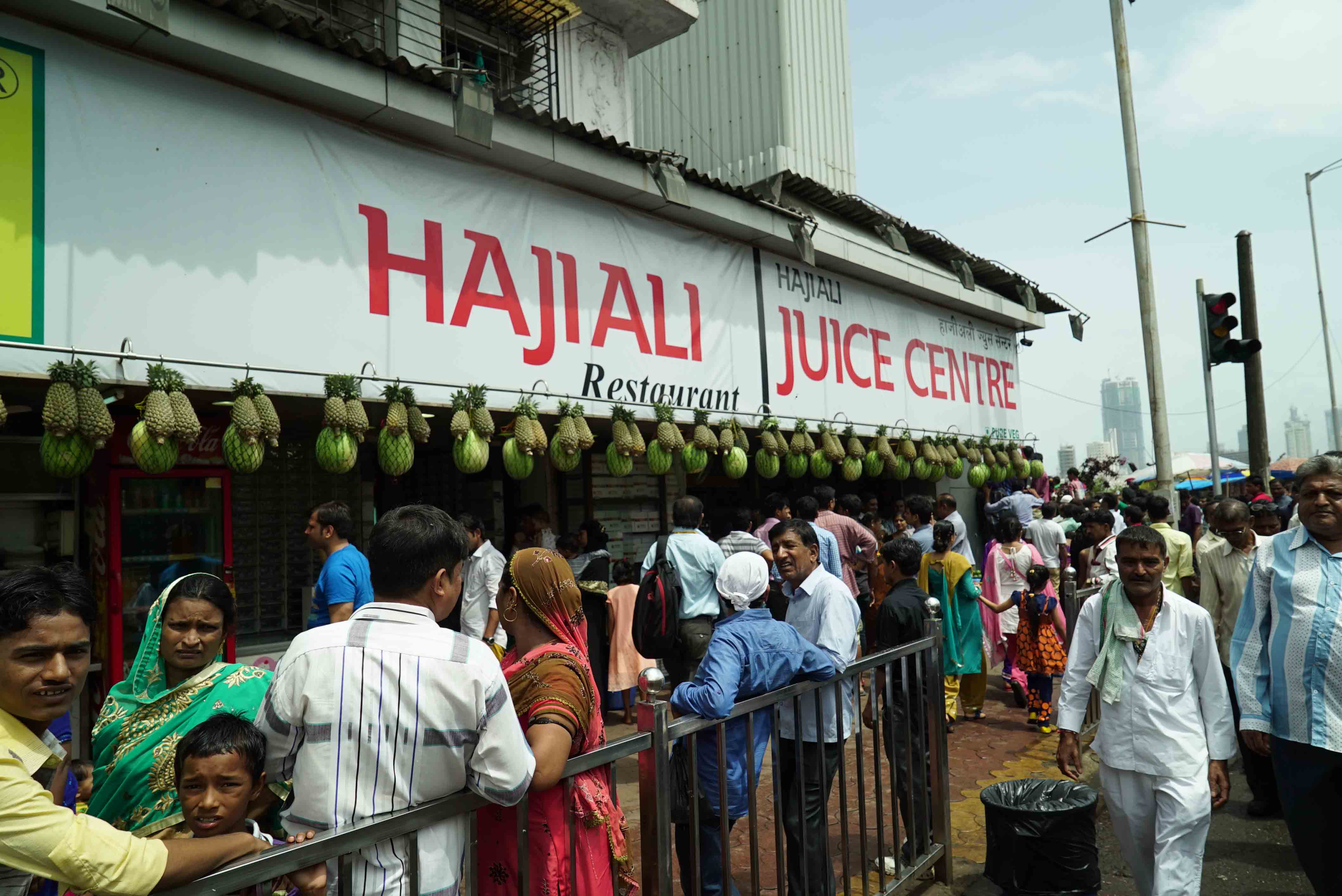
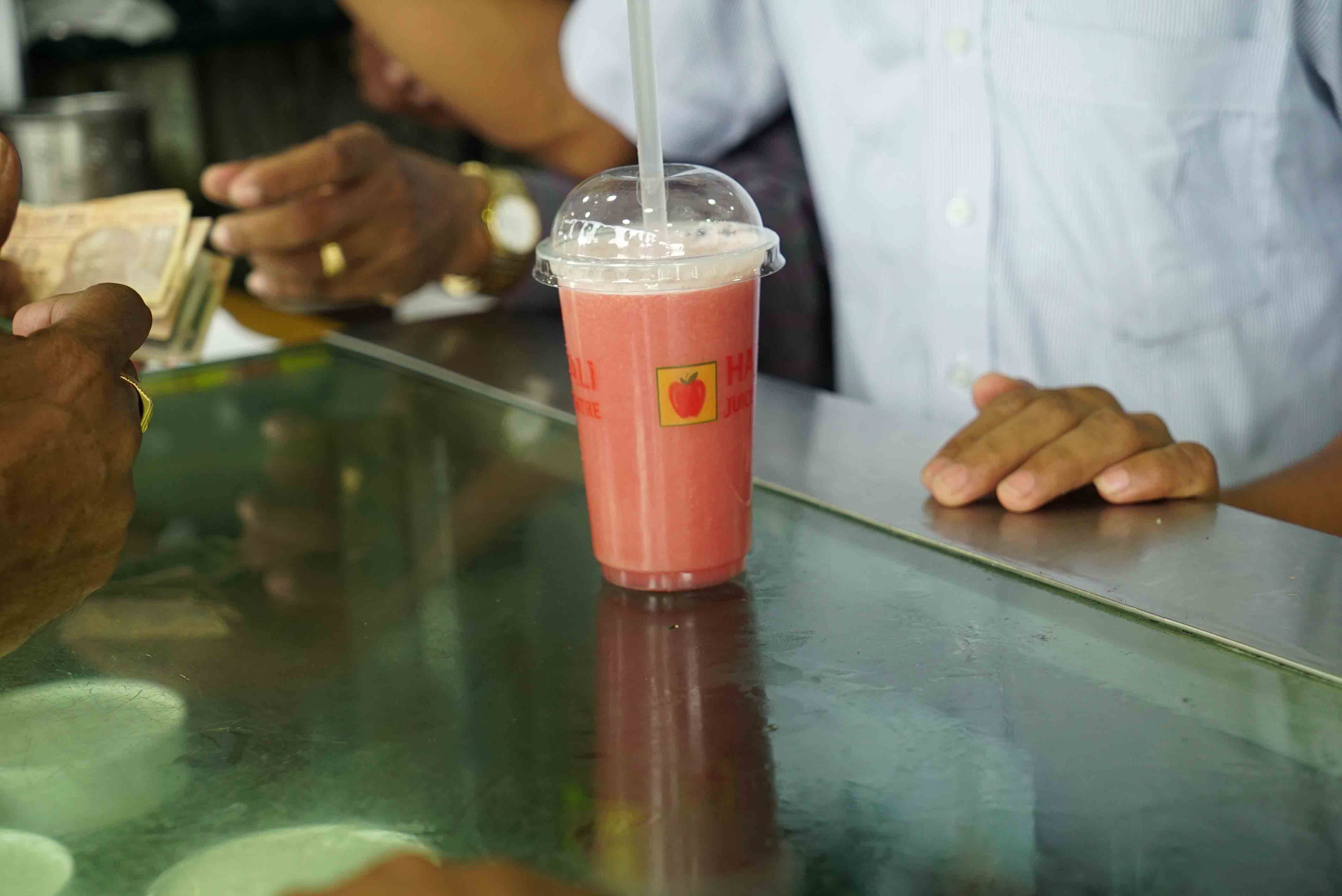
Hajiali Juice Centre.ws.

juice

By the way, I never worry about getting stomach bugs in India. perhaps because I’ve been here so often now, my system is immune – but within reason I have no problem eating street food, or drinking juice from stands like this one. Mind you, if a place is dirty I avoid it – just like I would in Australia or the US.

We then made our way to the entrance to the mosque, but it was closed. The water was too high, because of storms, and seawater was crashing over the pathway. Not only that but water was flooding the lower levels of the mosque.

Haji Ali 1

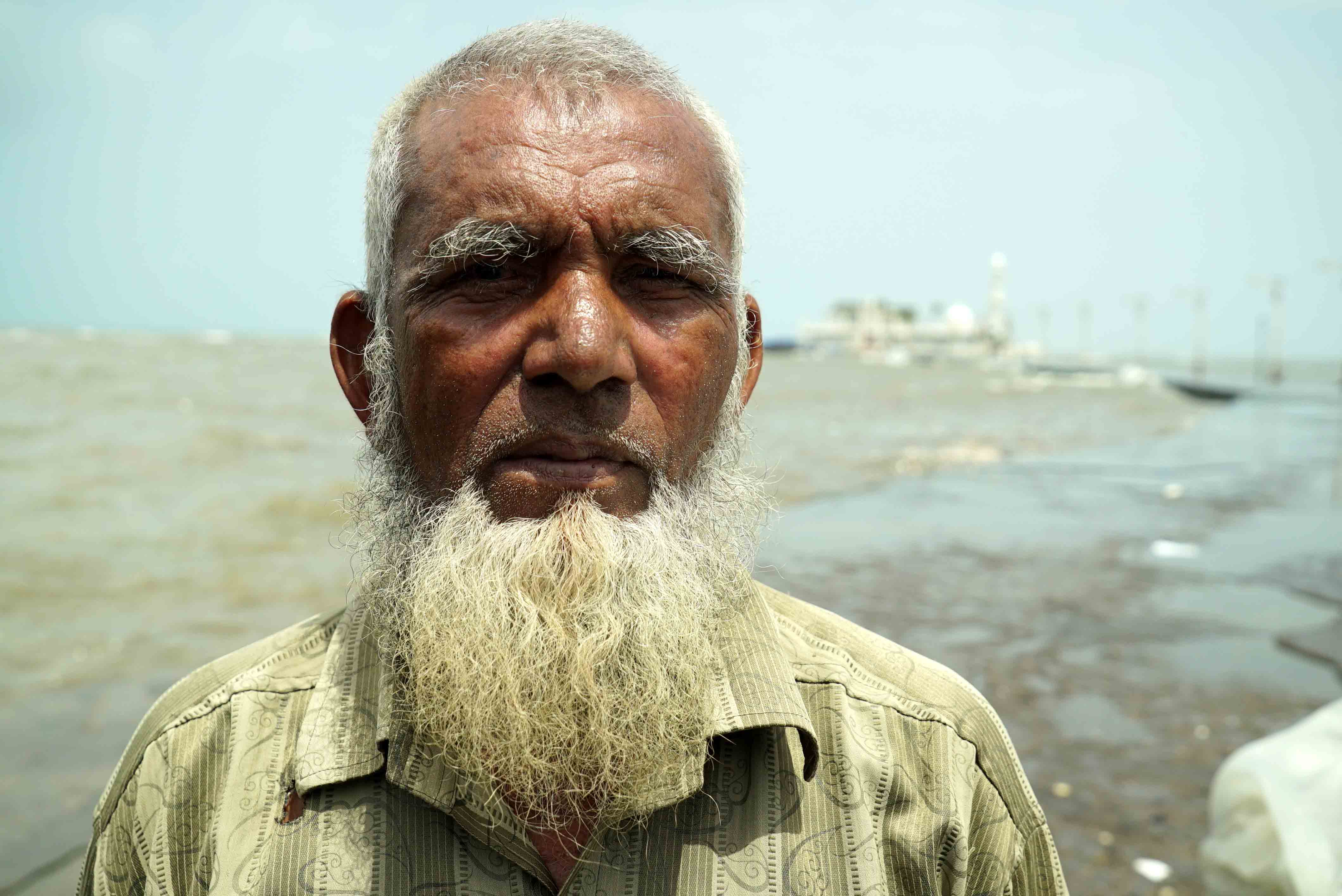
I persuaded a guard to take me part the way out, and here are some photos. The storm waters had abated somewhat by the time I took these shots.

man by mosque man with beard

We then headed back to the hotel, because I had an interview lined up with my billionaire friend, Bimal. He spoke passionately and fluently about how he uses intuition in his business decision making, and talked at length about astral bodies and astrological cosmic rays. It was a fascinating interview.

Then back again to the hotel, to download the footage, log it all, and prepare for tomorrow, which is going to be a massive day. We have an interview with the Director of the Yoga Institute in the morning, and in the evening the climax of Ganpati, and the immersion ceremony.

Today was fascinating – tomorrow promises to be amazing.

Boy on chairs

Day 2 – Bombay

Day 2 was another busy day, which started off for me at 6:30am.

I don’t believe in jetlag – except when it I cold cocks me on the back of the head when I least expect it.

Fortunately this morning it let me be.

While the light was still low and interesting, I got a cab to take me down to the Banganga Tank, which is a very old stone structure in south Bombay where people wash and swim and perform all kinds of religious rites.

Tank2

The tank was built in the 12th century – but according to legend it came into being 5000 years ago when the Hindu god Ram (from the epic Ramayana) asked his brother for some water. His brother, Laxman, shot an arrow into the ground, and up came a stream of water from the sacred Ganges – hence the name of the tank: Ganga (Ganges) + Baan (arrow).

Tank man

I did some filming there, the first filming of the show in fact – which I should have celebrated in some time honoured way – except that I forgot.

I was probably still asleep.

Jennifer had done the sensible thing and stayed in bed after the long and eventful day yesterday. After breakfast we then headed down to Churchgate – had an early lunch at the Bombay Tea Centre where a pot of First Flush Darjeeling costs $3.

Jennifer had chai in the traditional earthenware cup.

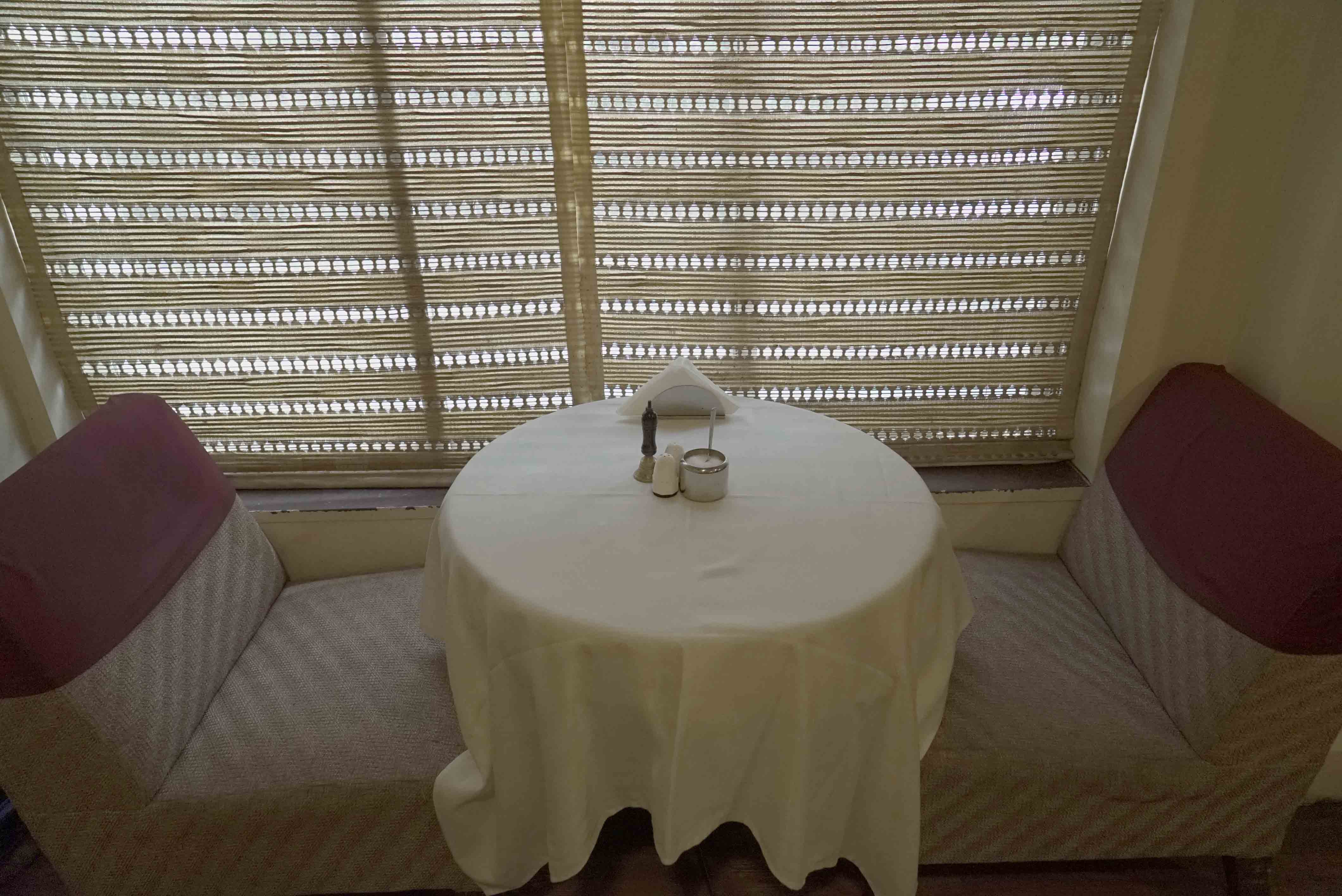
chai Jennifer The Tea Centre

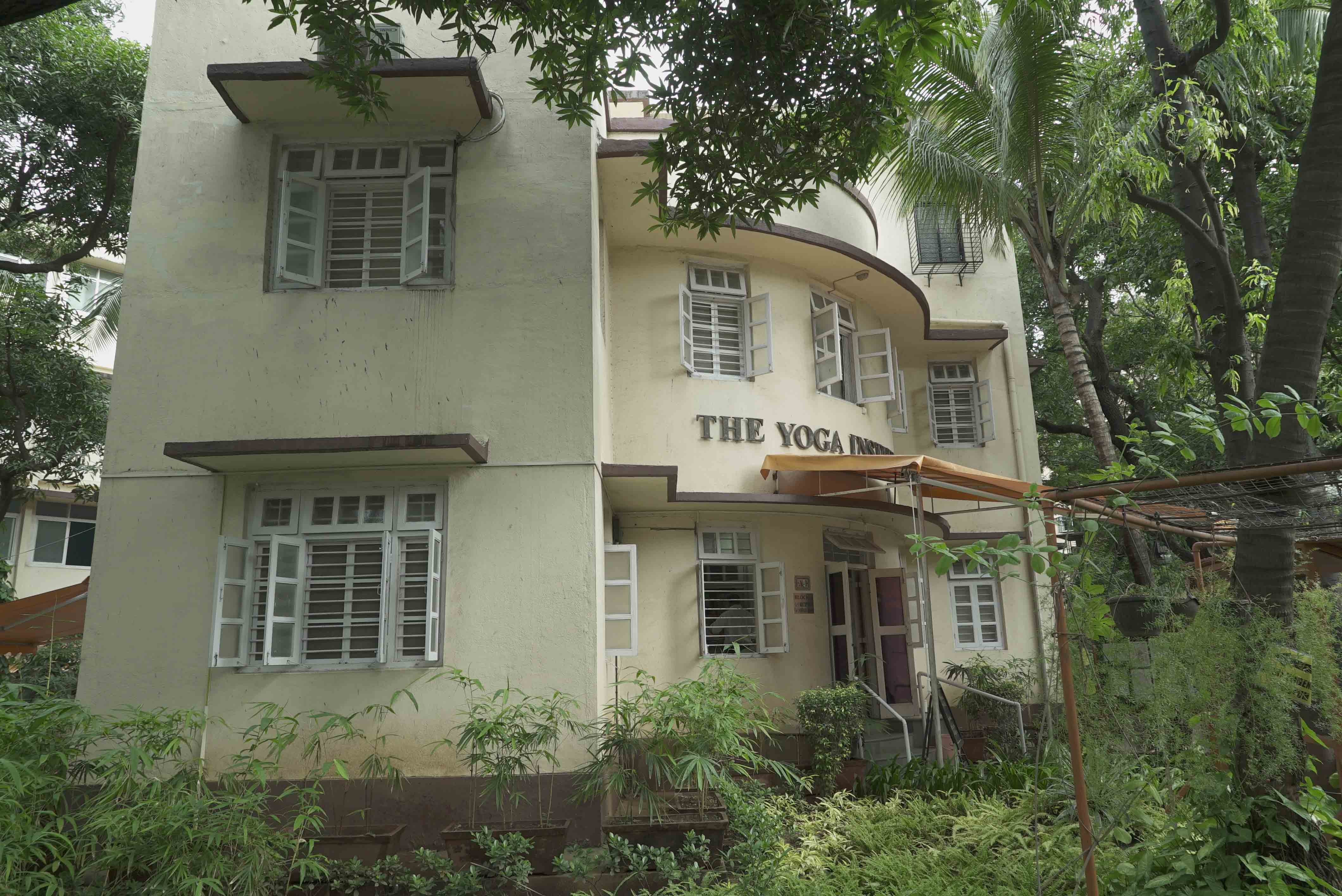
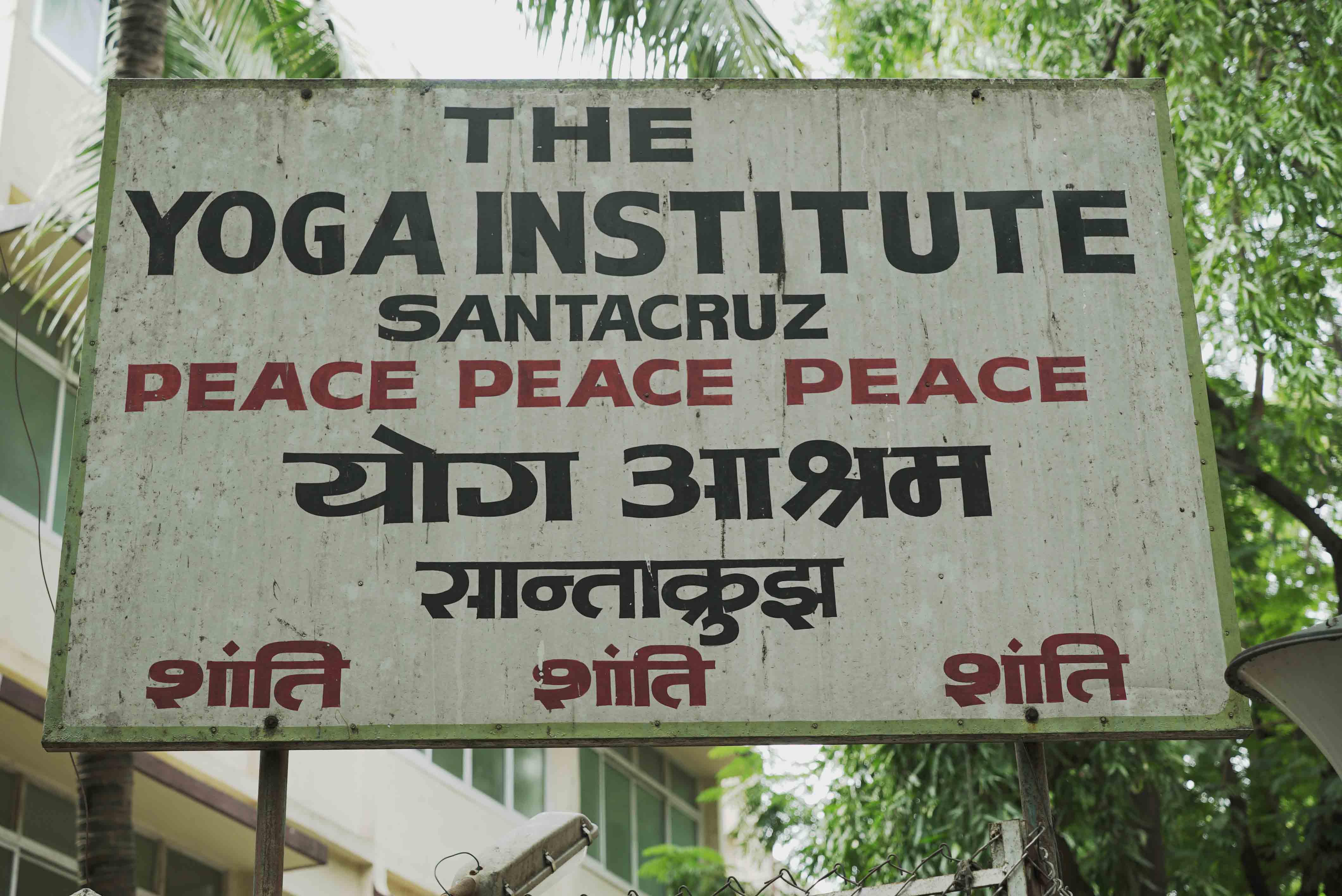
We then headed uptown to Santa Cruz, to meet the head of the Bombay Yoga Institute – said to be the oldest yoga institution in the world.

Yoga Institute Yoda Institute

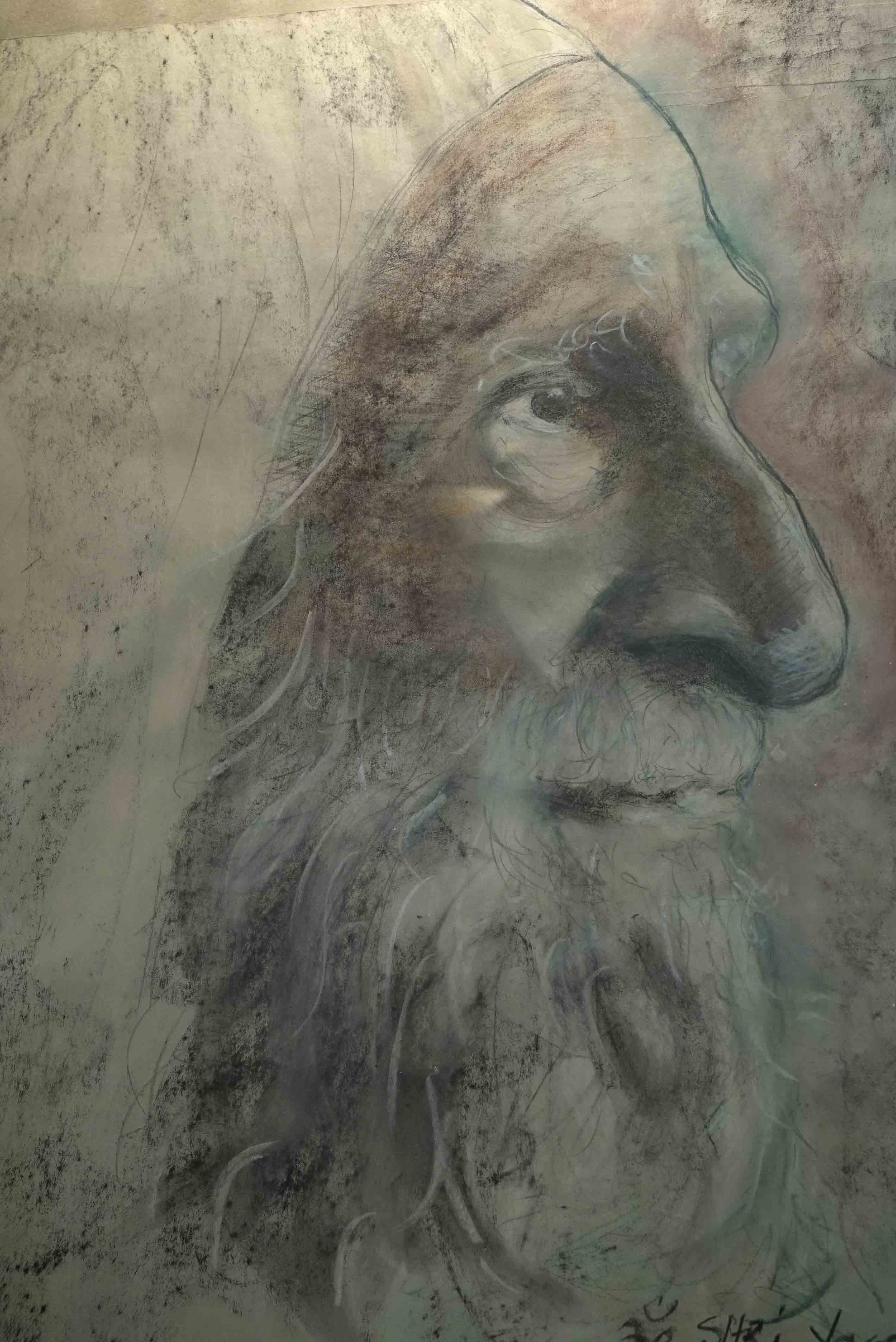
It was founded in 1918 by Shri Yogendraji –

Founder

and is now run by his son, Dr. Jayadeva Yogendra. I had a meeting with the doctor at 2pm, but when I arrived I was told that he was asleep, and could see me at 4pm. It had taken over an hour to drive there, and waiting till 4pm was not possible, so I insisted firmly that the appointment had been scheduled for 2pm.

Finally the doctor’s son Hrishi ushered me into an inner room, where I met the Dr.’s wife, and Director of the Institute, Mrs. Hansaji Jayadeva. The doctor was still asleep in the room where we met – yet he was also awake because he communicated with us when he needed to. His son told me that he was not connected to the material world anymore.

Mrs + Dr.

Mrs. Hansaji was an articulate and highly intelligent woman who spoke to me at length about the yogic concepts of intuition. And she agreed to be interviewed for the film on Monday.

Jennifer and I were then shown around the institute, which is housed on several acres amongst beautiful gardens. On any given days there are multiple classes teaching people from all around the world how yoga can heal and cure, and can also be the basis of a fully realised balanced life.

The doctor’s son Hrishi took me around the institute, including a small museum which details the history of the institute, and of yoga itself. Hrishi pointed out to me that the yoga poses, called asanas, which most people in the west know to be yoga are only one of eight strands of yogic practise. The asanas in fact only originated so that practitioners of yoga meditation could sit in a relaxed pose for the hours necessary to meditate deeply.

Rishi in Museum

The institute was a fascinating place, which doesn’t seek to make money from its work. There is a small payment for classes, but if someone can’t afford to pay, then they are admitted free. Their reason for being is to spread the word of yoga to the world.

We came back and rested – and now we’re about to go out to dinner with our billionaire friend again. He’s invited us to his house where his chef has been spending all day preparing a Rajasthan banquet for us.

It should be a fascinating evening.

By the way – people who’ve never been to India worry about personal security, theft etc. This morning I put some clothes in to be laundered. About half an hour later there was a knock on the door, and someone from the housekeeping staff handed me $250 in Australian notes, which I’d evidently left in my trouser pockets. It would have been so easy for them to steal that money – but they returned it. This kind of honesty has been demonstrated to me time and time again in India.

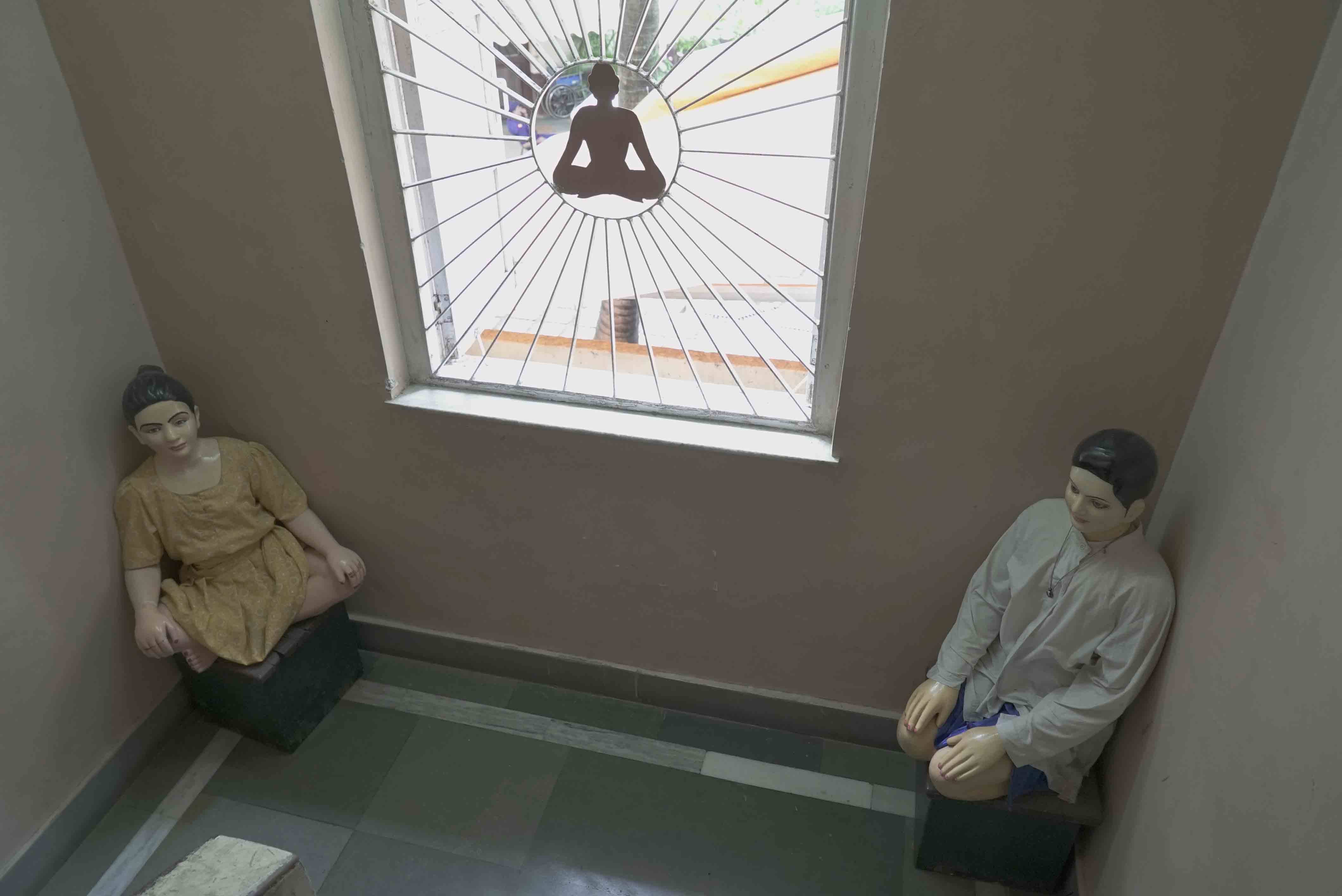
statue yogis by stairs


Day 1 – Bombay

It’s been a long day.

It’s coming on midnight here in muggy post monsoon Mumbai, still known as Bombay by the locals.

My day started at Paddington in Sydney – such a long time now it seems – killing time until a 9:40pm flight, then a five hour layover in Kuala Lumpur, then a steamy arrival into Bombay about midday some twelve hours ago.

Bombay man by taxi

During that 12 hours I took a 1hr cab ride down to my hotel, situated in the fancy Malabar Hill region of sprawling Bombay. It’s an area I’m familiar with, and on this trip it’s handy, because the filming I need to do is close by. The film industry – both Bollywood and Hollywood – usually stays about 2hrs up the road at a hotel called the JW Marriott – the “JW” for short.

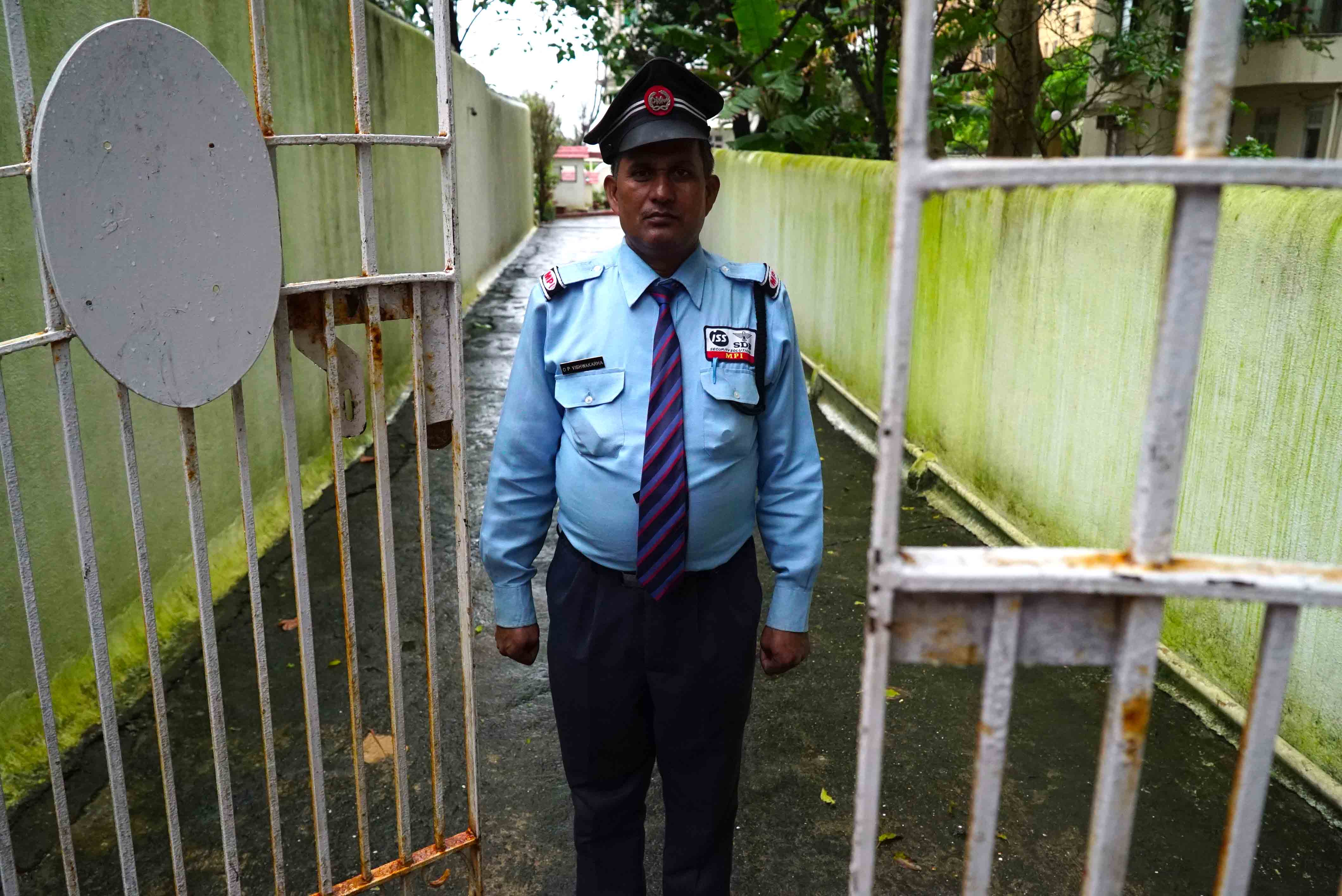
The JW achieved recent infamy for being one the hotels the terrorists strafed. Ever since security has been up the wazoo. But security in Bombay lately has been very stringent. There’s now the constant threat of another terrorist attack hanging like a bad smell over this place.

security guard

So Jennifer and I checked into our hotel, I made some phone calls to line up interviews and sequences for the filming in the next few days – then we went for a walk to clear the jet-lagged cobwebs.

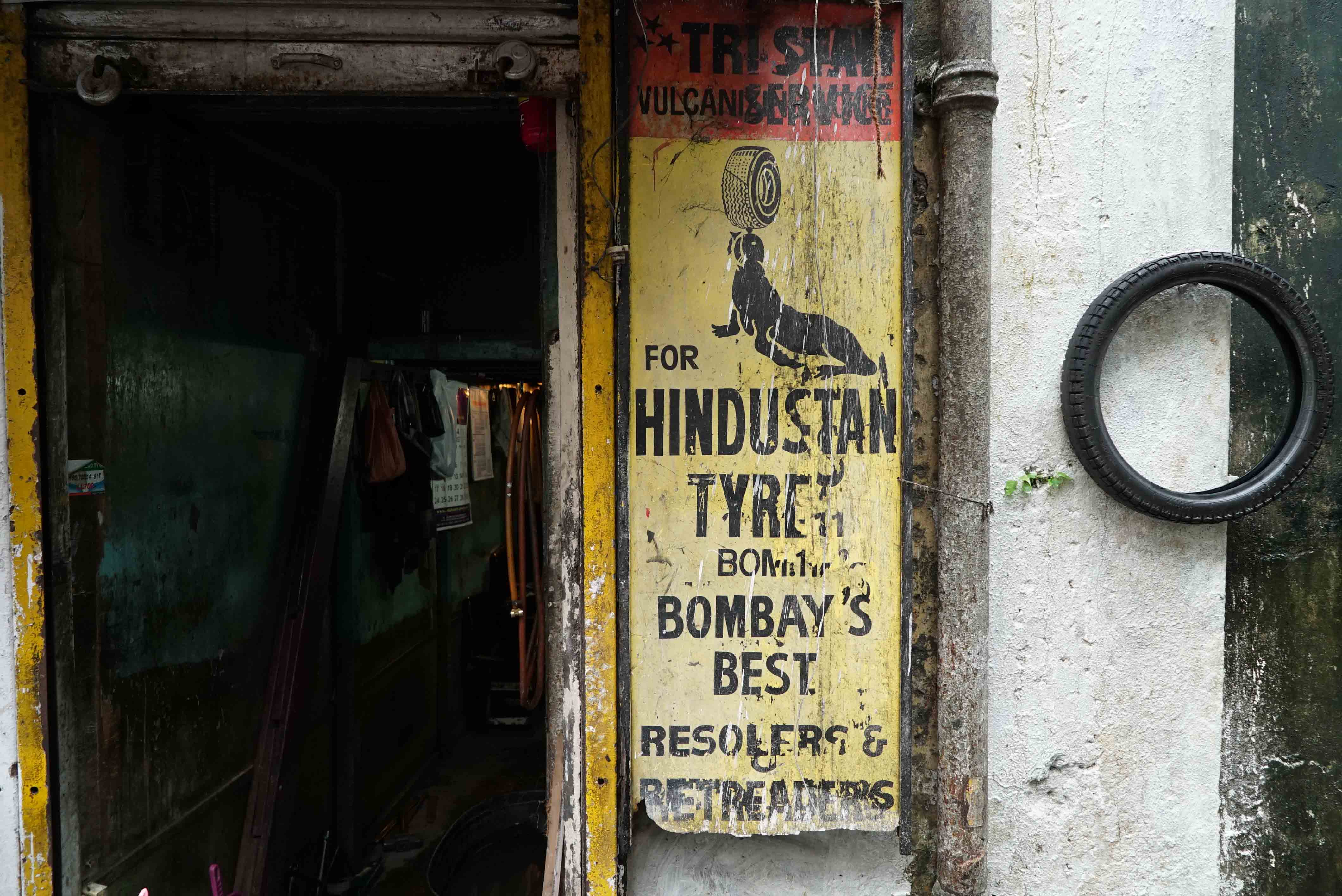
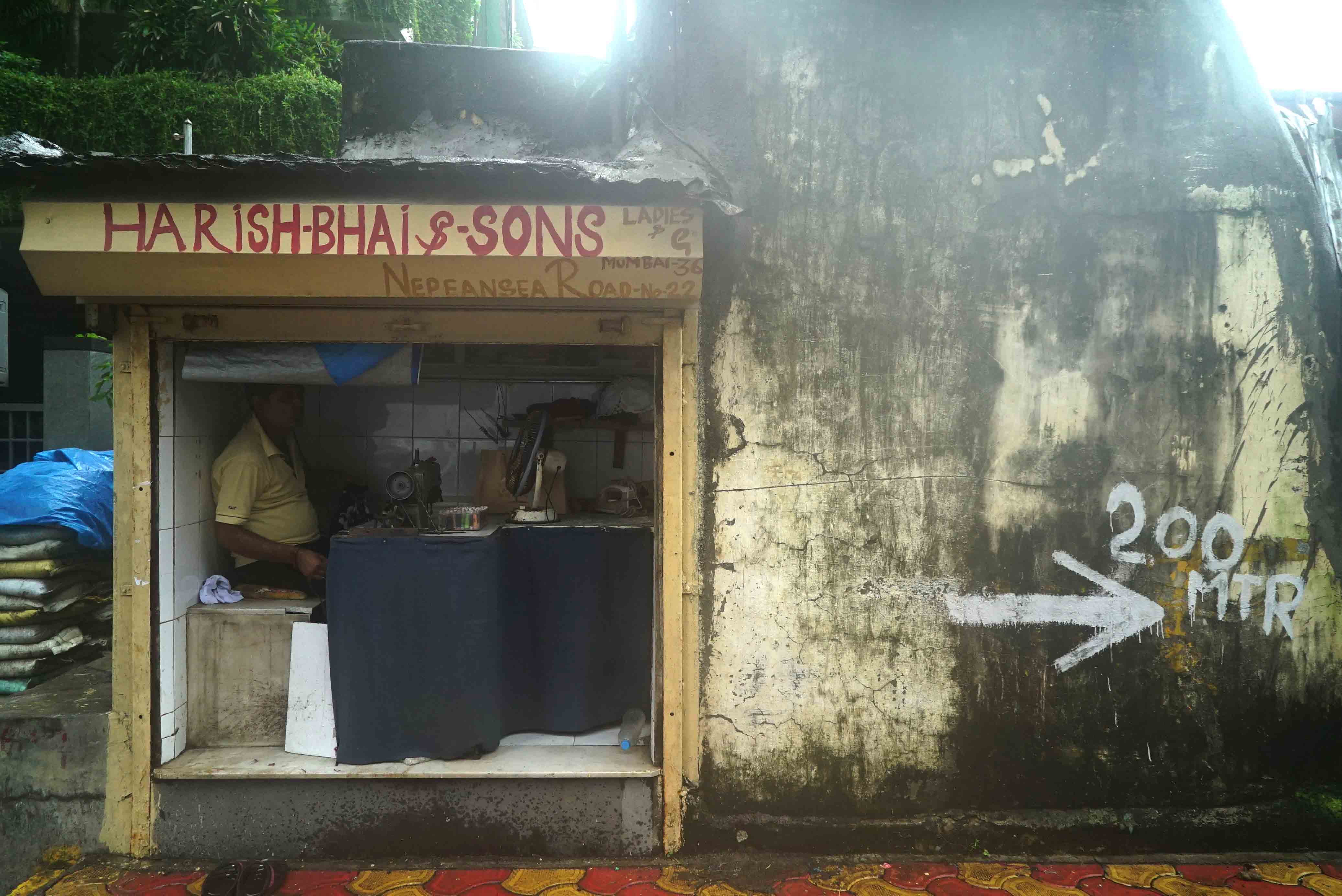
hindustan tyres Tailor

The walk was glorious – it turned into 10kms around the back alleys and busy thoroughfares of southern Bombay. It rained on and off but not heavy – just enough to have the trees dripping with moisture.

By the end of the walk we were starting to faulter – the long flight was starting to kick in – but then we’d barely returned to the room and I got a message from an Indian billionaire friend that he wanted to go see a movie with me.

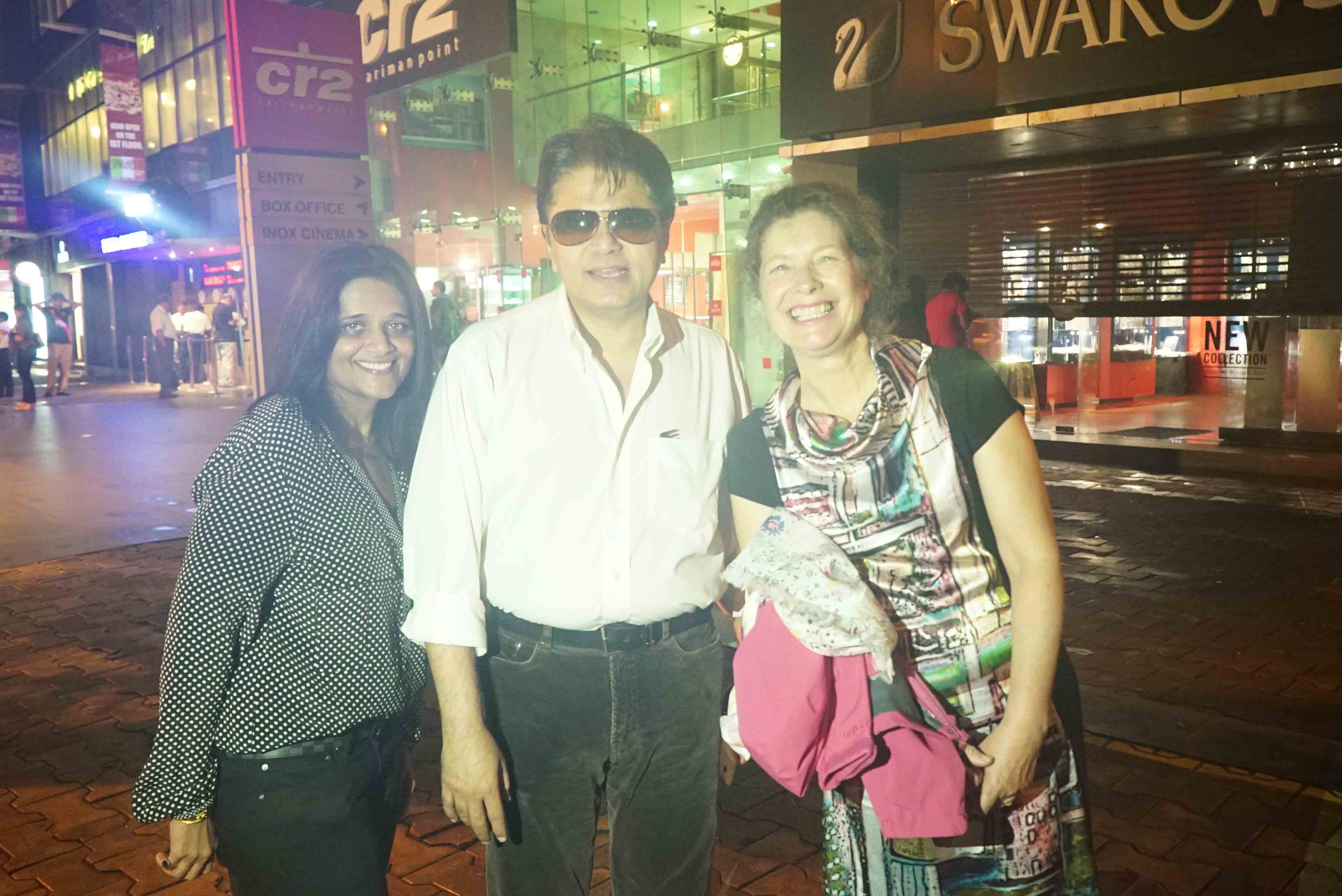
outside cinema

The Indian billionaire is just that – a billionaire who lives in India. He is a one third owner of a group of companies that hold or control most of the prime real-estate in downtown Bombay – which surprisingly is one of the most expensive cities on the planet. More expensive that Paris or Tokyo.

I pressed him on his current company assets – and he wasn’t sure but thought it was somewhere around 25-30 billion. And that’s not rupees, that’s US$ thank you very much.

So Jennifer and I went and saw a movie with this fellow – accompanied by his wife. It was a bizarre evening on several fronts. For a start, we had to go through four full body searches before entering the cinema. And during the film we were served a meal called “Mexican Potato” – basically a roasted potato with some salsa and cream and other spicy stuff covering it.

I didn’t want the potato – quite frankly it looked disgusting – but my billionaire mate had bought it for me and he was sitting beside me watching me take every mouthful.

The thing I’ve noticed about billionaires – and I’ve had dealings with a few – is they watch every penny. They are incredibly careful about money. He had paid for the potato and he wanted to make sure I damn well ate it.

The film was an a-typical Bollywood film – no breakout singing and dancing numbers – no wind machines blowing back the hair of the buffed star-crossed lovers. This was a boxing film more in the vein of MILLION DOLLAR BABY – tough and gritty. A good movie, even though it was in Hindi without subtitles.

We then went back to the billionaire’s apartment – which had water views from three sides. Difficult to get in Bombay. All marble floors and a staff of eight, including a live-in full time chef and three drivers. An apartment in this part of Bombay is more expensive than on the Champs Elysee.

The chef cooked beautiful Chinese vegetarian while I admired some huge paintings on the walls – depictions of scenes from the ancient scriptures and the Bhagavad Gita.

Painting on wall1

My billionaire friend is helping me line up some heavy hitters in the field of intuitive study and research. He’s a renown astrologer himself, and has made his key business decisions based on astrology and intuition.

Vishnu

Tomorrow I’m visiting the Yoga Institute – the oldest yoga organisation in the world – and meeting up with my billionaire mate again for some more talking about cosmic rays and astral bodies. This bloke is a lawyer by the way. But he lives and breathes other worldly ideals.


Texts with our gorgeous Caterina

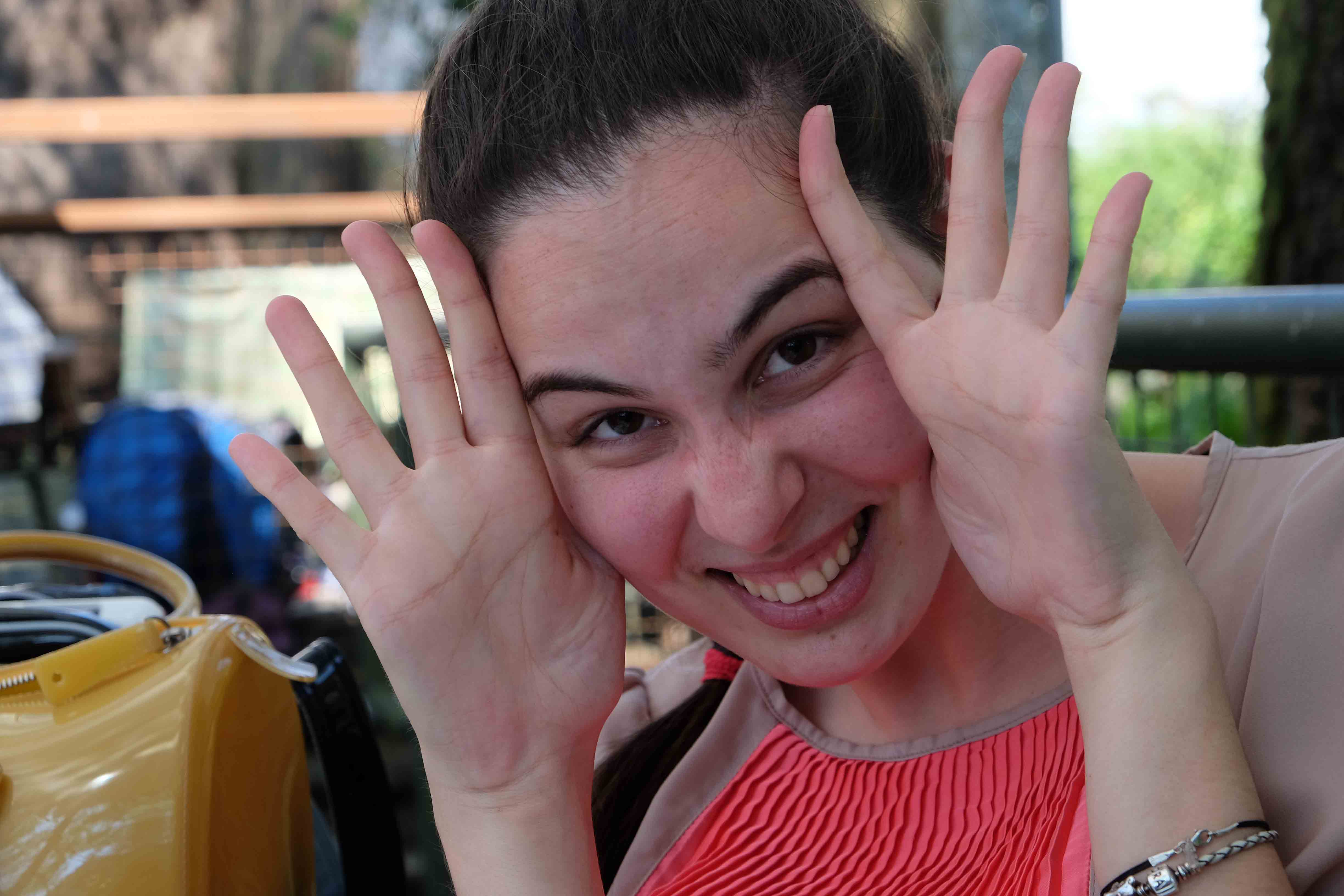
For those of you who walked the Camino Portuguese Tour in April, you’ll remember Catarina with enormous affection.

Beautiful, wild, crazy, generous, funny – did I say beautiful? – she drove our van and attended our petty needs and made the tour very special for all of us.

When we said goodbye to her in Santiago, we all felt very sad – as though we were saying goodbye to a dear friend. Which is what she’d become to us.

Catarina is a qualified lawyer, studying with the long term aim to become a judge. She’s a smart cookie.

The highlight of our tour with her was when we got to Santiago and she parked the Mercedes van in “…the best spot, Bill. You would not believe what a great parking spot I found. I couldn’t believe my luck!”

The following morning I was sitting in a coffee shop having breakfast with Jennifer and I casually looked out the front window and noticed that several police cars were in the square nearby, supervising a large tow truck that was, yes, towing our van.

Yep Catarina, that was the best parking spot!!

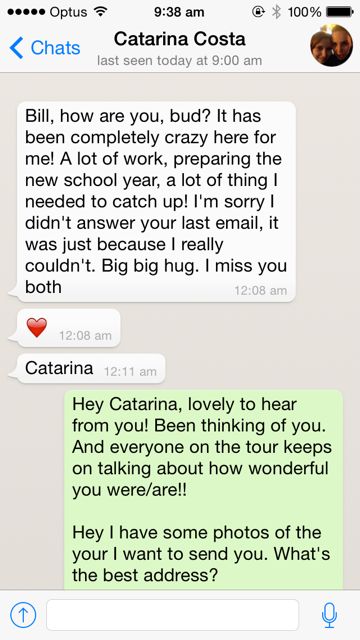
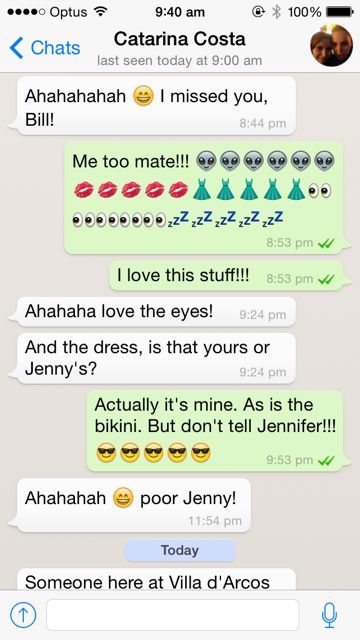
I hadn’t heard from Catarina for a while because she’s had her head down studying, but I woke up to find a delightful text from her. So we exchanged SMSs, which became very silly…

Here is Catarina:

Caterina4 And here are the texts:


IMG_0737

IMG_0734cropped

Julian Lord – The Loneliness of the Long Distance Pilgrim

The Aragónes Way
This year was my first time on this section of the Camino, and there are still not many pilgrims who walk to Santiago on this Way.

I’m writing this having been on the Francès for a week (hooray !!!), and so perhaps these words will be a comparison rather than an impression.

From the Somport down to Jaca, the Camino is physically pretty much a continuation of the road from Oloron to Somport — picture a river valley, flanked by tall mountain ridges on either side, a main road, and the Camino weaving in and out of these up or down towards small mountain villages, and you’ll have a good picture of those miles.

One part is in France and the other in Spain, and the other major difference is that the Pilgrim’s hostels on the French side are more often Catholic, and those on the Aragón side more business-like.

Travelling through the Pyrenees on the Somport route can take several days, unlike at SJPP, which is easily accessed from various different non-mountain locations, and the Pyrenees crossed in a single day. After Jaca, the Camino follows the Rio Aragón valley westwards, and the surroundings become a magnificent vista of stunning natural beauty. The valley is broad, the Rio flows in its natural river bed, and one’s view of the land often stretches for miles, encompassing farmlands, blue mountains in the distance, woodlands and hills, roads and rivers, resembling the landscapes of a fantasy novel.

Three different Caminos have joined at Jaca, and now you will start to meet small numbers of other pilgrims, as you make your way towards Puente La Reina and the Francès. The original route of the Aragónes is, sadly, submerged under a man-made lake, and so the modern pilgrim climbs up towards Ruesta, and through some arduous sunburnt hills further south, until finally returning to the historical Way at the villages found just a few short kilometres from Eunate and Puente La Reina — although Sanguësa, the first large town of Navarra that one comes to, already has much of the feel of the Francès.

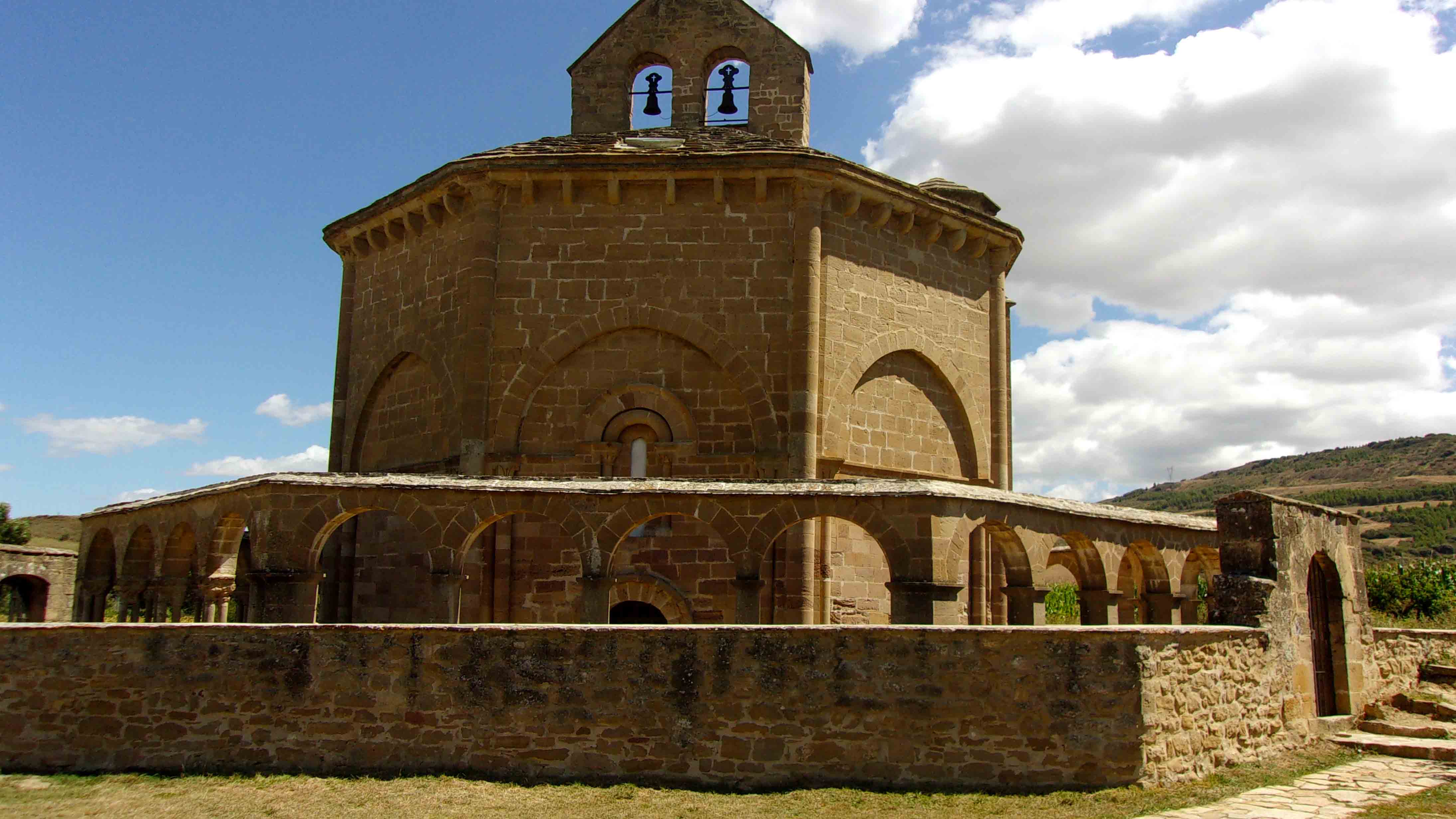
Eunate !!! A sheer delight of peace, elegance, and beauty — and I think the loveliest small church I have ever visited. It is hard to think of the Camino Aragónes ending at Puente La Reina — when in fact, depending on one’s being a cyclist or walker, and on whichever variant route one follows, one can join the Francès in several locations — whereas it feels clear to me that Eunate is truly the symbolic end of that Way, located as it is at only a stone´s throw from the Francès, and particularly as it is common for Pilgrims of the Francès to make the detour to Eunate.

It is a quiet Way, and so more suited to those seeking perhaps a more peaceful Camino far from the hustle and bustle of the social life of the jam-packed Refugios of the Francès, with the disadvantage that it also somewhat more costly to travel the Aragónes than the Francès.

I am glad to have walked that path, though I personally doubt that I would repeat the journey — I seem to have had my fill of the lonely and solitary Way of Saint James in 2005, and seem to need the presence of others on the Camino and in the evenings.

Joining the Francès was a greater joy than I anticipated, not so strong perhaps as my 2005 arrivals in Lourdes and SJPP, as I did not imagine that simply joining the road already travelled would feel so powerful. In hindsight, I think I was in greater need of the familiarity of the Francès than I imagined …

KODAK Digital Still Camera

Another adventure begins – redux…

Today another adventure begins –

Jennifer and I leave Mudgee and head down to Sydney where on Thursday we fly out to Bombay.

There we begin work on my intuition film.

From Bombay we head to Delhi, then up to the holy town of Rishikesh on the Ganges. And downstream to the major pilgrimage city of Haridwar.

Then we head north to Amristar in Punjab, and the famed Golden Temple. From there we then head up into the base of the Himalayas, to the Dalai Lama’s residence-in-exile at Dharamsala.

We then fly to Rome, to seek the Church’s views on intuition.

While in Italy we’ll also do a scout of the Assisi tour, which we’re mounting next year.

I’m very excited to be finally shooting this film, which has been gestating now for fifteen years, ever since an intuitive “voice” saved my life very early one morning in New Orleans.

Thank you to those who’ve come on board as investors to help me realise this amazing film. And to those who might be interested in supporting this project, please let me know and I’ll send you some information.

I approach any new film with a degree of trepidation. I know what a huge undertaking it is, and what a huge responsibility.

But it’s also an incredible privilege – because I’m in the fortunate position where I can disseminate ideas to a world audience. It’s taken me nearly forty years of honing my craft to have this privilege, and consequently I want each film I now make to matter.

I believe this next film will matter.

I’ll be blogging daily and posting photos – so stay tuned here for regular updates.

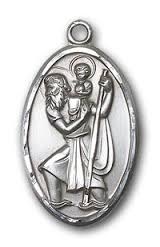
Whenever I travel, I always carry a St. Christopher’s medallion with me. St. Christopher is the patron saint of travellers. I do this because in 1982 I made a film about a lone sailor whose yacht sank in a storm in the middle of the Pacific. The sailor was a remarkable man, aged 70, and he survived for 32 days adrift in a life raft.

He put his survival down to a St Christopher medal he had with him.

Ever since making that film – my second independent film, and one that I’m particularly proud of – I’ve carried a medallion with me in my wallet whenever I travel. I got it from the Notre Dame Cathedral in Paris. I also have one on my car key ring.

I’m not Catholic, and I’m not religious, but still these medallions are important to me. I’d feel very uncomfortable traveling without one.

And on this journey I’ll also carry a little Ganesha with me – the Hindu Elephant God that clears away all obstacles.

So I’m well armed.

Wish me luck!

Bill

imageGanesha 2


Contact info –

It seems like the gremlins at Word Press have denied us a Comments box again.

I’m about to leave for Sydney, so I’ll wrap my head around this tonight. In the meantime, if you want to contact me, or send me your comments, then do so on:

billpgsblog@gmail.com

And I’ll get back to you, or post your comment once this is sorted.

Once again I apologise on behalf of those pesky Word Press gremlins.

Gremlin

Another adventure begins…

Today another adventure begins –

Jennifer and I leave Mudgee and head down to Sydney where on Thursday we fly out to Bombay.

There we begin work on my intuition film.

From Bombay we head to Delhi, then up to the holy town of Rishikesh on the Ganges. And downstream to the major pilgrimage city of Haridwar.

Then we head north to Amristar in Punjab, and the famed Golden Temple. From there we then head up into the base of the Himalayas, to the Dalai Lama’s residence-in-exile at Dharamsala.

We then fly to Rome, to seek the Church’s views on intuition.

While in Italy we’ll also do a scout of the Assisi tour, which we’re mounting next year.

I’m very excited to be finally shooting this film, which has been gestating now for fifteen years, ever since an intuitive “voice” saved my life very early one morning in New Orleans.

Thank you to those who’ve come on board as investors to help me realise this amazing film. And to those who might be interested in supporting this project, please let me know and I’ll send you some information.

I approach any new film with a degree of trepidation. I know what a huge undertaking it is, and what a huge responsibility.

But it’s also an incredible privilege – because I’m in the fortunate position where I can disseminate ideas to a world audience. It’s taken me nearly forty years of honing my craft to have this privilege, and consequently I want each film I now make to matter.

I believe this next film will matter.

I’ll be blogging daily and posting photos – so stay tuned here for regular updates.

Whenever I travel, I always carry a St. Christopher’s medallion with me. St. Christopher is the patron saint of travellers. I do this because in 1982 I made a film about a lone sailor whose yacht sank in a storm in the middle of the Pacific. The sailor was a remarkable man, aged 70, and he survived for 32 days adrift in a life raft.

He put his survival down to a St Christopher medal he had with him.

Ever since making that film – my second independent film, and one that I’m particularly proud of – I’ve carried a medallion with me in my wallet whenever I travel. I got it from the Notre Dame Cathedral in Paris. I also have one on my car key ring.

I’m not Catholic, and I’m not religious, but still these medallions are important to me. I’d feel very uncomfortable traveling without one.

And on this journey I’ll also carry a little Ganesha with me – the Hindu Elephant God that clears away all obstacles.

So I’m well armed.

Wish me luck!

Bill

imageGanesha 2


Word Press issues?

I’ve just received an email from someone saying that they can’t comment on the blog –

Weird.

I haven’t changed any settings, but sometimes Word Press goes psycho, and changes things without me realising.

So I’ll go in and see what’s what – but if you want to contact me, or leave a comment that I can later post, then email me on: billpgsblog@gmail.com

In the meantime I’ll go into Word Press admin and see if I can figure out what’s wrong.

Wish me luck!

Bill

NIGER-10004


Jennifer post: What can you take with you when you die? Redux

I was walking down the corridor at home trying to figure out where I’d left something. A book. I was very frustrated, and I went from room to room, searching everywhere for this book.

But I couldn’t find it. I was getting very grumpy with myself. And then an idea popped into my head: What can I take with me when I die? I can’t take this book I’m looking for, so why am I getting so frustrated and grumpy?

And then I thought to myself: Not only can I not take this book with me, but I can’t take any of the physical things around me, things that often preoccupy my thoughts. Like all the junk in the garage. Or the side curtains that are starting to fade. Or the mattress in the spare bedroom that needs replacing. Or the plants that need repotting.

These things that really don’t matter, yet I think about them. And other things too.

And I thought: I can’t take a clean garage with me when I die. I can’t take new curtains, or a new mattress or plants in bigger pots. Or the sundry other things that I think about from time to time.

So what can I take with me when I die?

When I’m quite happy to take my last breath, when I’m about to move on to my next adventure, I would like to take with me the things that matter to me – like the joy and love that I’ve experienced during my life; the love I’ve shared with my husband and my children. And the beauty of nature, and art.

The beauty of a field of wild flowers.
The beauty of beauty.
And the deliciousness of fresh and exciting ideas.
And of discoveries.
And mysteries.

What I don’t want to take with me is anger and frustration and greed and a desperate need for more and more things. 

So many of us spend our lives working hard at acquiring things that we’re going to leave behind: a big house. A nice car. Beautiful clothes, and expensive nick-hacks.

Things. 

Some of us work hard at leaving behind a legacy, which is generous. But sometimes the cost of that legacy can be ill-health, or acrimonious relationships, or anger. Or disappointment when things don’t work out the way you’d hoped.

I finally found the book, at last. It was where I’d put it. Lost things are always where you put them.

And then I thought: I’m just going to forgive myself now for getting into this state of anger and frustration, and I’m going to look at everything around me quite differently.

I then shifted into a place of peace and equanimity, because I realised that none of it was important. What’s important is relaxation, and happiness, and joy and love.

These are the only really important things you can take with you when you take your last breath.

Jennifer –

Jennifer Cluff pic 2 copy