To walk the Camino is to do a pilgrimage.
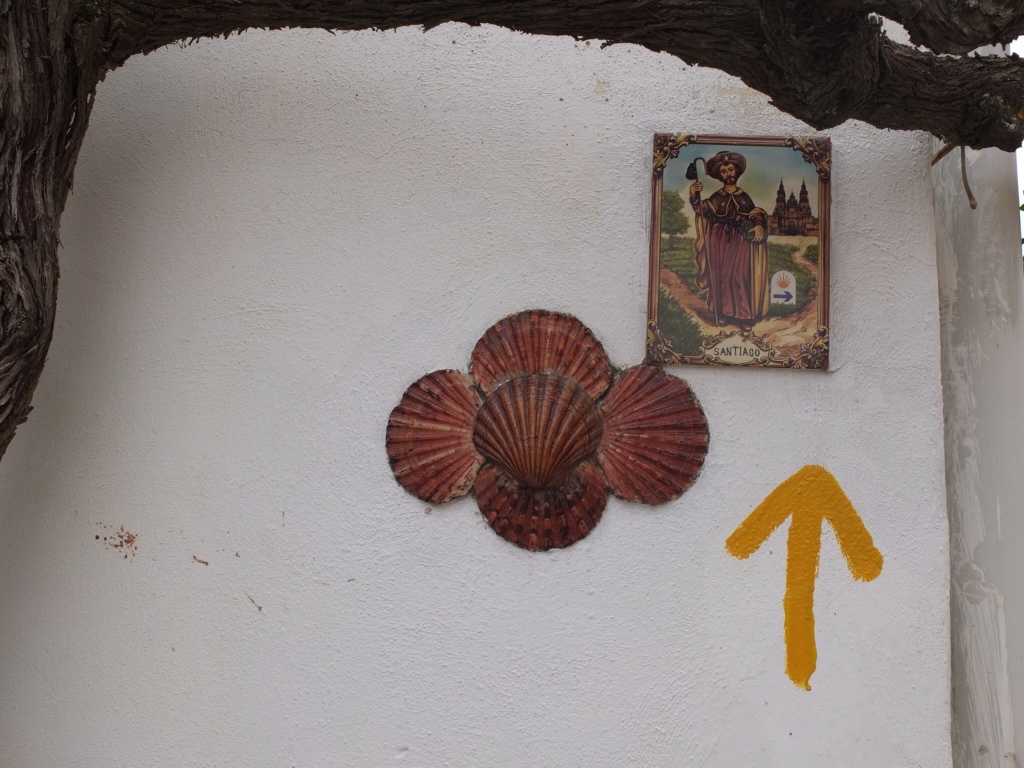
That’s what I did – I became a pilgrim. I followed in the footsteps of millions of other pilgrims who, over the years, the decades, the centuries, have made their way to Santiago.
I am now a pilgrim. What does that mean?
GRATITUDE:
As I was walking the Camino, being a pilgrim meant, to me, being grateful. Grateful for simple things. I was grateful for a bed at night. I was grateful to be able to put on clean clothes the next morning. I was grateful it wasn’t raining. I was grateful on those days when the pain receded.
I learnt the meaning of gratitude.
Before the Camino, whenever I travelled and I checked into a hotel, I was never happy with the room I got. I’d always ask for a bigger room, or one with a better view, or on a higher floor, or I’d try and wrangle an upgrade.
I was a pain in the ass. I was ungrateful.
No more. In future, I’ll be grateful for whatever room I’m given.
If I can take that concept of gratitude back into my everyday life – if the Camino affects that fundamental change in me – then the pilgrimage will have been worth it.
HUMILITY:
I wanted to learn humility on the Camino. Believe me, Humility with a capital H blindsided me. I was fit, I’d trained hard, I was all prepared. Yes I was anxious, but I believed that I’d get through it fine, and I’d fly across the Meseta.
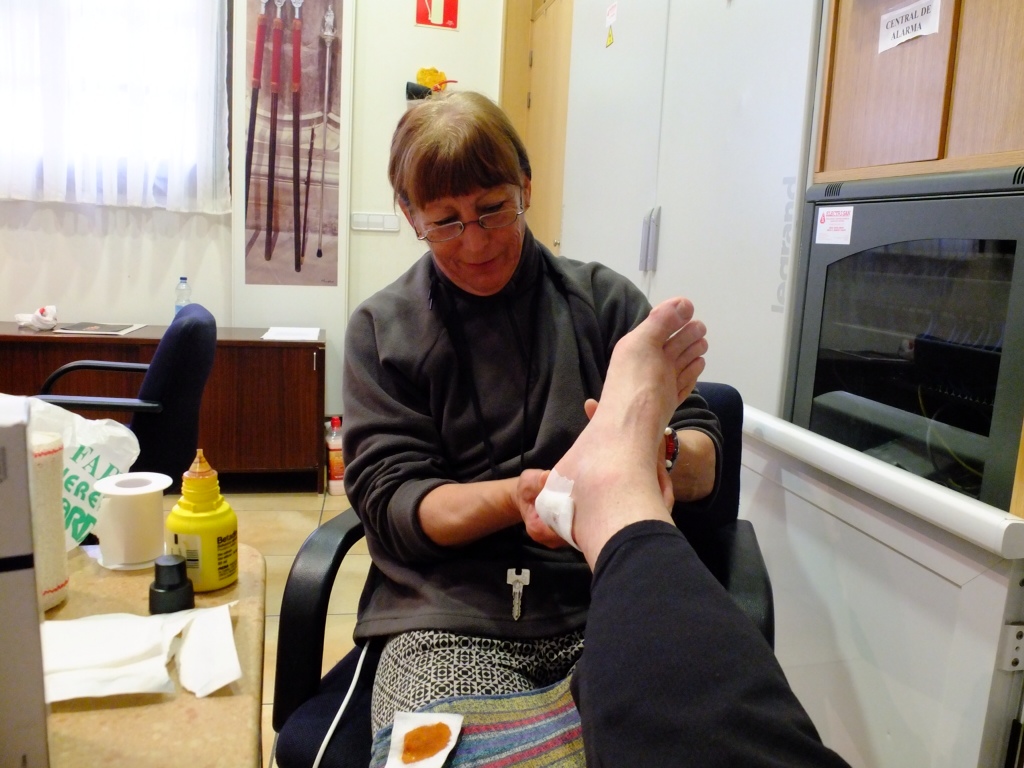
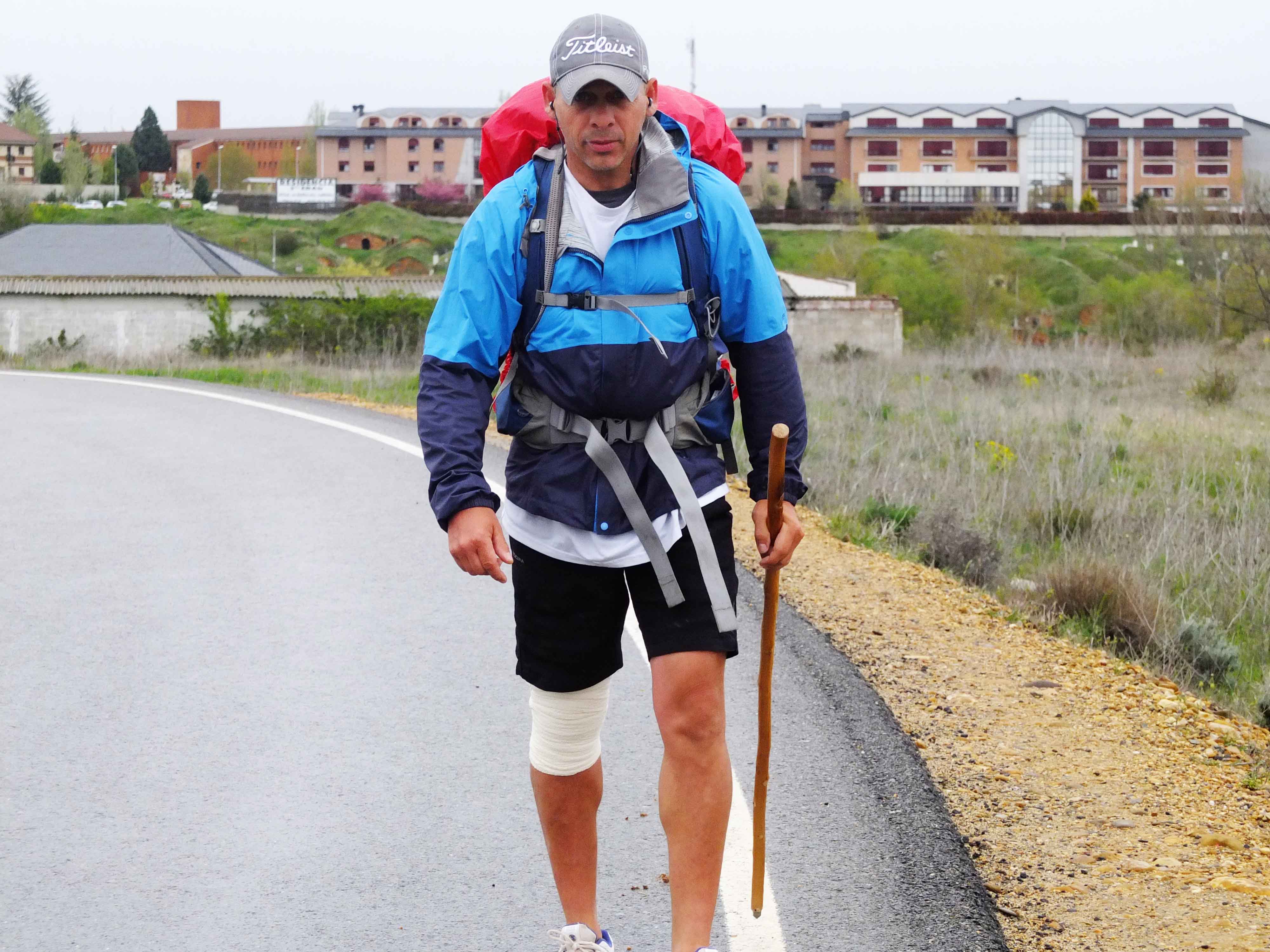
My knee gave out on me on Day 2, and the rest of my Camino was difficult. Very difficult. I was the slowest person on the path each day. Everyone passed me. There were days when every footstep was like a hot knife stabbing into my knee, or my shin, or my heel. I was dosed up on painkillers but they had no effect.
A lot of people saw me struggling, saw that I was in pain, and felt very sorry for me. Many helped me. Many were sympathetic. I’m sure, (and they later told me) that they thought I’d give up. I was humbled. I wasn’t the fit strong guy I thought I was.
Yet I remeber thinking, one day when I was really doing it tough, that if I kept on putting one foot in front of the other, eventually I’d get to Santiago. All I had to do was keep on putting one foot in front of the other. And that’s how I could repay the sympathy and kindness of my fellow pilgrims. Simply by finishing.
I was also humbled by other people’s achievements.
I met people who had already walked over a thousand kilometers before reaching St. Jean Pied de Port. One fellow took one rest day in St. Jean, then he kept going to Santiago. His plan was to then walk down to Lisbon, and back to Santiago again. More than 2,000 kms in total.
I met several pilgrims who were walking back from Santiago. Back to St. Jean. And then there was the couple who had walked from their home in Nimes, France. Their Camino would be 1,300 kms. They were in their early 60s. These people humbled me.
Ultimately though, I was humbled by the occasion. By walking the Camino. In being a part of something very spiritual that has existed for a thousand years or more, that has attracted millions of pilgrims, and that goes beyond my comprehension. That in itself was humbling.
BIG GOALS, SMALL STEPS:
I also learnt that huge goals can be achieved with small steps.
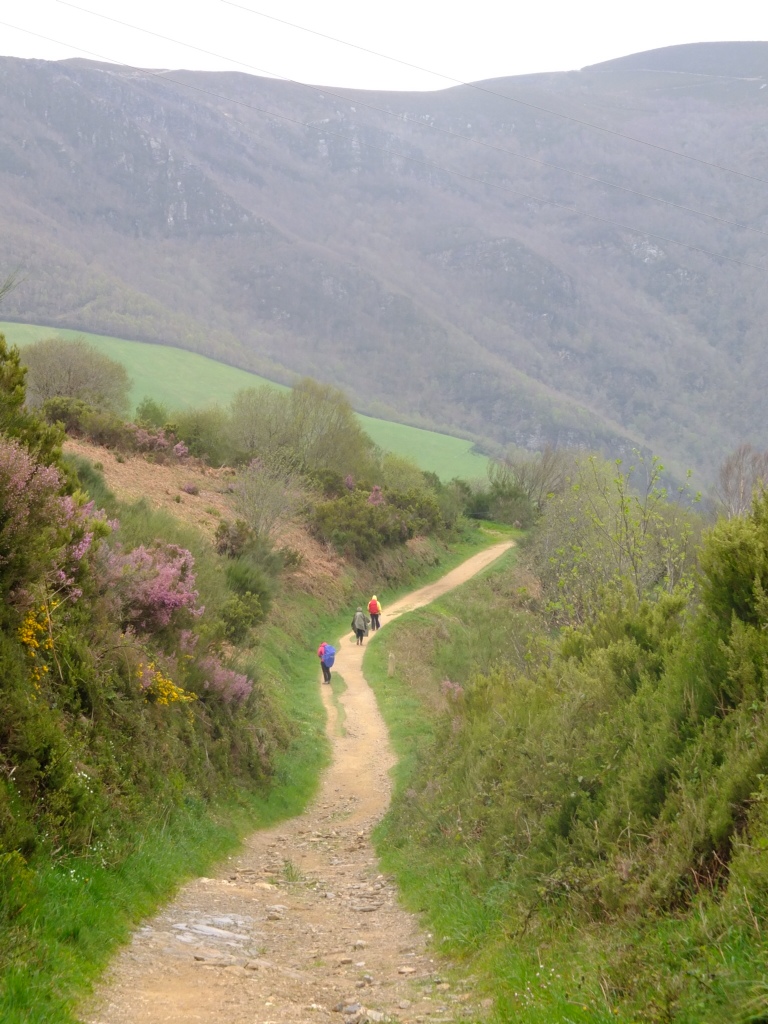
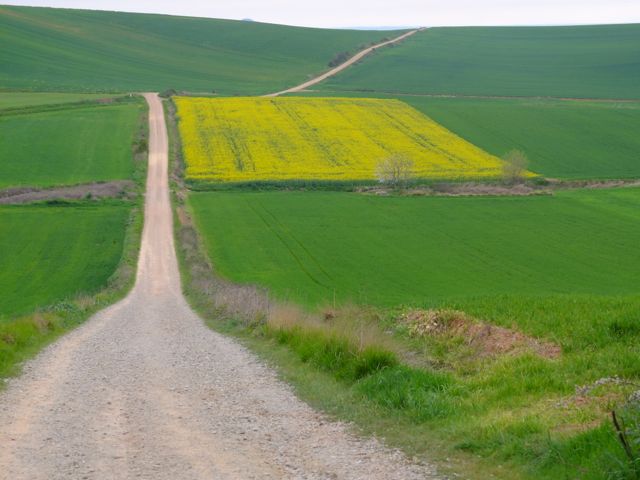
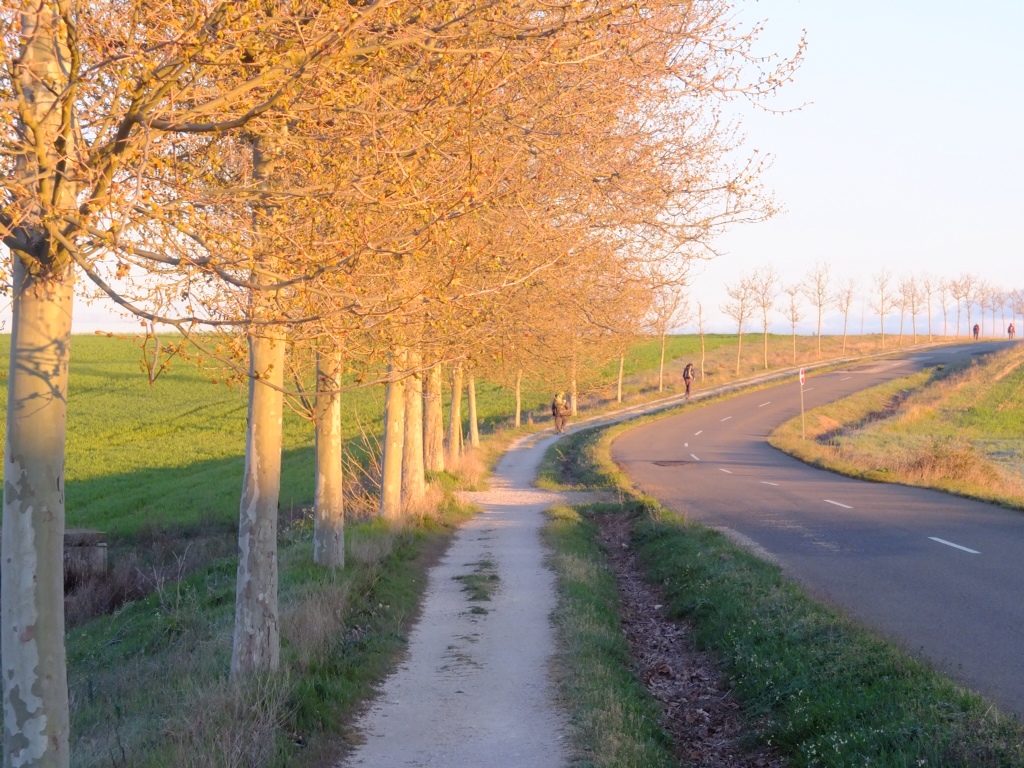
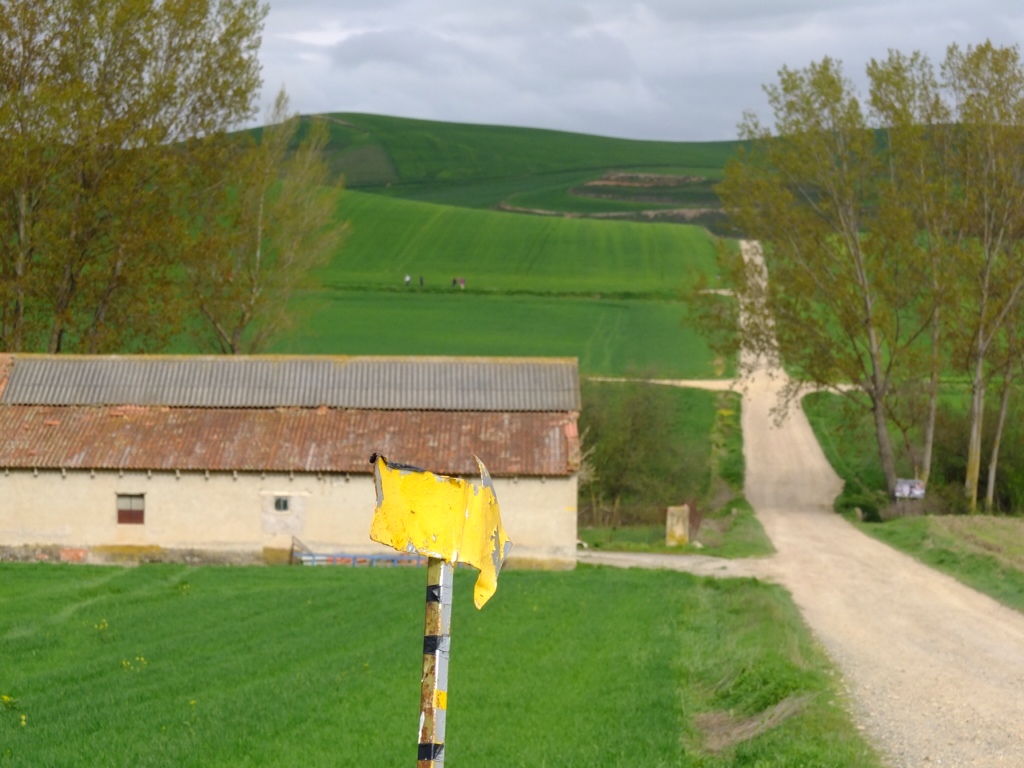
I walked over the Pyrenees, and across Spain, taking small steps. A lot of small steps. I’d set myself the goal of reaching Santiago de Compostela from St Jean Pied de Port. When I looked at the journey on a map before I left home, I wondered how it could be possible. It seemed so damn far.
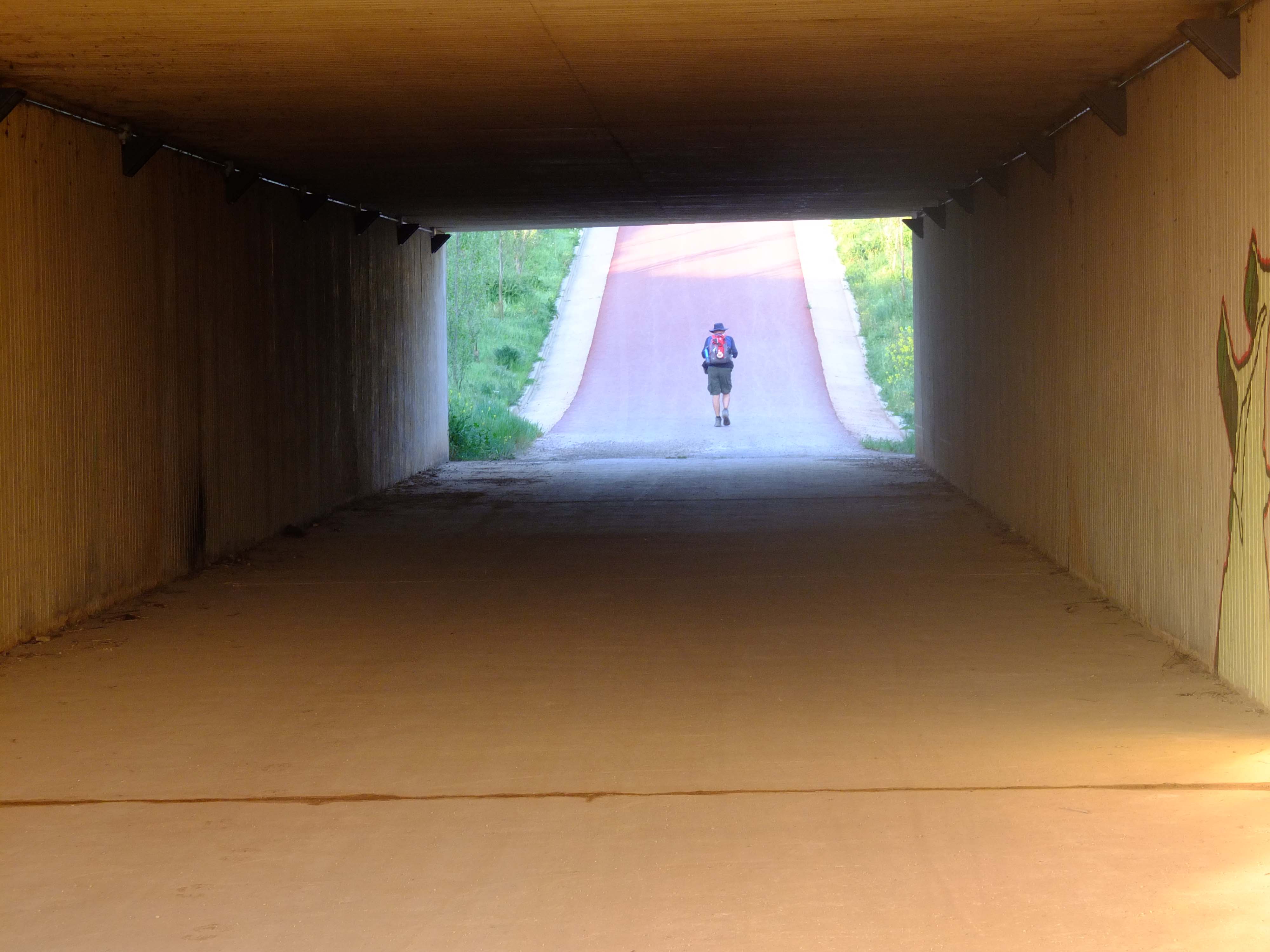
But, by putting one foot in front of the other, and by doing that hour after hour, day after day, I did it. I got there.
Now, if I can take that concept into my life as well, what a huge benefit that would be. What else can I achieve in my life by taking small steps? By just keeping on putting one foot in front of the other…
Fascinating thought…
MY POSSESSIONS ARE MY BURDEN:
This thought occurred to me time and time again as I walked the Camino.
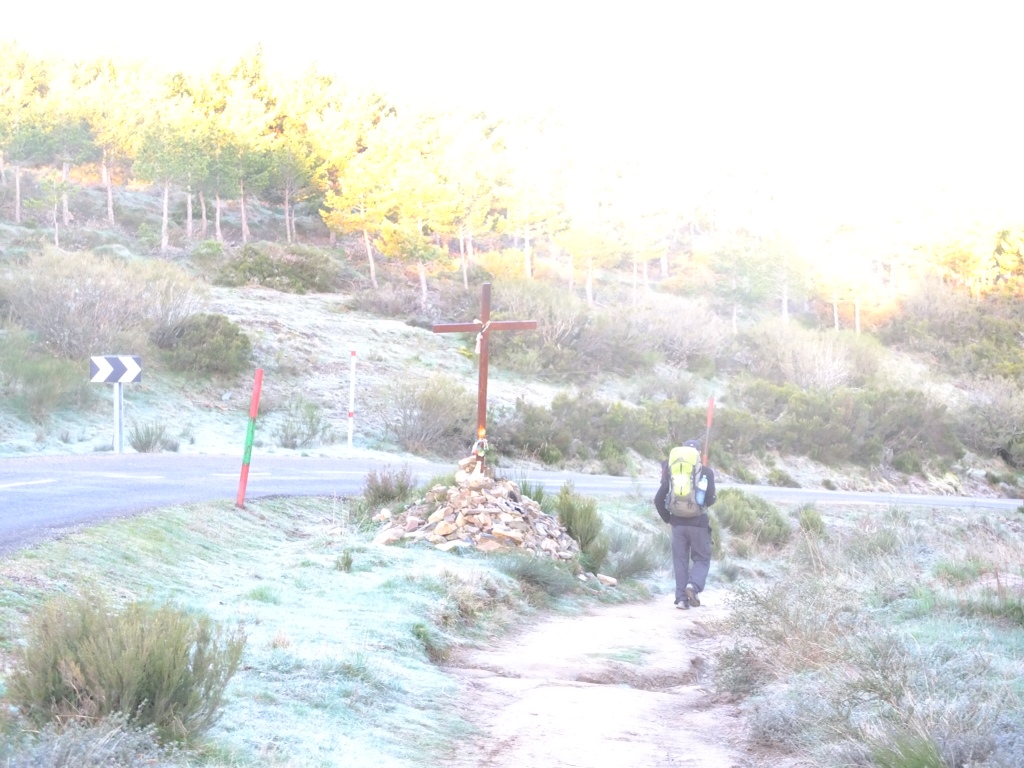
Everything I needed was on my back. I was carrying it. Which made me examine and question everything I “owned” for that period of my walk. Because I had to haul it up and down mountains, and across endless plains, and every ounce mattered.
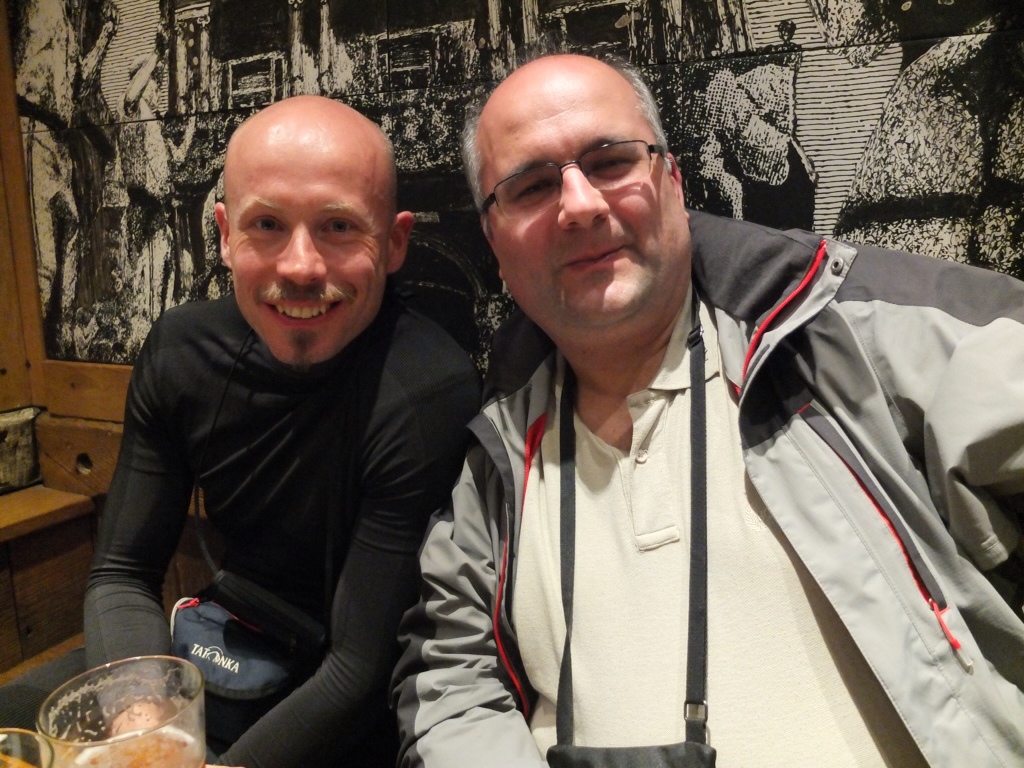
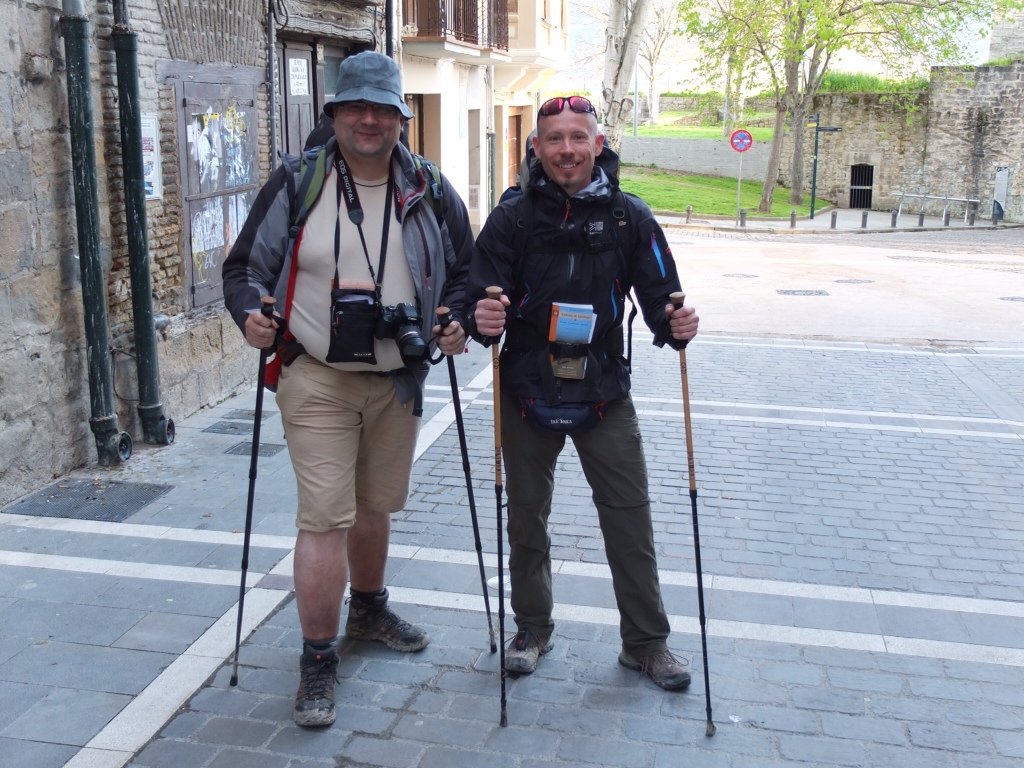
I heard of a woman from Finland who was carrying 6kg of cured reindeer meat in her backpack. She was fine with it. She needed it. My mate Balazs carried an espresso machine, a grinder, and coffee beans. It wasn’t a problem for him. He accepted the weight, and the burden, because he needed good coffee. And he made coffee for other pilgrims, and this was a way of him saying thanks to his friends.
I also heard of a woman from California who carried 2kgs of cosmetics and a hair dryer. She had to pull out and go home prematurely. Her backpack was too heavy.
On the Camino, none of us bought anything from shops along the way, other than essentials such as food or pharmaceuticals, because we’d have to carry it. What a great way to approach the disease of consumerism. Only buy what you’re prepared to carry. Only buy what you really need. Because your possessions are your burden.
Now if I can take that concept back home with me, wouldn’t I be so much “lighter?” Wouldn’t I be able to walk through life so much easier, with more freedom, with greater agility and sense of ease?
I’ll go home knowing that I don’t need so much stuff. I thought I did, before the Camino, but now I realise I don’t. If I can live for nearly 5 weeks with just 8 kgs of belongings, why can’t I apply that notion of need as against want to my life back home?
I think I’m going to be giving a lot away to the Salvos when I get back.
JUDGE NOT:
There were so many times I misjudged people, or underestimated them.
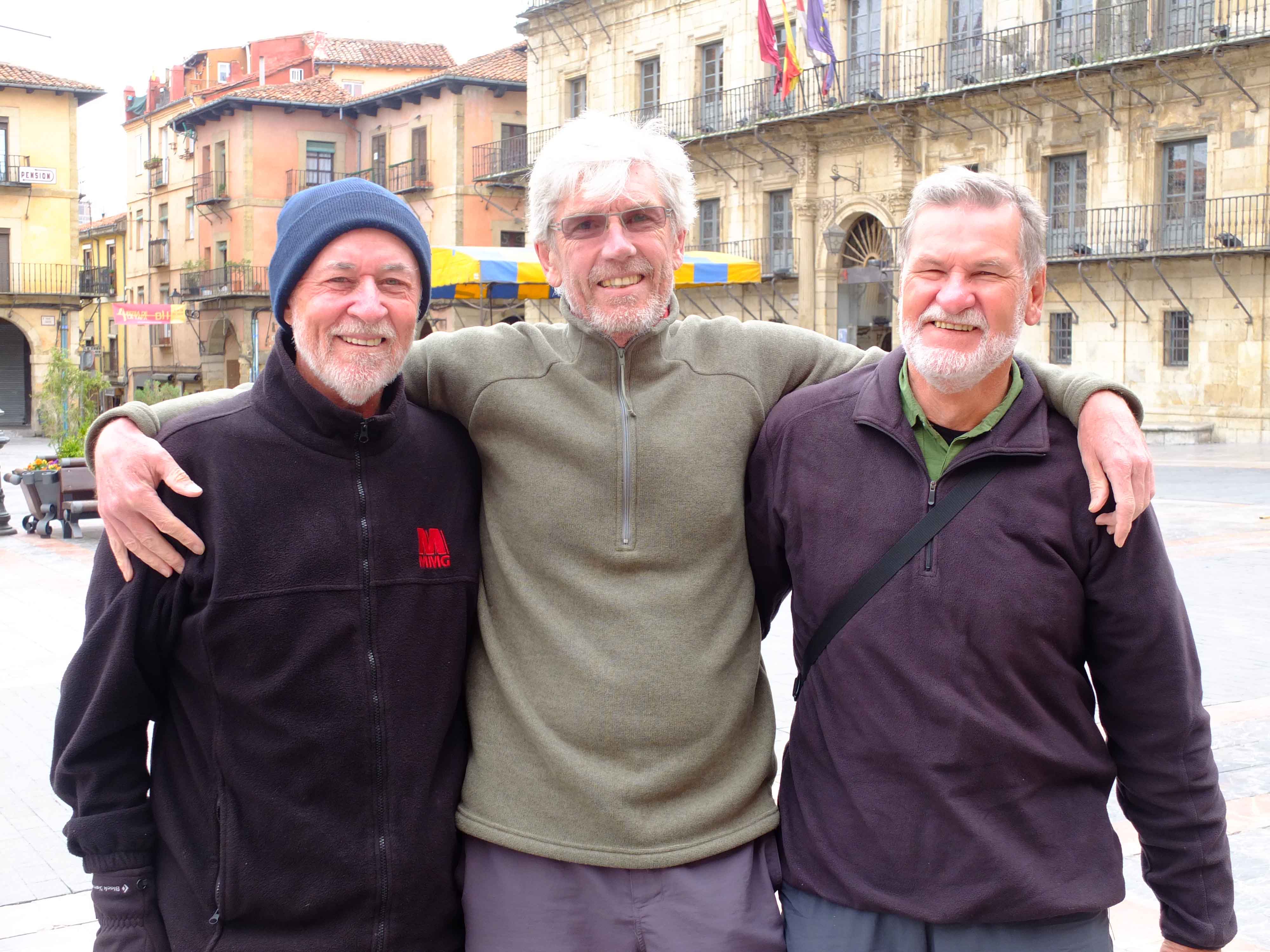
Like Soren, the 67 year old bloke from Switzerland who whooshed past me going up O Cebreiro. I thought he’d take three days. He’d showered, done his laundry, had dinner and watched a game of footy on TV by the time I got in…
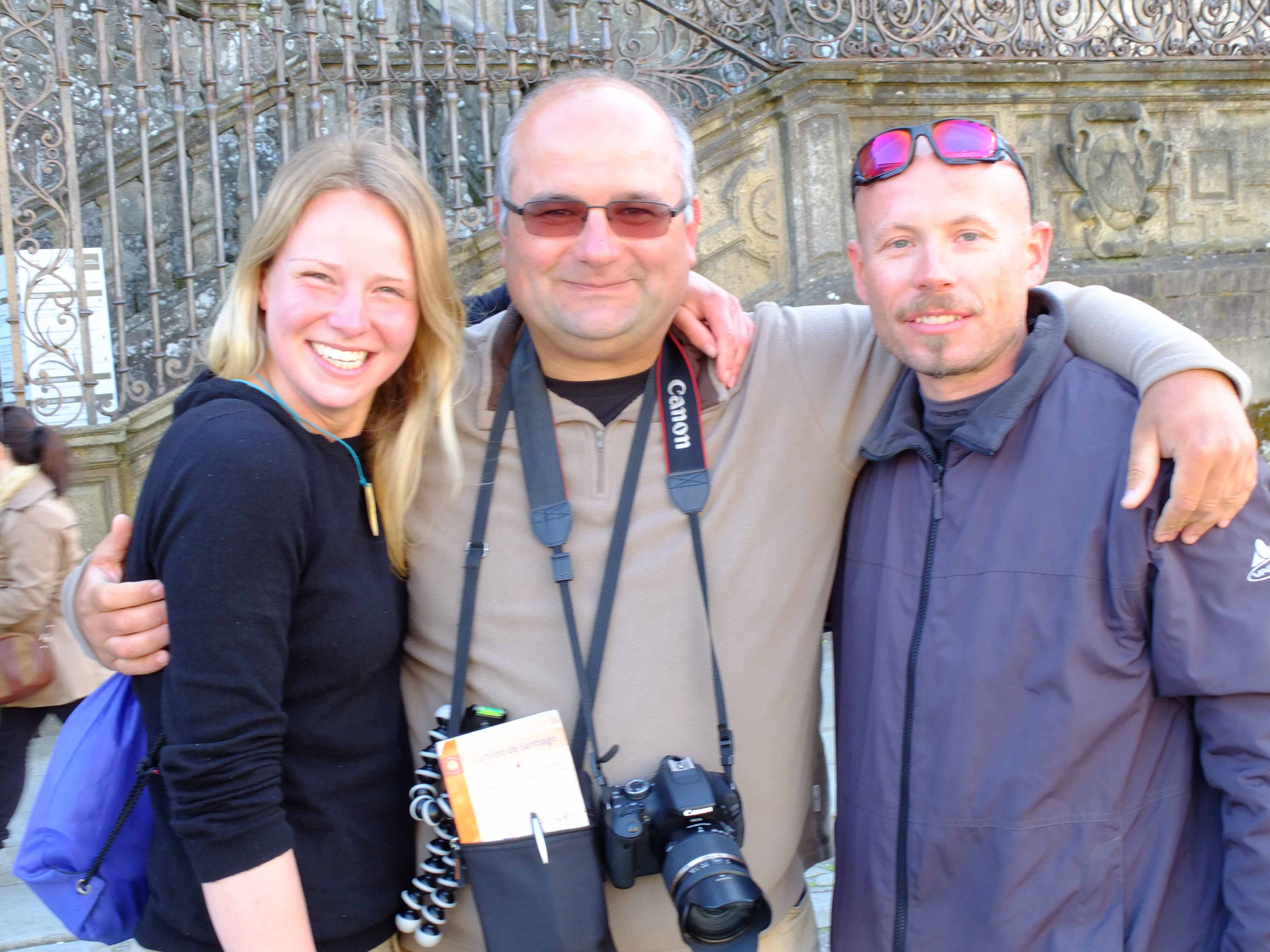
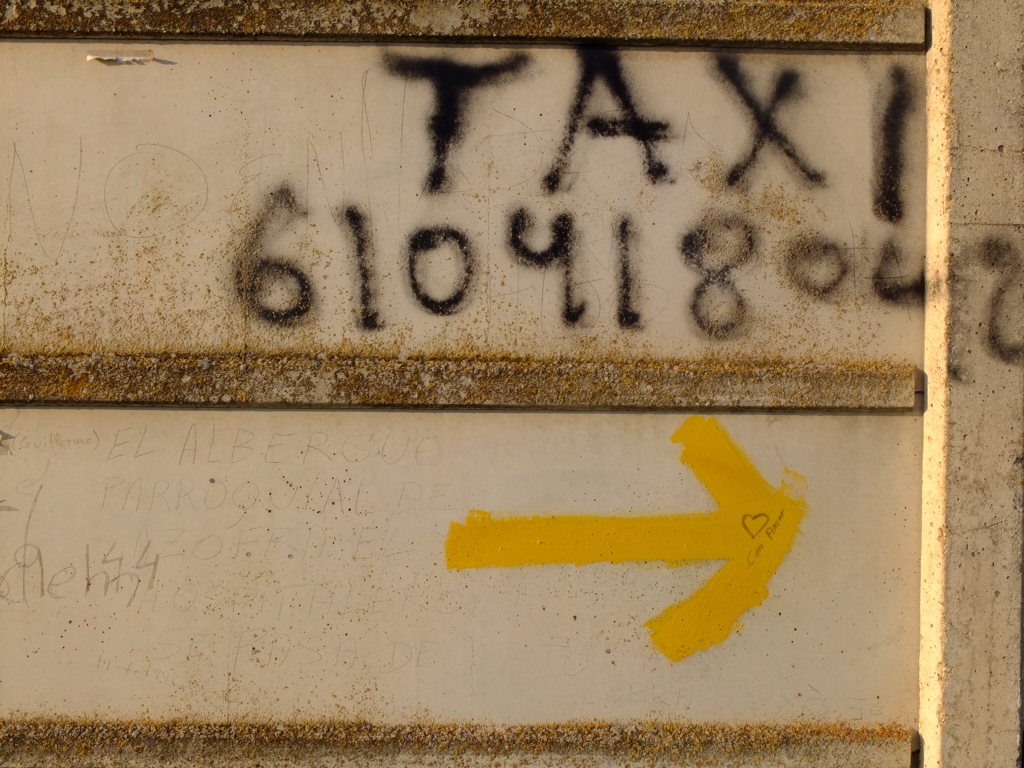
Then there was Laszlo, my Hungarian mate from the Taxi Four. Laszlo was carrying a lot of weight, and I wondered early on whether he’d go the distance. He did. He lost 20 kgs on the Camino, and he kicked on to Muxia and Finesterre hoping he’d lose another 5 kgs. What a remarkable man he was.
I learnt that you must never judge, and never underestimate the capacity of others, and their propensity for charity and kindness. The Camino engenders extraordinary acts of generosity, sharing, and care. Why can’t that spill over into life back home?
It actually can.
WE ARE MORE CAPABLE THAN WE REALISE:
Every day I saw pilgrims reach within themselves and find something extra to go up that steep hill or go that extra 10 kms to reach the next town. I talked to people who couldn’t quite believe what they’d done in reaching Santiago.
I saw pilgrims in their 70s climbing up mountains carrying 10 kg backpacks. Without real effort. That’s what the Camino does to you. It infuses you with an energy that makes you capable of things you wouldn’t believe possible.
Personally, I discovered that I was stronger and more resilient than I realised. I dealt with pain simply – by turning a switch in my brain and telling myself that pain didn’t exist. That it was simply something that had been put in front of me to test my resolve in reaching Santiago. I wouldn’t let it stop me.
I refused to go to a hospital. I knew the doctors would tell me to rest for several days, or perhaps even go home. I didn’t need them to tell me that. I would ignore them. So why go?
Miracles occur. My pain left me on the Meseta. It was truly a miracle. The thing about the Camino, you have to leave yourself open to miracles entering your life. That’s what happened to me. If I’d gone to a doctor, the miracle would never have happened.
EVERY DAY IS A PILGRIMAGE:
This now is the challenge for me. To take being a pilgrim back to my normal life. To approach every day as being on a pilgrimage.
What have I learnt so far? ( because the lessons will keep on a comin’… )
I’ve learn that the only thing that really matters is love.
That’s what the Camino has taught me.










 PGS - The Way
You must be logged in to post a comment.