

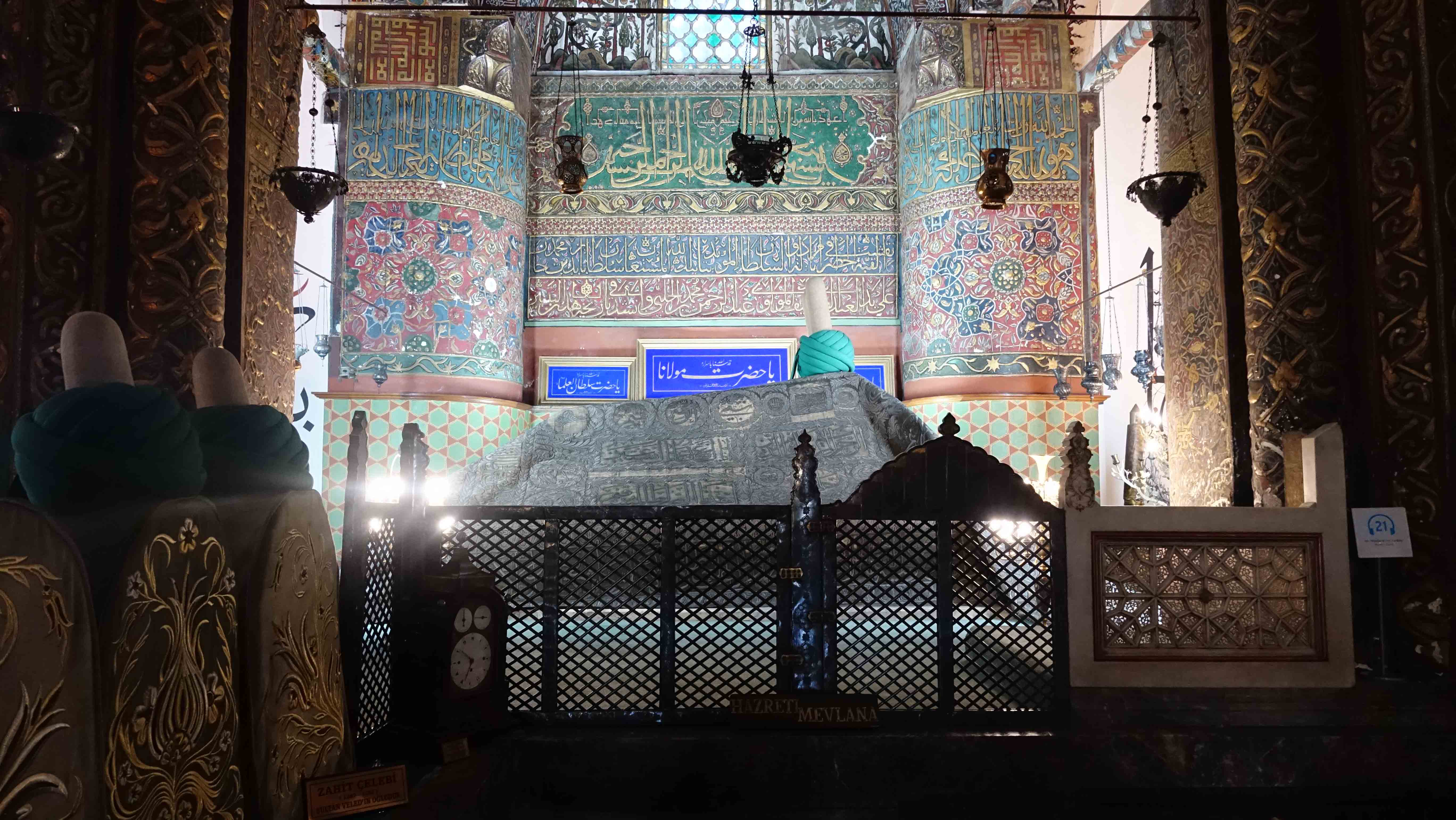
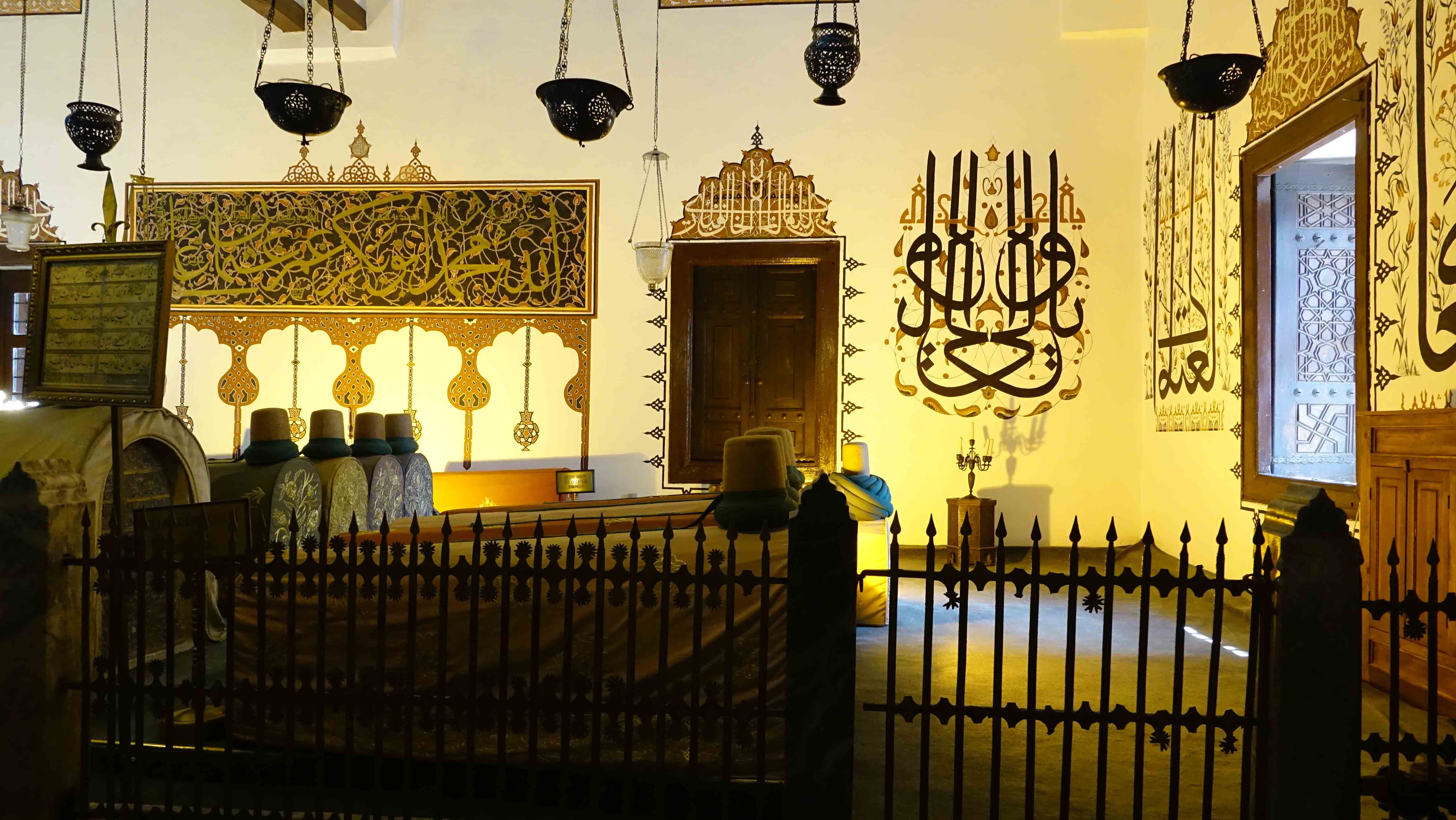
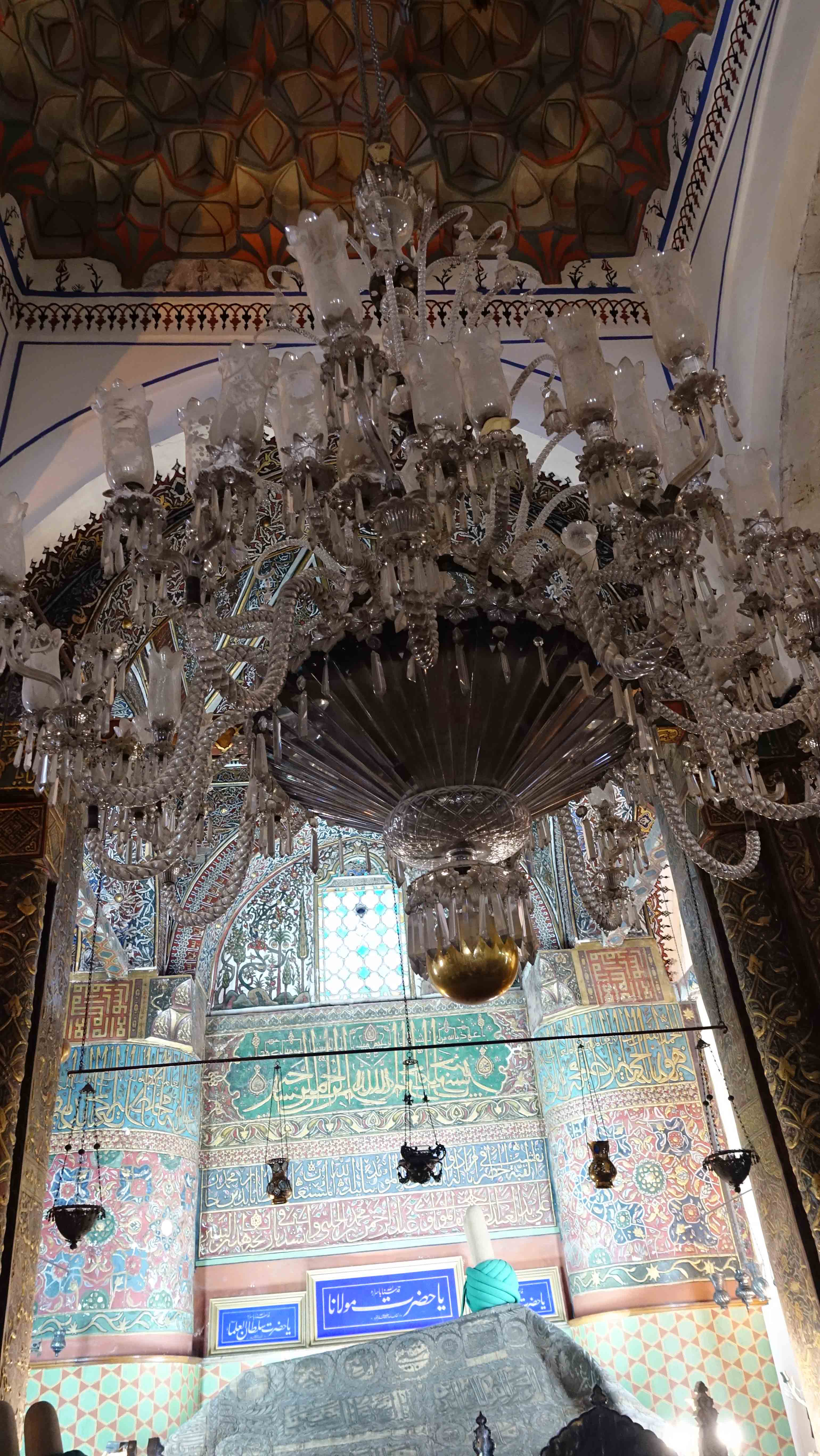
This morning we got up early because the Cultural Ministery gave us special permission to film at Rumi’s tomb before opening hours – before the hordes of worshippers descended on the place.

For Sufis it’s perhaps their most sacred site – and we had it all to ourselves for an hour this morning.
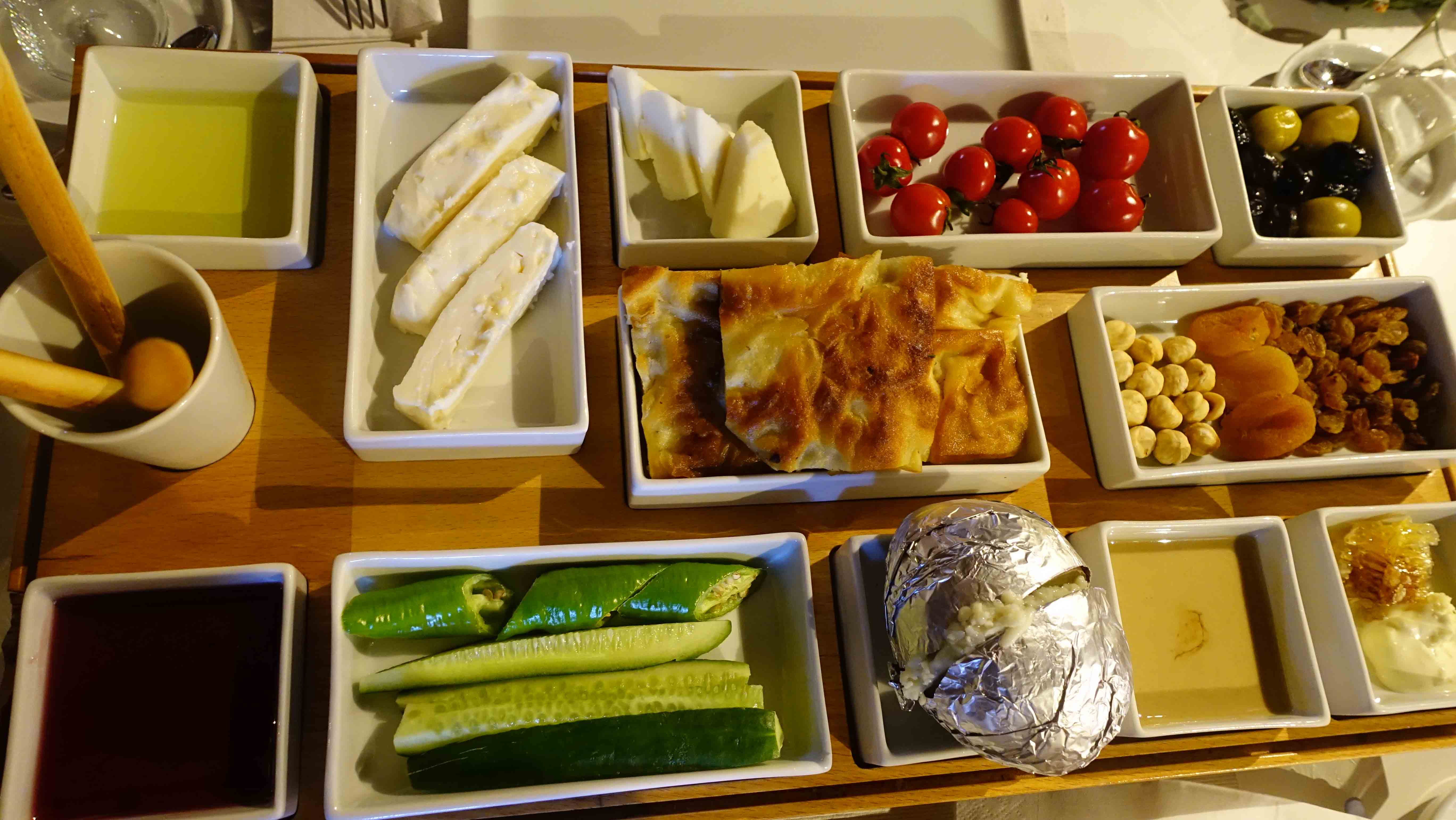
We then returned to the hotel – a boutique hotel right opposite the main mosque – and had one of the most extraordinary breakfasts I’ve ever had –
We then went our separate ways for a few hours – Jen and I wandered around the town and then came back to the hotel and had a nap – Zeyno, Fatih and Priyanka also had a kip – before reconvening at 3pm to meet the head of the Rumi Foundation in Konya.
The gentleman couldn’t speak English, however based on a question I asked him, he spent quite a bit of time drawing a diagram to show me what happened to your soul after you die.

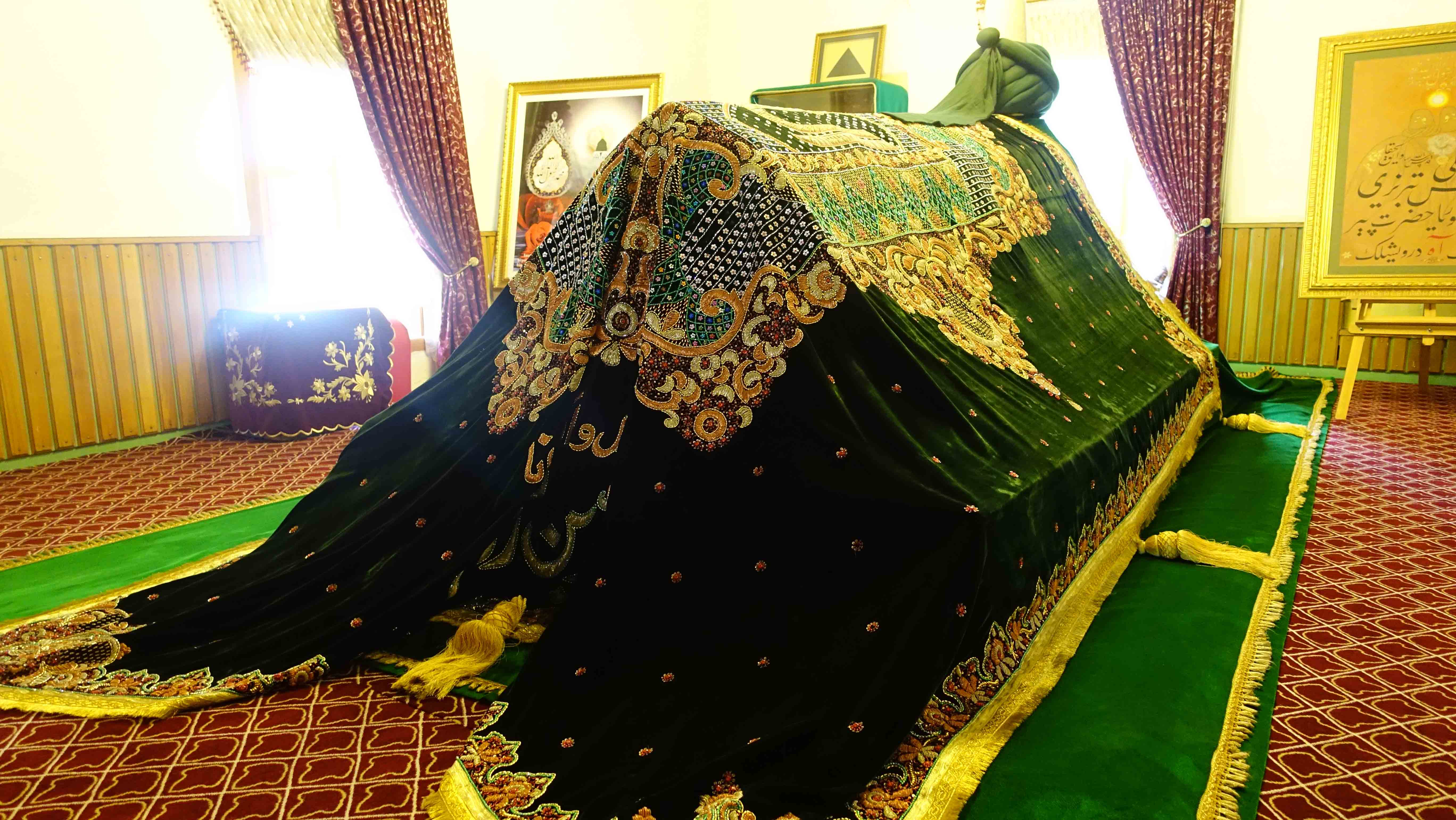
We then went to Shams tomb – Shams was the man who most influenced Rumi in the mid 13th century – and is referenced by Rumi in quite a bit of his poetry. HIs tomb is now a UNESCO World Heritage Site.
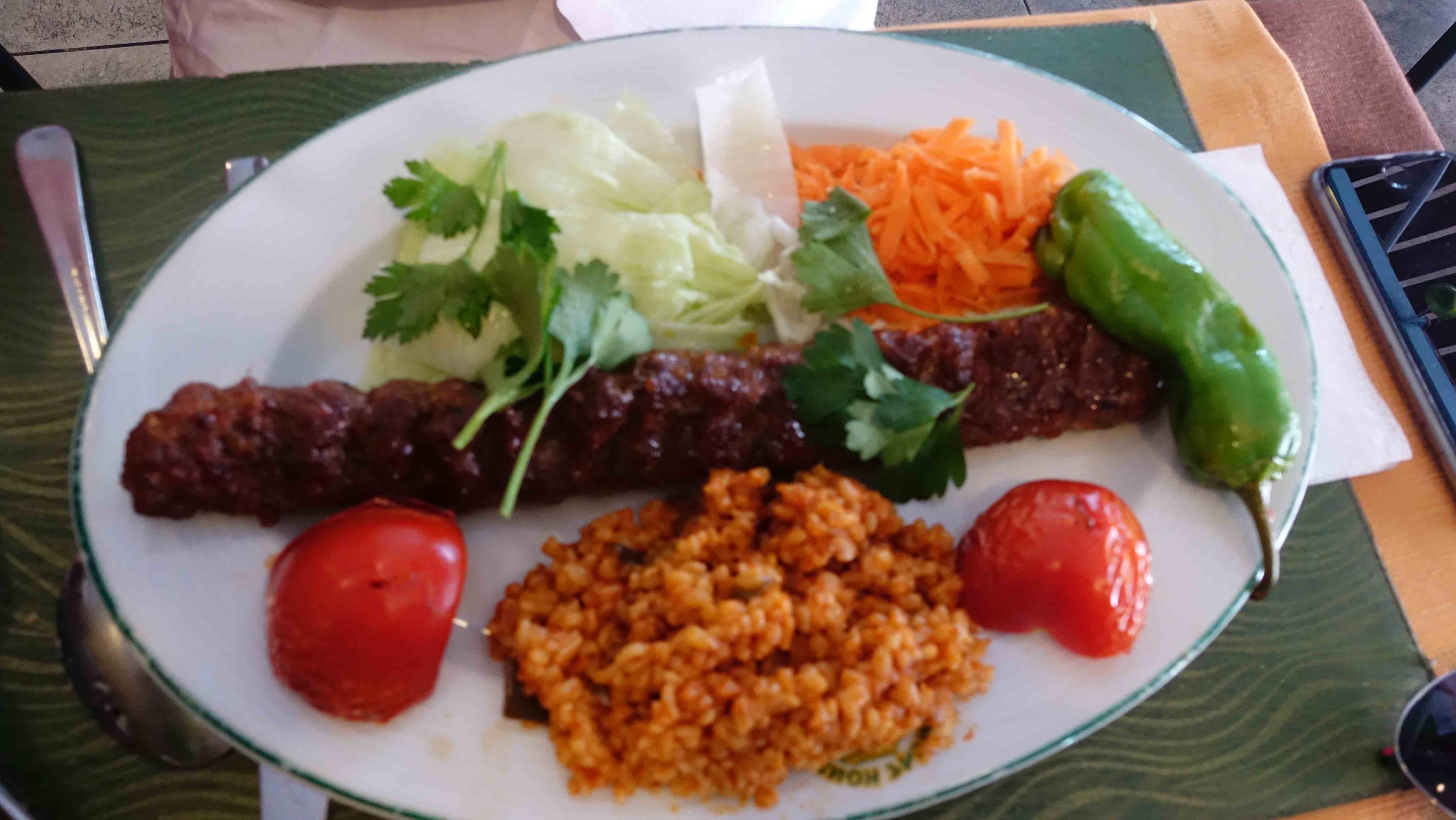
After all this tomb action, we were hungry, so we went and had a traditional Koyna early dinner at a fabulous restaurant, generously hosted by Zeyno and Fatih.
Here is a photo of two of our cooks –

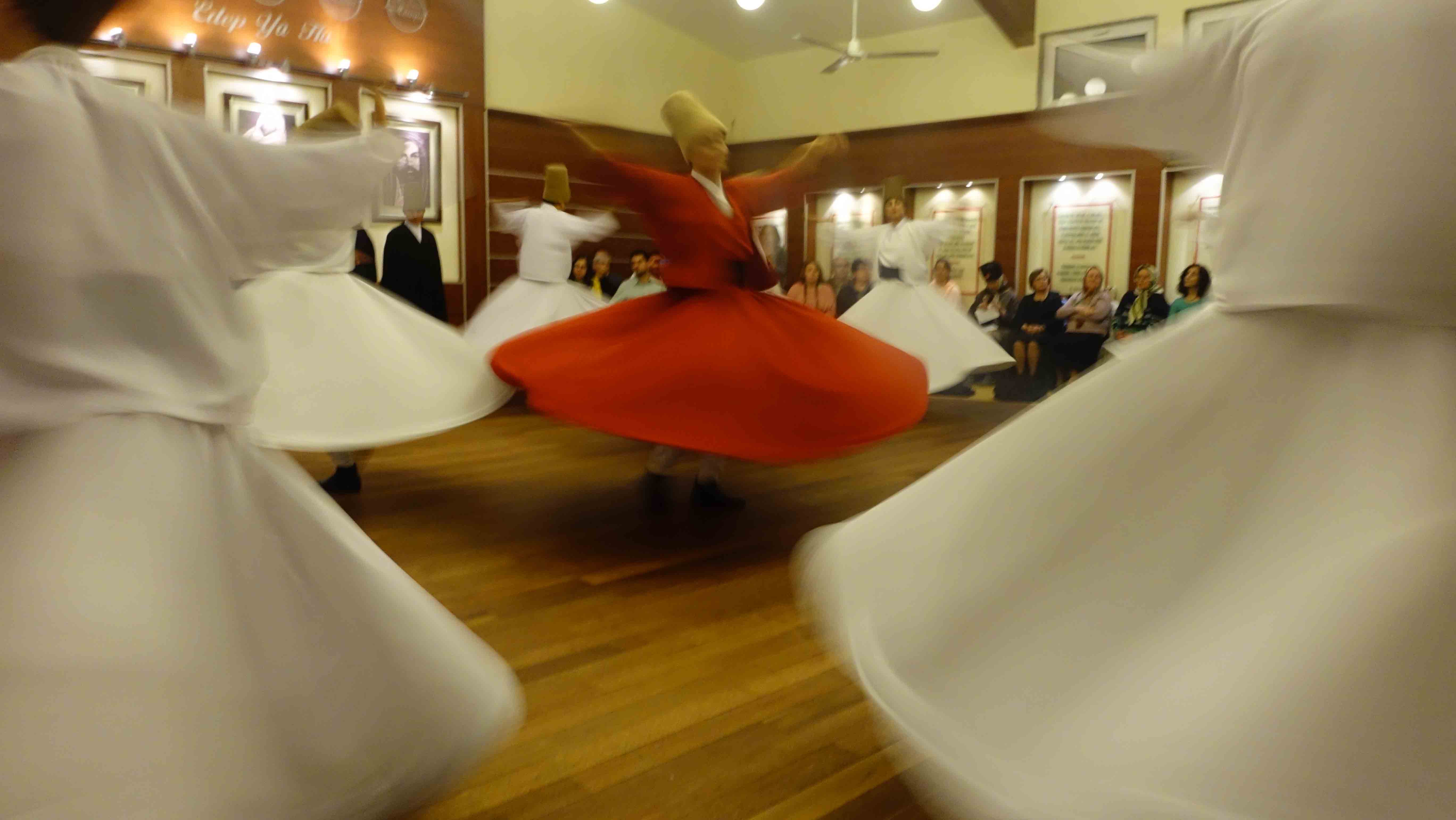
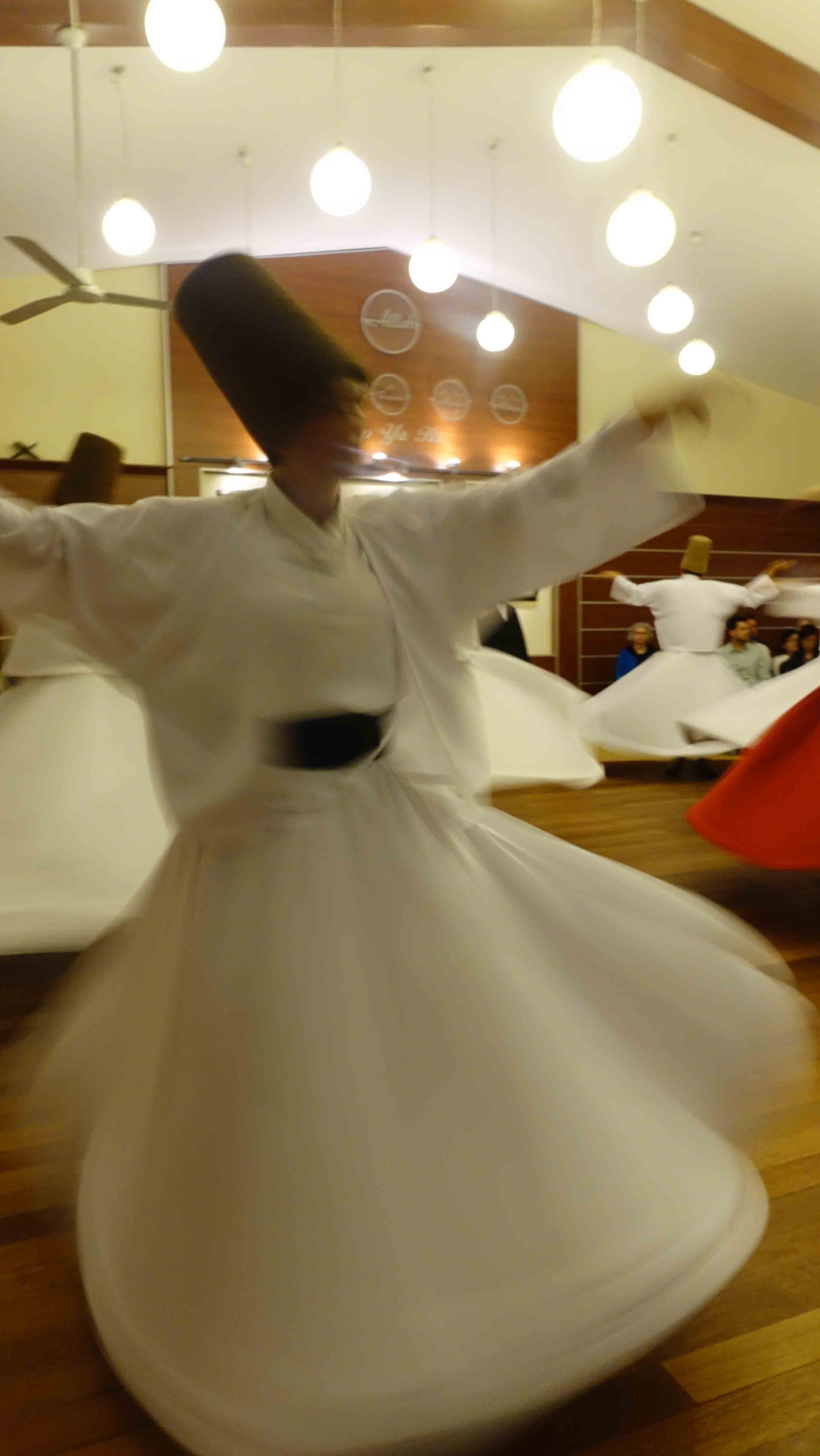
After the lunner (lunch/dinner), we then made our way to a huge modern stadium where there was to be a large public Whirling Dervish dance ritual.
It was held in a large indoor arena – like for rock concerts or indoor sports games. The place was packed, and while the Whirling Dervishes were polished and highly professional, it smacked more of entertainment rather than a deeply humbling spiritual experience, such as we’d witnessed in that outer suburban hall in Istanbul.

Dervishes were originally ascetics. Like Indian sadhus. They were very much like Franciscan monks, renouncing all material possessions and largely begging for food.
Rumi is said to have begun the Whirling ceremony (Sema) – a form of movement meditation designed to bring the practitioner (the Semazen) closer to God. Here’s an excerpt from Wikipedia:
In the symbolism of the Sema ritual, the semazen’s camel’s hair hat (sikke) represents the tombstone of the ego; his wide, white skirt (tennure) represents the ego’s shroud. By removing his black cloak (hırka), he is spiritually reborn to the truth. At the beginning of the Sema, by holding his arms crosswise, the semazen appears to represent the number one, thus testifying to God’s unity. While whirling, his arms are open: his right arm is directed to the sky, ready to receive God’s beneficence; his left hand, upon which his eyes are fastened, is turned toward the earth. The semazen conveys God’s spiritual gift to those who are witnessing the Sema. Revolving from right to left around the heart, the semazen embraces all humanity with love. The human being has been created with love in order to love. Mevlâna Jalâluddîn Rumi says, “All loves are a bridge to Divine love. Yet, those who have not had a taste of it do not know!”
Wiki link:
http://en.wikipedia.org/wiki/Sufi_whirling
It’s a fascinating ceremony – and the Dervishes have to undergo intense preparation and cleansing before they can become Semazens.
The more I learn about Sufism, the more I feel aligned to it. In fact, I feel very aligned to Konya. I feel comfortable here…
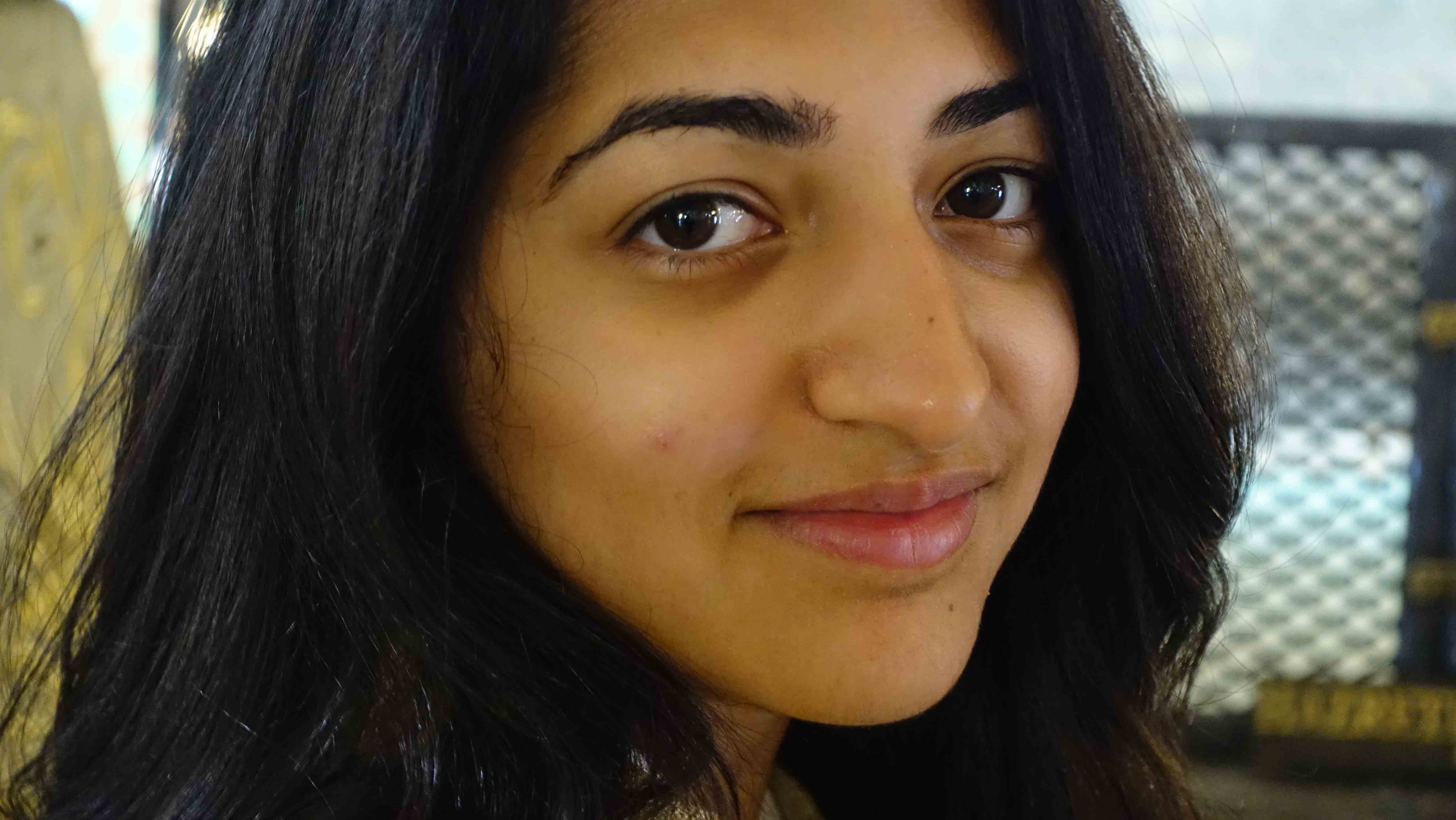
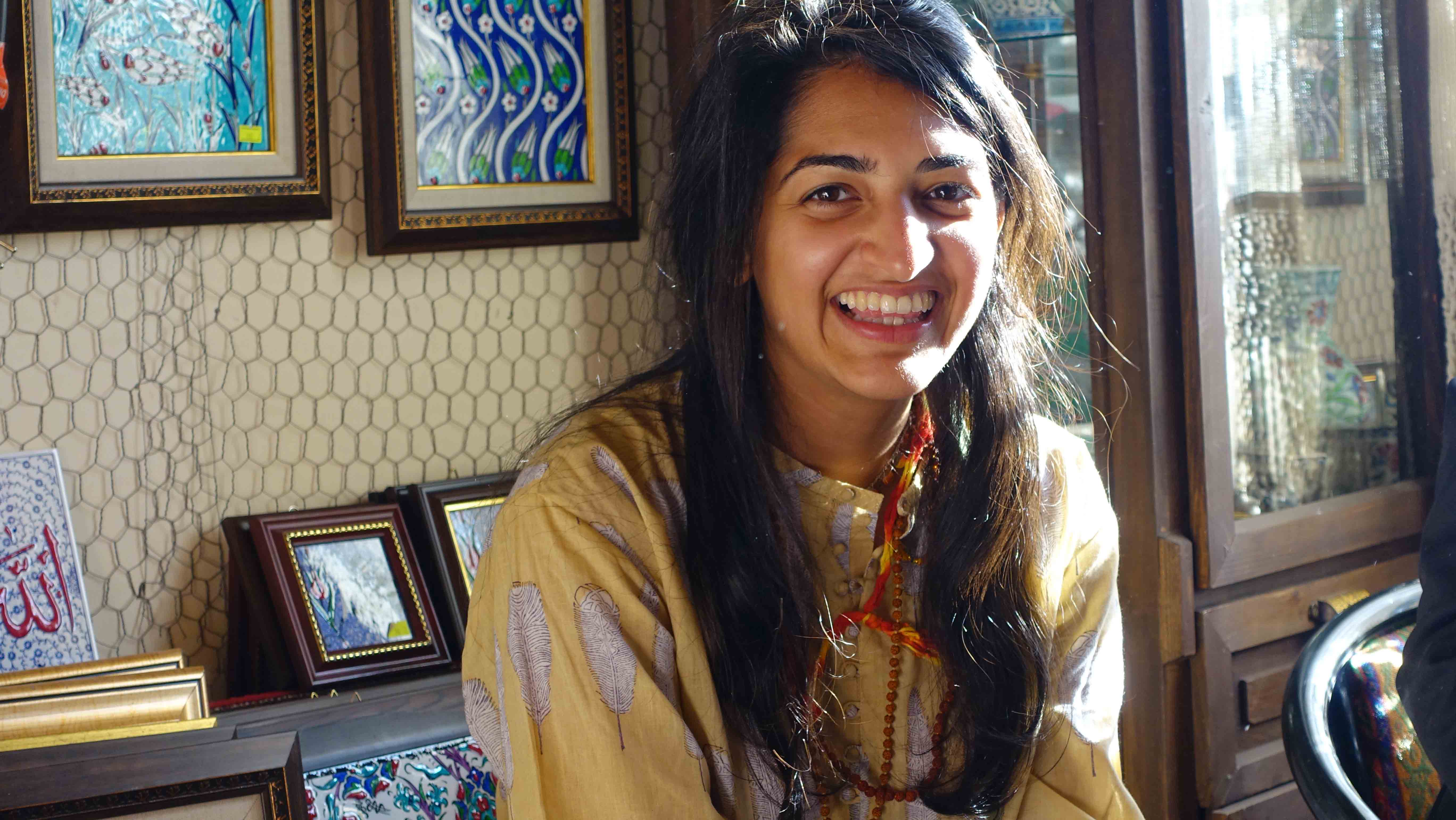
This evening we said goodbye to Priyanka. She had to return to Istanbul for work. She said she might join us on part of the Indian tour, which would be fabulous.
Here is her jewellery website. She’s a very clever young lady –
http://aamaya-by-priyanka.myshopify.com






























You must be logged in to post a comment.