

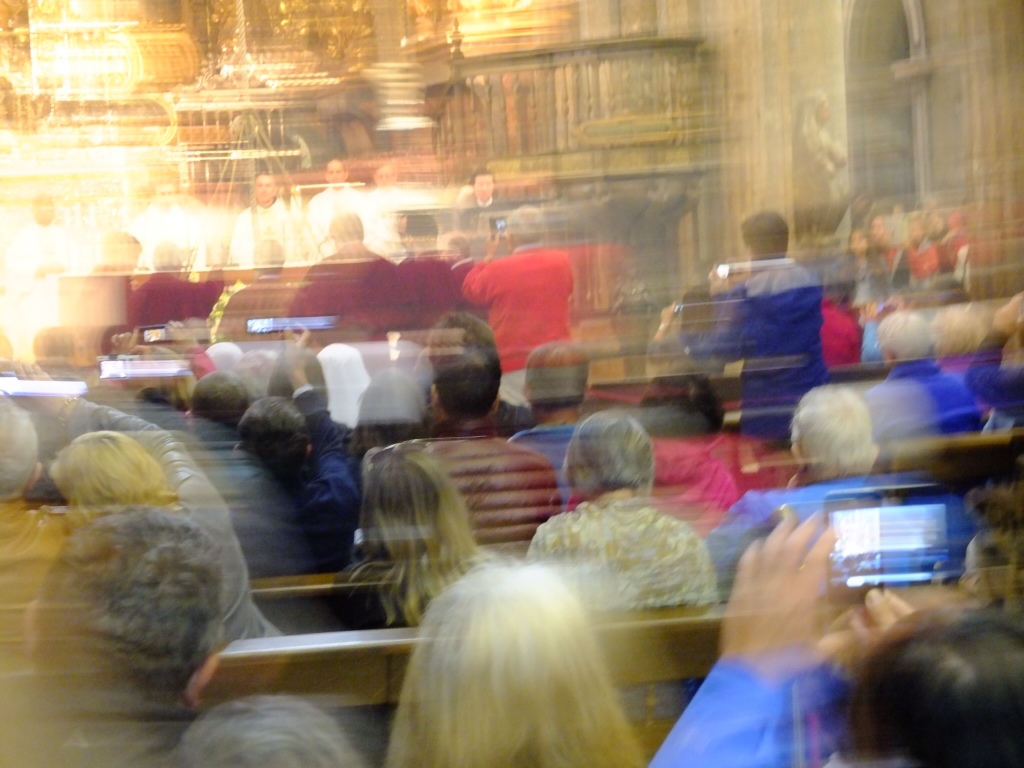
Photography enabled me to fully “see” the Camino as I walked. It became a very important part of my Camino experience.
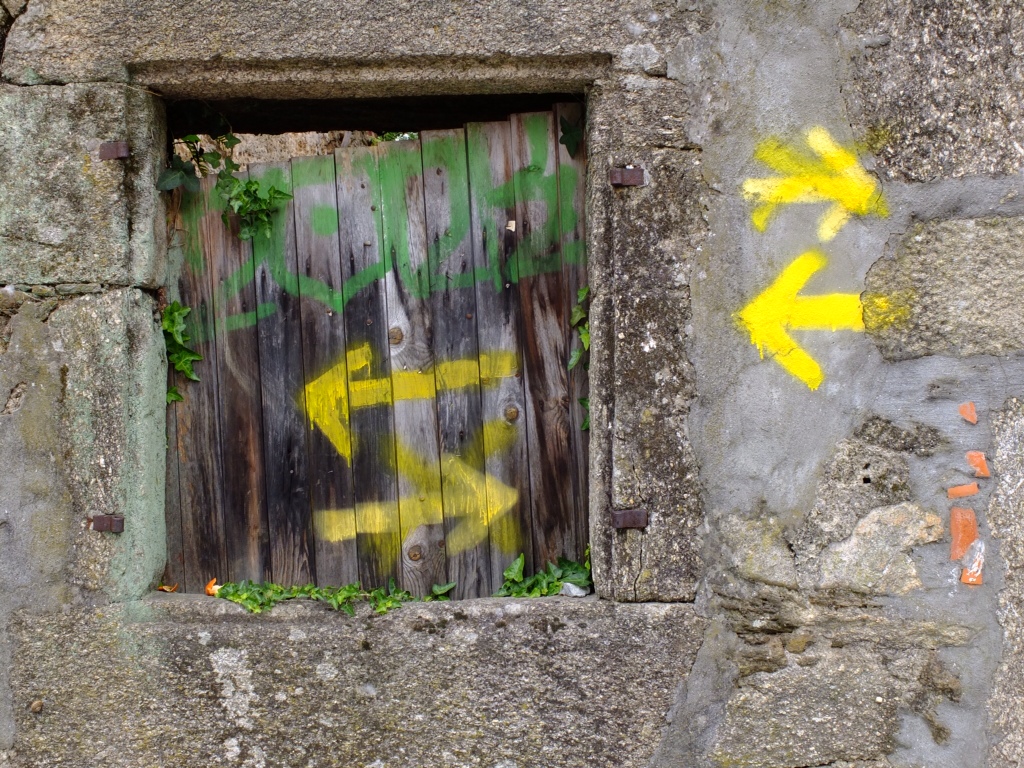
I saw things with my camera I simply would not have otherwise seen, had I not been shooting. And I experienced things – interactions with people, particularly local Spanish people – that wouldn't have happened had I not photographed them.
But that's just me.
It wouldn't be so for everyone.
Some people think that taking a photograph robs you of the memory – that it's an easy way to grab a moment and consider it later, and in doing so you're not fully experiencing the moment when it's presented to you.
That's true in some cases. You can use the camera promiscuously by snatching a shot and quickly moving on, believing that by taking the photograph you've captured the moment for later appreciation: the scenery, the vista, the church, the sunset, the village square.
But you find later that the photograph never truly captured the beauty or the magic of that moment, or that scene. It's always a disappointment, and you feel you should have stopped just a little longer and looked, and fully absorbed it with all your senses; not only your eyes, but you should have smelt it, and heard it – things a photograph can never capture – and then you should have filed it away in that data storage bank called your brain.
All this is true. But it depends on how you use your camera. And your purpose in taking a photograph.
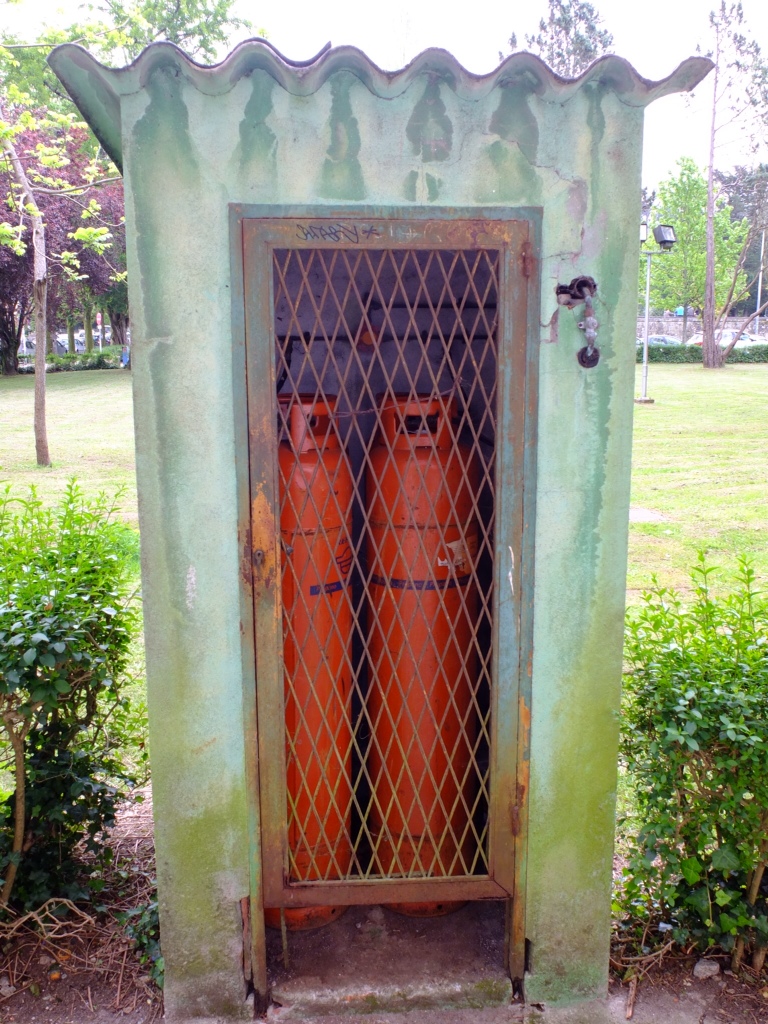
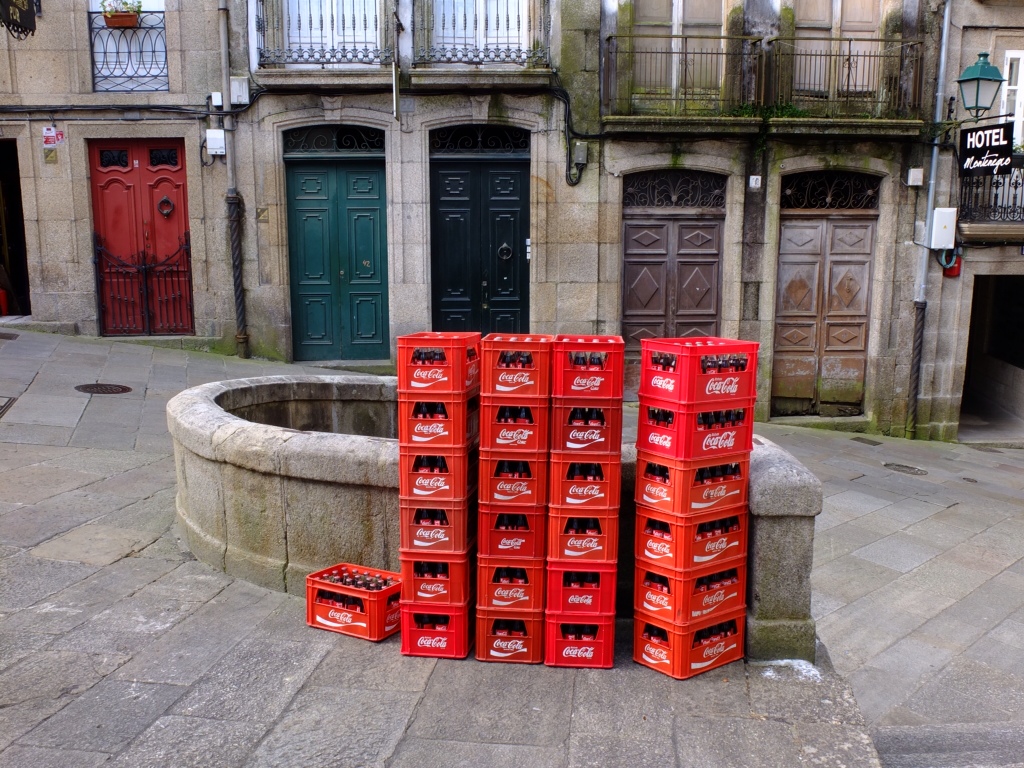
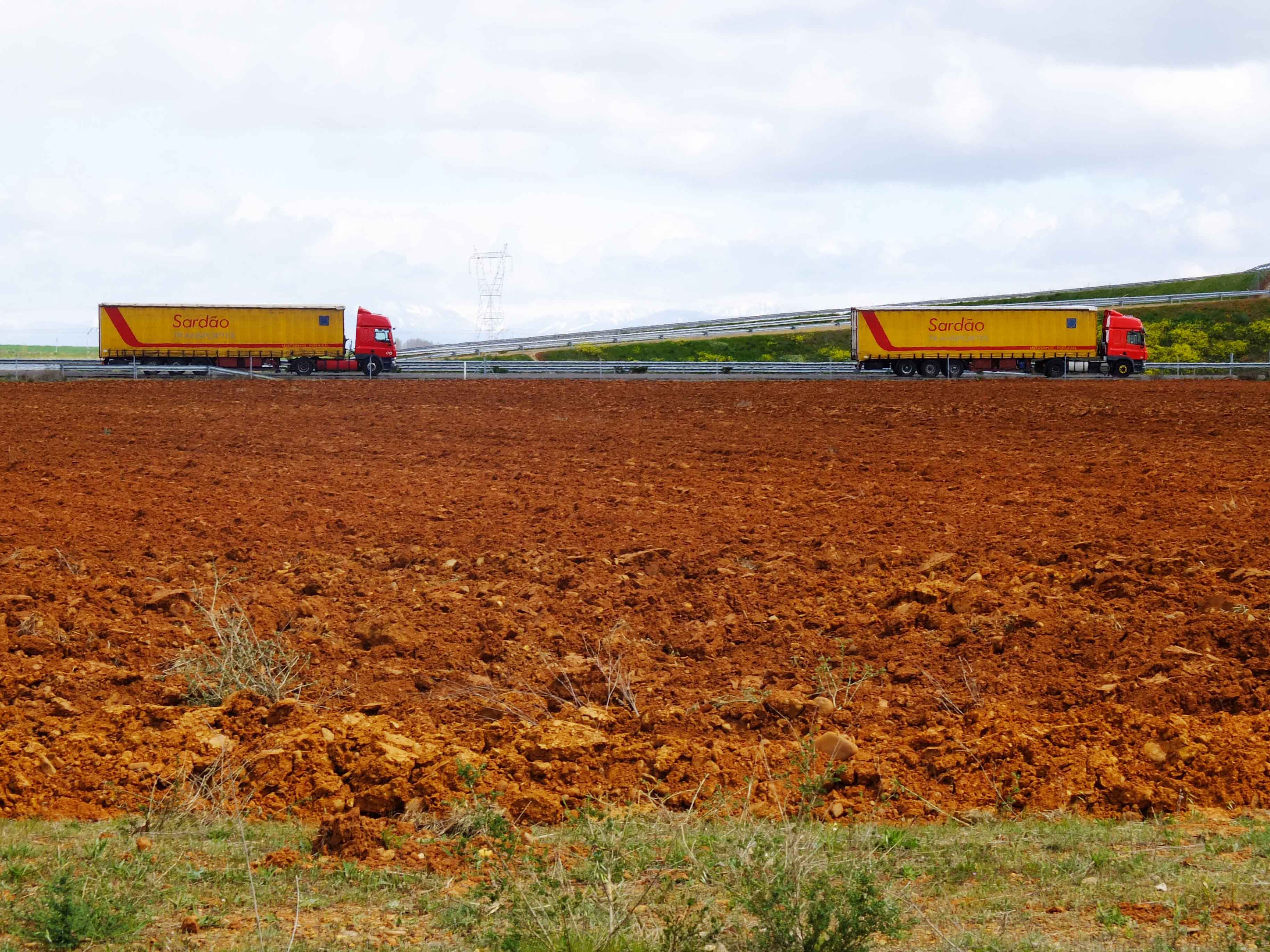
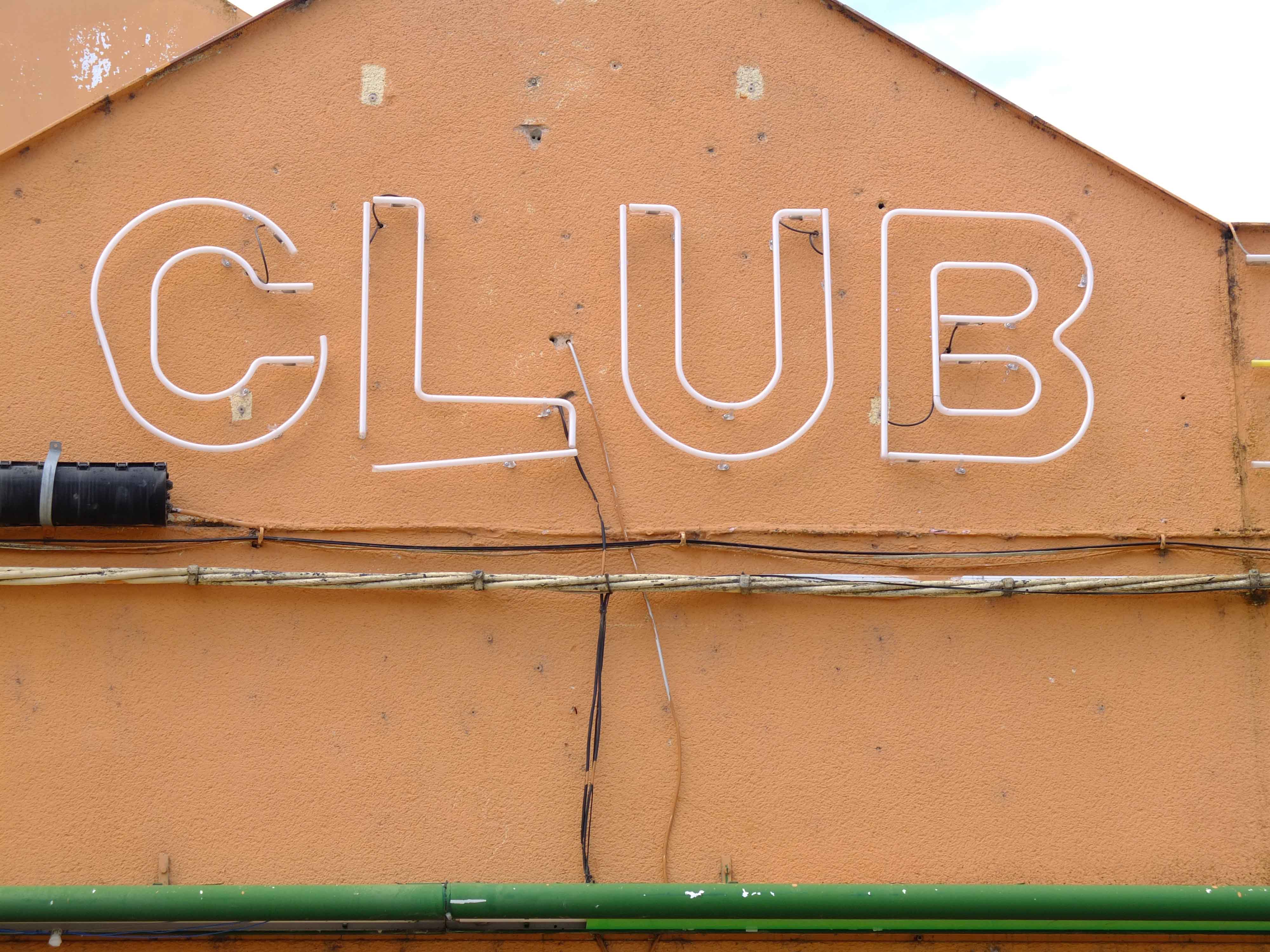
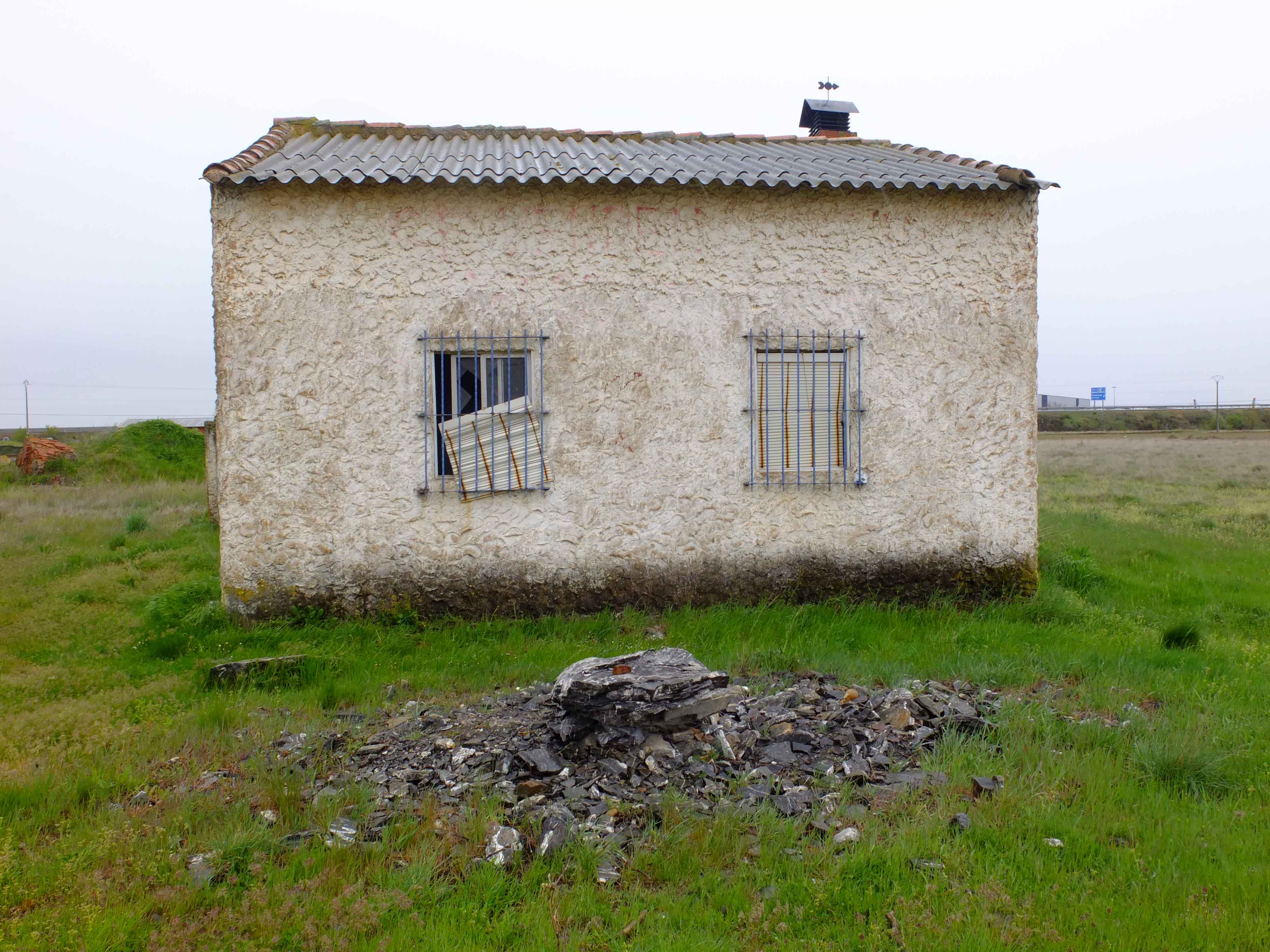
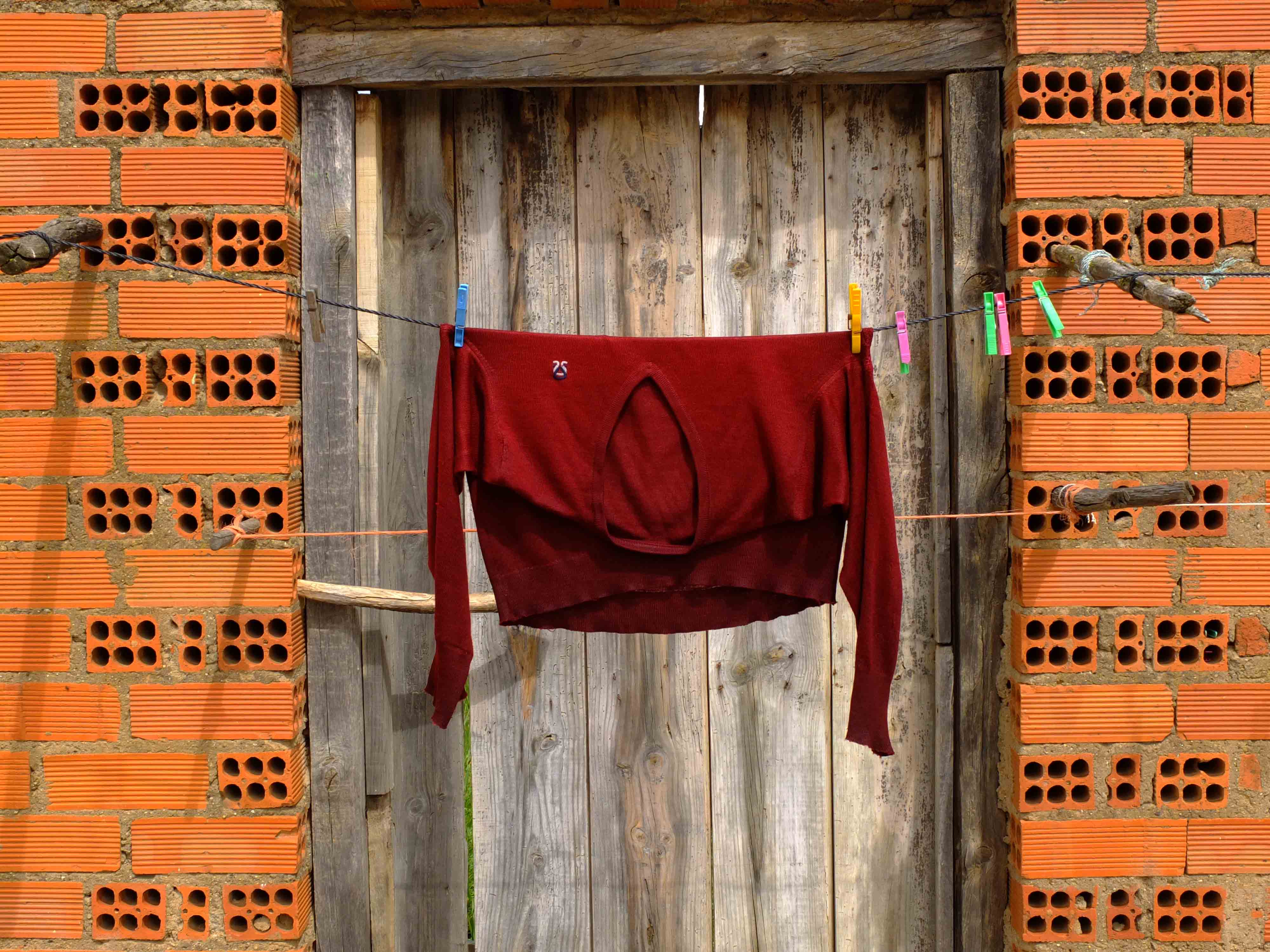
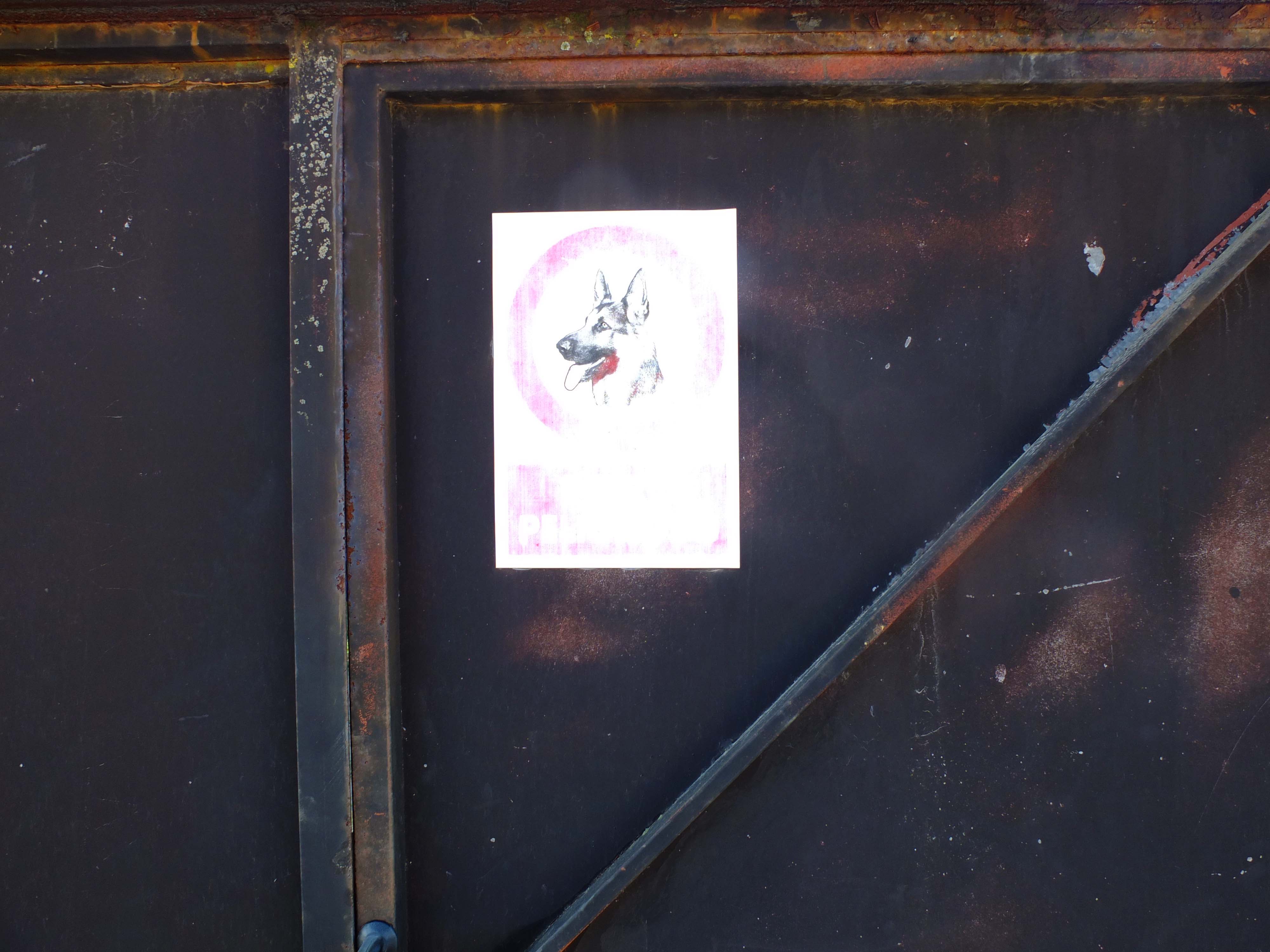
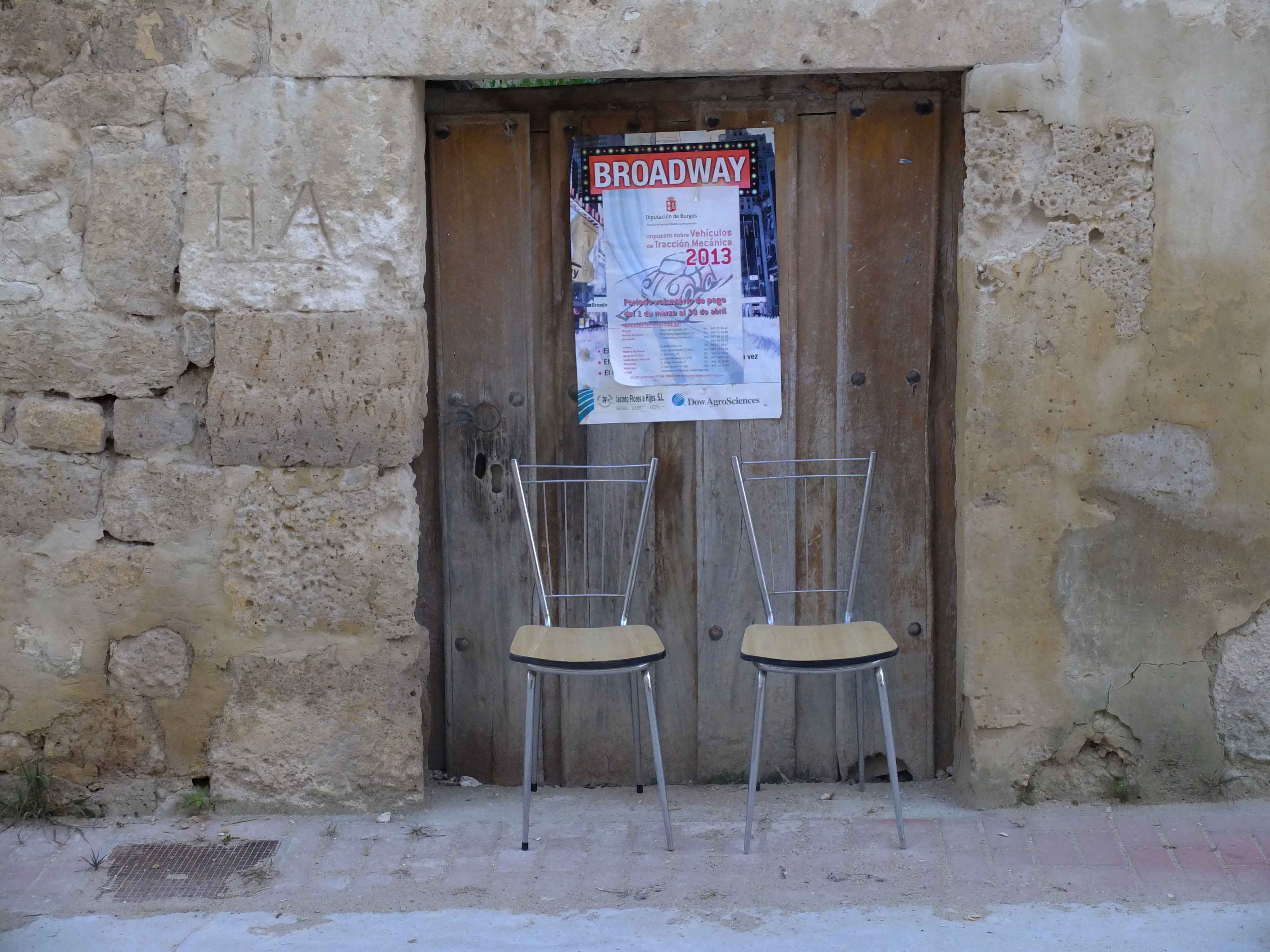
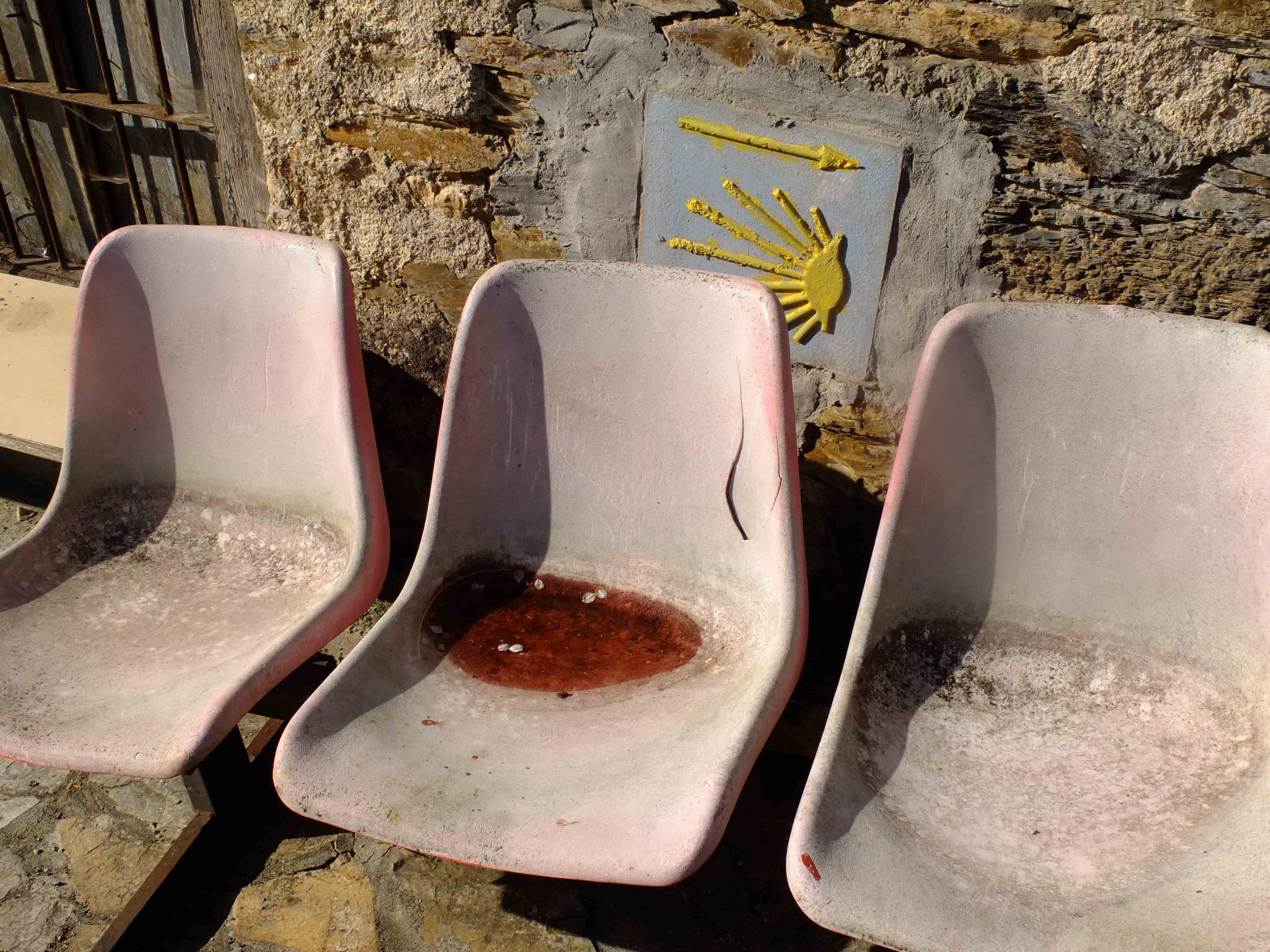
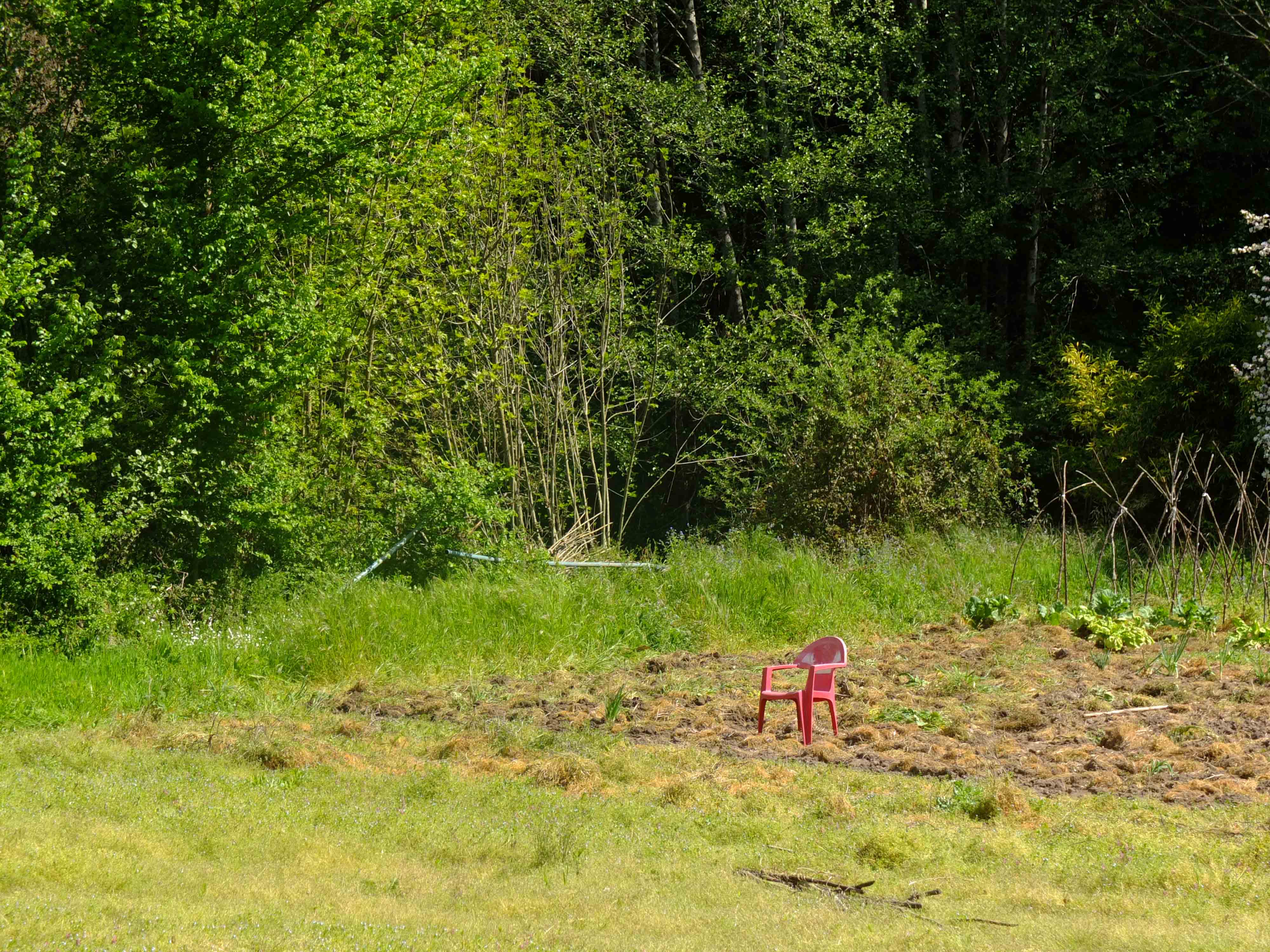
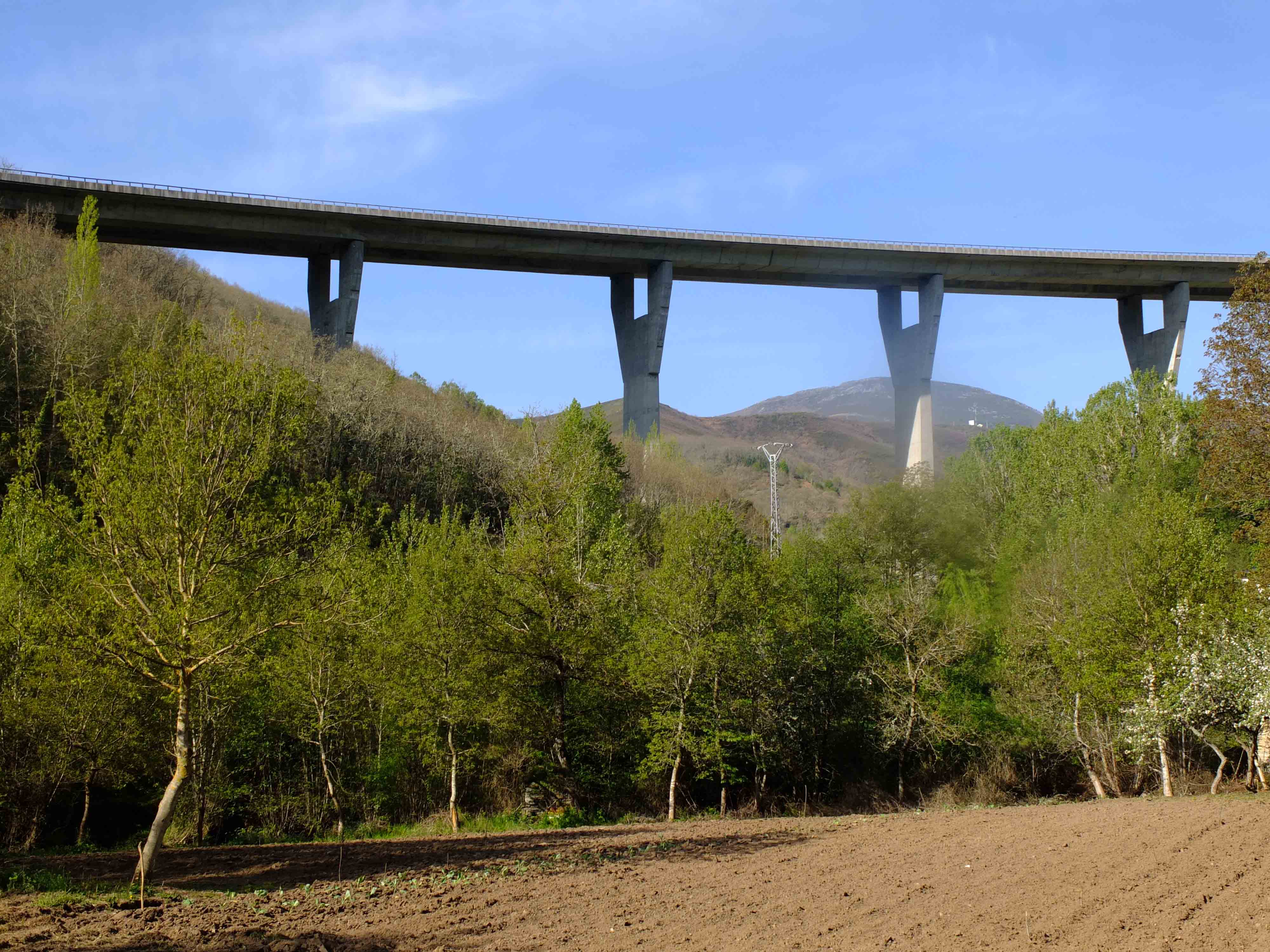
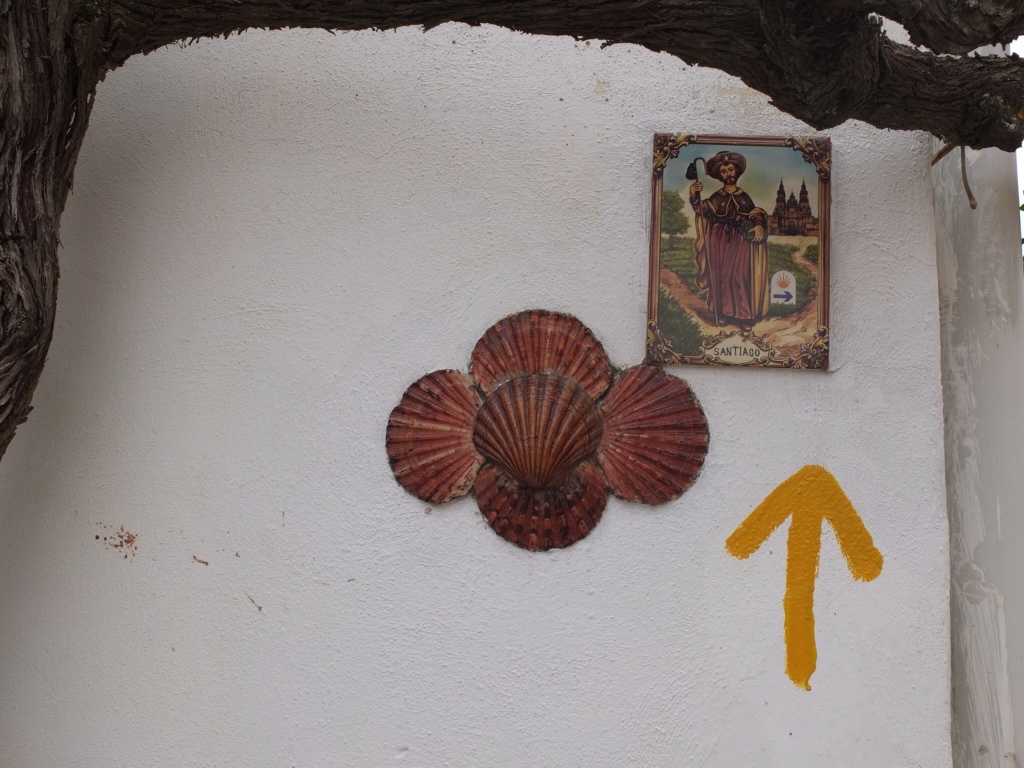
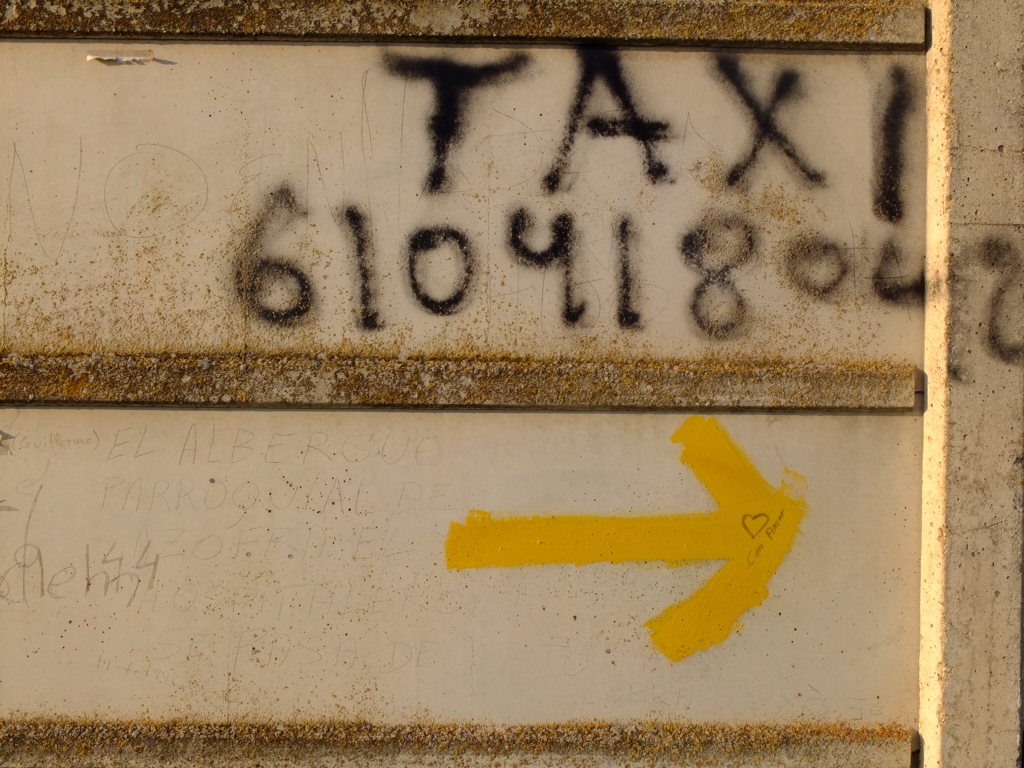
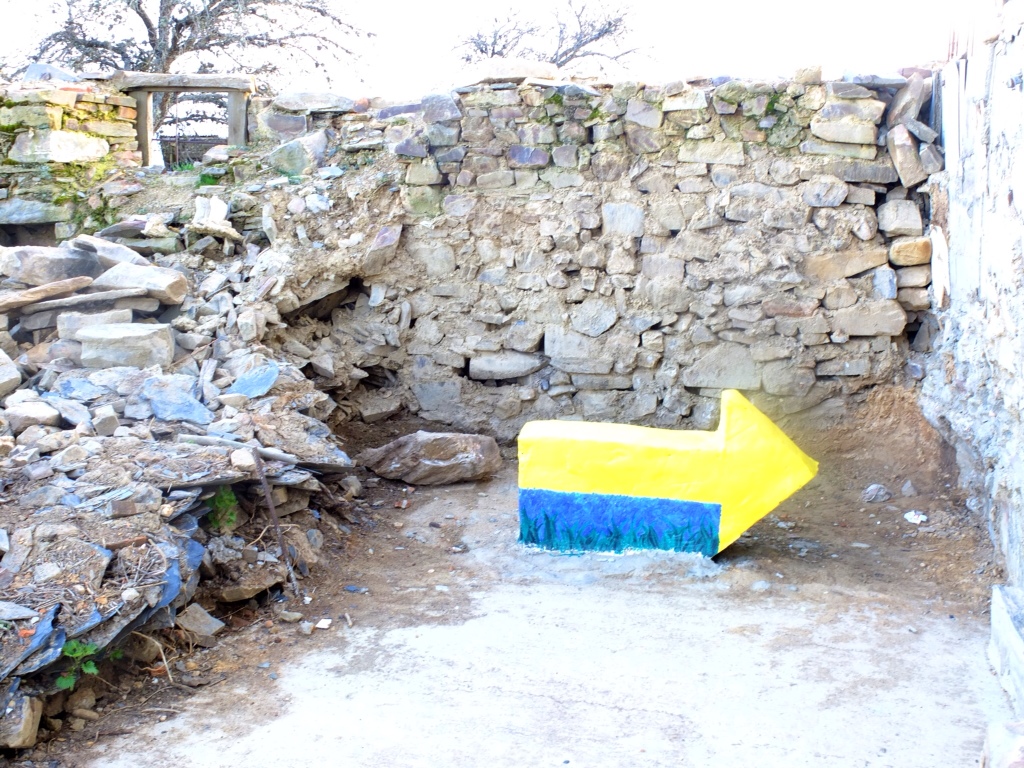
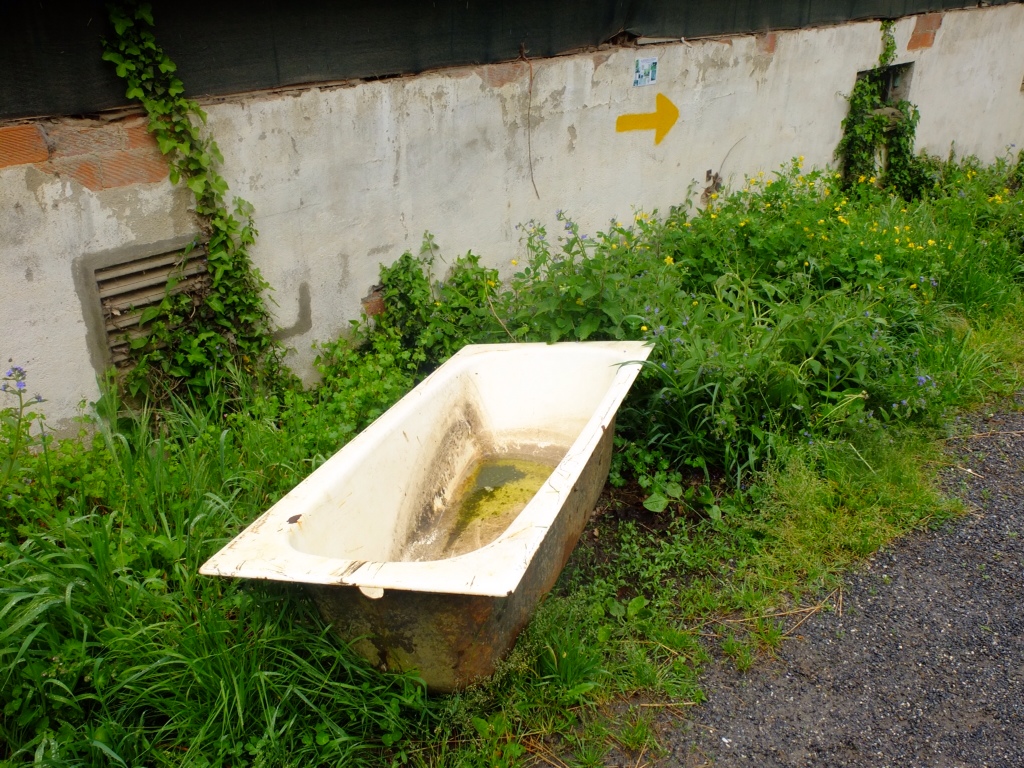
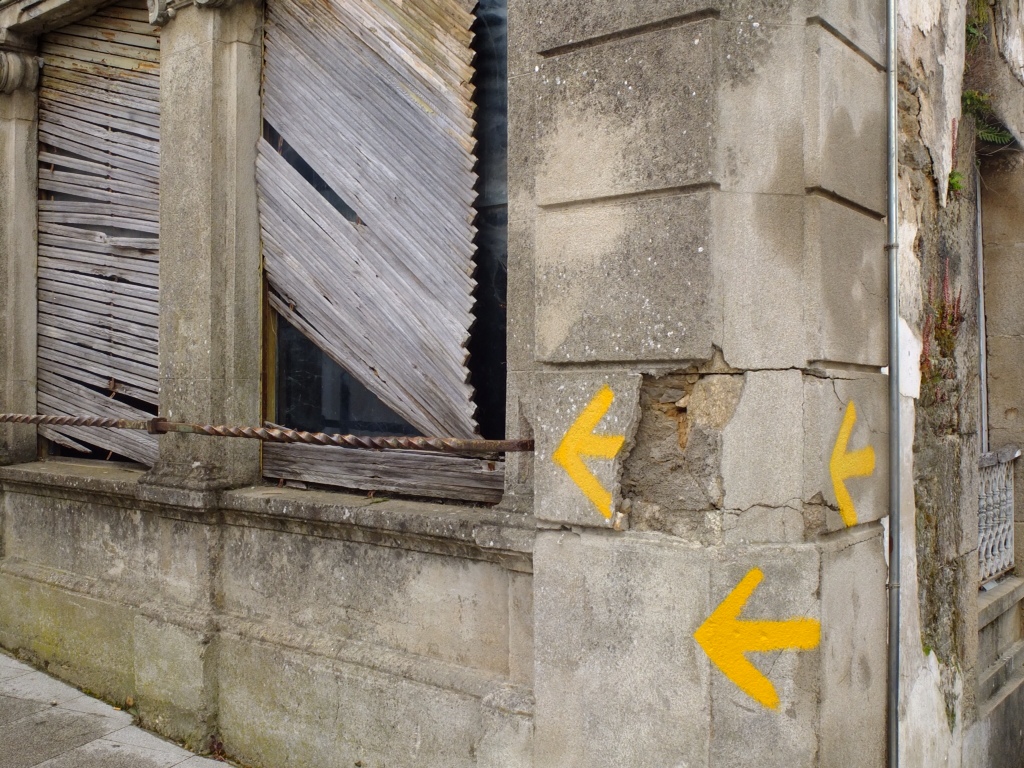
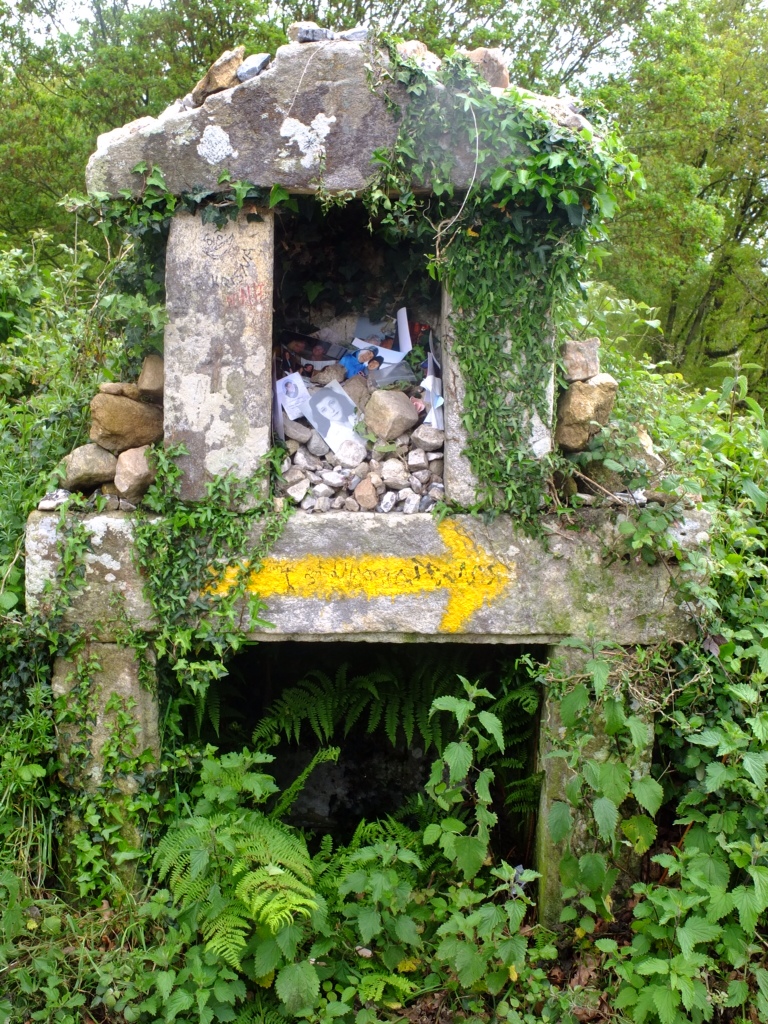
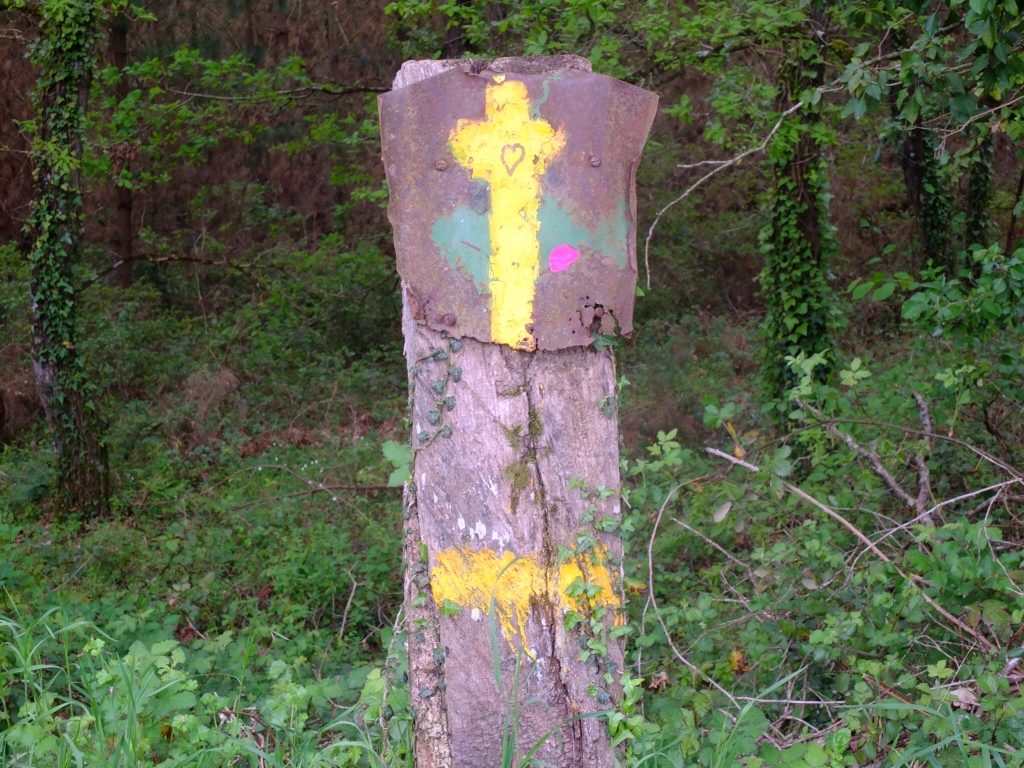
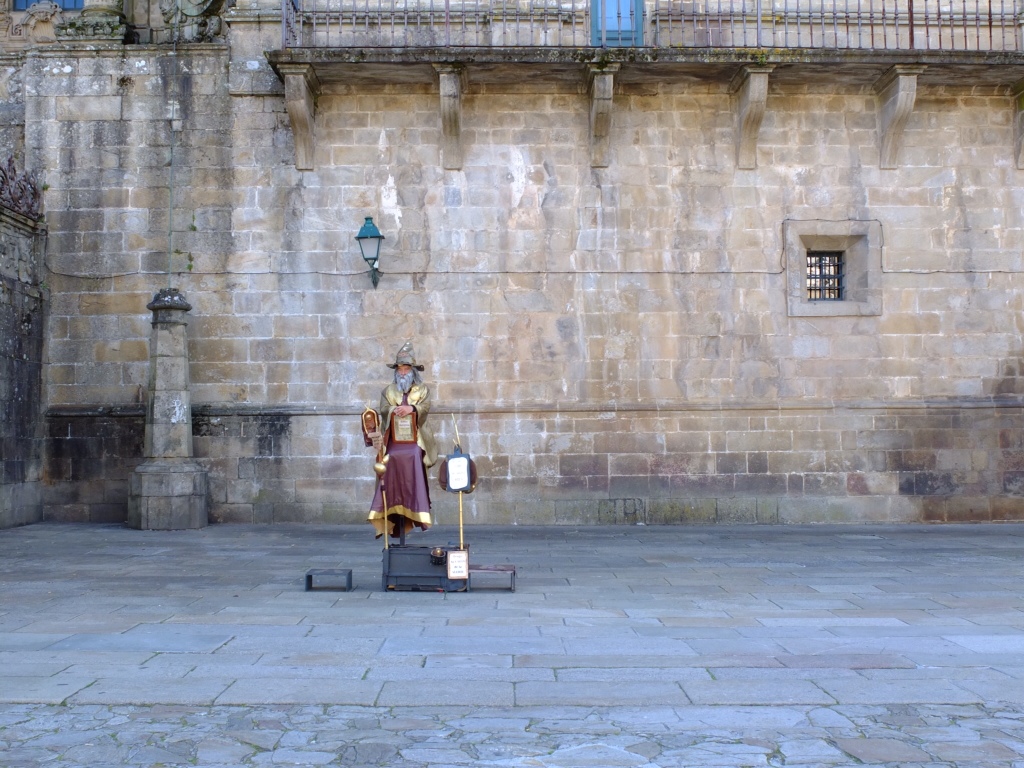
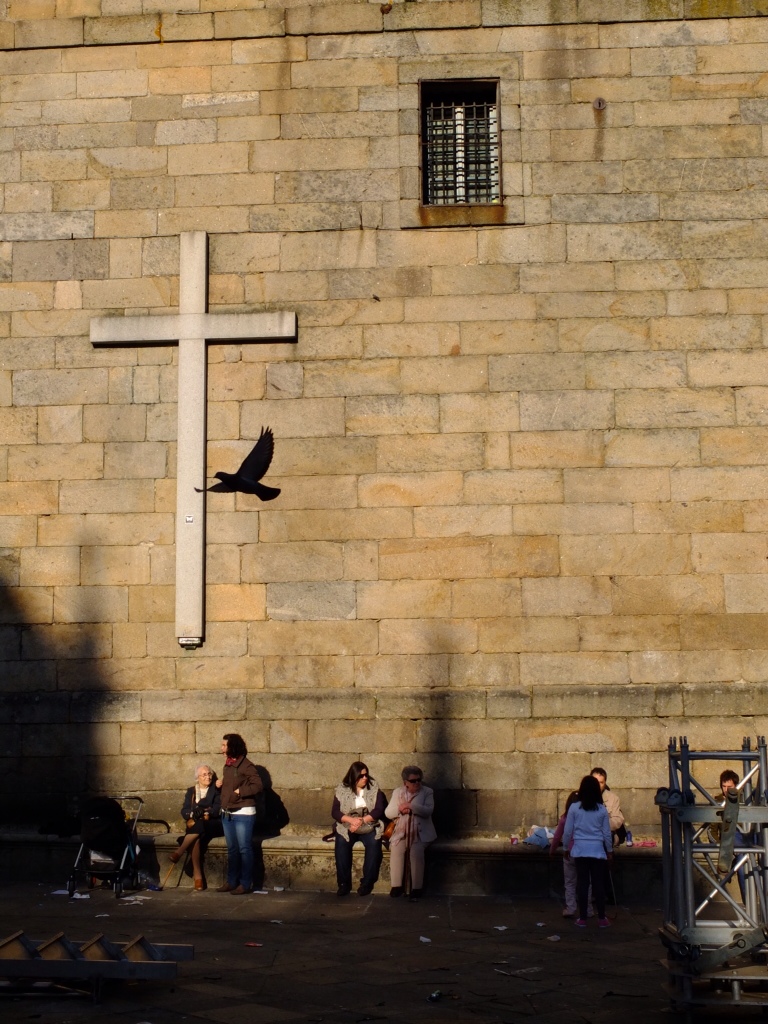
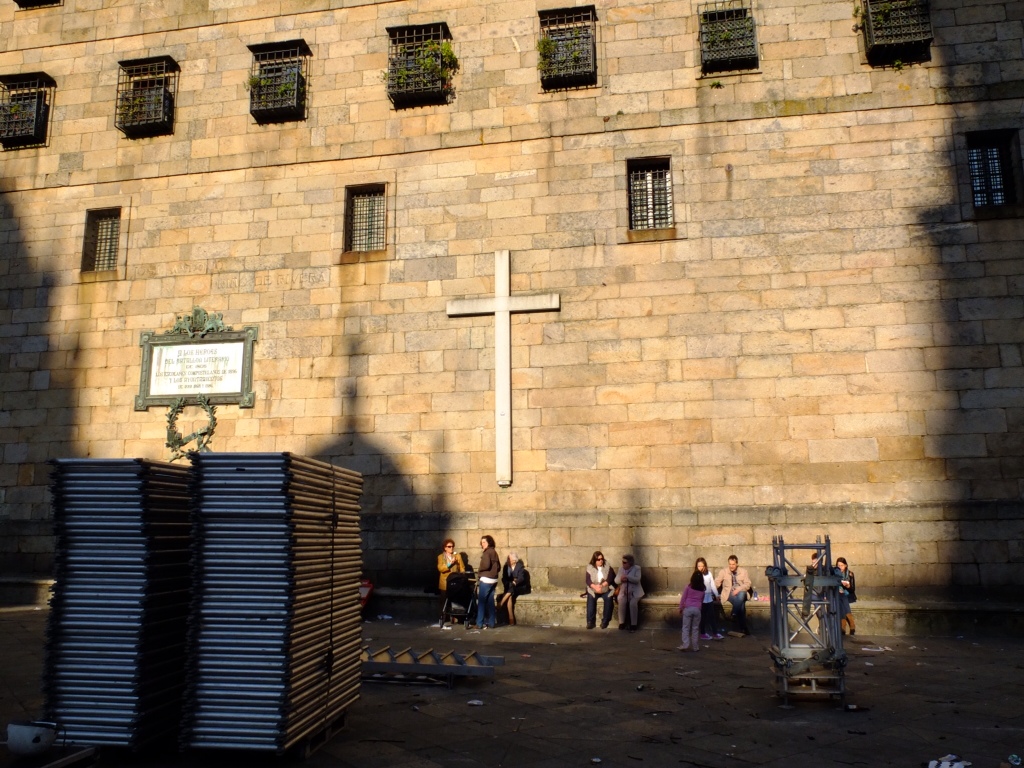
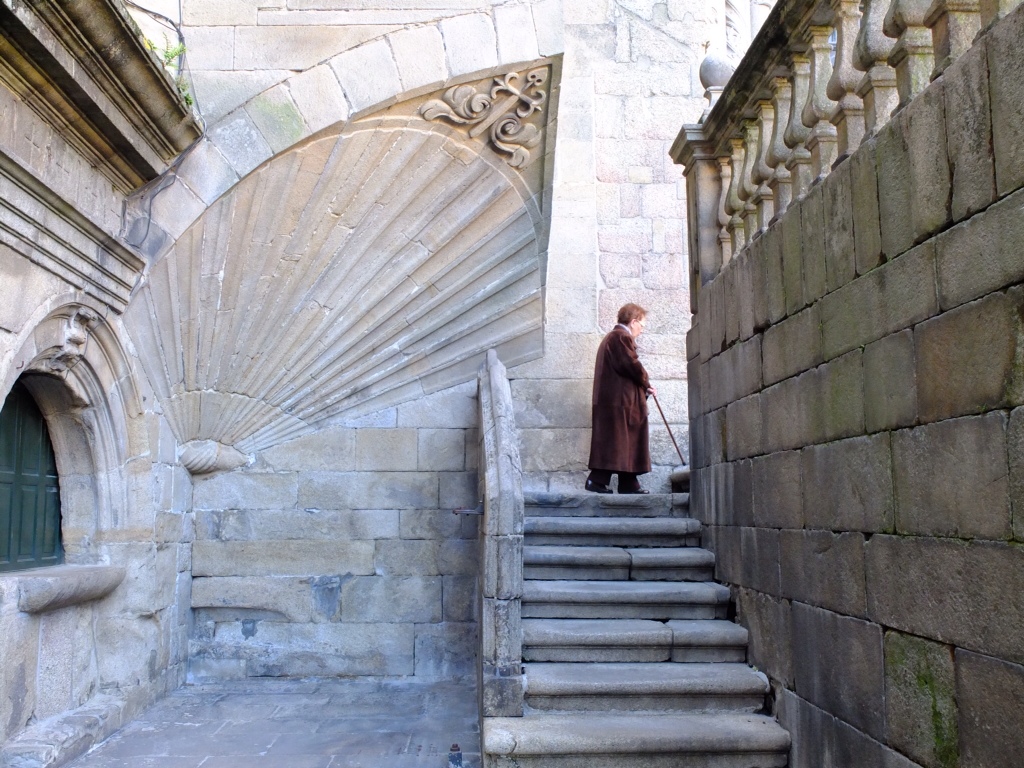
For me, taking a photograph takes time, and engagement. I can't take a photo “promiscuously.” I know the shot will be superficial and technically inept. There's just no point. So as I walk, I look around and I try to really see things. I'm looking for the discordant, the idiosyncratic, the visual malapropisms.
I'm looking for the stuff that makes no sense, or that tells a story.
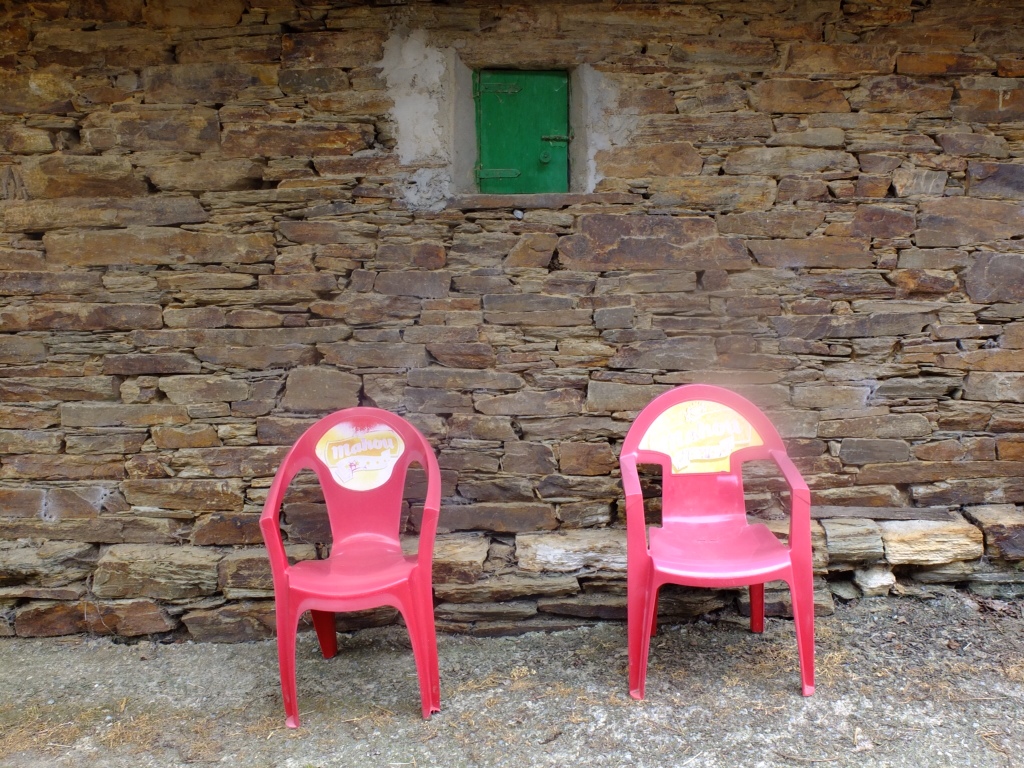
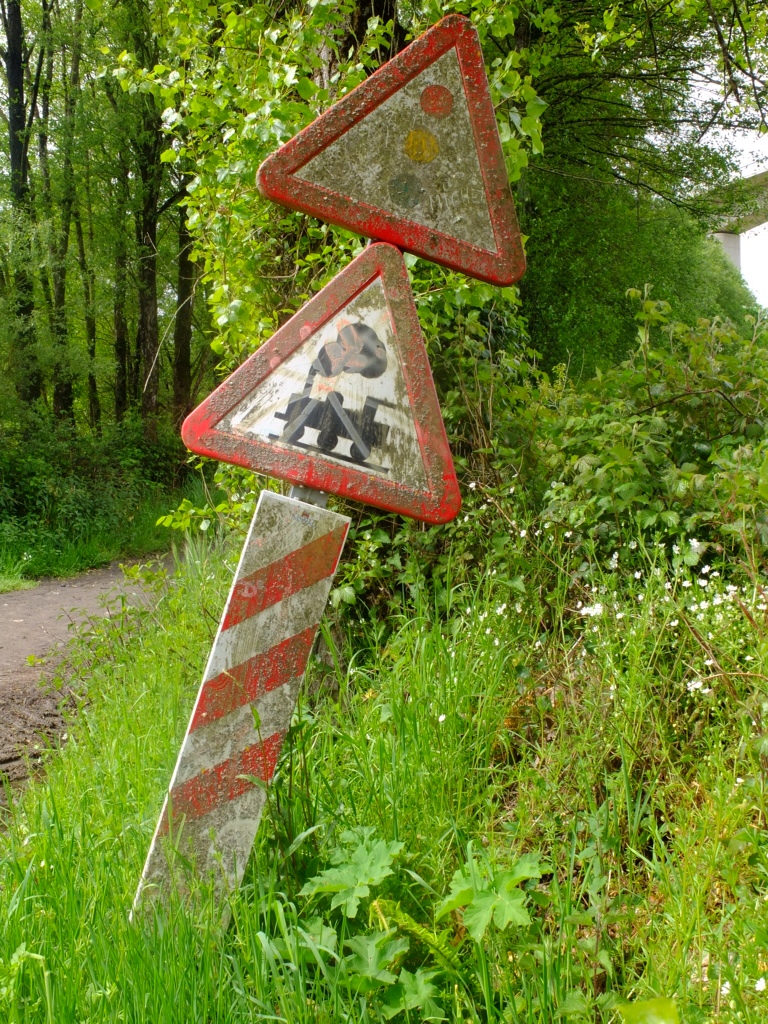
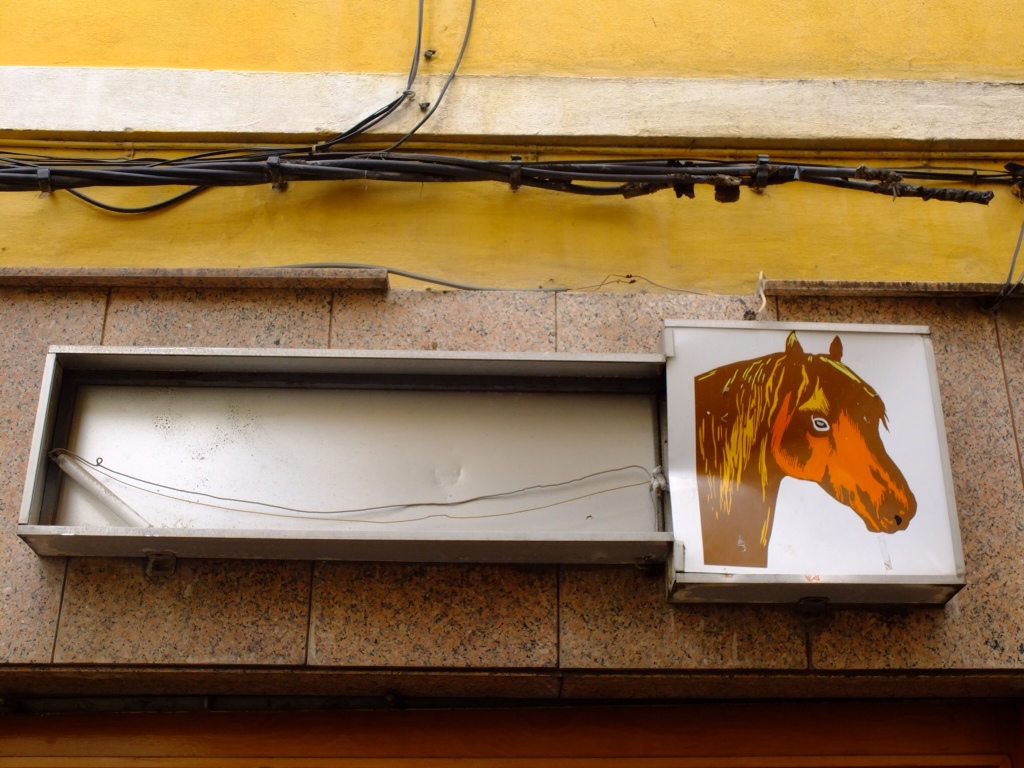
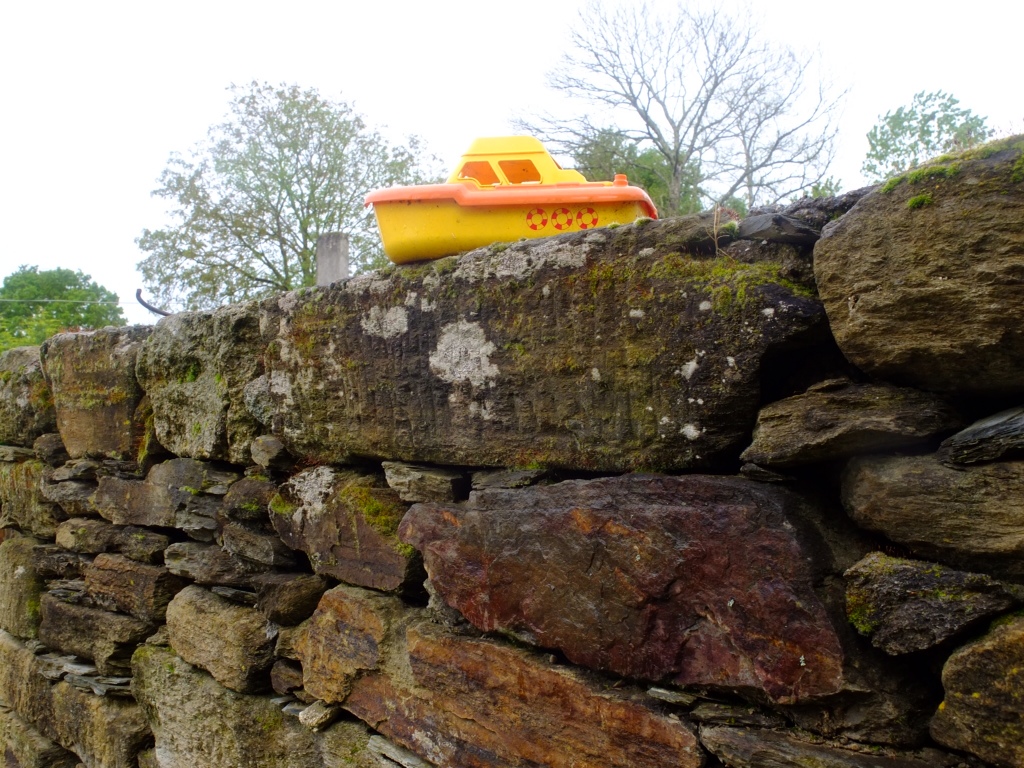
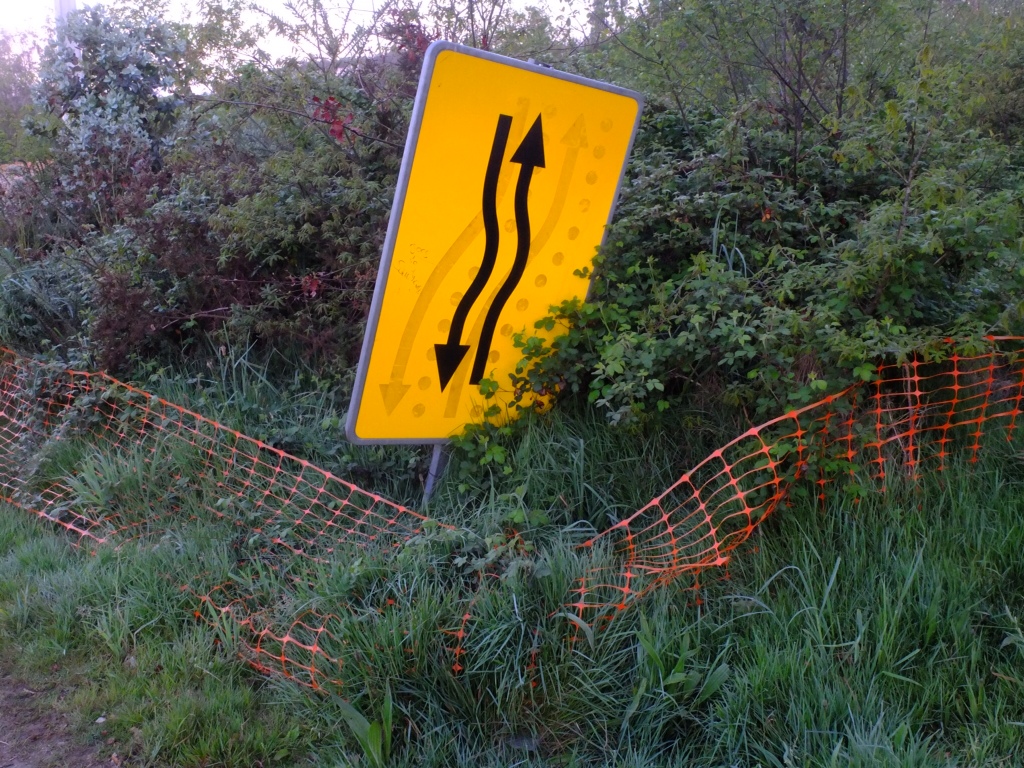
As I've said in a previous post, it takes me between 30 seconds to 90 seconds to take a shot. And I've taken now close to 5000 shots. For instance, I took several shots of a white horse in a field full of trees.

I followed that damn horse for about 10 minutes as it moved from one section of the forest to the other, trying to get the perfect shot. Ultimately I was never happy with any of my pictures. (That's the day it took me 5 hrs to go 11 kms!)
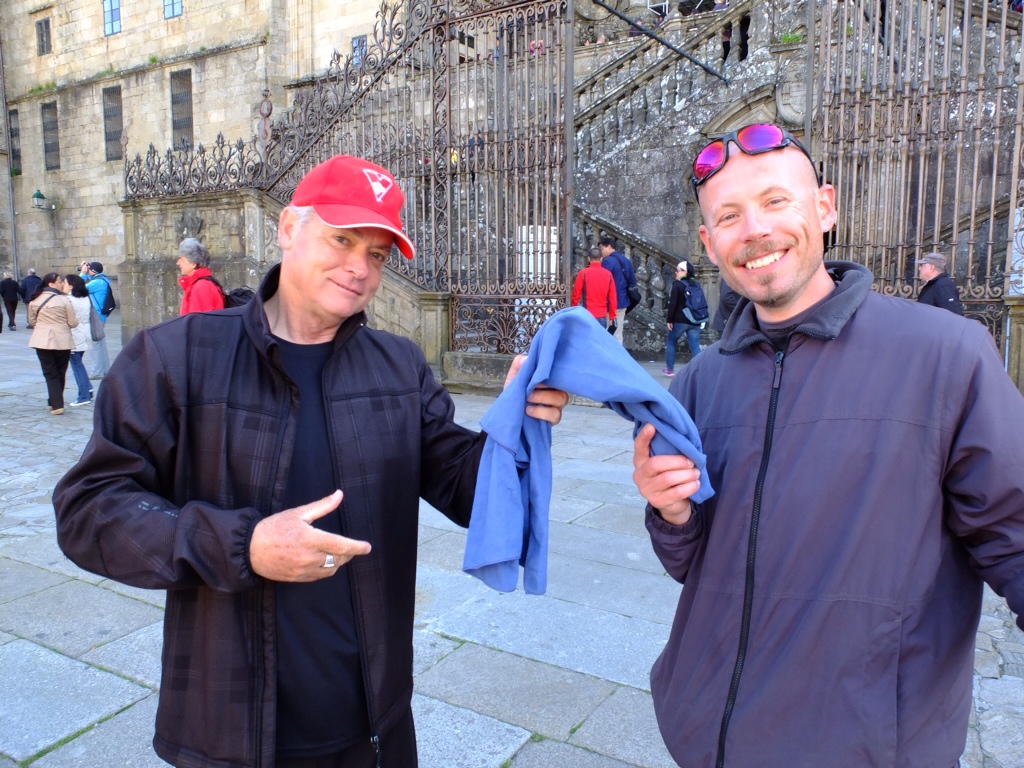
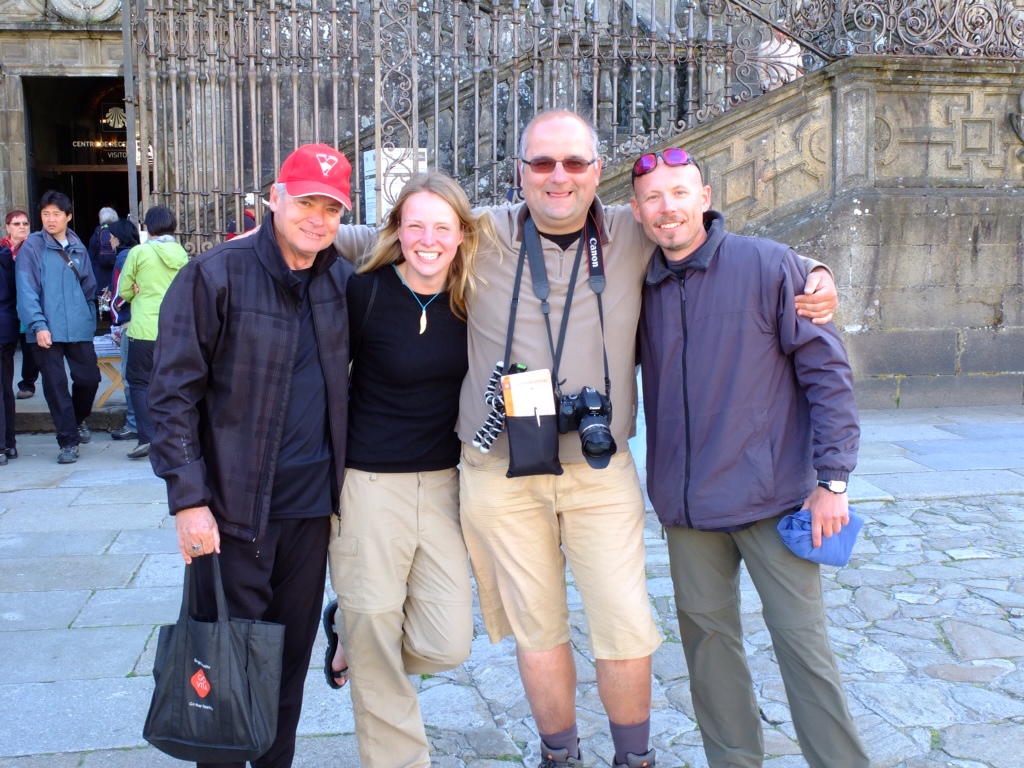
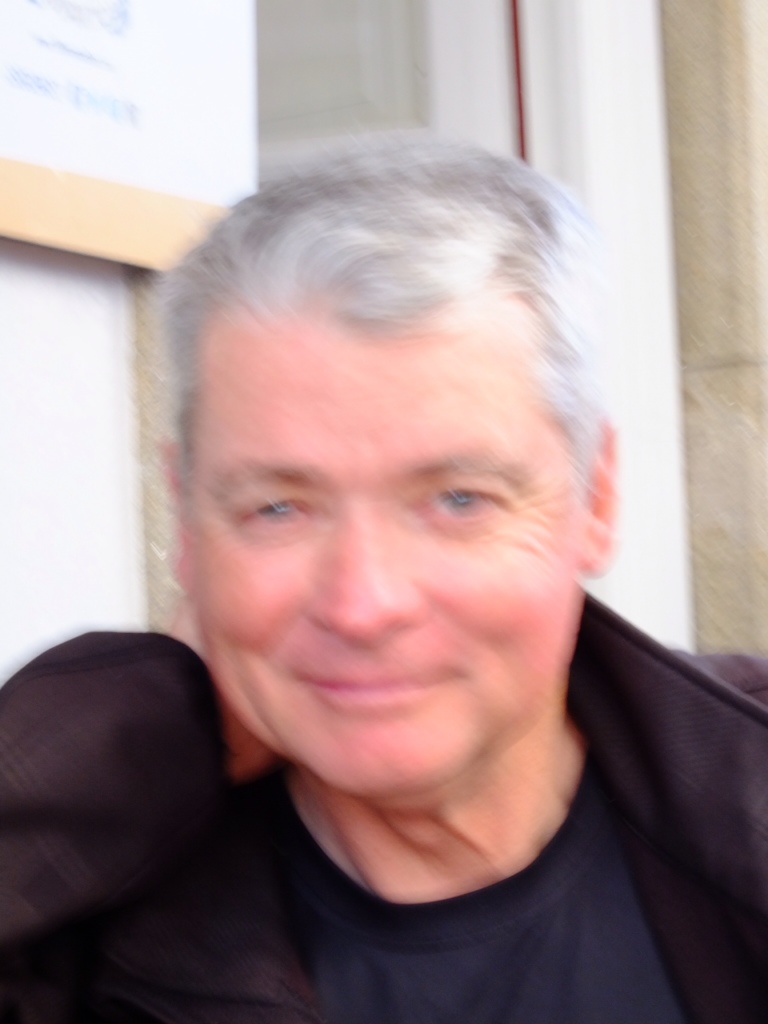
Equally, when I photograph local Spanish people, I walk up to them and ask if it's ok if I take their picture. If they say no, then I thank them and walk away. If they say yes, then I begin to photograph them. And when I've got a shot I'm happy with, I show it to them on the LCD screen, so that I'm not only taking, but also in a small way giving back.
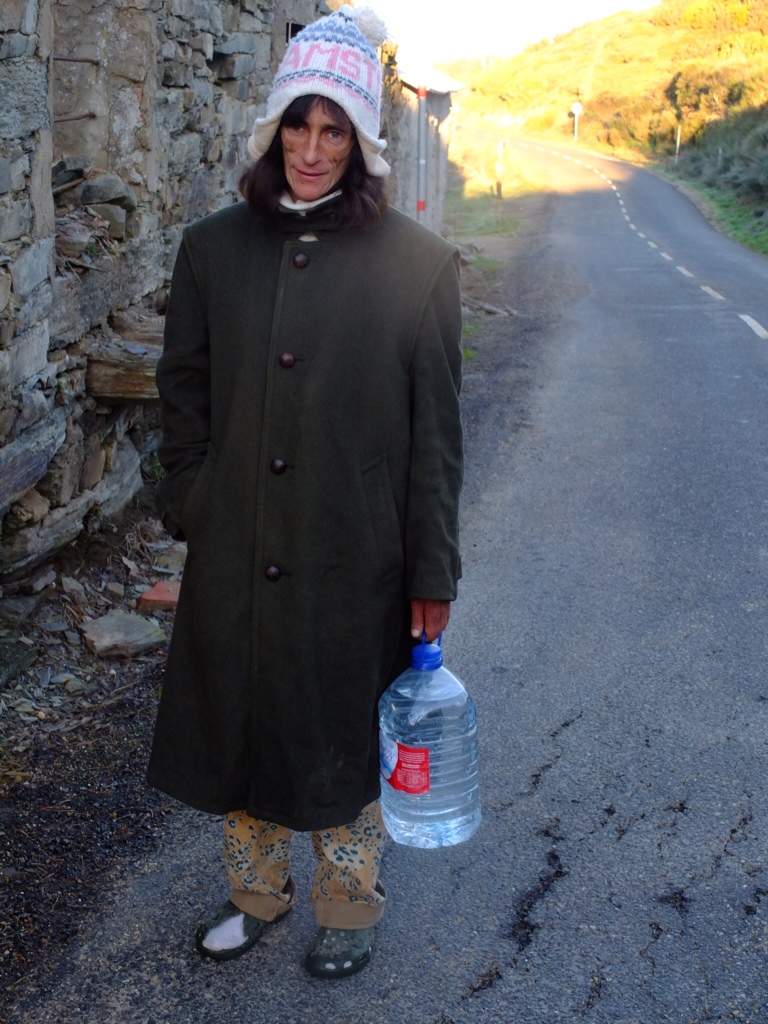
Invariably then they speak to me in Spanish, which of course I don't understand. Then I tell them I'm from Australia, which delights them, and i show them my Sydney Swans cap, which confuses them, and then I shake their hand and leave. All up, between 3-5 minutes.
So in other words, there's engagement. With the people, and with the subject. Sometimes I wait for clouds to clear so I can get better light. Sometimes I have to wait for quite a while for the background to clear, so I can get a clean shot. It takes time. But that time means I have a connection with what I'm photographing.
It doesn't mean each shot is a “keeper.” Of the 5000 odd shots I've taken, I'm only really happy with about 10 of them. But, more importantly my photography has helped me experience the Camino in my own unique way. It has allowed me to truly connect with it.
TECHNICAL –
I used a Fujifilm x10. I chose this camera because it's small, it's light (with charger and spare batteries, the weight was about 650 gms) and I really like the Fuji sensors. It has full manual control, and a manual zoom. It's also not an interchangeable lens camera – I wanted a closed system camera so that I didn't have to deal with dust on the sensor.
I shot JPEG, which was probably a mistake. I always shoot RAW normally, however shooting RAW on the Fuji would have chewed up the batteries, and the SD cards. Also the Fuji RAW software is dodgy. Despite all that though, I wish now I had shot RAW. It would be nice to have that extra data to pull from.
The camera's focal length is (35mm equivalent) 28 – 109mm. f2 is its widest aperture. Useable ISO up to 1600, with later noise reduction in post.
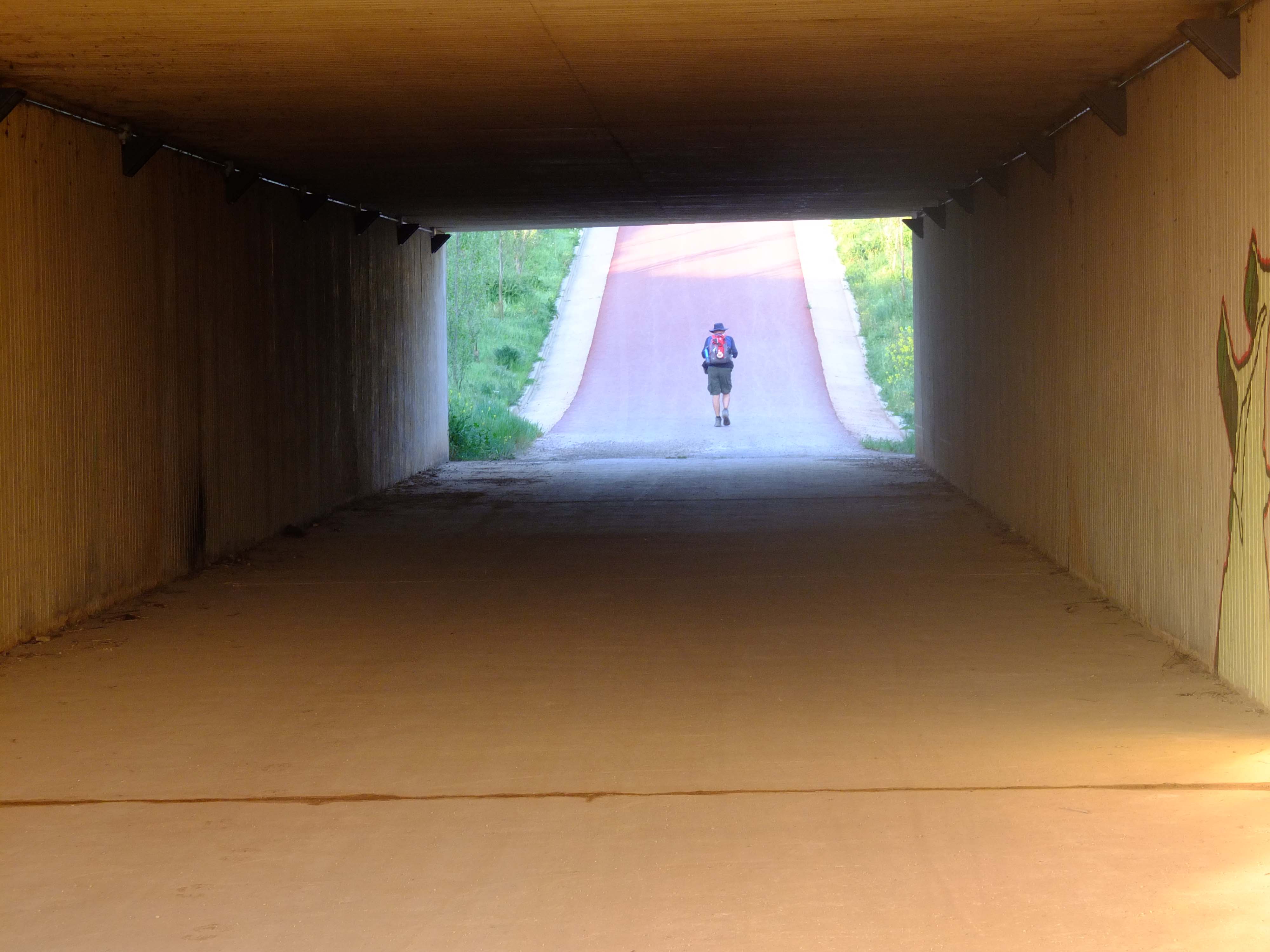
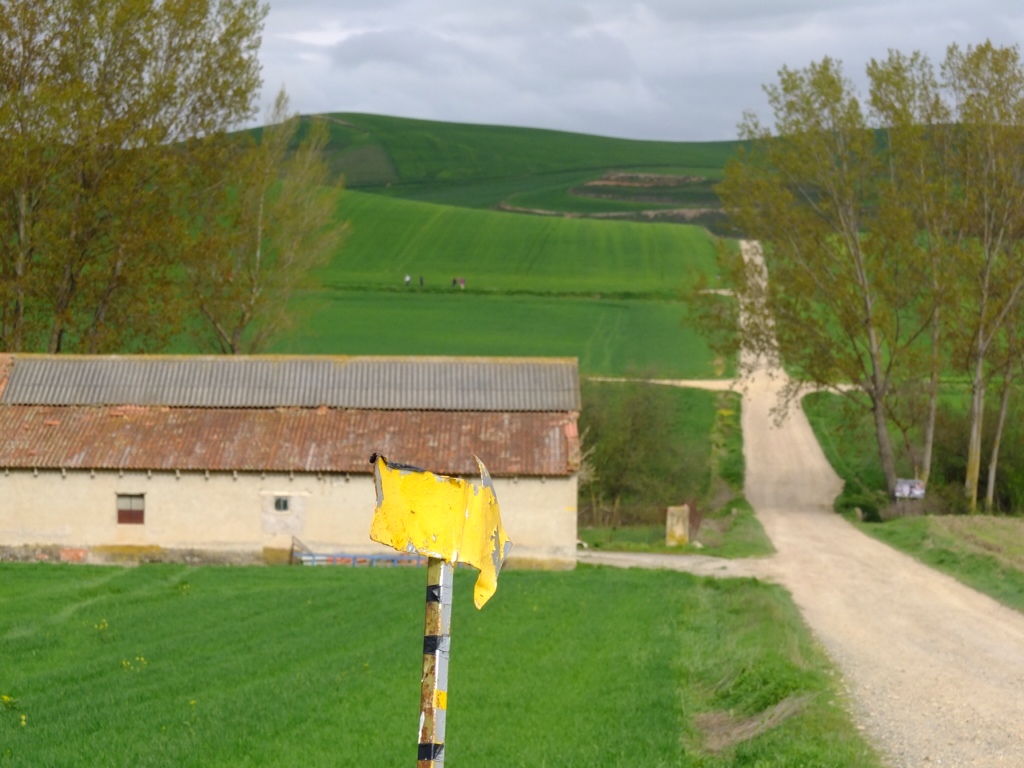
I often wanted a 20-24mm lens, and also a 200mm or 300m telephoto. The camino screams out for very wide and punched in shots.
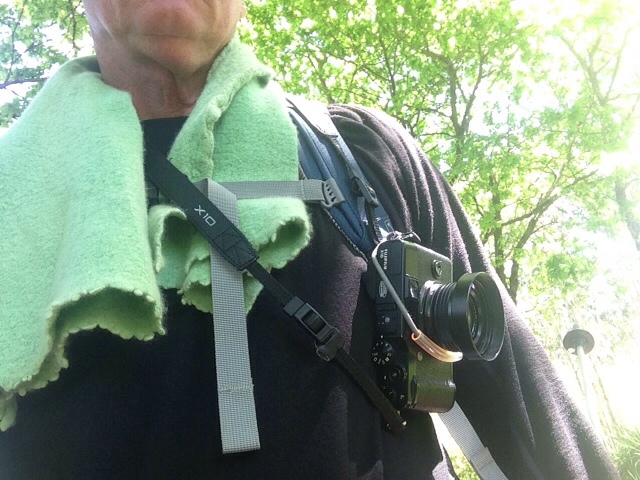
I kept the camera slung to my chest via an elastic cord on the backpack. That way I could access it quickly and easily. When it rained I simply put it under my jacket. I took 3 extra batteries, and 2 extra memory cards. I changed the cards at third intervals during the walk, just in case the camera got lost or stolen, and I lost my shots.
The only way I could back up my shots was on my iPad – but I didn't have a great deal of memory so I just backed up selected shots. I also did a select backup on Apple's Photo Stream, however backing up to the cloud takes time – and one thing I didn't have was a lot of time, because my walking days were usually so long.
If I was to do the Camino again, I'd probably take an entry level DSLR, like the Nikon D3200. It's light, small, yet has a terrific DX sized sensor (24MP) and all the bells and whistle's I'd need. I'd use the Nikkor 16-85mm zoom. (a cracker lens). I'd offset the extra weight by not taking a third pair of undies…
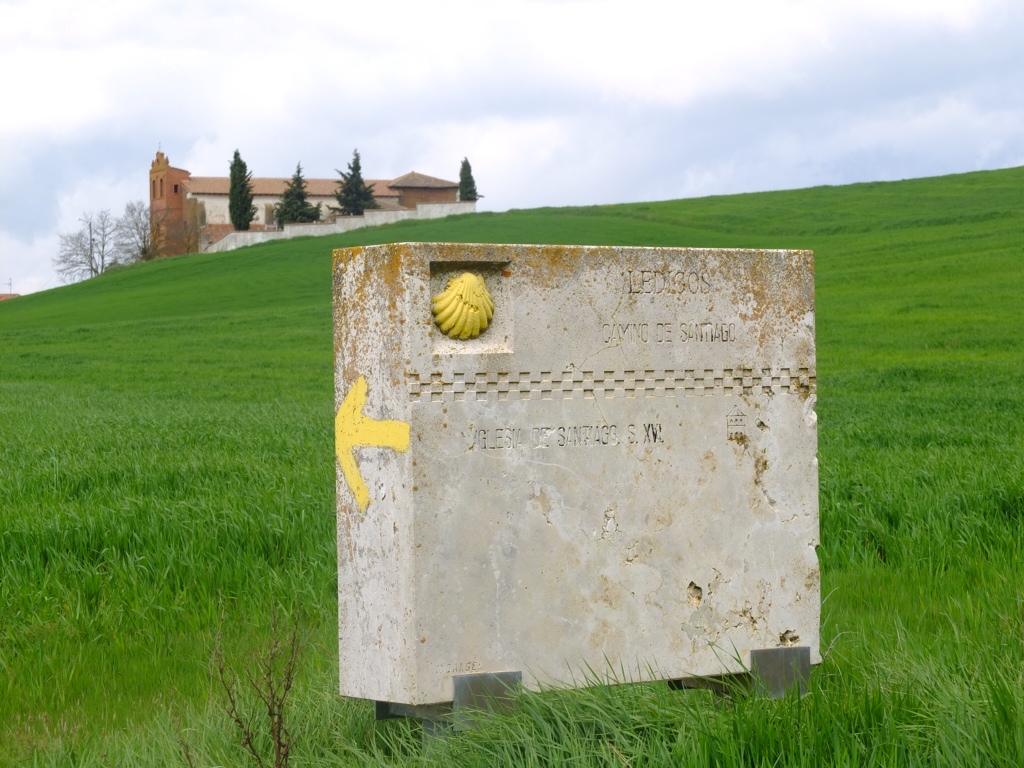
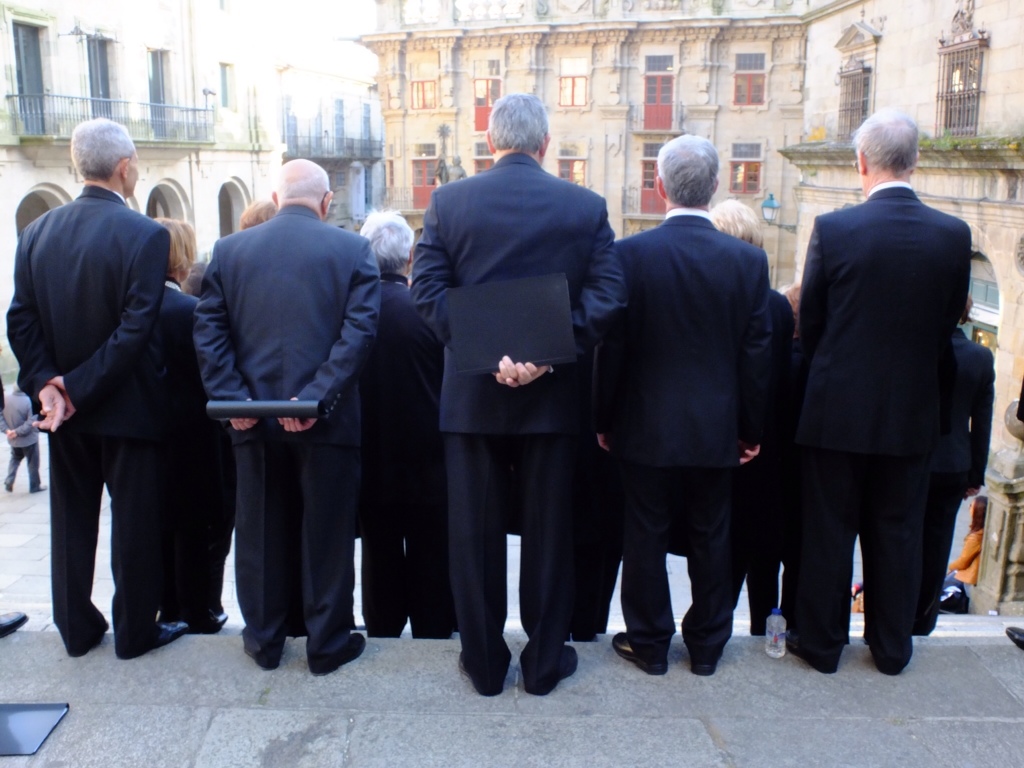
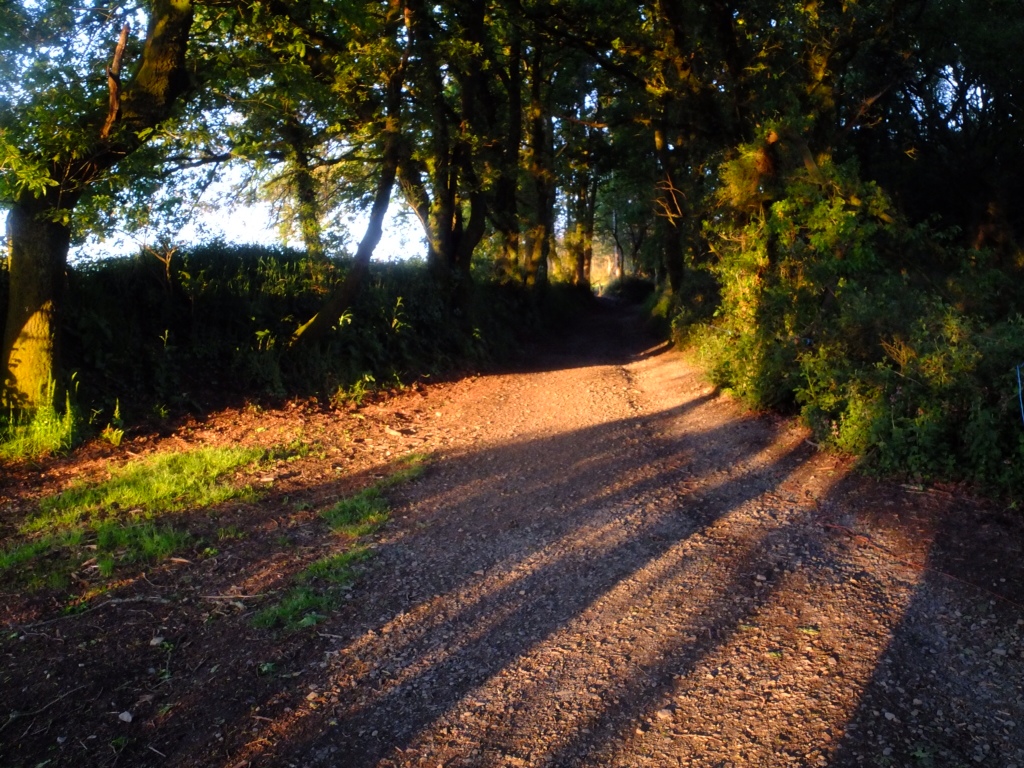
My shots of the Camino I'm sure are not to everyone's taste, but it's the way I saw it. And my photography allowed me to experience it in a very intimate way.







 PGS - The Way
You must be logged in to post a comment.