We’ve decided to mount the Celtic Camino in either September or October of next year.
Jennifer and I have made an intuitive call on this.
So the Mother Ganga Indian tour will be the last tour we’ll do until the Celtic later next year.


We’ve decided to mount the Celtic Camino in either September or October of next year.
Jennifer and I have made an intuitive call on this.
So the Mother Ganga Indian tour will be the last tour we’ll do until the Celtic later next year.
I received an email overnight from Leslie Gilmour, who runs a Camino website and forum called Camino Adventures. Here is his website:
He contacted me to let me know he’d written a wonderful review of my Camino memoir book, THE WAY, MY WAY. Here is the review:
He says:
…this is the best Camino de Santiago travelogue that I have read to date. It is funny, at points heart wrenching, insightful, and like the best of these books brutally honest. On top of all that it is a damn good read, one of the few that I found hard to put down in the evening.
It was incredibly kind of him.
When reading the review it spurred me to consider, now two years later, what’s been the “take-out” from that walk. That pilgrimage. That experience.
The take out has been profound – physically, emotionally, spiritually.
I am now a vastly different person to the one that set off, literally trembling with fear at times, to walk the Camino in April / May of 2013.
PHYSICALLY:
Physically, the Camino took its toll. I remember thinking at one point during the walk that I didn’t care if I had to have titanium knees or legs when I finished, I was going to complete the Camino no matter what the long term collateral damage.
I came back sore but not sorry, thinking my body would repair itself. An MRI showed that I had no cartilage left in my right knee joint, and that “a knee replacement is not a question of if, but when,” according to the specialist that examined my MRI.
Separately I’d lost sensitivity in the toes and ball of my left foot. After several excruciatingly painful tests, a Neurologist told me that I’d pinched or bruised a nerve near my spine, and that the feeling in my left foot would eventually return.
Two years later the feeling has returned – but not completely. I still lack sensitivity in some areas.
Perhaps the most striking physical effect of the Camino though has been that my eyesight has returned. Prior to the Camino I’d worn glasses for about 15 years – long distance and reading glasses.
I now don’t wear glasses at all.
I stopped using my glasses during the Camino, for practical reasons, because it was hard taking photos while wearing glasses. And part way into the walk I realised that I didn’t need my glasses anymore – my eyesight had improved.
Soon I will have to renew my drivers license, and it will be interesting to see if I pass the eye test!
EMOTIONALLY:
I’m calmer. I don’t let much bother me anymore.
On the Camino, if ever I was anxious about something, I’d ask myself: What’s the worst that can happen? and invariably, if I answered truthfully I’d realise that answer wasn’t so bad. I could handle it.
Anxious about getting a bed that night?
What’s the worst that can happen?
I sleep under a tree, or in an ATM booth.
That’s not so bad.
Anxious about my knee?
What’s the worst that can happen?
I need surgery when I get back.
That’s not so bad.
Anxious that a blister is forming?
What’s the worst that can happen?
It forms, it’s huge, and it’s incredibly painful.
That’s not so bad. It won’t stop me walking.
And so forth.
When I got back home, I applied that “What’s the worst that can happen?” mantra to other aspects of my life.
I have high cholesterol.
What’s the worst that can happen?
I have a heart attack and die.
That’s not so bad.
And I mean it – dying is not so bad.
It just opens up new possibilities, that’s all – new adventures.
Which leads me to the spiritual take-out:
SPIRITUALLY:
The spiritual advancements have been significant.
I won’t go into this in detail, because it’s deeply personal – but I now believe things I didn’t use to believe.
Here’s what I put up on this blog last November, in Dallas – a list of what I believe:
If you want to see the full post, here it is:
In the two years since that Camino I’ve written two books – THE WAY, MY WAY – and a book on how to best take photos on the Camino – PHOTO CAMINO.
My wife and I have also led two pilgrimage walking tours – a tour along the Portuguese Camino, and a tour along the Via di Francesco, in Italy.
This September we are taking a tour group on a spiritual tour of India.
I would not have contemplated doing any of this prior to walking the Camino in 2013. The thought of doing so would have been absurd.
But this is just the start.
The thing I’ve realised is this: Walking the Camino did not trigger change in me. Walking the Camino simply prepared me for the changes that were inevitable.
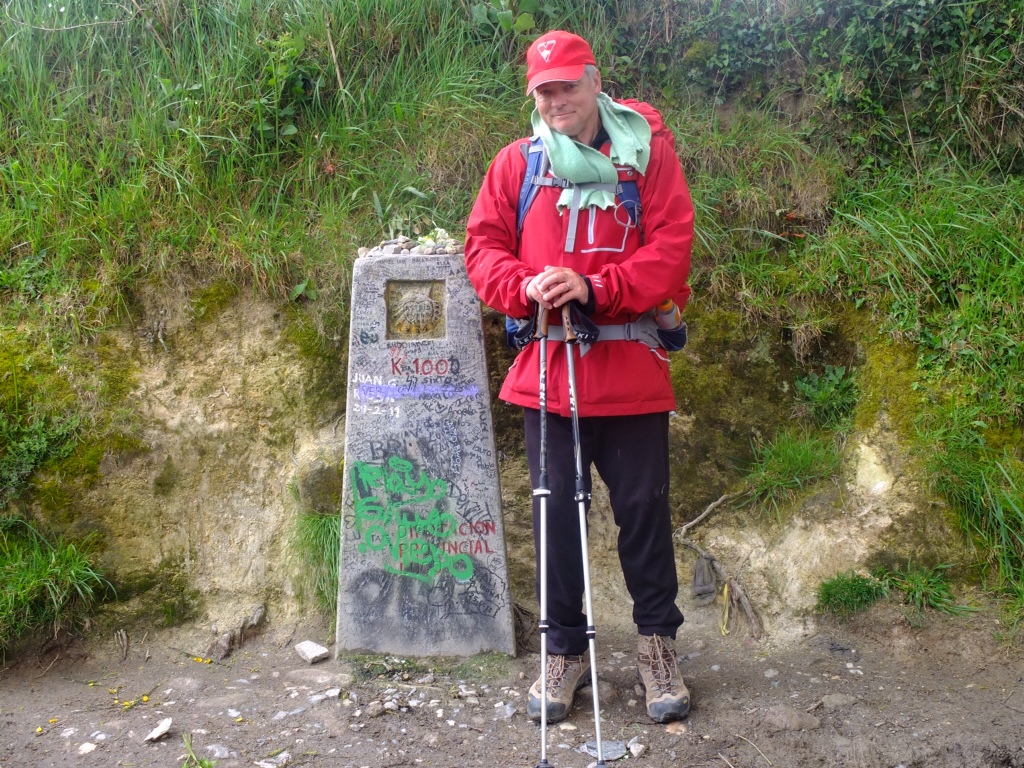
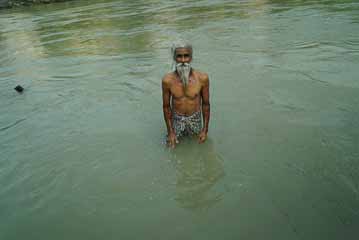
| As part of our Mother Ganga indian tour, we are spending three nights at the famous Yoga Ashram – the Parmarth Niketan ashram, on the banks of the Ganges.It’s the most famous yoga retreat in Rishikesh – which in itself is called The Home of Yoga.
I’m posting a link to a NY Times article here, and posting the text in full. It tells of a NY Times reporter who went to Parmarth for a few days to chill out. We still have a couple of places open on the tour, if you’re interested. Details are on the Gone Tours website – http://www.gonetours.com For two weeks, starting mid September. Rishikesh and Parmarth are going to make it special, but we’re going to have an amazing time at Ganpati in Mumbai, and at the Golden Temple in Sikh country, and of course the Dalai Lama Temple near the Tibetan border. Here is the NY Times story – |
|
It was a hot and dusty afternoon, about 30 hours into my Indian journey, when the bus driver dropped me off in a small town that he said was near my destination: Rishikesh, regarded as the unofficial world capital of yoga. Only a short rickshaw ride, it seemed, separated my fatigued self from inner Zen. Nearly two weeks of life with monks at an ashram awaited. On what I hoped was my final jaunt, the rickshaw ride took me through a labyrinth of cows, street vendors and bicycles set against a stunning Himalayan mountainscape. The sun was bright, but the tedium and duration of the trip had left me feeling like the cow dung I had stepped in along the way. “You have to cross the bridge,” the rickshaw driver said as we stopped. I could see Parmarth Niketan, the town’s largest ashram, where I had booked a room, across the Ganges River, but that suspension bridge — bedecked by monkeys — remained. The river bisected the town, and I was on the wrong side. Schlepping my body-size bag across the bridge while dodging mopeds, my real- life game of Frogger finally ended at the ashram’s gate. From New Delhi, Rishikesh is accessible by train, plane and bus. Without much planning, I had boarded a bus from New Delhi for about $8 on the fly and embarked on an eight-hour, bump-filled journey, complete with “Elephant Crossing” signs along the way. |
Unplugging in the Unofficial Capital of Yoga – The New York Times 26/06/2015 1:38 pm
All of this was in the name of trying to get a sense of what it was like to practice yoga in the place where some think it was born. In New York, I had taken to my sticky mat and found myself wanting to learn more about how yoga had evolved into an urban pastime for the well-off from its roots as an ancient spiritual practice. In the eight years since Elizabeth Gilbert published her witty memoir, “Eat, Pray, Love,” the journey of the single female yogi to India in search of her soul has become something of a trope, with countless women following suit, one backbend at a time.
Yoga’s origins are debated, but many historians say it may have begun nestled amid the Himalayas, due north of New Delhi and along the historic Ganges in Rishikesh. For centuries, it has been considered a holy place, drawing wayward spiritualists hoping to connect with the land, philosophies and the spirit. More recently, this town of about 100,000 has gained fame as the place where the Beatles came in early 1968 and wrote much of “The Beatles,” commonly known as “The White Album.” (Today, that ashram is abandoned.) Everyone from Uma Thurman to Jeremy Piven to Bollywood stars to Prince Charles and the Duchess of Cornwall has swung through town.
It is a “land in which to conquer one’s senses,” a guidebook for Parmarth reads, “to conquer the call of desire, to become a master of oneself.”
That sounded good to me, even if it felt a bit on the self-indulgent side for a getaway. Before my departure, a yoga-teacher friend labeled Rishikesh “yoga heaven.” An Indian friend countered, “That’s where the annoying kids from my boarding school hung out.”
Curious and without shame, I joined their ranks: Was Rishikesh a morally bankrupt yoga Disneyland or still a special spiritual destination?
Yoga had entered my life in earnest a few years ago when I was looking for a way to stretch and prevent injuries from running. I became a regular, attending a yoga class at my local gym or studio in New York two to three times a week, but I am by no means a certified teacher or expert on its origins. But if I had to be really honest about why I first got into it, it was because I enjoyed the quiet time and didn’t want to become fat and brittle.
I was already in love with what Rishikesh didn’t have. No Starbucks, no McDonald’s, no condos along the Ganges. And also what I didn’t have: I had decided to turn off my iPhone during my 10-day stay. No web browsing, no apps, no emails, no voice-mail messages, no text messages. While Rishikesh
Unplugging in the Unofficial Capital of Yoga – The New York Times 26/06/2015 1:38 pm
doesn’t lack digital connections, I, like many New Yorkers, felt too plugged in, my iPhone at times feeling hooked to my person like a respirator. That all-too- common feeling was exacerbated by having spent the previous month reporting nonstop at the Winter Games in Sochi, which, in spite of its infamous logistical hurdles (yes, I was one of those who got locked in her hotel room and had to be busted out by a colleague), was a round-the-clock, wired experience.
After checking in and getting a power nap, I went to my first yoga class at the ashram with Swami Yogananda, a man who claimed to be 105 years old. He attributes his astonishing achievement in oldness to both the yoga practice he is said to have begun in the 1920s and a grainless diet of fruit, milk and nuts. Some of the people I spoke with in Rishikesh said that his teachings and reputation were among the reasons they were drawn to Parmarth.
He rolled into the ashram’s prayer hall one morning with a mobile phone tucked into a golden bucket, toothpick-thin legs emerging from a nest of orange cloth; then, in broken English, he guided a small class through a series of heavy, nasal-breathing exercises. His signature move was holding his hands out as claws and leading the class in a chorus of loud roars. I felt ridiculous in my yoga pants imitating a lion, but if he was really 105, whatever Yogananda Ji was doing was clearly working. So, I roared.
I was fully aware that I had become yet another Westerner making a spiritual voyage to India, a tradition even older than Yogananda Ji, one that is at times complicated, littered with over-romanticization and, occasionally, tension.
But as I continued my big cat growls, I was struck by how far the chasm was between what I had experienced in some North American forms of the practice, in which throngs of neurotic yet limber women wear $100 Lululemon pants while channeling their inner pretzel. Although Google Maps can help locate a vinyasa class in Manhattan by star-rating, it’s not as useful for more existential queries like “find self.”
In spite of India’s status as one of the world’s most dynamic developing economies, travel there is still not for the faint at heart. Corruption runs rampant in the country’s political system, and heartbreaking poverty fills the streets. The yoga studio closest to me in New York charges $1,300 annually, not far from what many Indians live on for an entire year. Rather than an escape, Indian travel can be at times unintentionally confrontational and reminded me of the James Baldwin quotation that “anyone who has ever struggled with
Unplugging in the Unofficial Capital of Yoga – The New York Times 26/06/2015 1:38 pm
poverty knows how extremely expensive it is to be poor.”
While Rishikesh offers some hotel options, I wanted to stay at an ashram to
immerse myself in the yogi life. That’s easier now than ever, as many have websites and will take reservations via phone and email. I had booked a room at Parmarth for 300 to 700 rupees a night, a suggested donation of about $5 to $12, at 60.5 rupees to the dollar.
Parmarth is among the ashrams that has delicately danced between extending its arms to make Rishikesh accessible to new, foreign visitors while trying to preserve its Indian, spiritual core. In the last 30 years, it has added Western-style toilets and hot water, but it has drawn the line at television sets, hotel gyms and mini bars.
While electricity and heat in the rooms came and went during my stay, it felt luxurious by local standards. I shared the garden pathways with nearly 200 young boys studying Sanskrit and ancient Vedic texts, and an array of “enlightened masters” who came to meet with the swamis. The chanting starts at 5 a.m. every day, and quiet hours are requested after 10 p.m.
“I think the type of people coming here has changed,” said Sadhvi Bhagawati Saraswati, one of Parmarth’s longtime spiritual leaders and the director of the ashram’s yoga festival. “And it’s been a mutually affecting relationship, because the type of people has changed, Rishikesh has changed — and because Rishikesh has changed, the type of people has changed. As you create more and more facilities, you are able to bring in a group of people who otherwise might not come.”
An American born into a Jewish family in California, she came to Rishikesh as a 25-year-old graduate student on a break in fall 1996 with a guidebook and a whim, excited at the prospect of an easier life as a traveling vegetarian, only to find herself weeping at the banks of the Ganges. “And the second part of my life began,” she said.
During my stay, I encountered gaggles of yoga teachers, young and old, but also wealthy young Indians unpacking angst, Midwestern American moms also hoping to decompress, one man who had sold his Facebook stock, some befuddled recent college graduates, several recently divorced and miscellaneous heartbroken souls, some self-described “crusty hippies,” a supermodel yogi, a Catholic priest turned Zen monk, a specialist in “laughter yoga,” several people who had recently quit their jobs and at least one teacher who said he preferred
Unplugging in the Unofficial Capital of Yoga – The New York Times 26/06/2015 1:38 pm
to pair his yoga practice with hallucinogenic drugs.
“What they’re walking away with is much more than just more flexible
hamstrings and slightly stronger and more well-defined triceps and some pictures,” Sadhvi Bhagawati Saraswati said. “People, their lives change here.”
Mornings start at the ashram with prayers and chanting at 5 o’clock, sometimes earlier. Meals are vegetarian, usually rice, lentils and some cooked vegetables, and are eaten in silence while you sit on a floor in a communal space. If alcohol and meat aren’t officially banned in Rishikesh, they’re certainly hard to come by. And many of the spandex uniforms of Manhattan studios clash with ashram dress codes, which ask for women to have shoulders and legs covered.
While some local travel agencies offer kayaking and hiking adventures, yoga is by far the main affair, and no one is in a hurry, instead strolling from studio to studio, clad in loose clothing and mats under arm, ready to pop in for a flow.
Word of mouth reigns in Rishikesh, but the streets are also lined with boards advertising various schools with yoga classes, like Yogananda Ji’s. After his class, I went to Tattvaa Yogashala with the yogi Kamal Singh, for a more rigorous series of poses in a goldfish tank of a studio that faced the Ganges, one of several that takes drop-ins for less than $8 a class. In a feline manner, he climbed on top of various people in the class as they did poses, testing our stability.
With heavily used muscles comes pain, and Rishikesh offers a bounty of massage options on the cheap, 2,400 rupees, or about $40, for one that involved a hot-oil drip followed by a visit to a steam box that would have been a cannibal’s dream. Expect to get, ahem, more naked than you would for an American massage and handled less gingerly.
Ashrams and yoga schools offer an array of seminars in which yoga as a lifestyle and religion are primary topics. Local bookstores offer reasonably priced English-language books about India and its spiritual history, perfect for reading along the Ganges as the aarti, or fire ceremony, takes place every night at sunset. The event engages hundreds for songs and prayer in Hindi and Sanskrit as candles are lit, a symbolic offering of “thank you” to the river that is considered sacred and a source of life and energy.
One of my favorite Rishikesh pastimes was attending satsang, a sort of spiritual Q.-and-A. session, part “Donahue,” part college seminar, part sermon.
Unplugging in the Unofficial Capital of Yoga – The New York Times 26/06/2015 1:38 pm
The famed Mooji, a Jamaican guru, was among those who held satsangs in Rishikesh during my stay, attracting hundreds of followers daily.
One by one and in front of the large crowd, they asked often-raw questions of Mooji, who answered or used them as springboards for riffs on faith. One question was from a married man with children who said simply, “I’m tired of being a person.” Another was a young woman who was struggling with her conservative Jewish family accepting her as lesbian. At one satsang, a young man made his way onstage and buried himself in Mooji’s lap, in tears. I sat watching cross-legged, feeling somewhere between moved and confused.
Three days in, I was doing six to eight hours of yoga a day. When I told yogis and gurus of my tech sabbatical, their reactions reinforced my suspicion that cellphones are something of a Buddhist nightmare, their sole purpose being to take you out of the present. So does worrying. My stress was beginning to dissipate, and as the hours rolled by in meditation and yoga classes, I realized that my mind was less like Steve Jobs’s famously sparse living room than one of the homes from “Hoarders.”
As it happened, my travel dates partly overlapped with the annual International Yoga Festival, a collection of more than 600 yogis from 51 countries, centered at Parmarth. (The $500 suggested donation included lodging, food and classes.)
FOR THE REST OF MY STAY an even broader array of yoga classes would be offered at the ashram, sometimes even four or five simultaneously.
As I immersed myself in backbends and kundalini poses that included holding my arms up for 20 minutes at a time (yes, 20 minutes), the half-hour mediation sessions began to feel shorter, the leg poses more attainable. A master of reiki, a Japanese relaxation practice, taught me how she uses a pendulum to read electromagnetic fields and how to sense auras. I learned about the virtues of mudra, or hand gestures, that the teacher said aided in warding off everything from fatigue to back pain to insomnia. Another yogi talked to me at length over ginger tea about quantum physics, which included the lesson that the pain from holding a pose is only a construct because none of us is real. My leg muscles felt otherwise.
Not one of the instructors professed the virtues of slate tummies or trimmer thighs. Instead, the visiting Rishikesh yoga teachers, as diverse as their students, seemed more focused on the spiritual rather than the pure fitness side
Unplugging in the Unofficial Capital of Yoga – The New York Times 26/06/2015 1:38 pm
|
of yoga. None of the studios had mirrors, and much of each class took place with eyes closed. There’s a temptation among Rishikesh-goers to oversimplify India’s mystique. And surely there is something indescribably wonderful about the place, but more than a week into my cellphone furlough, my head mostly cleared of New York and Olympic cacophony, I realized that I, like many of my fellow Americans, am terrible at something the early yogis strove for: balance. Yet Rishikesh itself provided a strange paradox in extremes: while it was a vacation from modernity for those like me, many locals often struggled for the bare necessities, let alone Wi-Fi access. It’s a cliché takeaway perhaps, but a real one that you can’t just roll a yoga mat over. The idea that I (or anyone) could steal away to Rishikesh and come back Myself 2.0, exuding Beyoncé-like confidence every moment, is a lovely one. But I knew the greatest test of the Rishikesh trip would be upon my return to an anxiety-filled New York. I left my yoga mat at the ashram and placed rupees in the donation box. A cabdriver wound me through the hills for an hour to the train station in Haridwar and I tried to make sense of it — my sore arms, the hours of meditation, the captivating fire ceremonies on the Ganges. Having booked several days ahead with a local travel agent for about $12, I boarded the train to New Delhi, which was downright luxurious in contrast to the bus ride. The National Geographic-ready sight of five monks sitting in front of me and laughing over video clips on their iPads reminded me that I was still digitally disconnected, a fact I had almost forgotten. After leaving India, I flicked on my phone and felt an endorphin hit as the hundreds of emails rolled in and I began scrolling. As it turned out, I hadn’t missed much. |
 |
Weird and Whacky spoiler alert –
For those of you not interested in my delving into the Weird and the Whacky, click over onto something else… something really boring, like Women’s Cricket.
Ouch.
That was my wife slapping me over the head.
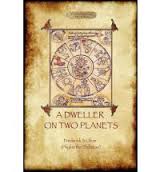
Okay – A Dweller on Two Planets.
Intriguing title, no?
The book was “written” by a seventeen year old boy in 1883. Frederick S Oliver lived on a farm in northern California, and admits that he had very little learning or education when he came to write the book.
The book is extraordinary.
It’s written in a highly intellectual and complex style, and yet it’s very accessible. But the thing is, it’s simply not possible to believe that a seventeen year old kid without any education could have written such a tome.
In fact, he claimed he didn’t. He claimed he was merely the stenographer for an entity called Phylos the Thibetan, who channeled the work through Frederick.
The book was finally published in 1905, six years after Frederick’s death. The book was published by his mother, who along with his father, a medical doctor, witnessed and vouched for the circumstances of their son’s channeling.
Frederick says that Phylos would give him sections of text out of context, and even sentences and paragraphs in the wrong order, and would later instruct Frederick how to edit them so that they would make sense.
The book tells in graphic detail about Atlantis. And I mean incredible detail. More detail than is possible for a seventeen year old boy, barely literate, to imagine or write about himself.
The book also describes advances in technology and science which were yet to happen – including the discovery of X-Rays, telephony, high speed rail transport – and other deeper metaphysical subjects, such as karma and reincarnation.
Here is a summary:
Concerning itself with Atlantis, it portrays a first person account of Atlantean culture which had reached a high level of technological and scientific advancement. His personal history and that of a group of souls with whom Phylos closely interacted is portrayed in the context of the social, economic, political and religious structures which shaped Poseid society.
Daily life for Poseidi citizens included such things as antigravity air and submarine craft, television, wireless telephony, arial water generators, air conditioners and high-speed rail. The book deals with deep esoteric subjects including karma and re-incarnation and describes Phylos’ final incarnation in 19th century America where his Atlantean karma played itself out.
In that incarnation (as Walter Pierson, gold miner and occult student of the Theo-Christic Adepts) he travelled to Venus/Hysperia in a subtle body while his physical form remained at the temple inside Mt Shasta.
The book subsequently caused a furore on publication, and became a standard bearer for a lot of New Age thought which is still current. Its influences since have been manyfold, including the starting of the I AM discourses of Guy Ballard, and the Lemurian movement.
Frederick wrote most of the book in the shadow of Mt. Shasta, which if you remember Jennifer and I visited – when was it – last year? Mt. Shasta has become a very important place for those interested in spiritual and esoteric learning and discovery.
Read this book – A Dweller on Two Planets – and read it with an open mind. Read it knowing the circumstances of its writing. It will challenge your thinking about what you’ve been taught to believe is true. It costs less than a buck on Kindle:
There’s another book that I’m reading at the moment, which was also channeled – this time by Jesus Christ, through a highly trained academic. It’s A Course in Miracles, and it was written by Helen Schucman, an avowed disbeliever in God or Jesus.
She wrote the book from dreams, visions, and what she called an “inner voice.” She had another academic help her in the writing and compilation of what has become, some say, a New Age Bible.
The book is dense and complex and at times not easy reading at all. It challenges you and your beliefs on all sorts of levels.
But once again, knowing how it was “written,” you have to give serious consideration that perhaps there are things “behind the veil,” as the channeller for Kryon, Lee Carroll, calls it.
What do I believe?
I believe this stuff.
Sure.
Just like I believe in electricity.
And gravity.
And the sub-atomic nature of matter.
I don’t know how they work, but I still believe in them.
I subscribe to what Shakespeare wrote in Hamlet: There are more things in heaven and earth Horatio, than are dreamt of in your Philosophy.
I thought I’d post this definition of a pilgrimage, which I read this morning in a newsletter from the Parmarth Niketan Mission, in Rishikesh, India.
To me, it beautifully encapsulates what it means to embark on a pilgrimage –
A yatra or sacred pilgrimage is a divine experience.
It is an internal journey as well as an outer journey; a true pilgrimage takes us not only to a Source of the Divine in the external world, but also to the Divine Source within ourselves.
In this way, every minute and every moment of a pilgrimage is puja (worship), not only that which we perform in the temple upon arrival.
The pilgrimage experience touches us so deeply that it transforms us and turns us into vessels and vehicles of transformation for the world.

Some exciting new developments with the PGS film –
Jennifer and I will be heading back to the US mid July to continue filming – most probably returning to Dallas – as well as LA, San Francisco, possibly Oregon again, and perhaps Boulder Colorado too.
The filming itinerary is still taking shape, but we hope to be accompanied by someone who, like us, lives their life intuitively. And very much believes in what we’re doing.
More information later, but it’s all coming together as it should. Because this film is being made under guidance.

For the ladies going on the Mother Ganga tour in September, here is a post from Jennifer giving advice on Indian clothing…
Jennifer: What I wear in India ~
What do I wear in India?
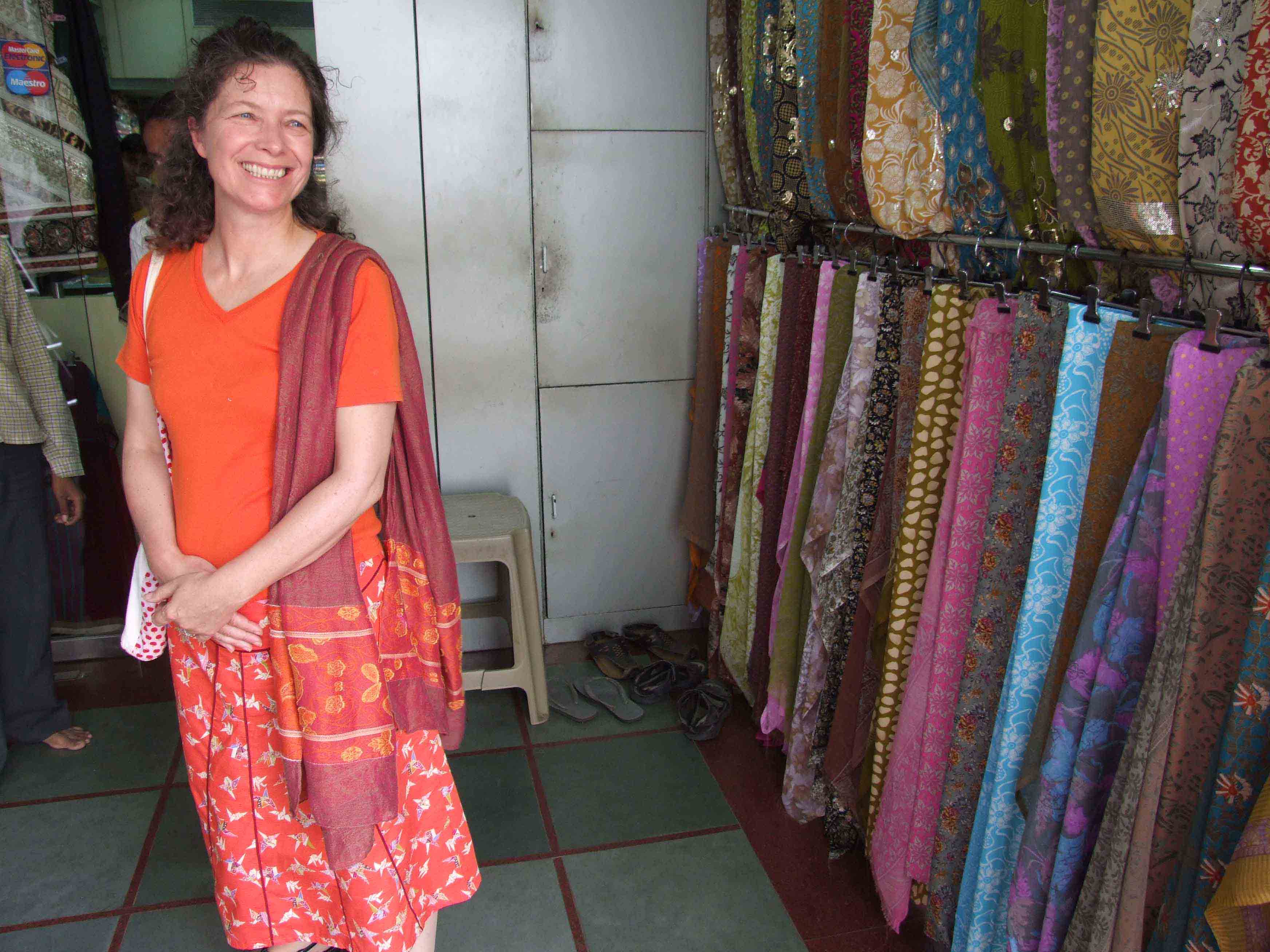
On the Mother Ganga tour, especially in Delhi, Amritsar and Mumbai, it’s going to be very warm. And by very warm, I mean hot.
In Australia, when it gets hot in summer, I wear shorts and a singlet around the house, and a thin dress for a visit to the shops. This means exposed legs, exposed arms, tops that can be low cut, shorts or dresses that can be short short.
In India, in the summer, I dress up. Layers and layers, even if it’s 40C+. This is what’s most comfortable. This is how the Indian women dress, and I figure they’ve been doing it for hundreds of years, so they must know what best suits the climate.
So in India I dress Indian!

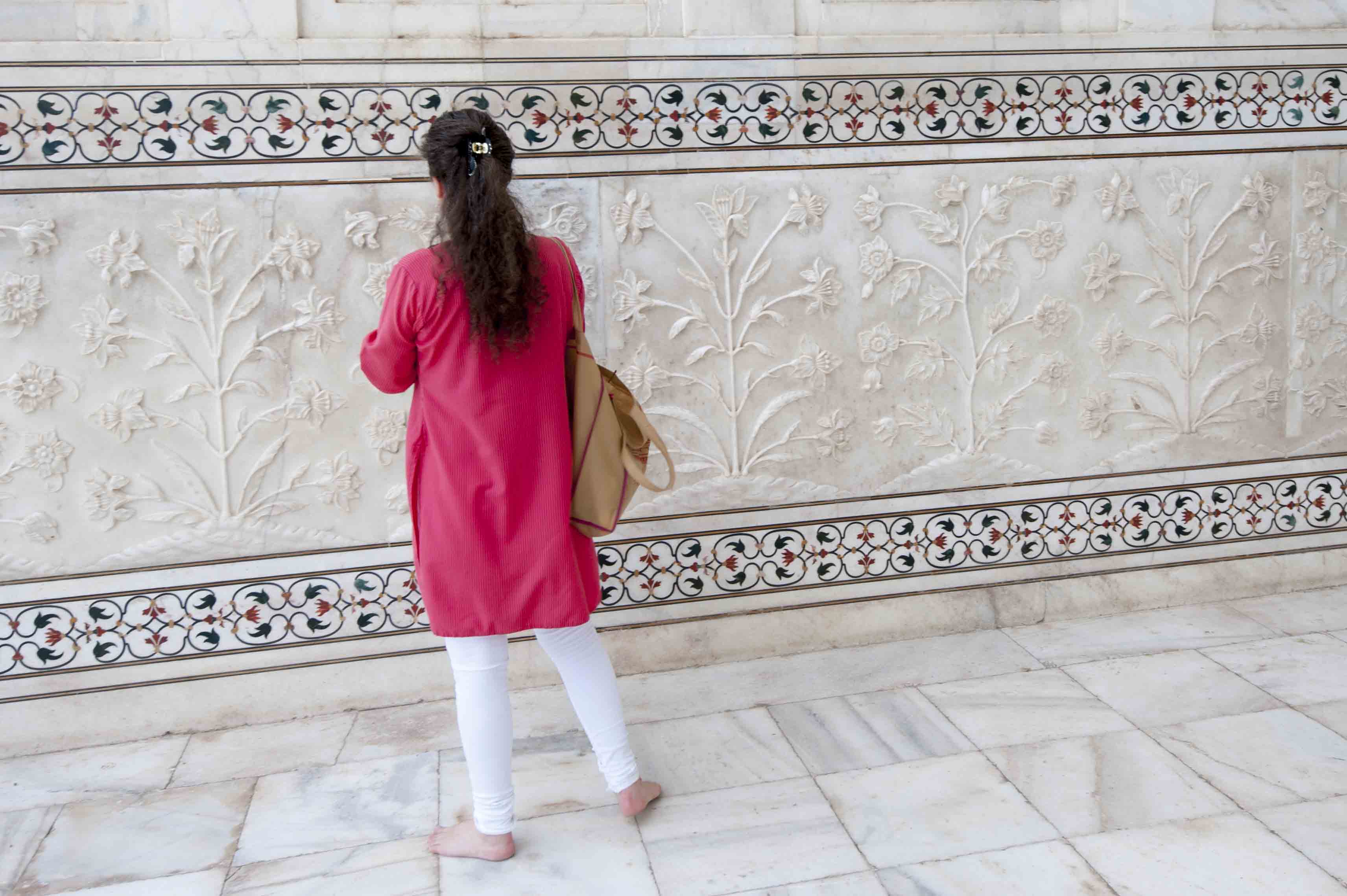
I put on traditional Indian leg-ins, called churidars. The Indians must have invented leg-ins. They are long and thin down your leg but big and baggy around your tummy.
Nothing tight.
If it’s really hot though sometimes I’ll wear baggy salwars pants. They are so big I can fit myself into them a couple of times. Over this I wear a kurta. This is the iconic Indian shirt.
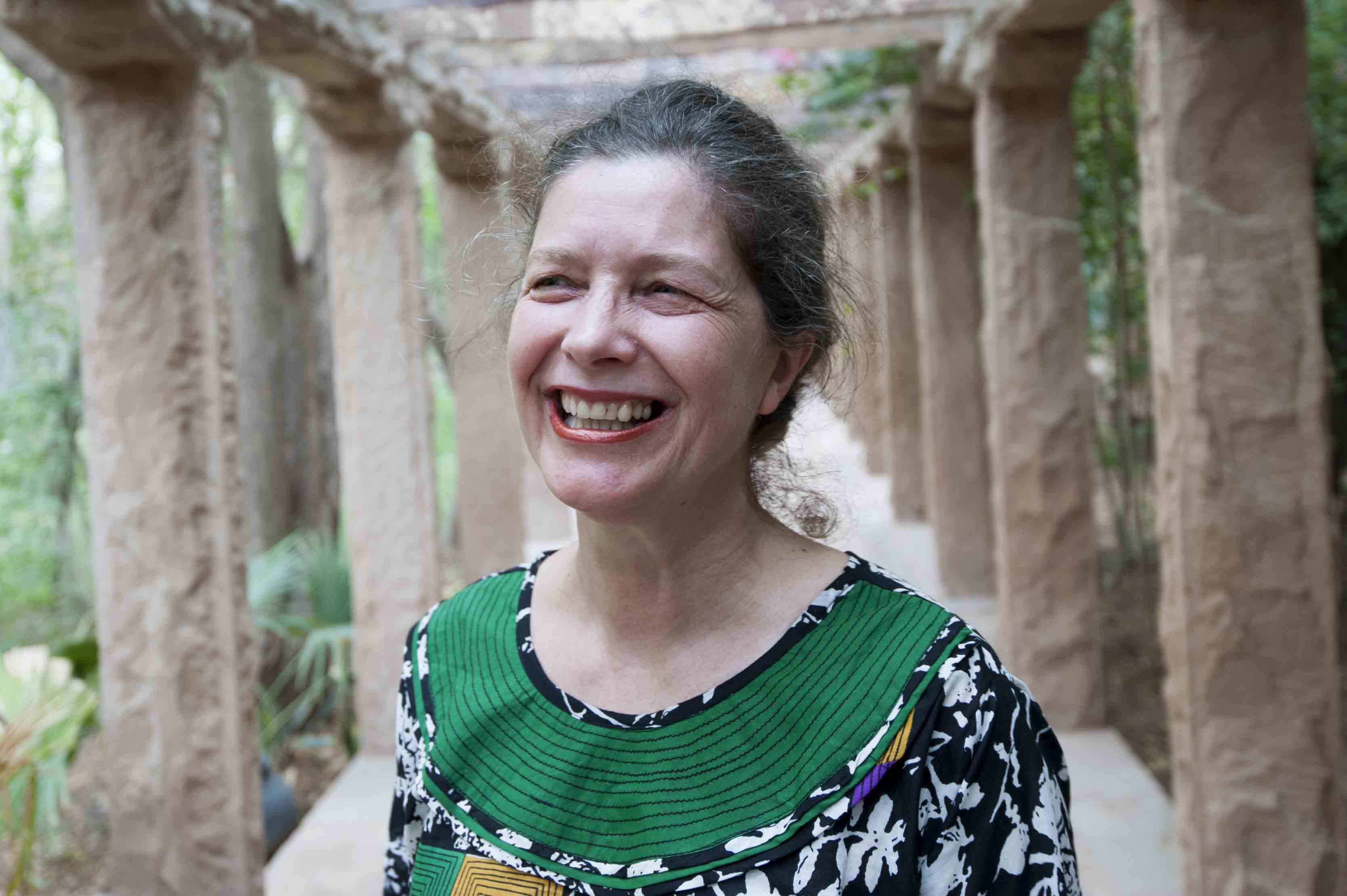
A kurta goes over my head and down over my leg-ins or baggy salwar pants. It covers all the folds of fabric pulled in at my tummy and floats down to my thighs or my calves depending on the length I choose.
The last layer is my favourite piece of Indian clothing – the dupatta.
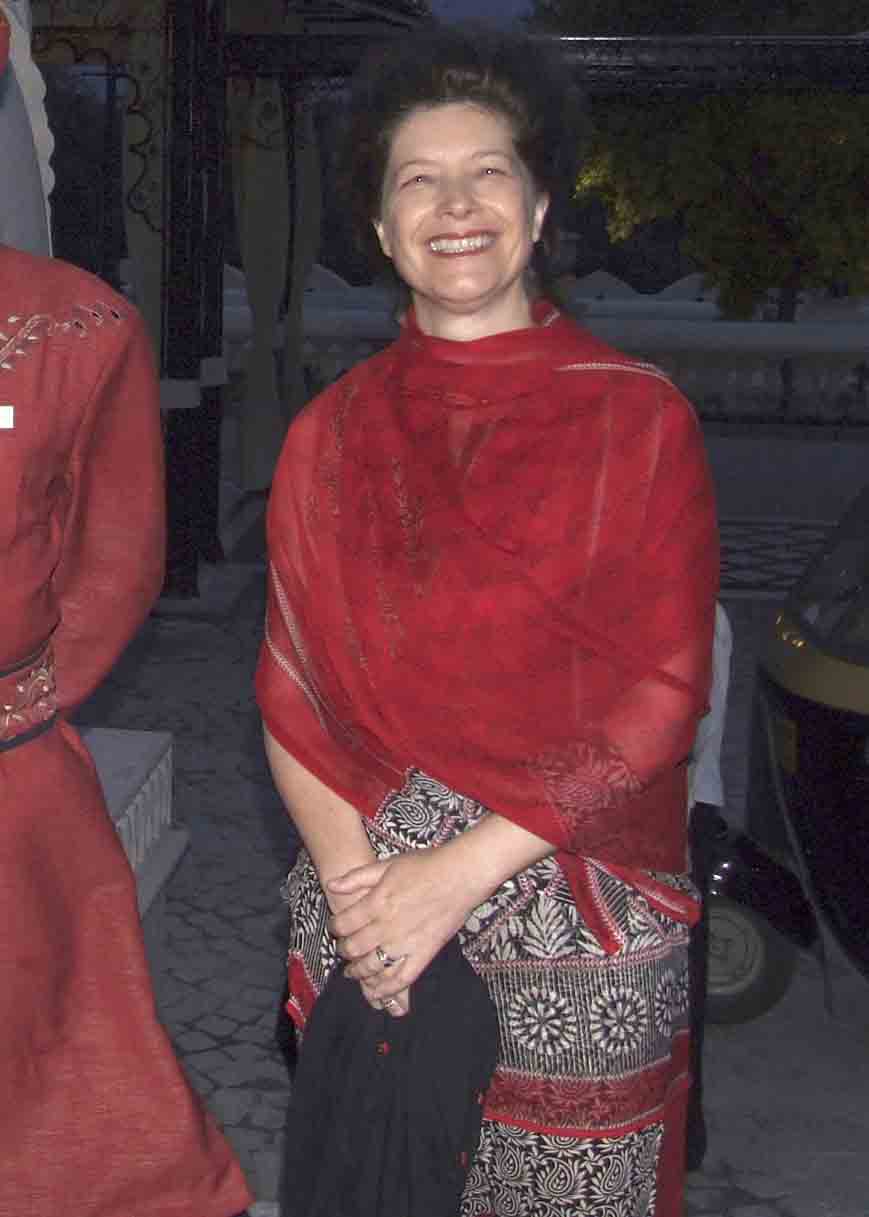
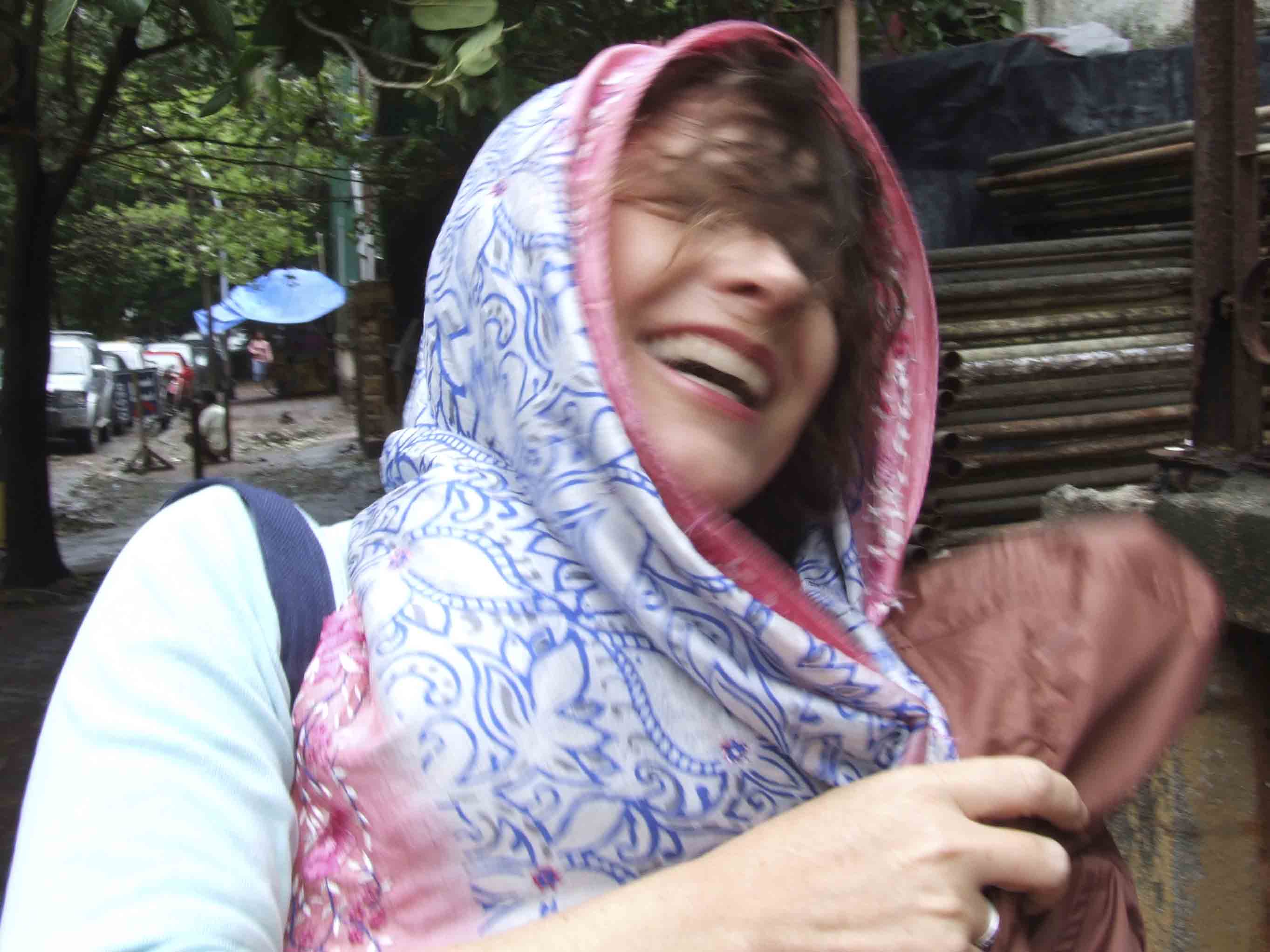
A dupatta is like a scarf or shawl except it’s twice as big. I drape my dupatta over my shoulders, put on some pretty sandals, and I’m ready to face anything the Indian streets may send my way.
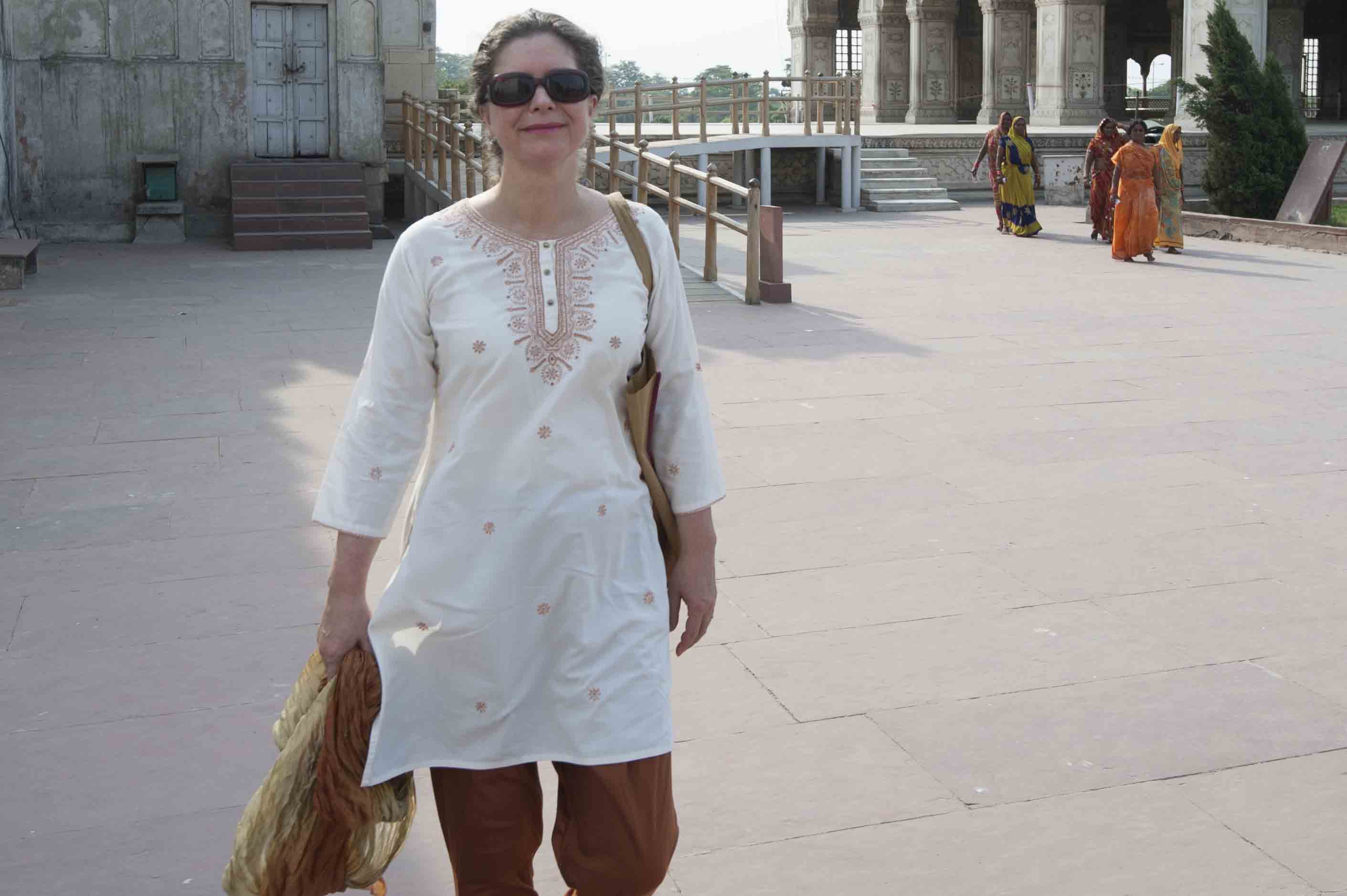
Everything I’m wearing is either cotton or silk, or both. The sweep and flutter of my baggy pants, and the flip and flap of my dupatta, creates little eddies of breeze – my own cooling system.
If the sun’s beating down, I can use my dupatta to shade my face. If there’s a sudden rain squall, my dupatta will protect me till I find shelter. And when I go into a hotel lobby and the air con hits me, I can wrap my dupatta around me so I don’t get hypothermic shock.
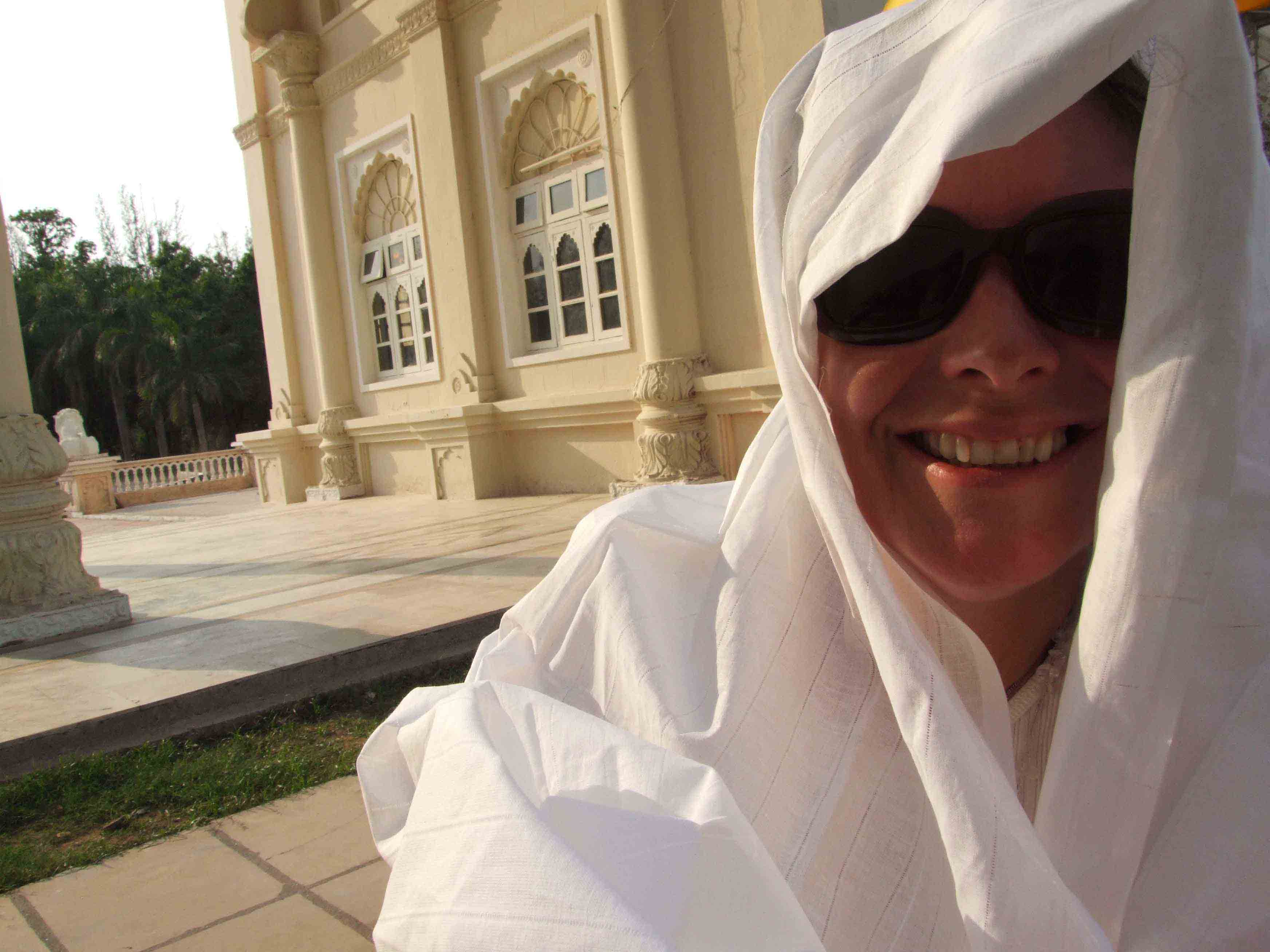
And if I spill curry on myself – well I can use my dupatta as camouflage.
I walk differently when I’m in my Indian layers. Gone are my camino hiking boot strides. I take little steps. I like to think I’m graceful and feminine like the Indian ladies around me. I’m not really.

They sail past in exotic clothing, More exotic than I would dare to wear. They have on the perfect mix and match confections called Salwar Kameez. Each item in theory is like mine but in practice no. The artistry of the Salwar Kameez can be breathtaking.

Or perhaps they are wearing saris. Oh my! Six meters of exquisite fabric draped around a body. How do they stay on? Why don’t the ladies trip over? How do they do it? I have heard they use safety pins but even so.
This is a feminine country.
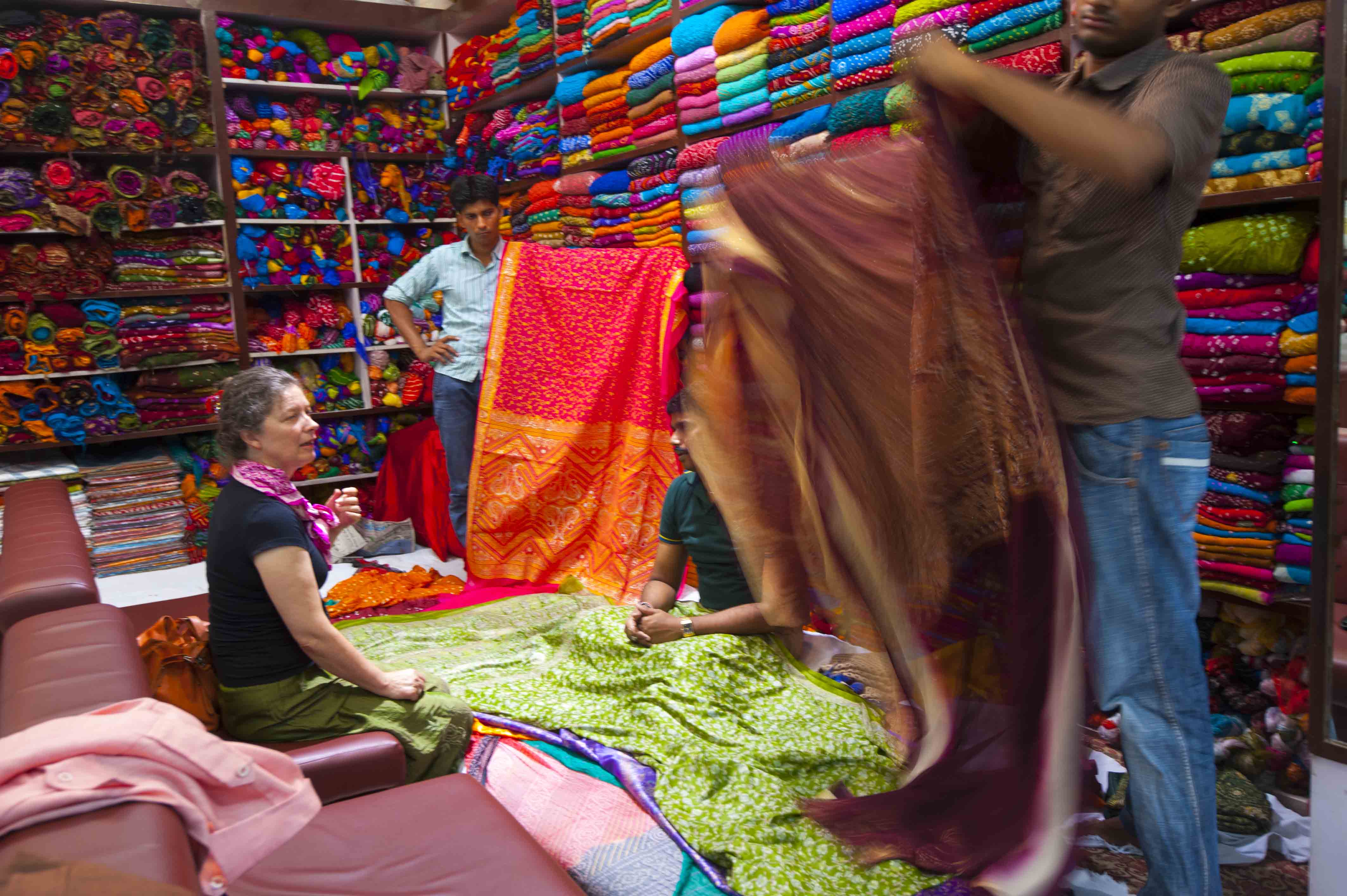
The softest mint greens are mixed with the most delicate pinks. In India orange is a neutral and hot pink goes with everything.
Head to foot pure white looks divine.
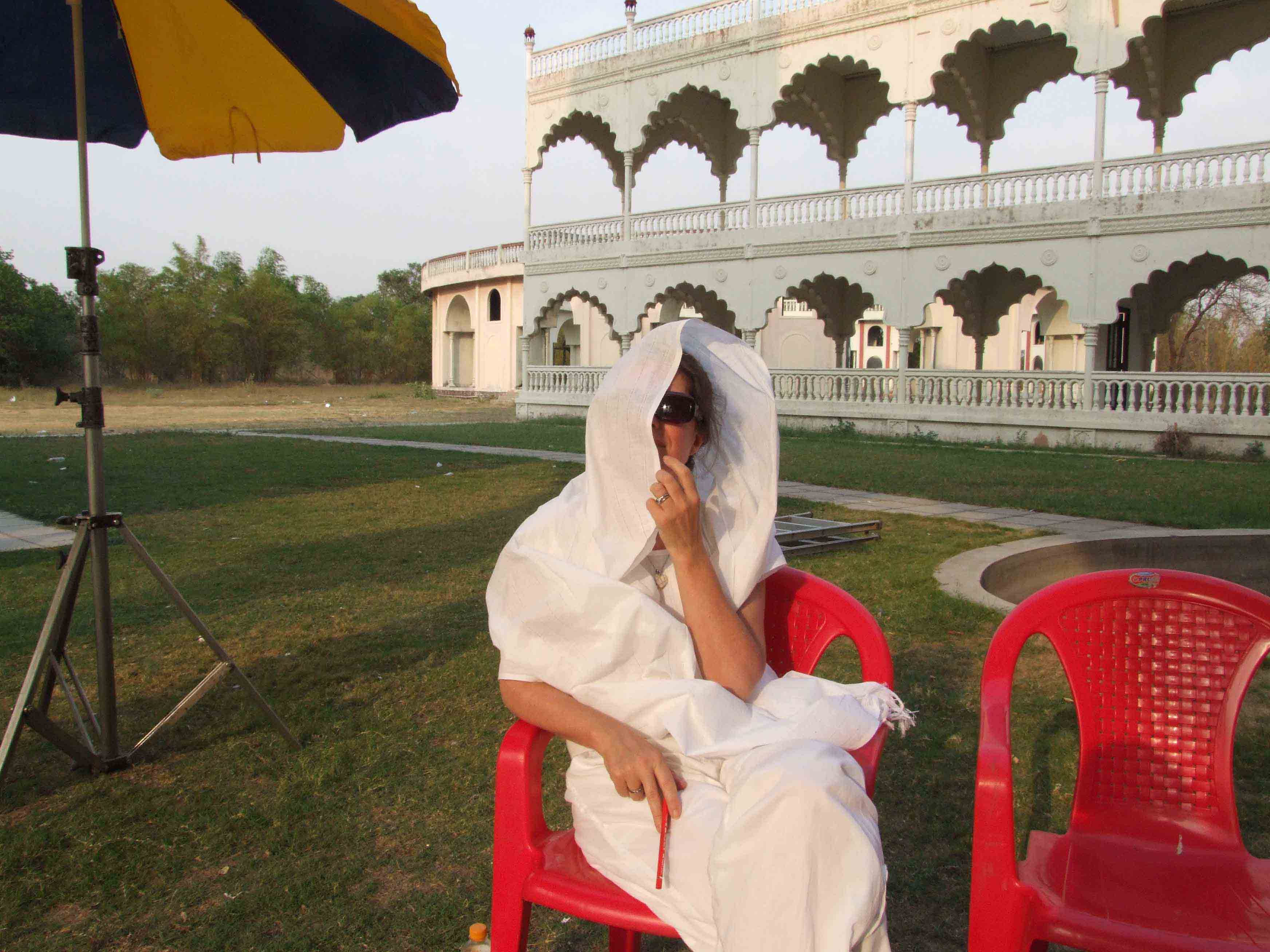
And glorious ruby red matched with brilliant emerald green doesn’t make me think of Christmas. Every colour imaginable is on the street in combinations that make my head spin.
Sequins are worn to breakfast. Sparkle is daywear. Jewelry glints and gleams.

Shiny bangles go all the way up arms. Ankles tinkle with tiny bells. Toes wear rings. Hands are etched in henna. Foreheads are decorated in coloured powder.
I so want to join in.
 There are a few places still available on the Mother Ganga tour.
Here is the link to the site:
http://gonetours.com/mother-ganga-tour-sept-2015/
bill@gonetours.com
This is a post about nothing.
Lately I’ve become fascinated with nothing.
Zero.
Zilch.
Hich.
Hich?
Hich was the name of the hotel I stayed in, in Konya, Central Turkey.
Hich means “nothing,” in the Islamic tradition, and it’s a central part of Sufi teachings. They believe that you should strive for nothing-ness – a state where the ego dissolves completely, and there is no barrier between yourself and unity with God.
The Buddhists too strive to attain a state of nothingness – where there is no attachment to things or feelings or thoughts or actions. Suffering comes through attachment. If you have no attachment, you have no suffering. You have nothing.
I’m fascinated by zero – a concept that was conceived by Indian mathematicians in the 5th century AD. It’s incredible to think that the numeric system that we operate under now, in which zero is such an integral part, came from Indian scholars 16 centuries ago.
This excerpt from Wikipedia:
The rules governing the use of zero appeared for the first time in Brahmagupta’s book Brahmasputha Siddhanta (The Opening of the Universe). Here Brahmagupta considers not only zero, but negative numbers, and the algebraic rules for the elementary operations of arithmetic with such numbers. Here are the rules of Brahmagupta:
What’s interesting about this is that the rules for zero came from a book called: The Opening of the Universe.
This brings me to the next aspect of nothing I’m fascinated with – cosmology, and the research currently underway in Switzerland by CERN into the substance of matter. Or dark matter, to be exact.
A huge machine called a Large Hadron Collidor is buried underground somewhere in the French/Swiss countryside, and the world’s top physicists are using this machine to smash sub atomic particles together at incredible velocities to see what happens when they bust open.
Check this article out:
http://www.smh.com.au/technology/sci-tech/large-hadron-collider-is-cranking-up-again-prepare-to-have-your-mind-blown-20150603-ghfktm.html
What’s interesting in this article is this section:
Scientists now know that the atoms that make up the stuff we can see (such as stars, butterflies, asteroids, toasters, clouds and humans), account for less than 5 per cent of the universe’s mass. That leaves a lot of other stuff about which we know almost nothing. About 27 per cent of the universe is dark matter and the rest – about 68 per cent – is dark energy. Some scientists hope that collisions in the Large Hadron Collider will give us some evidence of dark matter, which has never before been detected.
So 68% of the universe is made up of stuff we know nothing about.
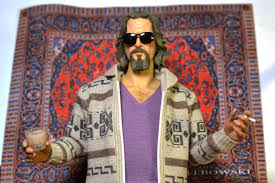
The last time the guys at CERN did these experiments, they discovered what they called “The God Particle.” What’s a God Particle? I’ll use a quote from The Dude in The Big Lebowski: “That rug really tied the room together man.”
The God Particle is the rug, and the Universe is the room.
Here’s a good article from Nat Geo to explain – http://ngm.nationalgeographic.com/2008/03/god-particle/achenbach-text
So, this is why I’m fascinated by nothing.
Last year, Jennifer and I went to a Sydney Camino dinner.
We don’t normally go to these dinners – in part because we’ve found them to be very clique-y; and by that I mean that groups quickly form, and then you’re not made to feel welcome into that group.
Some people can become very proprietorial about the Camino. Very possessive. They don’t like to share it. It becomes their very reason for being, and so they hold it close.
Too close, sometimes, I believe.
Jennifer and I go to those dinners principally to hang out with Britta and Jenny and Janet, who are like those fairies you see in the old Disney movies, that fly into a dark room and light it up with their magic energy.
Anyway, at this one particular dinner Jennifer and I sat opposite a couple who had driven down from the Blue Mountains. Two hours. They were hoping to walk the Camino soon, and wanted some information from the dinner meeting.
But they found that no-one would talk to them.
They were ignored.
There was no way for them to find out anything about the Camino.
They later told me they felt like getting up, walking out, and driving back to the mountains.
Jennifer and I had come late and we sat down opposite them, and we asked them questions, and they asked us questions, and we ended up having a good old chin wag.
We discovered they both had major medical disorders which would make the Camino difficult for them – the man had a sleeping disorder which would require him carrying a three kg machine to help him breathe at night.
His wife had major issues with both knees, which would require surgery.
At the time I admired their resolve and determination, and wondered if they would ever go through with it. I suspected they would, because they had the bug bad. (The Camino bug that gets into your bloodstream and can’t be cured until you walk the Camino.)
We kept in touch, and via email, we became friends.
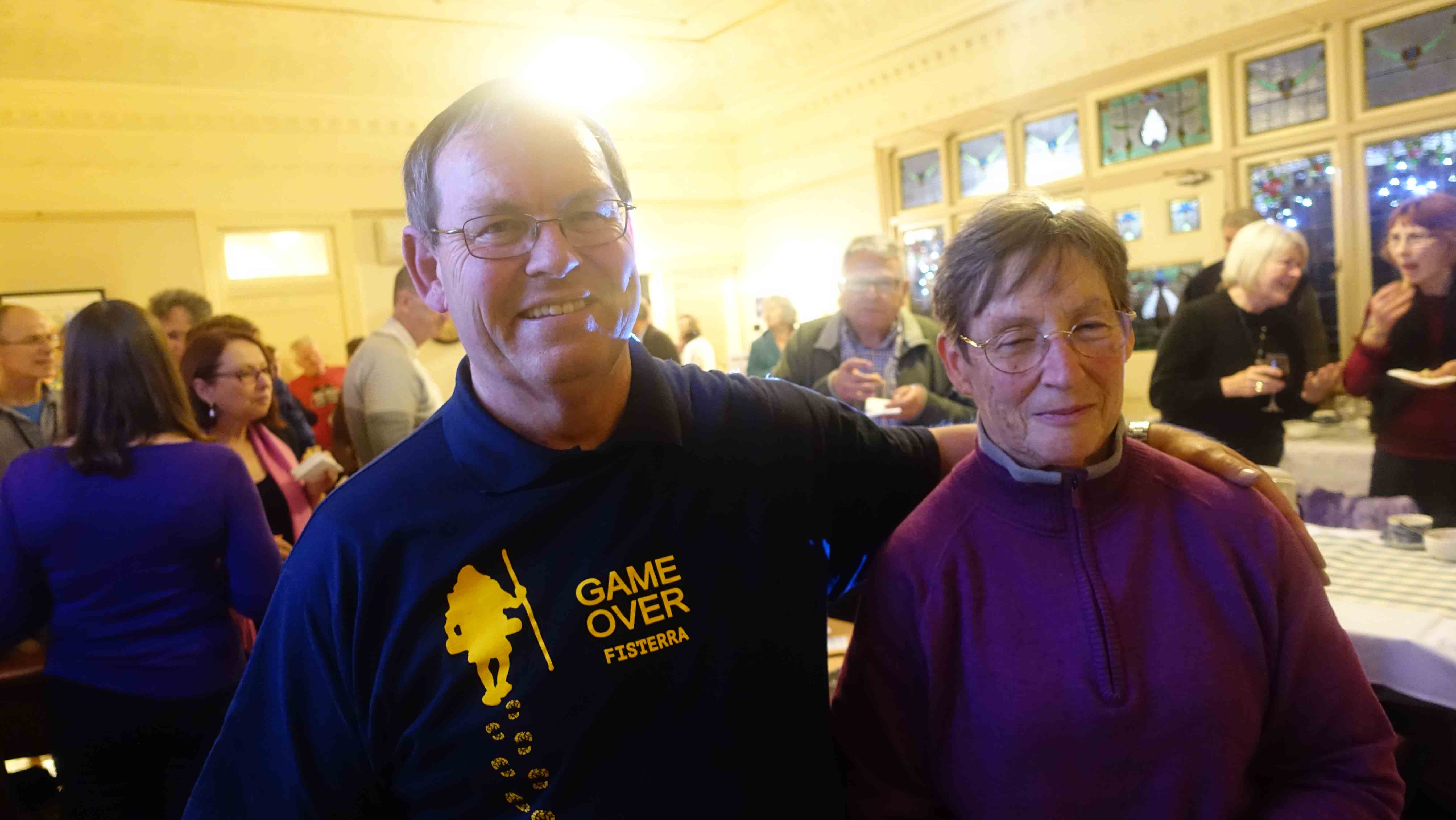
His name is Tony Jacques, and his wife is Ce.
They walked the Camino, and averaged about 20kms a day. It was a remarkable feat.
Next I heard that Tony was setting up a Camino group dinner at Blackheath, in the Blue Mountains, and he asked if Jen and I would like to come.
It was to be held at Glenella, a very famous guesthouse / restaurant, which Jennifer and I knew from the 80s, when it was owned by Michael Manners, and was regarded as one of the state’s finest restaurants.
The dinner was last week. $25 a head for a pilgrim meal, which included warm tortilla, grilled chicken on skewers, salad, and home made ice-cream, fruit, and home made meringues. Wine was included.
It was a delicious meal.
Glenella is now owned by a couple that recently cycled the Camino – Rowan and Margaret Boutell. They said it was the Camino that brought them to Glenella. Along with Tony and Ce, they are now keen to make these dinners a regular event.
Certainly the evening was a wild success. There must have been about 50 people – and unlike the Sydney dinner, you walked in and were immediately met with conviviality, and made welcome.
During the dinner there were three speakers who gave information about the Camino to those who were thinking of walking – quite a few at that dinner it seemed were either thinking of, or planning to, walk the Camino.
Tony also very generously plugged my books –
Towards the end of the dinner, he got up and did a Powerpoint presentation which gave a lot of information about the Camino, and what to expect. He spoke with humility, grace, and engagement.
And then over dessert everyone got up and mixed, and chatted, swapped stories, and got to know one another. I have to say it was the antithesis of the Sydney dinners we’d been to, which have been cold and aloof and uninformative.
Since that dinner, in follow up emails, Tony tells me they have plans to not only continue the dinners monthly, but to expand to other towns in the Blue Mountains / Central West area. And possibly hold film evenings, showing a Camino movie.
(Anyone from Mudgee or surrounding district that would want to have a dinner in Mudgee, let me know and I’ll help organise it – billpgsblog@gmail.com )
What I find amazing about this is: the level of interest in the Camino, for so many people in the Blue Mountains area to come out on a winter’s night as they did –
And, the commitment of Tony and Ce – and Rowan and Margaret – to organise such an event.
They must love the Camino…

 PGS - The Way
You must be logged in to post a comment.