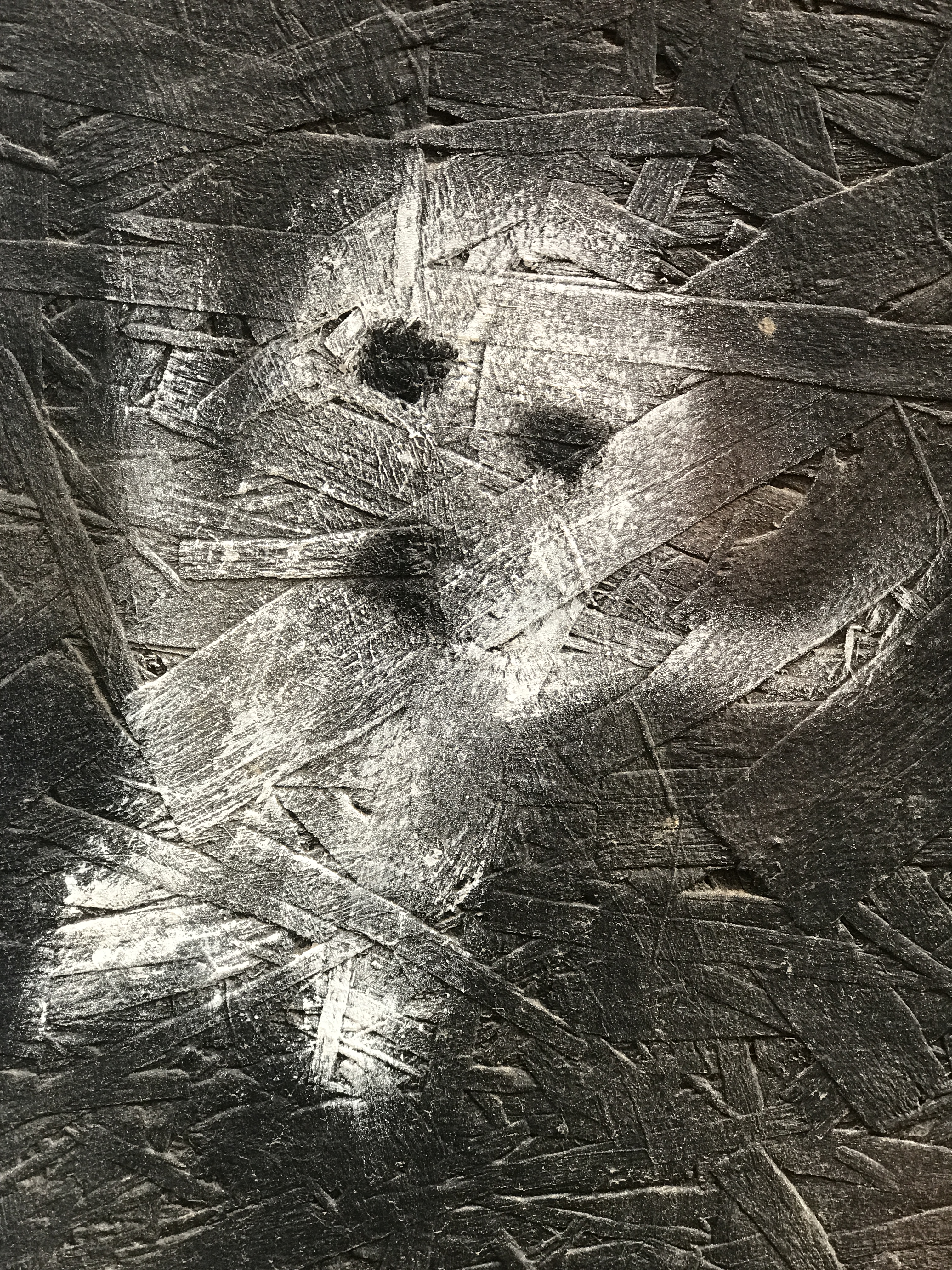
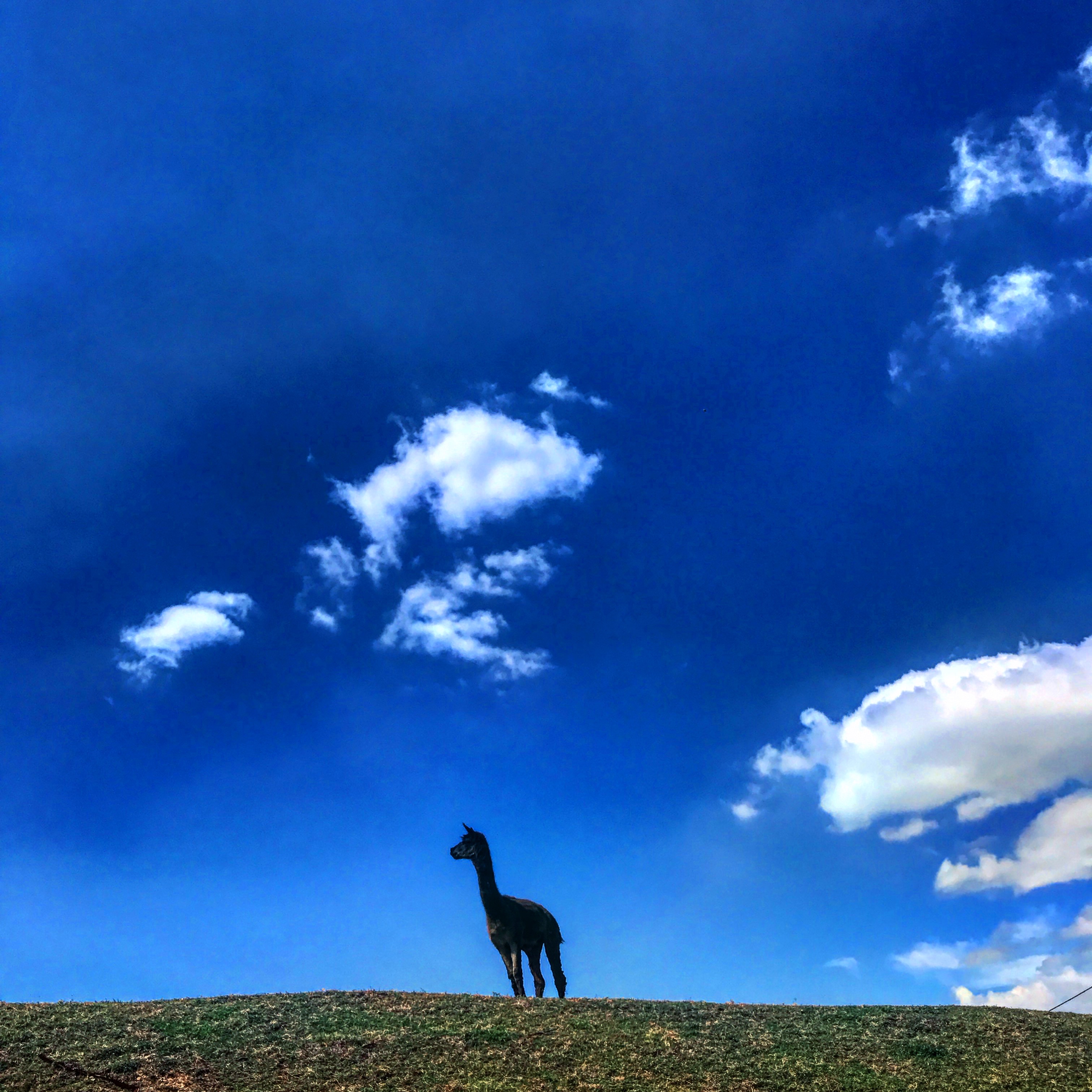
Lately I’ve been posting photos to my Facebook page, and only giving the photo the title of where the pic was taken. For instance: this photo was titled USA.
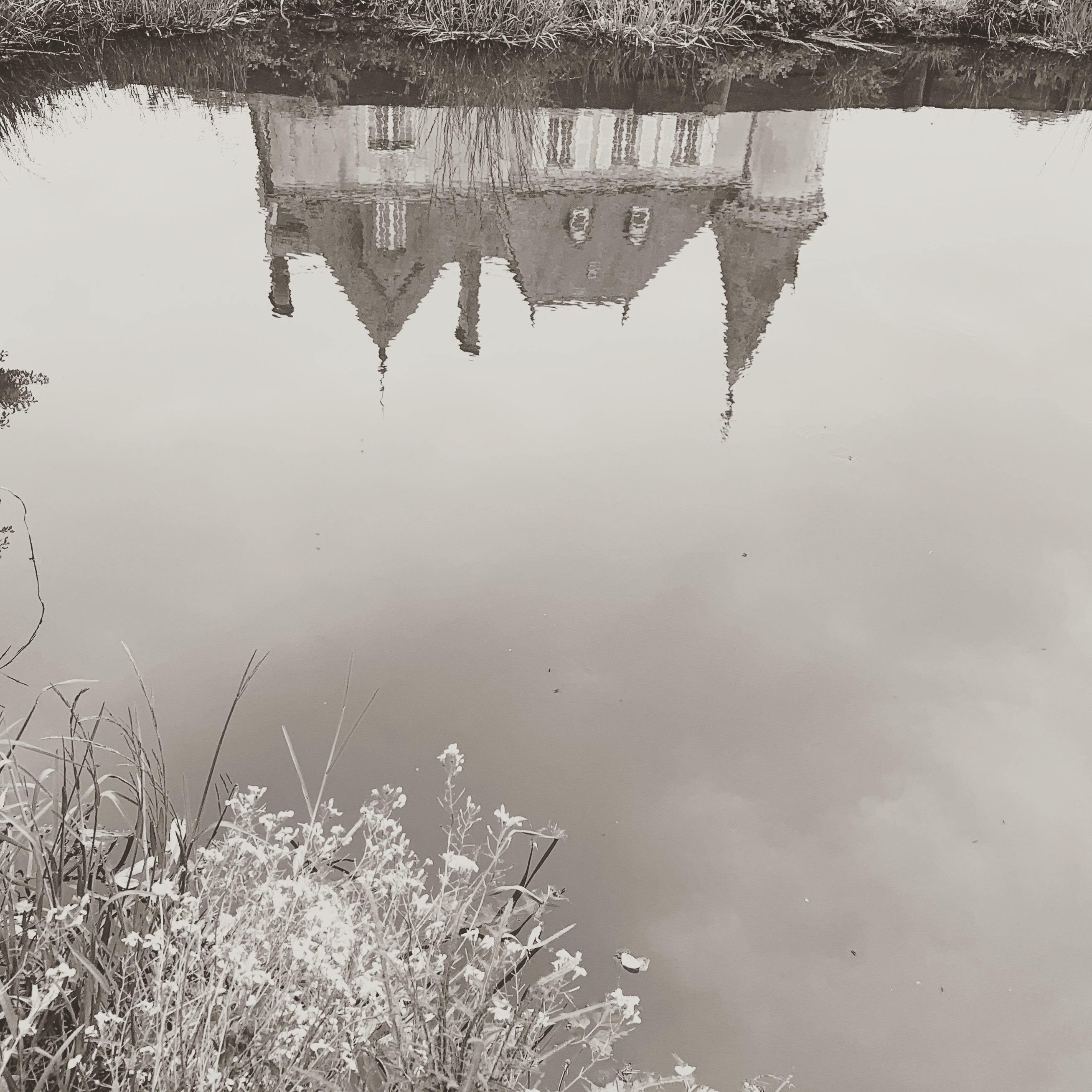
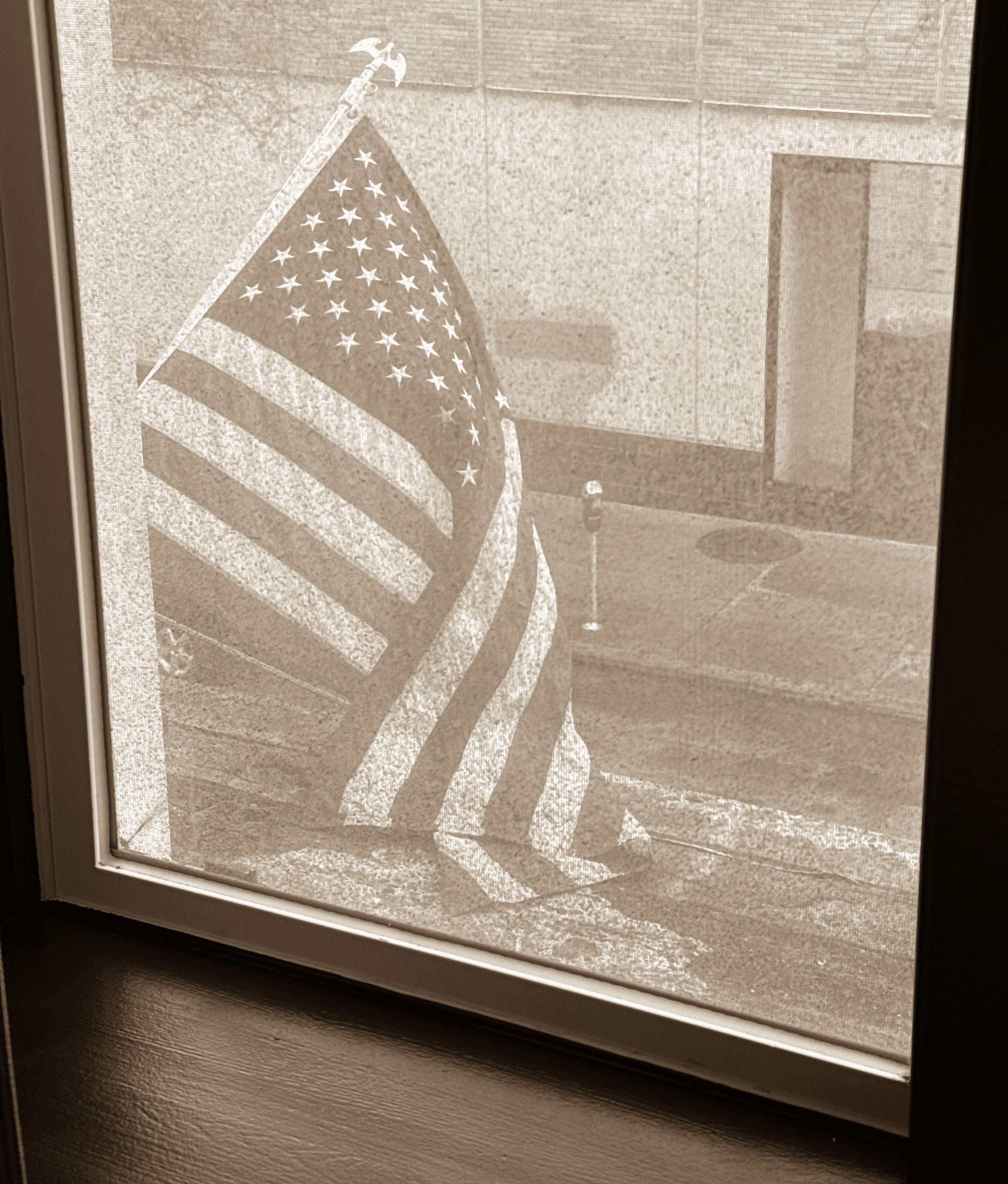
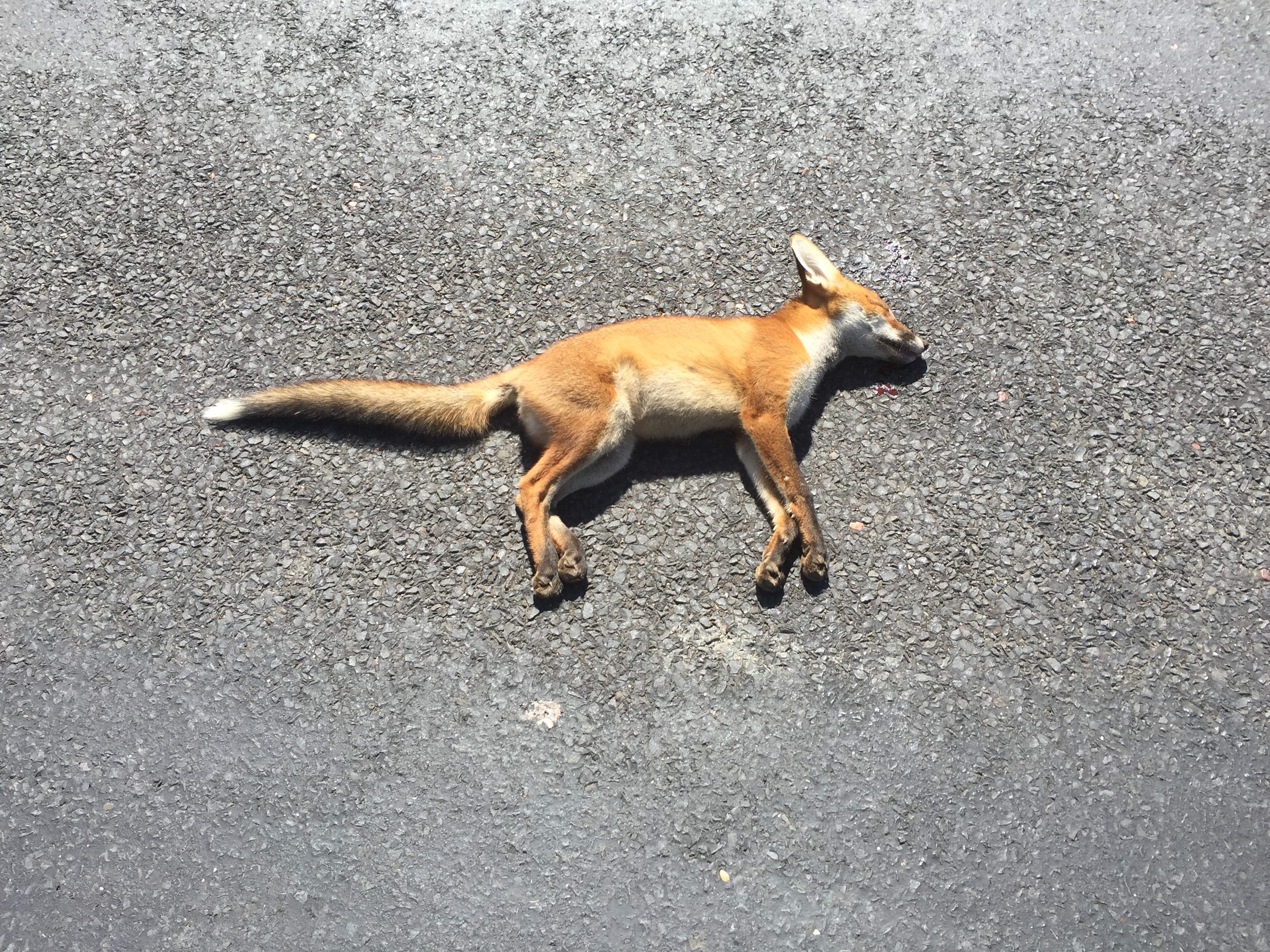
I make no comment about the photo itself – it’s up to those that view the photo to draw their own interpretation of it. And some of those interpretations are fascinating.
Some photos are very popular and quite benign, such as this one titled: France.
Some arouse quite passionate responses, such as this one – again titled: USA
USA
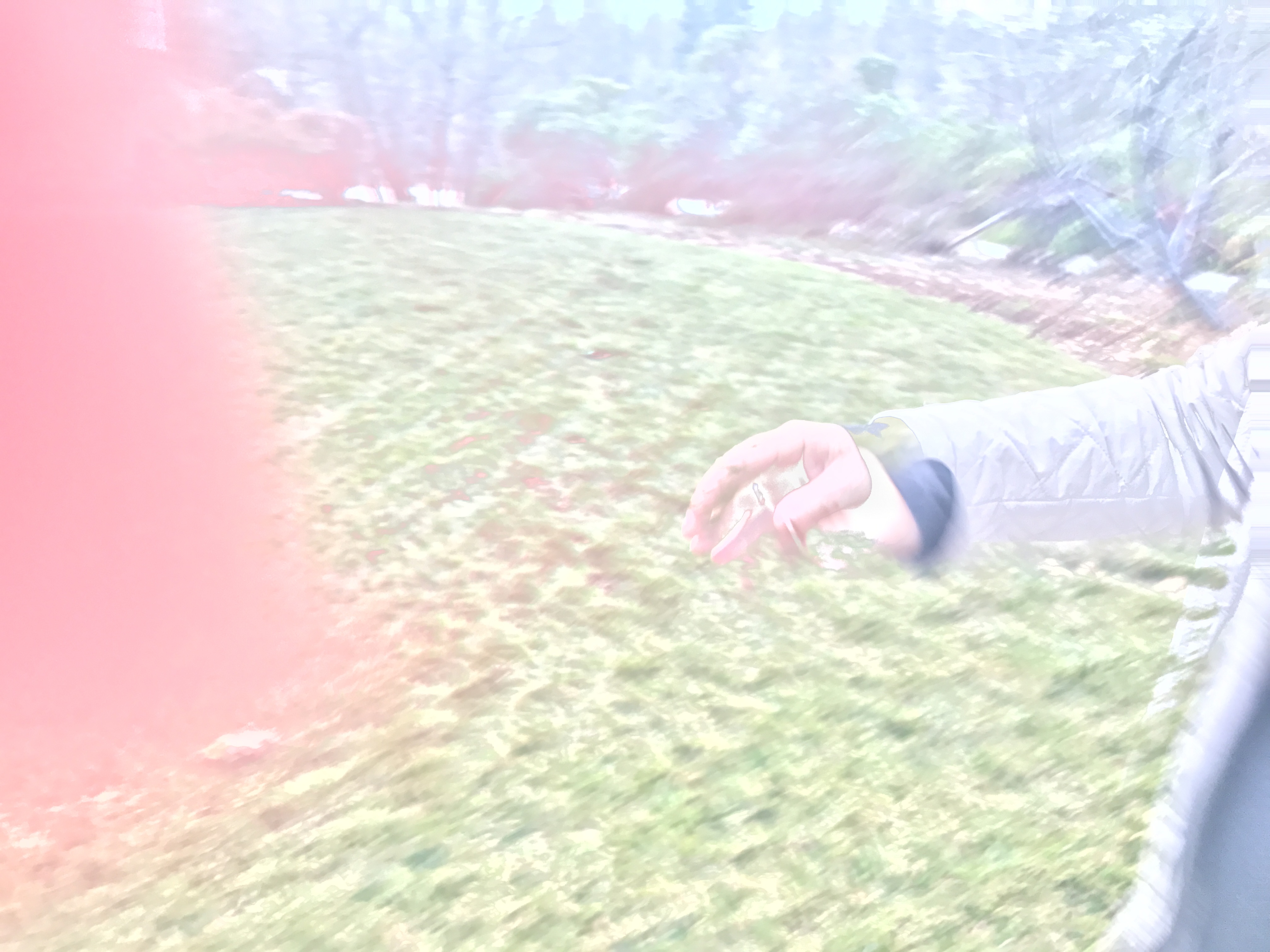
This photograph upset a few people so I took it down. It was titled: Australia.
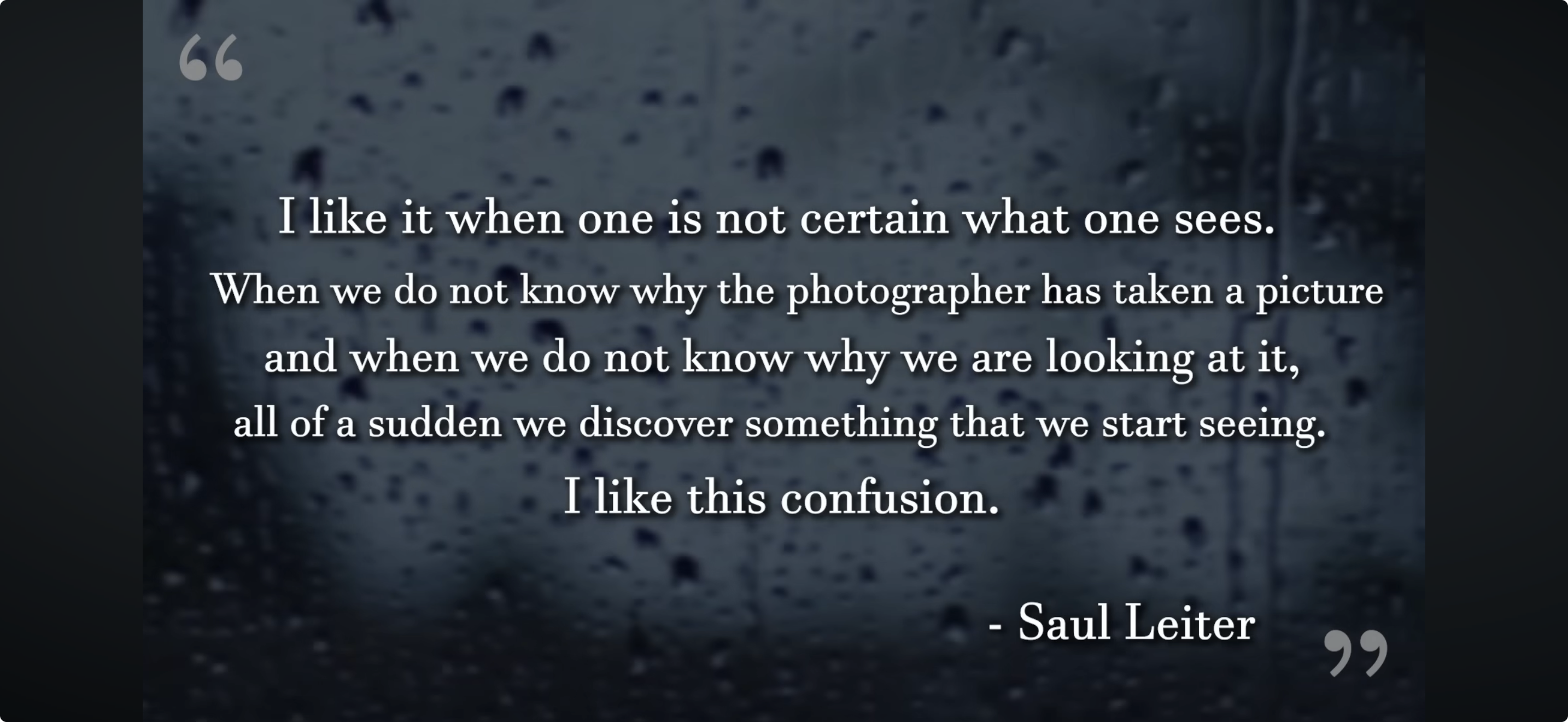
Lately, I’ve become interested in Saul Leiter’s work, which is purposefully ambiguous and provokes questions –
It’s germane to this photo, which again caused some chat, and is the subject of a podcast which will be aired publicly soon:
I’ve yet to find a photo I took that I really like – but I’ve got thousands. Tens of thousands. I’m slowly making my way through them…
I had a very interesting conversation yesterday over New Year’s Day lunch with a family friend who’s a quantum physicist. We talked about age and risk. He argued very strongly that as you get older, you should take more risks because you have less to lose.
This bloke has his doctorate in Quantum Physics, he lives and works in Canberra and he’s at the cutting edge of quantum research. In his spare time he goes rock climbing. Like, hanging upside down four hundred feet off the ground clinging to the sides of a vertical cliffs with his fingernails.
I asked him if he ever got scared. He said yeah, all the time. But that’s the joy of it. That led to the conversation about risk profiles and age. Here’s a tidied-up transcript of the conversation:
PAT: Well, the theory centres around the fact that most people in their lives front load the majority of the risk to their younger years – then as they age, they risk less and less, even retreating into boredom and monotony as they get older, where the only risk is just time itself. That time is running out.
The average age of death for males in Australia is, what, 81 years. And so the idea is that you should, in fact, be risking more as you age, doing riskier things that you might die from, that give you some kind of exhilaration or life experience that has some value to you. Because when you’re 70, you’re gambling 11 years of your life to do this thing. If you do that thing when you’re 20, you’re gambling 61 years.
How much is time worth compared to the payoff of doing the extremely dangerous thing versus the possible outcome of you ceasing to exist? Not necessarily dangerous, but risky. So it could be financial risk, could be any kind of risk. But a lot of people just front load that, and then the last years of their life, they don’t take any risks at all, when the consequences become quite small.
I see this happening with people doing bucket lists when they’ve got some relatively short term life-threatening diagnosis or something. But then again I guess there isn’t even a risk then, is there? Because they’ve left it so late there isn’t actually anything on the table. Whereas if you decided to do that 10 years earlier, just on the chance, hmm? You’ve got so much more potential payoff if it all goes well.
Take the Camino. Somebody who’s got a heart condition at age 65 decides to walk the Camino. They’re gambling 81 minus 65 years – 16 years. The risk is that they’re going to die on this long walk. But if they don’t die, then the payoff could be huge. It could transform their lives. The walk could, in some way, heal them. Or prove that the doctors might have been wrong and you’re not as ill as they thought you were.
It also comes to the fact that life is very nonlinear in time. Some of your time is very short, and some of it’s very long, but the clock ticks at the same rate, all the way through your life. But it doesn’t in your head. So when you’re on the Camino, right, that could be a valuable time in your life.
Let’s say you do the walk in a month. You could have spent that month sitting on your couch at home. That would be the safe option. That would be the less riskier option. But sitting at home on your couch, have you gotten a month’s worth of value out of it? Whereas spending that month walking the Camino, taking the risk that you could die from heart failure, during that month you’ve experienced joy, a sense of achievement, you’ve made new friends, perhaps you’ve taken on new ideas.
Perhaps at the end of that month you’ve become a different person.
That one month walking the Camino, as against sitting at home on the couch, might be worth six months, twelve months. More. It’s all very nonlinear.
People should gamble more as they get older. But they don’t. They tend to withdraw. They tend to… sort of cocoon themselves. They tend to increase their protection levels, don’t they? They get comfortable, and I think a lot of society says that you’ve earned the right to be comfortable. Like, that’s what retirement is. You’re safe. There will be no big changes because you’ve done everything right. Because you’ve fought your way through life up to that point. But then… why?
Now, you’ve retired and you’ve got 20-maybe 30 years of doing nothing. Why not make that a time for taking risks – doing exciting things? The clock’s ticking down. And you’ve got less to lose. Instead of withdrawing as you get older, why not take some huge risks?
For those of you who follow this blog and don’t know what The Ashes is – it’s a series of five games of cricket played between Australia and England. Each game can last five days. At its fullest, that’s 25 days of cricket with each day beginning at 10:30am or thereabouts, and finishing at 6pm or thereabouts. For cricket-tragics such as Jennifer and myself, we try not to miss one minute, one ball, one run.
The Ashes dates back to 182. That’s 143 years. Australia has won The Ashes 34 times, England 32 times – with 7 drawn matches. To say that the rivalry is fierce is like saying the South Pole is chilly.
We’re talking Colonialists versus Convicts. Need I say more?
I’ll keep this summary of The Ashes, and indeed cricket itself, at this superficial level because cricket is an inordinately complex game. It has its own language, its own arcane protocols, even the naming of field positions defies rationale or logic.
Cow Corner? Silly Mid Off?
The Ashes are played every two years, or thereabouts – alternating countries. This series is being played in Australia. Prior to this series starting on November 21st, the English press and the team itself declared that finally they had a group of players that could win The Ashes on Australian soil – a feat rarely done.
They derided the Australian team as being old and passed it, sub-par, they called our cricketers Dad’s Army.
The English were bringing to the series a form of cricket that’s become known as Bazball, a highly aggressive form of the game drawn from the shorter, showier form known as T20. In other words, they were attempting to modernise Test cricket, and in the process write their names into the history books.
It didn’t work. They lost the first three games 3-0 and Australia retained The Ashes.
The 4th game, played in Melbourne last week, they won using, at times, Bazball tactics. But it was too late. Australia had won The Ashes.
I watch a lot of sport because it tells me a lot about the human condition, about courage and timidity, about how to win and how to accept failure, about hubris and grace.
The final chapter is yet to be played in Sydney starting next week, and even though technically it’s a dead rubber, there’s still a lot to play for – reputations, future places in the respective teams, jobs on the line. And history. With each Ashes game history can be made, or rewritten.
I’ve learned a lot as a filmmaker from these first four games already.
Preparation. Pundits say England lost the first three games because of a lack of preparation. This, I believe, came down to hubris. They believed they had a winning formula in Bazball. They believed their team was stronger. They thought they didn’t need to prepare. Dare I say it, they were arrogant.
Lesson. Making a movie is all about preparation. As a director, by the time cameras roll on the first day of principal photography, 95% of your work should have already been done. You can’t skimp on preparation. And you certainly can’t be arrogant. Arrogance will cold-cock you every time.
Patience. Interestingly, listening to the commentaries as I have, and the analysts on various podcasts, the word patience has come up time and time again. Bazball eschews patience. It’s a form of the game that requires a batter to pretty much take a swipe at anything. Test cricket requires, at times, immense patience. And that patience more often than not is rewarded with a long innings and a big score. Conversely, a lack of patience often brings a batter, and bowler, undone very quickly.
Lesson. Making a feature film also requires immense patience. I have stood out in a field for more than an hour many times during my working life, with a full crew on alert, waiting for the right light to get a shot. I have waited a mind-numbing length of time on more occasions than I care to remember for ambient sounds to clear so that we can record a perfectly clean dialogue scene. You need to have the patience of a zen monk to be a film director. That’s why I’d be dreadful doing television. Television doesn’t allow for patience.
Quite. I’ve noticed that that English coach and captain have used the word quite quite a bit in interviews. We didn’t quite get it right, they would say, Or We didn’t quite get enough runs today. This word quite, used as they’ve used it, provides an insight into their mindset. It speaks to me of delusion and entitlement. Didn’t quite get it right? Mate, we blasted you off the field. Didn’t quite get enough runs? Buddy, we beat you in two days. Their use of the word quite tells me they aren’t facing up to reality. And they really do believe they’re entitled to win.
Lesson. As a film director, you need to be grounded at all times. It’s so important, especially early in your career if you’ve had success. It’s so easy to get a distorted view of your own capabilities. You start believing your own publicity. When you’re making a movie, it’s critical that you remain humble and aware that at any stage, you could make a career-ending decision. Of those directors who get to make a first film, only 36% get to make a second film, only 8% make five or more films, and only 0.1% make 20 or more films. I’ve directed 17 feature films which puts me at 1%. That makes me quite humble…
Expectation vs Process. The English arrived on our shores with big expectations. They were going to crush us. We had a weaker team – the worst since 2010, said Stuart Broad – and they said that they were going to climb the Mt Everest of cricket. They were going to go home with The Ashes. The Aussies (other than Glenn McGrath, who traditionally predicts an Australian whitewash of the Poms) remained quietly confident in their process. They didn’t think ahead. They trusted in process.
Lesson. I know from forty years of making movies that on those occasions when I’ve thought I’d made a winner, I’ve always been disappointed. And also, when I’ve deliberately set out to make a commercially successful film, invariably I’ve failed. Yet the times when I’ve made a movie simply from a) the desperate need to tell that particular story, b) a desperate desire to have fun with the mechanics of cinema, or c) a deep sense of knowing that this was a movie that I would enjoy watching – on the relatively few occasions when that aligned, then surprisingly the films did (quite) well. In other words, I’ve learned to distrust expectations, and to go into a movie merely for the pure joy of making that movie, trusting that the outcome will be what it will be..
These are just some of the lessons I’ve learned. And many more as well – too many to elucidate here. Elite sport for me provides useful lessons in human psychology. I just wish I had the wisdom to interpret those lessons at times.
As readers of this blog know, each year around this time I do an “audit” of what I achieved this year pegged against what I hoped to achieve this time last year. And I outline what I hope to achieve in the coming year.
This year was all about the international theatrical rollout of The Way, My Way.
After a successful cinema run throughout Australia and New Zealand in 2024, the film that some reviewers called “the surprise hit of the year” – with a cinema Box Office of close to $2.5m, and a run of 20 weeks in some cinemas – it was time to take the film overseas.
Jennifer and I left Australia on January 28th, and for the next 4 months we toured the film throughout the US, Canada, Germany, with sold out screenings as well in the UK and Italy.
In the US and Canada we did 48 Q&A screenings in 44 different cities and towns in 19 states over a 51 day period. During this time Jennifer and I:
took 12 internal flights
took 52 Ubers
I drove 7,000 kms in five rental cars
Johnnie Walker, Camino legend, joined us for a couple of weeks and he was treated by the Q&A crowds as the rock star that he is. Marc Wooldridge, head of Maslow Entertainment, helped coordinate our trip from Australia, with the aid of our US co-distributor, Outsider Pictures.
We arrived back home on May 28th – we were away exactly four months. Was it exhausting? Strangely, no. Jennifer and I were sensible. We slept well and we ate sparingly. And we traveled super light. That was key, with being on the move constantly.
During the last couple of weeks of the tour, in amongst all the travel and screenings, I began writing a new novel – an Outback thriller I’d been developing over the past ten years or so. It’s called Lady Fix – No Man’s Land. When I got home I continued writing for the next seven months, and this occupied my time for pretty much the rest of the year.
Publishers Penguin Random House had previously published my YA supernatural thriller trilogy, Palace of Fires –
PRH were tracking the progress of Lady Fix and I submitted it to them last month. They came back with notes, which was expected, and I’m currently working through those notes. I also signed with a top flight literary agent and she will guide me through this process.
I got a delightful surprise last month as well – I was awarded the Malaspinsa Award from the Spanish Ambassador in Canberra for strengthening cultural ties between Australia and Spain for my Camino memoir and film, The Way, My Way.,
So, how did I go with my laundry list of things I wanted to achieve this year? Here’s what I hoped to achieve this time last year, and in bold, what I actually did or did not achieve.
Release The Way, My Way in US and Canada – and support that release with a Q&A tour, from the beginning of February to the end of March.
Done.
Release The Way, My Way in Germany, Austria and Switzerland and support that release with a Q&A tour in April.
Done.
Screen The Way, My Way to an annual gathering of North American pilgrims in Vancouver in mid May.
Done.
Screen The Way, My Way to a convention of Camino leaders in Malta at the end of May.
Done.
Walk the Portuguese Camino (for the 3rd time!) in preparation for the shoot of The Way, Her Way.
Didn’t do this. No time.
Release The Way, My Way later in the year in Italy, and support that release.
Done.
Shoot The Way, Her Way on the Portuguese Camino in September / October.
Didn’t do this. Not sufficient time to properly prepare with the international touring of The Way, My Way.
Work on the post production of The Way, Her Way.
Didn’t do this. See above.
Write the first draft screenplay of the next movie in my Camino series – called The Way, His Way. (I aim to become the Taylor Sheridan of the Camino! haha)
Didn’t do this.
Complete the writing of my metaphysical thriller, Dead Image.
Didn’t do this. Instead wrote Lady Fix.
Complete the writing of my non fiction book, If I can Change, You can Too.
Didn’t do this. My time was spent writing Lady Fix.
Write a treatment of my dysfunctional pensioner crime-caper screenplay.
Didn’t do this.
Shoot more material for the Hope film.
Didn’t do this.
As you can see, I didn’t do a lot of what I’d hoped to do. I think in retrospect I was way too ambitious in my expectations. I didn’t realise how all-consuming the international Q&A tour would be, and how writing a new novel – Lady Fix – would suck up all my remaining time and headspace.
Writing a novel is hard. Damn hard.
So what do I hope to achieve in 2026? I only have two things I wish to achieve:
Get The Way, Her Way made.
Get Lady Fix published.
If I can achieve those two things then I’ll regard 2026 a successful year.
On the health front, I end the year in my eighth year since diagnosis of my Parkinson’s disease. This year, I’ve taken a bit of a hit, what with the four months of intensive travelling. But even so, I thank my lucky stars that I’m as good as I am.
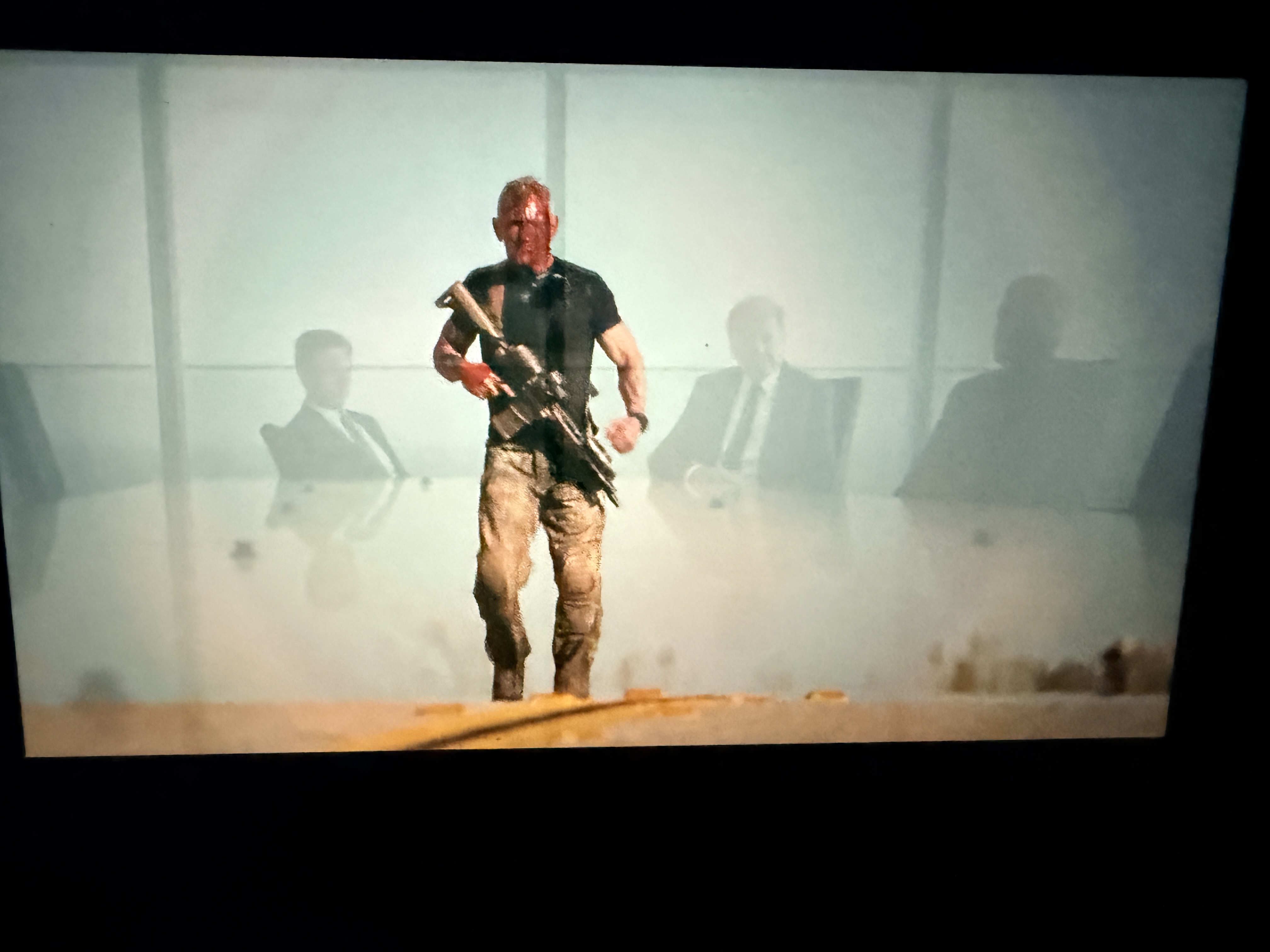
I went to one of the first 70mm screenings of Paul Thomas Anderson’s latest movie, One Battle After Another and walked out after the first 50 minutes.
I’m a huge fan of his work. I regard There will be Blood and Magnolia as great movies. Masterpieces? I’m not sure about that, but truly great movies nonetheless.
I had such high expectations for One Battle After Another and I was massively disappointed. I found it to be facile and devoid of anything original to say. Sean Penn’s performance annoyed me the most. Cheap facial expressions looking for characterisation.
Needless to say I ran against common thinking. Everyone lauded the film.. And I got canned for not watching the whole film.
Fair enough. So I vowed to watch it again, all the way through.
I’ve been really busy lately and didn’t get the chance until last week, on a long flight from Sydney to Spain. I downloaded the film on my iPad Pro and watched it on the flight. With my Apple iPod Max over-ear noise-cancelling headphones. Not the best way to watch a film that had originally been shot in VistaVision, but I’d already seen it (or at least the first 50 mins) in 70mm so I got what it looked like.
But seeing it again, it was as though I was watching a different film. I found it to be masterful, engaging from the first frame, and funny as hell. And it had plenty to say, politically. Important for our times.
In short, I loved the film. And from this time on will shout its greatness from the rooftops.
So what happened? Why did I have such a completely different reaction watching it on an iPad on a flight?
All I can put it down to was that I wasn’t in the right headspace when I first saw it in the cinema. I was distracted by work stuff that had been niggling me prior. I felt I should be somewhere else. And I wasn’t in the right frame of mind to accept the unorthodox approach that Mr Anderson was taking – an approach that annoyed the bejesus out of me at the time but which on a second viewing I found to be thrilling in its cinematic courage.
Later, I began to think of famous film critics that had historically trashed great movies.
Paulene Kael, Chief Film Critic for The New Yorker and perhaps the most influential film critic of her time, scorched Ridley Scott’s Blade Runner, writing that the movie “had nothing to say,” and that its storytelling was “inert.”
Variety dismissed Stanley Kubrick’s The Shining, as “a crashing disappointment,” and that it had “virtually no thrills.”
Kubrick’s science fiction masterpiece, 2001 A Space Odyssey, got a similar hiding from critics that said it was “boring, pretentious and incoherent.”
Alfred Hitchcock’s Vertigo, now second on the British Film Institute’s list of Greatest Films Ever Made was derided by critics, one of whom called it a “Hitchcock-and-bull story,” Psycho got even worse treatment, with critics calling it “gimmicky and tacky,” with one critic saying that it was “obviously a low budget job.”
Maybe these critics were like me when I sat down to watch One Battle After Another – they just weren’t in the right headspace.
I’m delighted to announce that our Camino movie, The Way, My Way, is now available online in most major territories worldwide.
Thank you to all those who’ve been waiting so patiently.
It’s available to rent or buy from Apple TV in these territories: United States Canada Ireland Portugal United Kingdom
and
Amazon Prime in these territories: United States Canada United Kingdom Ireland (through UK storefront) France Spain Portugal (through Spain storefront) Brazil Mexico Latin America (through Mexico storefront)
It will also be available to rent or buy on YouTube Premium very soon. Online releases in Germany, Italy and Taiwan will be at the discretion of their local distributors.
Please note: the film will not be on Netflix in the foreseeable future, simply because they haven’t made us an offer to buy it!
Thank you to all those who saw the film in a cinema. Now’s your chance to see it in the comfort of your own home!
Here is a copy of the speech I gave today in Canberra, when I received the Malaspina Award from the Spanish Ambassador to Australia. The Award was for the significant contribution I’ve made to furthering cultural ties between Australia and Spain through my Camino book and film, The Way, My Way.
~~~~~~~~~~
Thank you to Her Excellency Ambassador Esther Monterrubio Villar, to the Malaspina Awards Committee for granting me this wonderful award, to the Spanish Education Office and Rosa Maria Prieto Gallego for nominating me, and to the Spanish shipbuilding company Navantia, for sponsoring the Awards.
NOTE: This speech has NOT been written with the aid of ChatGPT, that’s why it’ll be a bit ropey – so hang on!
Where did this start for me – my love of Spain?
It started in April 2013. It was late in the afternoon. I was walking across the Meseta, on the Camino, which is a long straight stretch of flat plains. I’d already walked forty kilometers that day. I had another three ks to go before I got to a town where I could bed down for the night.
I was in enormous pain from a knee that I would later discover was bone on bone. And I was exhausted. I was also anxious that I might not get a bed in the next town.
I remember that afternoon vividly. It was coming on sunset and the sky was dark with rolling thunder clouds. Yet the setting sun had broken through a crack in the clouds and these God-like fingers of golden ethereal light were casting a magical glow over the track ahead of me, as if guiding me the way.
I remember a pre-storm wind was causing the grass-covered plains either side of me to sway and ripple like a river. A gentle light rain had started to fall. And suddenly all the pain, all the exhaustion, all the anxiety was gone.
Here I was, alone on a track on an ancient pilgrimage route, and the sheer beauty of my surroundings lifted me into a state of complete bliss. I remember feeling an enormous sense of elation, of pure joy at being out in Nature in all its wild glory. And I remember this as being the moment that I fell in love with Spain.
How did I get there? How did I come to be walking the Camino? And why? Why was I on a pilgrimage?
I wasn’t a Catholic. I wasn’t, at that stage, even particularly religious or spiritual. So why? I later wrote a book to try and answer that question. And later still I made a film. And even now, I’m uncertain.
But what I do know is this: Spain tugged me to do this walk. It wouldn’t let go. I just had to do it.
Three years earlier, my wife and I had spent time in Galicia. Our daughter was writing a book on Spain for a big New York publishing house, and Jennifer was editing the book. While they were working, I’d go on drives out into the Galician countryside, and that’s where I first discovered “pilgrims.”
They were an odd species.
They dressed oddly. They were unkempt. They carried backpacks and some used poles like they were walking through snow, although this was northern Spain coming on summer and there was no snow. They walked in a line and to me they looked like dreary lemmings walking headlong to their death.
I became like David Attenborough stalking a curious flock of rare ostriches or giraffes. I hung out at pilgrim cafes, I eavesdropped on pilgrim conversations, I followed groups of pilgrims into bars and restaurants to see what they ate and drank. I finally worked up the courage to talk to a few of them and they told me about the Camino.
Most of the pilgrims I spoke to weren’t religious. And many weren’t Catholic. Quite a few didn’t even know why they were doing the walk. It seemed like such a stupid mindless senseless thing to do that it immediately appealed to me.
So I bought a pilgrim staff and began to go on long walks, dreaming that one day I too would be a pilgrim – that one day, I too would walk the Camino. And so I did. In April of 2013 I set off from St Jean Pied de Port on the French side of the Pyrenees to walk the 800kms to Santiago de Compostela.
And it was in walking that Camino that I fell in love with Spain.
I mean, how can you not love a country that has huge legs of ham hanging from the ceiling of a service station when you go in to pay for your petrol?
How can you not love a country that drinks red wine refrigerated?
How can you not love a country where you can’t get dinner before 10pm?
How can you not love a country that covers live, on national television, rampaging bulls chasing fleeing crowds in a Pamplona back alley?
There’s something going on in Spain – on this Camino – and the numbers are evidence;
This year, it’s expected that 570,000 pilgrims will receive their Compostela – their official certificate from the Pilgrims’ Office – for having walked the Camino. That’s a record, and a 14% increase on last year. But you can get a Compostela just for having walked the last 100kms into Santiago. Many more pilgrims walk longer, many walk shorter distances and never receive a Compostela.
Camino experts claim that for every one Compostela issued by the Pilgrim’s Office in a given year, a further ten to twelve pilgrims walk some part of the Camino that year – even if just for a few days. Do the maths on that and you get more than six million people walking some part of one of the many Caminos in Spain this year.
Think about that ~ By the end of this year, six million people will have walked some part of the Camino.
That’s a major cultural movement. That’s a major spiritual movement. Dare I say it, that’s a shift in human consciousness. And Spain is at the heart of that tectonic shift.
Why?
This is more than bucket-list stuff. And there are easier ways to have a cheap holiday in Europe, let me tell you! I’ve come to believe the reason why is three-fold:
MEANING CONNECTION UNITY
Meaning – At a time when our world seems to be spinning out of control, with the spectre of AI and Climate Change hanging over our heads, when material things aren’t so important anymore, I believe many people are seeking meaning in their lives. And what better way to find meaning than to walk the Camino – and undertake a journey across Spain and into your very soul.
Connection With social media we’re all so connected yet so many of us are desperately lonely. Many young people are turning to AI chatbots for companionship. And yet pilgrims are finding true connection on the Camino. Bonds form in a few days that last a lifetime.
Unity There’s so much division in the world right now, yet on the Camino, you find unity. Because of the intensity of the shared experience, race, colour, politics – differences of all kinds simply melt away. They’re just not important. On the Camino, you truly do experience a union with others that transcends division. Bring that home with you from the Camino and the world will have to be a better place.
So the last question is: Why Spain? There are lots of long pilgrimage walks across Europe, the UK, the US. the Middle East, even South America. Why do so many people gravitate towards Spain?
I believe the answer is simple – Spain has a unique Life Force.
Think Flamenco
Think Barcelona vs Real Madrid
Think the Running of the Bulls
Think of the groups of people spilling out of bars onto the streets late at night just to talk and laugh.
Of course there’s the wonderful food, the glorious wines, the beautiful historic cathedrals and monuments – but I believe it’s the energy of its people, their generosity of spirit and their kindness to strangers, that’s at the heart of why so many pilgrims come to Spain, and return time and time again.
It’s why I fell in love with the country. After all, how can you not love a country that calls wifi – whiff-ee?
Later this week, the Spanish Ambassador in Canberra will present me an award.
It’s called the Malaspina Award. It’s an honour bestowed by the Spanish Embassy and the Association of Spanish Researchers in Australia-Pacific to an individual and an organisation who have made a significant contribution to the scientific and/or cultural relationship between Spain and Australia.
I will be receiving the Individual Award for my Camino book and film – The Way, My Way.
The Spanish Ambassador to Australia, Ms Esther Monterrubio Villar informed me thus:
It is an honour to inform you that the selection committee for the 8th Malaspina Awards has decided to grant you this year’s Individual Award in recognition of your creative and yet insightful portrayal of Spain. Your film and memoir The Way, My Way have generated great interest in Spanish culture and history, in addition to its spiritual dimension, and has inspired many Australians to walk the Camino. At the same time, the film’s international impact has helped foster a sense of pride among Spaniards. Allow us to extend to you our most sincere congratulations.
Little did I know twelve years ago while I was toughing it out on the Meseta with a knee that was bone-on-bone that it would lead to such a great honour.
Thank you to the Spanish Education Office and Rosa Maria Prieto Gallego for nominating me, and to the Selection Committee for granting me this wonderful award.
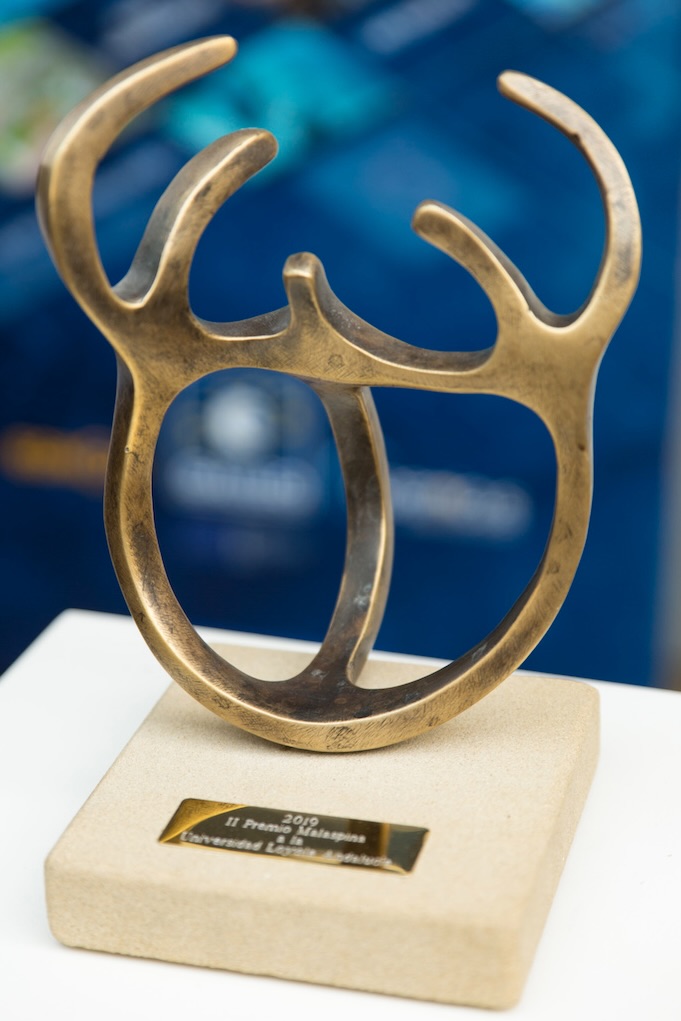
I will be receiving this silver statuette (below), called “Heart,” designed by a very famous Spanish sculptor, Óscar Martín de Burgos.
This for me is better than any film award. This goes to the “heart” of what the Camino is all about.
Last night I broke my fast – for Father’s Day. It brought the family – or part of the family – to the dinner table.
The thing about fasting, it shatters the socialisation of the family. Dinner, in particular, is a time when we all sit down to talk, share what’s happened during the day, share what’s on our minds, we chat and laugh and listen. And we learn. I learn a huge amount listening to Jennifer and Henry, my eldest son, while we eat.
When I fast, that doesn’t happen.
There’s no chatting in the kitchen while the meal’s being prepared. There’s no expression of love in the making and serving of the food – because there’s no food. In times past when I’ve done longer fasts, what’s invariably brought them to an end is this lack of socialisation – it’s not starvation – well, yes it is – it’s starvation of family time together over a meal.
I had retasu ni tsutsumareta – a Japanese version of San Choi Bau. A very light meal, but it brought us all together.
So I broke my fast a day early, for the sake of family. I hope I didn’t disappoint any of you. Here are the stats:
So in 5 days I dropped nearly 5kg. I also lowered my blood pressure. More importantly, I took back control of my mind. And I feel cleansed – All up, it was well worthwhile, even if I did fall short a day!
I stared at the egg. I stared at the egg a long time. It was a boiled egg. It threatened me, that egg. It threaded to derail my fast.
All I had to do was crack open its smug shiny shell, peel the shell off and – yummy.
But I resisted. I walked away. The integrity of my fast remained intact.
It’s interesting, the games your mind plays when you fast. Anyone who does an extended fast – and I call anything more than two days an extended fast – knows that the temptation to break the fast comes not through hunger, as such. It comes through desire.
Desire is different to hunger. Hunger is a physical primitive function. Designed to keep you, and the species, alive. Desire is illusory. Desire is sly imagination. Desire is a femme fatale.
I didn’t hunger for that egg. I desired it. It was my femme fatale. But I walked away.
Today is Father’s Day here in Australia. My wife and eldest son want to take me to lunch, or cook me a Father’s Day dinner.
Should I break my six day fast to take them up on their kindness? I’ll let you know what I decide!





 PGS - The Way