
Weight: 77.8
Body fat: 25.4%
BMI: 24.9
RHR: 57bpm
Sleep: 7hrs 9min
BP: 125/74 @65bpm
~~~~~~~~~~~~~~~~~~~~~~~~~~~~~~~~~~~~~~~~~~~~~~~~~~~~~~~~~~~
This is new territory for me, going into day#7. I’ve done 6 day fasts in the past, never 7. This coming week is going to be fascinating, to see how I manage.
If I manage…
First, the stats: I’ve dropped 0.8kgs during the past 24hrs, and my BMI has now officially dropped into the Normal Weight zone. My Body Fat though has only come down marginally. People tell me I look thinner, but I don’t think so. I think they’re humouring me!
This is not a vanity quest for me – my need for this fast goes deeper than that.
How do I feel?
Strangely, I woke up this morning feeling good. Not at all hungry, and in fact I can easily see how people could purposefully starve themselves or go on hunger strikes. It doesn’t take long for you to lose hunger pangs altogether – but more than that – I’ve noticed that I no longer desire food.
I had to go to a formal family lunch yesterday. Jennifer’s uncle, who is an amazing 99 years old, came to visit with his daughter, and all the family went over to Jennifer’s mother’s place – two houses down from where we live – to have lunch.
Lunch consisted of roast chicken – my favourite – with roast potatoes – also my favourite – and other yummy stuff. Out of courtesy and respect for Jennifer’s uncle I sat down at my usual seat at the table and watched everyone eat.
You’d think it would have been difficult for me, but actually it wasn’t. Whilst I would have loved to have hoed into the chicken and spuds, I had no real desire to. There’s a difference. Intellectually, I would’ve loved to tuck into the grub; physically and emotionally, I didn’t want to. I’ve made up my mind to do this fast, and in my mind, food is off limits. It’s as simple as that.
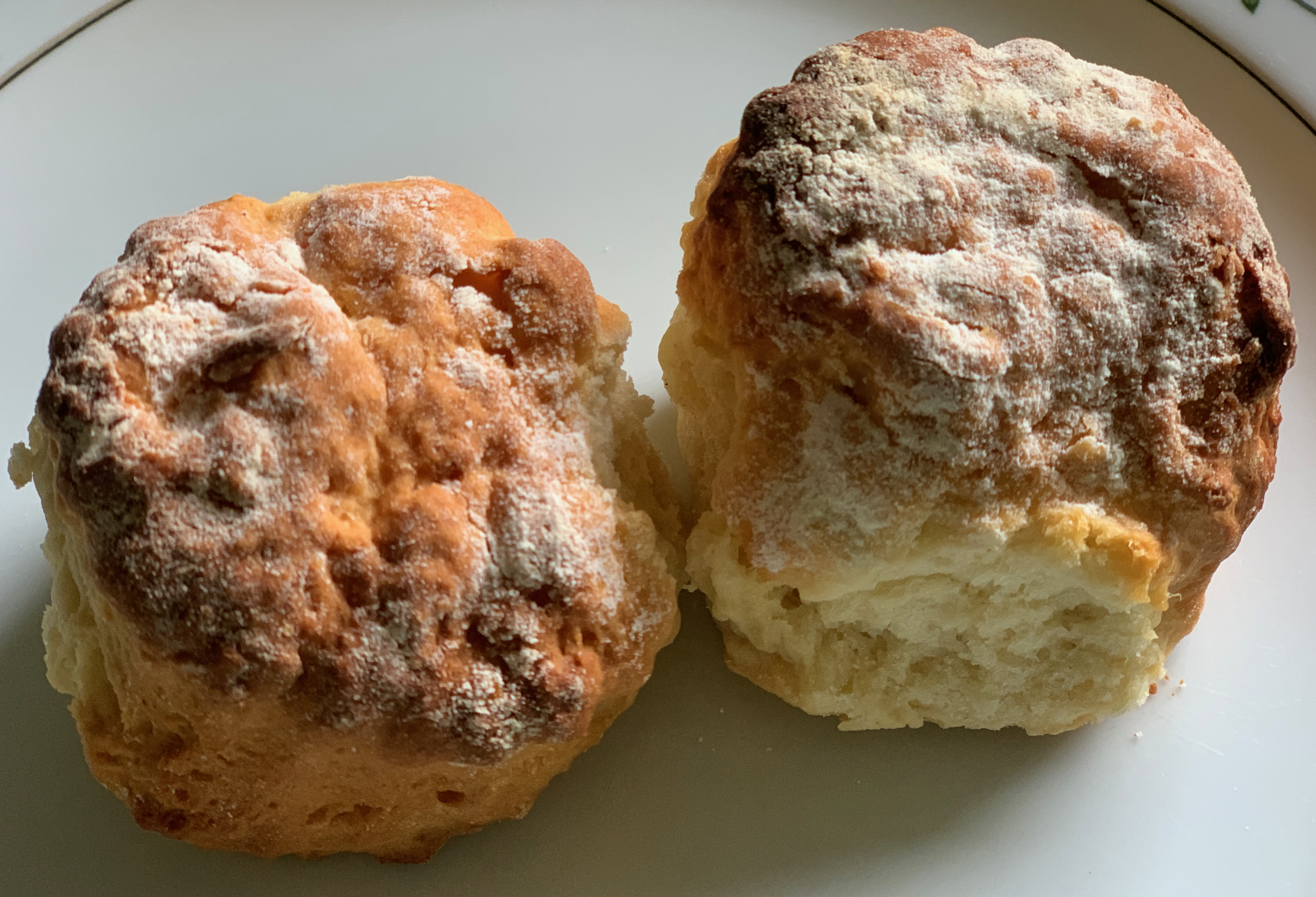
I stayed for a courteous amount of time, and then I left and went back home and had a cup of tea. Later, Jennifer came home with a basket of hot freshly baked scones which her sister had batched up, and I have to admit, I desired them! It was the smell of them did it.
I did my bike exercise early today – 40mins/16.3km/500cals – and at the end of it, when I got off the bike, I nearly collapsed. Fainted. I checked my blood pressure shortly after and it was low – 107/61. It returned to normal levels later, and the dizziness passed. This morning, I noticed my BP was solid – 125/74.
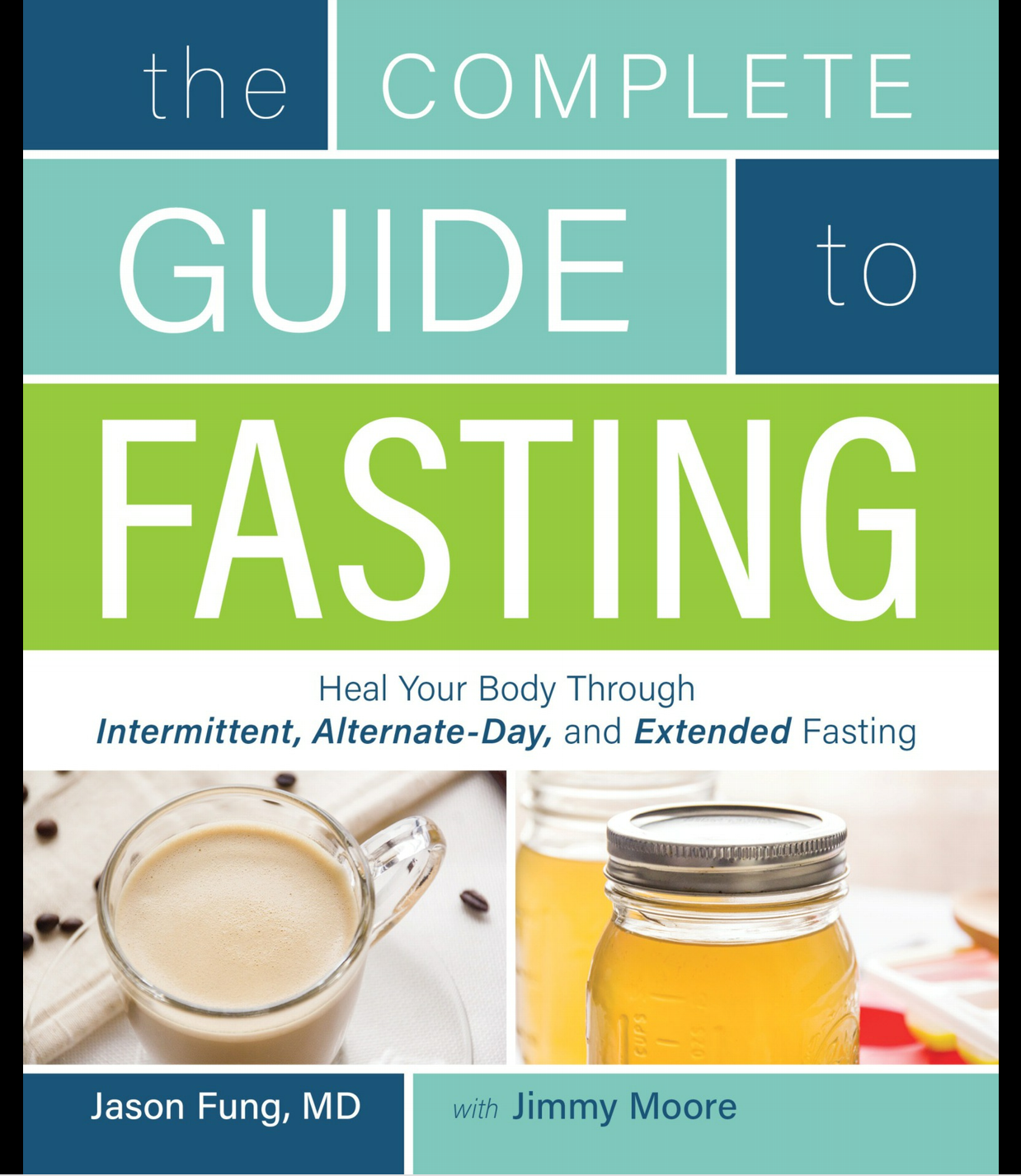
Now for my next excerpt from Dr Jason Fung’s excellent book, The Complete Guide to Fasting, he discusses the myth that you lose weight by eating less and moving more. This is the first part – I’ll post the second part tomorrow.
*****
The reason “eat less, move more” doesn’t work for weight loss is that it’s based on a false idea about how our bodies use calories: the single-compartment model.
According to this model, the body reduces all foods to simple calories and stores those calories for use in what we can think of as a single compartment; then, the body accesses that compartment to use the calories for exercise and basal metabolism (remember, that refers to the body’s basic functions, such as breathing, removing toxins from the bloodstream, digesting foods, and so on—all these require energy from calories).
This model is like a bathroom sink. Calories, like water, can flow into or out of this sink. Excess calories are held in this sink and can be easily accessed if our bodies require more calories—for example, exercise would drain calories out of this sink. There is no distinction made between any of the storage forms of calories.
Whether calories are stored as glucose, which is used for immediate energy; glycogen, which is used in the intermediate time frame; or fat, which is long-term energy storage, all calories are treated equally.
However, this model is known to be a complete fabrication. It does not exist except in our imaginations. It is more accurate to use a two-compartment model, because there are two distinct ways energy is stored in the body: as glycogen in the liver and as body fat.
When we eat, our body derives energy from three main sources: glucose (carbohydrates), fat, and protein. Only two of these are stored for later use, glucose and fat—the body can’t store protein, so excess protein that can’t be used right away is converted to glucose. Glucose is stored in the liver as glycogen, but the liver’s capacity for storing glycogen is limited.
Once glycogen stores are full, excess calories must be stored as body fat. Dietary fat is absorbed directly into the bloodstream without passing through the liver, and what’s not used is stored as body fat. This was one of the reasons why low-fat diets were initially recommended, but the immediate destination of ingested calories is not the main determinant of weight gain. The single-compartment model of calorie storage and use.
Think of glycogen as a refrigerator. It’s designed for short-term storage of food; it’s very easy to move food in and out, but the storage space is limited. Body fat, on the other hand, is more like a basement freezer. It’s designed for long-term storage and is more difficult to access, but it has much greater capacity. Plus, you can always add more freezers to the basement if you need them.
When we buy groceries, we store food in the refrigerator first, and then when the fridge is full, we store the excess food in the freezer—that is, we store food energy first as glycogen and then, when the space for glycogen is full, as body fat. Both body fat and glycogen are used for energy in the absence of food, but they aren’t used equally or at the same time.
The body prefers to use glycogen for energy rather than body fat. This is logical because it is easier to burn glycogen—in terms of our analogy, it’s much easier to get food from the refrigerator in the kitchen than to trek all the way down to the freezer in the basement. And as long as there is food in the fridge, we won’t retrieve any from the freezer.
In other words, if you need 200 calories of energy to go for a walk, the body will get that energy from glycogen as long as it’s available—it won’t go to the trouble of accessing body fat.
(to be continued…)








 PGS - The Way
You must be logged in to post a comment.