
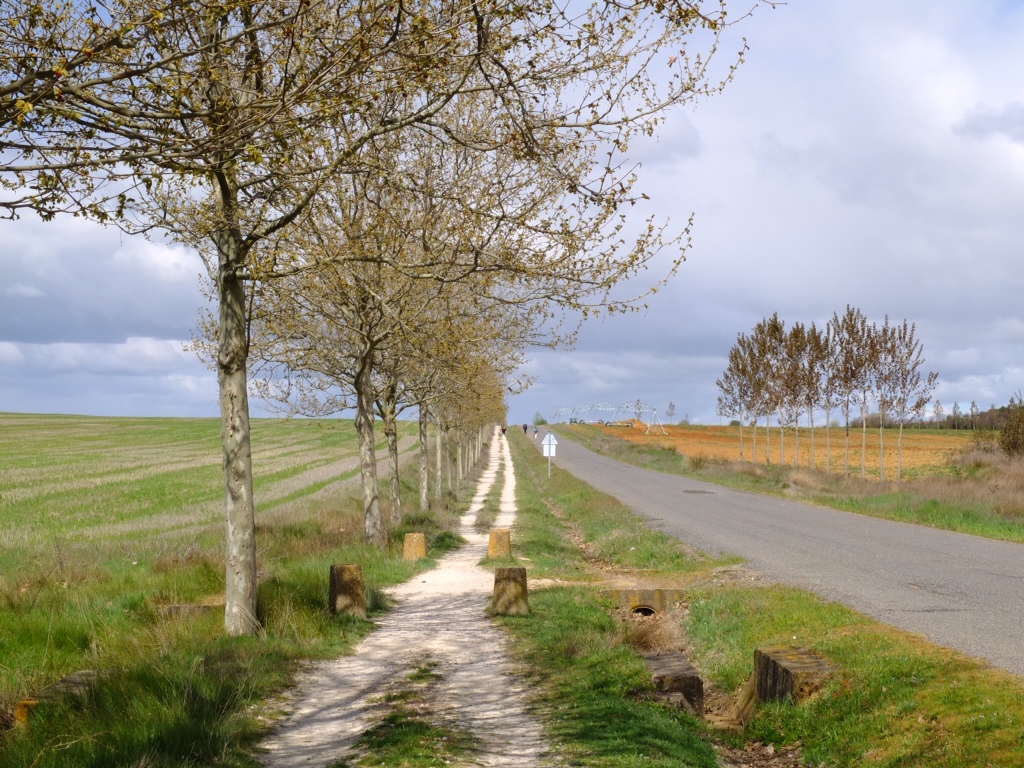
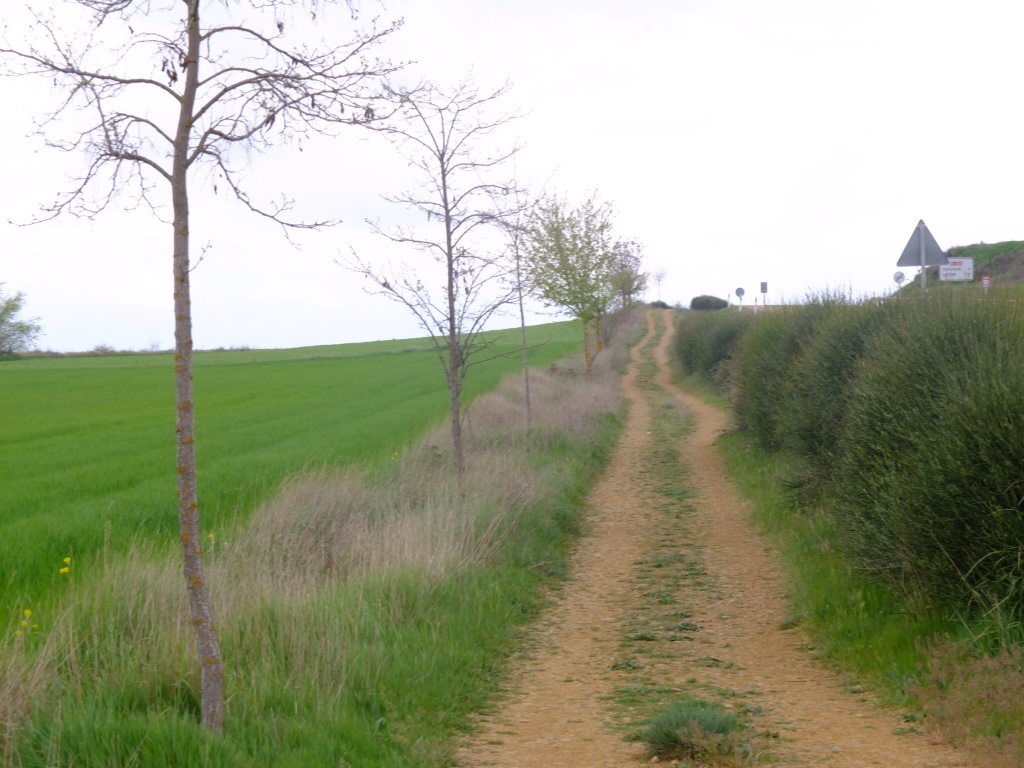
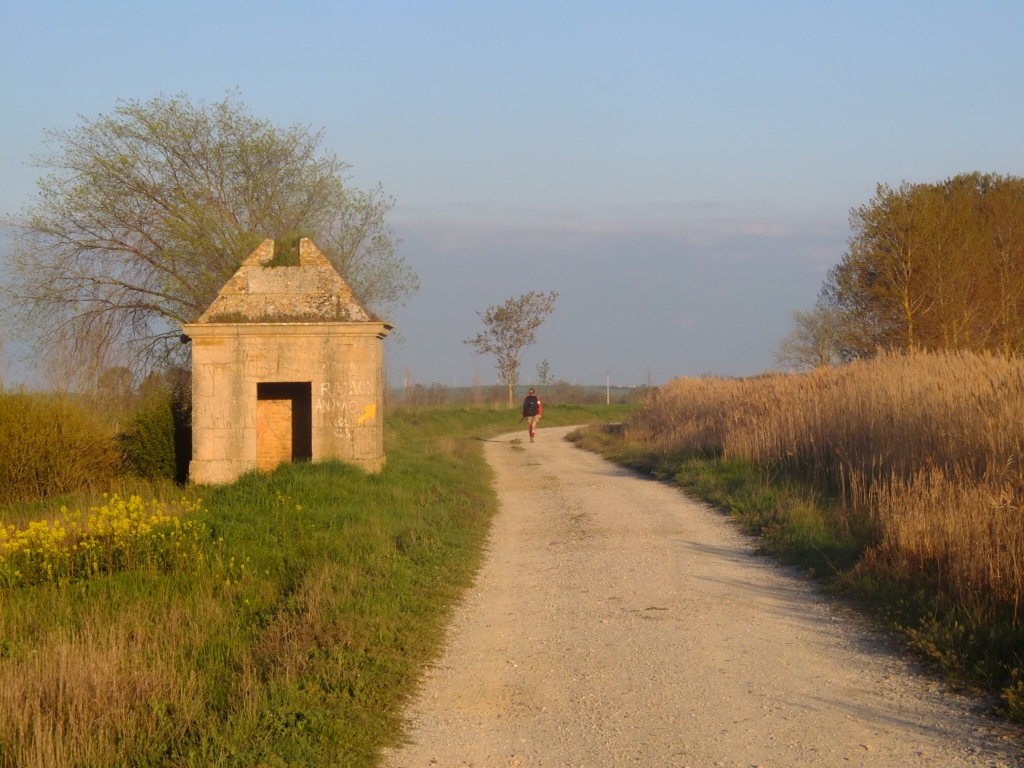
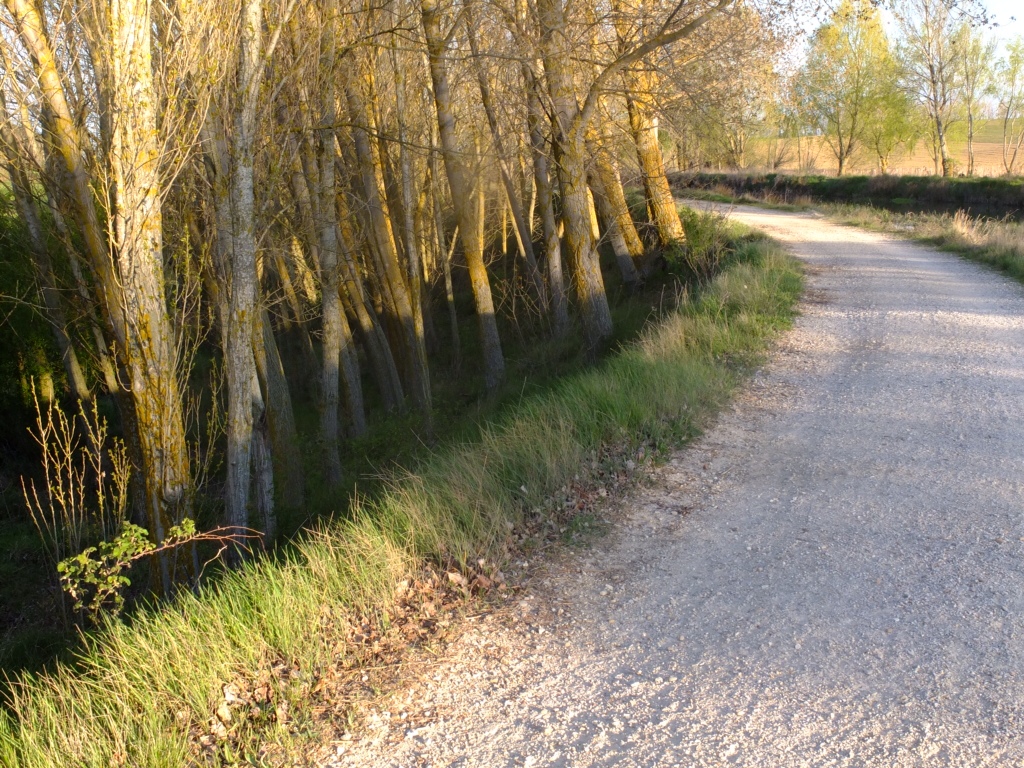
Every morning for nearly three weeks now, I've got up before sunrise, in the freezing cold and the dark, I've put on my boots, I've hauled on my backpack, and I've set off to walk some 20-30kms that day, which will get me incrementally closer to a place called Santiago de Compostela.
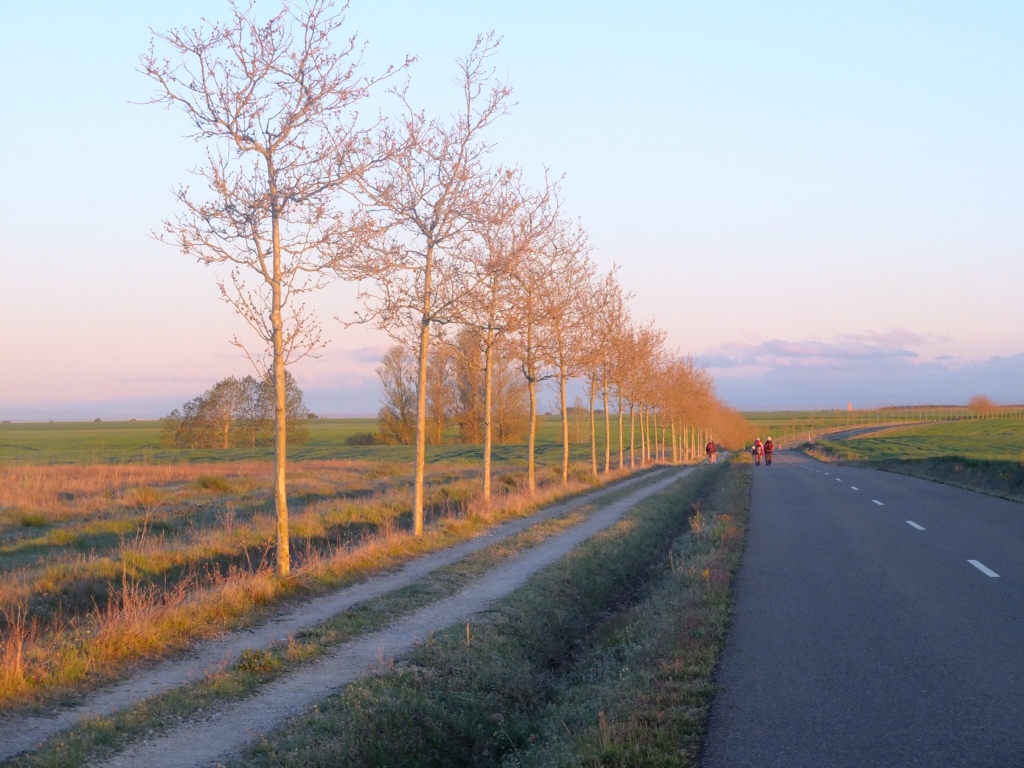
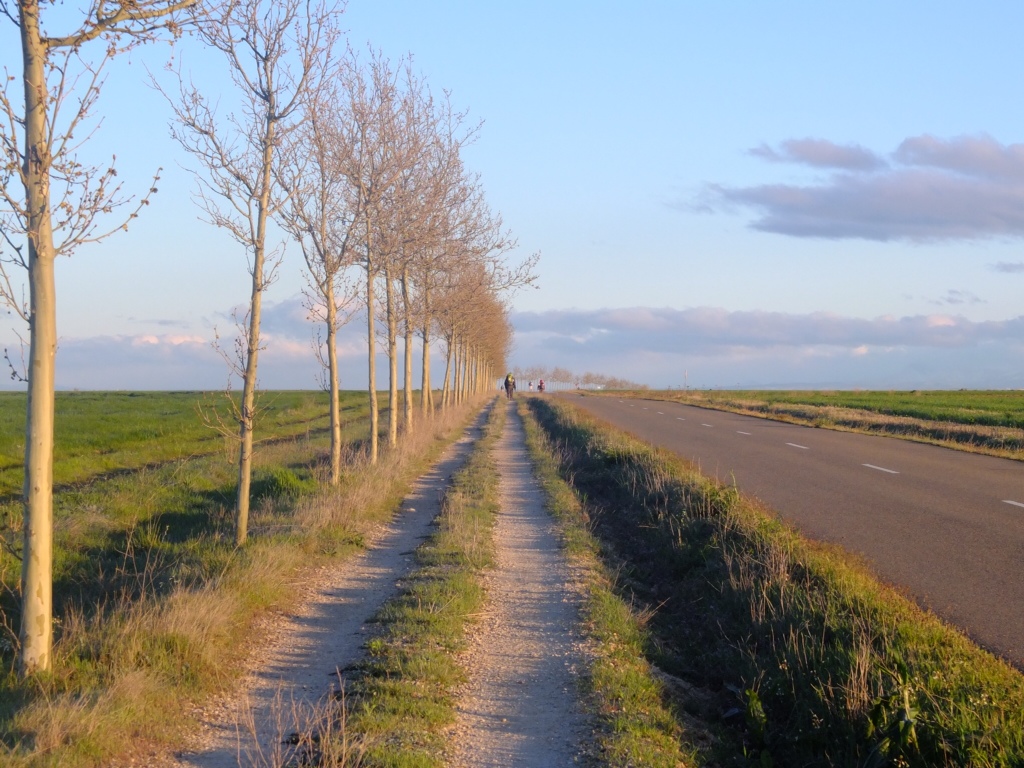
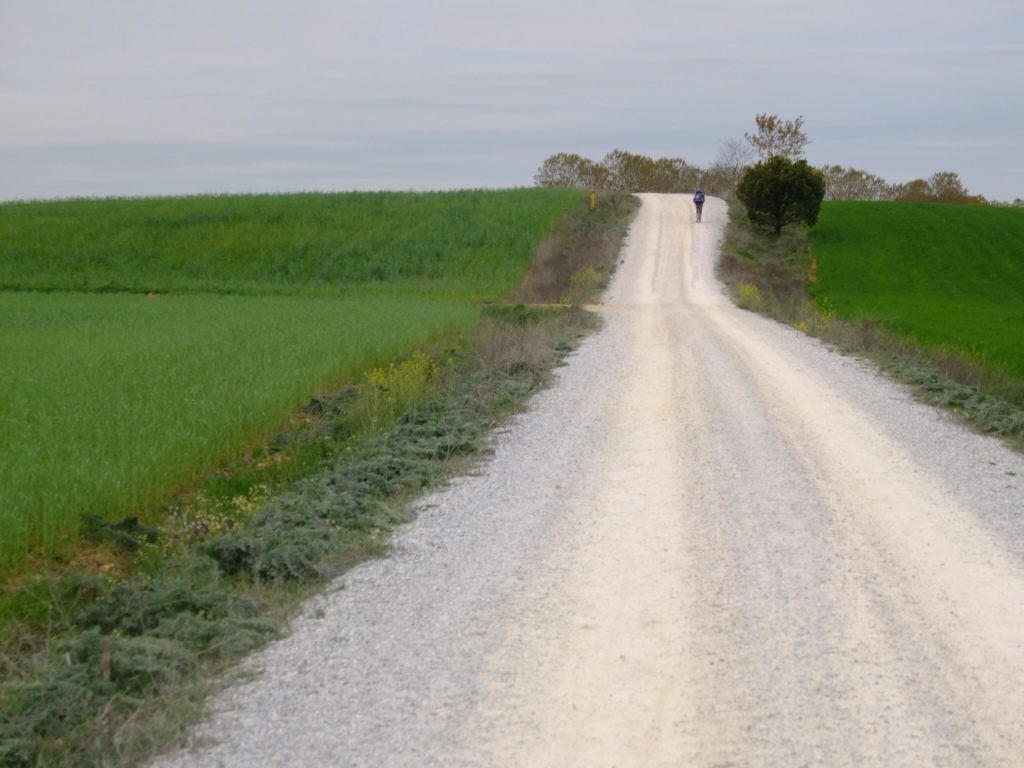
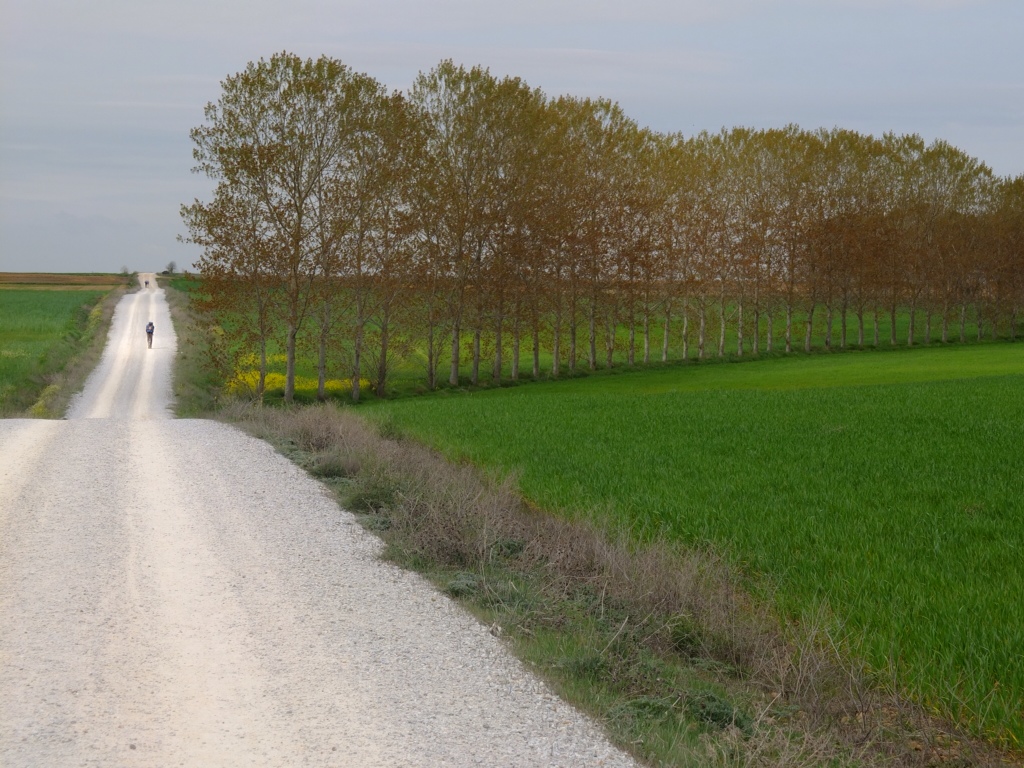
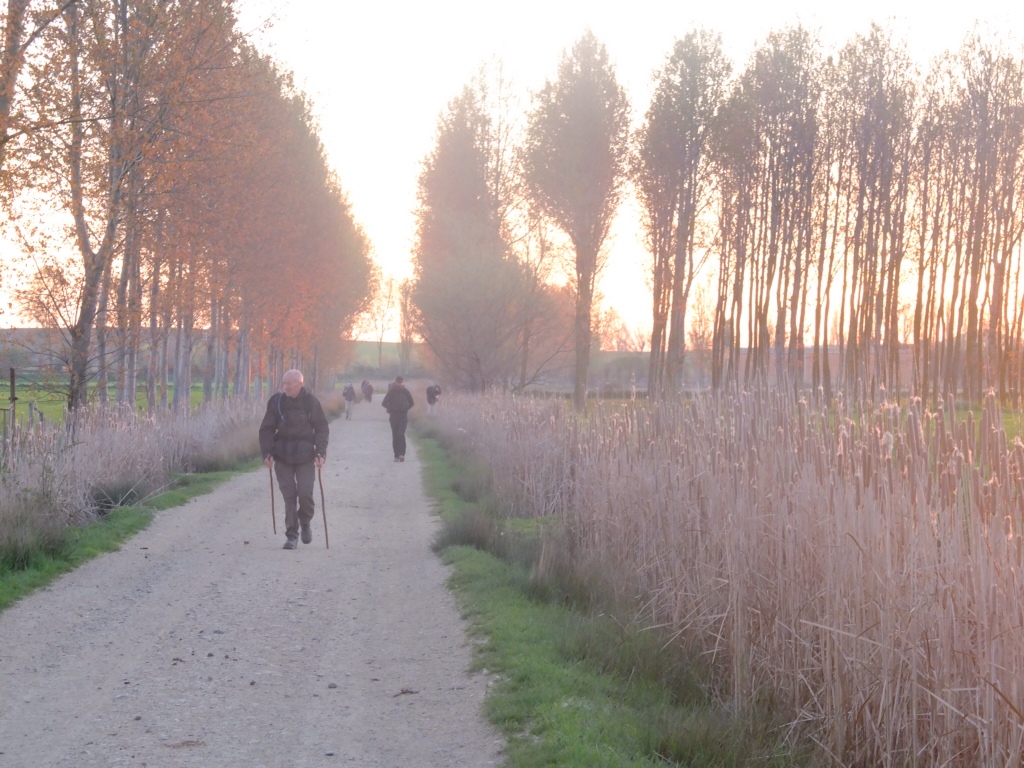
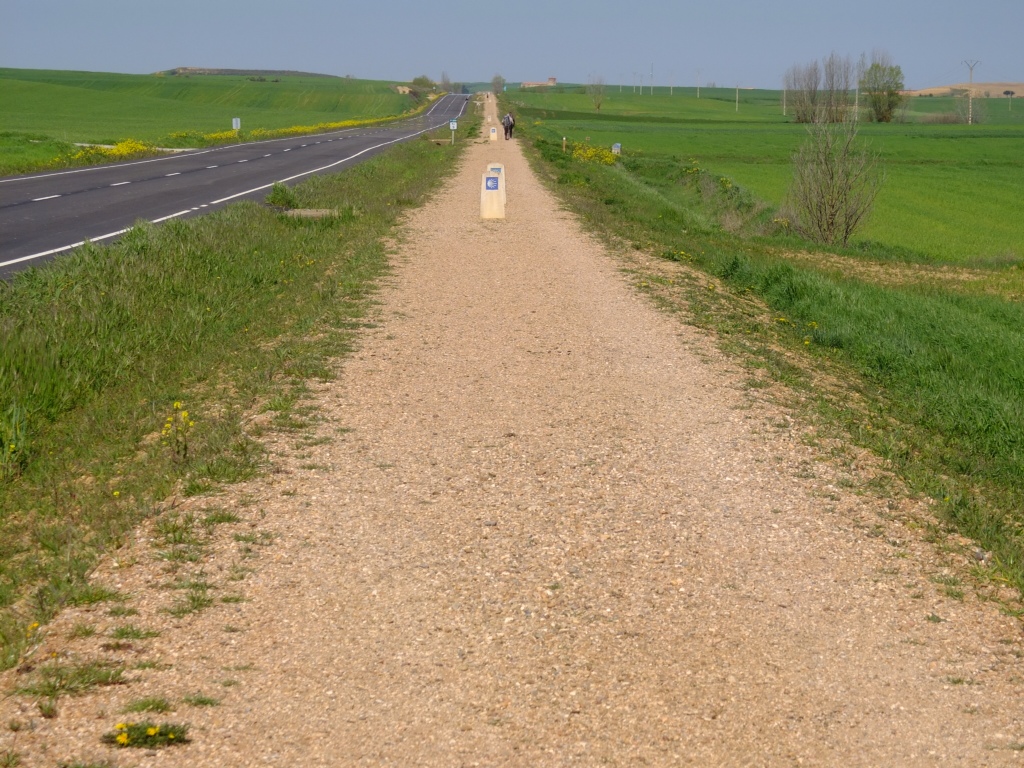
In the gloom, and as the sun rises and it begins to get lighter, I see ahead of me a beeline of several dozen others like me. I turn and see more behind me.
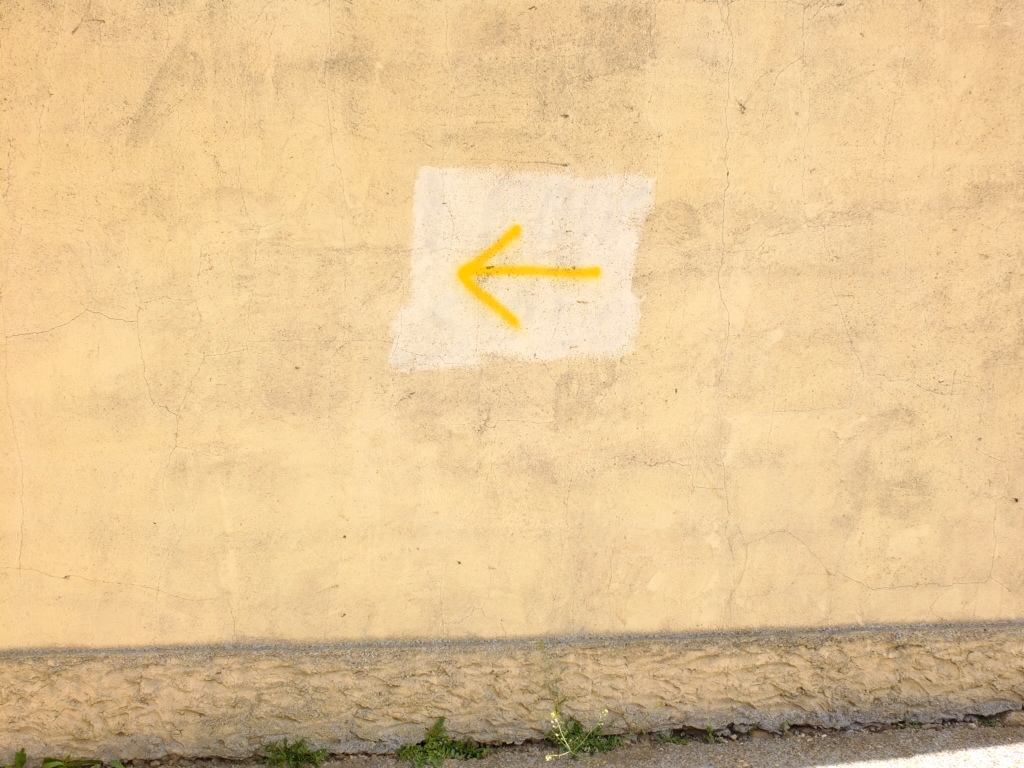
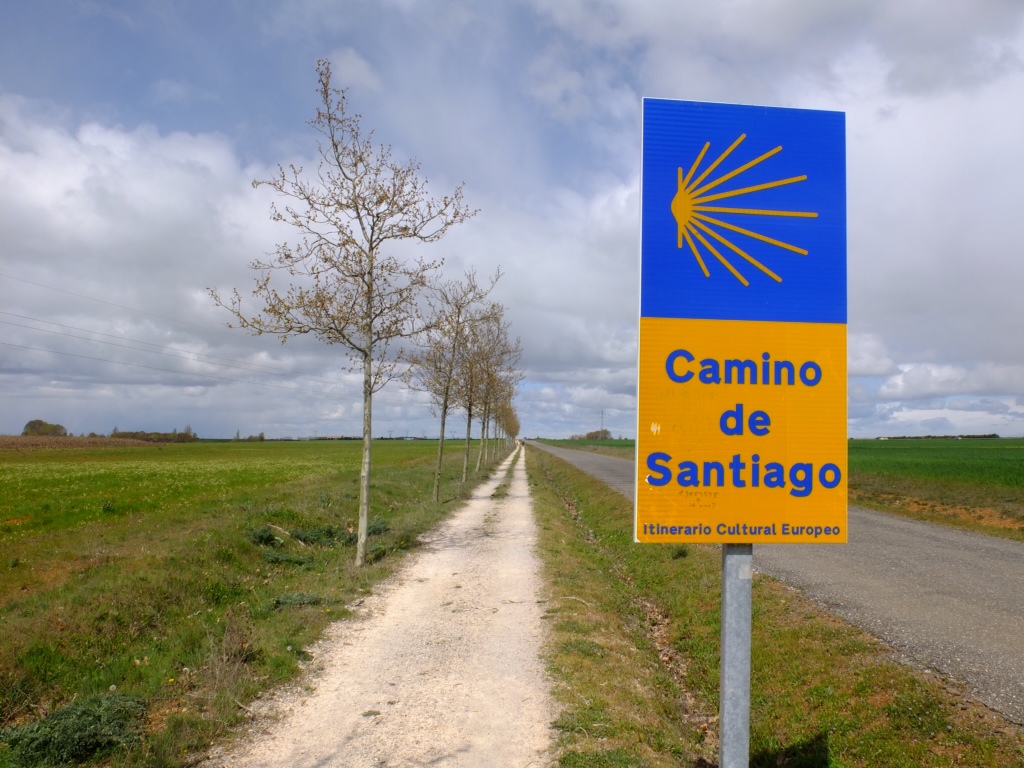
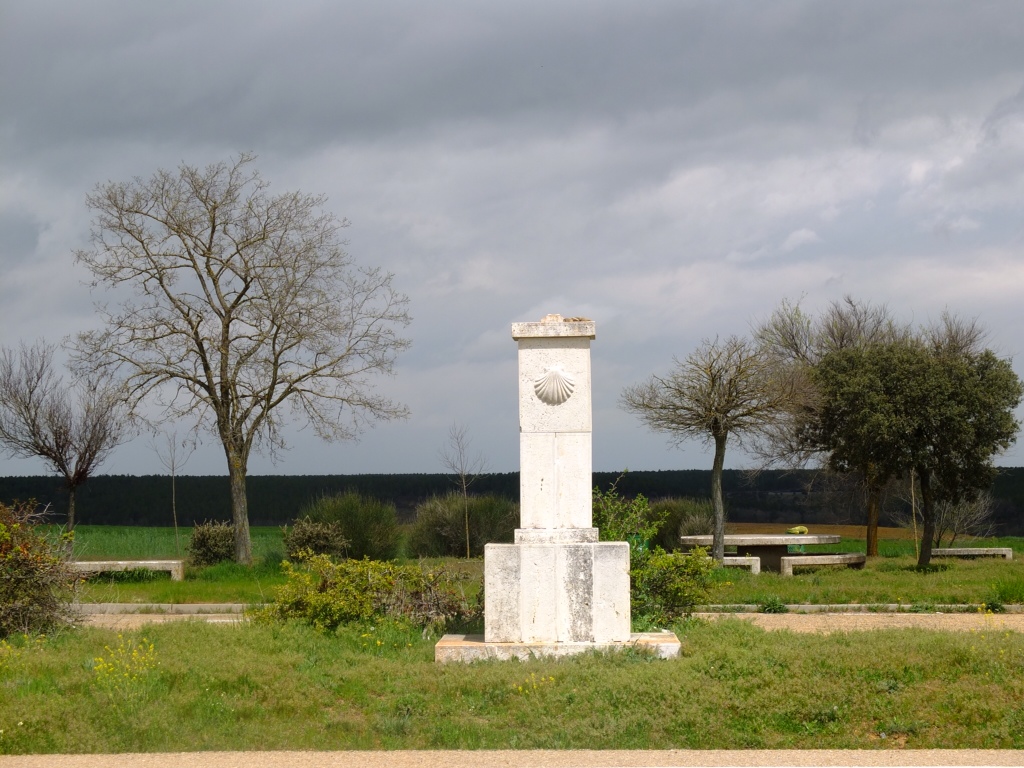
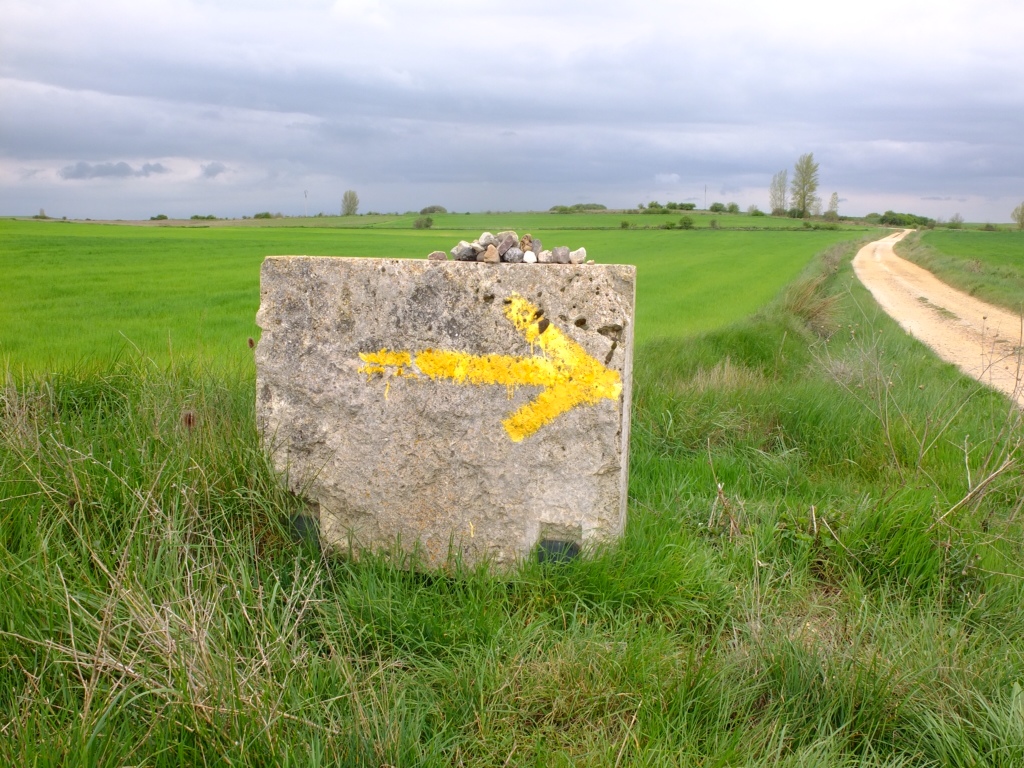
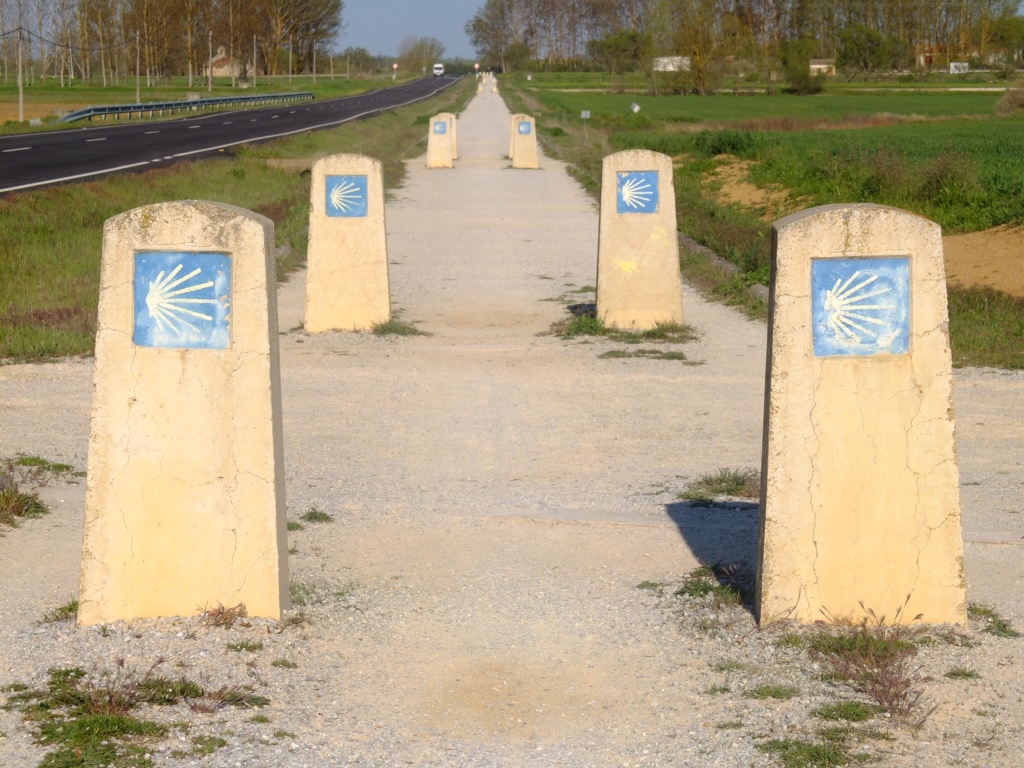
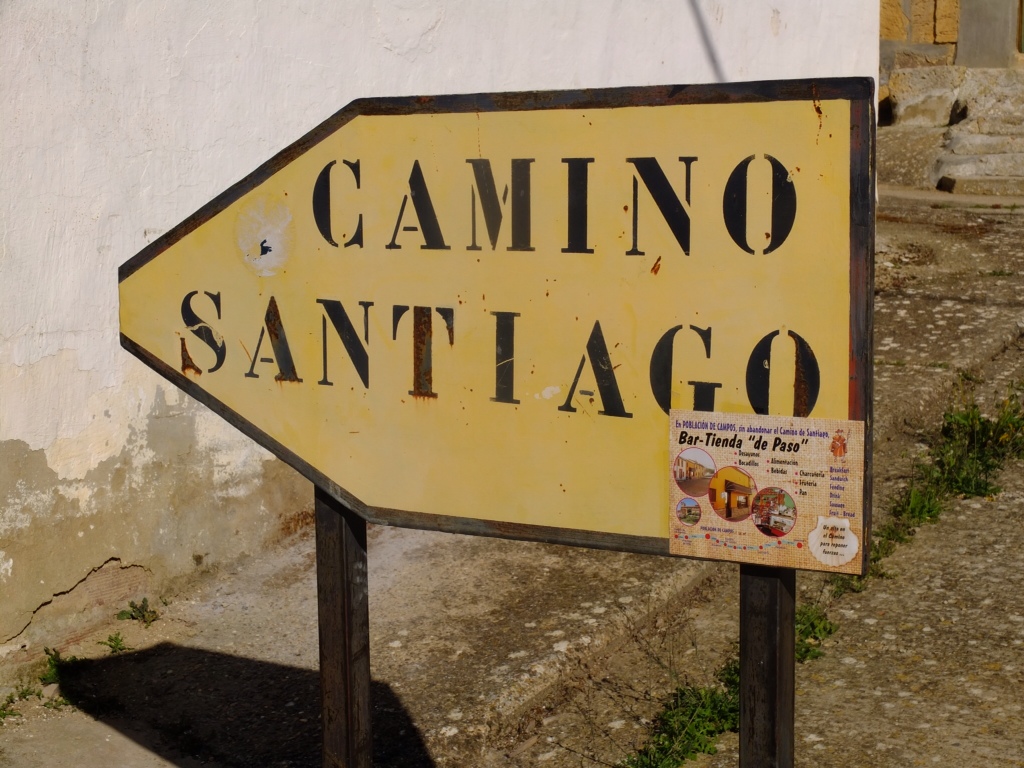
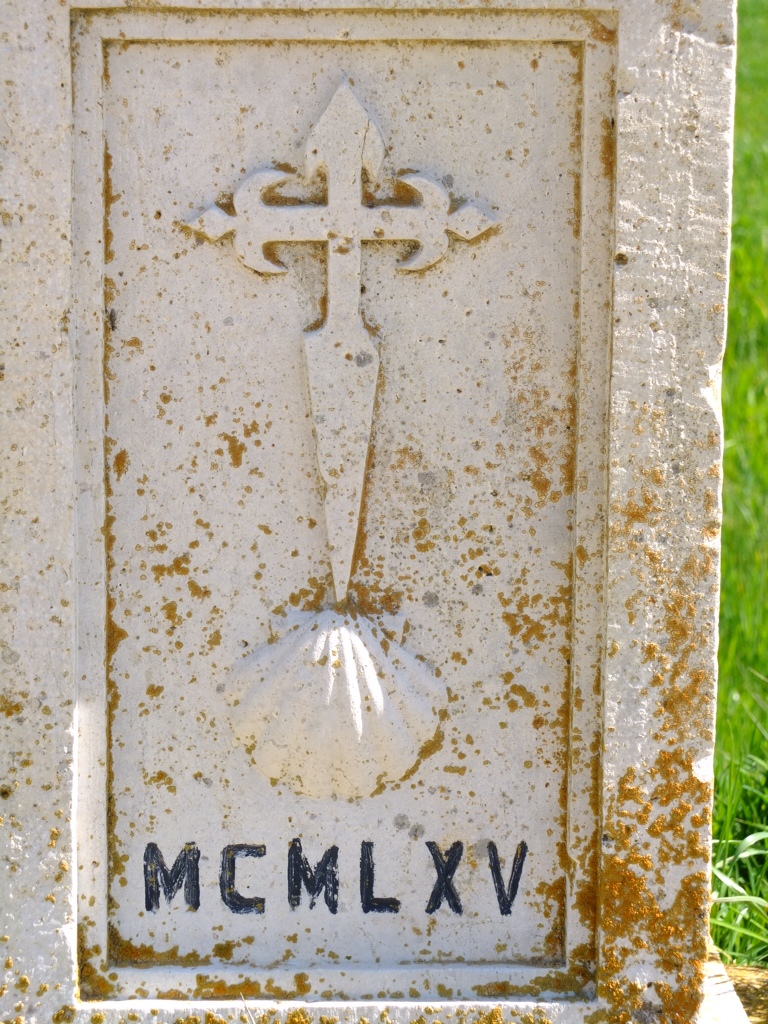
Elsewhere along this well trodden path of some 800 kilometers, at this same moment, thousands of people are doing the same thing – we're all following little yellow arrows pointing us towards a distant cathedral on the west coast of Spain, where supposedly lie the bones of a Saint.
We're all walking the Camino de Santiago.
Why?
That's the question I ask myself each morning, when I see all these people.
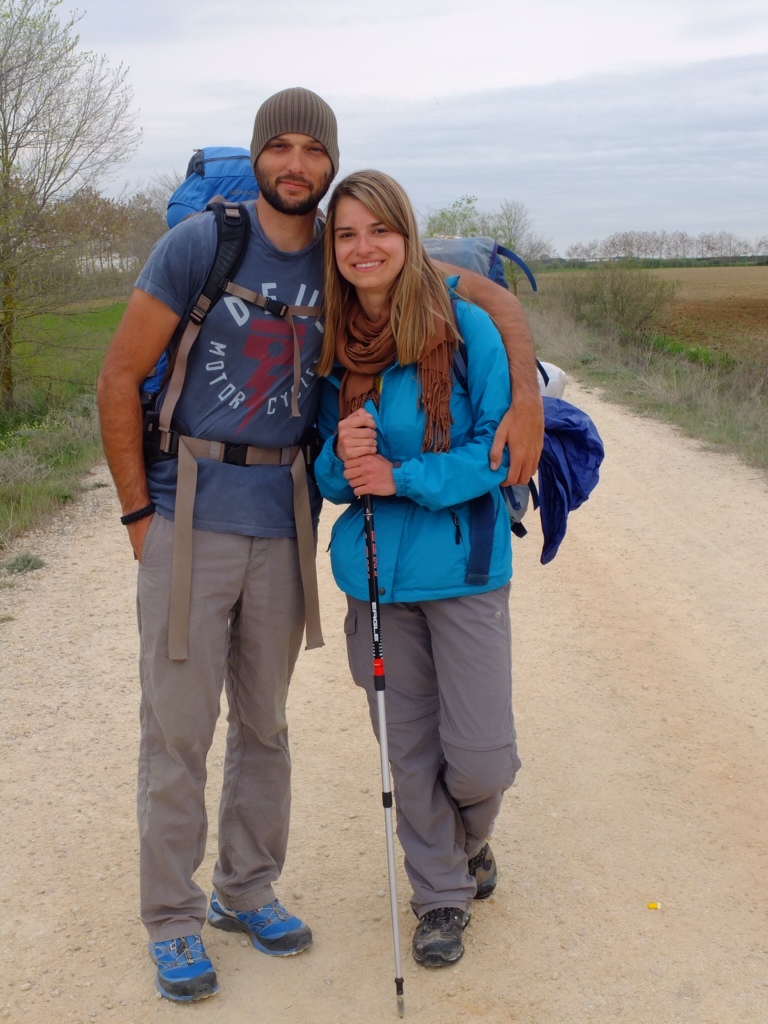
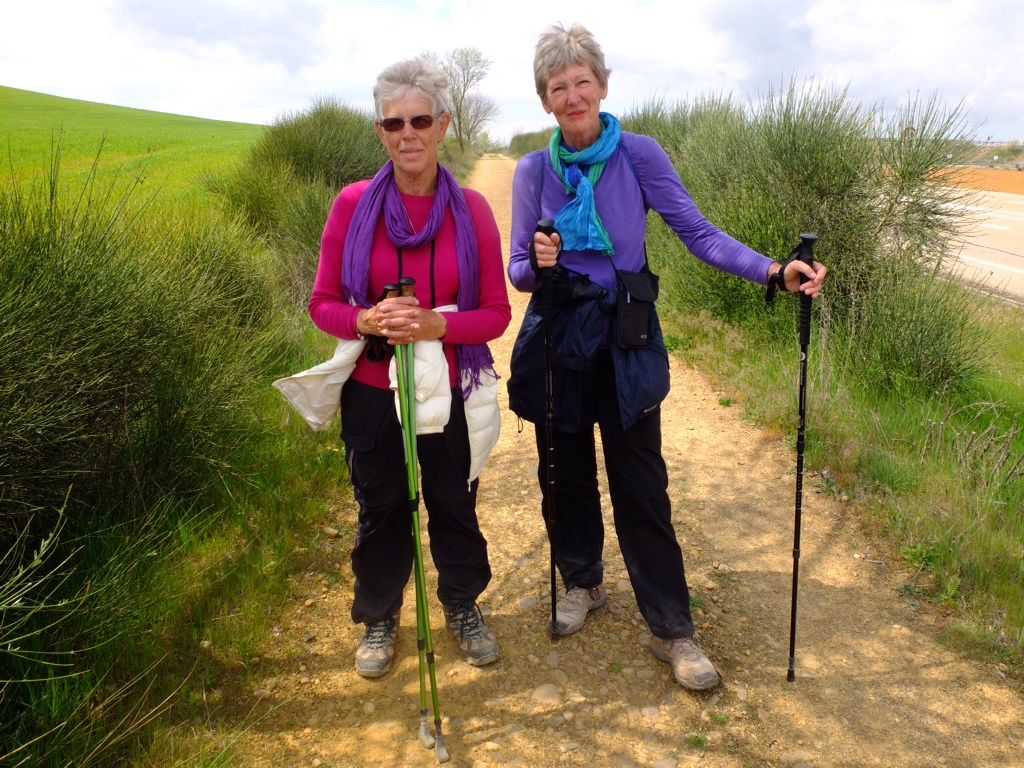
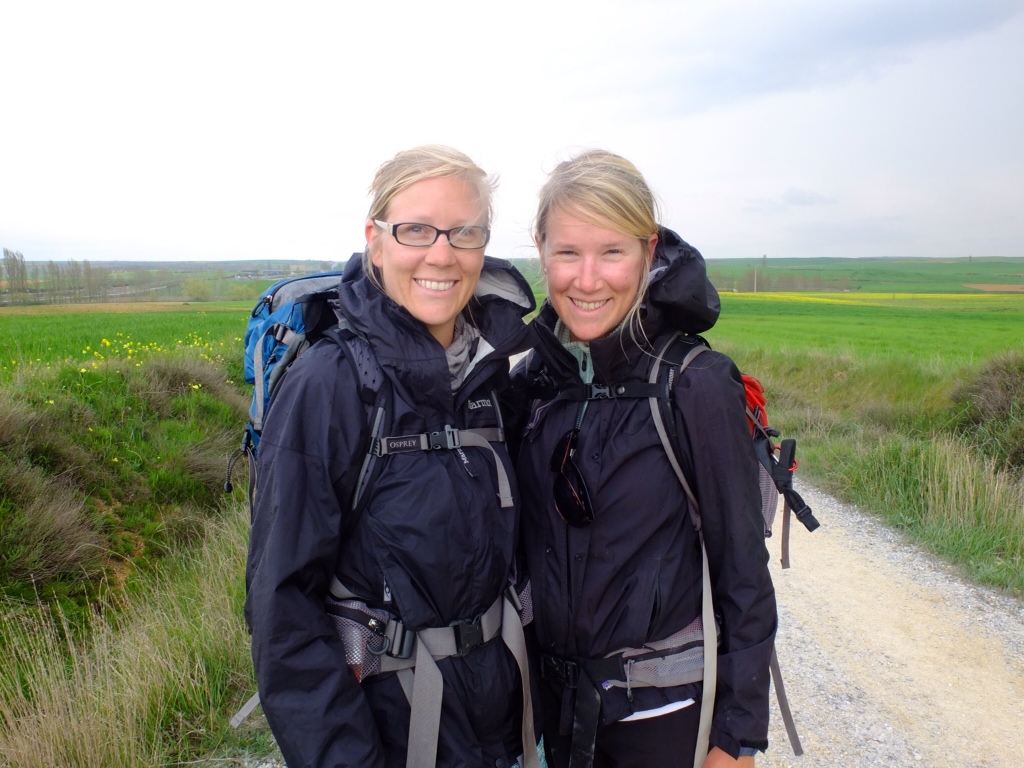
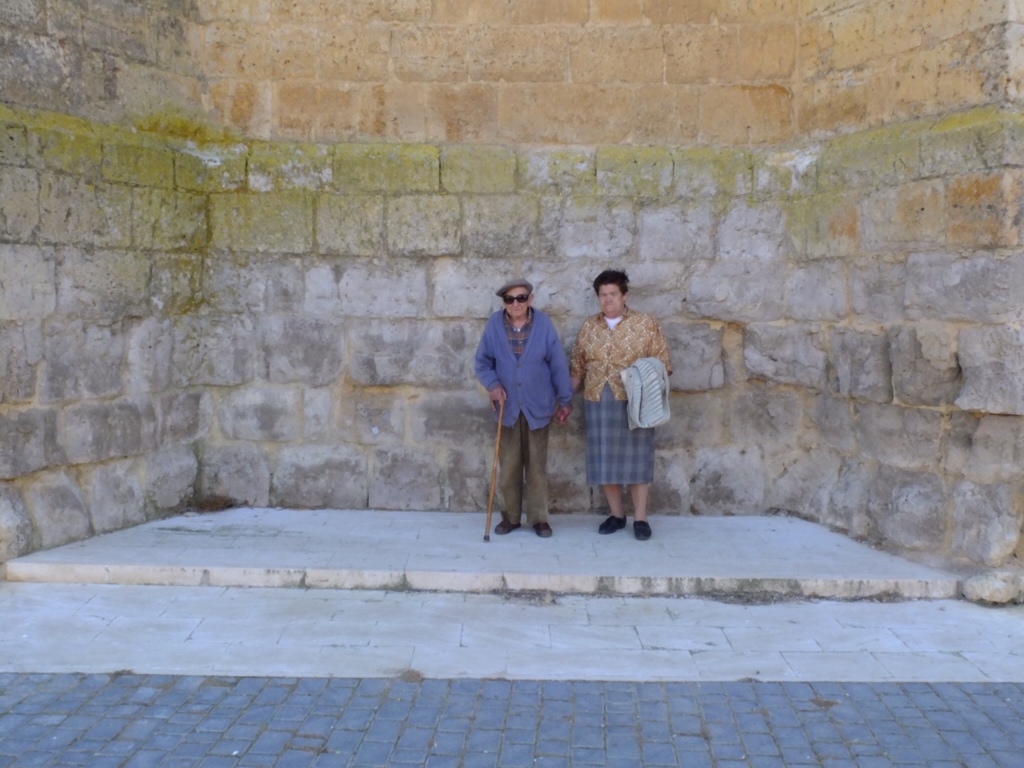
Some of us are limping, some of us are bandaged, some are on strong painkillers, some of us have a jaunty lilt in our step and look like we're out on a brisk Sunday morning stroll.
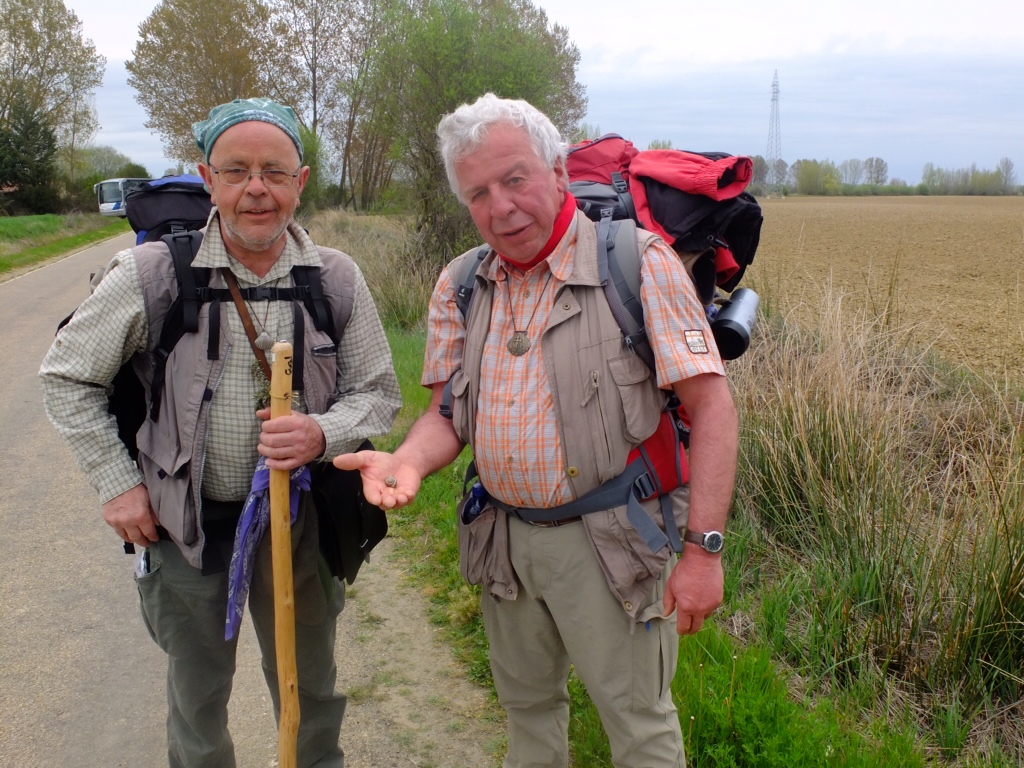
Some of us have started from Pamplona or Burgos, some have come from Le Puy in France or even further, and already have walked over a thousand kilometers.
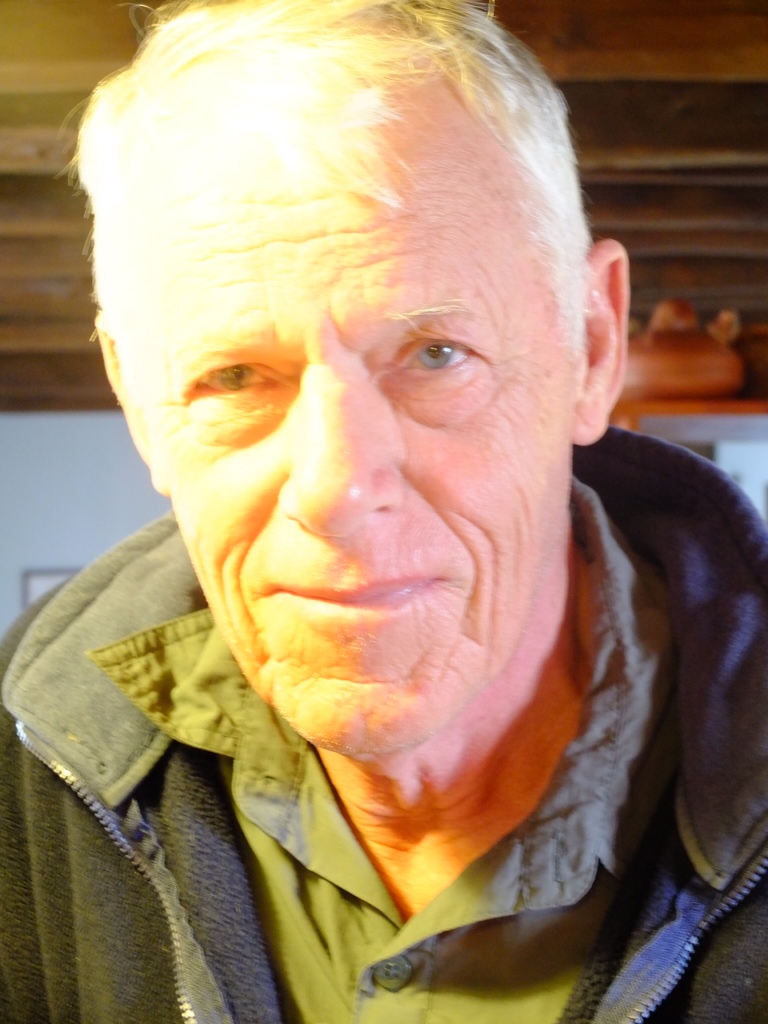
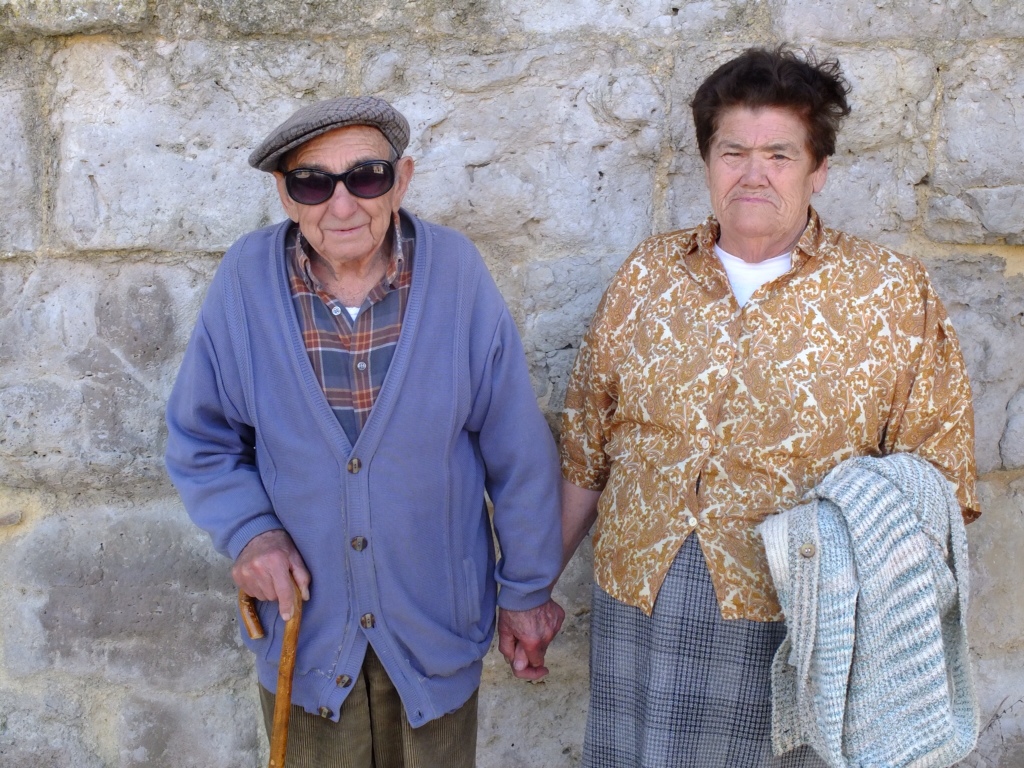
We're old, we're young, some of us are sick, and some of us are dying. Some of us have our whole lives ahead of us. But we all share a fixed and common purpose – to walk to Santiago.
Why?
The statistics are interesting:
Last year, (2012) 192,488 people received their Compostela, which is a document you receive when you complete the Camino. You don't need to have walked from St Jean Pied de Port or Roncesvalles to receive the compostela, you need only to have walked the last 100 kms.
Of those nearly 200,000 people, 49.5% were Spanish. The next highest group was German, at 8%. Italians were 6%, Americans came in at 3.6%, British were 1.9% and Australians made up 0.98%. That's about 2,000 Aussies walked the Camino last year.
The majority of those that walked were aged between 30-60 years, at 57%. Under 30 was 28%, and over 60 was 15%.
The genders were almost equal – males at 56%, females at 44%.
The majority (21%) started at Sarria, 108 kms from Santiago. The next most popular starting point was St Jean Pied de Port, (nearly 800 kms), at 11.5%.
These statistics are somewhat misleading, because they're only those that actually got their Compostela. Many thousands more drop in and do stages, and don't go all the way through, often because they don't have the time. They come back the next year and do another stage, and then another, until they complete the whole camino.
So it's not inconceivable that last year, around a quarter of a million people walked the Camino de Santiago.
Why?
Why didn't they hike up Mt. Kilimanjaro? Why didn't they do the Appalachian Trail, or the Coast to Coast walk in the UK? What drew them to the Camino?
If you ask them, as I've done on my walk so far, they'll mostly shrug and smile and say they don't know. Some are walking with their sons or daughters, or other family members. They see this as a way of bonding.
Some say they do it for the social interaction – it's a way of meeting new friends. And I'm surprised at how many people cite the film The Way, starring Martin Sheen, as the trigger for them deciding to do the Camino.
But with all these people, if you dig deeper, you'll often find there are more profound reasons.
Many are in a transition point in their lives. They've quit a job, or been fired. They've had a relationship break up, or someone close to them has died. Some have simply reached a point in their lives where they've looked back at what they've done, they're not happy, and they need time out to take stock and reassess.
Many have retired, and see the Camino as a way of finding a deeper meaning in their final years.
Very few will openly tell you they're walking the Camino for religious or spiritual reasons. Yet you'll see them discretely mumble Grace before a meal, or cross themselves to give thanks before eating.
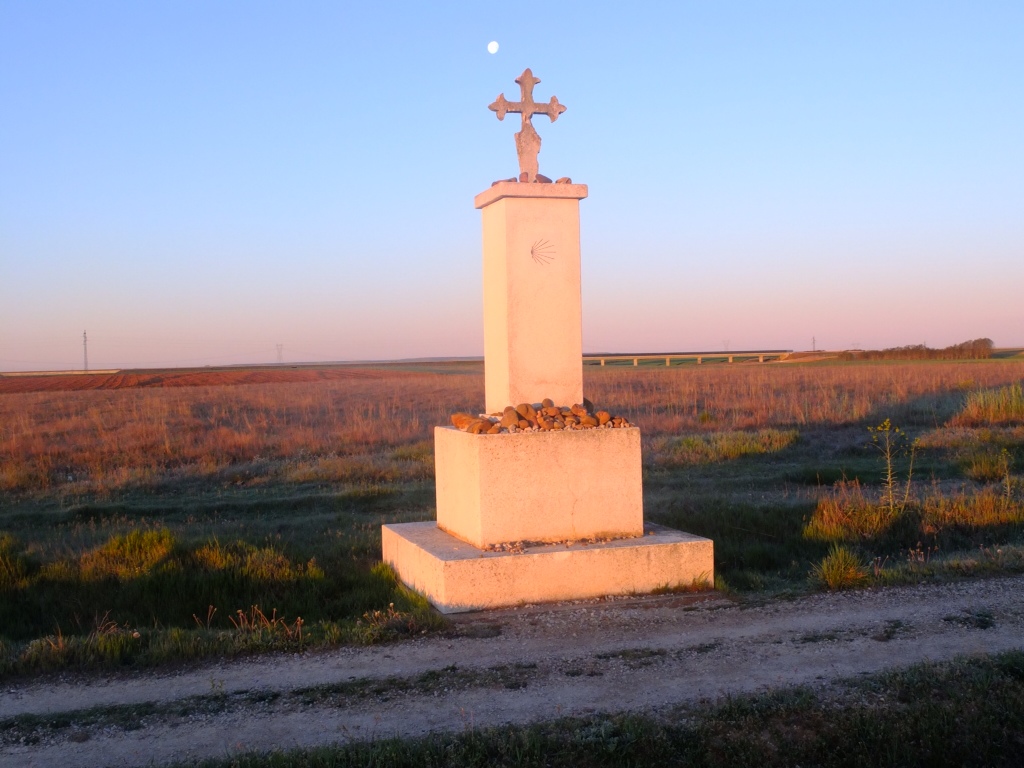
Sometimes as you walk you'll see someone linger at a roadside cross, or a memorial, and say a quiet prayer. Others, often the most unlikely, will be found heading off to a Mass in a village church at the end of the day.
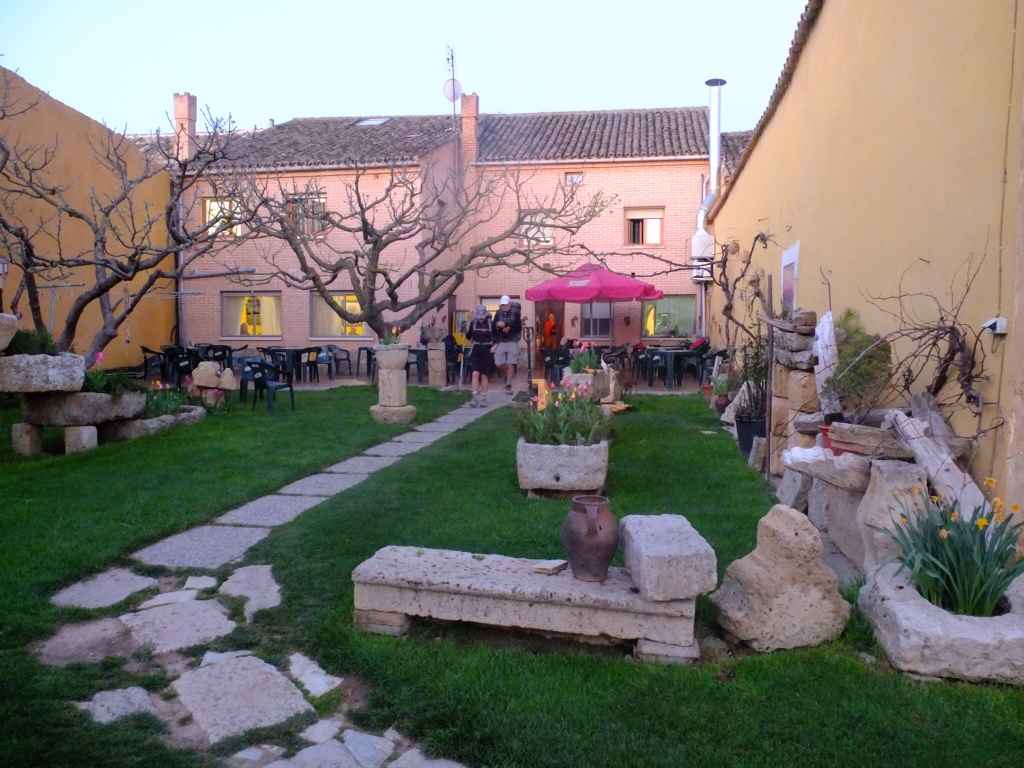
In the evenings, after they've had a shower and done their laundry, many pilgrims will sit down and assiduously write up their journals. You can see the intensity in their concentration as they recall all those moments during the day that were significant to them. You sense that this Camino will stay with them the rest of their lives.
It's extraordinary, really. All these people. What's called them to walk this path? There are other cheaper much easier ways of having a holiday or finding new friends. They tell me the internet's good for that…
No, there's something else going on.
Okay, why am I doing it?
I still don't know.
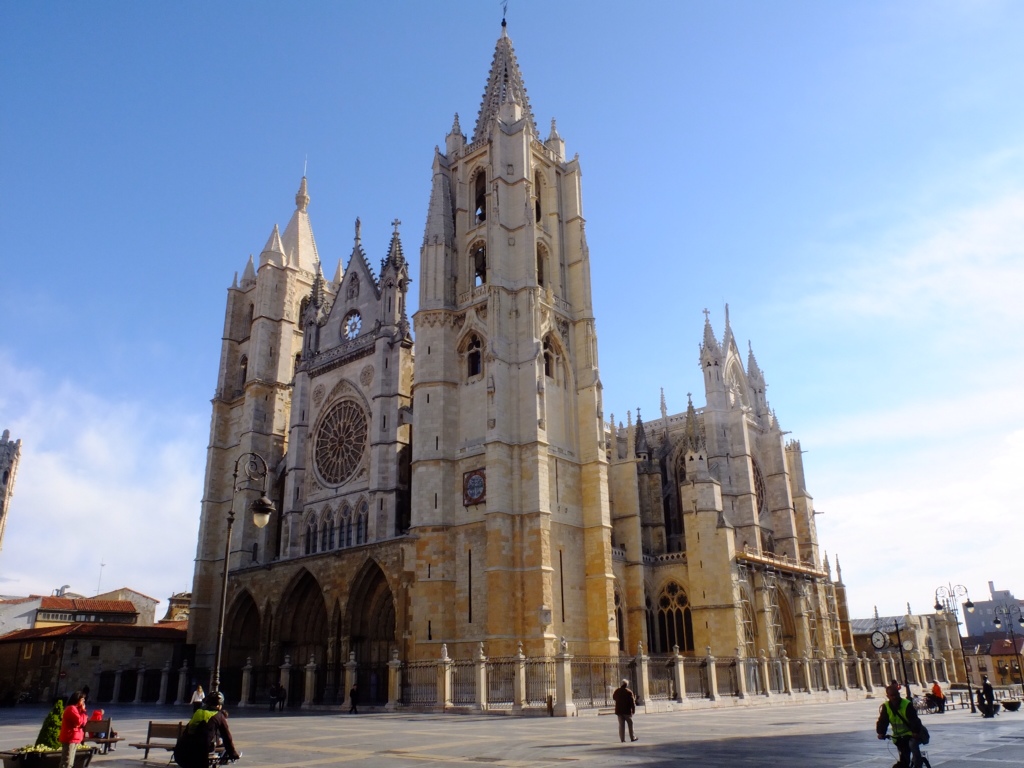
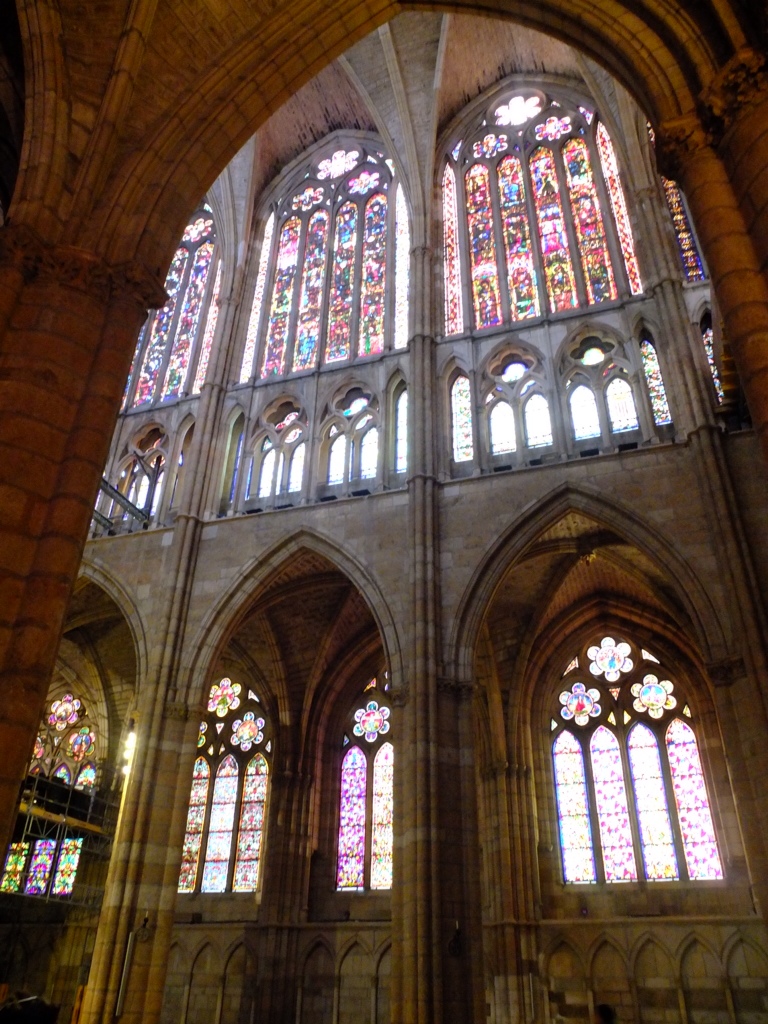
I went to the Leon Cathedral this morning, a magnificent structure with lots of high stained glass panelling, and I sat in a pew and I found a quiet place in my mind and asked that very question: why am I doing the Camino?
I was hoping that a dove would flutter down from the high vaulted ceiling with a message tied to its foot giving me the answer. Or a wizened old homeless man would shamble up and sit beside me and, with pure clear eyes, would stare into mine and give me some mumbled utterance, in English of course, that would have me racing out straight to my iPad so I could include it in this post. At the very least, I was hoping that I'd suddenly get an unexplained and mysterious text message from an unknown sender that would snap everything into place.
None of that happened.
I left the Cathedral still not knowing why I'm doing this walk.
But I'm changing. I can feel it. People who know me tell me I am. I can feel subtle shifts in thought patterning, in attitudes, in judgements.
I'm smiling more. I'm laughing more. I'm limping more.
Ha ha
But… There's a rejigging that's happening within me at a molecular level. There's no doubt that I'll be a different person at the end of this, I know that. And I suspect that will be permanent – that the changes I'm talking about won't melt away after a few weeks or months.
One tangible thing – I've realised how little I actually NEED. I carry everything on my back that I need to survive. All down to 8kgs. If it rains, I'm covered. If it gets cold, I'm covered. If I need to eat or drink, i have food and water. It's incredibly liberating, knowing how little you actually need.
Also, I've already learnt that life is better uncontrolled. I was a control freak. Now I'm just a freak.
I have another two weeks to get to Santiago, and they won't be easy. There are a few tough stages coming up. Plus I'll soon be moving into Galicia, where it rains heavily, and possibly into snow too.
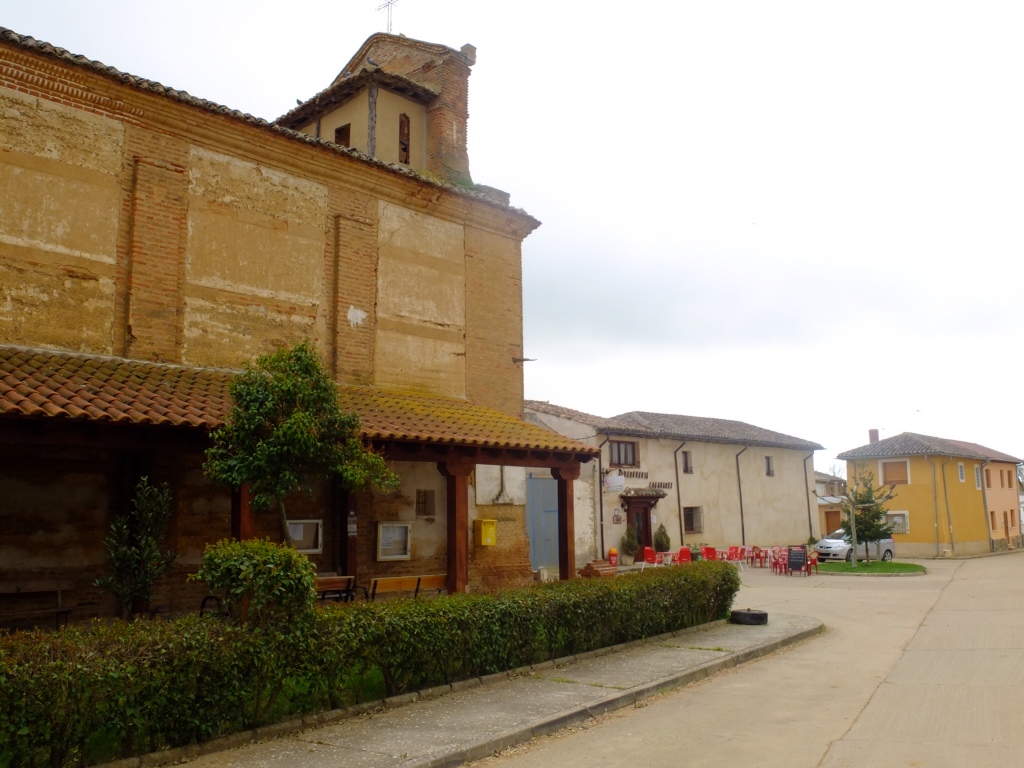
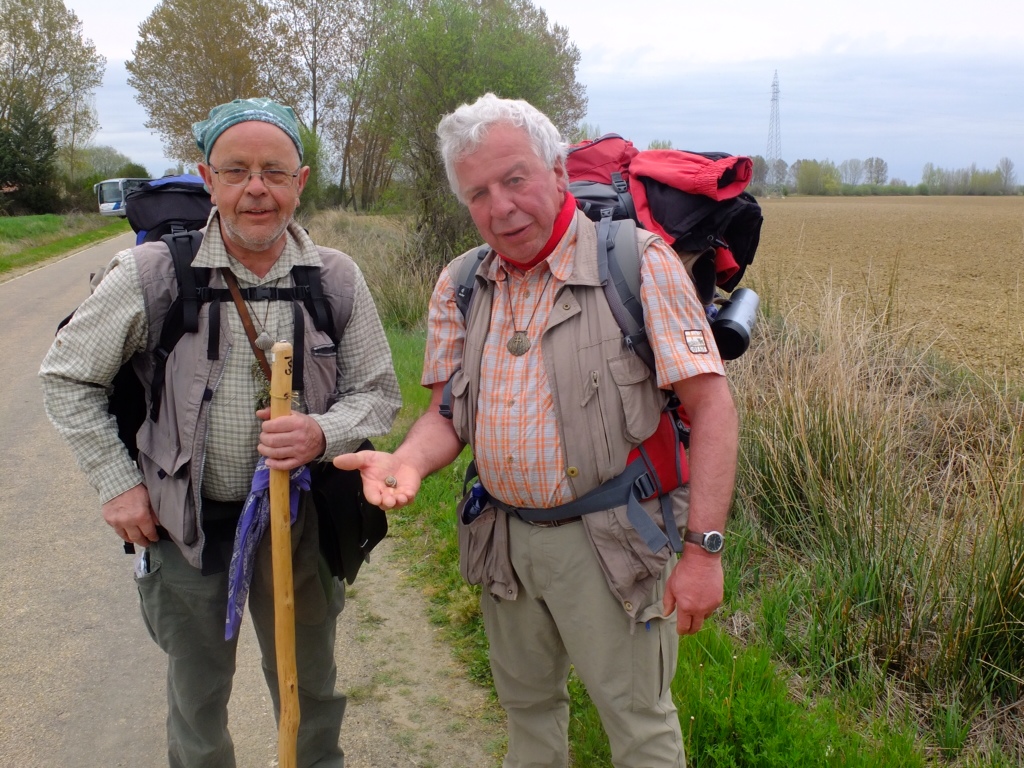
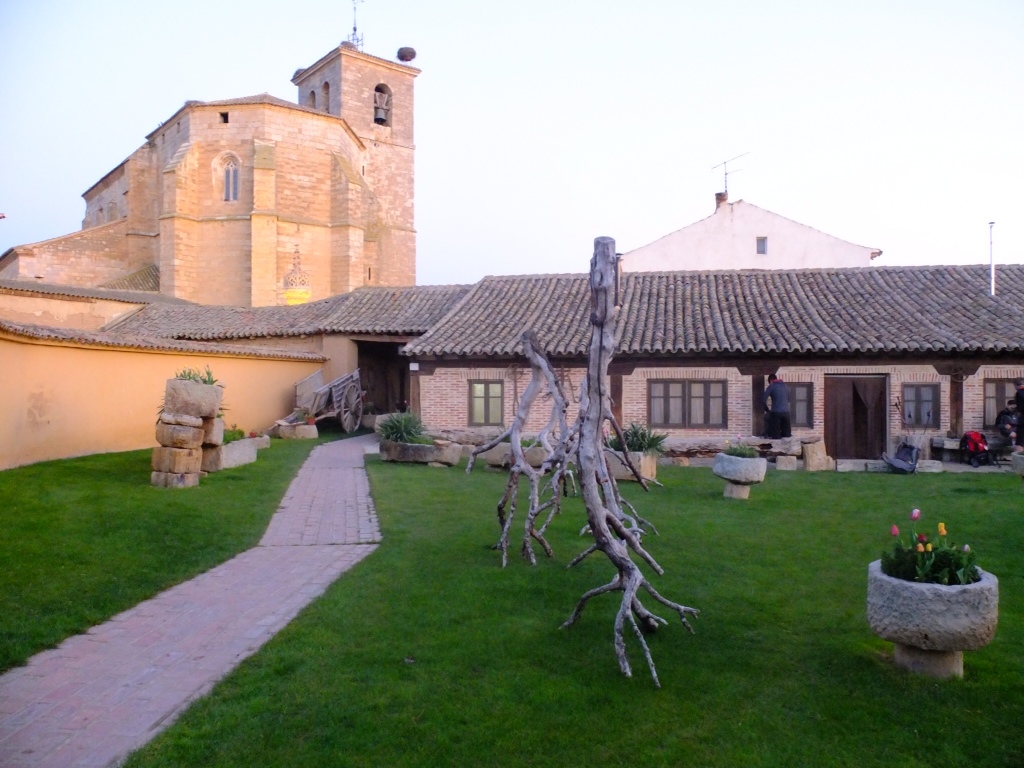
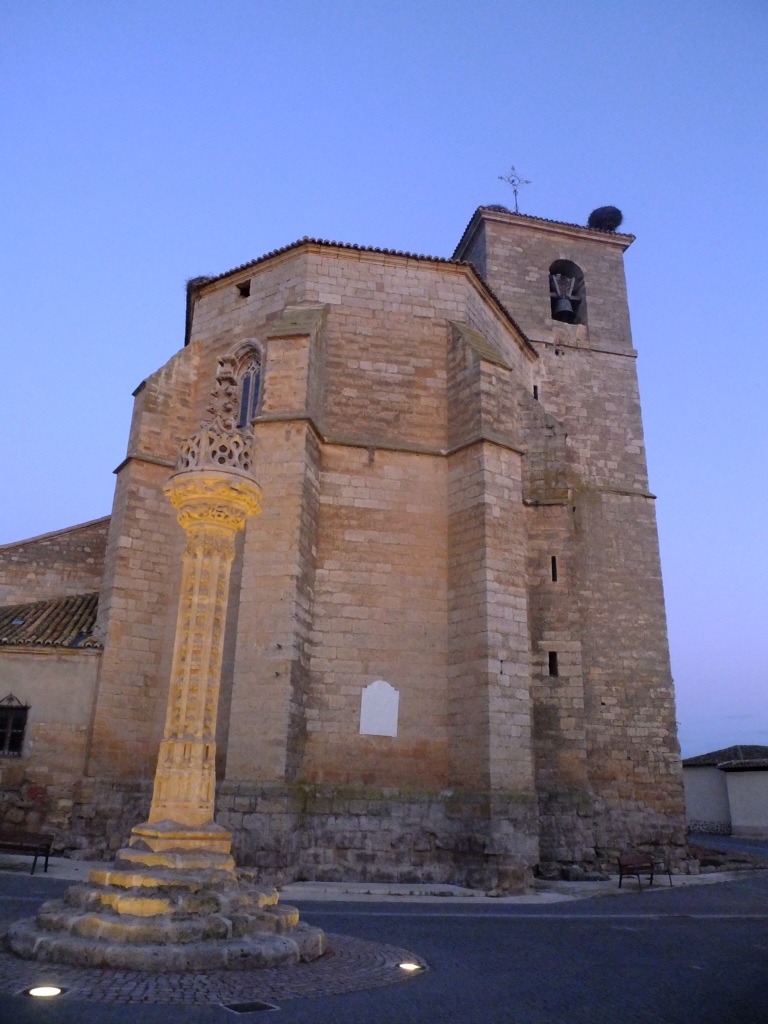
I bumped into three retired Aussie engineers today. They're funny buggers. They've rated each town according to how many storks they see on the church steeples. They were ecstatic walking out of Boadilla, saying that it was the first “five stork town” they'd been through.
We had a wonderful lunch together and I mentioned that today's post was going to be about why we're walking the Camino. One of them shook his head and said: For me, that's easy. I'm too bloody old to climb Mt. Everest.
Something though is calling us.
All these people.
All that way.
Perhaps I'll know once I get there.









 PGS - The Way
You must be logged in to post a comment.