Camino Audit #7 – Those that affected me…

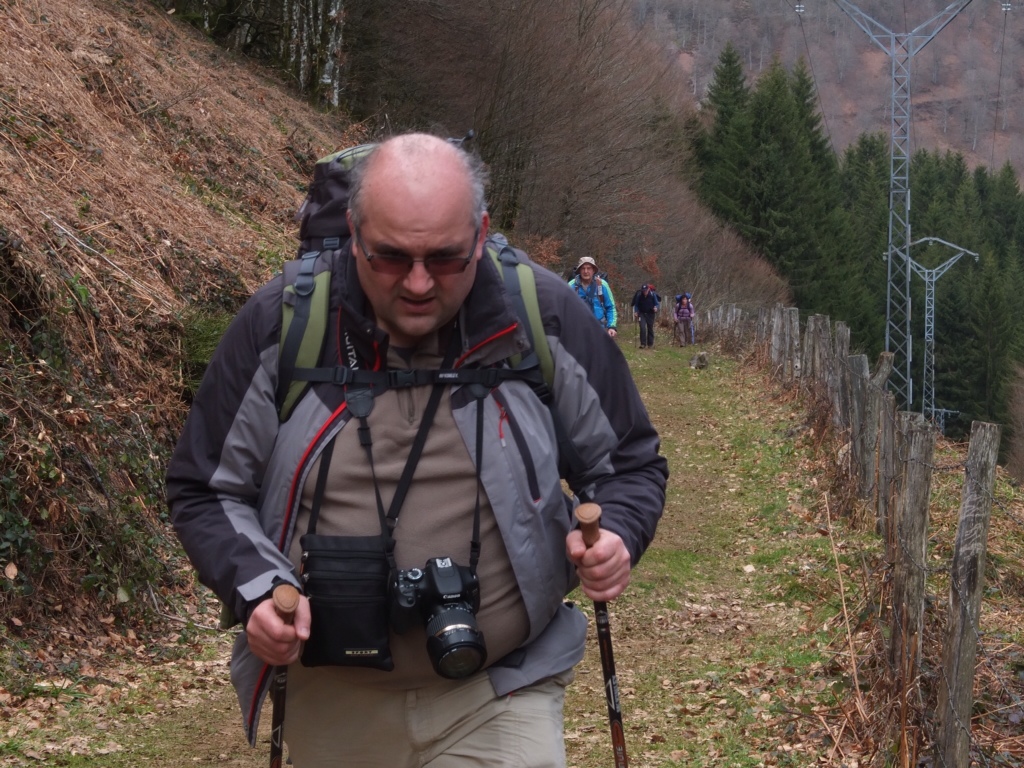
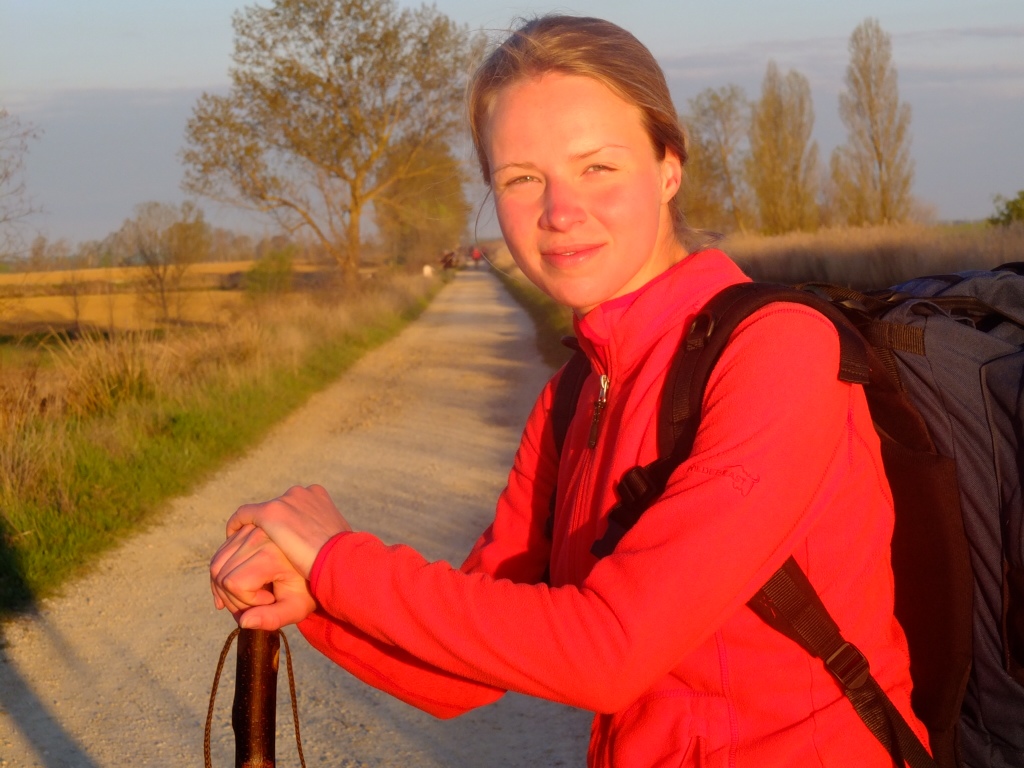
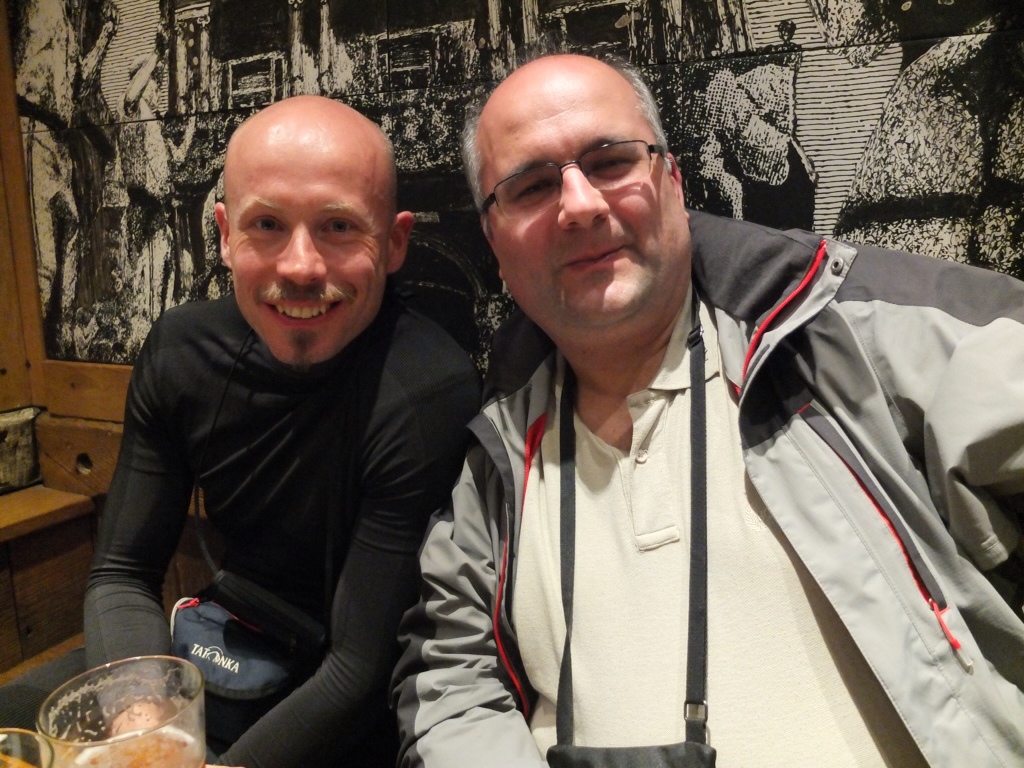
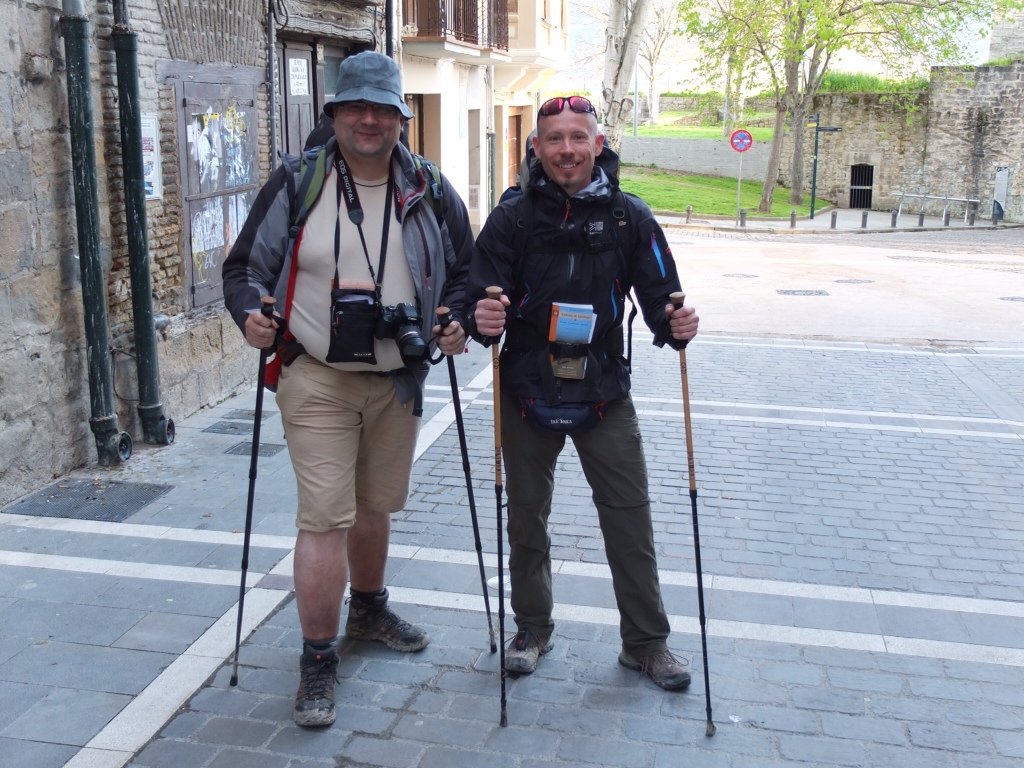
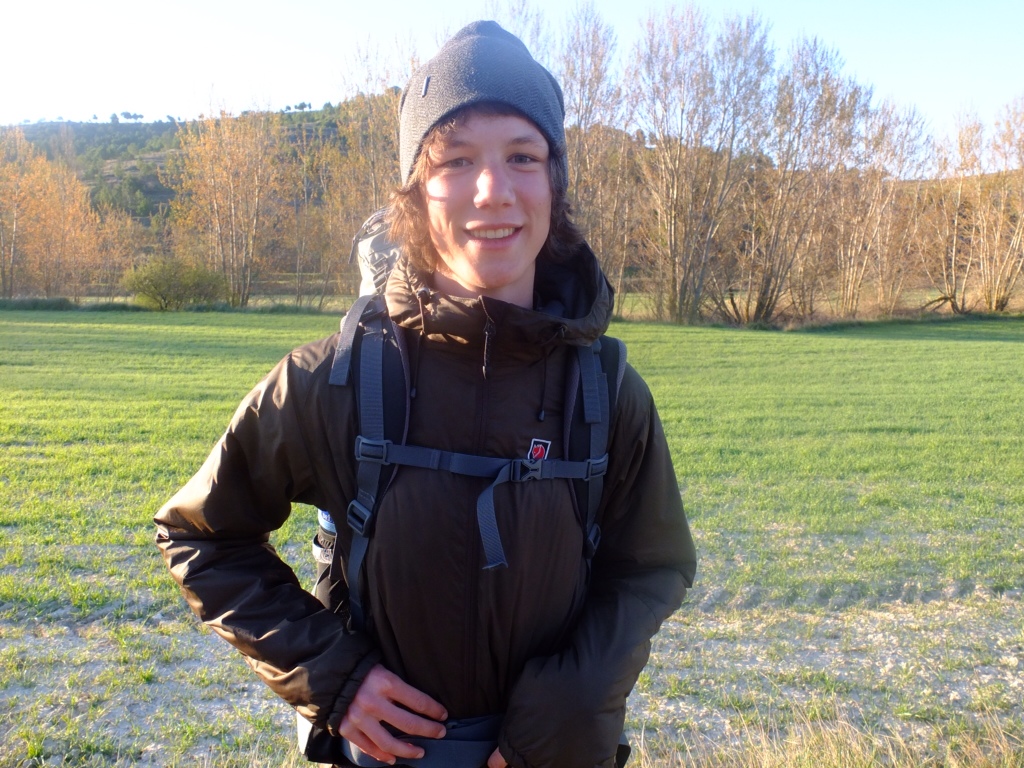
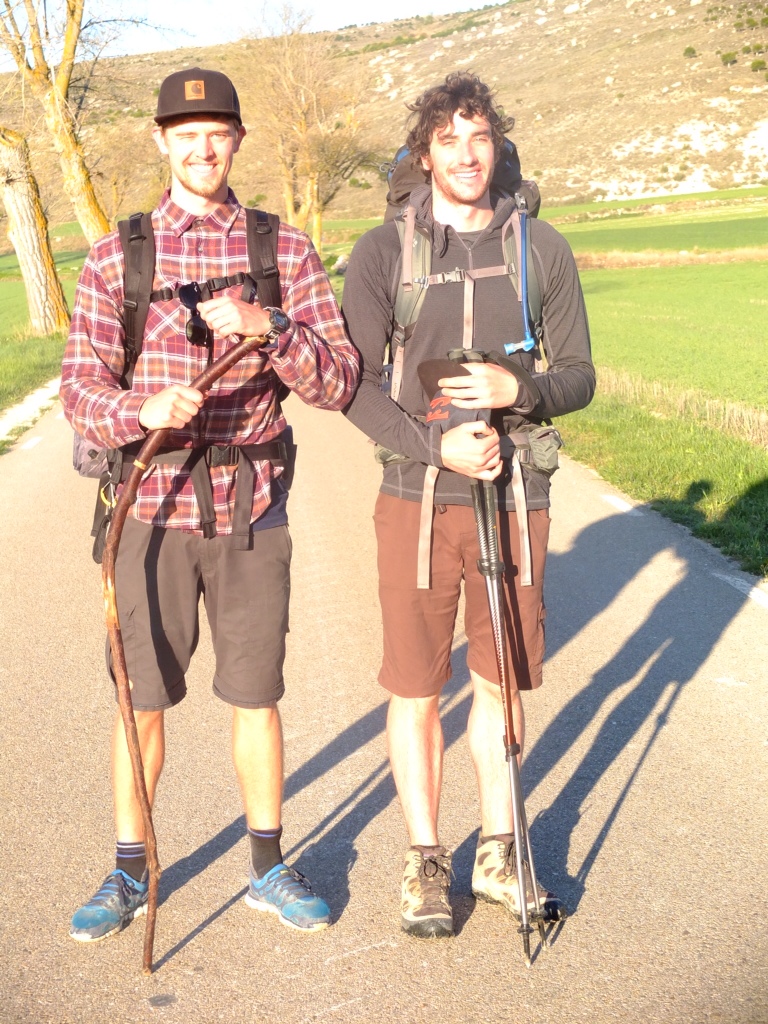
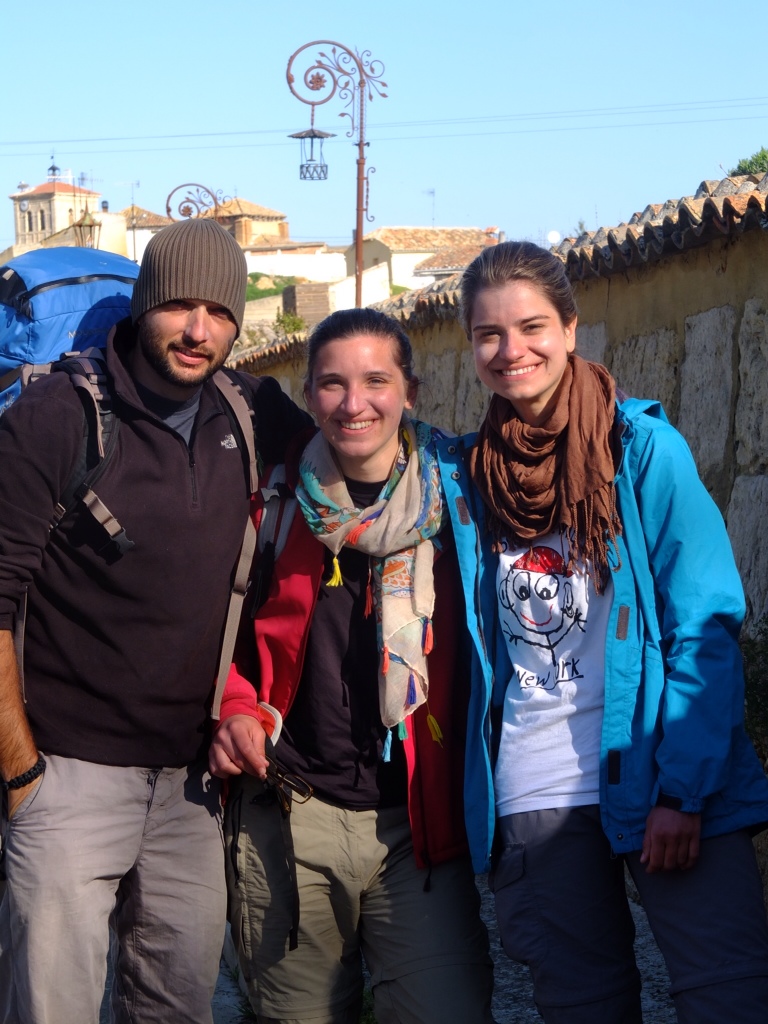
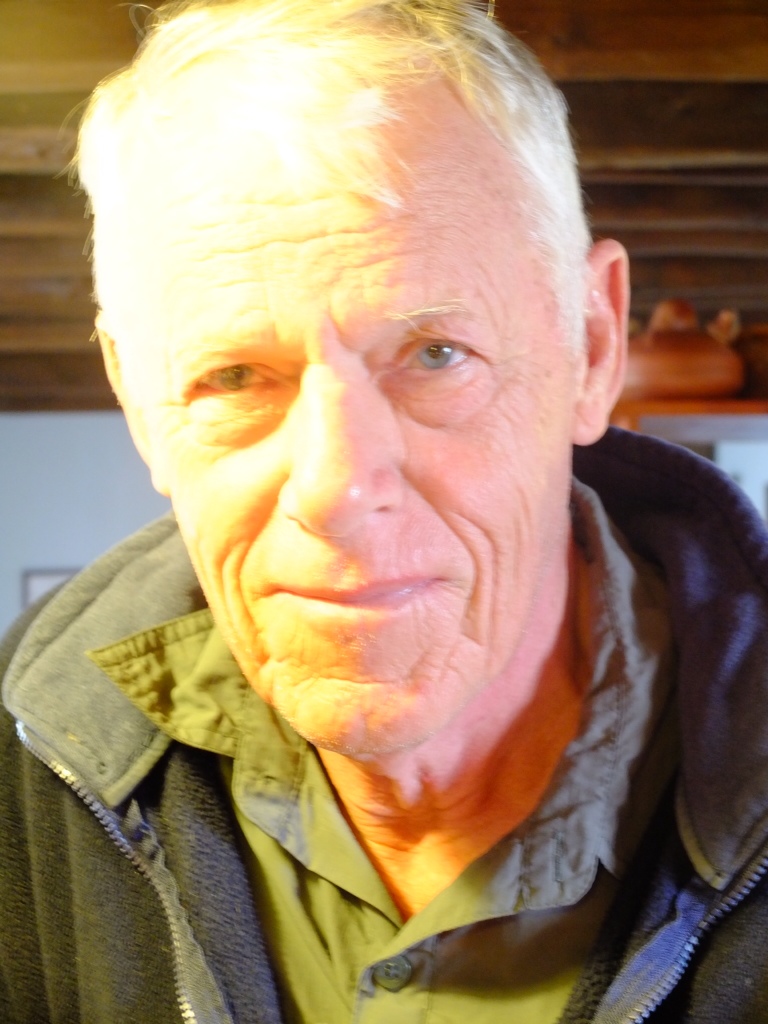
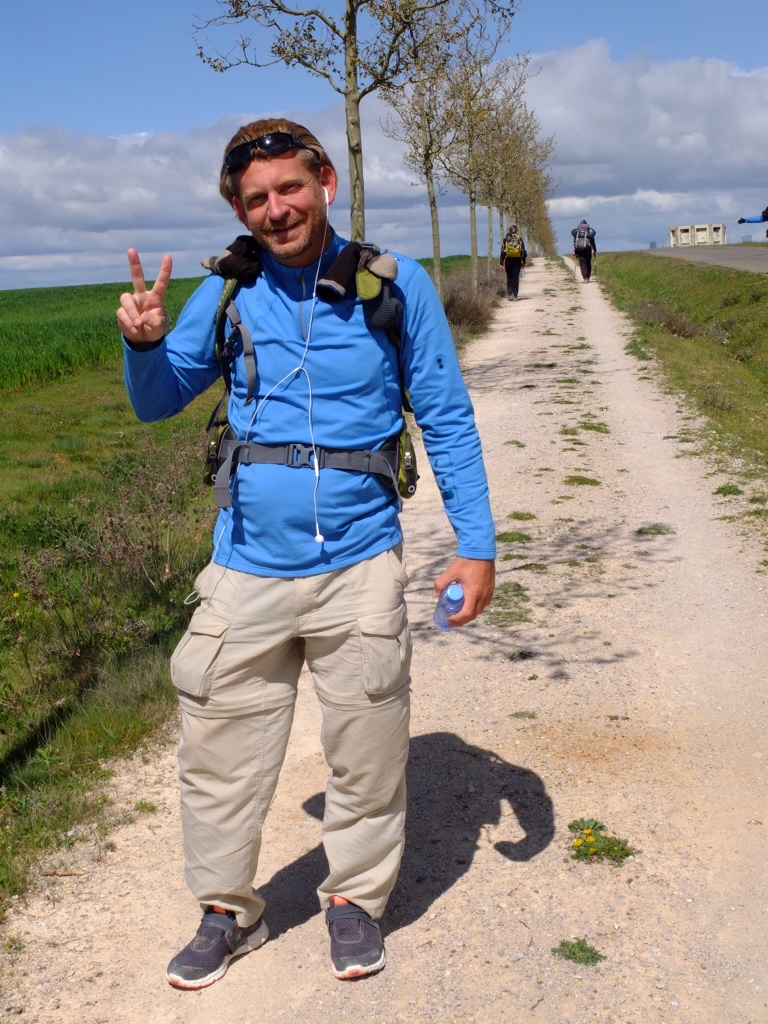
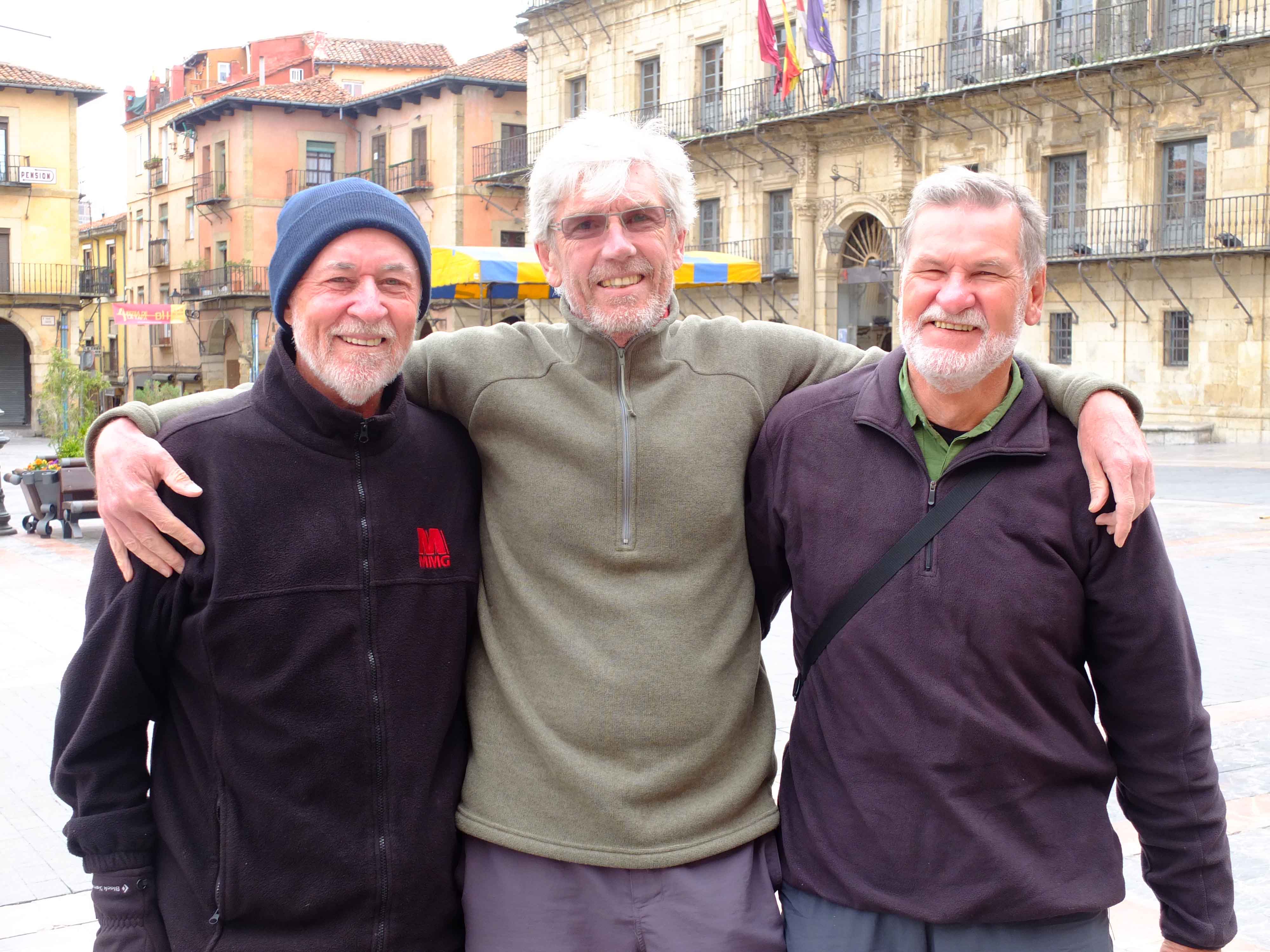
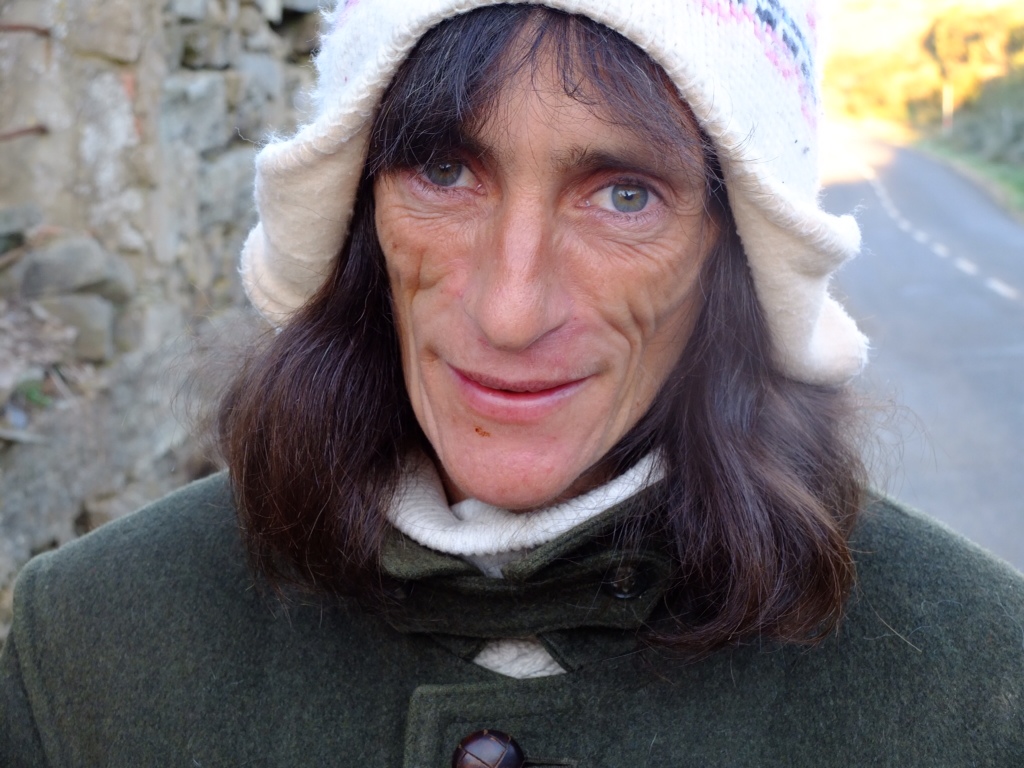
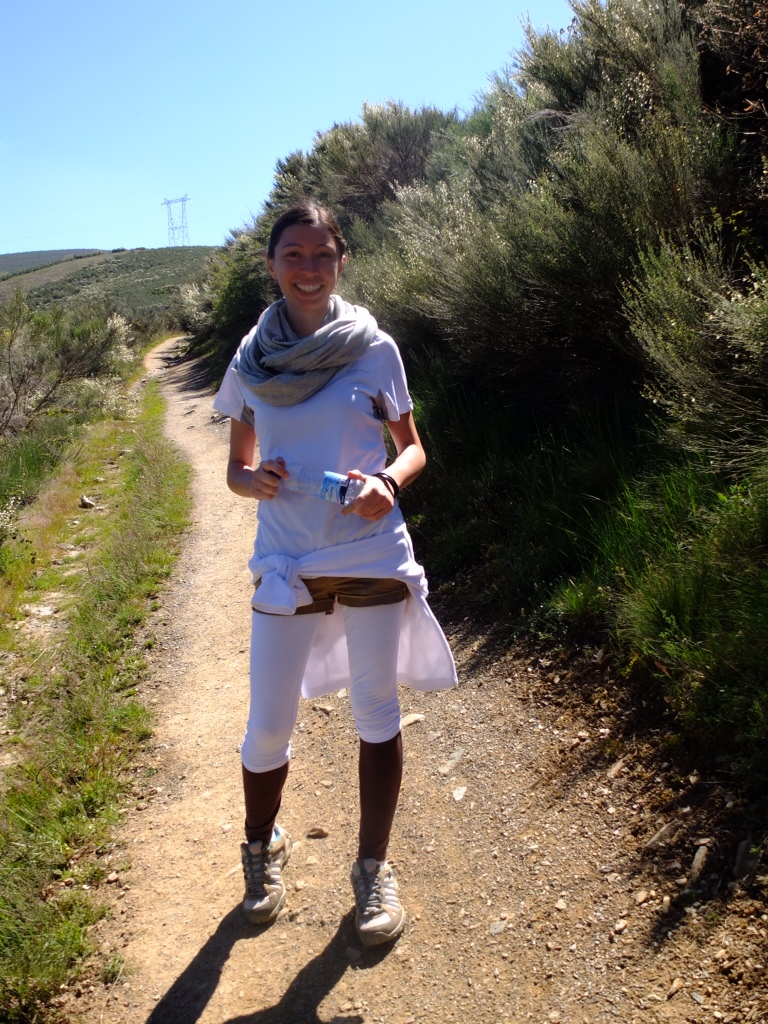
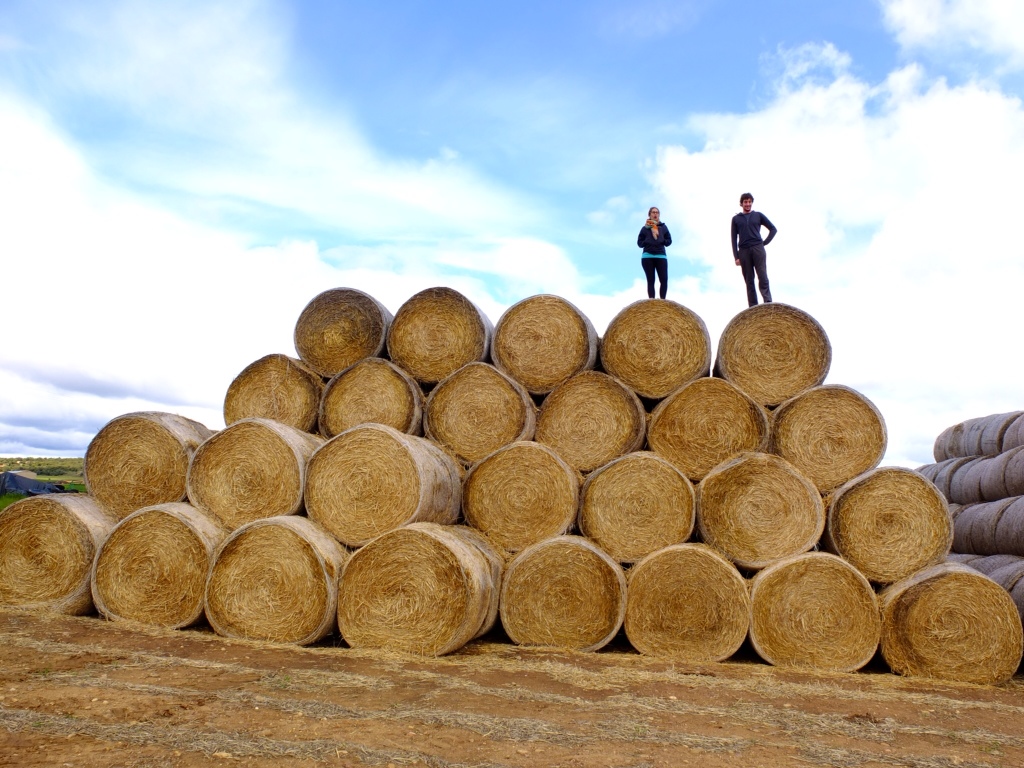
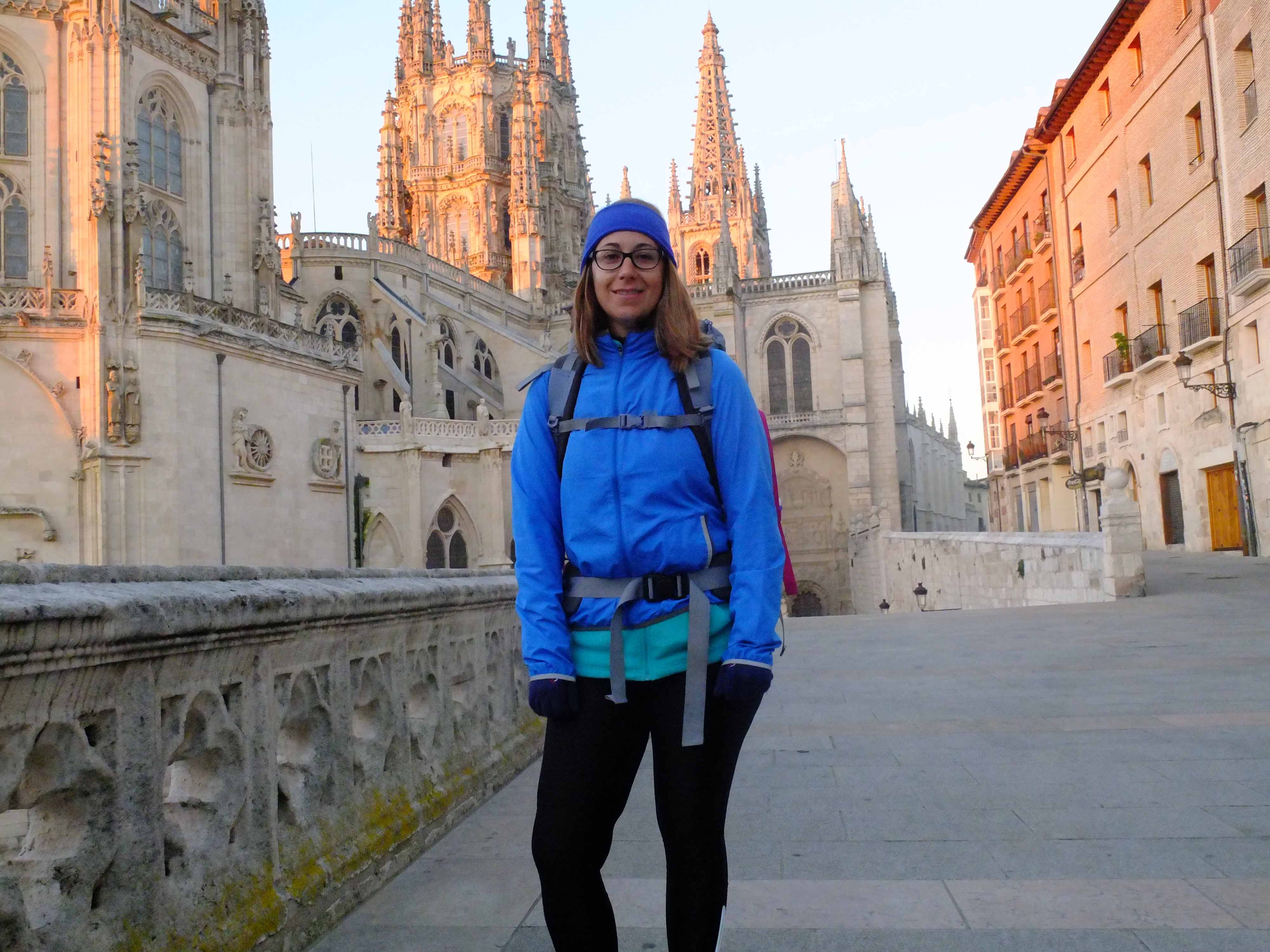
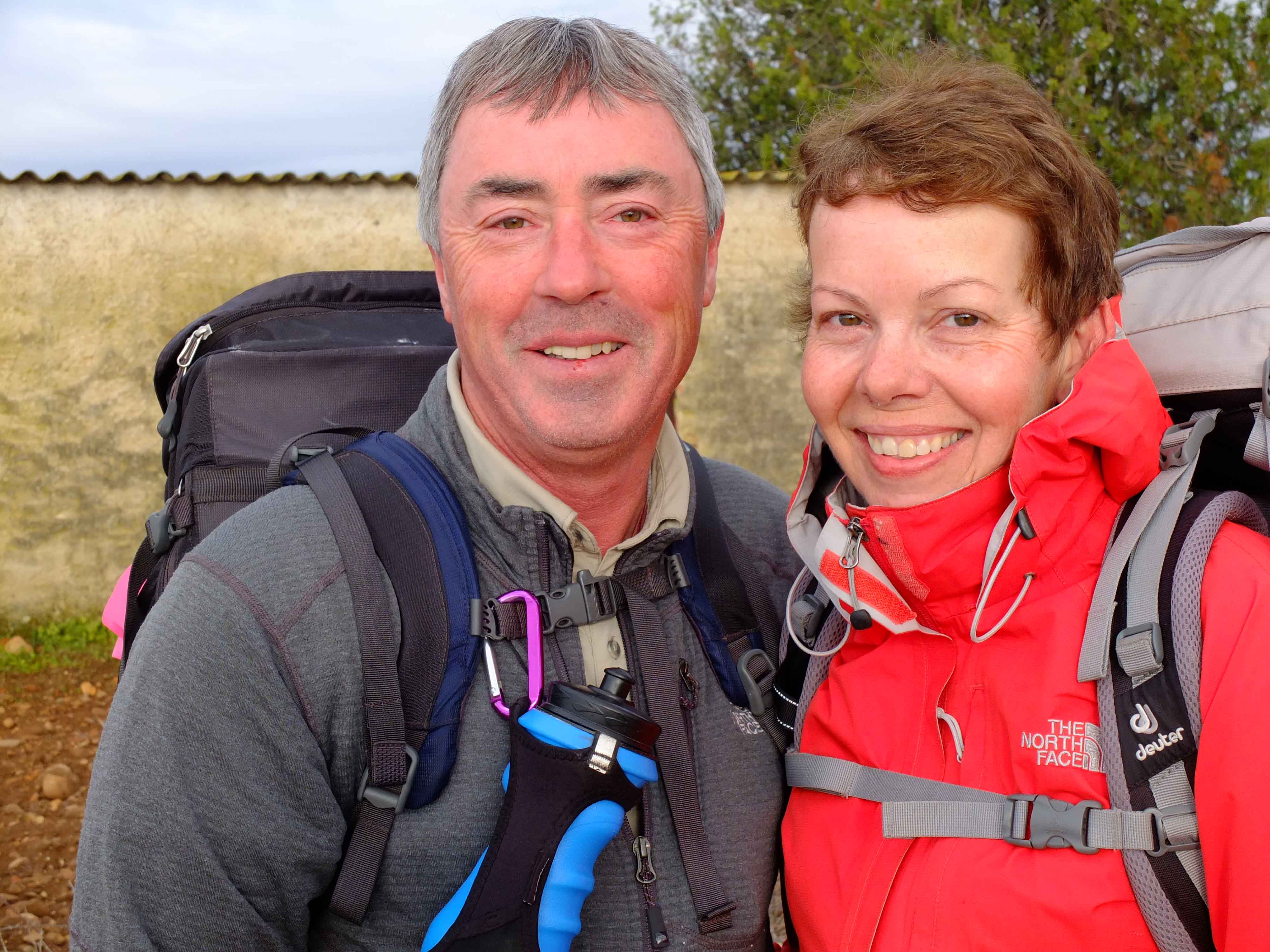
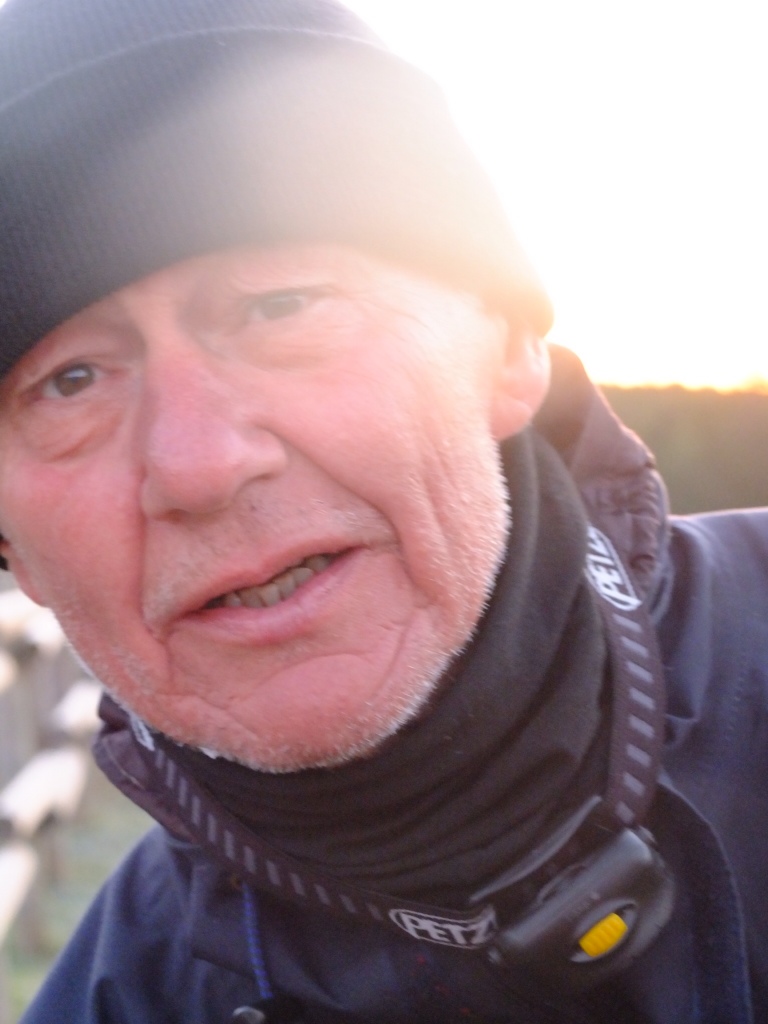
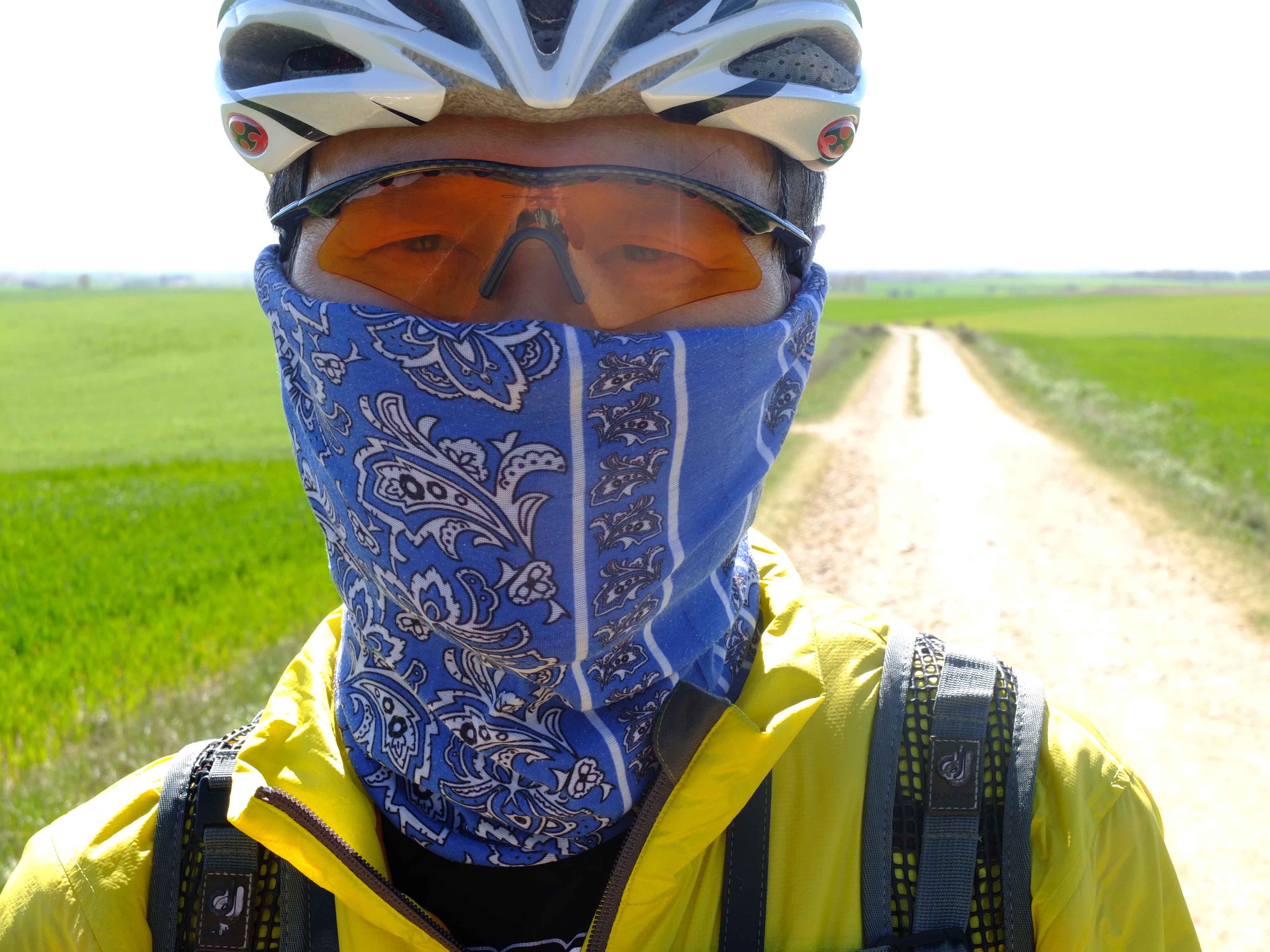
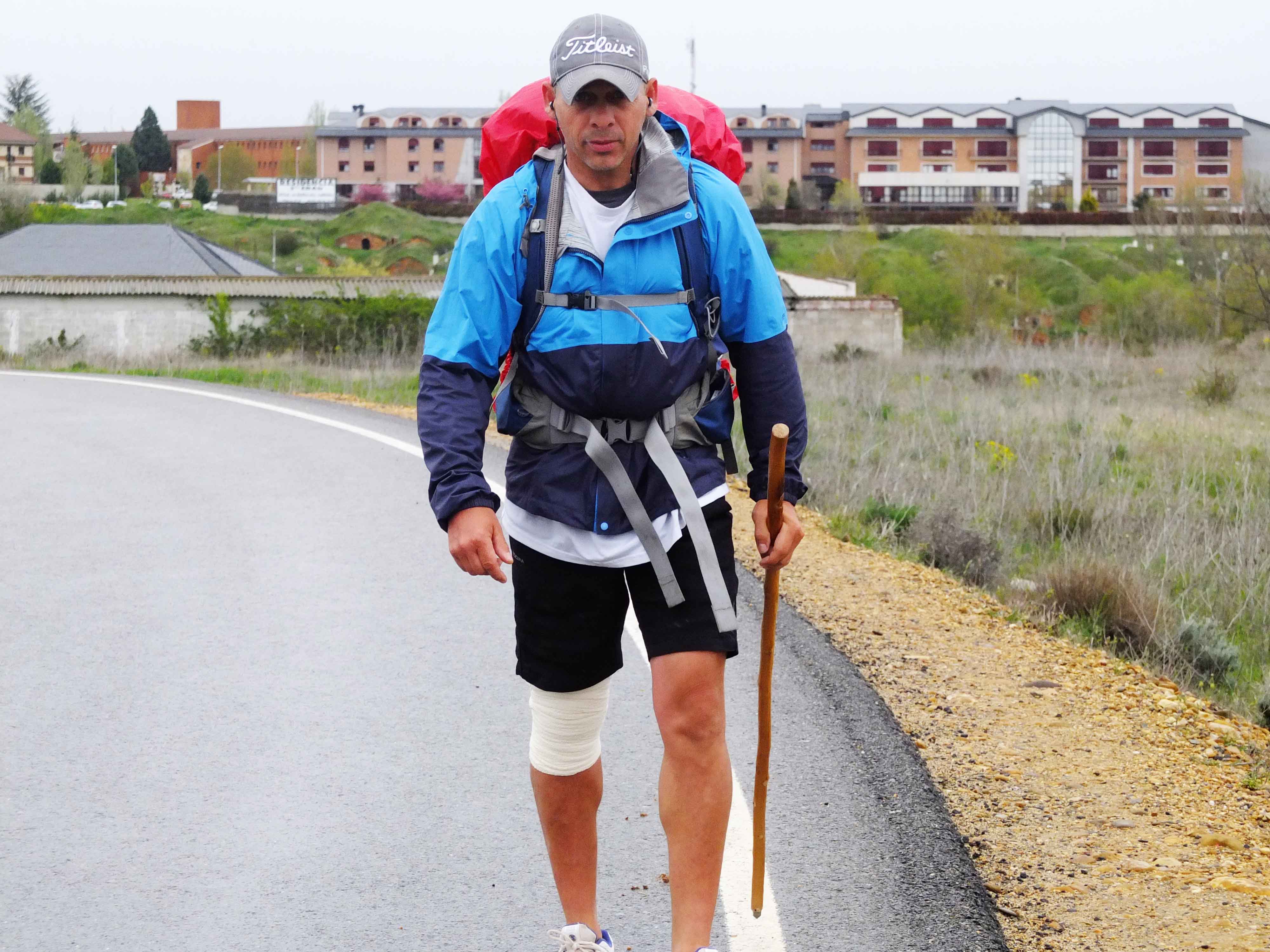
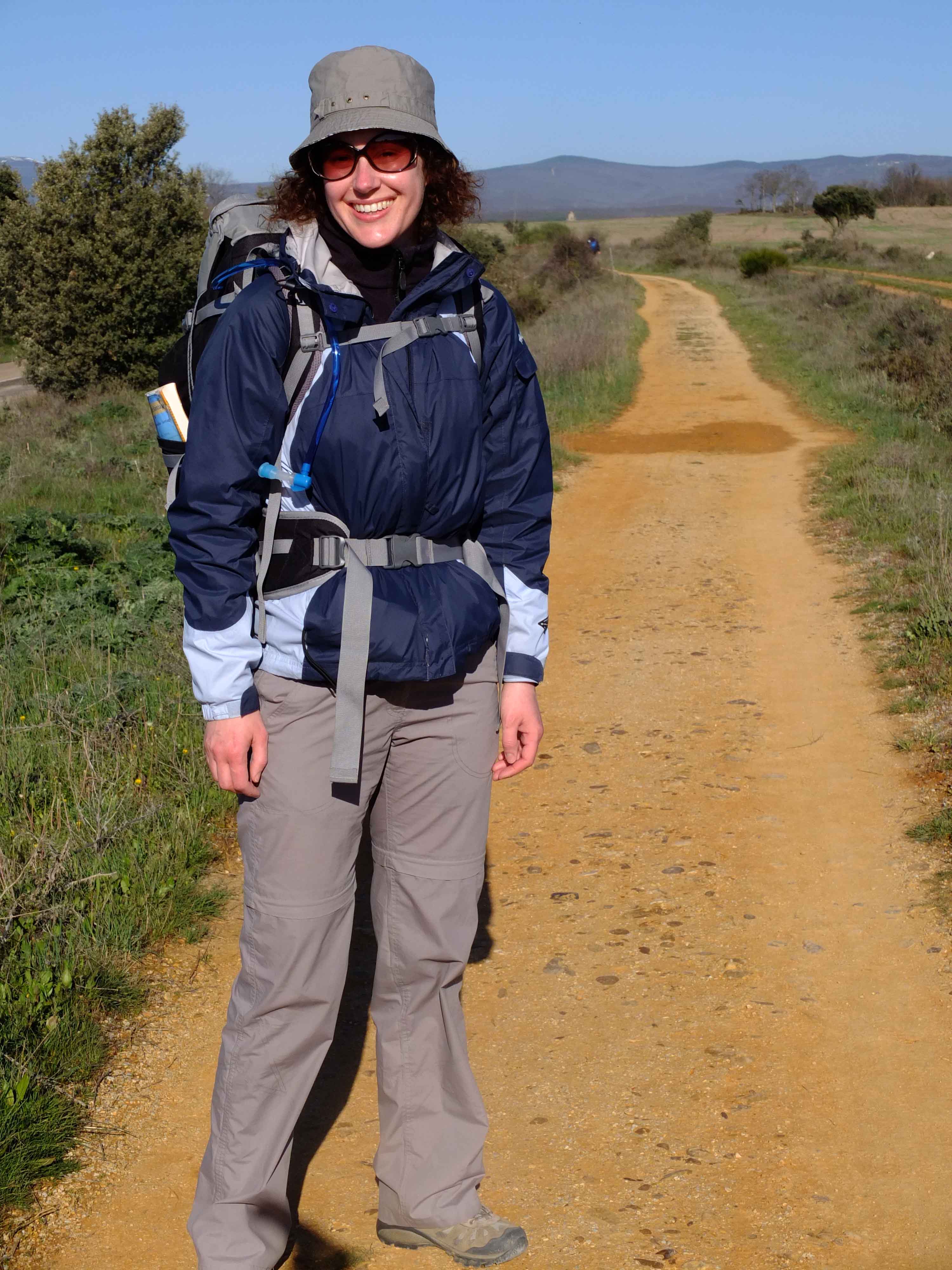
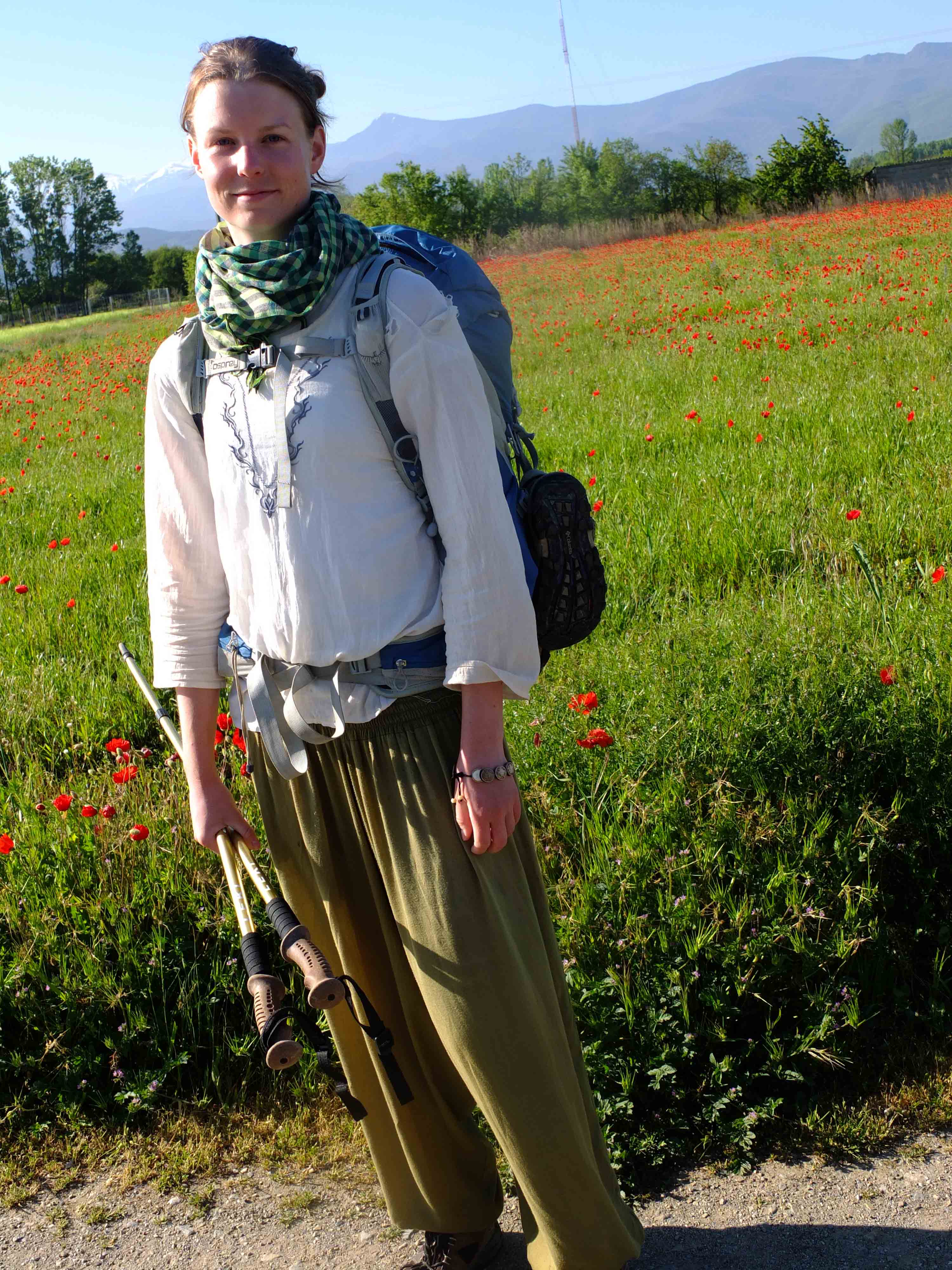
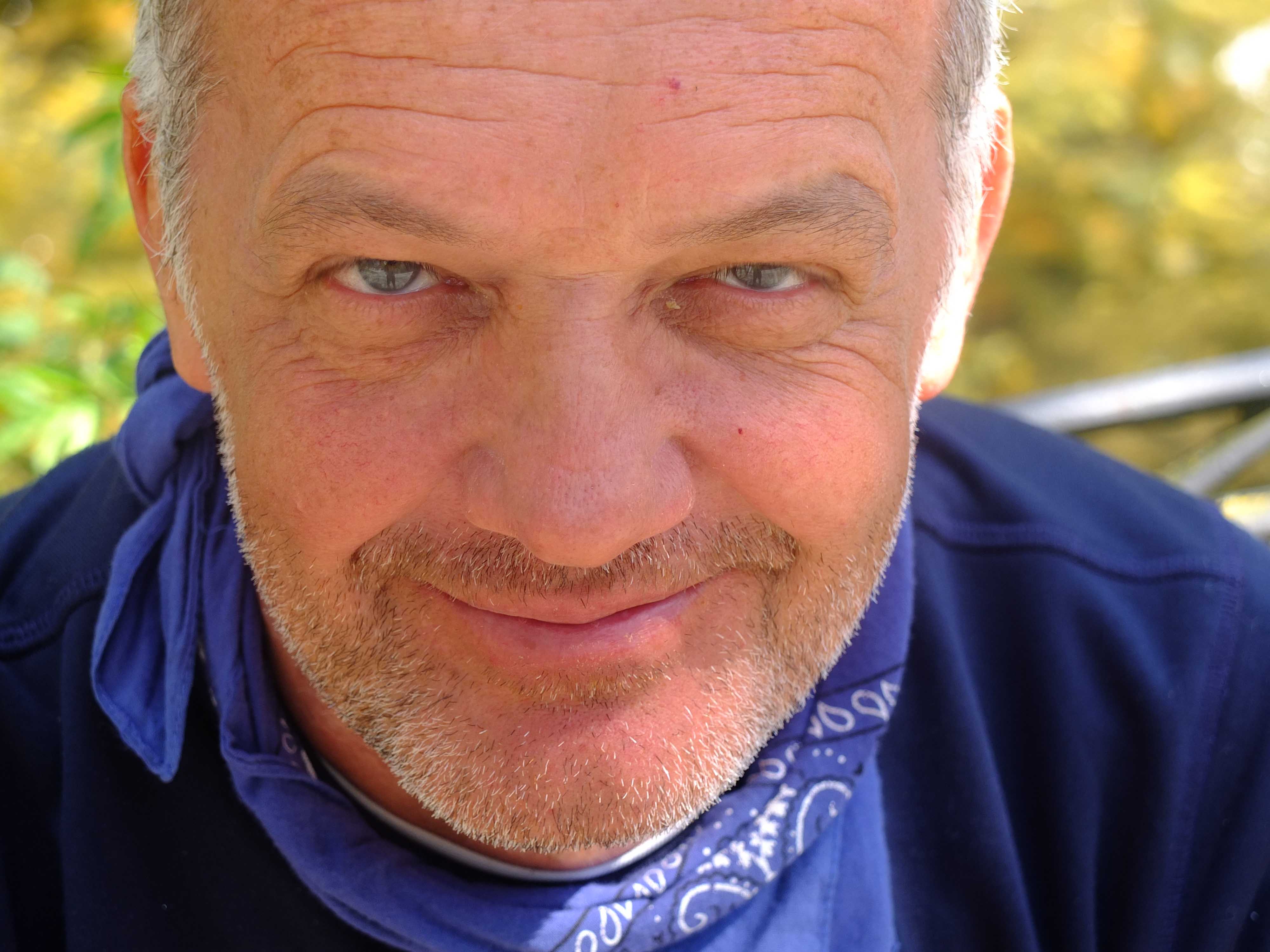
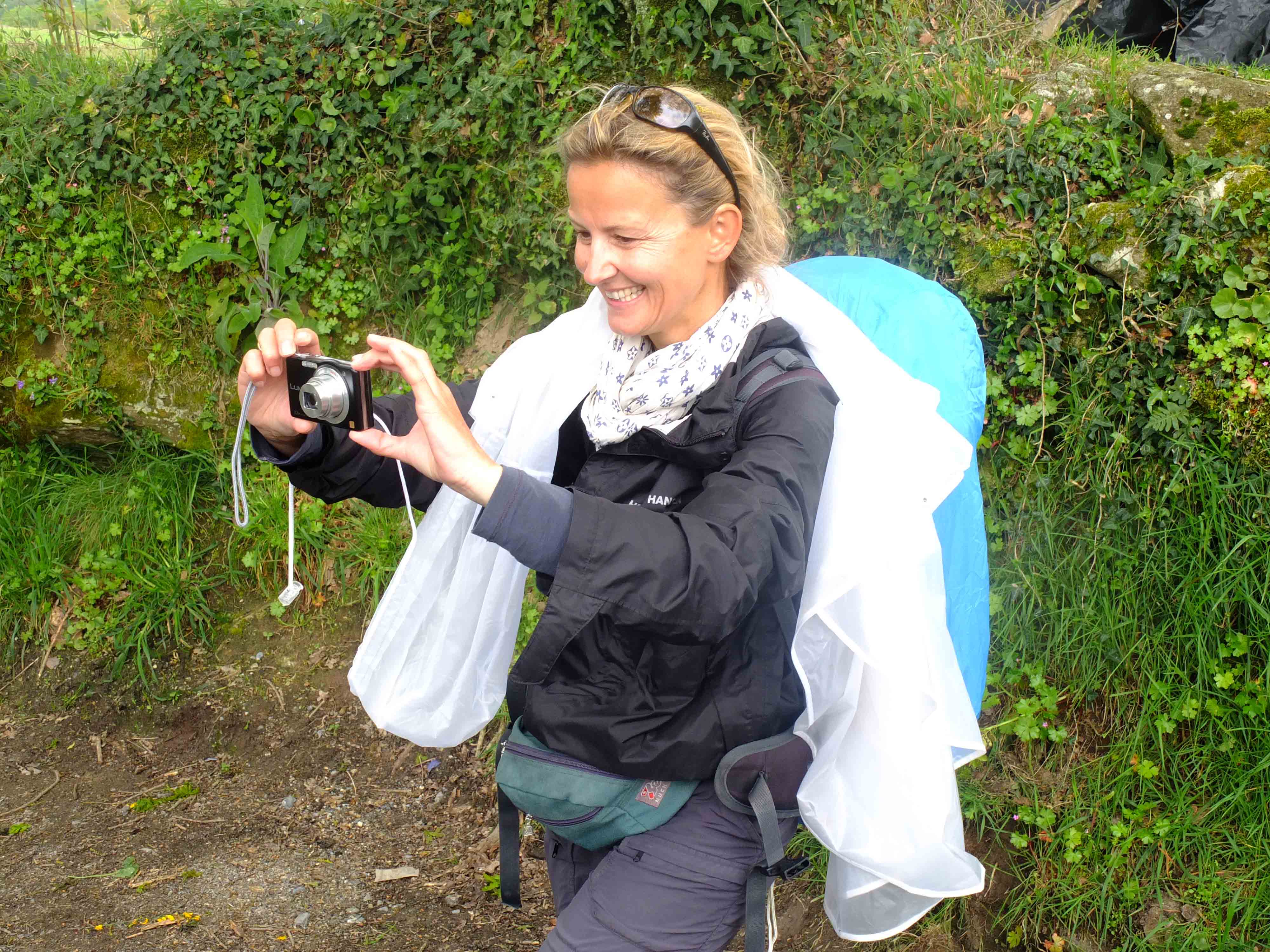
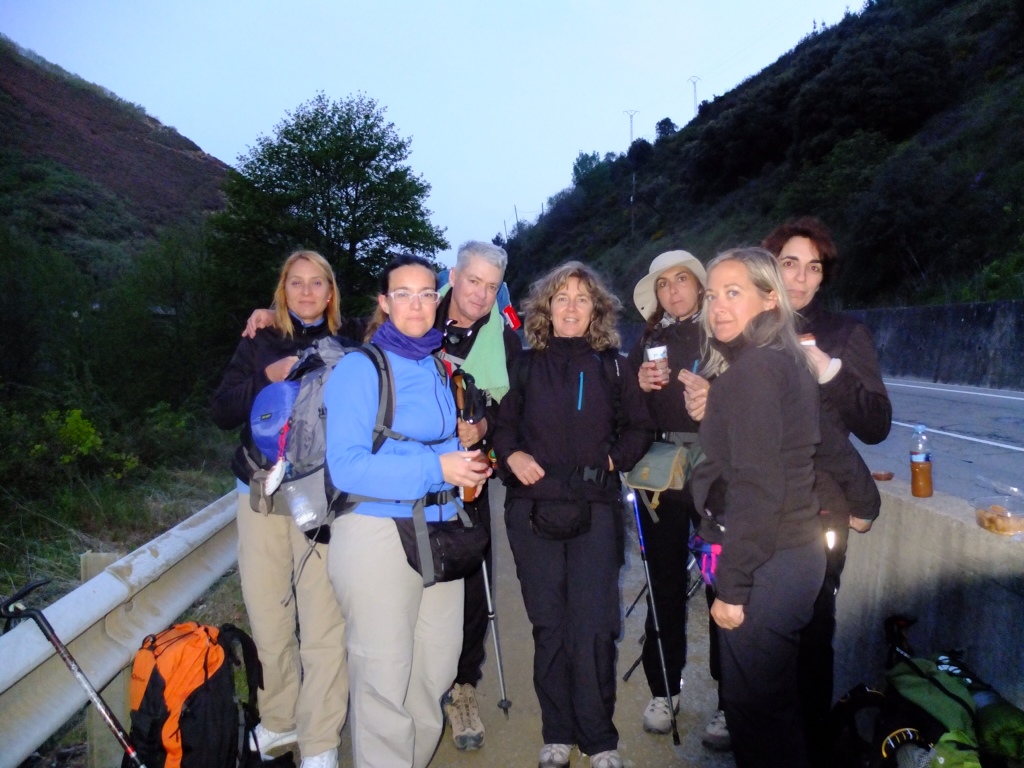
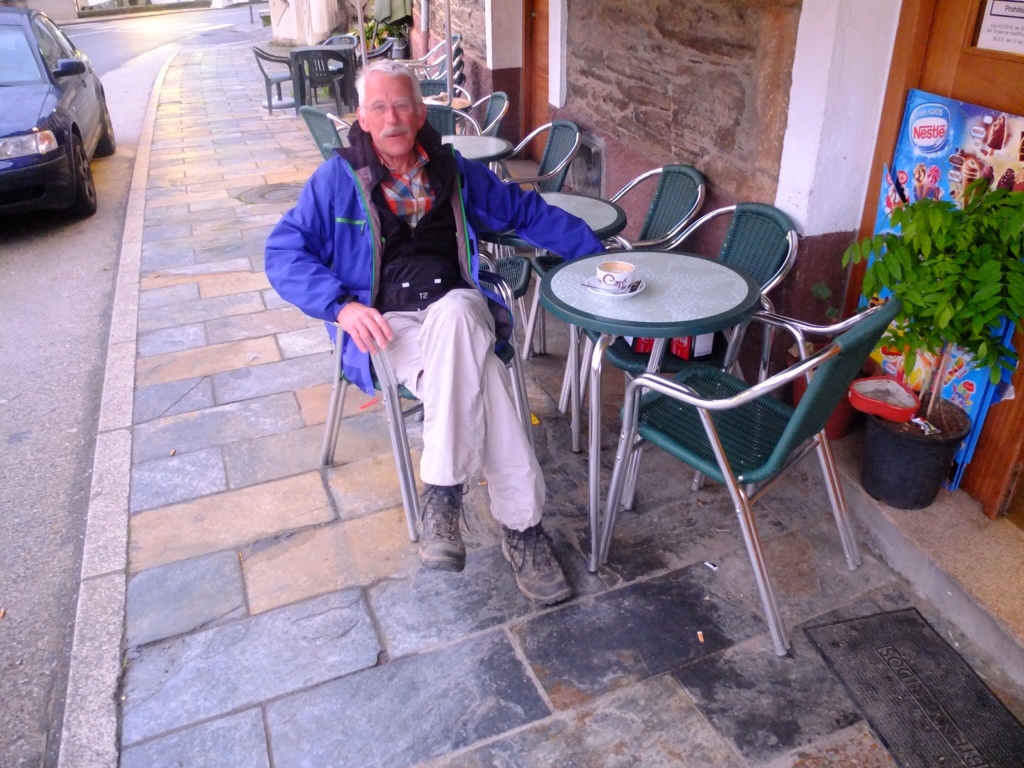
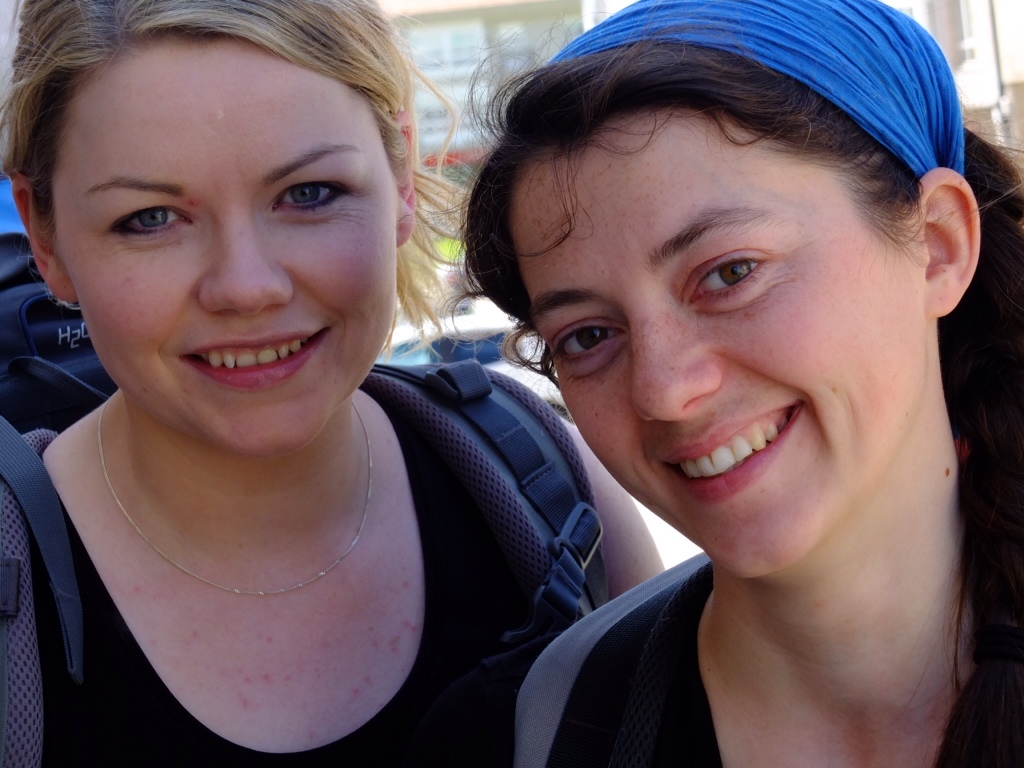
Here are photos of some people whom I met on my Camino, and who had an impact on me.

There are some others that I didn’t get photos of – like Boris, Renata, Meta, and some others too, and some whose permission I forgot to get, and so won’t post their pic.

Then there were those who I met who I never got their names – but their memory will linger. Like the bloke who’d walked from le Puy, and was walking to Santiago then Lisbon and back. And Pieter, from Holland, who I only met briefly outside Ponferrada but he showed me that walking could be effortless.

If I’ve got the names wrong, or the spelling wrong, please forgive me… But know that you had a strong influence on my Camino experience.

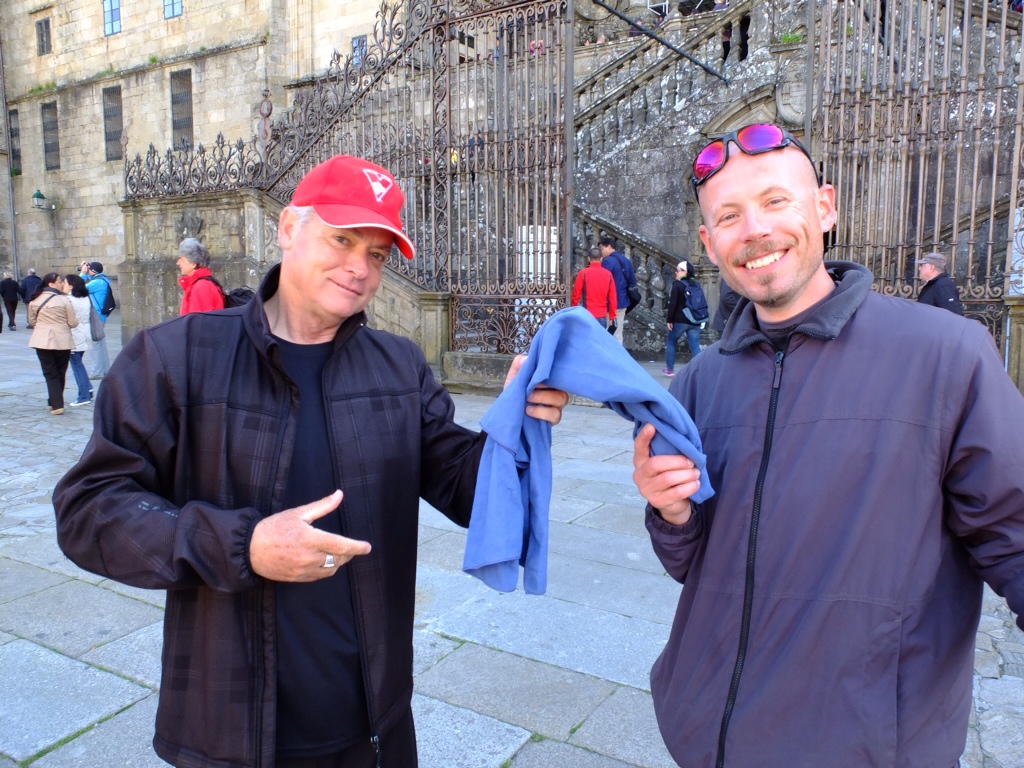
Balazs – from Hungary, who I met in the taxi to St. Jean, and who lent me his towel to ice my knee.

Laszlo – who was also in the taxi. The man most likely not to succeed, and he nailed it.

Rosa, also in the taxi to St. Jean – a beautiful soul…

wpid-Photo-25042013-353-PM.jpg

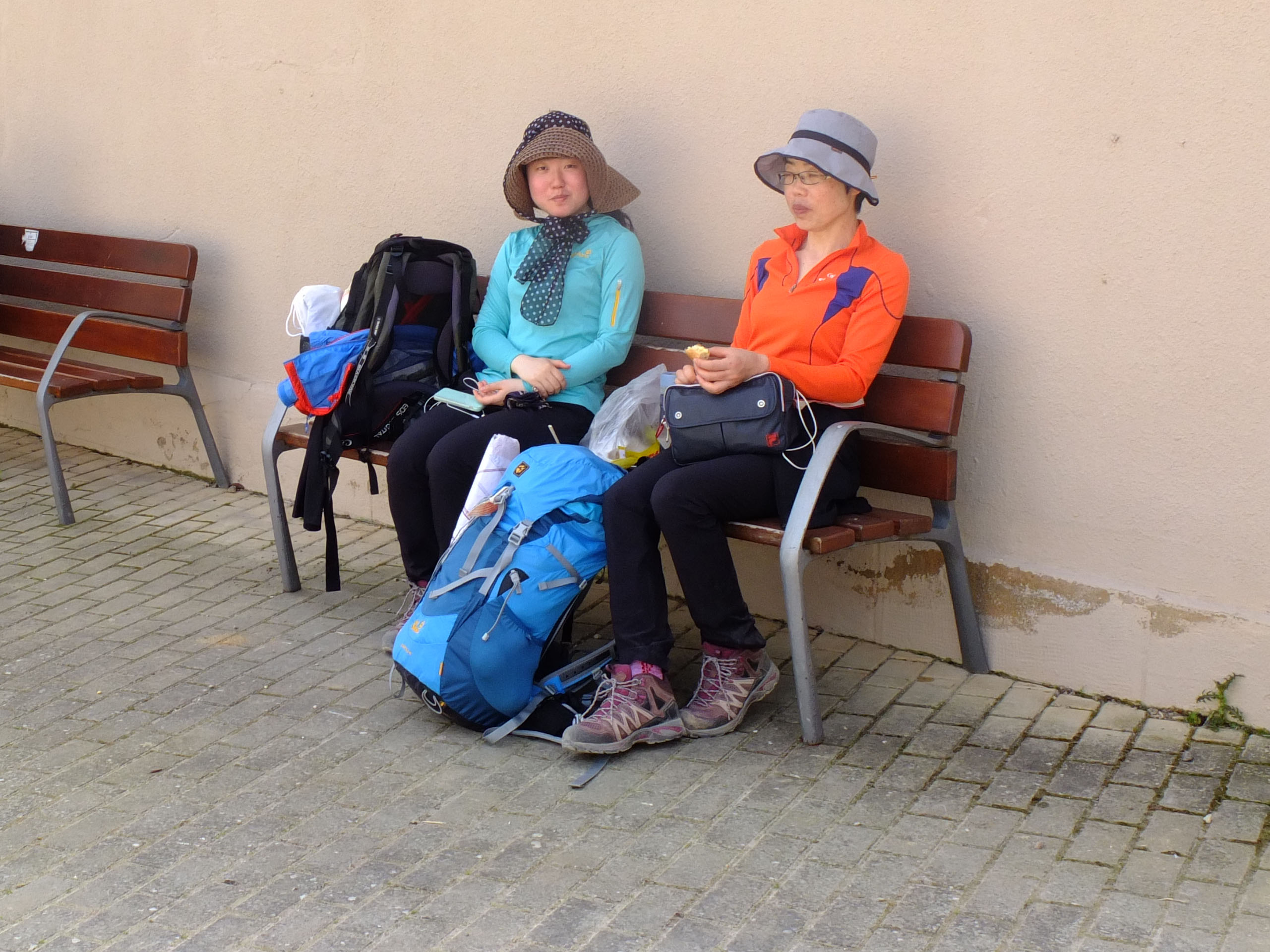
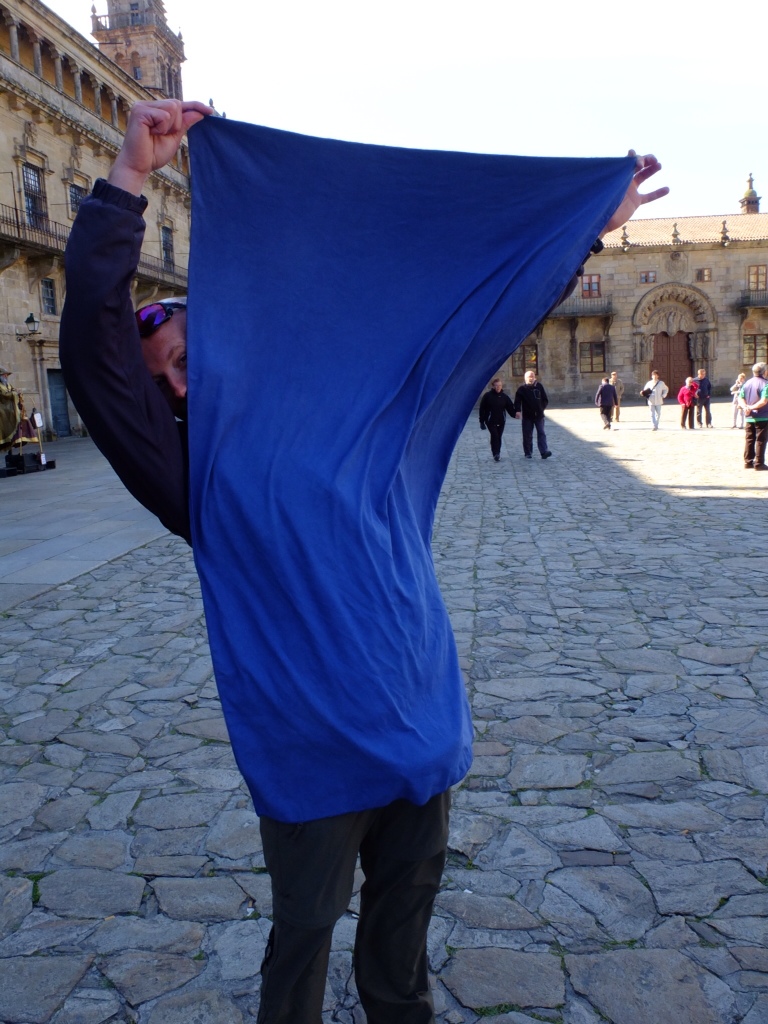
The crazy Korean couple –

Balazs and Laszlo in Pamplona –

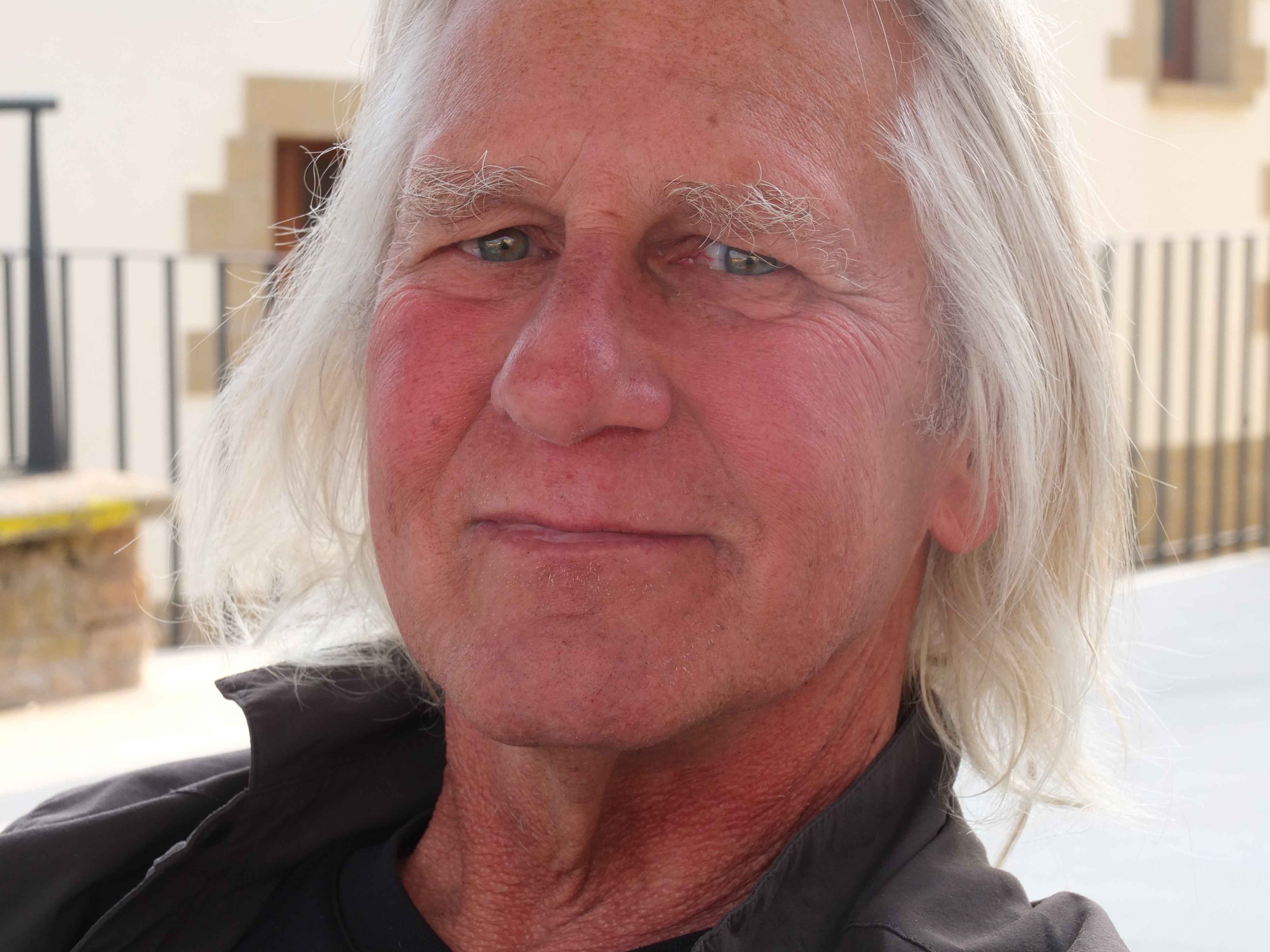
Bruce – a retired Professor of Veterinary Science from University of Southern California.

Bruce

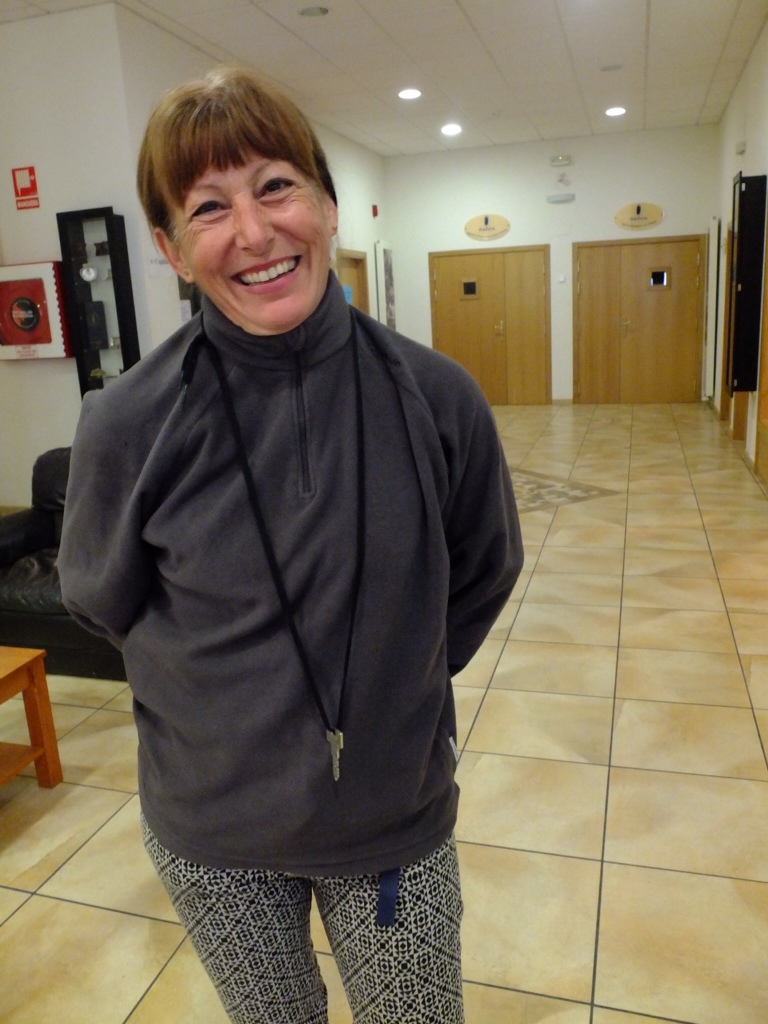
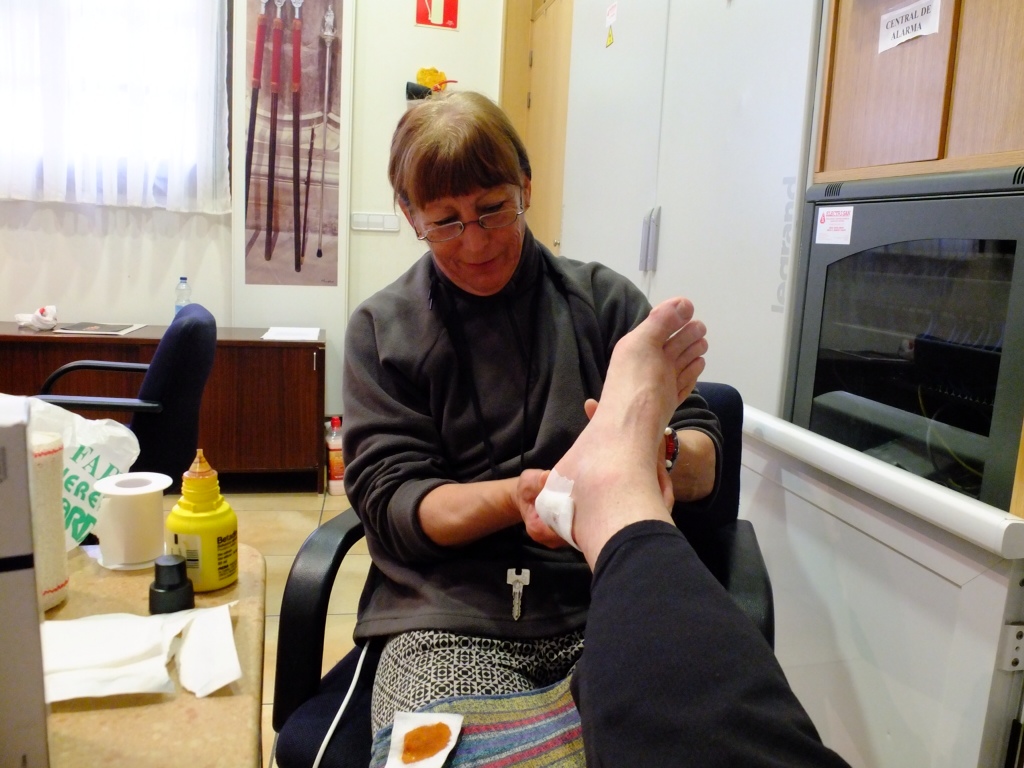
My Santa Domingo Angel – Estrella (she helped me with my infected heel blister)

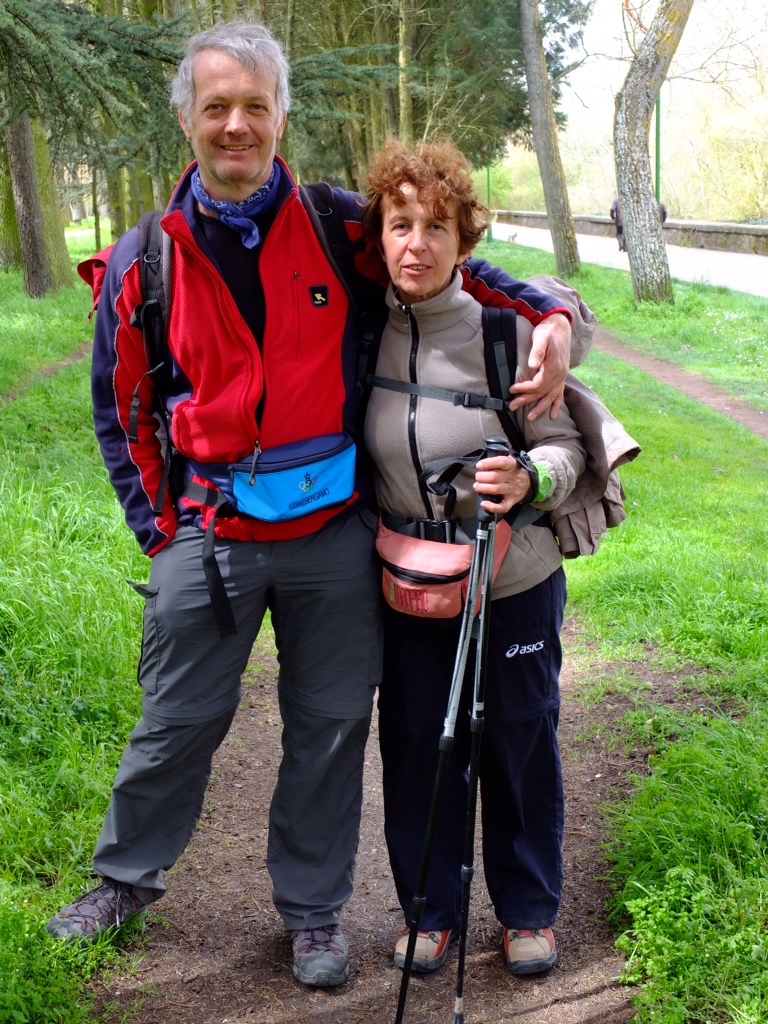
Ivan the Terrible and Giovanna (outside Burgos) Ivan guided me into Burgos through the parkland, avoiding the terrible traffic of the main route in. He and his wife became my very good friends throughout the Camino.

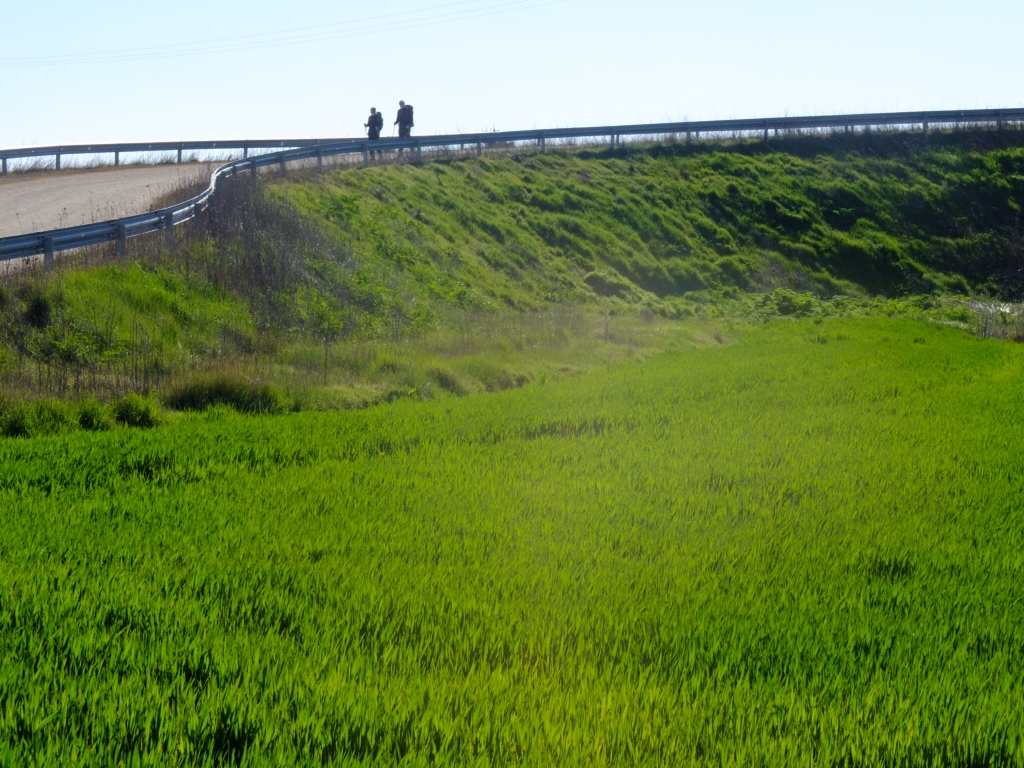
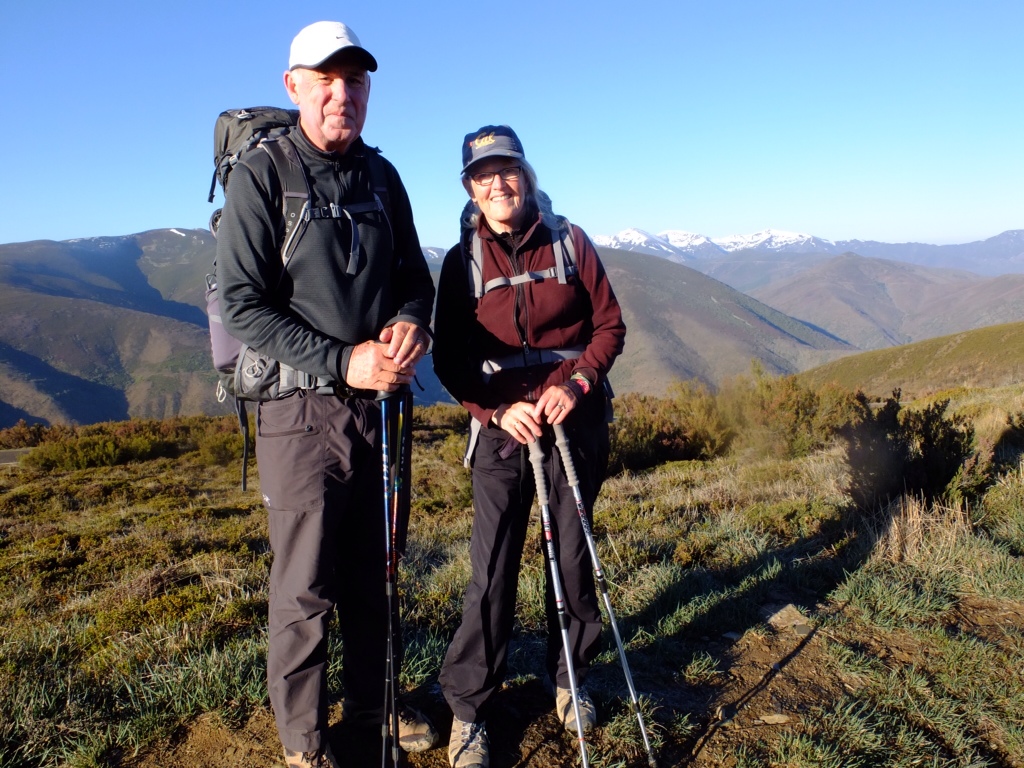
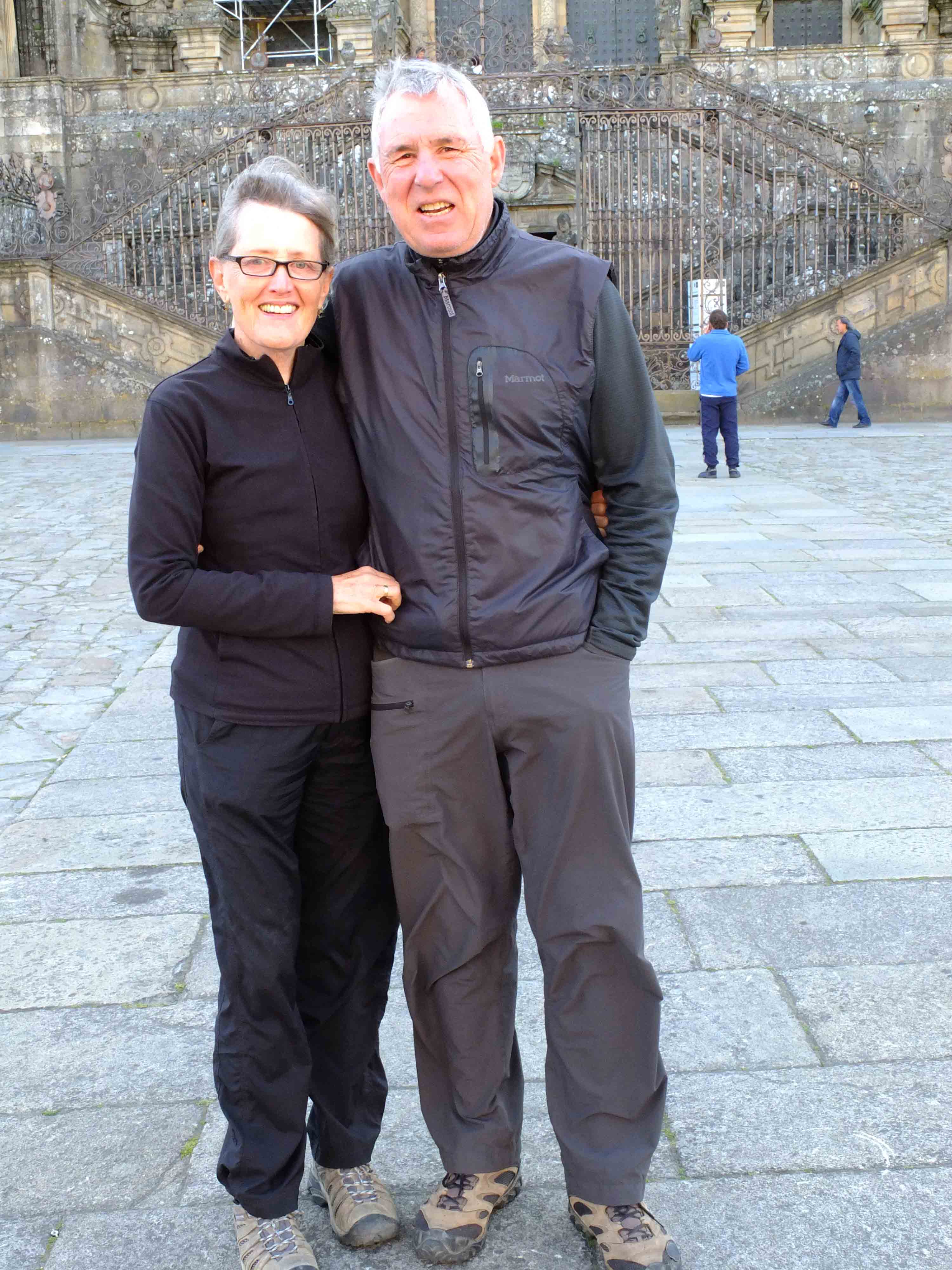
Bob and Joan ( first sighting!) Bob and Joan, from Berkley California, also became close friends, and dinner companions. Wonderful extraordinary people – you can tell in this wide shot, right?

Here they are in closer view:
wpid-Photo-03052013-448-PM.jpg

Emmanuel – an aspiring Austrian filmmaker. I gave him some advice on his career.

Soren and Francis (These guys helped me in Pamplona)

Rosa –

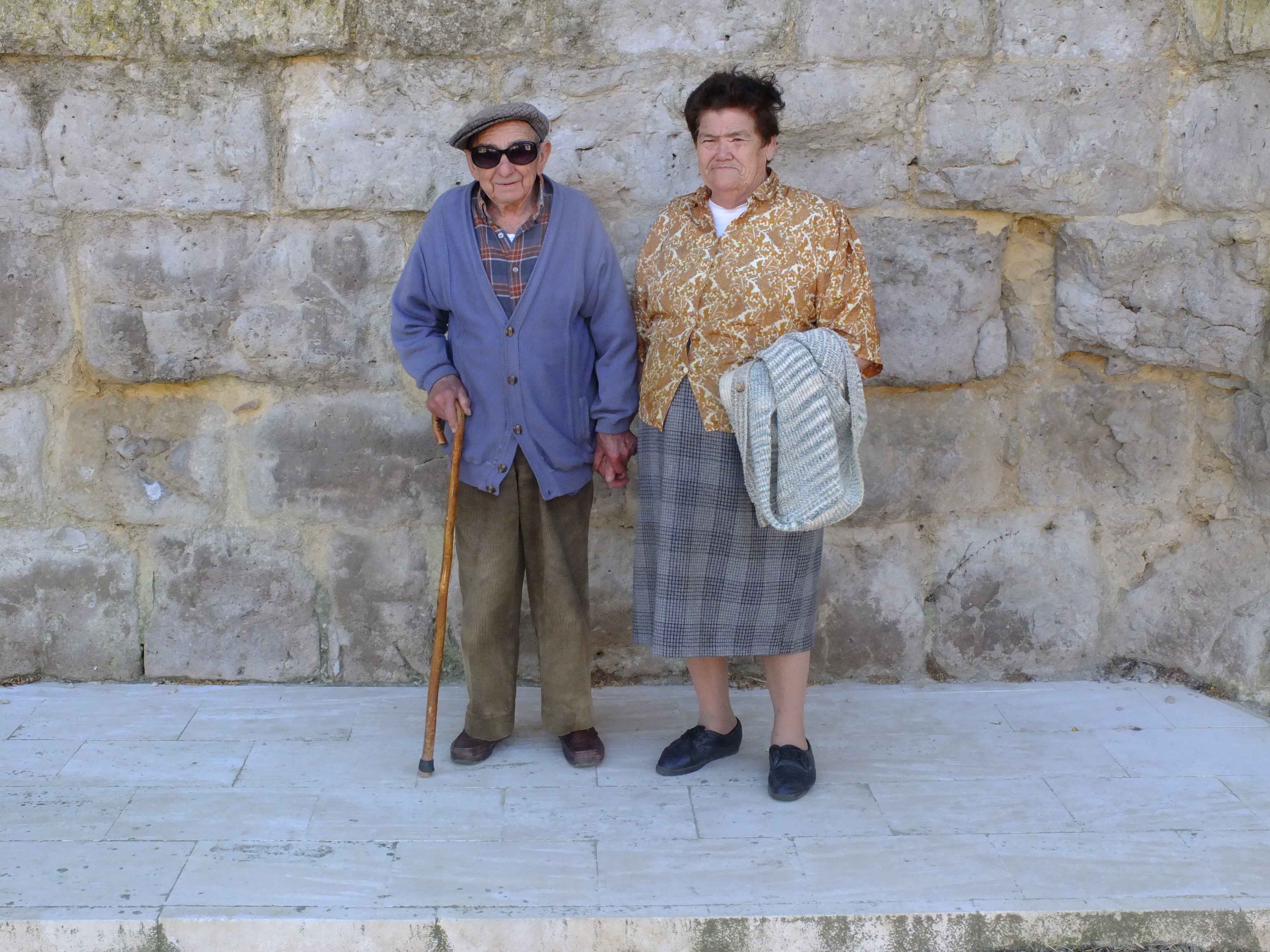
A wonderful couple from Boadilla –

The Boadilla Couple MWS

Fernando (an Aussie) and the lasses from France and Romania.

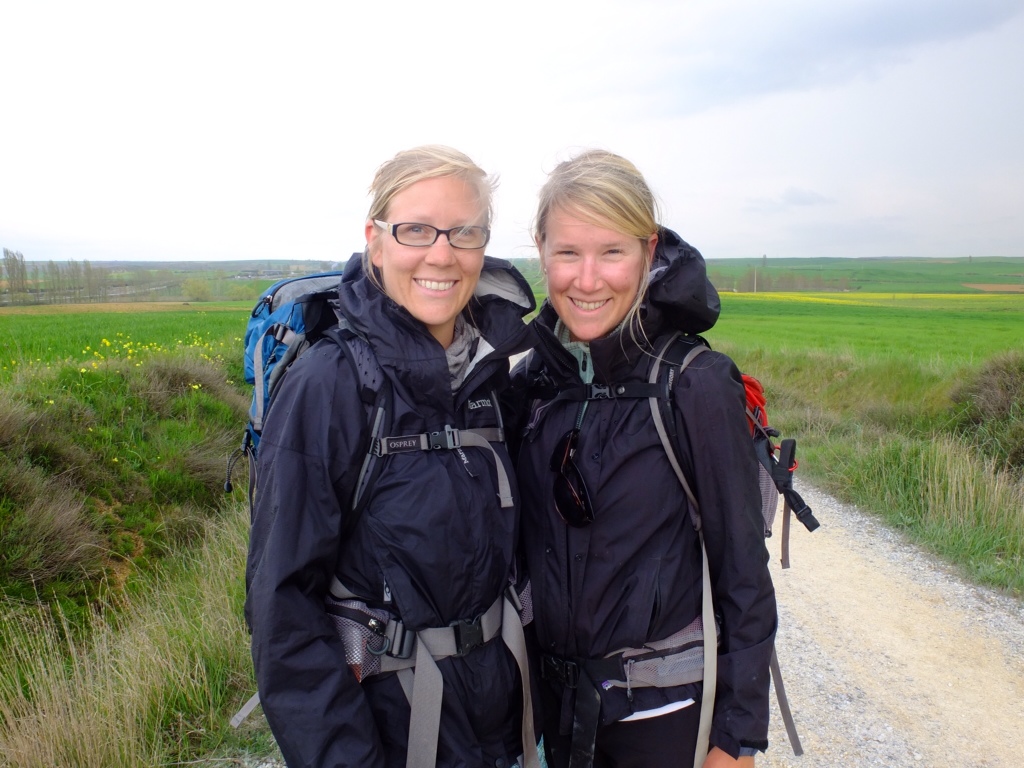
Frannie and Lucy, sisters, from the US

Frannie + Lucy

Ben, the Chemical Engineer from South Africa who saw errors in the Universe. I wished I’d spent more time talking to him.

…. from the San Fernando Valley, California.

The Five Stork trio, from Australia. (These blokes classified the towns they walked through by the number of storks nesting in the church bell towers.)

The 5 Stork Trio

A wonderful Spanish lady, from near the Iron Cross

The gorgeous Italian lass (Luana?). A bloke carried her backpack for her because she had bad knees. Why wouldn’t you?

Caroline and Francis

Caroline leaving Burgos – Caroline was from Australia too.

Caroline

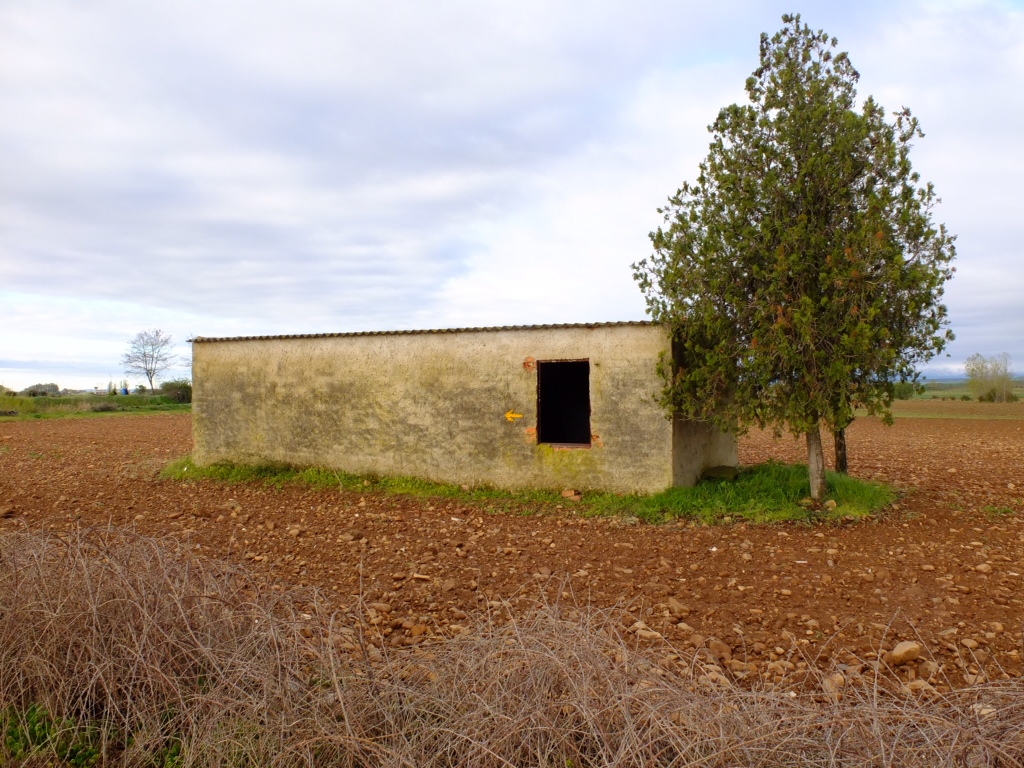
Andy and his wife Roberta from Newfoundland. Andy couldn’t see beauty in the crappy shack I was photographing…

Andy & Roberta

Gordon – his second Camino within a year, because he felt he missed things the first time…

A Canadian couple carrying their 11 month old baby on the Camino. They started in Leon.

A Japanese cyclist I photographed on the Meseta. He wanted to know why I was photographing him, and I told him he looked like an alien. He laughed all the way to the next village.
The Alien

Dwayne – a terrific bloke from the US who was very kind to me, and we became close friends. He was a very strong walker and would always pass me, then be amazed the next day when he passed me again! (I walked longer hours than him!) He too developed knee issues.

Dwayne.2

Catherine, a beautiful Irish woman who, through vigorous conversations, helped me walk 22kms one day without stopping!

Catherine

I’ve forgotten the name of this young lady. She was from Finland, and had recently finished her studies. We walked for a few hours and had a good chat. Never saw her again. That’s the Camino.

Finish girl

Ivan the Terrible. You can see from this shot why his parents named him so…

Ivan the Terrible

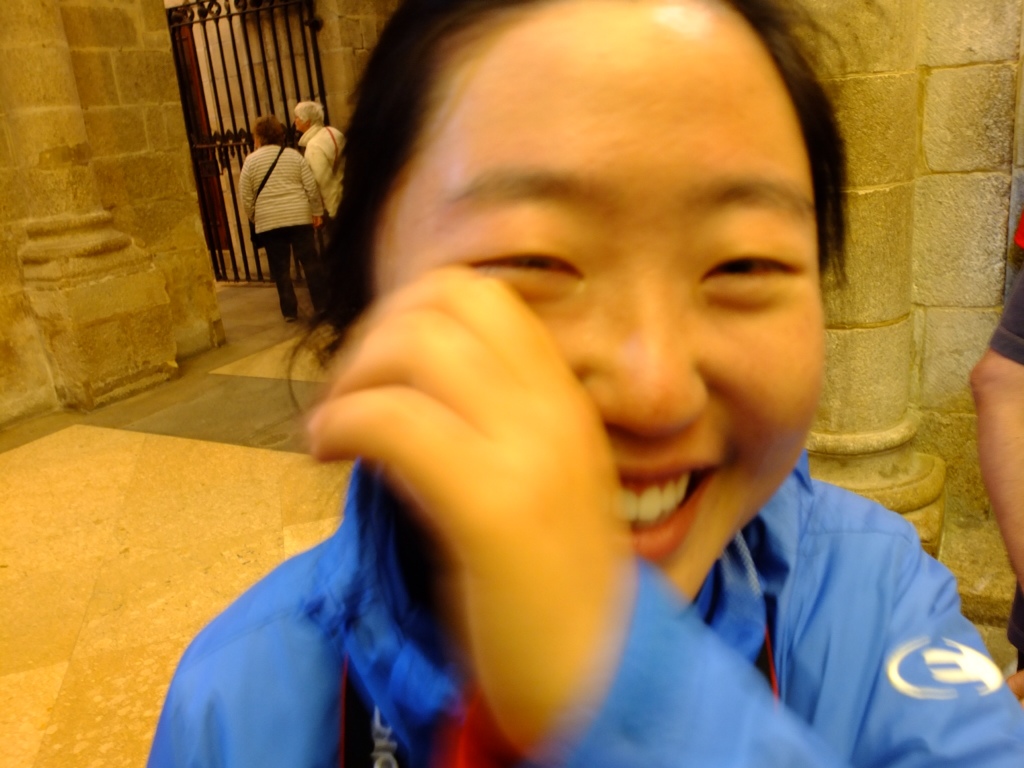
Nayoung and her mother – they were from South Korea and we traveled some distance together. Nayoung was very emotional when she saw me in the Cathedral in Santiago. She really didn’t think I would make it.

Nayoung and her mother

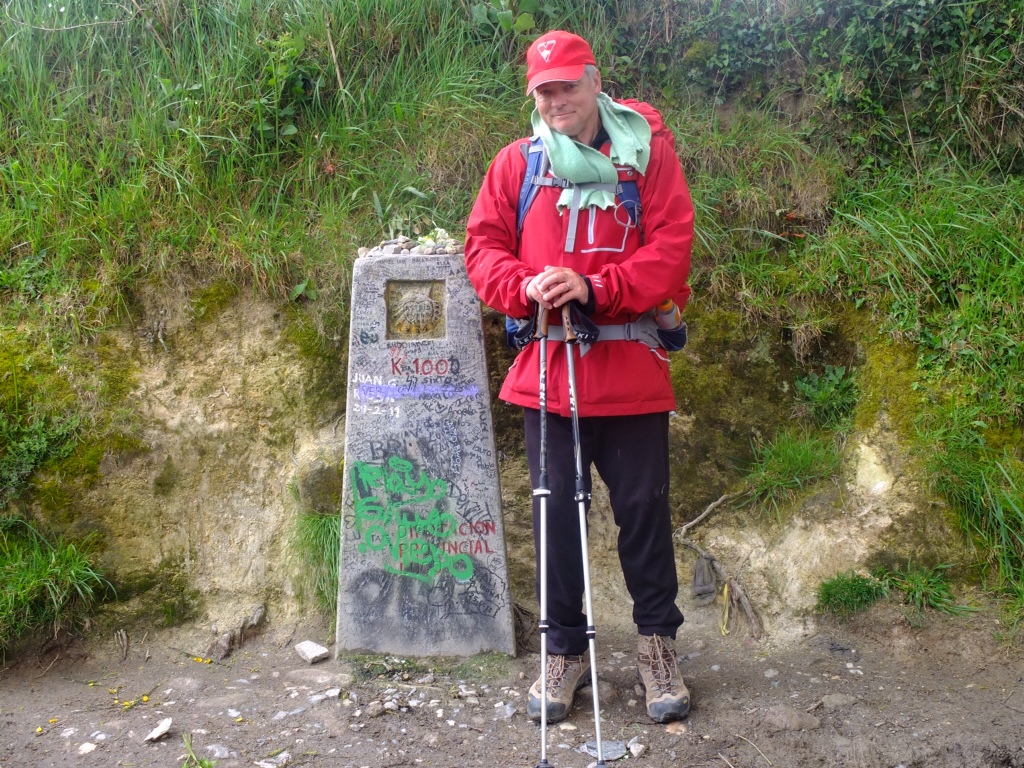
Sigrid, a wonderful lady whom I met in O Cebreiro, then bumped into her again a few days later. We had some good chats too… and she took my photo at the 100km mark.

Sigrid 1

The Spanish girls who invited me to join them for breakfast!

Soren, from Switzerland, who steamed past me going up O Cebreiro.

Laszlo, about 80 kms from Santiago. My goodness he’s lost some weight!

Laszlo

The two Irish girls who kept me laughing on the last day’s walking…

wpid-Photo-11052013-1219-AM.jpg

Some shots of reunions at Santiago –

The Five Stork Trio doing a side on shot to show their wives how much weight they’d lost –

The 5 Stork Trio side on

Ivan the Terrible greeting me in Santiago –

Ivan greeting me

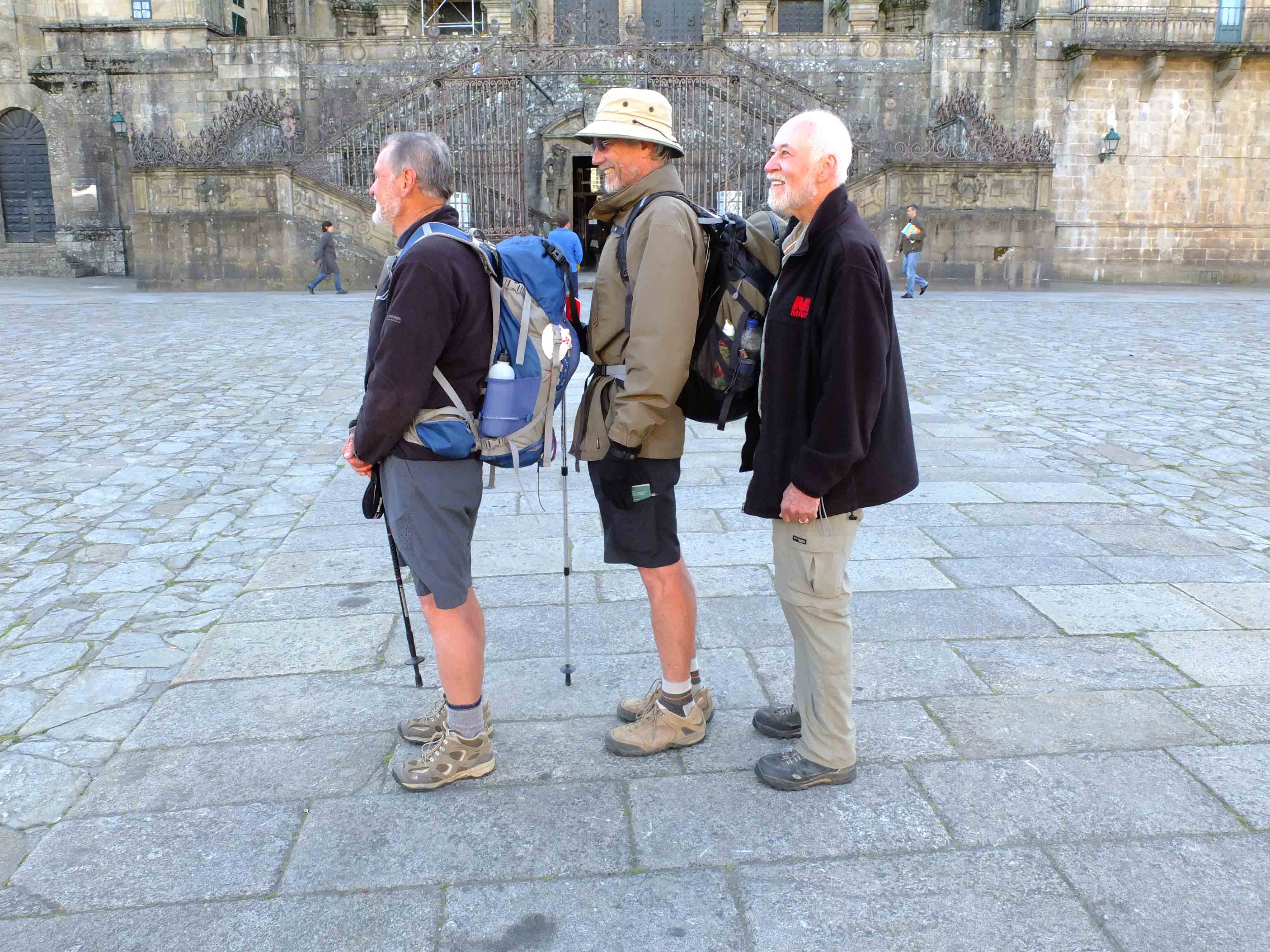
Bob and Joan were exceptional walkers, and wonderful human beings –

Bob & Joan

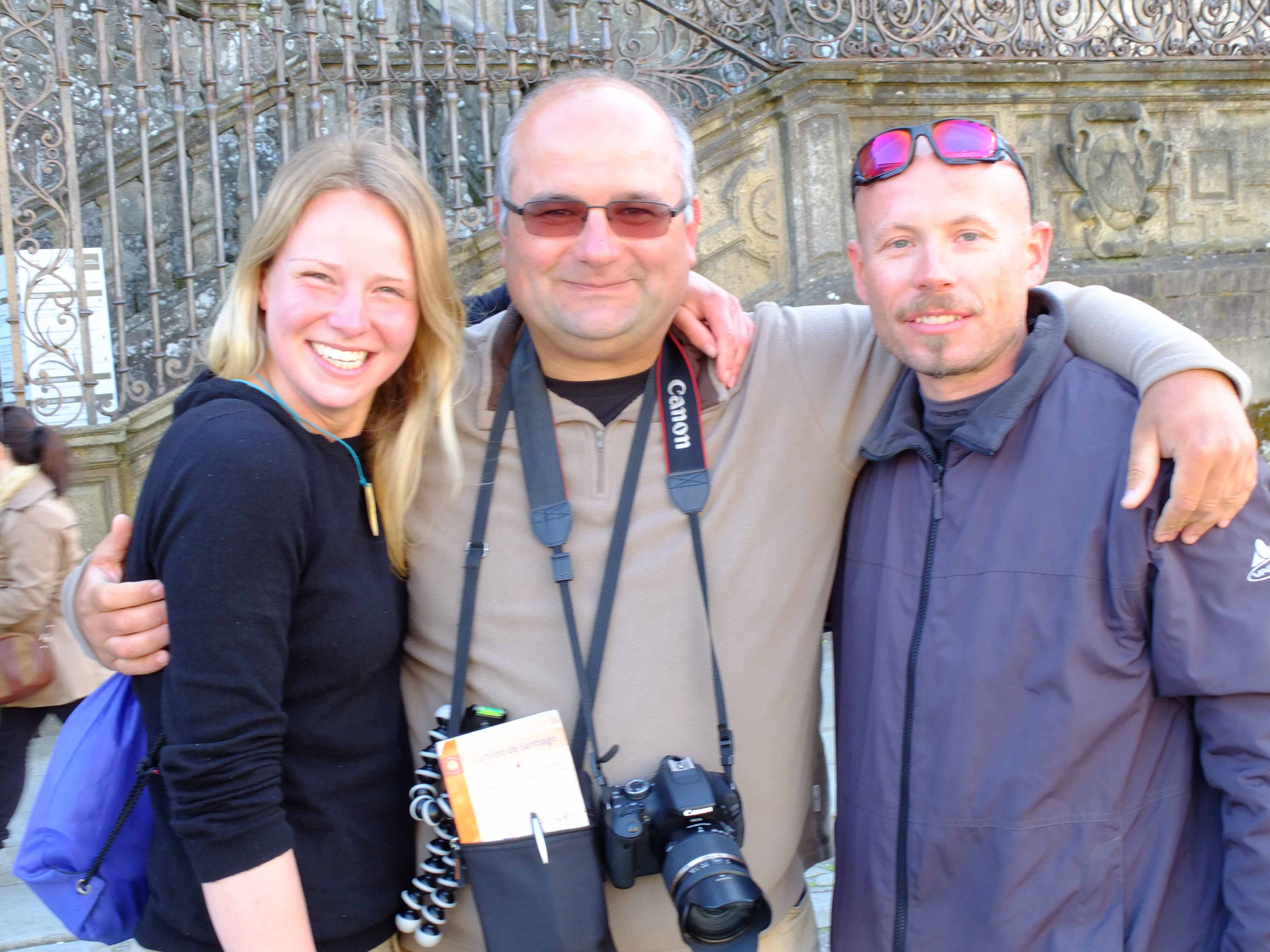
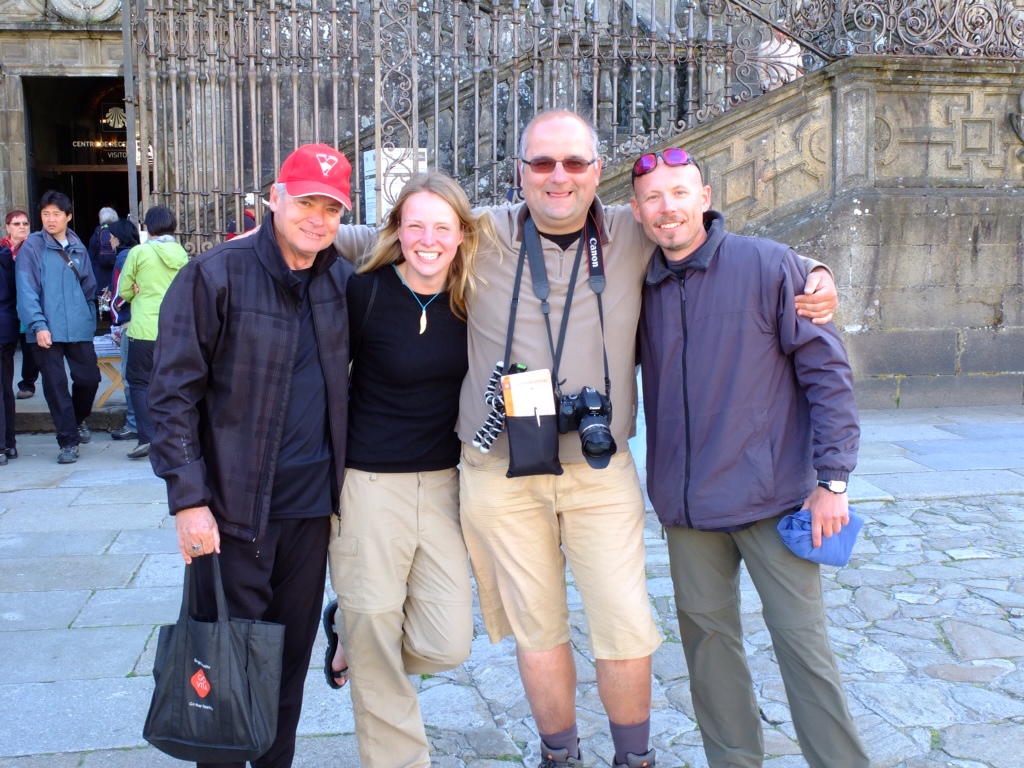
The Taxi Trio reunited –

The Taxi trio

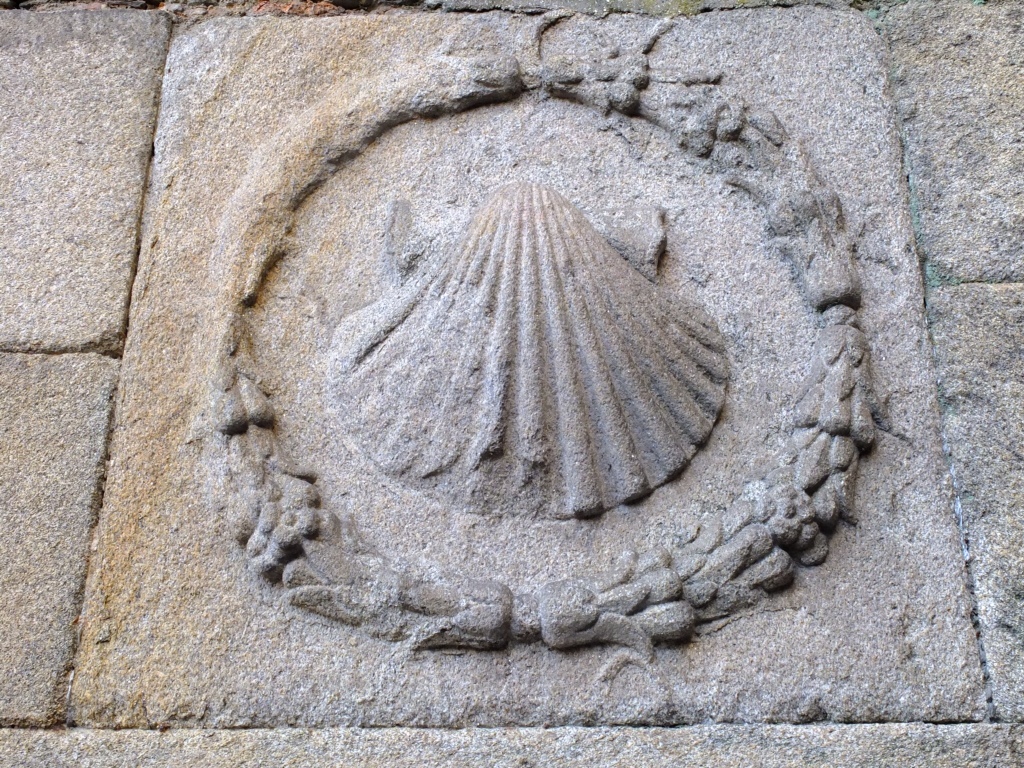
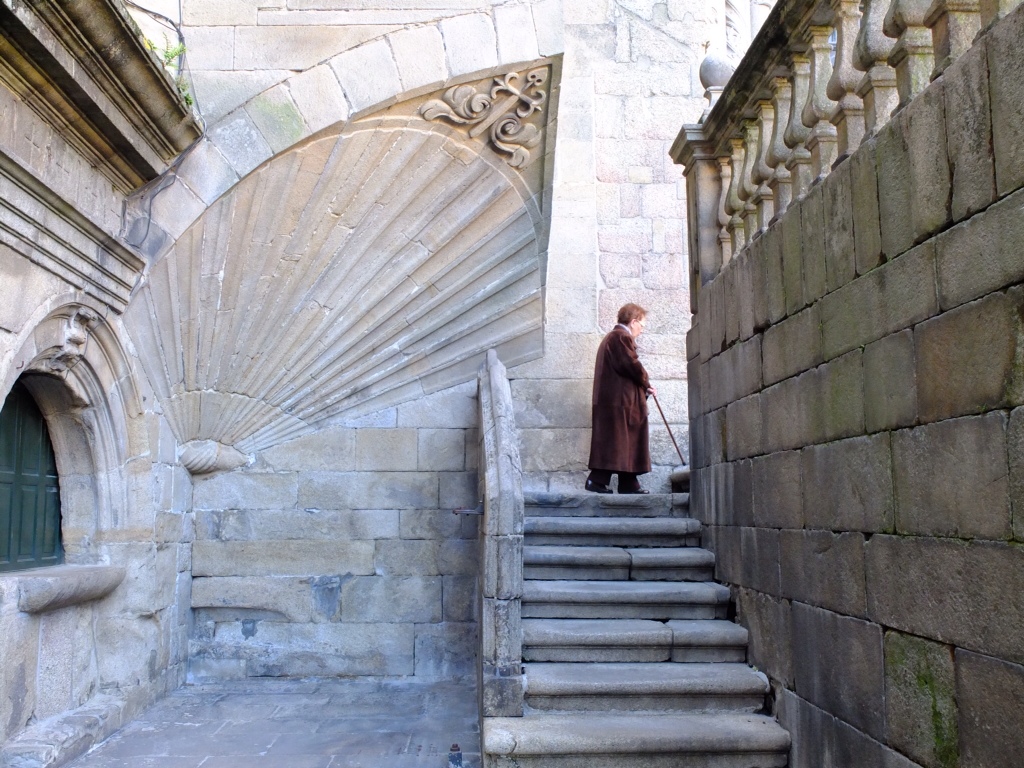
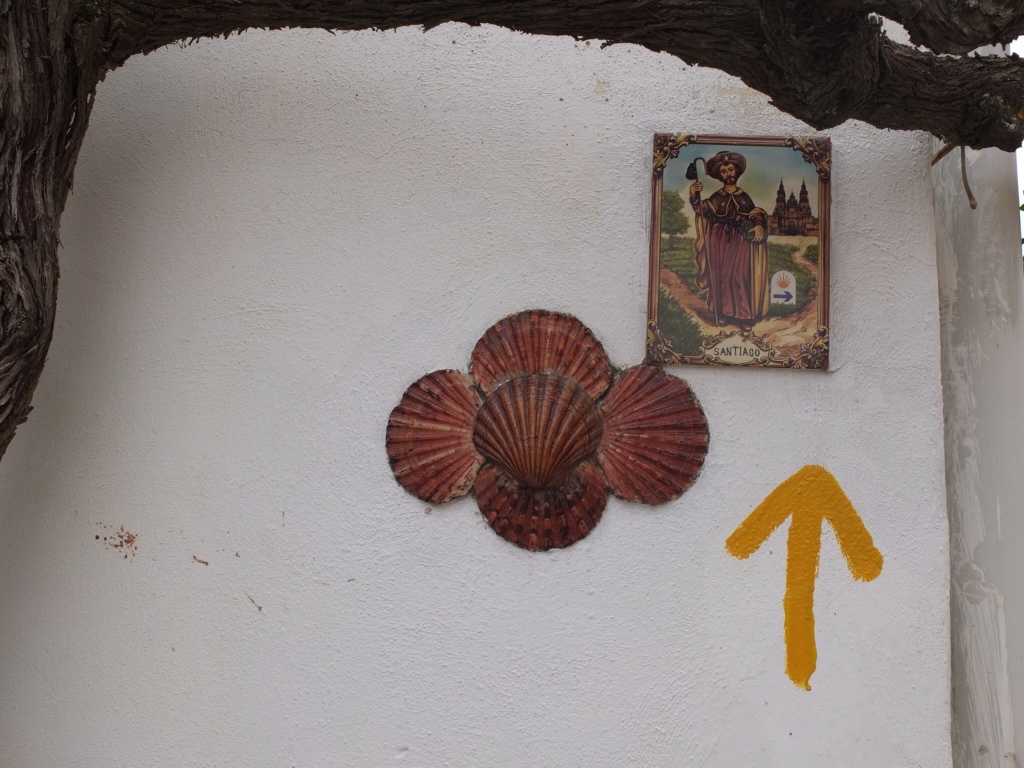
The symbol of the Camino on the side of a building in Santiago –

wpid-Photo-12052013-438-AM.jpg

Camino Audit #6 – What I have learnt, so far…

To walk the Camino is to do a pilgrimage.

That’s what I did – I became a pilgrim. I followed in the footsteps of millions of other pilgrims who, over the years, the decades, the centuries, have made their way to Santiago.

I am now a pilgrim. What does that mean?

GRATITUDE:

As I was walking the Camino, being a pilgrim meant, to me, being grateful. Grateful for simple things. I was grateful for a bed at night. I was grateful to be able to put on clean clothes the next morning. I was grateful it wasn’t raining. I was grateful on those days when the pain receded.

I learnt the meaning of gratitude.

Before the Camino, whenever I travelled and I checked into a hotel, I was never happy with the room I got. I’d always ask for a bigger room, or one with a better view, or on a higher floor, or I’d try and wrangle an upgrade.

I was a pain in the ass. I was ungrateful.

No more. In future, I’ll be grateful for whatever room I’m given.

If I can take that concept of gratitude back into my everyday life – if the Camino affects that fundamental change in me – then the pilgrimage will have been worth it.

HUMILITY:

I wanted to learn humility on the Camino. Believe me, Humility with a capital H blindsided me. I was fit, I’d trained hard, I was all prepared. Yes I was anxious, but I believed that I’d get through it fine, and I’d fly across the Meseta.

My knee gave out on me on Day 2, and the rest of my Camino was difficult. Very difficult. I was the slowest person on the path each day. Everyone passed me. There were days when every footstep was like a hot knife stabbing into my knee, or my shin, or my heel. I was dosed up on painkillers but they had no effect.

A lot of people saw me struggling, saw that I was in pain, and felt very sorry for me. Many helped me. Many were sympathetic. I’m sure, (and they later told me) that they thought I’d give up. I was humbled. I wasn’t the fit strong guy I thought I was.

Yet I remeber thinking, one day when I was really doing it tough, that if I kept on putting one foot in front of the other, eventually I’d get to Santiago. All I had to do was keep on putting one foot in front of the other. And that’s how I could repay the sympathy and kindness of my fellow pilgrims. Simply by finishing.

I was also humbled by other people’s achievements.

I met people who had already walked over a thousand kilometers before reaching St. Jean Pied de Port. One fellow took one rest day in St. Jean, then he kept going to Santiago. His plan was to then walk down to Lisbon, and back to Santiago again. More than 2,000 kms in total.

I met several pilgrims who were walking back from Santiago. Back to St. Jean. And then there was the couple who had walked from their home in Nimes, France. Their Camino would be 1,300 kms. They were in their early 60s. These people humbled me.

Ultimately though, I was humbled by the occasion. By walking the Camino. In being a part of something very spiritual that has existed for a thousand years or more, that has attracted millions of pilgrims, and that goes beyond my comprehension. That in itself was humbling.

BIG GOALS, SMALL STEPS:

I also learnt that huge goals can be achieved with small steps.

I walked over the Pyrenees, and across Spain, taking small steps. A lot of small steps. I’d set myself the goal of reaching Santiago de Compostela from St Jean Pied de Port. When I looked at the journey on a map before I left home, I wondered how it could be possible. It seemed so damn far.

But, by putting one foot in front of the other, and by doing that hour after hour, day after day, I did it. I got there.

Now, if I can take that concept into my life as well, what a huge benefit that would be. What else can I achieve in my life by taking small steps? By just keeping on putting one foot in front of the other…

Fascinating thought…

MY POSSESSIONS ARE MY BURDEN:

This thought occurred to me time and time again as I walked the Camino.

Everything I needed was on my back. I was carrying it. Which made me examine and question everything I “owned” for that period of my walk. Because I had to haul it up and down mountains, and across endless plains, and every ounce mattered.

I heard of a woman from Finland who was carrying 6kg of cured reindeer meat in her backpack. She was fine with it. She needed it. My mate Balazs carried an espresso machine, a grinder, and coffee beans. It wasn’t a problem for him. He accepted the weight, and the burden, because he needed good coffee. And he made coffee for other pilgrims, and this was a way of him saying thanks to his friends.

I also heard of a woman from California who carried 2kgs of cosmetics and a hair dryer. She had to pull out and go home prematurely. Her backpack was too heavy.

On the Camino, none of us bought anything from shops along the way, other than essentials such as food or pharmaceuticals, because we’d have to carry it. What a great way to approach the disease of consumerism. Only buy what you’re prepared to carry. Only buy what you really need. Because your possessions are your burden.

Now if I can take that concept back home with me, wouldn’t I be so much “lighter?” Wouldn’t I be able to walk through life so much easier, with more freedom, with greater agility and sense of ease?

I’ll go home knowing that I don’t need so much stuff. I thought I did, before the Camino, but now I realise I don’t. If I can live for nearly 5 weeks with just 8 kgs of belongings, why can’t I apply that notion of need as against want to my life back home?

I think I’m going to be giving a lot away to the Salvos when I get back.

JUDGE NOT:

There were so many times I misjudged people, or underestimated them.

Like Soren, the 67 year old bloke from Switzerland who whooshed past me going up O Cebreiro. I thought he’d take three days. He’d showered, done his laundry, had dinner and watched a game of footy on TV by the time I got in…

Then there was Laszlo, my Hungarian mate from the Taxi Four. Laszlo was carrying a lot of weight, and I wondered early on whether he’d go the distance. He did. He lost 20 kgs on the Camino, and he kicked on to Muxia and Finesterre hoping he’d lose another 5 kgs. What a remarkable man he was.

I learnt that you must never judge, and never underestimate the capacity of others, and their propensity for charity and kindness. The Camino engenders extraordinary acts of generosity, sharing, and care. Why can’t that spill over into life back home?

It actually can.

WE ARE MORE CAPABLE THAN WE REALISE:

Every day I saw pilgrims reach within themselves and find something extra to go up that steep hill or go that extra 10 kms to reach the next town. I talked to people who couldn’t quite believe what they’d done in reaching Santiago.

I saw pilgrims in their 70s climbing up mountains carrying 10 kg backpacks. Without real effort. That’s what the Camino does to you. It infuses you with an energy that makes you capable of things you wouldn’t believe possible.

Personally, I discovered that I was stronger and more resilient than I realised. I dealt with pain simply – by turning a switch in my brain and telling myself that pain didn’t exist. That it was simply something that had been put in front of me to test my resolve in reaching Santiago. I wouldn’t let it stop me.

I refused to go to a hospital. I knew the doctors would tell me to rest for several days, or perhaps even go home. I didn’t need them to tell me that. I would ignore them. So why go?

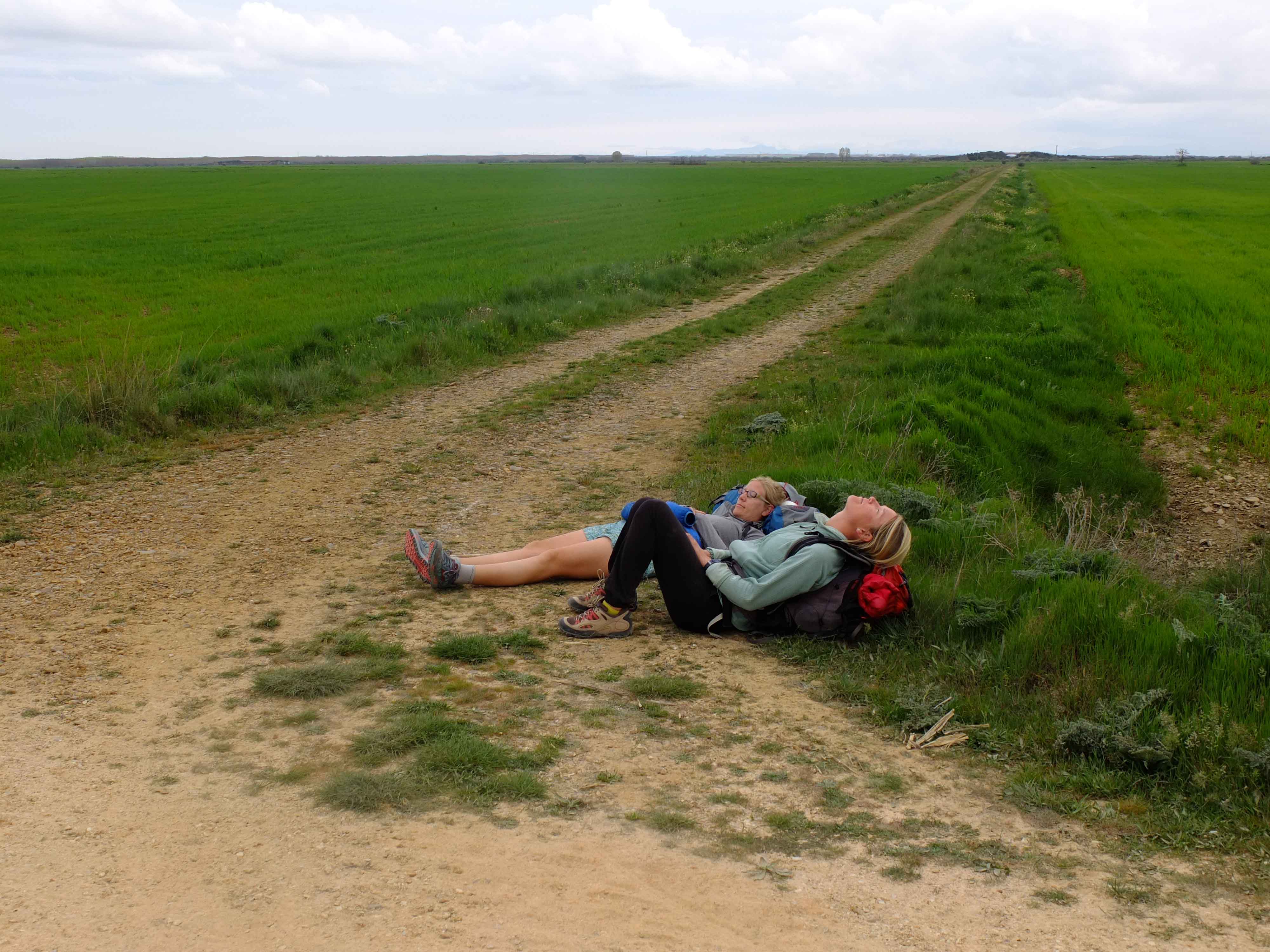
Miracles occur. My pain left me on the Meseta. It was truly a miracle. The thing about the Camino, you have to leave yourself open to miracles entering your life. That’s what happened to me. If I’d gone to a doctor, the miracle would never have happened.

EVERY DAY IS A PILGRIMAGE:

This now is the challenge for me. To take being a pilgrim back to my normal life. To approach every day as being on a pilgrimage.

What have I learnt so far? ( because the lessons will keep on a comin’… )

I’ve learn that the only thing that really matters is love.

That’s what the Camino has taught me.


Camino Audit #5 – Photography

Photography enabled me to fully “see” the Camino as I walked. It became a very important part of my Camino experience.

I saw things with my camera I simply would not have otherwise seen, had I not been shooting. And I experienced things – interactions with people, particularly local Spanish people – that wouldn't have happened had I not photographed them.

But that's just me.

It wouldn't be so for everyone.

Some people think that taking a photograph robs you of the memory – that it's an easy way to grab a moment and consider it later, and in doing so you're not fully experiencing the moment when it's presented to you.

That's true in some cases. You can use the camera promiscuously by snatching a shot and quickly moving on, believing that by taking the photograph you've captured the moment for later appreciation: the scenery, the vista, the church, the sunset, the village square.

But you find later that the photograph never truly captured the beauty or the magic of that moment, or that scene. It's always a disappointment, and you feel you should have stopped just a little longer and looked, and fully absorbed it with all your senses; not only your eyes, but you should have smelt it, and heard it – things a photograph can never capture – and then you should have filed it away in that data storage bank called your brain.

All this is true. But it depends on how you use your camera. And your purpose in taking a photograph.

For me, taking a photograph takes time, and engagement. I can't take a photo “promiscuously.” I know the shot will be superficial and technically inept. There's just no point. So as I walk, I look around and I try to really see things. I'm looking for the discordant, the idiosyncratic, the visual malapropisms.

I'm looking for the stuff that makes no sense, or that tells a story.


As I've said in a previous post, it takes me between 30 seconds to 90 seconds to take a shot. And I've taken now close to 5000 shots. For instance, I took several shots of a white horse in a field full of trees.

I followed that damn horse for about 10 minutes as it moved from one section of the forest to the other, trying to get the perfect shot. Ultimately I was never happy with any of my pictures. (That's the day it took me 5 hrs to go 11 kms!)

Equally, when I photograph local Spanish people, I walk up to them and ask if it's ok if I take their picture. If they say no, then I thank them and walk away. If they say yes, then I begin to photograph them. And when I've got a shot I'm happy with, I show it to them on the LCD screen, so that I'm not only taking, but also in a small way giving back.

Invariably then they speak to me in Spanish, which of course I don't understand. Then I tell them I'm from Australia, which delights them, and i show them my Sydney Swans cap, which confuses them, and then I shake their hand and leave. All up, between 3-5 minutes.

So in other words, there's engagement. With the people, and with the subject. Sometimes I wait for clouds to clear so I can get better light. Sometimes I have to wait for quite a while for the background to clear, so I can get a clean shot. It takes time. But that time means I have a connection with what I'm photographing.

It doesn't mean each shot is a “keeper.” Of the 5000 odd shots I've taken, I'm only really happy with about 10 of them. But, more importantly my photography has helped me experience the Camino in my own unique way. It has allowed me to truly connect with it.

TECHNICAL –

I used a Fujifilm x10. I chose this camera because it's small, it's light (with charger and spare batteries, the weight was about 650 gms) and I really like the Fuji sensors. It has full manual control, and a manual zoom. It's also not an interchangeable lens camera – I wanted a closed system camera so that I didn't have to deal with dust on the sensor.

I shot JPEG, which was probably a mistake. I always shoot RAW normally, however shooting RAW on the Fuji would have chewed up the batteries, and the SD cards. Also the Fuji RAW software is dodgy. Despite all that though, I wish now I had shot RAW. It would be nice to have that extra data to pull from.

The camera's focal length is (35mm equivalent) 28 – 109mm. f2 is its widest aperture. Useable ISO up to 1600, with later noise reduction in post.

I often wanted a 20-24mm lens, and also a 200mm or 300m telephoto. The camino screams out for very wide and punched in shots.

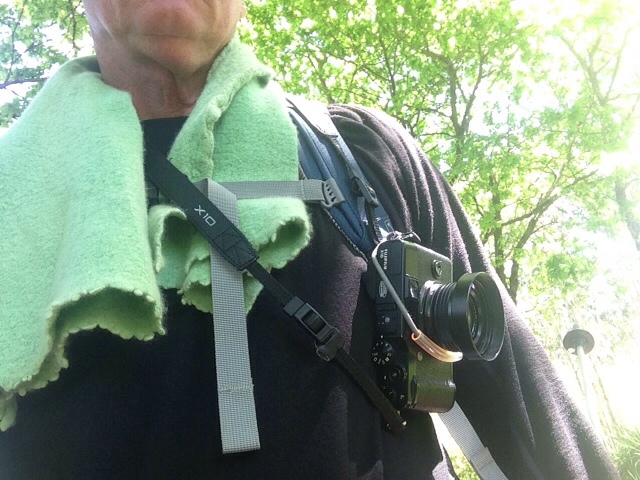
I kept the camera slung to my chest via an elastic cord on the backpack. That way I could access it quickly and easily. When it rained I simply put it under my jacket. I took 3 extra batteries, and 2 extra memory cards. I changed the cards at third intervals during the walk, just in case the camera got lost or stolen, and I lost my shots.

The only way I could back up my shots was on my iPad – but I didn't have a great deal of memory so I just backed up selected shots. I also did a select backup on Apple's Photo Stream, however backing up to the cloud takes time – and one thing I didn't have was a lot of time, because my walking days were usually so long.

If I was to do the Camino again, I'd probably take an entry level DSLR, like the Nikon D3200. It's light, small, yet has a terrific DX sized sensor (24MP) and all the bells and whistle's I'd need. I'd use the Nikkor 16-85mm zoom. (a cracker lens). I'd offset the extra weight by not taking a third pair of undies…

My shots of the Camino I'm sure are not to everyone's taste, but it's the way I saw it. And my photography allowed me to experience it in a very intimate way.


Day 33 – The Towel handover

Day 32 I took it easy in Santiago. Wandered around, took some photos, did my blog posts.

Day 33, Sunday, I handed back the towel to Balazs. It was the first time I'd seen him since that morning 30 days ago when he left Pamplona, and I stayed back, nursing a knee the size of a football. Wrapped in Balazs' towel, with ice.

I had walked hard the last 10 days to get there in time to hand him back his towel. (He's leaving first thing in the morning.)

It was emotional. He never thought I would make it.

Later, we were joined by Rosa and Lazlo. It was the four of us that shared a cab from Biarritz Airport to St. Jean on April 9th, an eternity ago. We hadn't all been together since.

The Camino engenders such strong friendships, and emotions. We'd all been through so much since that taxi ride.

We then all went to the Pilgrims' Mass, and as we were jockeying for a position in the crowded Cathedral, I saw a South Korean couple – mother and daughter – that I hadn't seen in weeks.

The last they'd seen of me, it was west of Burgos and I was in great pain and struggling kilometre after kilometre.

The daughter, Nayoung, pushed her way through the crowds to come over and speak to me. Amazed, she said: You made it. You took bus?

I laughed and said no, I never took a bus or taxi. I walked every step of the way. And then she burst into tears, and hugged me.

At the end of the Mass, they swung the Botafumero.

Later, we theTaxi Four all went to lunch in a small local eatery, and we allowed ourselves the indulgence of saying that we'd achieved something…

And I felt happy. I felt really happy.


Camino Audit #3 – Expectations vs Realities

For two years I dreamed of walking the Camino.

I researched thoroughly, I trained regularly, I started buying gear and clothing (during end of season “specials,”) I bought a backpack and began to load it up and weigh it, and I began to inhabit forums and read blogs, trying to anticipate what it would be like to walk the Camino.

My expectations were vastly different to the reality.

This post is intrinsically personal, because my background and previous methods of travel might be different to yours, but also my anxieties, fears, hopes and disappointments (very few!) are specific to me.

But I notate them here, both as a personal record, but also because some of you might find it useful.

The other thing I should add is that usually, I am a very organised and ordered person. I like to research and plan, and know what’s ahead, so I can fully prepare myself.

I decided on this walk to throw all that out the window. I will soon be doing a film on intuition, which I’m calling PGS, and I wanted to walk the Camino intuitively.

So, once on the pilgrimage, I would do no planning, there’d be no structure, no forward thinking. Just taking it moment to moment, and “feeling” my way.

Also, I set out determined that I would have no fear. That I would give myself up to whatever The Way threw at me. I would not walk with fear.

So here’s a list of my expectations, and the reality:

      • I didn’t realise it would be so beautiful. I’d seen a lot of documentaries and YouTube videos, but it’s more beautiful than any of the footage I saw, and way more beautiful than the photos I posted. The landscapes and the scenery are stunning – and some of the small towns and villages, the old sections, are like picture postcards. I was not expecting it to be so beautiful. For me, the highlights were Samos, and the tracks in and out, and sections of the Meseta. But every day, I was knocked out by the beauty of the Camino.
      • I didn’t realise it would be so hard. Now admittedly, I brought a lot of the hardship on myself, but the Camino is tough going at times. I was expecting a few stages to be arduous, like St. Jean to Roncesvalles, and climbing O Cebreiro, but perhaps just as demanding was the descent down from the Iron Cross into Acebo, and coming into Zubiri. Most days though had their demanding sections, and you dealt with it. But a walk in the park it ain’t.
      • I expected to be more capable. After all my training and preparation, I thought I would handle the Camino just fine. I thought it would be tough going at times, but I believed that my training, and my core strength, (I’ve kept myself pretty fit through my life) would get me through it okay. Nope. I struggled most days. A week before leaving Australia, I developed a “niggle” in my knee, from an old injury. I purposefully had reduced the training the last two weeks, so this niggle wasn’t from pushing it. But after Roncesvalles, that niggle developed into full blown knee pain. My Camino became all about pain management. I wasn’t expecting that. And that was humbling.
      • I didn’t expect so much kindness and generosity. I’d read that people were generally kind and generous on the Camino. Every day I witnessed it. Like the Spanish girls who offered for me to join their breakfast beside the highway. I was a perfect stranger to them. And the fellow who carried the backpack of an injured Italian lass up and down some gnarly mountain passes. And of course Balasz, who in Pamplona helped me deal with my knee injury. The spirit of the Camino infused most people. Not everyone, but most.
      • Albergues. One of the things I was most unsure about before leaving for the Camino is how the albergues would work, and how I’d deal with it. I’m nearly 60 and I’m now used to hotels, private bathrooms, a certain level of comfort, and privacy. The first albergue I stayed in was at Roncesvalles, and it was great. Modern, well run, clean. From then on, albergues became an essential part of the Camino for me. There were no issues with immodesty, mixed genders sharing showers and toilets and everything – it all just worked. Most importantly, albergues were where I established some strong and lasting friendships.
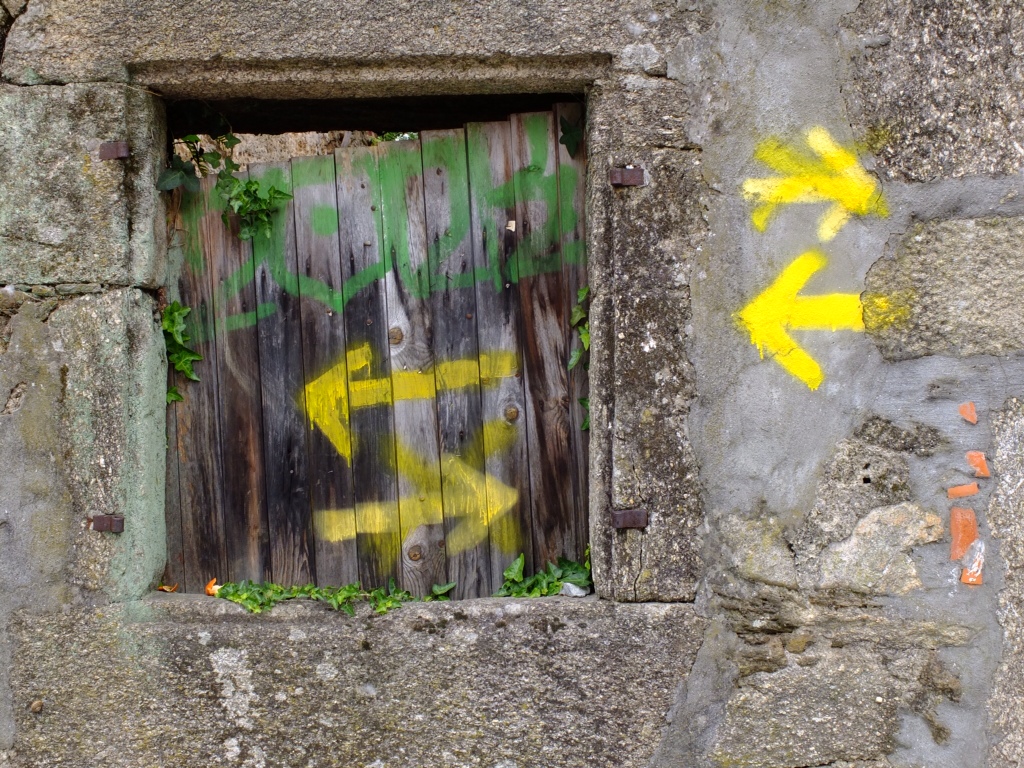
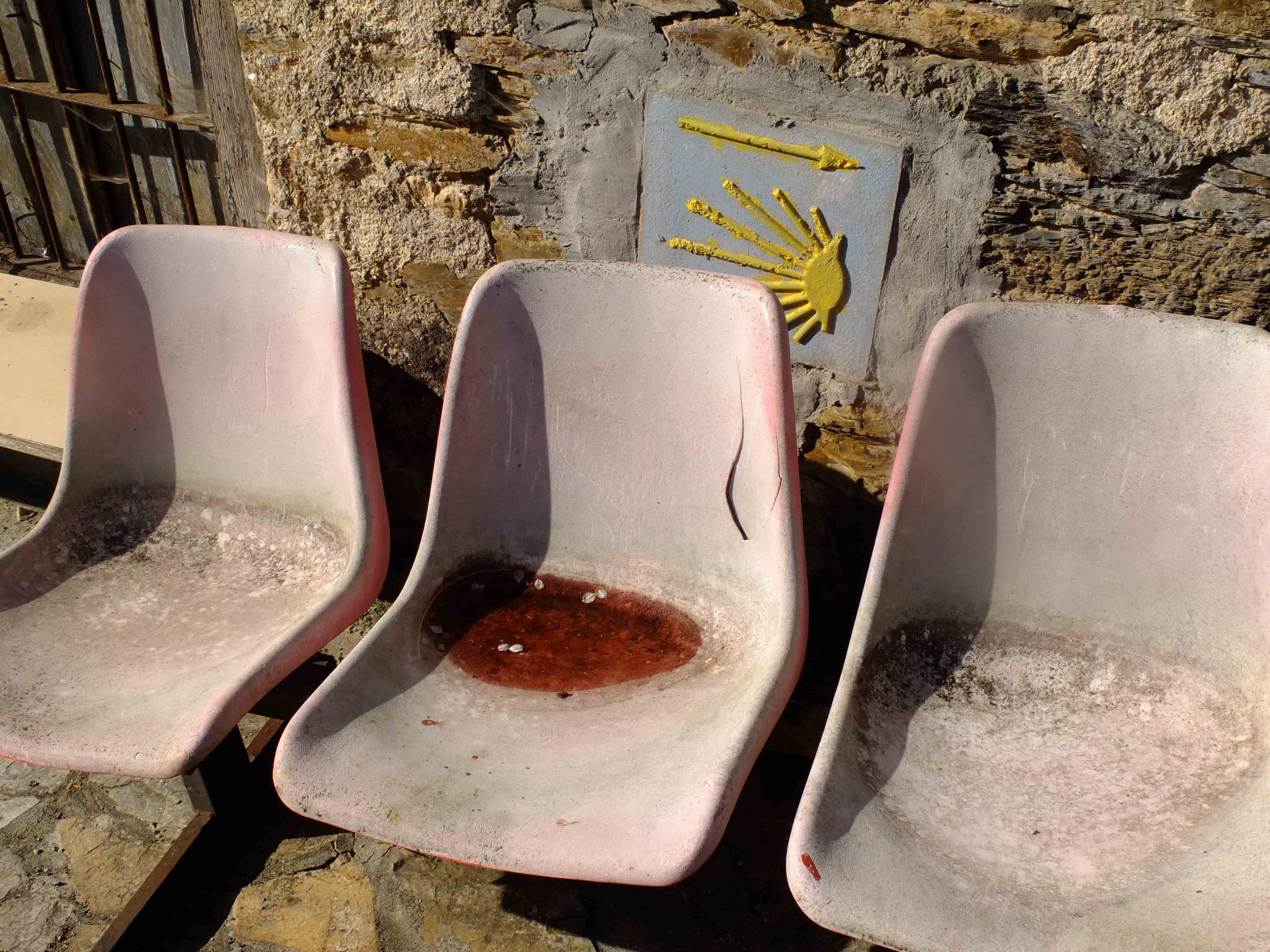
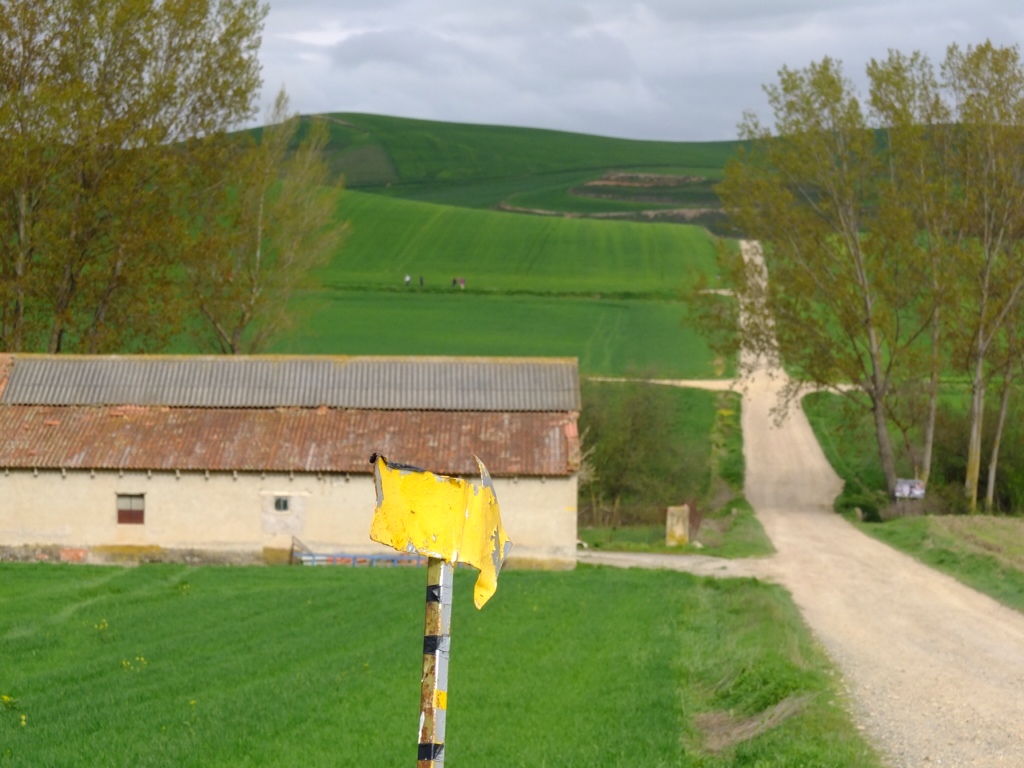
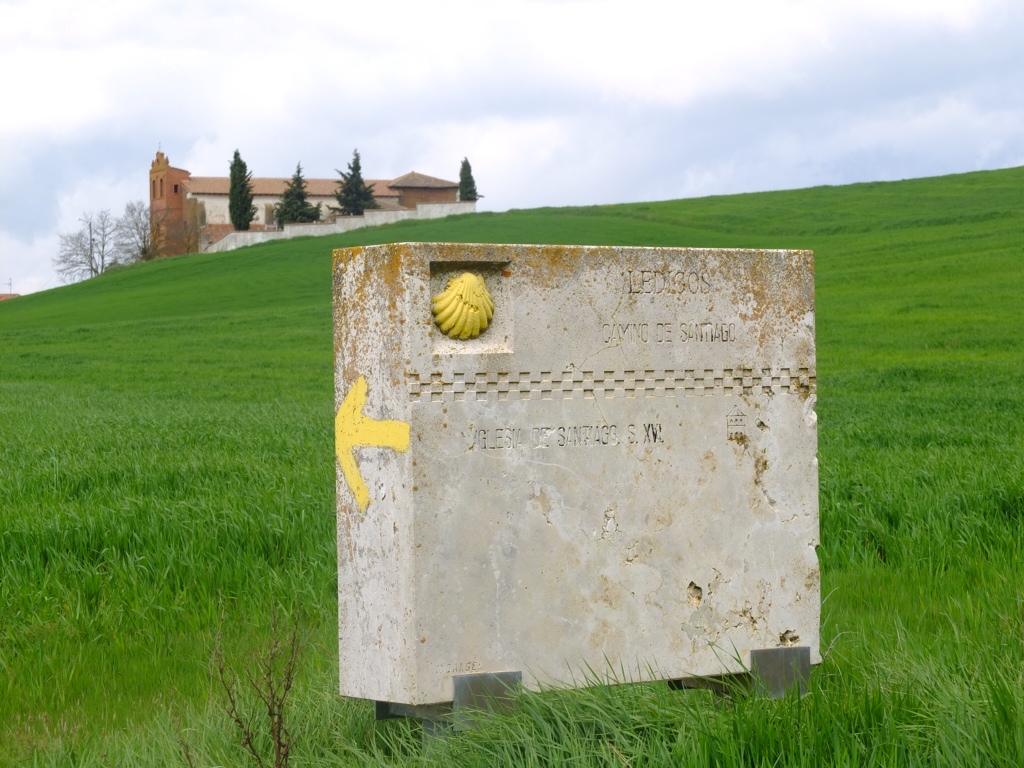
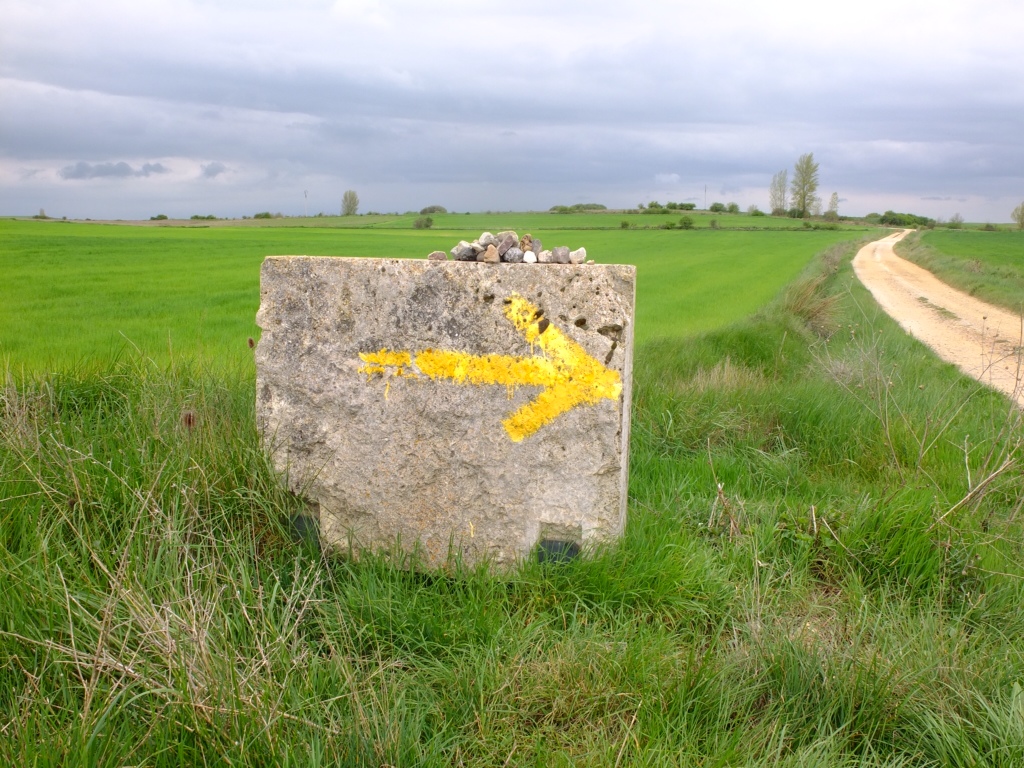
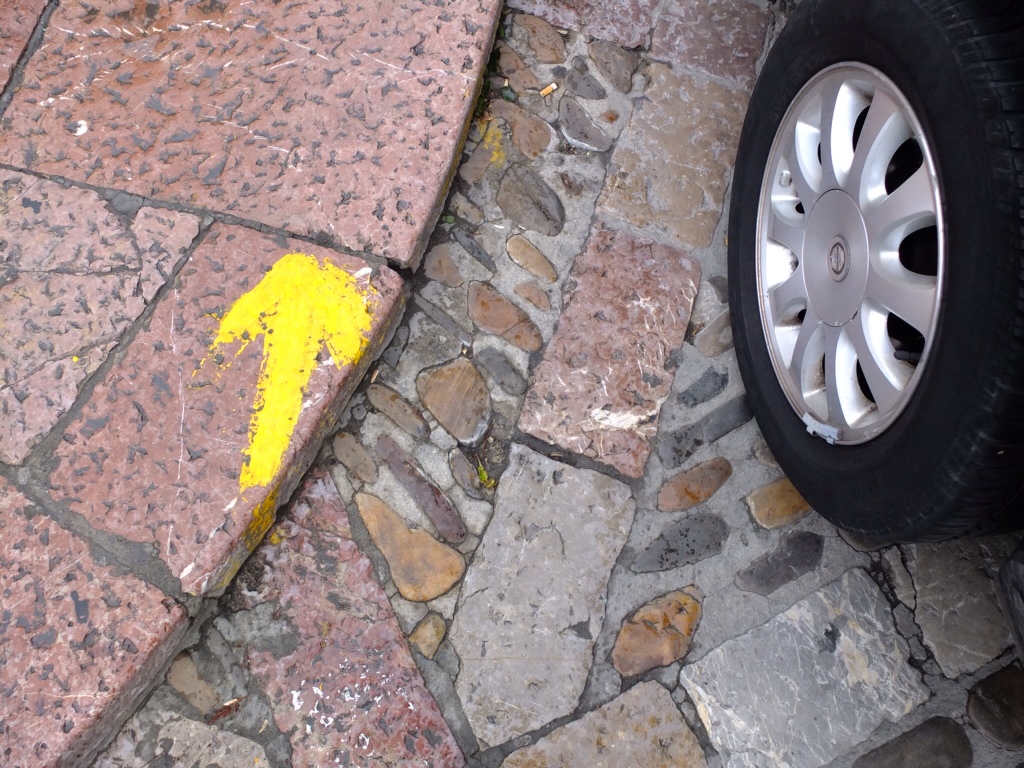
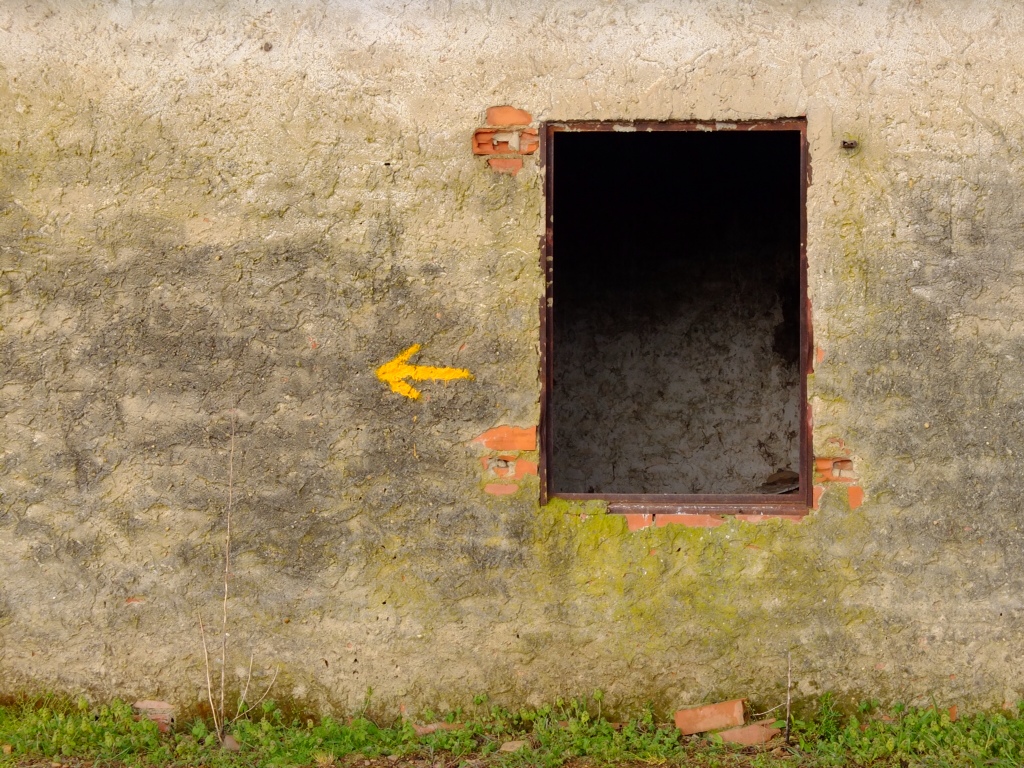
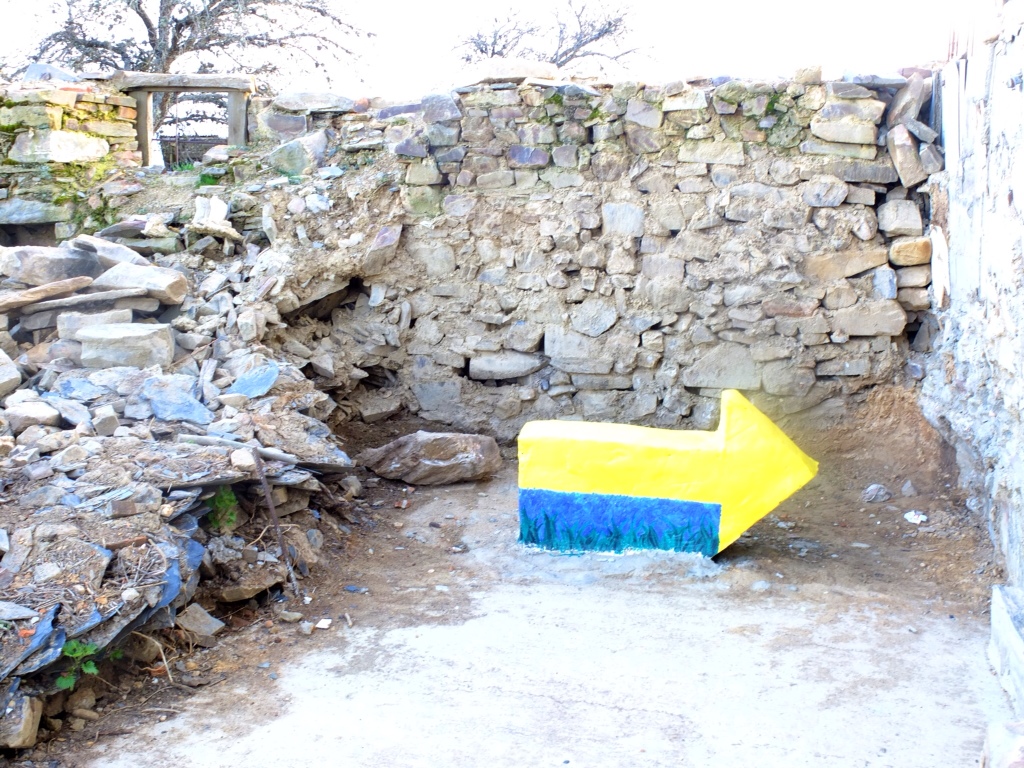
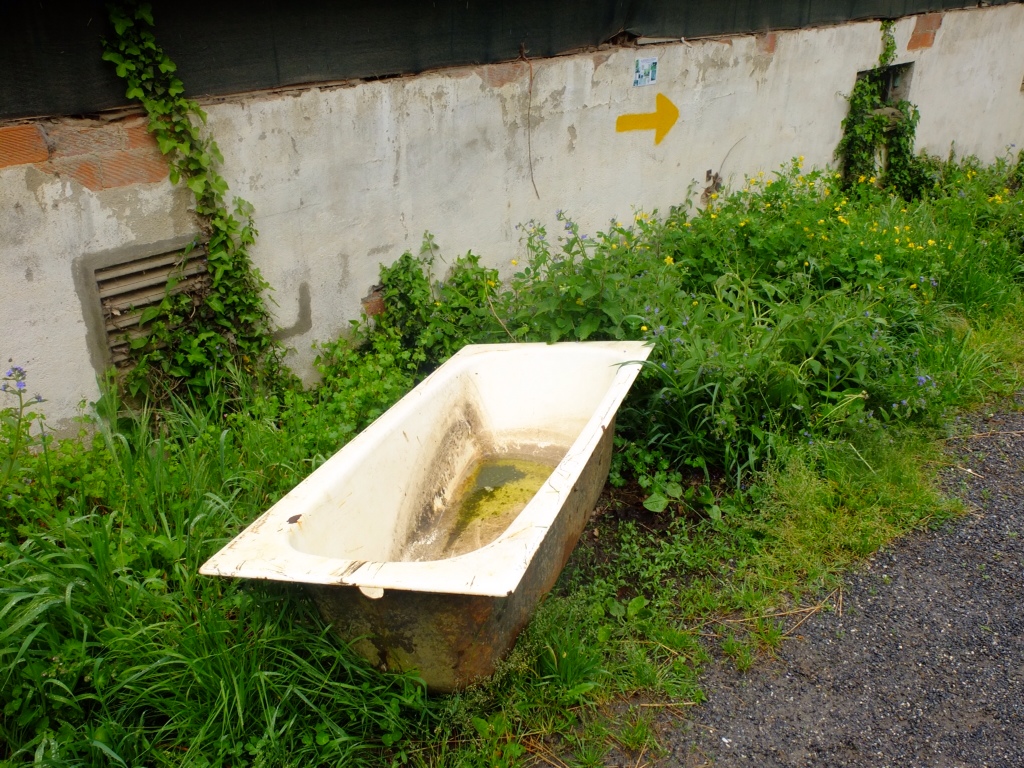
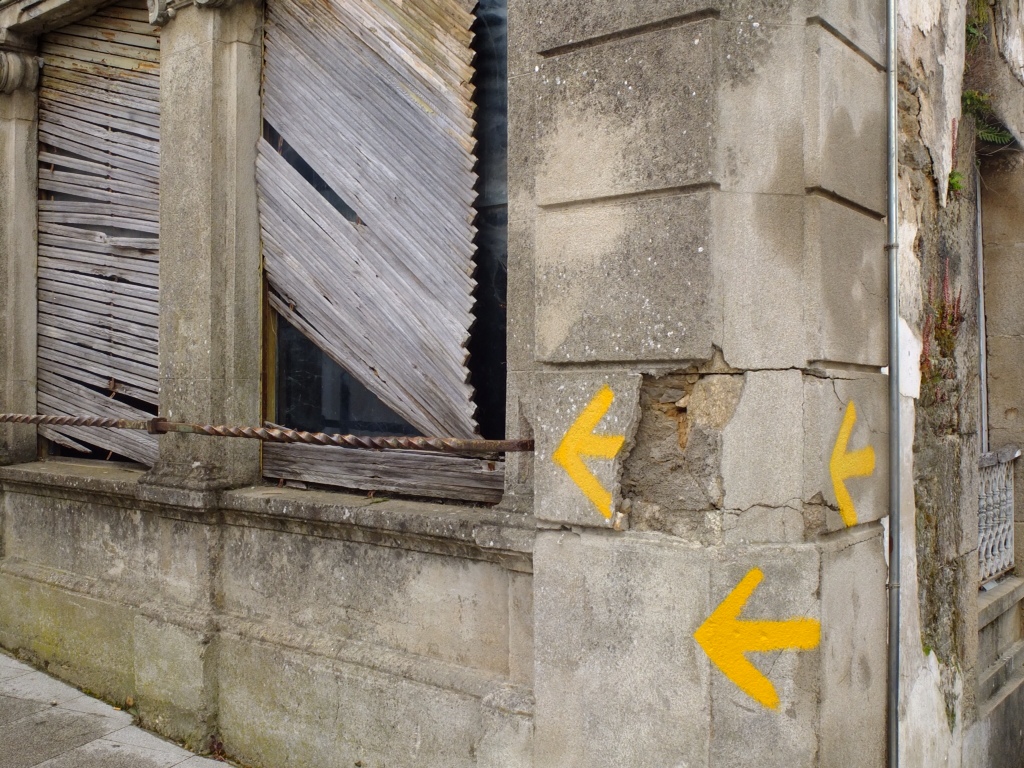
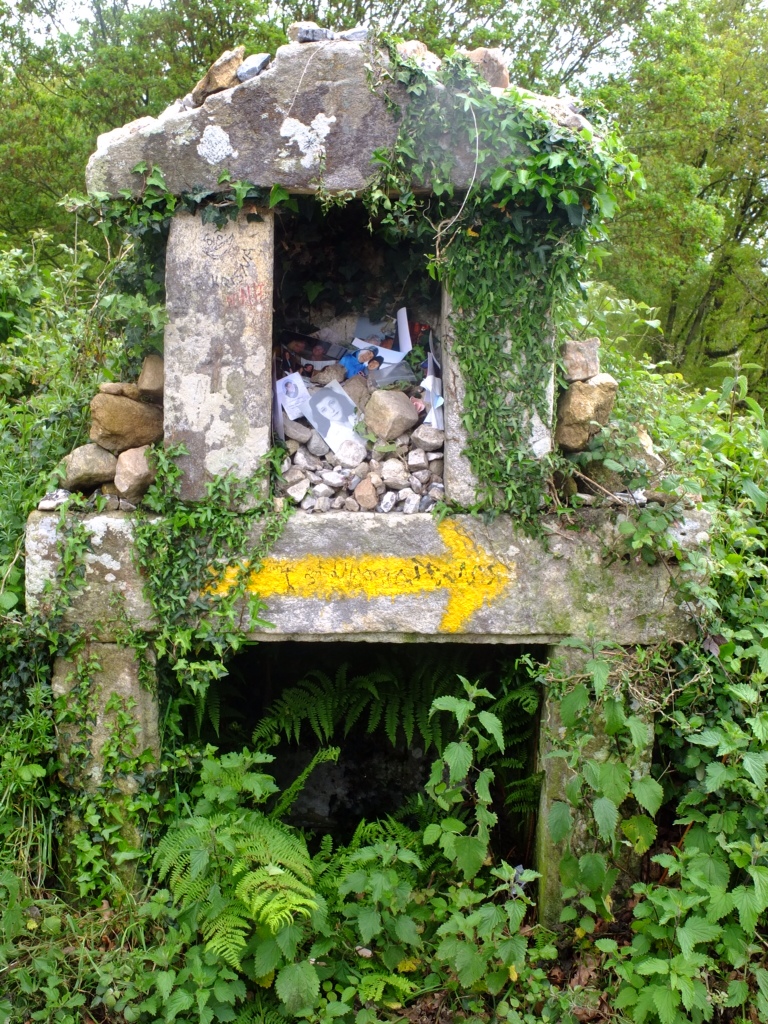
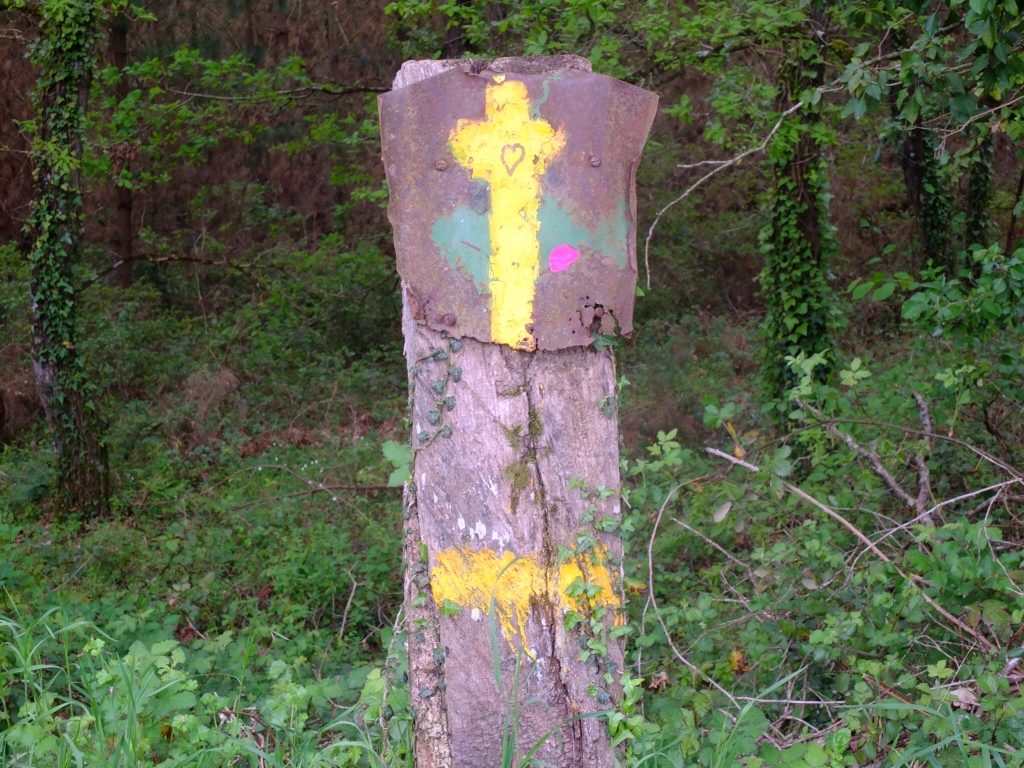
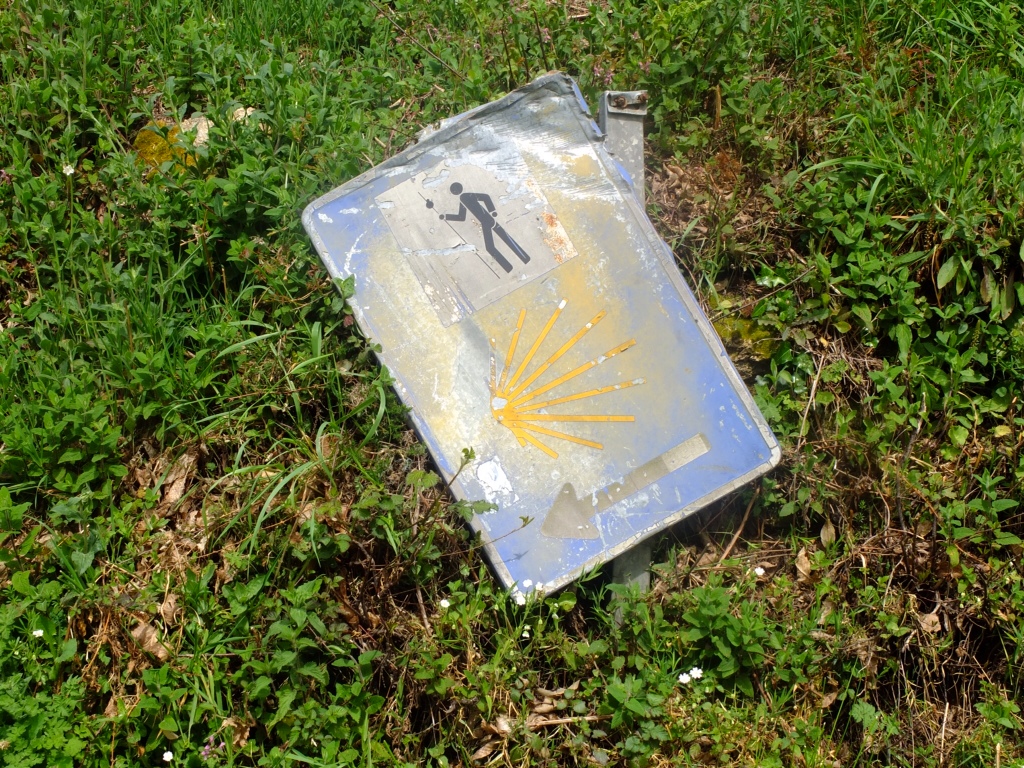
      • Infrastructure. I wasn’t expecting the Camino, the Frances Camino which I did, to be so well organised. The infrastructure is, by and large, fantastic. By that I mean towns and villages along the way are set up to handle most pilgrims’ needs. And the yellow arrows, which show you which way to go, are everywhere. (Even so I got lost a few times, but that was due to my inattention.) If the Camino is your first long distance walk, as it was for me, then you’ll find it will provide everything you might need.
      • The Spanish. I knew the Spanish to be lovely people from when I was here two years ago, but I thought that many servicing the Camino would be less friendly and somewhat jaded, purely because each day they’re handling so many pilgrims coming through. Not so. Overall I found them once again to be delightful people. There were only a couple of occasions when this wasn’t so, like the hotelier who refused to serve pilgrims, but mostly they went out of their way to be helpful and friendly. Also, Spain is a very safe place. You have to be careful of theft, as you do anywhere, but it’s not a country where you have to worry about personal safety.
      • Dogs. Dogs are everywhere along the Camino, and they are HUGE. Like Hound of the Baskervilles huge. Sometimes they’re the size of a small horse. And often they look terrifying. But I never had any problems with dogs. The owners are very careful to keep them locked up, or on leashes.
      • Inexpensive. I wasn’t expecting the Camino to be as inexpensive as it was. Food and meals are cheap, drinks are cheap, (especially outside the big towns and cities) and depending on what level of albergue or hostal you choose to stay at, accommodation can be as little as €5 a night.
      • Weight. I was hoping to lose weight. But I don’t think I did. I didn’t allow myself to go hungry. I figured if I was going to do this kind of mileage, then I wouldn’t put myself under any more pressure than necessary. I would have chocolate at times, and beer too when I was writing the blogs (That’s how come they’re so crazy.) And sometimes two pilgrim meals a day. (A post on this to come.) So, probably, 800 kms at 3000 calories a day, and no weight loss. Damn.
      • Weather. I was expecting it to be colder, and rainier than it ended up being. The weather on the Camino is so unpredictable. It could have easily been the other way. As it was, I was blessed with fantastic weather. So a lot of my clothing became redundant, that’s why I forward posted it from Pamplona to Santiago.
      • Speed. I was expecting to go faster. I thought I’d be doing at least 5 kms/hr. I ended up probably averaging 3kms/hr, or 4 kms/hr when I was really steaming and not taking photos. My injuries slowed me up, and my photography. Even so, I walked the Camino in 31 days with 3 rest days – principally because I walked long hours each day.
      • Cuckoo birds and cow bells.I wasn’t expecting Cuckoo birds on the Camino. No way! But they were everywhere. And cow bells too. You’d have thought you were in Switzerland. Whenever I hears Cuckoo clock chime now, it will remind me of the Camino.
      • Spirituality. I wasn’t expecting the Camino to be as much of a spiritual experience as it turned out to be. But the spirituality came in unforeseen ways – in the landscapes, in the light, in the people I was fortunate enough to meet, in the chance coincidences, and the momentary flashes – such as stepping on the star in the Burgos Cathedral. Even though you might not set out to have a spiritual experience, you might be surprised at what the Camino presents to you…

Camino Audit #2 – My Gear

Overall, I did well with what I took. So much though depends on the weather, and the time of year you do the Camino.

I was incredibly lucky with the weather. Two weeks before, it had been snowing and raining. On my Camino, I only really got one proper wet day, apart from a few drizzle days in Galicia. And no snow, and no really cold weather. (April 10 to May 10)

Here’s my assessment of what I took —

BACKPACK – Osprey Kestrel 38L

Fabulous. Comfortable, easy to adjust, loved that you could access your sleeping bag from the bottom, loved that it had a built in rain cover. Always cool even when I was sweating profusely. My only negative is that I could have done with the 48L version. Sometimes it was a little cramped with food. But a joy to put on, which is saying something!

BOOTS – Asolo Goretex Morans

Loved them. They saved me from a couple of serious ankle sprains. The grip was fantastic. Clung to shale rocks and were always comfortable. And waterproof. And they protected my feet perfectly. Yes I got a few blisters, but I don’t put that down to the boots – more to the long miles I was walking, and to my blister management technique, which was largely non existent. After 800 kms the tread is barely worn. They could do another two Caminos easily. Pity I can’t…

INSOLES – Superfeet

Essential. They made the boots work. Gave me cushioning when I really needed it, and helped absorb shock through my spine.

SOCKS – Icebreaker Merino thick

Again, fabulous. Further helped absorb shock, and handled heat and cold perfectly.

SOCK LINERS – WigWam

Probably the reason I had as few blisters as I did. Again, essential.

AFTER WALKING SHOES – “Barefoot Runner”

These for me would have to go into the Essential category. I would put these lightweight shoes on at the end of the day, after I’d showered. They only weigh 400gms, yet they enabled me to walk freely around towns and villages. For me, a far better choice then flip-flops or Crocs.

(I never subscribed to the belief that you should wear flip flops into showers, to prevent picking up foot diseases. I have resolutely refused to walk this Camino with fear.)

NIKE TRACK PANTS

The technical dry-fast version. Had two pairs, and they did the job beautifully. Didn’t want to wear shorts – the long trakkies protected my legs from the sun, and even in the cold my legs seemed warm. I wore black so the dirt wouldn’t show up as much.

UNDIES – Bonds quick dry

Every bit of clothing you bring on the Camino should be easy to wash, and quick drying. My undies were perfect for that, although sometimes if I got in late they wouldn’t dry in time, so I had to hang them off my backpack the next day until they dried!

T SHIRTS – Icebreaker Merino 150gms.

Fantastic. The merino kept me warm in the cold, and cool in the heat. Didn’t hold stinky odour, and were fast to dry. Expensive, but worth it.

OUTER LONG SLEEVE TOP – Icebreaker Merino 200 gms

Again, fantastic. (Icebreaker, how about a sponsorship deal hey? Have your people call my people…) Seriously, I had two of these and wore them every day – when it was minus 5C, and when it was 35C.

(On clothing, I discovered I only needed two of everything – one to wear, and one to have clean for the following day. This required doing the laundry each day after the walk, which was not a problem. I did bring a third t shirt and a third pair of undies, both of which I never wore. I did though use a lighter thickness of sock – a pair separate to my two thick pairs – and I wore these at the end of the day when I was walking around a village or town in my runners.)

OUTER SHELL – Spanish windbreaker jacket

I brought this along for sentimental reasons, because I actually bought the jacket in Leon two years ago, in a hiking store that catered for pilgrims. It was warm and wind proof, however it trapped sweat. It wasn’t breathable, and that meant I had to wash it each night – and it took ages to dry. I’d go for a Gortex jacket if it was to do it again.

OUTER SHELL – Gretox rainjacket Katmandu

Great. Didn’t need to use it much, except for the days coming into San Martin and Astorga, and when I hit Galicia, but always comfortable and most importantly, completely waterproof.

AFTER WALKING JACKET

A very lightweight windbreaker jacket I picked up in Pamplona, and ended wearing it every day, after finishing the day’s walk.

SCARF – Pasmina green scarf

Essential. Kept my neck warm in the cold, and kept the sun off. As it turned out, the unusual green colour became my “signature,” along with my Swannies cap, so people could recognise me from a long way off. That’s if they didn’t recognise the distinctive cripple hobble…

WALKING STICKS – Leki recoilable

Essential. Could not have got through the Camino without them. They helped me up hills, and helped me brake going down descents. Can’t speak too highly of sticks in general, and these Lekis in particular.

SLEEPING BAG – Western Mountaineering

This was expensive. In fact, the single biggest expense other than the airfares, but worth it. Light, warm, comfortable, and packed down to nothing. If I’d travelled later into the season, may not have needed it – but certainly needed it in April/May.

GLOVES – Katmandu wind stoppers

Only wore them about three times, but on those occasions I really needed them.

BEANIE – Icebreaker Merino

Never used it. Sent it on ahead to Santiago. (When it was really cold, I’d put on my rain jacket and use the hood for warmth around my head and ears.)

GAITORS –

Never used them either. Didn’t find I needed them. But then again, the weather was very kind. Shipped them to Santiago too along with…

THERMALS – Icebreaker merinos

Not necessary. Never that cold. Maybe in winter…

REFLECTIVE SAFETY VEST

Let it in the albergue at Roncesvalles. Never used it. Unnecessary.

WRIST WATCH – Casio

Before leaving Australia, I bought a $25 Casio wrist watch that had an illumination function. I used this all the time in the albergues, where you'd wake up at night and not know what the time was. Press a button and a light came on and lit up the time. Essential.

HEADLAMP –

Essential. Essential in the albergues for finding your stuff in the dark, and for when I set off early before sunrise.

KNIFE – Opinel

I got this knife soon as I got to St. Jean Pied de Port. €5 from a local store. It was invaluable, both for cutting up cheeses and chorizo, but also for cutting bandages!

CAMERA – Fujifilm x10

I chose the camera because of its lightweight, its sensor, its manual capabilities, and because I’ve always liked Fuji’s processing engines. But it was a compromise. Weight and sensor size vs Image Quality. I’ll write more about this in a future post, however, the camera did a good job, and overall I’m happy with it.

iPAD

If I was doing this trek again, I’d probably buy an Apple Macbook Air. The iPad has been very frustrating at times because of its limited capabilities – but as with the camera, it’s a compromise and served it’s purpose.

PHONES – iPhone 5 + Nokia

Both phones have been useful. Smartest thing I did, as I was limping into Pamplona, was get Vodaphone SIM cards for the iPad, and the phones. I found Vodaphone had coverage everywhere I went, except for one night in the remote mountains.

IPOD

Never used it. Not once. Didn’t want other influences on my thoughts, other than the sounds and spaces around me.

MULTIPLE POWER PLUG

I went into a hardware store very early into the walk and for €1.50 I bought a power adapter which would allow 3 plugs. Essential, particularly in albergues.

WATER BOTTLE – Gatorade bottle

I didn’t use a Camelback. Too heavy. Instead I bought a Gatorade bottle, because it has a wide mouth for gulping down water fast. I put that in the left hand side pocket of my backpack’s waistband. Easy to reach. 600ml. I had another bottle of water in a pocket of the side of the backpack – always filled to a further 600mls, which I used to top up the Gatorade bottle if necessary. This was a simple and effective way for me to keep always hydrated.

TOILETRIES

Never used the shampoo. Threw away the deodorant. Bought some disposable razors because they were light. Bought a very small tube of toothpaste, and a small can of shaving cream. No hairbrush or comb. No nail clippers.

EARPLUGS AND EYESHADES

Essential. I read about snorers in albergues. They are real and they exist and they will shake your teeth loose.

SUNSCREEN

Essential. Expensive in Spain, unless you buy from big supermarkets. Cheaper to buy at home and bring with you.

PHARMACEUTICALS

You buy what you need in Spain according to what injuries you get. Farmacias are everywhere, especially on the Camino! And pharmaceuticals in Spain are very cheap. For instance, a packet of 40 tablets of Ibuprofen, 600mg, are under €2. Incredible. If I was doing the walk again, I’d make sure I had Ibuprofen, Voltaren cream, crepe bandage, Betadine, and some antibiotic cream. And an elasticised knee bandage.

COMPEED – for blisters.

I had a bad experience with Compeed and would never use it again. Ever. It caused a small blister on my heel to become huge, and infected. Interestingly, the pharmacist in Santo Domingo, after looking at my heel, refused to sell Compeed to me! I know it works for some people, but for me it didn’t. Big time.

LAUNDRY STUFF

Never used my clothes pegs, and never used laundry soap. There were always pegs and soaps available. Never needed a laundry bag. Ziplock bags though are essential.

ONE THING I COULDN’T HAVE DONE WITHOUT?

That’s easy – those Leki walking sticks. And my elasticised knee bandage!

By the way, even with my camera, iPad, various phones and chargers, my pack came in at 8.8kgs. It dropped 1.75kgs further when I posted a lot of stuff through from Pamplona to Santiago.

Camino Audit #1 – Stages

These are the stages I did day by day.

I am not including the kilometers when I got lost.

~~~~~~~~~~~~~~~~~~~~~~~~~~~~~~~~~~~~~~~~~

Day 1: St Jean Pied de Port to Roncesvalles – 27 kms

Day 2: Roncesvalles to Zubiri – 22 kms

Day 3: Zubiri to Pamplona – 23 kms

Day 4: Pamplona Rest Day (injury)

Day 5: Pamplona to Cirauqui – 32 kms

Day 6: Cirauqui to Villamayor de Monjardin – 25 kms

Day 7: Villamayor de Monjardin to Viana – 31 kms

Day 8: Viana to Ventosa – 31 kms

Day 9: Ventosa to Santa Domingo de la Calzada – 32 kms

Day 10: Santa Domingo de la Calzada – Rest Day (injury)

Day 11: Santa Domingo to Belorado – 23 kms

Day 12: Belorado to Ages – 28 kms

Day 13: Ages to Burgos – 24 kms

Day 14: Burgos to Hontanas – 32 kms

Day 15: Hontanas to Boadilla del Camino – 27 kms

Day 16: Boadilla to Carrion de los Condes – 25 kms

Day 17: Carrion to Sahagun – 39 kms

Day 18: Sahagun to El Burgo Ranero – 19 kms

Day 19: El Burgo Ranero to Leon – 39 kms

Day 20: Leon – Rest Day

Day 21: Leon to San Martin del Camino – 27 kms

Day 22: San Martin to Astorga – 24 kms

Day 23: Astorga to Foncebadon – 26 kms

Day 24: Foncebadon to Ponferrada – 27 kms

Day 25: Ponferrada to Villafranca del Bierzo – 23 kms

Day 26: Villafranca to O Cebreiro – 32 kms

Day 27: O Cebreiro to Samos – 30 kms

Day 28: Samos to Portomarin – 35 kms

Day 29: Portomarin to Palas de Rei – 22 kms

Day 30: Palas de Rei to Arzua – 26 kms

Day 31: Arzua to Santiago de Compostela – 39 kms

Camino Audits

Over the next several days, I'm going to post a series of Camino “audits,” retrospectively analysing various aspects of my journey – practically, physically, and metaphysically.

I'll also post my top ten favourite photos, and I'll also post my top ten favourite yellow arrow shots, and door shots.

I'll also do an audit on my photographic process.

As well, I'll post pics of those people who've impacted upon me in some way during my journey.

Some of this may be of interest to you, and some may not – however I feel I need to “complete” my journey with these series of retrospective analyses.

What will be most difficult will be the analysis of myself. Because apart from anything else, as my mate Rusty said, the full import of this pilgrimage may not become apparent for months, or years.

However, there are some things I've learnt which I feel qualified to discuss – for instance, the concept of increments: how big goals can be achieved through little steps.

Some of you have very kindly suggested that I turn this blog into a book – and whilst I think very few people would be interested in my ramblings in a conventional book format, perhaps I should consider an “e-book.”

I haven't taken any real touristy shots though – I've purposefully avoided them, because they've never interested me. Other people take those kind of shots better than me.
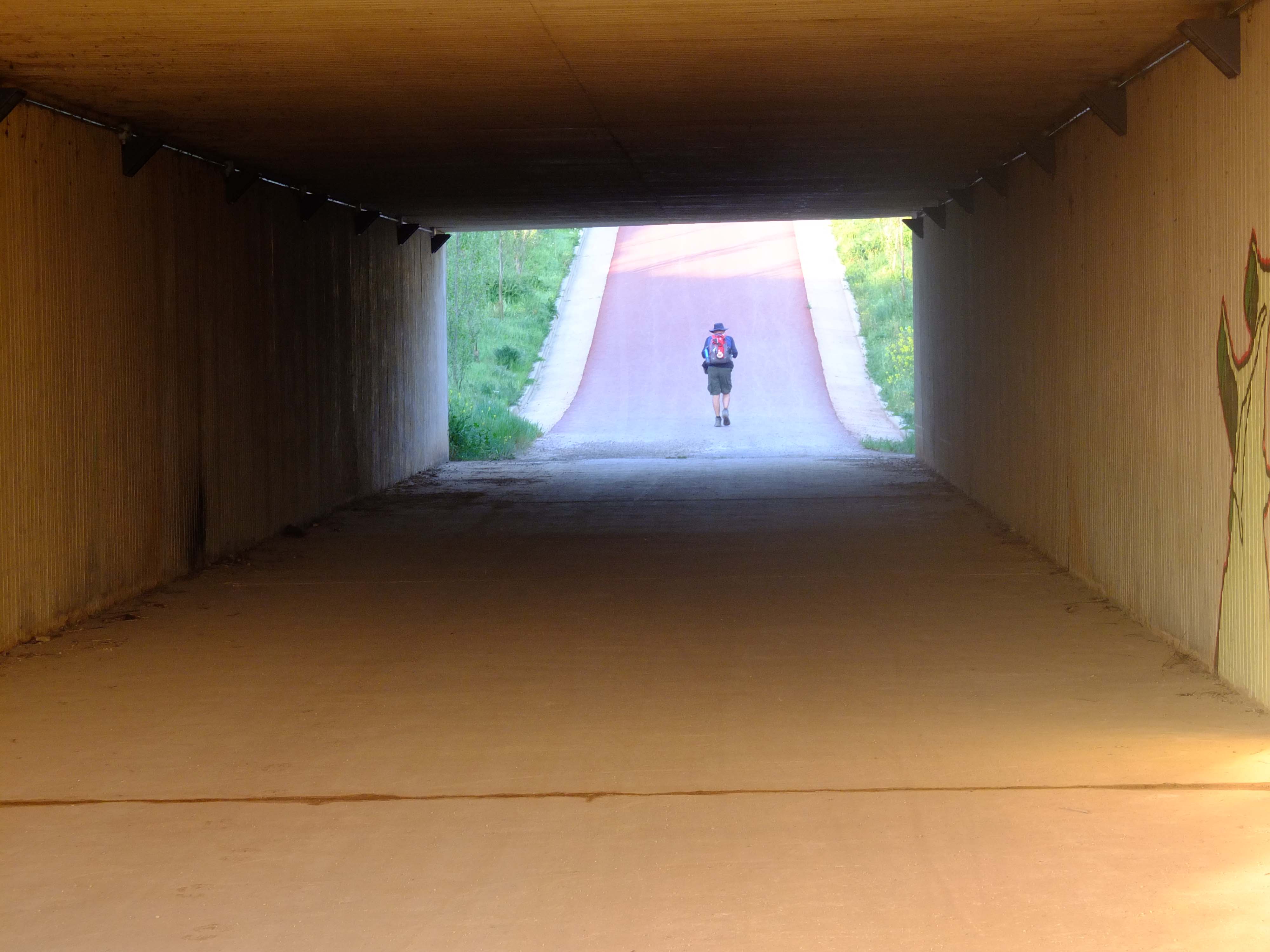
(When William Eggleston, my favourite photographer, did a photographic book on Paris, he published shots of reflections in puddles and fleeting images in shop windows, things like that. Not one shot of the Eiffel Tower! And yet he captured the tone and feeling of Paris more evocatively than anyone since Atget.)

So, later today I'll do my first “audit” and it will be on my gear – what I took, what I used and what I didn't, what worked and and what didn't, and why.

I'm starting with my gear because that's easy.

The hard stuff will be the internal stuff.